












June 05, 2026
Add Battery to Existing Solar System: Do You Need a New Inverter?
Share my #SolaXStory


You already have a solar system. But you're still dealing with power outages or high evening electricity bills. So you're asking:
Can I add a battery to my existing solar system?
Do I need to replace my inverter?
Here's the direct answer: No, you do not need to replace your existing inverter.
In most cases, the most cost-effective and straightforward solution is installing an AC coupled battery storage system.
In this guide, we'll explain in plain English:
The real difference between keeping your current inverter vs replacing it
The honest cost comparison between two solar battery retrofit
When inverter replacement actually makes sense
How to complete a solar battery retrofit the smart way
3-Minute Self-Assessment Before Calling an Installer
Before you sign any quotes to add a battery to your existing solar system, take 3 minutes to check your current setup. This simple step can prevent you from being upsold into unnecessary equipment upgrades.
Step 1: Identify Your Inverter Type (Crucial for Microinverters)
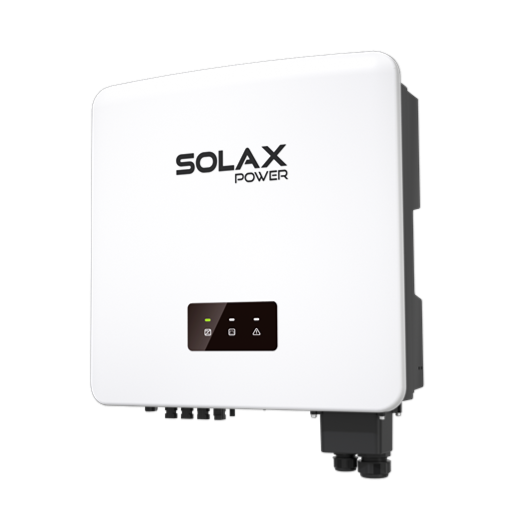
Go look at your wall or roof. Do you have a string inverter or microinverter?
If you have microinverters, an AC-coupled battery system is your only realistic and cost-effective option. Do not let an installer convince you to rip them out.
Step 2: Check Your Inverter's Age
Less than 5 years old: Keep it.
5–8 years old: Probably still keep it.
8–10+ years old: Consider a hybrid replacement, as your old unit is nearing the end of its life.
Replacing a working inverter just to add storage often increases your project cost unnecessarily.
Step 3: Will Adding a Battery Void My Warranty?
Always confirm this with the installer in writing. Because AC-coupled systems operate entirely downstream at your main breaker panel, they generally do not interfere with your original solar panel or inverter warranties.
AC Coupled Battery vs Hybrid Inverter: What's the Difference?
Now let's break down the core decision.
This is where most homeowners get confused — and where installers often push the more expensive option.
Option A: AC Coupled Battery System (Best for Retrofits)
An AC coupled battery system includes:
A battery
Its own built-in inverter
Instead of connecting to your solar panels, the AC coupled battery connects directly to your home's main electrical panel. That means it works alongside your existing solar inverter — not instead of it.
In simple terms:
Your solar panels keep doing exactly what they've always done.
The new AC system simply stores excess energy at the panel level.
This is why an AC coupled solar battery is the most popular solution when upgrading an existing solar setup.
Option B: Replace Inverter with Hybrid (DC Coupled)
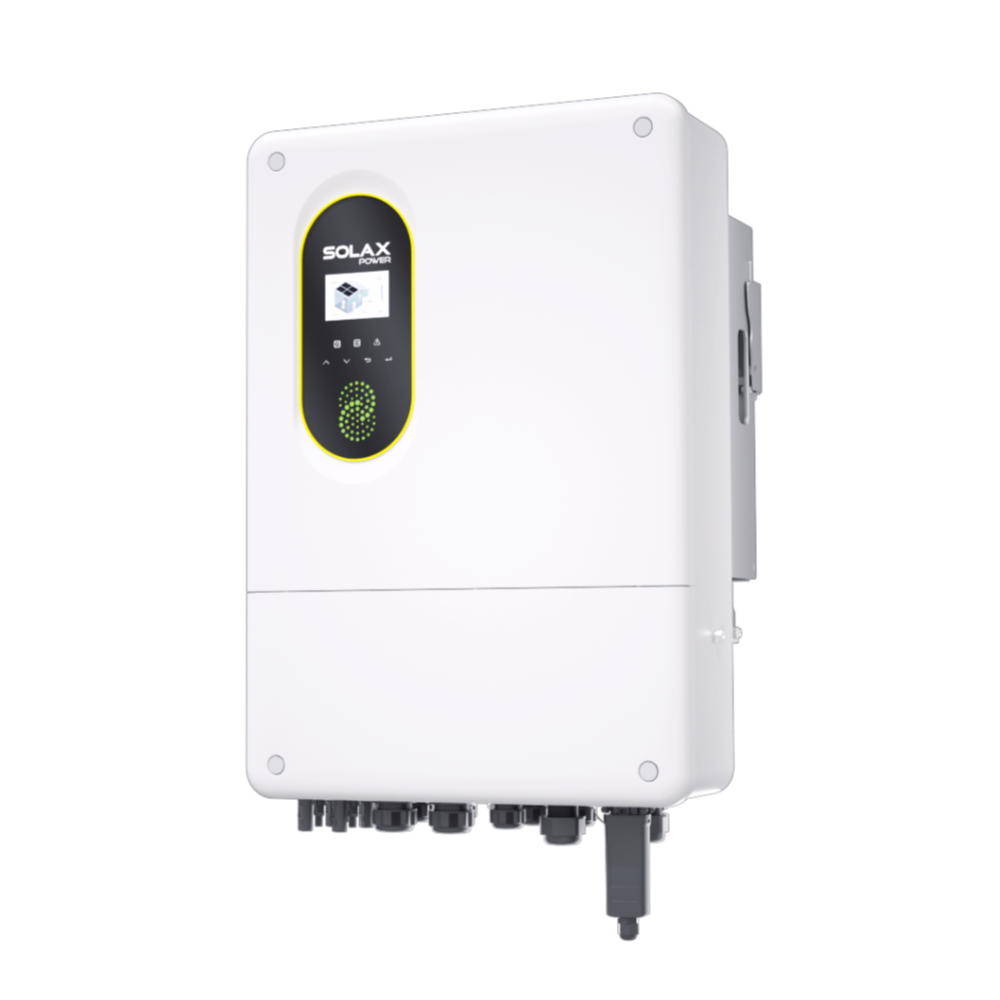
A hybrid inverter replaces your existing inverter and acts as a single "brain" controlling both the solar panels and the battery.
While this approach offers slightly higher efficiency (because it reduces energy conversion steps), it comes with trade-offs:
You must remove your working inverter
Labor costs increase significantly
The solar system wiring must be redesigned
Existing warranties may be affected
In most retrofit scenarios, replacing a functioning inverter is not financially justified unless it is already near the end of its lifespan.
Cost of Adding Battery to Existing Solar System
When calculating your final bill, the technical route you choose makes a massive difference. Your decision dictates whether you save thousands or overpay for unnecessary hardware.
Here is exactly how the two methods compare:
Feature | AC Coupled Battery Storage | Replace Old Inverter |
Upfront Hardware Cost | Lower. You only pay for the battery. | Higher. You pay for the battery + a new inverter. |
Installation & Labor | Very Low. Fast wiring directly to the main panel. | High. Requires complex rewiring of the original setup. |
Existing Warranties | Intact. Your old inverter's warranty is untouched. | Voided. Removing the old inverter kills its warranty. |
Efficiency | Minor energy loss during AC-DC conversion. | Slightly higher efficiency (DC-DC directly). |
Best For | 90% of solar retrofits. | Systems with 10+ year-old failing inverters. |
The Bottom Line on Costs
With an AC Coupled Retrofit: You are only paying for the battery system and minimal electrical labor.
With a Hybrid Replacement: You pay for the battery, a brand-new inverter, the labor to remove your old equipment, complex rewiring, and you essentially throw away the remaining lifespan (and warranty) of your old inverter.
For most homeowners, upgrading to an ac coupled solar system is significantly more cost-effective.
When Should You Actually Replace Your Inverter?
While an ac coupled battery system is the smartest choice for the vast majority of retrofits, there are a few exceptions where a full replacement makes sense. You should only consider ripping out your equipment for a Hybrid (DC-coupled) model if:
Your old inverter is dying
If your existing unit is 10+ years old, completely out of warranty, and failing frequently, it makes sense to replace it during your upgrade rather than keeping a failing component on your wall.
You demand maximum efficiency
You are willing to pay significantly more upfront for a DC-coupled setup just to squeeze out an extra 3–5% round-trip energy efficiency.
Your old setup lacks smart features
Extremely outdated solar equipment might not support modern utility grid requirements, VPP (Virtual Power Plant) programs, or smart home integrations.
If none of these three scenarios apply to you, sticking with an ac coupled solar battery will save you unnecessary headaches and thousands of dollars.
The SolaX Solution: A Smarter Retrofit, Not an Afterthought
Many retrofit solutions on the market feel like generic batteries awkwardly attached to your wall. But when you upgrade your home, compatibility and system design matter.
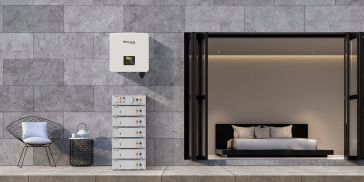
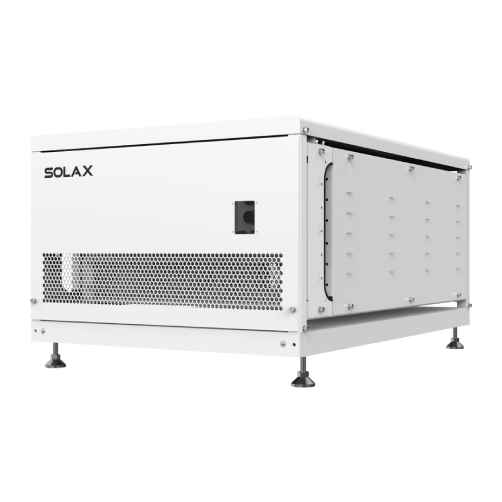
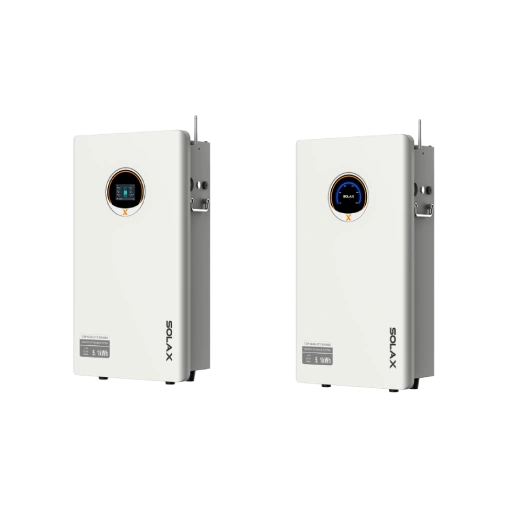
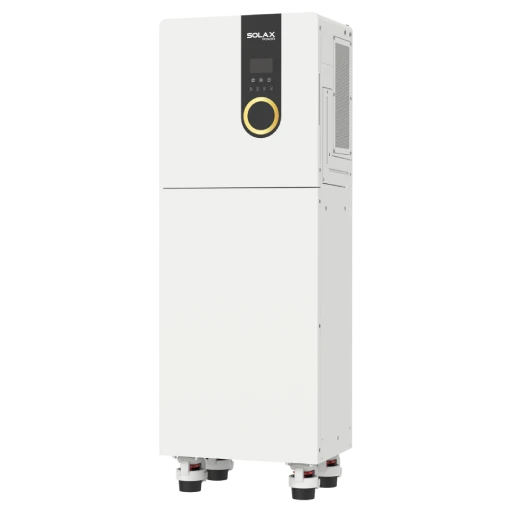
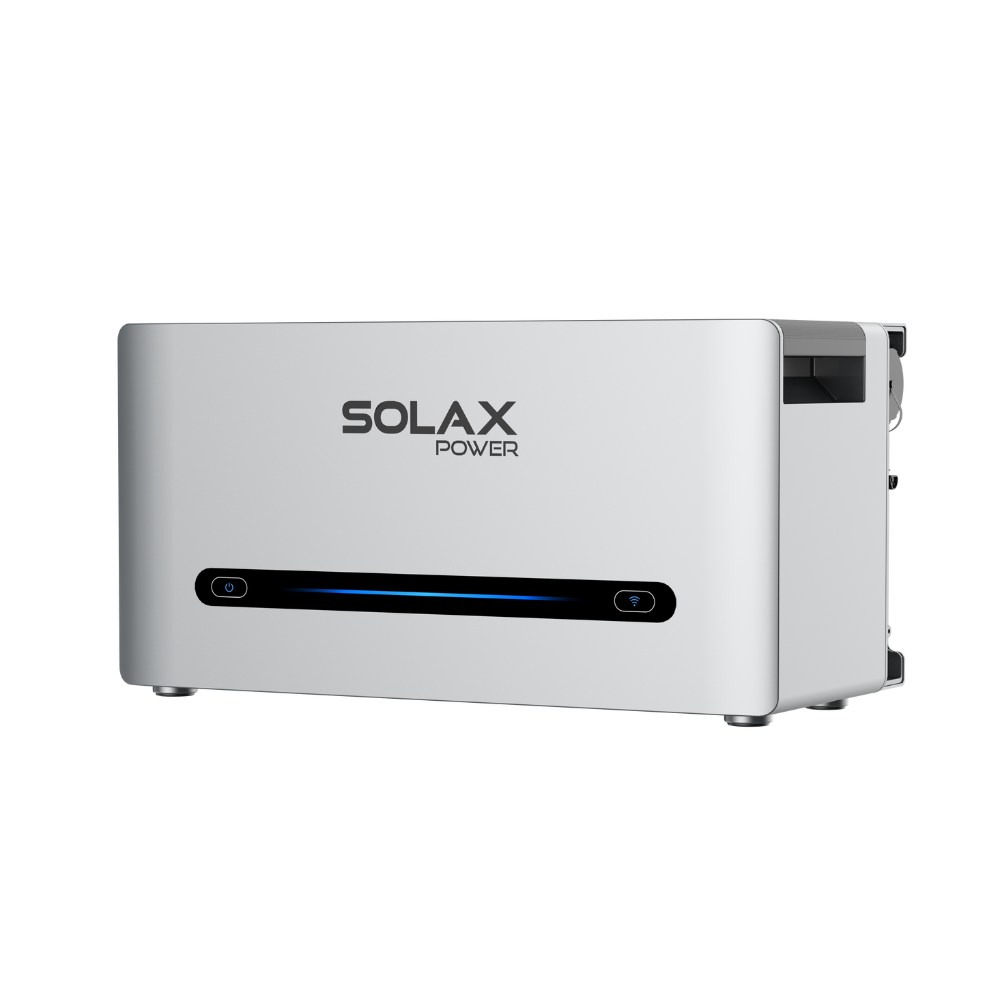
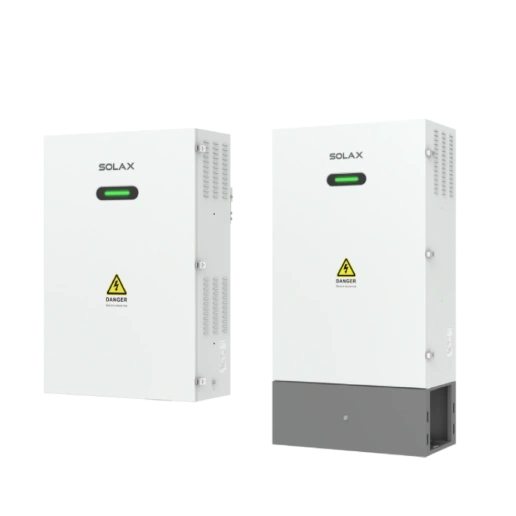
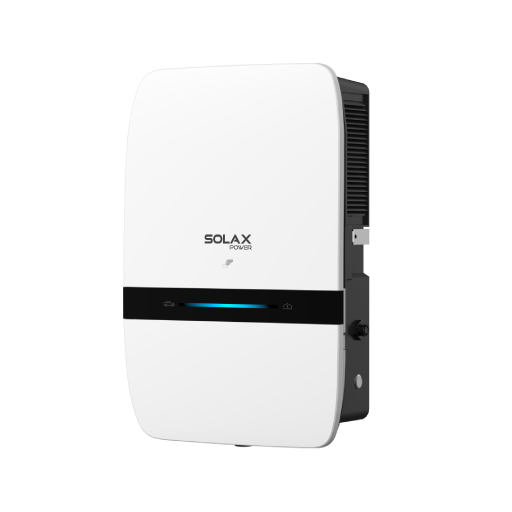
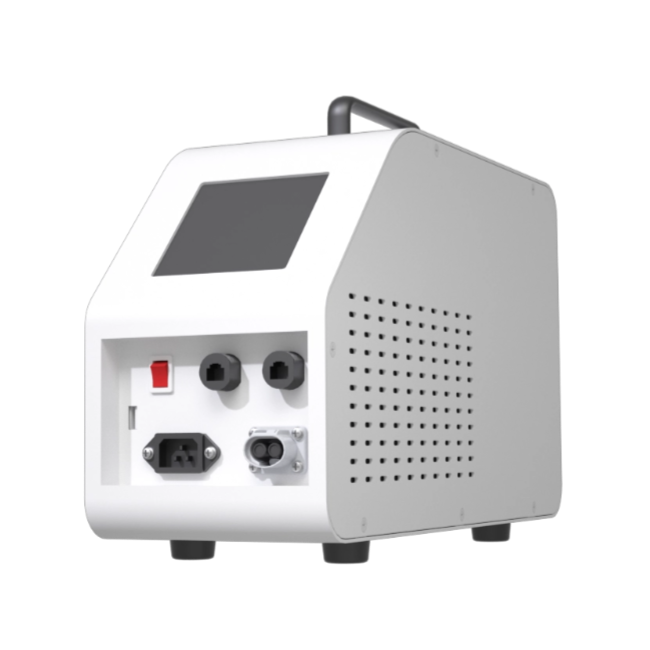
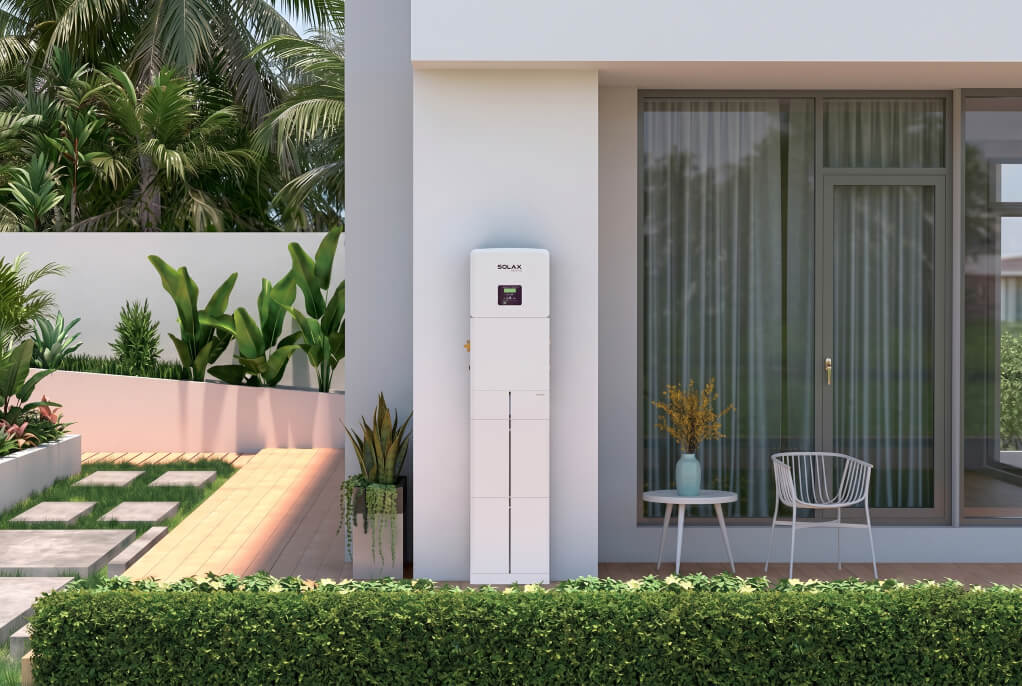
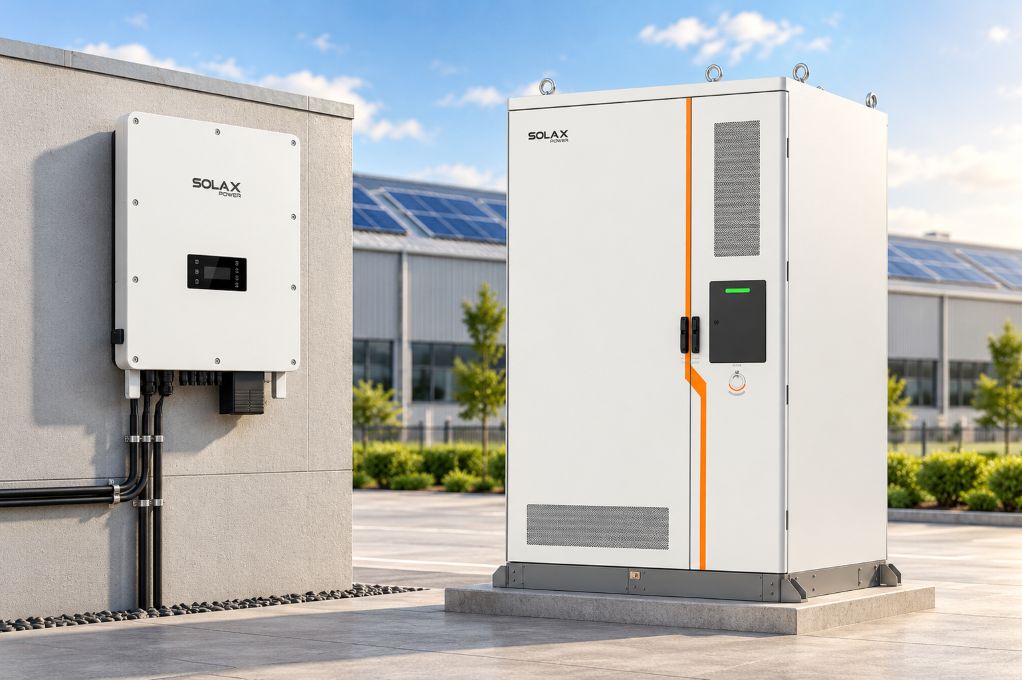
The SolaX AC coupled battery system X-ESS G4 is specifically engineered for existing solar setups. It integrates directly with your main panel—cleanly, safely, and intelligently.
Here's what SolaX brings to your home:
Zero Solar Disruption
Your existing solar panels and inverter continue operating exactly as before.
The SolaX AC coupled battery storage system works downstream at the panel level, meaning:
No inverter replacement
No rooftop rewiring
No redesign of your PV system
This keeps the cost of adding a battery to an existing solar system significantly lower compared to hybrid inverter replacement.
Intelligent Time-of-Use Optimization
During the day, surplus solar energy is stored in your SolaX battery. Through SolaX Cloud, the system automatically:
Discharges during peak-rate hours
Reduces grid imports
Maximizes self-consumption
Instead of exporting energy cheaply and buying it back at a premium, your home uses its own stored power strategically.
Modular, Future-Ready Expansion
Energy needs grow. Whether you add:
An EV charger
Higher household demand
The SolaX system scales from 3kWh up to 12kWh, allowing you to add capacity over time. That flexibility is critical when planning a long-term add battery to existing solar system strategy.
Fast, Clean Installation
Because this is a true AC-coupled design:
Installation is simplified
No inverter removal is required
Labor time is reduced
In many cases, installation can be completed by a single technician in under an hour, helping control overall project costs.
Built for Retrofit — Not Replacement
When upgrading an existing solar system, the smartest solution is one that enhances what you already own — not one that forces you to rip it out.
The SolaX AC coupled solution is specifically engineered for:
Homeowners who want to keep their current inverter
Families looking to increase self-consumption
Anyone wanting to reduce the cost of adding battery without sacrificing performance
Conclusion
You've made a great investment by going solar—now it's time to unlock its full potential. You do not need to tear down your working equipment or pay for an expensive hybrid inverter to gain energy independence.
By choosing an ac coupled battery, you can complete your solar battery retrofit the smart way: keeping costs low, leaving warranties intact, and powering your home on your own terms.
Ready to upgrade? Contact us today to find out how the SolaX AC-coupled solution can seamlessly integrate into your home.
FAQ
Table of Contents
Latest News
Explore expert insights, practical guides, and the latest news on SolaX Power.


To the Latest Newsletter
Stay Ahead with the Latest SolaX Updates!
Subscribe
I have read and agree to Privacy Policy and User Terms