












September 10, 2026
How to Choose an All-in-One Home Energy System Without Mixing Lots of Third-Party Parts or Supplier Finger-Pointing
Share my #SolaXStory


A home energy system should reduce friction, not create a trail of separate suppliers when something stops working. If your solar inverter, inverter battery, monitoring app, and backup controls all come from different vendors, small faults can turn into long email chains and unclear warranty conversations. That is why many homeowners now look for an all-in-one home energy system that keeps the main hardware and software in one connected platform.
Instead of comparing every specification in isolation, it is more useful to check how the whole smart energy setup works day to day. You want one system that is easier to install, easier to monitor, and easier to expand later.
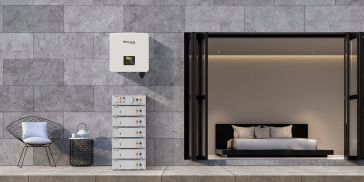
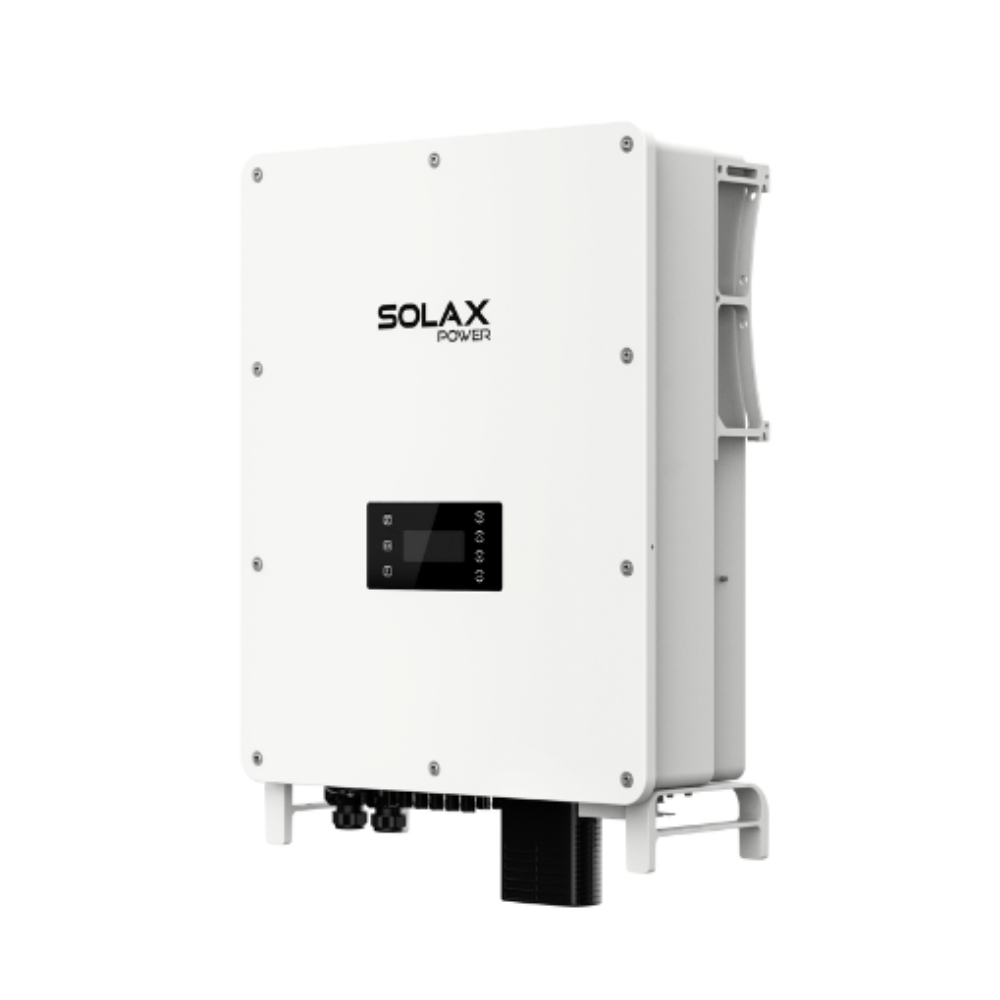
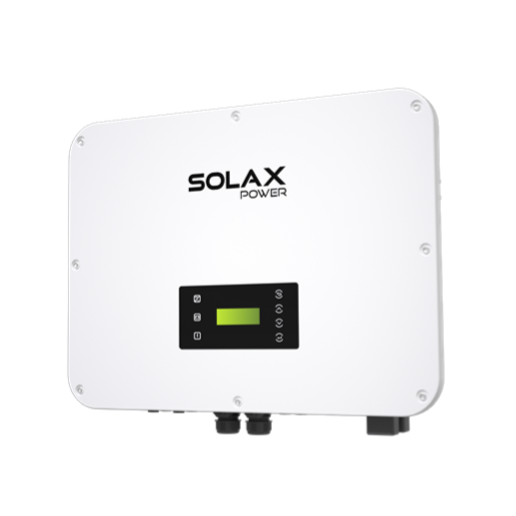
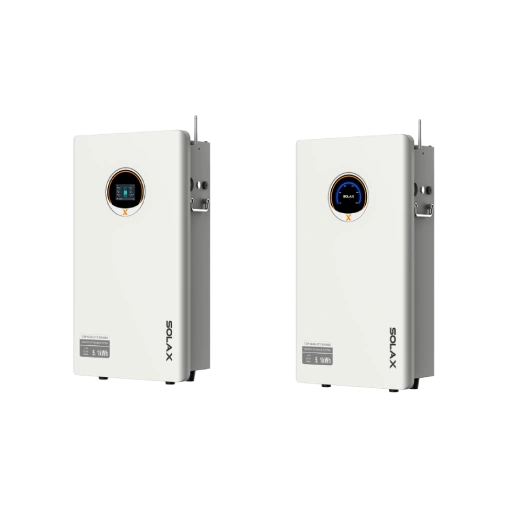
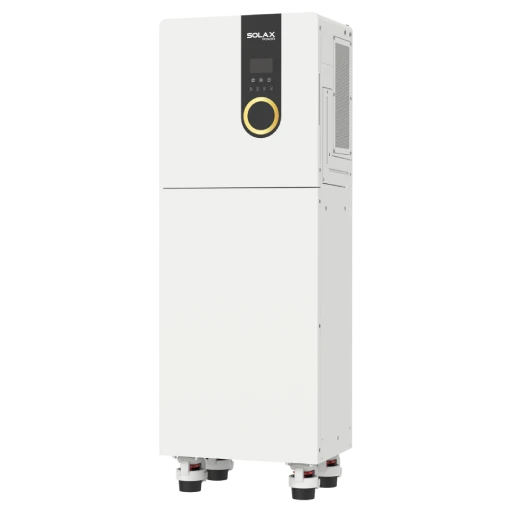
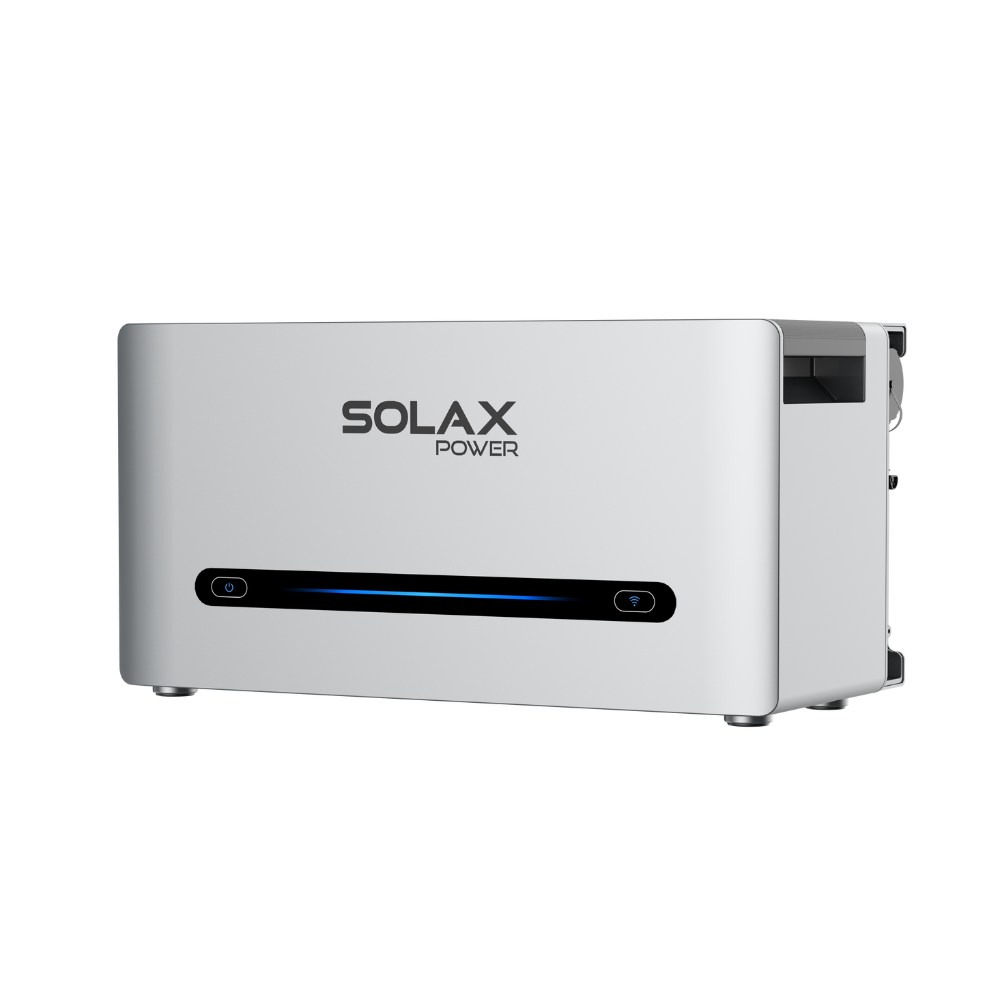
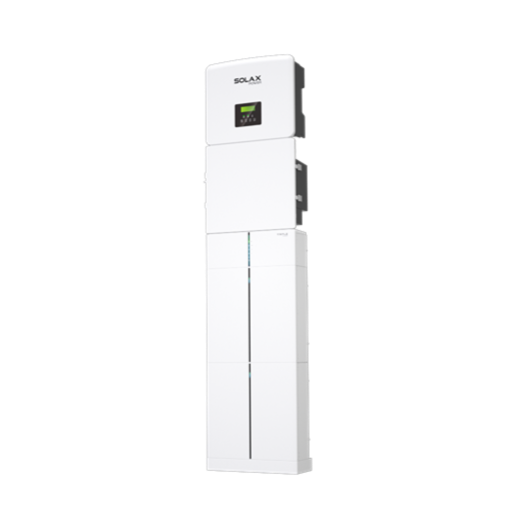
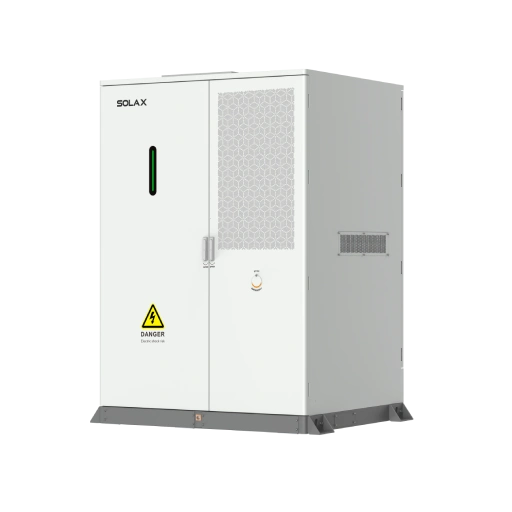
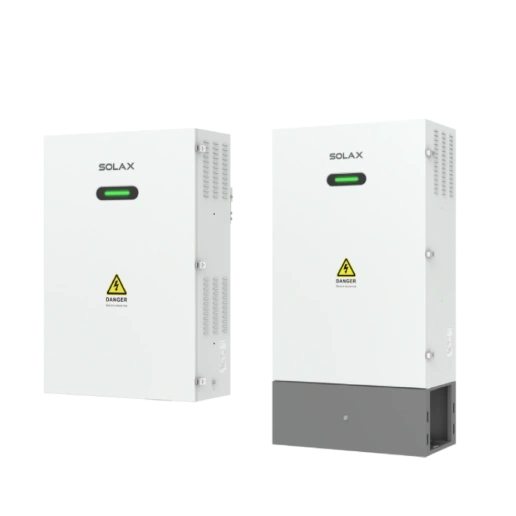
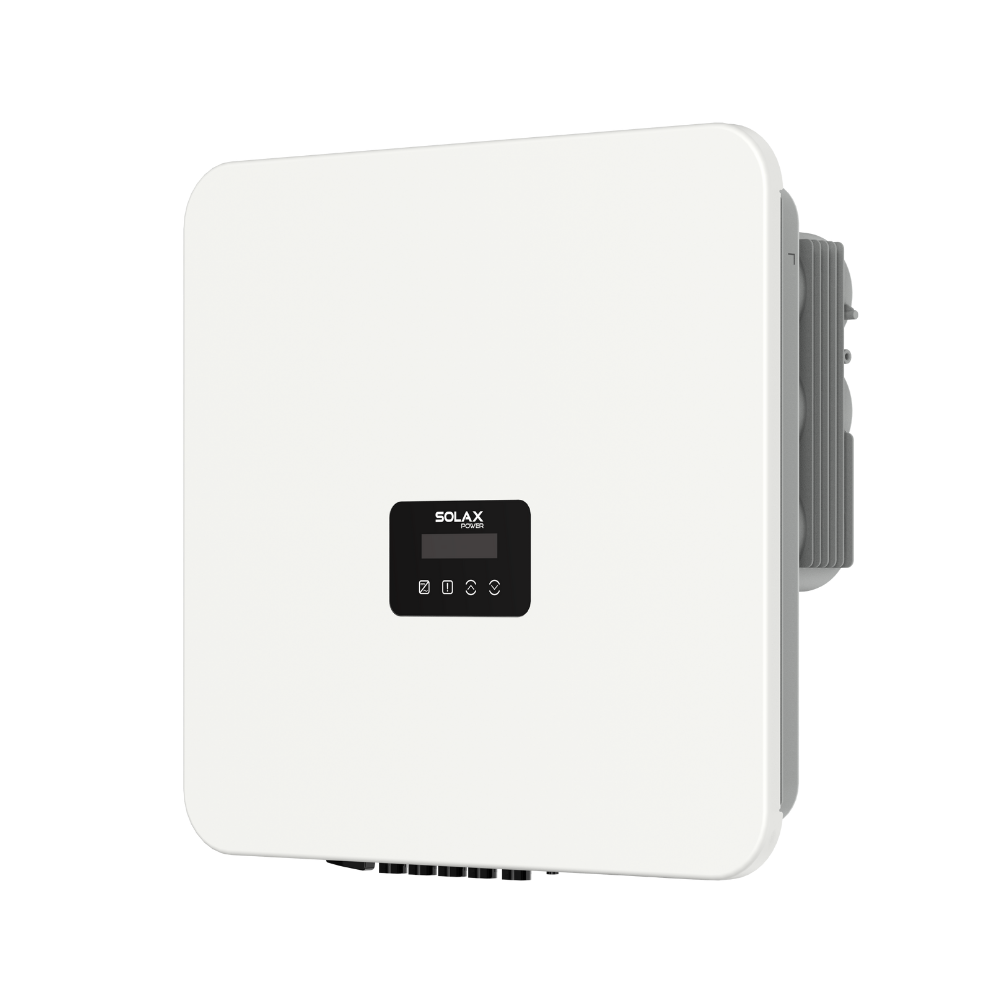
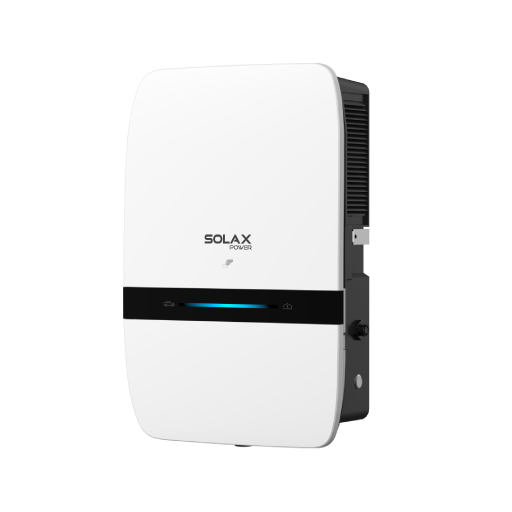
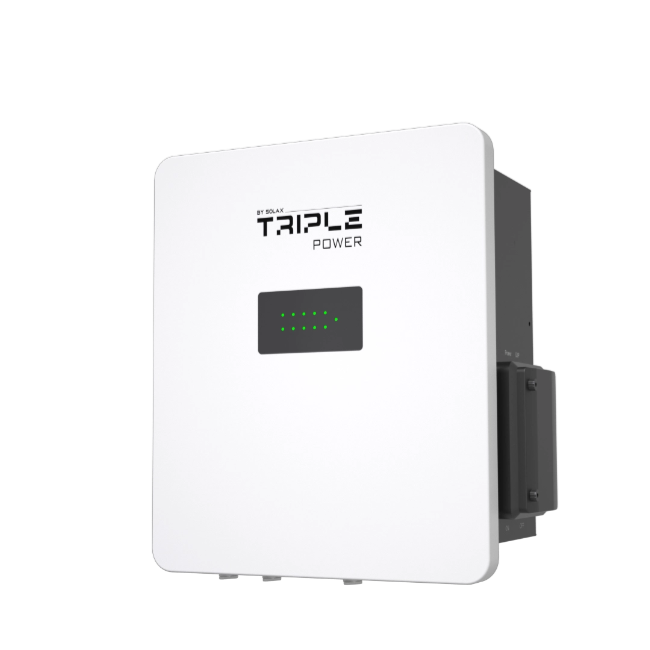
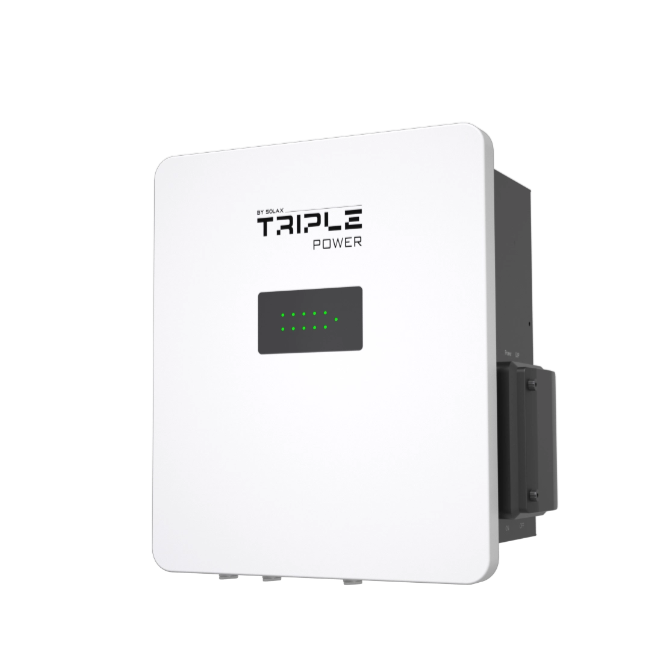
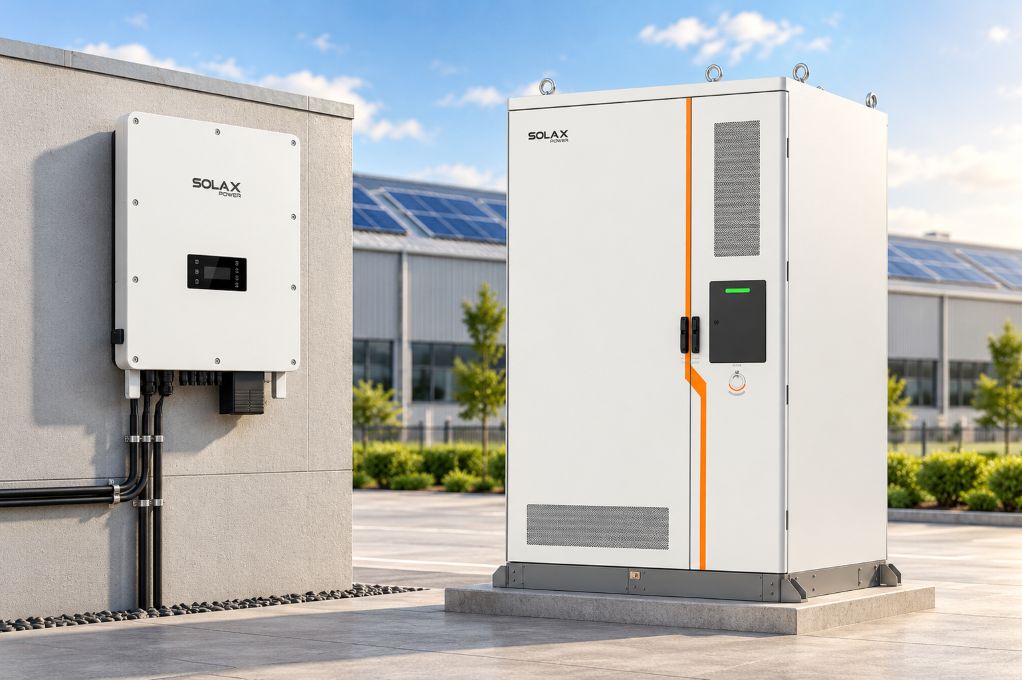
SolaX residential all-in-one ESS around that idea, combining the inverter, battery platform, and SolaXCloud monitoring within one broader home energy ecosystem.

Check what belongs inside a single-ecosystem energy setup
Before you compare brands or models, make sure the system actually includes the key parts that determine daily usability. An all-in-one label matters less than whether the parts are designed to work together from the start.
What to confirm first
Hybrid solar inverter and battery system in one coordinated platform
Native monitoring through one home energy monitoring app
Built-in or integrated battery management
Backup or EPS capability for outage support
A clear expansion path for extra storage or smart loads
Advantages you should know
Fewer compatibility problems during commissioning
Clearer support ownership if faults appear
Less app-switching for your household
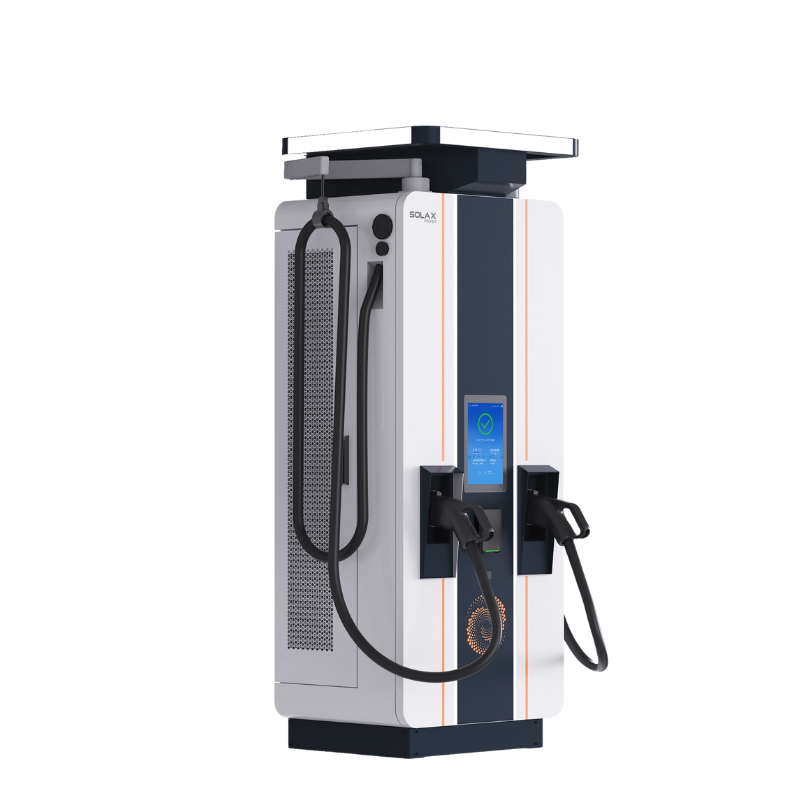
Easier future upgrades for EV charging or other smart energy needs
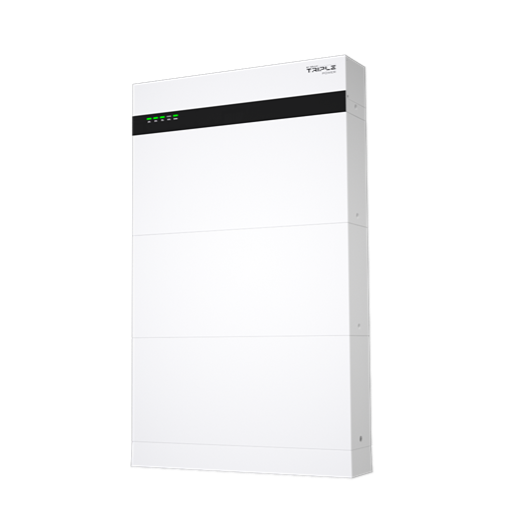
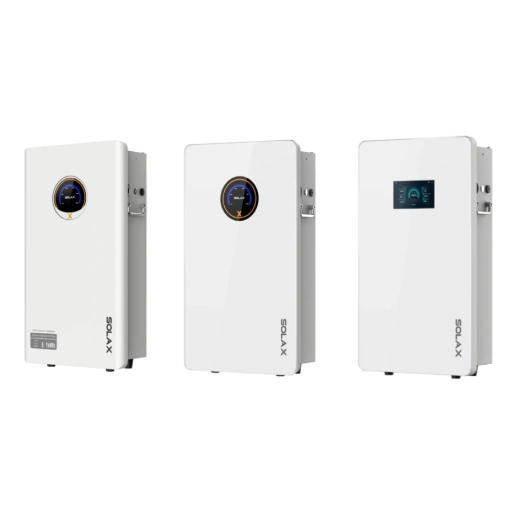
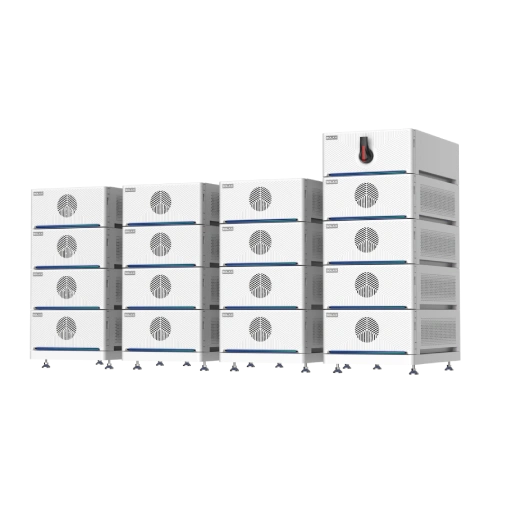
SolaX residential all-in-one ESS as a pre-configured system with modular design, plug-and-play installation, and SolaXCloud for real-time monitoring and energy management. The category page also says the platform can integrate with generators, heat pumps, and EV chargers, which is useful if your solar power system is likely to grow over time.
Match the system format to your home's electrical layout
All-in-one does not mean one-size-fits-all. You still need to choose a format that matches the way your property is supplied and the size of the loads you want to support.
Choose between single-phase and three-phase
Single-phase is commonly suited to smaller or simpler residential electrical layouts
Three-phase is more relevant where the property already has three-phase supply or heavier balanced loads
Your installer should confirm service type before final model selection
Backup expectations should be checked against the actual circuits you want to protect
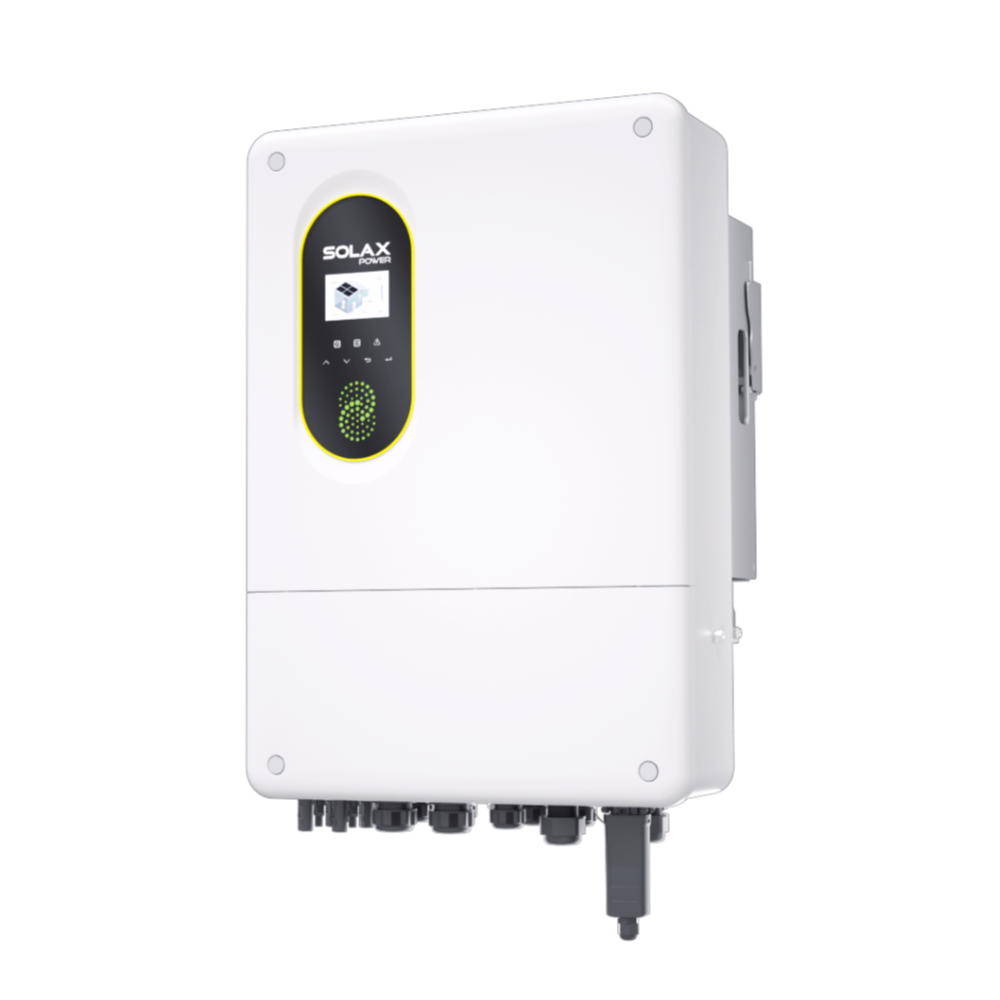
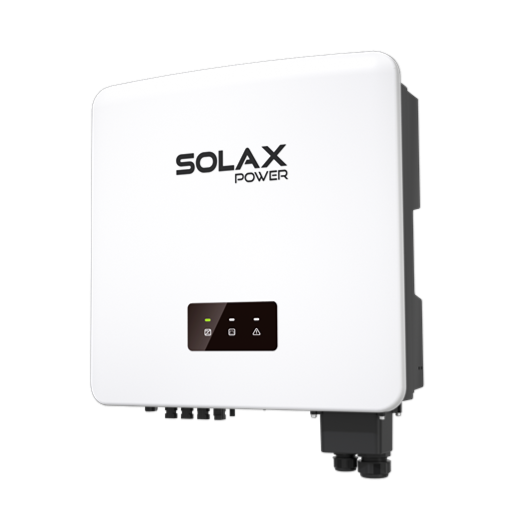
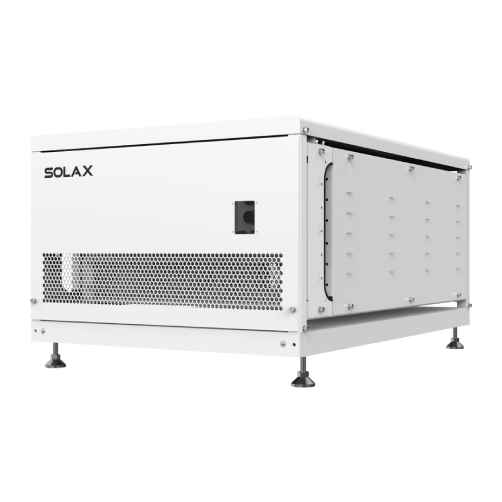
Within the same SolaX ecosystem, the X1-IES and X1-IES-A are presented for single-phase residential use, while the X3-IES is designed for three-phase residential ESS applications. That matters because staying inside one product family can make your support path cleaner if you are deciding between formats rather than between unrelated suppliers.
Size backup and storage around critical loads first
It is easy to overfocus on headline battery numbers and miss the practical question: what must stay on during an outage? A better shortlist starts with critical loads, then adds room for future change.
What to do
List essential circuits such as refrigeration, lighting, broadband, and selected sockets
Estimate how long you want home backup power to last
Decide whether future loads may include an EV charger or electrified heating
Ask whether battery capacity can be expanded without changing the core platform
Useful comparison signals
Modular battery expansion options
Charge and discharge capability
Solar input headroom for future PV growth
Short-term surge support during interruptions
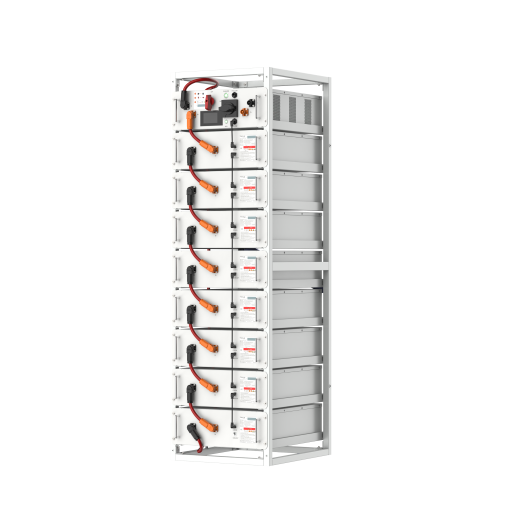
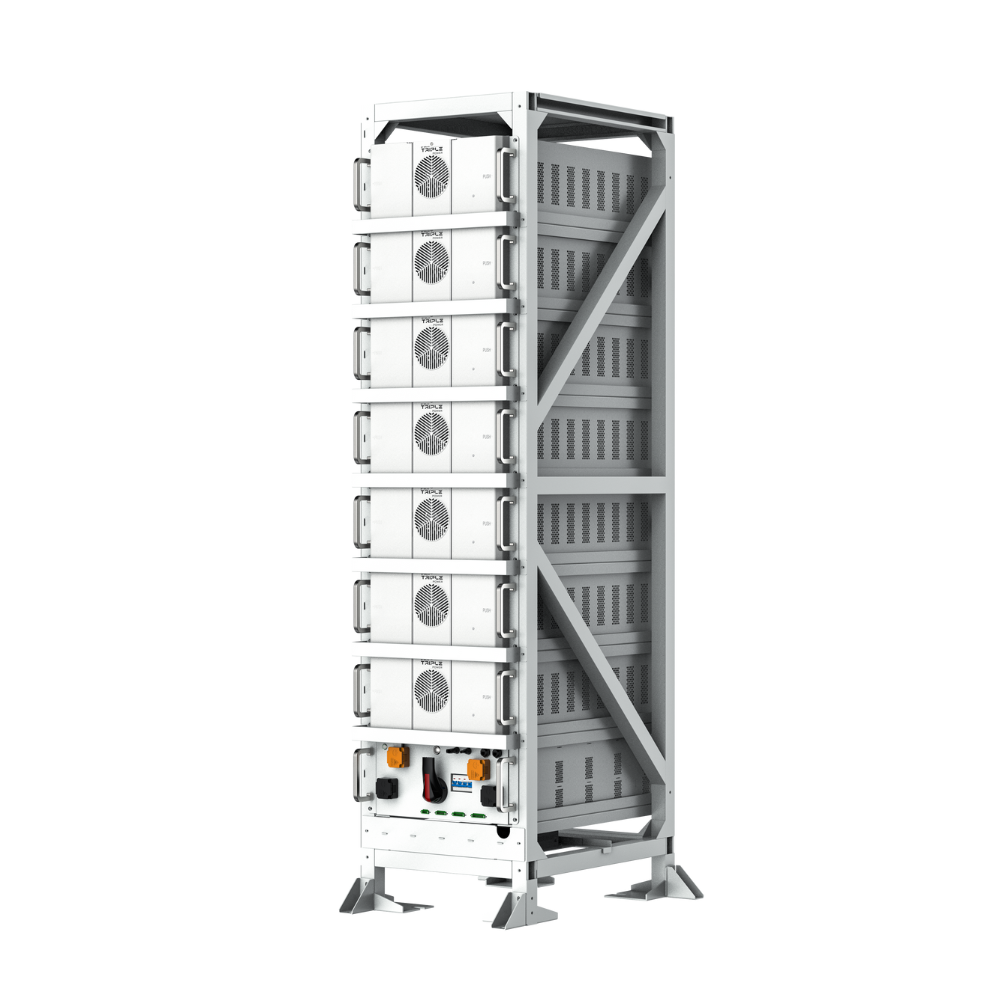
SolaX X1-IES supports modular expansion up to 40 kWh, while the X3-IES is presented with modular battery expansion from 10 kWh to 60 kWh. On the residential all-in-one ESS pages, SolaX also highlights up to 200% PV input oversizing, and the X3-IES materials note up to 50A charge and discharge current. For homes in colder climates, the X1-IES-A is described with integrated battery heating technology for operation down to -30°C.
Put monitoring and optimisation on the buying checklist
Good hardware can still feel awkward if the household needs multiple logins, disconnected data views, or separate troubleshooting paths. In practice, the software layer often determines whether your all-in-one home energy system feels simple or frustrating.
What to look for
One app for generation, storage, and household energy flows
Real-time visibility instead of delayed reporting
Time-of-use optimisation tools if your tariff changes by hour
Smart load control for future devices
A clear support route when the app, inverter, and battery are all in one ecosystem
SolaXCloud provides real-time monitoring, load management, and time-of-use optimisation. The residential ESS pages also connect that software layer to broader smart energy functions, including EV chargers and heat pump integration. UK Government states that solar PV and battery storage installations in homes or small businesses may need to be registered, so it helps when system records and monitoring are organised clearly from the start.
Treat installation simplicity as a real selection criterion
A neat specification sheet does not tell you how much site coordination the system needs. If your goal is a single ecosystem energy setup, ask how much wiring, commissioning, and device pairing the design actually removes.
Ask these practical questions
Is the system pre-configured before arriving on site?
How much field wiring is reduced compared with separate components?
Can the battery be expanded in a modular way?
Does the installer commission one platform rather than several apps and interfaces?
What to watch
Extra add-ons that break the one-ecosystem model
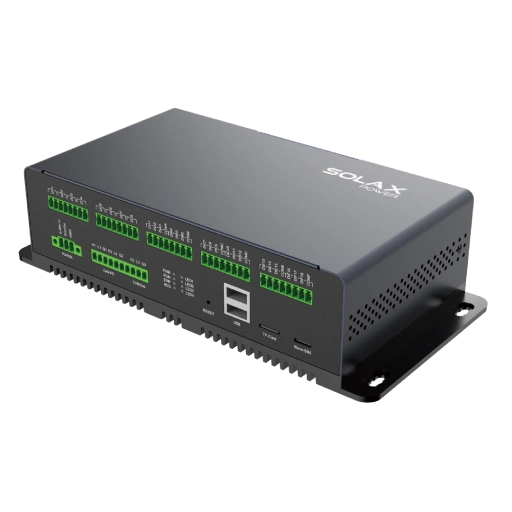
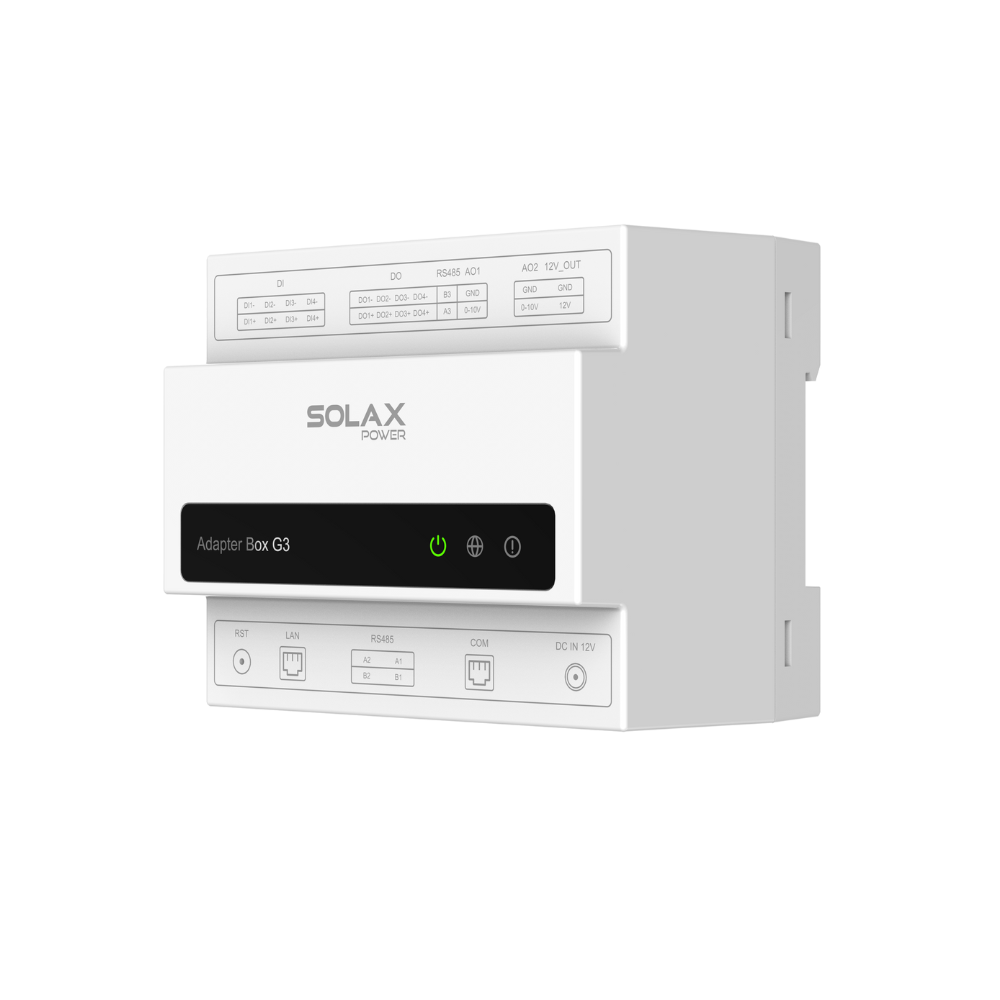
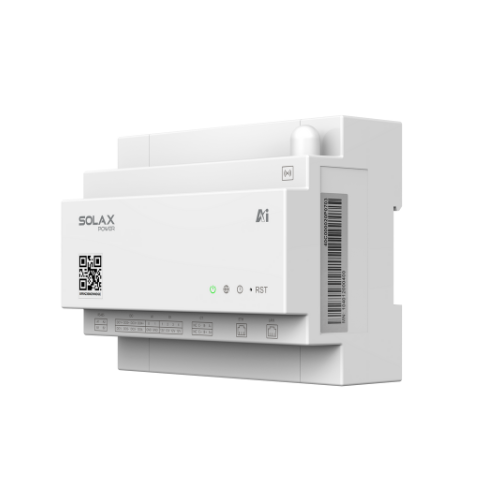
Separate monitoring gateways from third parties
Unclear handoff between battery and inverter suppliers
SolaX residential all-in-one ESS uses a modular, pre-configured design and claims up to 50% faster installation on the category page. The X1-IES-A and X3-IES pages also present the systems as plug-and-play all-in-one solutions. In addition, a UK Government review of domestic battery energy storage systems notes that lithium-ion storage in homes requires careful design and installation controls, which makes coordinated system architecture and installer clarity especially important.
Make sure the system can grow with the rest of the home
Many buyers start with a solar battery and later want more. That may mean EV charging, smart loads, or changes in electricity tariffs. If the first system is too narrow, you may end up replacing key components earlier than expected.
Signs of a stronger long-term fit
Compatibility with EV charging within the same ecosystem
Support for heat pump or smart load coordination
Software tools that can manage time-based usage
Modular storage growth without rebuilding the system
SolaX residential offer as part of a wider smart energy portfolio that includes EV chargers, software tools, and heat pump-related integration. That does not mean every household needs every feature today. However, it is a practical advantage if your solar power system can stay coherent as your home becomes more electric.
Use these scenario checks to narrow the shortlist
Different households reach the same buying decision from different starting points. A short scenario test can help you decide which features matter most.
You may be a good fit for this approach if:
You want one app for solar, solar battery, and usage visibility
You want home backup power first and extra battery later
You are comparing single-phase and three-phase options within one supplier family
You expect EV charging or heat pump integration in the next few years
You prefer one clearer support path over custom mixing parts
Check safety, suitability, and paperwork before you buy
A stronger shortlist still needs site-level checks. Even the best all-in-one home energy system has to match your property, local requirements, and outage goals.
Confirm these points with your installer
Your home's electrical configuration
Critical loads for backup planning
Product suitability for local requirements and permissions
Interconnection or registration requirements
Which functions are native and which require add-ons
How household user access works in the monitoring app
Common buying problems and the practical fix
Problem | Likely cause | Practical fix |
Too many apps | Mixed suppliers | Choose one ecosystem |
Unclear support | Split hardware ownership | One vendor path |
Battery too small | No load planning | Rework critical loads |
Upgrade feels messy | No expansion plan | Pick modular system |
FAQ
Table of Contents
Latest News
Explore expert insights, practical guides, and the latest news on SolaX Power.


To the Latest Newsletter
Stay Ahead with the Latest SolaX Updates!
Subscribe
I have read and agree to Privacy Policy and User Terms