












September 11, 2026
7 Best LFP Home Batteries for Safety and Reliability 2026
Share my #SolaXStory


Choosing an LFP home battery is rarely just about picking the biggest number on a spec sheet. A battery that looks right for your solar power system can still feel undersized during an outage, awkward to expand later, or difficult to place in a tight utility area. That matters more in 2026, when more households want a solar battery that supports self-consumption, steadier backup, and cleaner day-to-day energy use.
This shortlist focuses on seven SolaX options built around LFP chemistry, each aimed at a different storage pattern. Some suit lighter evening shifting, while others make more sense for growing households or heavier backup planning.

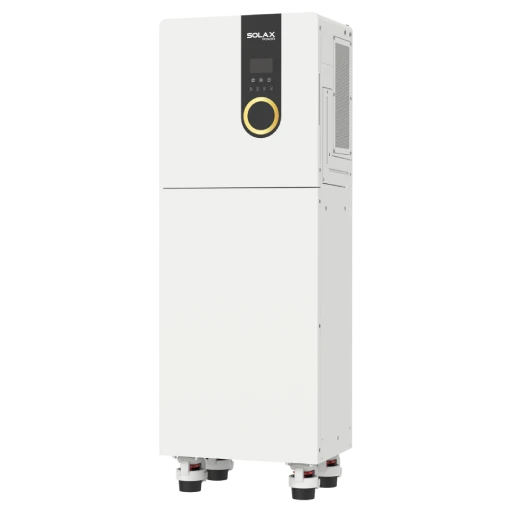
1. HS50E-D for the broadest expansion path
If you want one inverter battery platform that can start modestly and grow with your home, HS50E-D is the most expansion-friendly option in this list. It works well for households that may add more solar energy capacity, larger protected circuits, or even future EV charging. The trade-off is simple: flexible systems need clearer installer planning from the start.
Why it stands out
Starts at 5.12 kWh and expands to 92.16 kWh.
Uses cobalt-free LFP cells.
Rated IP66, so it suits indoor or outdoor installation in the right conditions.
Claimed cycle life above 6,000 cycles for long-term use.
Best for
Homes planning staged expansion.
Whole-home backup strategies that may grow over time.
Installations where outdoor siting may be helpful.
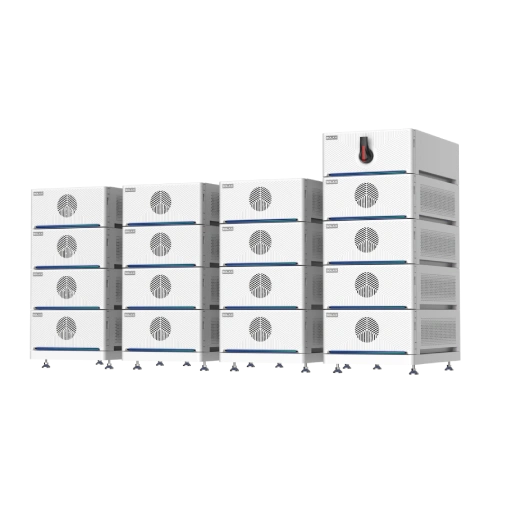
2. T58 for flexible wall or floor installation
T58 is the practical choice when your space is awkward rather than your energy demand being unusually high. It is a strong fit for homes balancing indoor utility-room limits, sheltered outdoor placement, and the need to expand later without moving to an oversized system immediately. Moreover, it gives you more mounting flexibility than many strictly fixed-format batteries.
Why it stands out
Modular capacity range from 5.8 kWh to 34.6 kWh per single cluster.
SolaX states up to 90% depth of discharge, with another section of the product page listing 95% DOD; treat the final usable figure as something to confirm with your installer.
IP66 ingress protection for more resilient siting.
Claimed cycle life above 6,000 cycles.
Best for
Homes needing wall-mount or floor-mount options.
Buyers who want modular growth without jumping straight to a large stack.
Mixed indoor or outdoor layout constraints.
3. T-BAT-SYS-HV-5.0 for a tidy medium-demand setup
If your home sits between basic evening load shifting and full heavy-backup ambition, T-BAT-SYS-HV-5.0 is the straightforward middle option. It is easier to position in a shortlist when you want a clean residential format and a sensible step up from smaller storage. Therefore, it suits buyers who value clarity over maximum configurability.
Why it wins
Presented in T-BAT H 10.0, 15.0, and 20.0 configurations.
Built as part of SolaX's residential LFP battery range.
Better suited to medium household demand than entry-capacity systems.
Best for
Medium-sized homes with regular evening consumption.
Buyers wanting staged expansion within a familiar residential format.
Retrofits where space efficiency matters.
4. T-BAT H 3.0 V2 for lighter daily cycling
Not every home needs a large battery stack. T-BAT H 3.0 V2 makes more sense when your aim is to cover selected circuits, shift more of your daytime solar energy into the evening, or start with a smaller LFP home battery before scaling up. In addition, this format is easier to justify when outage protection is limited to essentials.
Why it stands out
Capacity path in the brief runs from 3.1 kWh to 12.3 kWh.
Official page shows IP65 ingress protection.
Product data lists 30 A max charge and discharge current.
Positioned for use with X-ESS G4 setups in the brief.
Best for
Flats or smaller homes.
Essential-load backup rather than full-property coverage.
Buyers wanting a lower starting point.
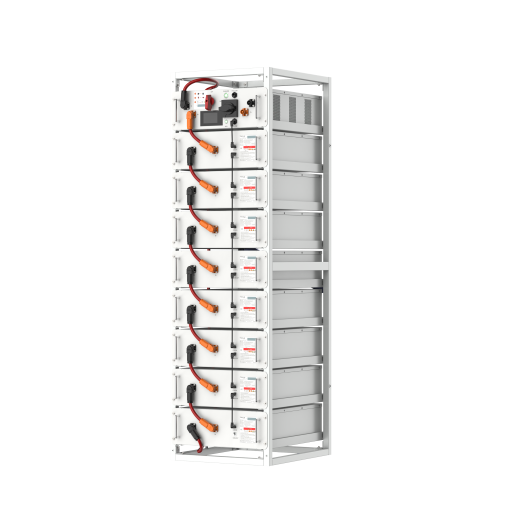
5. T-BAT-SYS-HV-R2.5 for balanced modular growth
T-BAT-SYS-HV-R2.5 is the battery to shortlist when your household is growing, but your storage plan is still measured rather than aggressive. It offers a sensible middle ground between entry systems and very large stacks. However, its value comes from long-term fit, not from chasing the highest capacity headline on day one.
Why it stands out
Extendable from roughly 5 kWh to 33 kWh per stack on the official page.
Claimed max 50 A charge and discharge current.
Claimed cycle life above 6,000 times.
Supports remote fault diagnosis, upgrade and maintenance.
Best for
Households adding storage in phases.
Homes with rising evening demand.
Buyers who want balanced scalability without oversizing immediately.
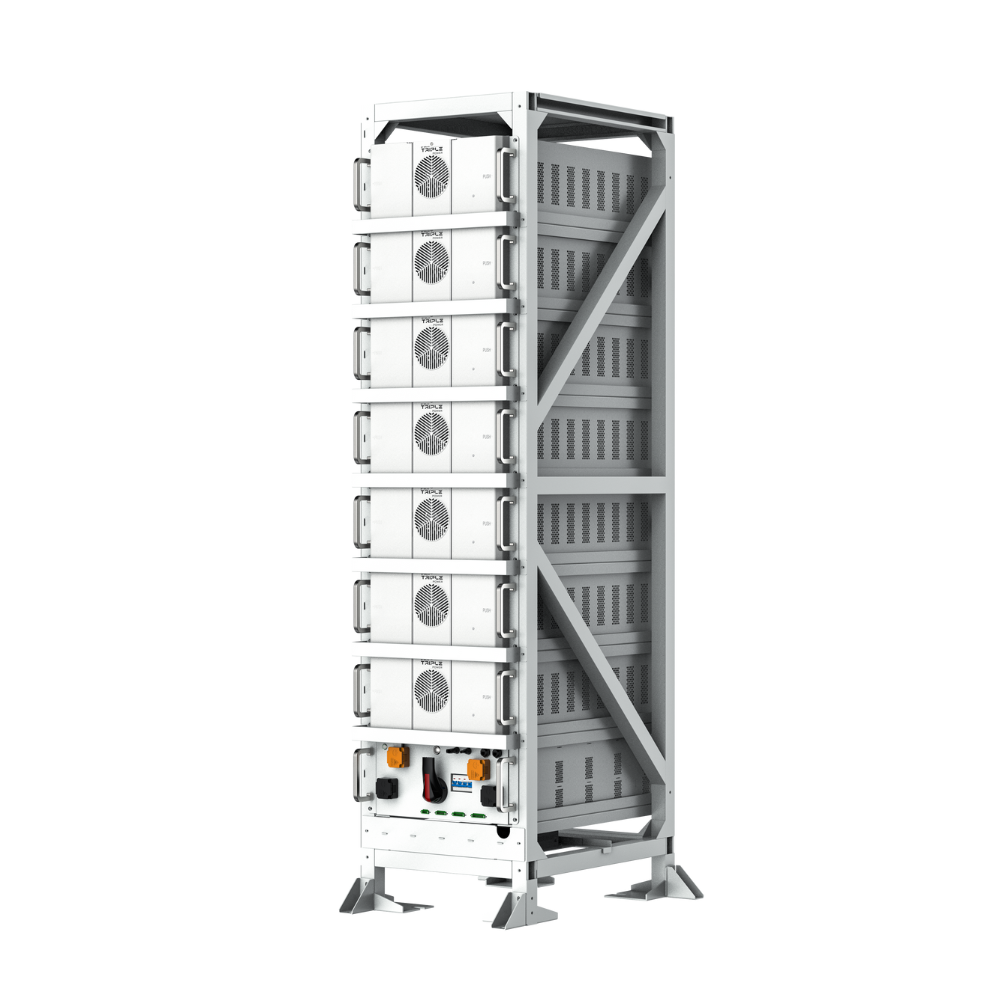
6. T-BAT-SYS-HV-R3.6 for higher capacity in tighter spaces
Some homes need more stored energy but do not have room for a sprawling plant layout. That is where T-BAT-SYS-HV-R3.6 becomes the stronger option. it is a space-efficient design, so it is particularly relevant when capacity targets are rising but floor area is not.
Why it stands out
Expandable from 7.3 kWh to 47.8 kWh per string.
Claimed 50 A charging and discharging current.
Claimed cycle life above 6,000 times.
Marketed with a space-efficient design for tighter areas.
Best for
Higher-demand homes.
Backup plans with more protected loads.
Utility rooms where footprint matters.
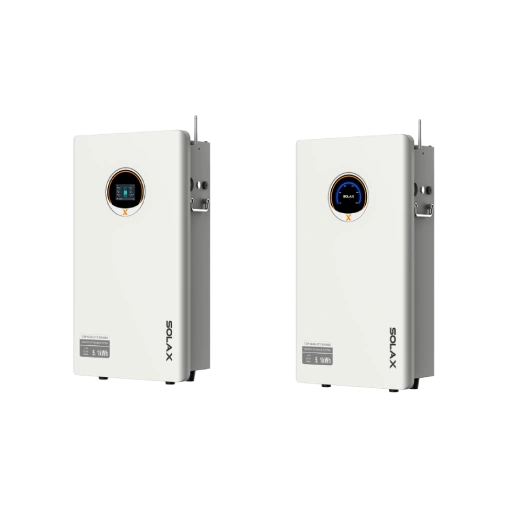
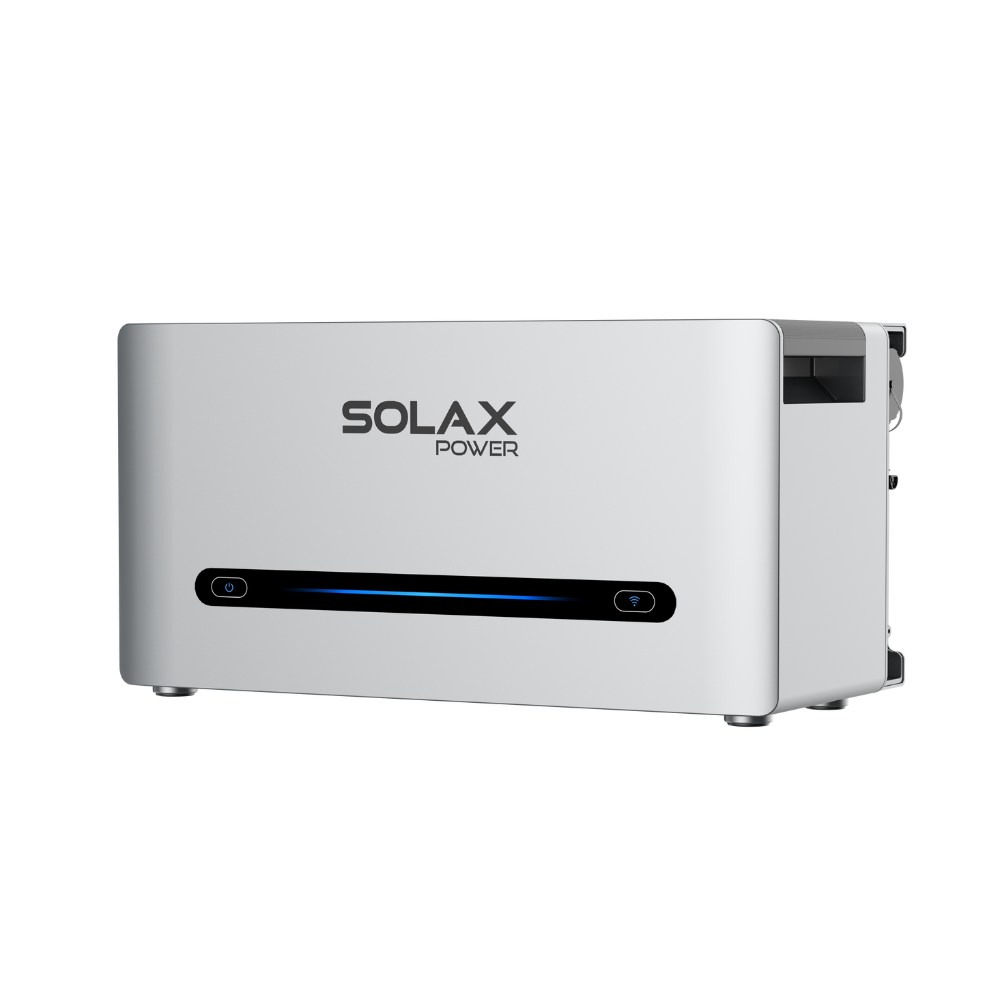
7. LD51 for simple local control and maintenance visibility
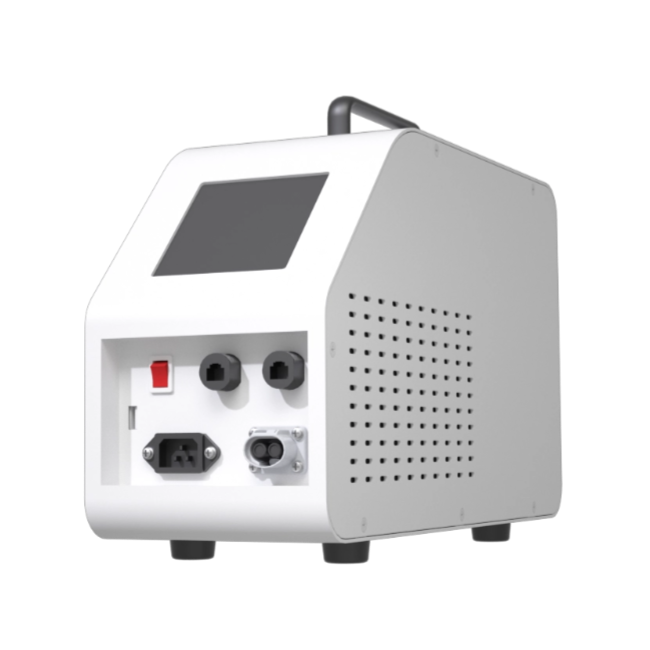
LD51 is the most management-led pick here. If you care as much about how the battery feels to operate as about raw expansion range, this is the model worth close attention. Its touchscreen-led control and remote service features make it attractive for users who want clearer day-to-day visibility into their smart energy setup.
Why it stands out
5.1 kWh single-unit format in the brief.
LCD touchscreen for local control.
Supports remote diagnostics and updates.
IP40 ingress protection.
Supports floor, wall, or stack mounting and is expandable to 16 units in parallel on the official page.
Best for
Users prioritising monitoring and maintenance visibility.
Sheltered indoor installations.
Homes that value control simplicity over outdoor-rated placement.
What to compare before choosing an LFP home battery
A good LFP home battery match usually comes down to backup scope, siting, and how much change you expect over the next few years. The UK had 29.0 million households in 2025, with very different living patterns and demand profiles, which is a useful reminder that there is no single right battery size for every property, according to the Office for National Statistics.
Check these points first
Backup goal: whole-home coverage, essential circuits only, or evening self-consumption.
Available space: indoor utility area, outdoor wall, or narrow plant space.
Growth path: fixed size now or modular expansion later.
Control style: cloud-led monitoring, local screen access, or both.
System fit: battery choice should match the wider inverter and solar inverter design.
Quick troubleshooting table
Problem | Likely cause | Practical fix |
Battery feels undersized | Backup scope is too broad | Reduce protected loads or move to a larger modular path |
Expansion feels difficult | Wrong starting architecture | Choose HS50E-D, T58, R2.5, or R3.6 style modular growth |
Outdoor siting is tricky | Protection rating mismatch | Prioritise IP65 or IP66 models |
Monitoring feels unclear | Control preference mismatch | Choose LD51 for local screen visibility or a cloud-led setup |
FAQ
Table of Contents
Latest News
Explore expert insights, practical guides, and the latest news on SolaX Power.

To the Latest Newsletter
Stay Ahead with the Latest SolaX Updates!
Subscribe
I have read and agree to Privacy Policy and User Terms