












September 11, 2026
Low Voltage Battery: Minimum Voltage & Solar Storage Guide
Share my #SolaXStory


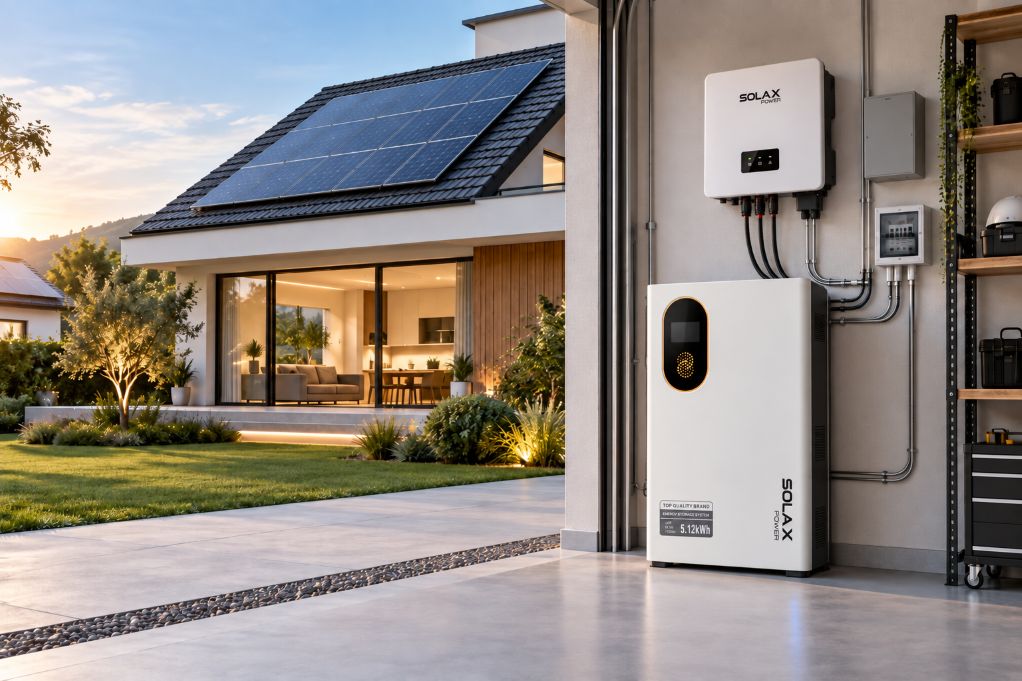
A low voltage battery is widely used in residential solar storage, backup power and small off-grid systems. Common battery voltages include 12V, 24V, 48V and 51.2V, while modern home energy storage systems often use 48V or 51.2V LiFePO4 batteries.
However, battery voltage is not fixed. It changes with state of charge, load, temperature and battery chemistry. This is why terms such as minimum battery voltage, battery undervoltage and inverter low-voltage warnings are important when designing or operating a solar storage system.
This guide explains what a low voltage battery is, what causes battery undervoltage, how it works with a hybrid inverter, and which SolaX low voltage battery solutions are available for residential energy storage.
What Is a Low Voltage Battery?
A low voltage battery is a battery system designed to operate at a relatively low DC voltage compared with high-voltage energy storage systems.
Common configurations include:
Battery Voltage | Typical Application |
12V | RVs, small backup systems and portable power |
24V | |
48V | Residential solar storage |
51.2V | LiFePO4 home energy storage systems |
For residential energy storage, 48V and 51.2V systems are especially common because they provide a practical balance between battery capacity, current and system complexity.
It is also important to understand that nominal voltage is not the same as actual operating voltage. A battery described as 48V or 51.2V will operate across a voltage range depending on its state of charge and battery management system.
What Is Battery Undervoltage?
Battery undervoltage occurs when the battery voltage falls below the minimum level required by the battery, BMS, inverter or connected equipment.
A battery under voltage condition may be caused by several factors:
Low battery state of charge
Sudden high power demand
Temporary voltage sag
Loose or undersized battery cables
Excessive voltage drop
Low battery temperature
BMS discharge protection
When undervoltage is detected, the BMS or inverter may reduce output power or disconnect the battery completely.
This protection is important because repeatedly operating a battery below its recommended voltage can shorten battery life and, in severe cases, cause cell imbalance or damage.
How Does a Low Voltage Battery Work With a Hybrid Inverter?
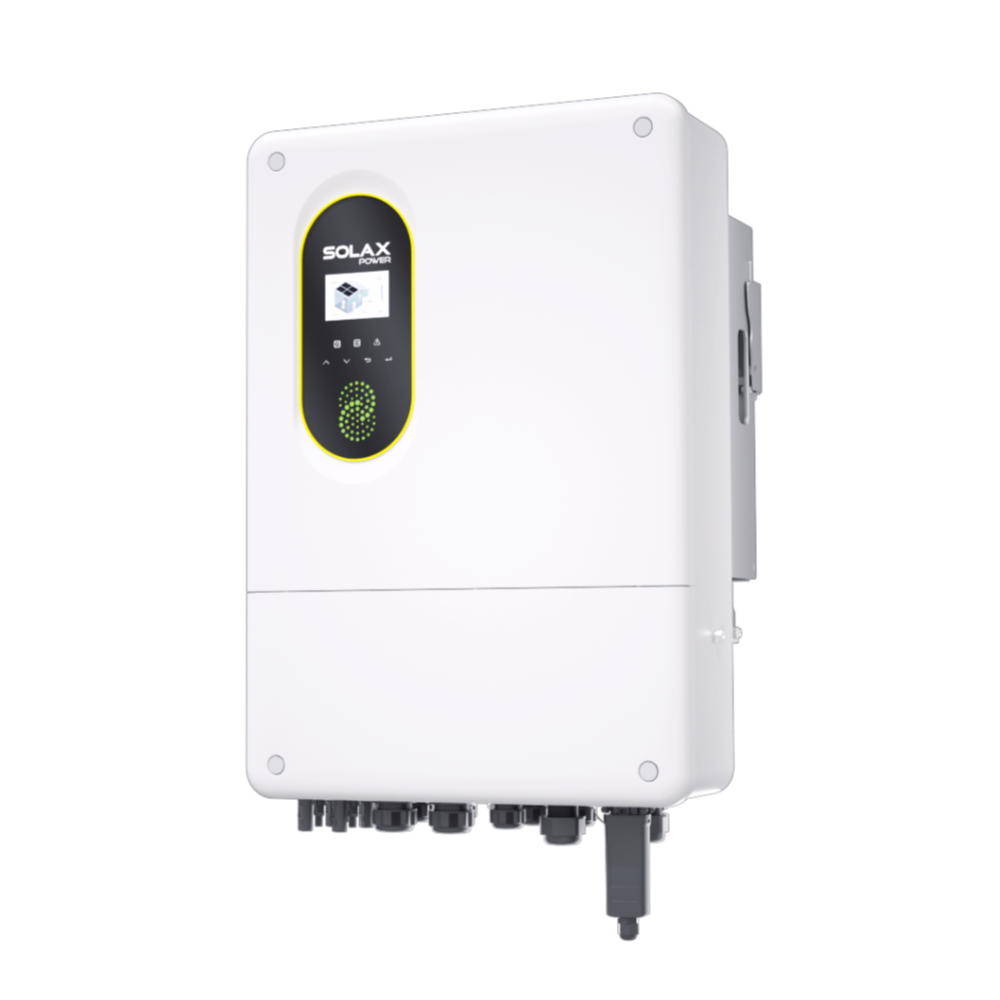
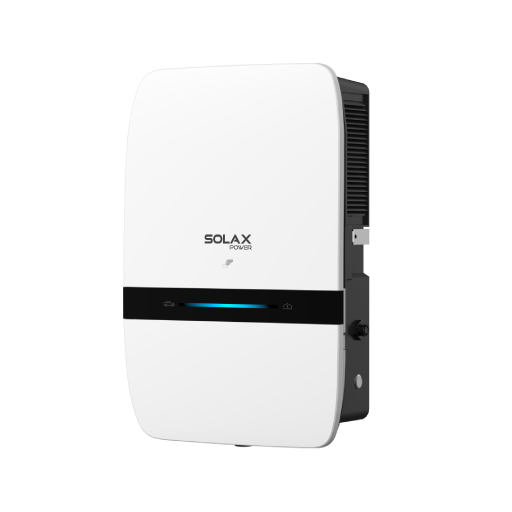
A low voltage hybrid inverter manages energy between solar panels, the battery, household loads and the grid.
A typical system works like this:
Solar Panels → Hybrid Inverter ↔ Low Voltage Battery → Home Loads / Grid
During the day, excess solar energy can be stored in the battery. When solar production falls, the battery can discharge through the hybrid inverter to supply household loads.
However, battery voltage alone is not enough to determine compatibility.
A low voltage battery and hybrid inverter should also match in terms of:
Battery operating voltage range
Maximum charge and discharge current
Battery capacity
BMS communication protocol
Expansion requirements
Using a compatible battery and inverter combination helps improve system stability and simplifies installation and commissioning.
SolaX Low Voltage Battery Solutions
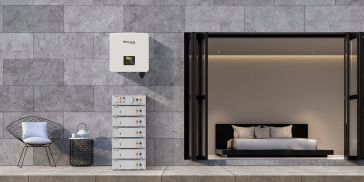
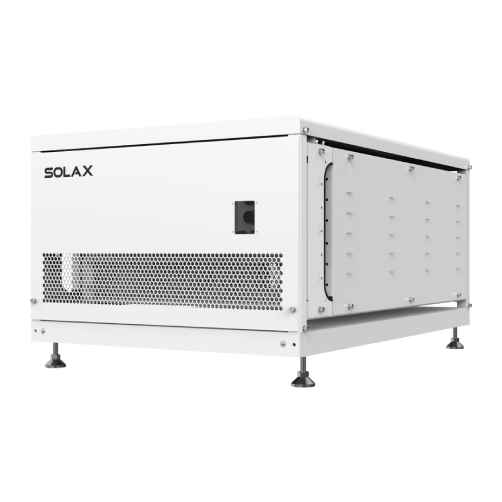
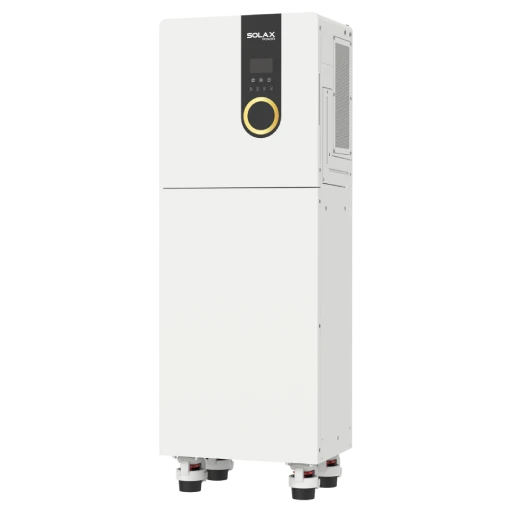
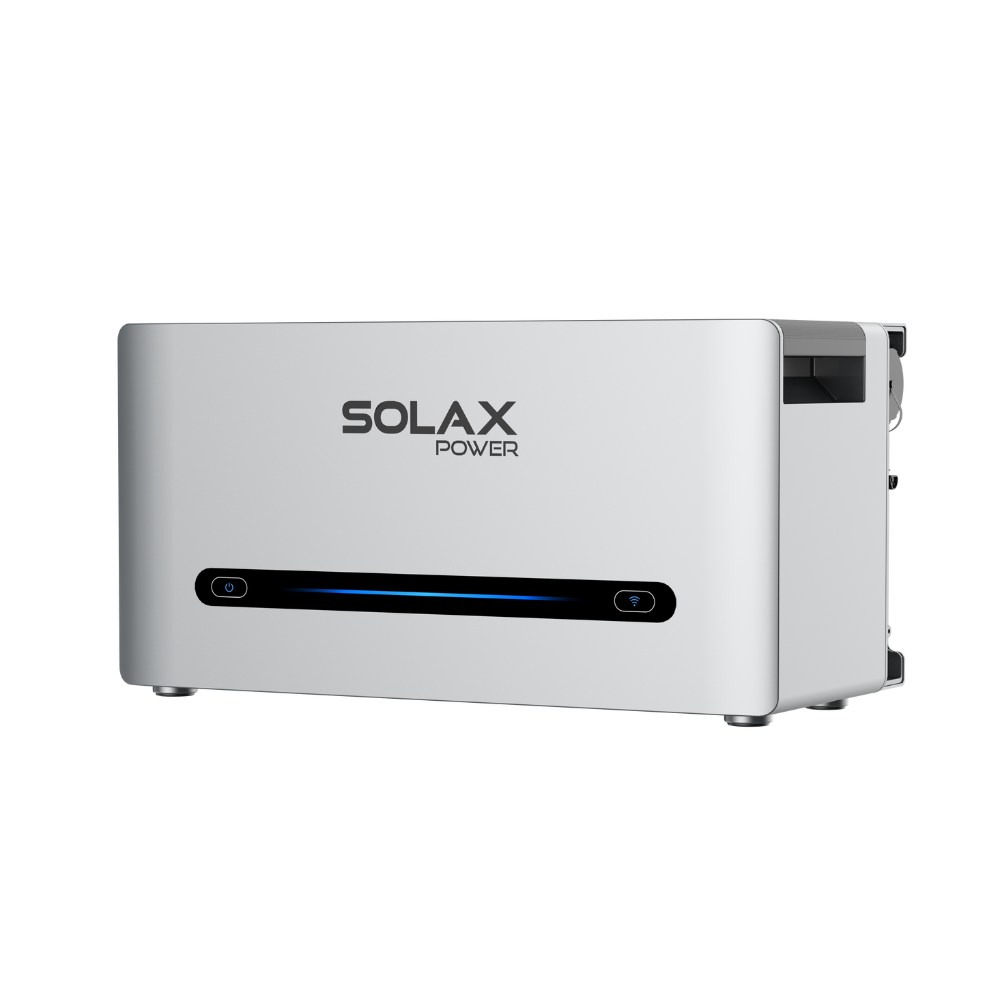
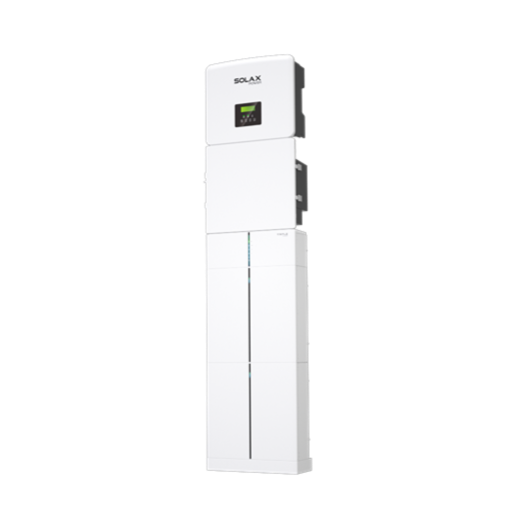
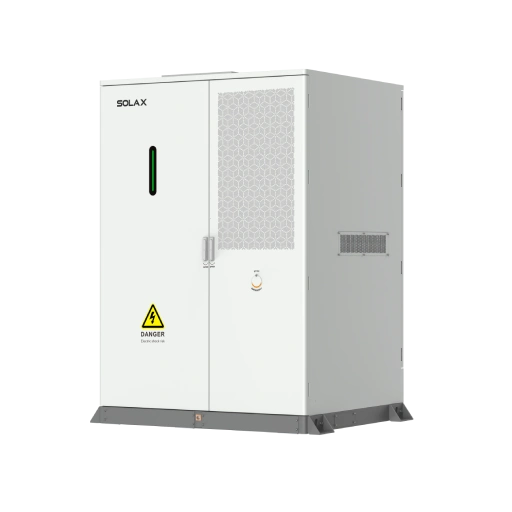
SolaX offers several low voltage battery options for residential solar storage, ranging from compact modular systems to larger expandable configurations.
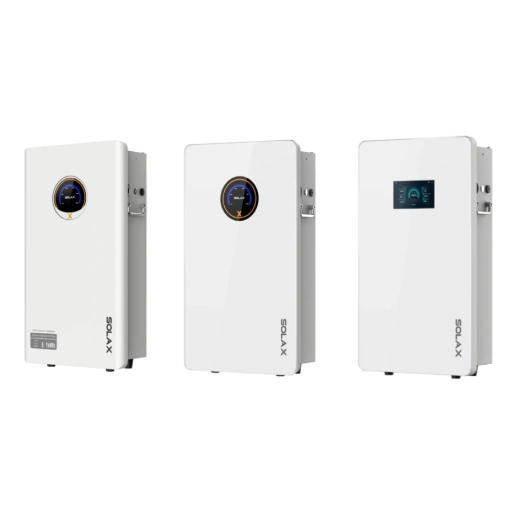
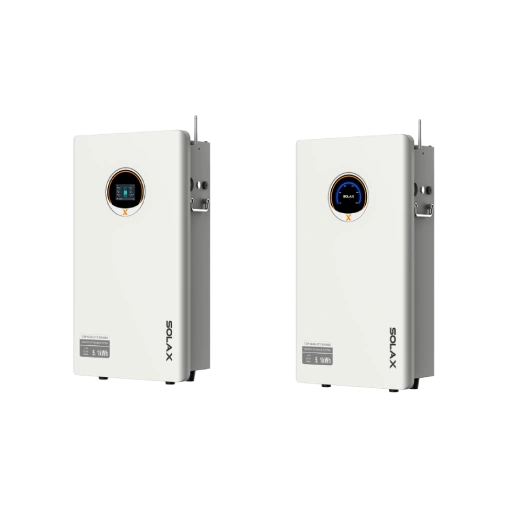
SolaX LD51C Low Voltage Battery
The SolaX LD51C is a 5.1 kWh LFP low voltage battery designed for flexible residential energy storage. It supports up to 16 units in parallel, allowing total system capacity to expand from 5.1 kWh to 81.9 kWh.
The battery offers a maximum charge/discharge current of 100 A / 135 A, a 95% depth of discharge, and a cycle life of more than 6,000 cycles. Its CTP (Cell-to-Pack) design helps improve space utilization and energy density, while remote fault diagnosis, upgrade and maintenance functions simplify system management.
With both wall-mounted and floor-mounted installation options, the LD51C is well suited to residential solar storage systems that may require future capacity expansion.
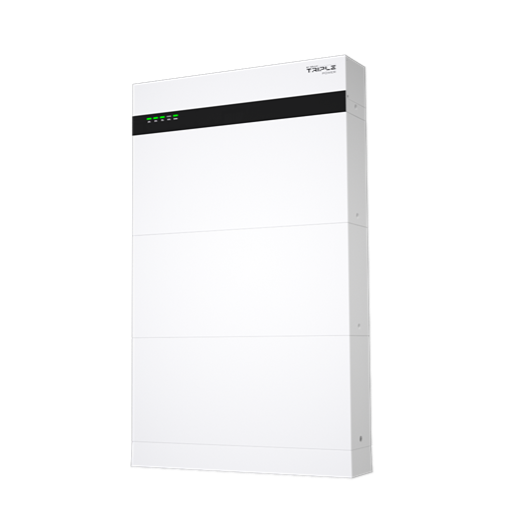
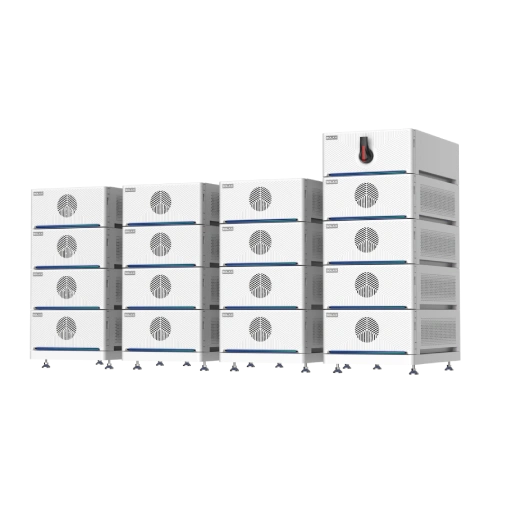
SolaX T-BAT-SYS-LV R25
The SolaX T-BAT-SYS-LV R25 is a modular low voltage LiFePO4 battery designed for residential energy storage.
Its modular architecture allows homeowners and installers to configure battery capacity according to household energy use, backup requirements and future expansion plans.
It can be paired with compatible SolaX low voltage hybrid inverter solutions to create an integrated solar-plus-storage system.
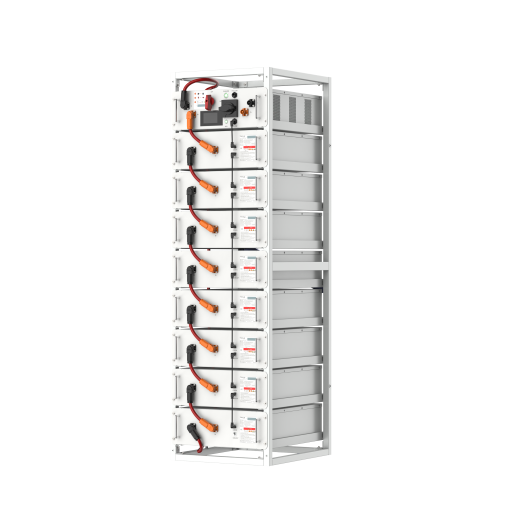
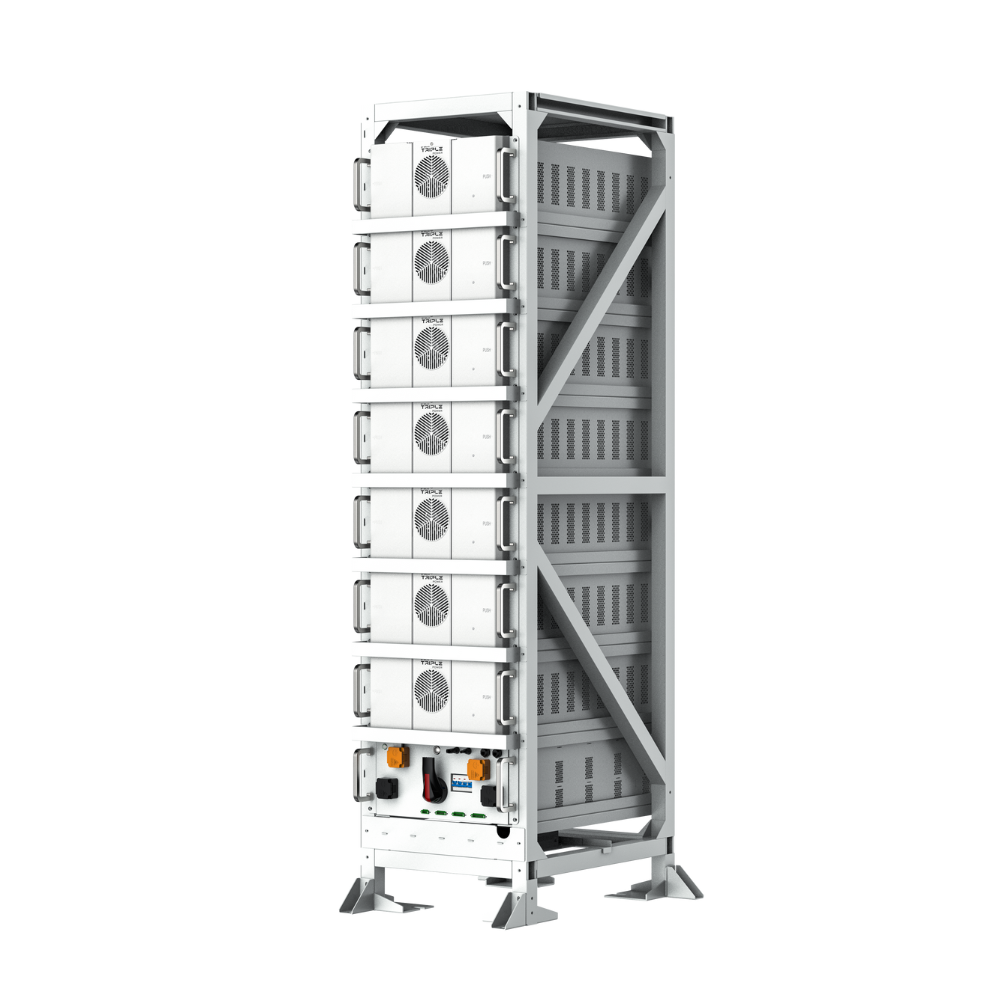
SolaX T-BAT-SYS-LV D53
The SolaX T-BAT-SYS-LV D53 is another scalable low voltage energy storage option designed for applications requiring greater capacity and flexible parallel expansion.
It is suitable for larger residential storage projects and selected small energy storage applications where installers want to retain a low voltage architecture while allowing future battery expansion.
When selecting a SolaX low voltage battery, consider not only battery capacity, but also inverter compatibility, maximum charge and discharge current, backup load requirements and future expansion plans.
FAQ
Table of Contents
Latest News
Explore expert insights, practical guides, and the latest news on SolaX Power.


To the Latest Newsletter
Stay Ahead with the Latest SolaX Updates!
Subscribe
I have read and agree to Privacy Policy and User Terms