


























September 14, 2026
EU widens fiscal flexibility for solar, storage, heat pumps and EV charging
Share my #SolaXStory


The European Commission is giving member states more room to support energy-security investment between 2026 and 2028. Solar, battery storage, heat pumps and EV charging are among the technologies that could benefit, although support will depend on national measures and EU approval.
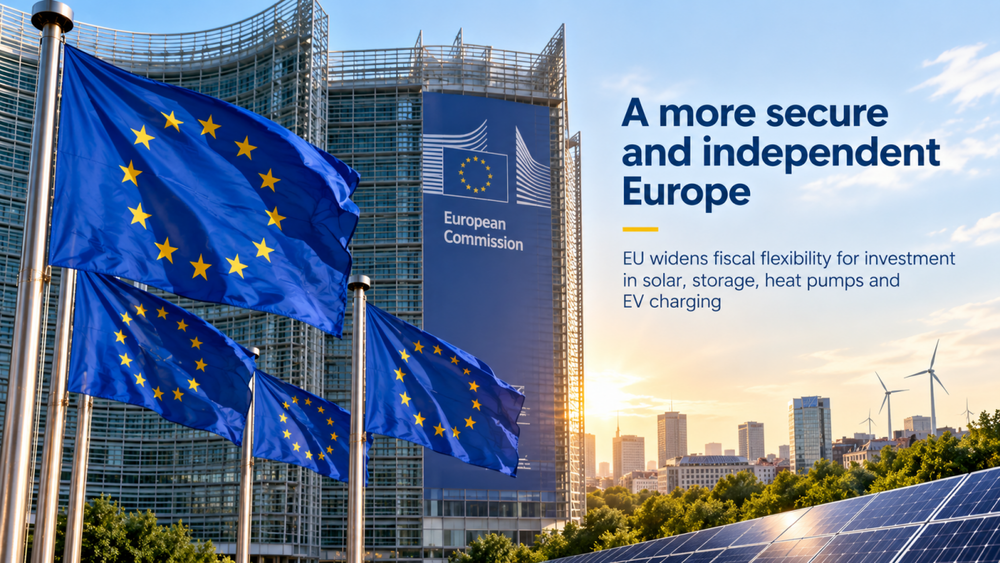
The European Commission has opened the door for EU member states to use additional fiscal flexibility for energy-security investment, including renewable energy, battery storage, heat pumps, EV charging and electricity grids.
The guidance, published on 18 August under Commission Notice C/2026/4514, broadens the possible scope of the National Escape Clause, or NEC. The mechanism has recently been used mainly to accommodate higher defence spending, but governments can now request that qualifying energy-security measures are also covered.
The change does not create a new EU subsidy fund. Instead, it gives national governments more room within the EU fiscal framework to finance measures that reduce fossil-fuel dependence and improve the structural resilience of their energy systems.
That distinction is important. For households or businesses looking for EU solar subsidies in 2026, battery storage incentives, heat pump grants or EV charging support, the new guidance does not automatically create those incentives. Whether households or businesses eventually receive new incentives will depend on what individual member states choose to propose.
What has changed in EU energy policy?
Under normal EU fiscal rules, member states follow agreed limits on the growth of nationally financed net expenditure.
The National Escape Clause allows temporary deviations from those expenditure paths under exceptional circumstances. In its European Semester Spring Package in June, the Commission said the existing flexibility could be broadened to include measures aimed at improving EU energy security and accelerating the move away from imported fossil fuels.
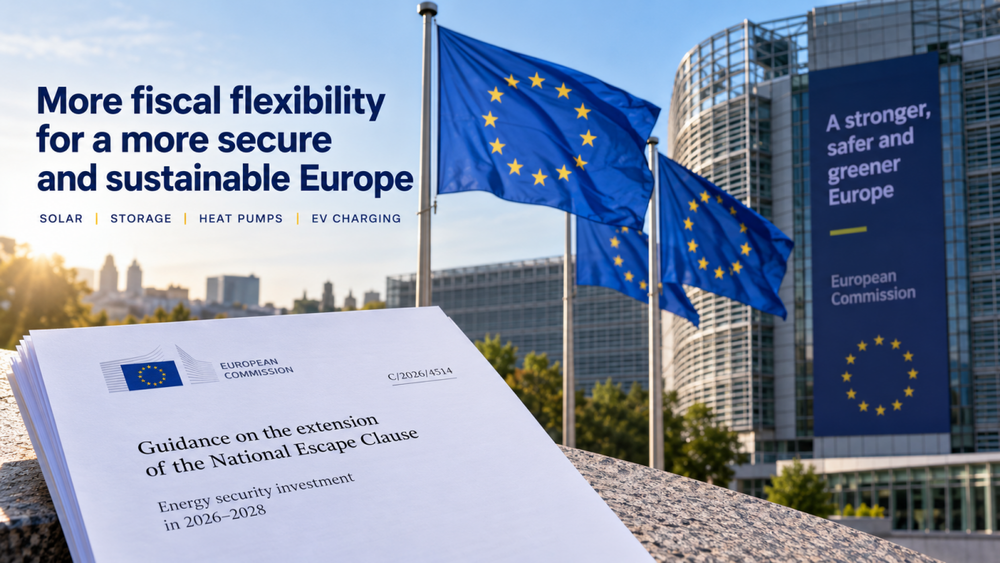
The August guidance explains how that can work in practice.
For eligible energy-security measures, member states can request fiscal flexibility of up to 0.3% of GDP in a single year, with a cumulative ceiling of 0.6% of GDP over 2026 to 2028. The energy allowance sits within the broader NEC framework, which has an existing overall cap of up to 1.5% of GDP in additional expenditure.
There is also an additionality requirement. Only new budgetary measures decided after 28 February 2026 can qualify. Existing programmes cannot simply be relabelled as new energy-security spending.
Governments must submit a preliminary list of measures and their expected fiscal costs. The Commission will assess eligibility case by case, and the flexibility is not automatic.
The focus is also clearly on structural investment rather than temporary energy-price relief. Broad fossil-fuel subsidies, fixed energy prices and general tax cuts on fossil fuels fall outside the intended scope.
Solar, batteries, heat pumps and EV charging all make the list
The Commission provides an illustrative, rather than exhaustive, list of investments that could qualify.
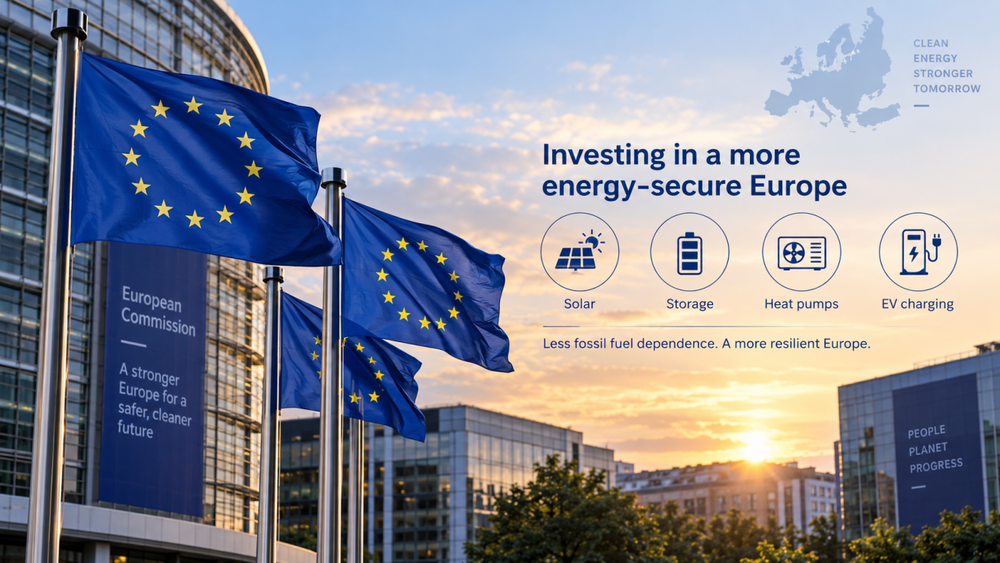
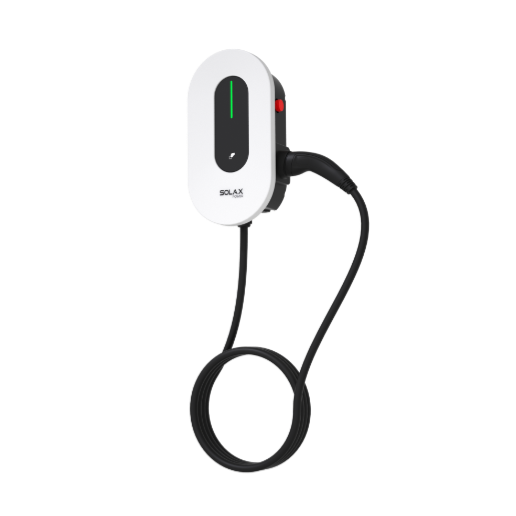
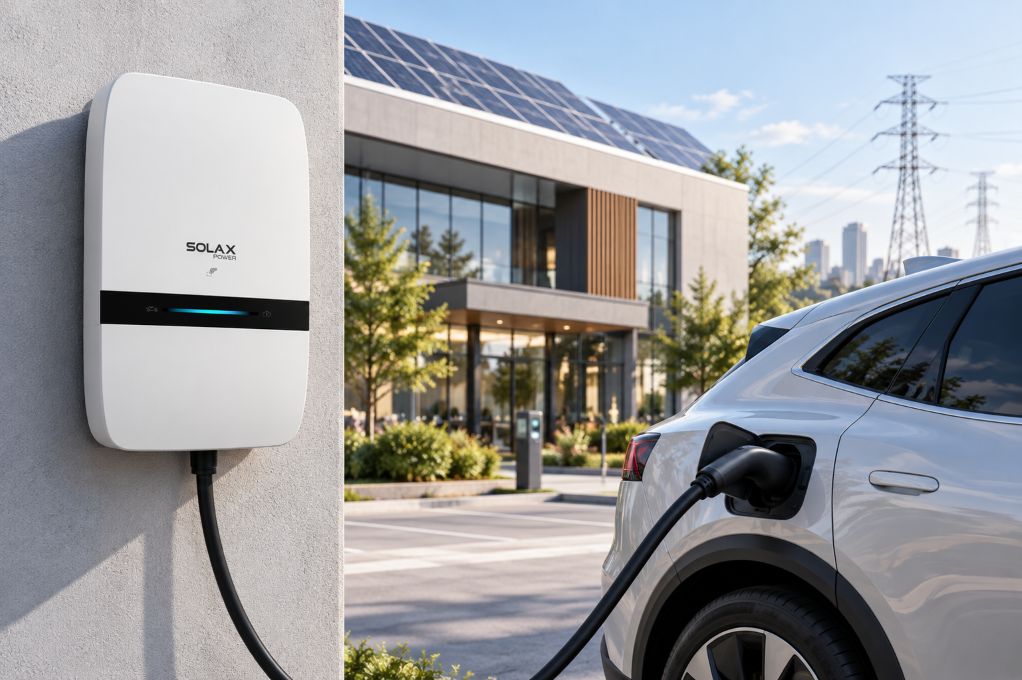
For households, examples include support for solar energy, residential battery systems, replacing fossil-fuel boilers with cleaner alternatives such as heat pumps, home EV chargers and deeper building renovation.
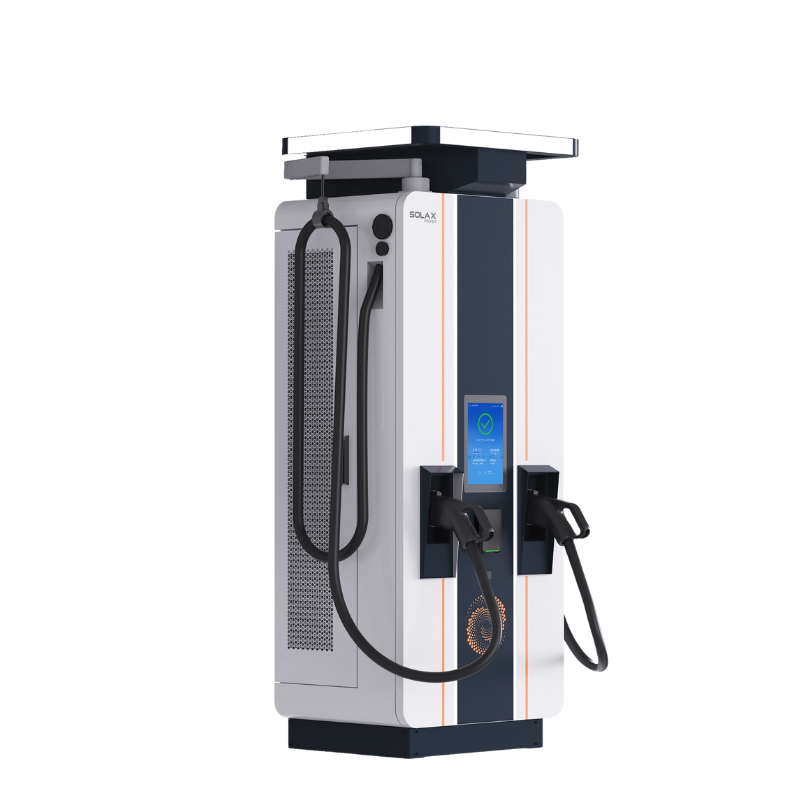
For businesses, the document points to measures including fiscal incentives for EV charging, building upgrades and selected industrial decarbonisation technologies.
The public sector could receive support for onsite renewable generation and storage, while eligible energy-sector investment can include renewable electricity and heating, battery energy storage, electricity networks and other infrastructure that reduces reliance on fossil fuels.
The technologies are familiar. What is more interesting is that the Commission increasingly treats them as parts of the same energy-security problem.
Europe does not only need more renewable generation. It also needs ways to store that electricity and use more of it for heating and transport.
Why battery storage has a central role
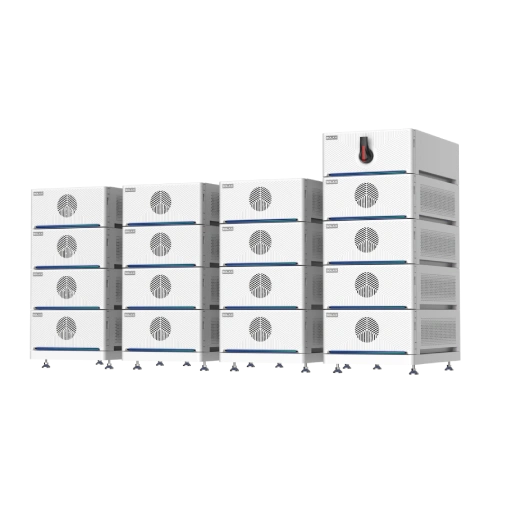
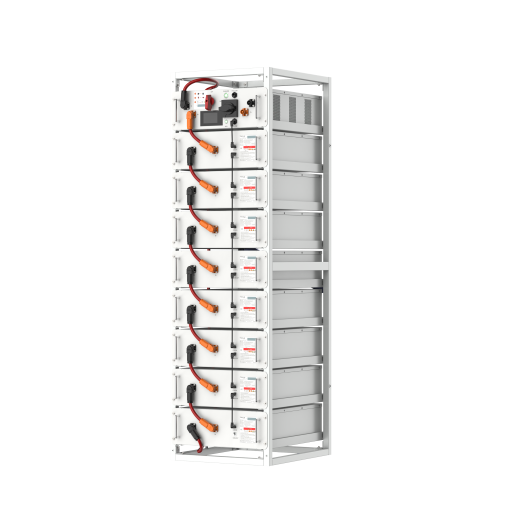
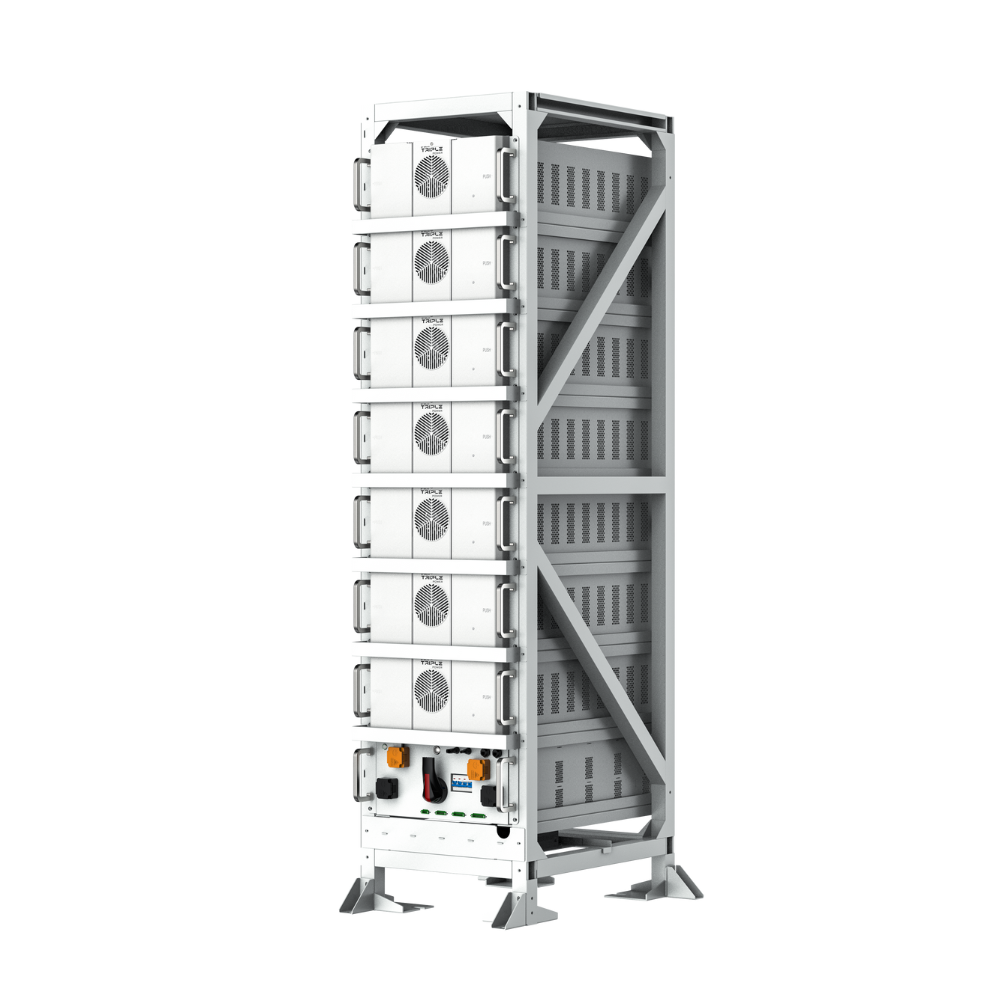
Among the technologies included in the guidance, battery storage has a particular enabling role.
Solar changes how electricity is generated. Heat pumps and electric vehicles change how energy is consumed. Battery energy storage systems helps connect the two.
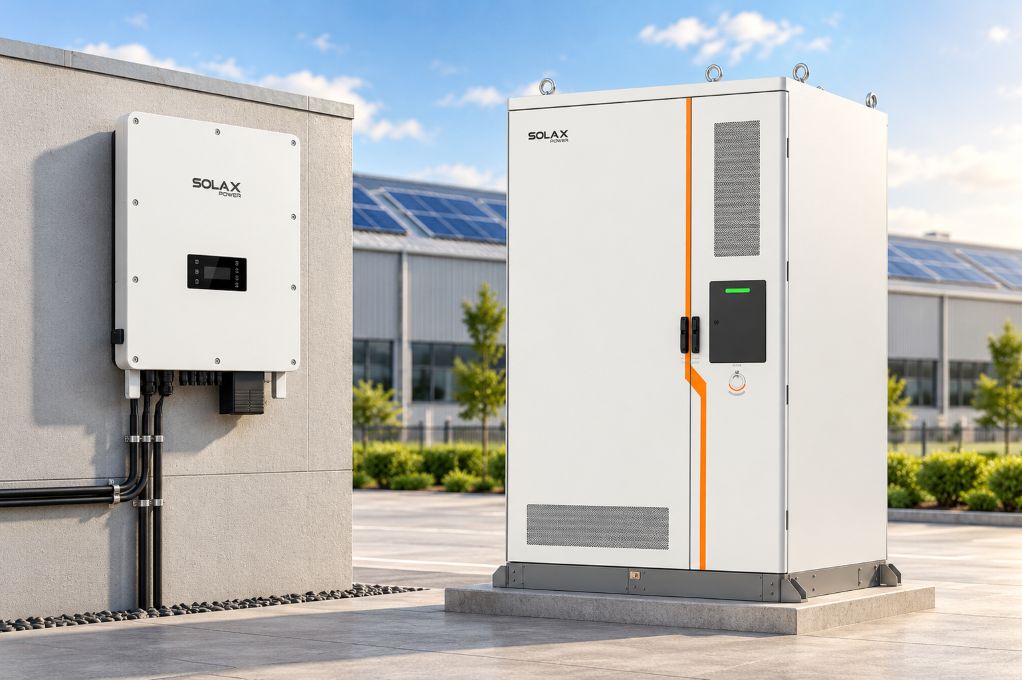
A rooftop PV system may produce most of its electricity around midday, while household demand is often higher in the morning and evening. A home battery allows some of that production to be shifted to a more useful time rather than consumed immediately or exported.
That flexibility becomes more relevant as electricity markets change.
Dynamic electricity tariffs and time-of-use tariffs are giving more consumers an incentive to pay attention not only to how much electricity they use, but also when they use it. Where the tariff and local market rules allow, batteries can charge during lower-price periods and reduce grid consumption when prices are higher.
Heat pumps and EVs add further flexible demand.
A heat pump can use renewable electricity for space heating and hot water instead of relying directly on gas or oil. An EV does not always need to charge as soon as it is connected; smart EV charging can often be shifted towards periods of higher solar production or lower grid prices.
The result is a more flexible household energy system, but only if the different devices can work together.
From individual devices to an integrated home energy system
This is an important change in the residential solar and home energy storage market.
For years, rooftop PV was often installed as a relatively independent asset. A battery might be added later, followed by an EV charger or heat pump from another supplier.
That approach can still work, but electrification makes coordination more valuable.
When PV, storage, heating and EV charging are managed together, surplus solar electricity can be directed to the place where it is most useful at that moment. It might charge the home battery, heat water, run a heat pump or charge an electric vehicle.
Later in the day, the battery can supply household demand when solar generation has fallen.
The hardware matters, but so does the control system behind it.
This is why home energy management system is becoming an increasingly important part of the residential solar market. The role of the system is no longer simply to maximise PV output. It also has to decide how energy should move between generation, storage, household loads, heating, mobility and the grid.
SolaX integrated home energy solution
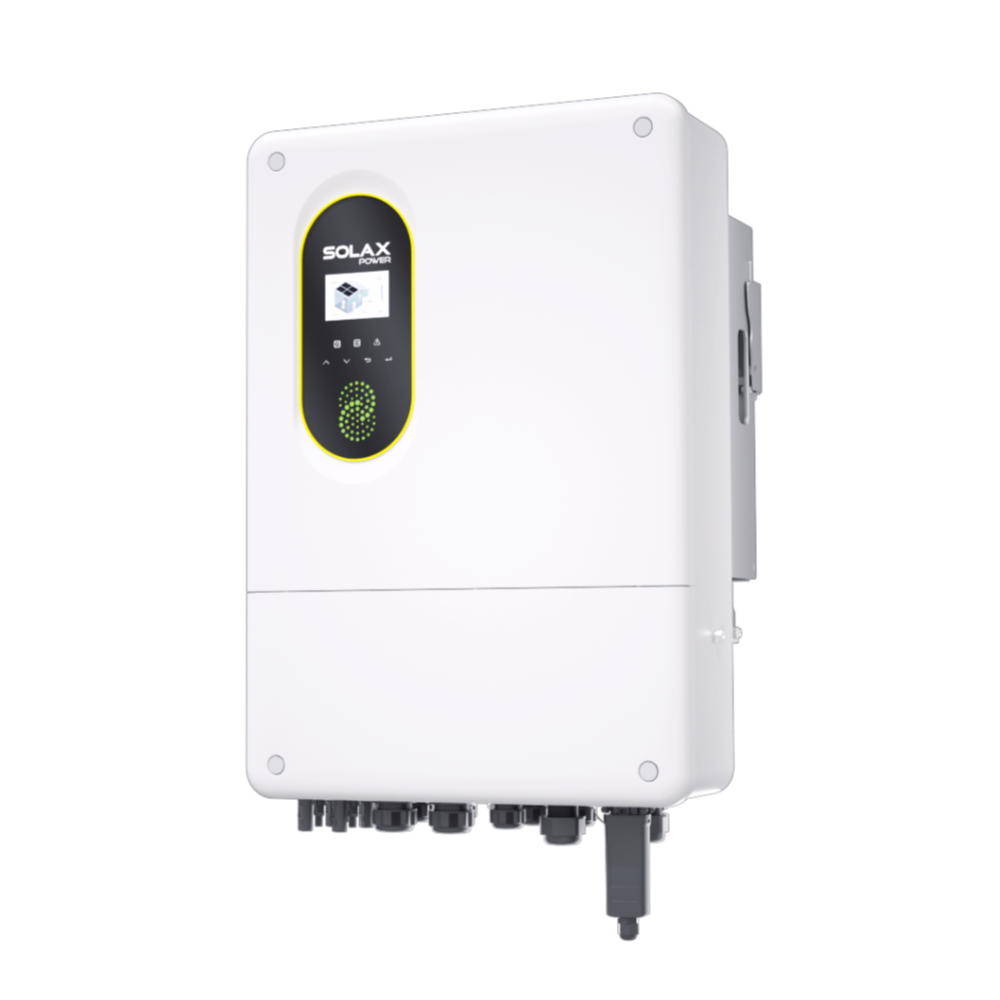
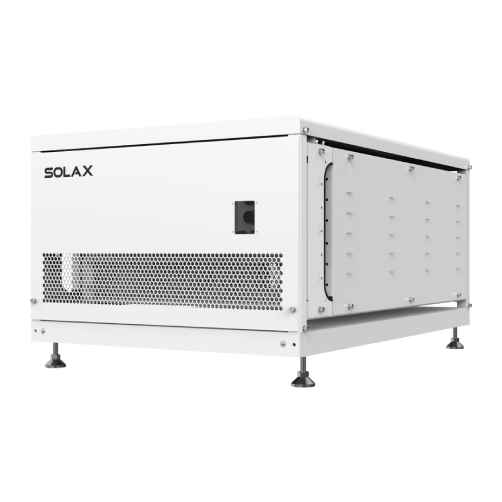
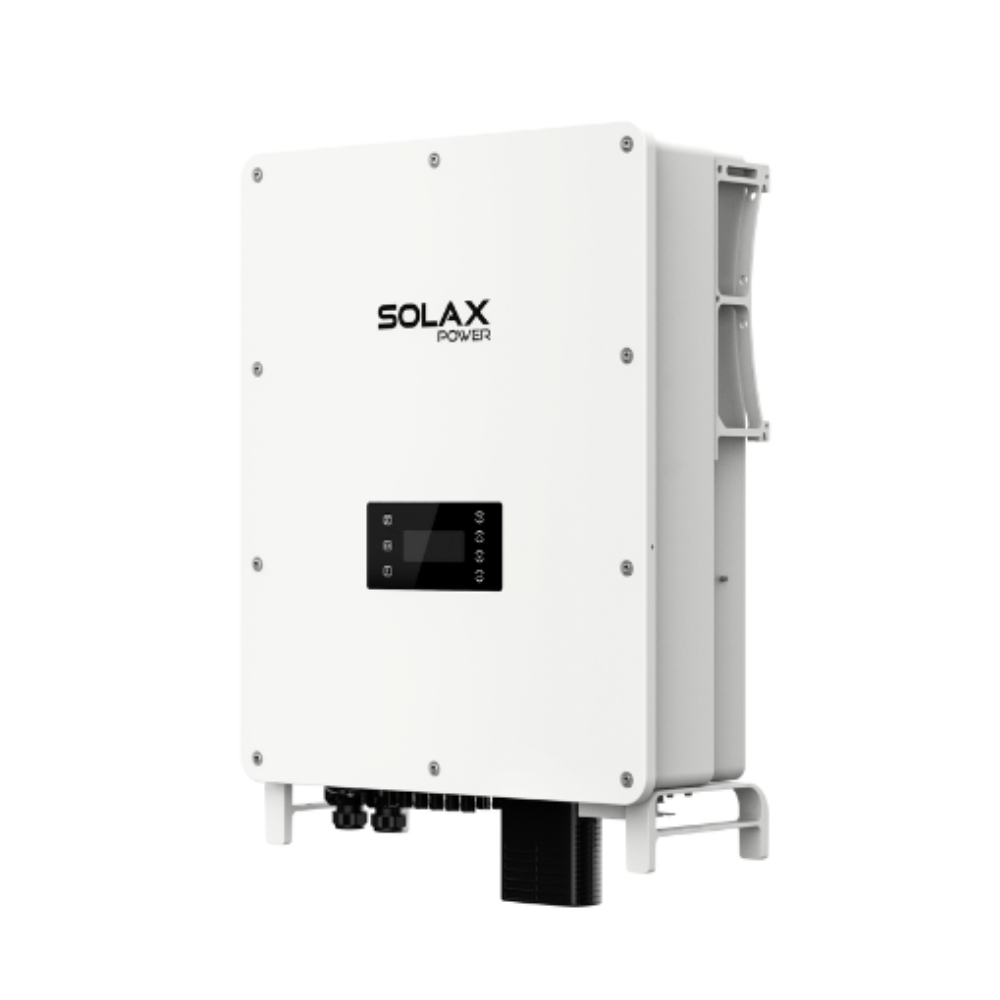
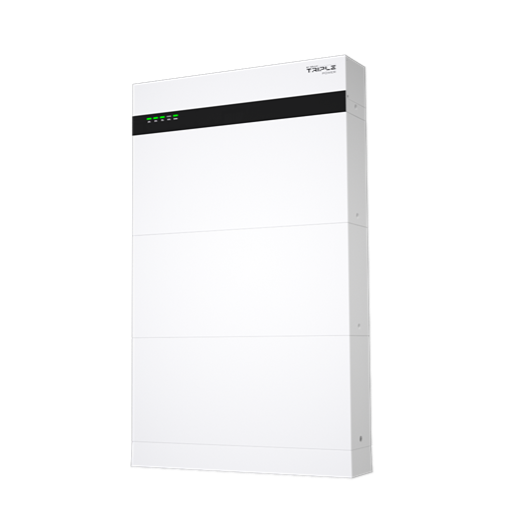
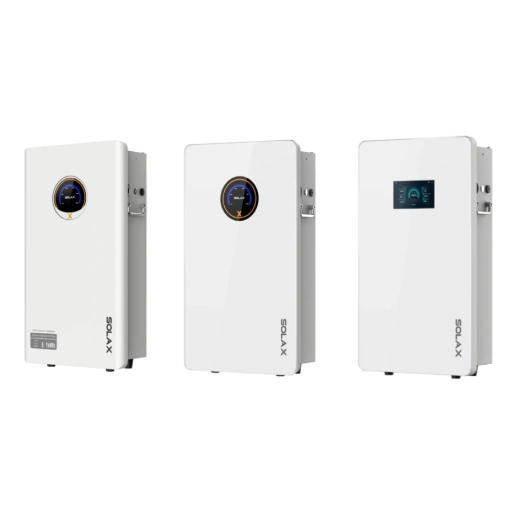
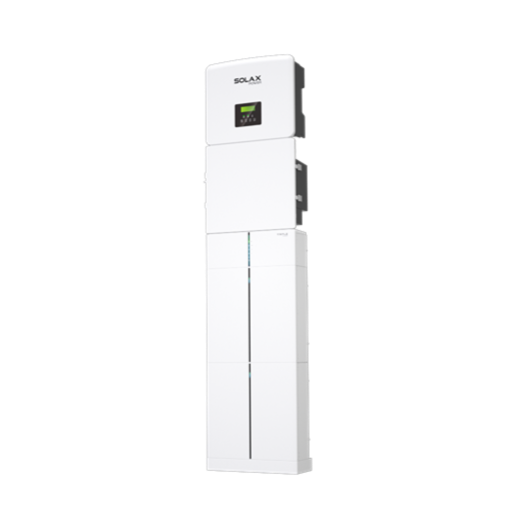
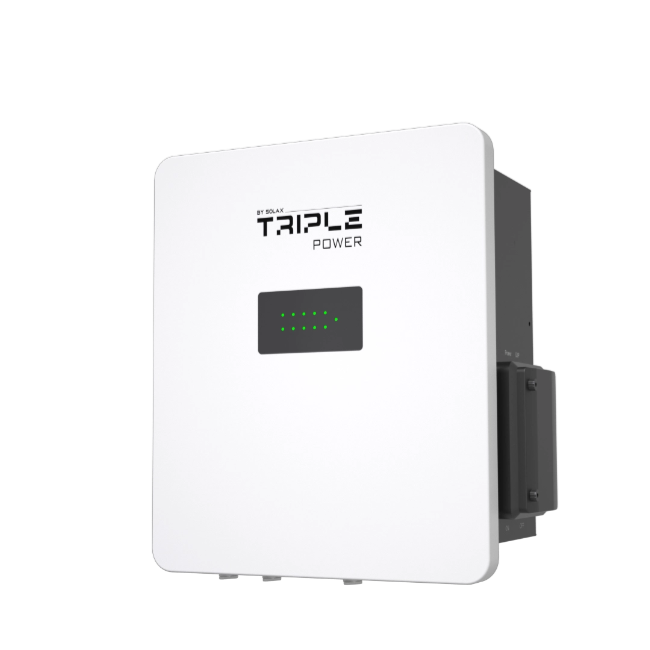
The SolaX Integrated PV + ESS + V2H + Heat Pump Solution is designed around this more connected approach to home energy.
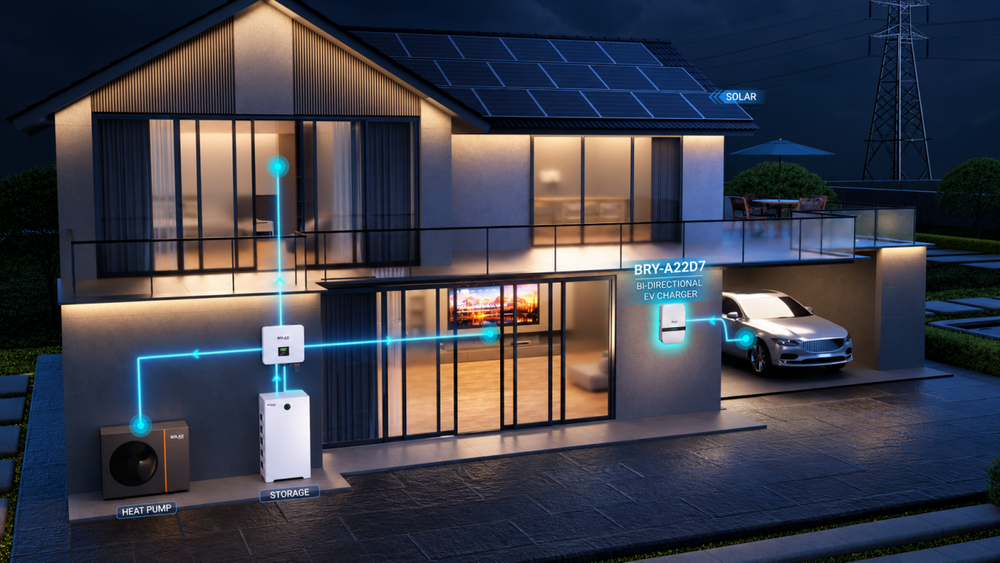
Rather than treating PV, the home battery, heating and EV charging as separate systems, SolaX brings them into one home energy management architecture.
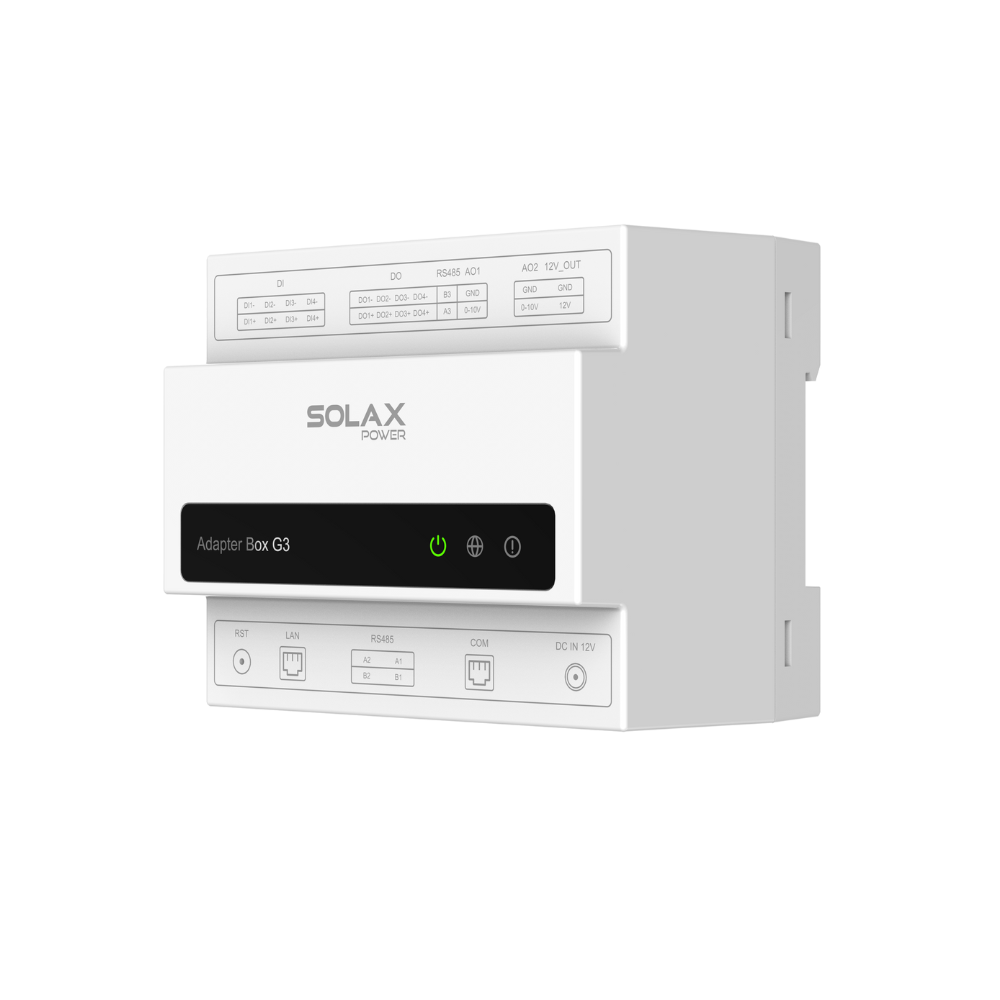
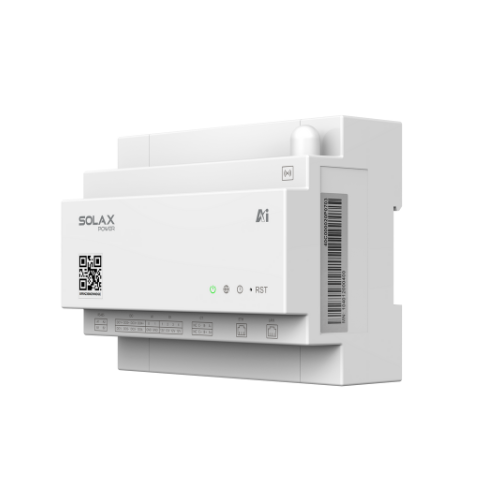
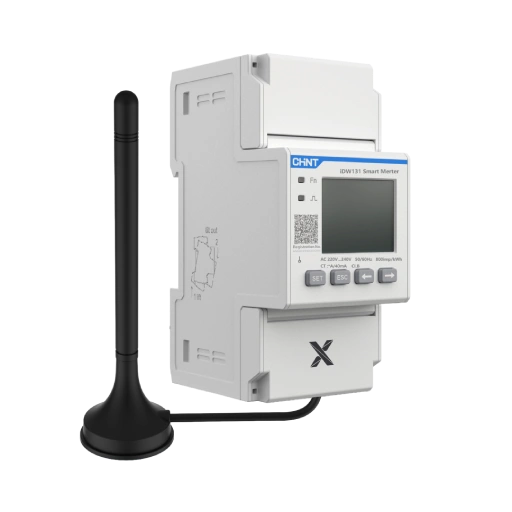
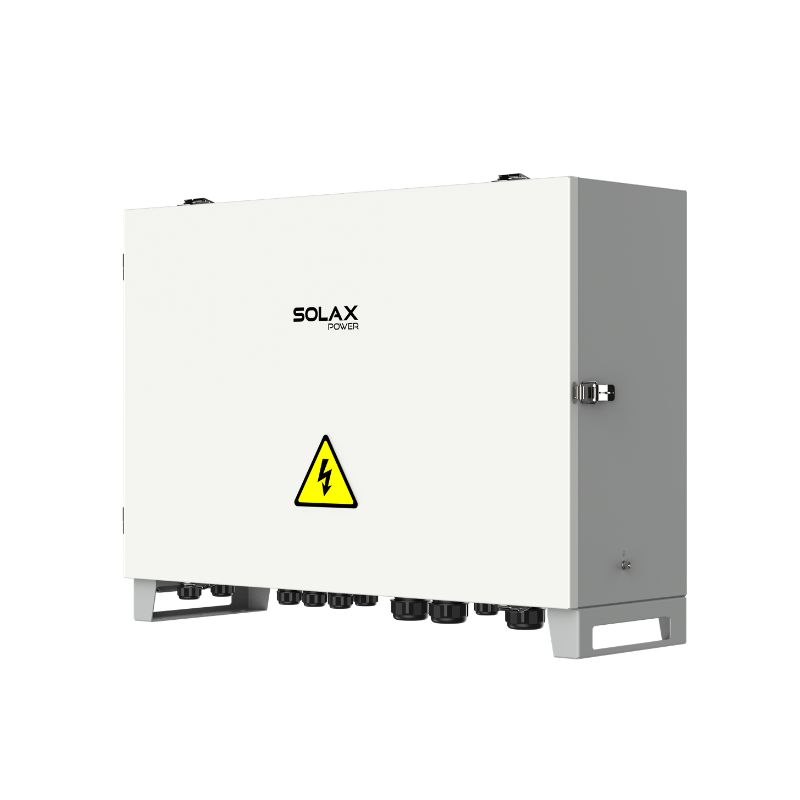
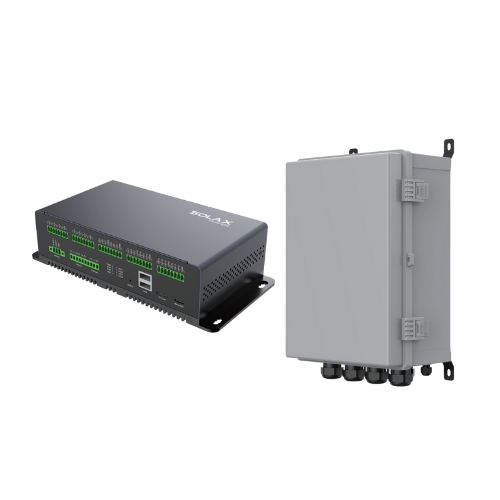
Through X-Hub, solar production can be coordinated with battery energy storage, household consumption, heat pump operation and EV charging. The system also uses energy forecasting to help plan how available electricity is allocated across different loads.
In practice, that could mean using solar electricity for household demand first, then directing surplus production towards the battery, hot-water production, the heat pump or EV charging rather than exporting it immediately.
When solar production falls, stored electricity can be used later in the day. Where suitable dynamic energy tariffs are available, consumption and charging can also be scheduled with electricity prices in mind.
Heating is integrated into the same energy system. SolaXCloud platform can work with equipment including water tanks and solar thermal collectors, while supporting independent temperature zones and scalable configurations.
Electric mobility adds another layer of flexibility. The SolaX architecture incorporates bidirectional EV charging and wider V2H(vehicle-to-home) functionality, allowing a compatible vehicle battery to become part of the home energy system rather than simply a load. V2H operation will, of course, depend on vehicle compatibility, system configuration and the rules in each market.
The practical value of the integrated approach is straightforward: the household can make better use of the electricity it already produces.
What does the EU policy mean for the solar and storage market?
The Commission's decision does not mean that every EU country will now introduce the same solar subsidy, battery storage incentive, heat pump grant or EV charging subsidy.
National governments have to decide whether to request the additional flexibility, which measures they want to finance and how those programmes should be structured. The Commission will then assess whether the proposed spending meets the criteria.
There will therefore be significant differences between markets.
For the clean-energy sector, however, the broader direction is clear.
Energy security in Europe is increasingly being defined not only by where oil and gas come from, but by how much fossil fuel the European economy needs in the first place.
Electrification is central to that shift. Solar energy provides more domestic renewable electricity. Heat pumps reduce direct fossil-fuel use in buildings. EVs move transport demand towards electricity. Batteries provide the flexibility needed to make better use of variable renewable generation.
The latest EU fiscal guidance gives member states more scope to invest across all four areas.
For households, this also changes the way residential energy systems are likely to develop. The next stage is not simply about installing more devices. It is about making them work together.
Integrated solutions such as the SolaX PV + ESS + V2H + Heat Pump ecosystem reflect that move towards a home where renewable generation, storage, heating and mobility can be managed through a common energy platform.
Table of Contents
Latest News
Explore expert insights, practical guides, and the latest news on SolaX Power.



To the Latest Newsletter
Stay Ahead with the Latest SolaX Updates!
Subscribe
I have read and agree to Privacy Policy and User Terms