












September 14, 2026
Premium vs Mid-Range Inverters: What UK Homeowners Actually Get for Their Money
Share my #SolaXStory


At first glance, inverter quotations can look surprisingly similar. However, the real difference is not only conversion efficiency. For most UK households, the bigger question is whether you are paying for battery readiness, backup behaviour, smarter controls, and easier future upgrades. That matters because the Ofgem Smart Export Guarantee pays for exported electricity, while system design still shapes how much energy you keep and use at home.
A mid-range solar inverter UK buyers choose well can cover far more than basic DC-to-AC conversion. Equally, a premium-style setup can justify the extra spend when you want deeper automation, more bespoke integration, or a more complex energy plan.
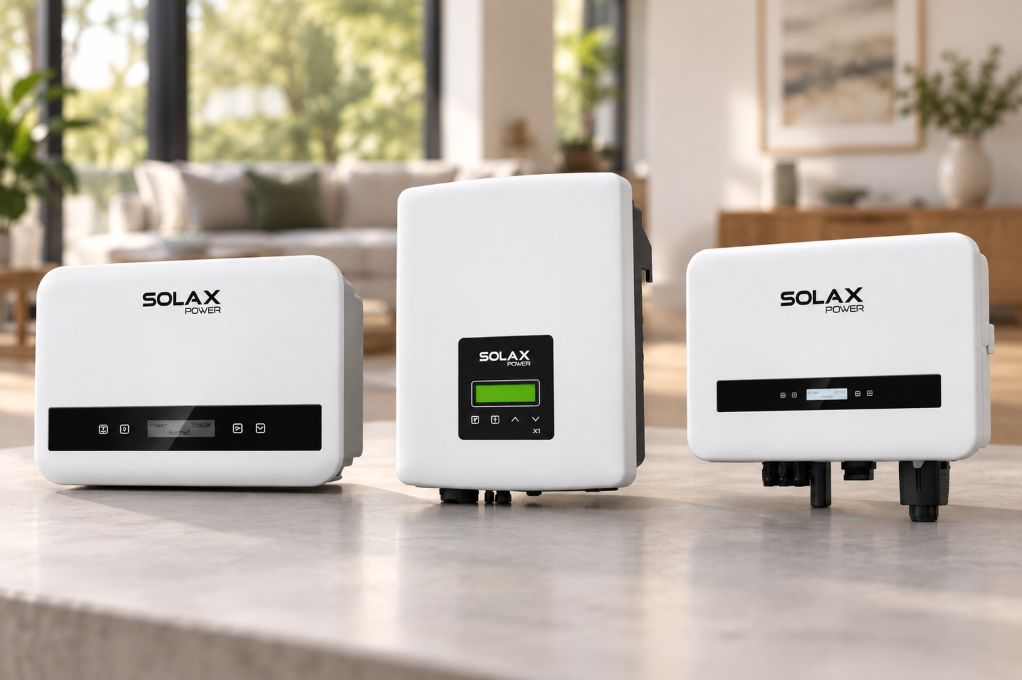
SolaX mid-range systems cover more than basic conversion
The trade-off is that the range still needs careful matching. A broader catalogue does not remove the need to choose the right architecture. If your household wants load shifting, battery expansion, and some outage resilience, a SolaX hybrid route usually makes more sense than a PV-only setup. If your array is straightforward and battery plans are uncertain, a simpler string inverter can still be the cleaner answer. What counts as "premium" in a UK home setup?
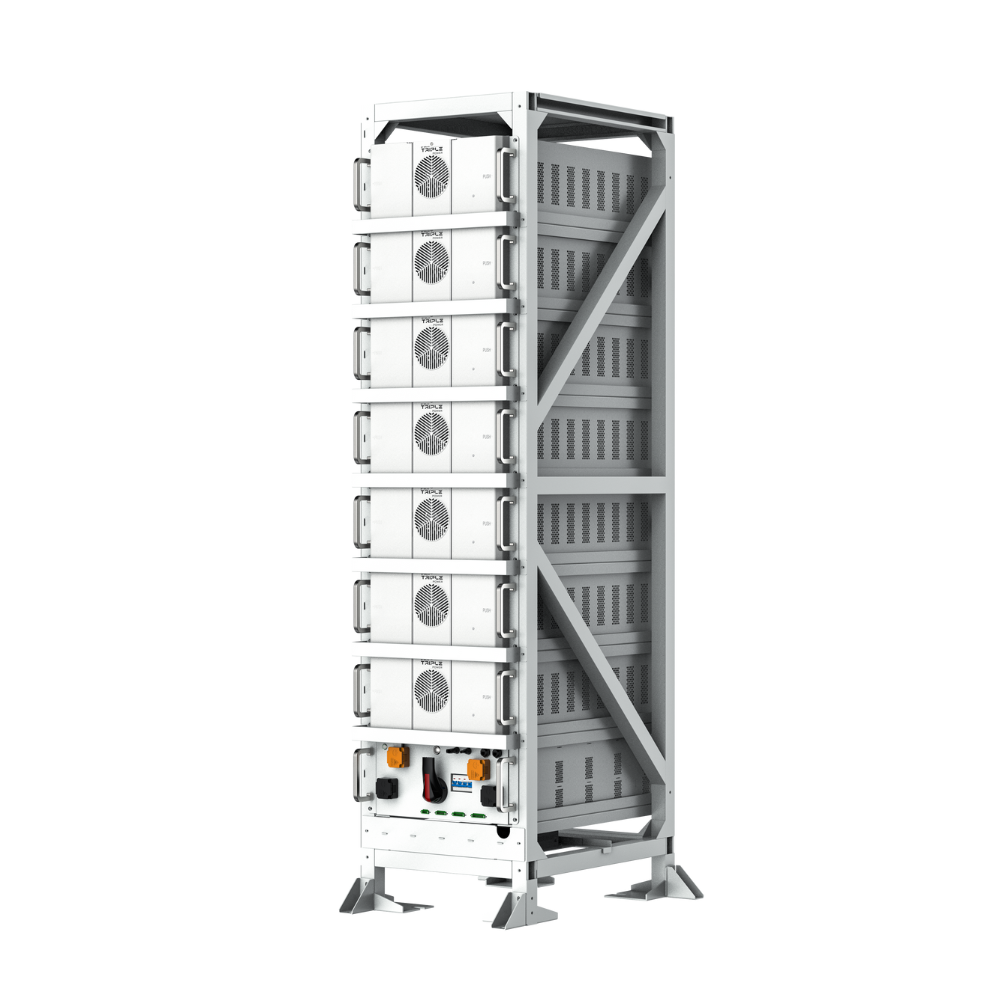
In practice, premium often means greater system scope rather than dramatically different daily production. You may be paying for tighter battery integration, more advanced automation, broader backup behaviour, or more bespoke design work across solar, storage, EV charging, and smart loads.
That said, higher spend is not universal value. A premium-style system makes more sense when your goals are also premium: time-of-use tariff shifting, future heat pump integration, larger batteries, or a roof layout that needs more complex optimisation. If your household mainly wants bill reduction from a standard south- or west-facing array, a well-specified mid-range solar inverter UK homeowners can monitor and expand later may deliver the stronger return.
Which setup suits your roof and tariff?
Battery-ready flexibility matters early
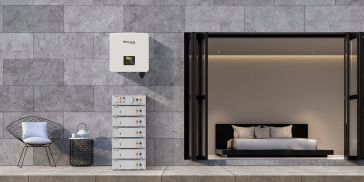
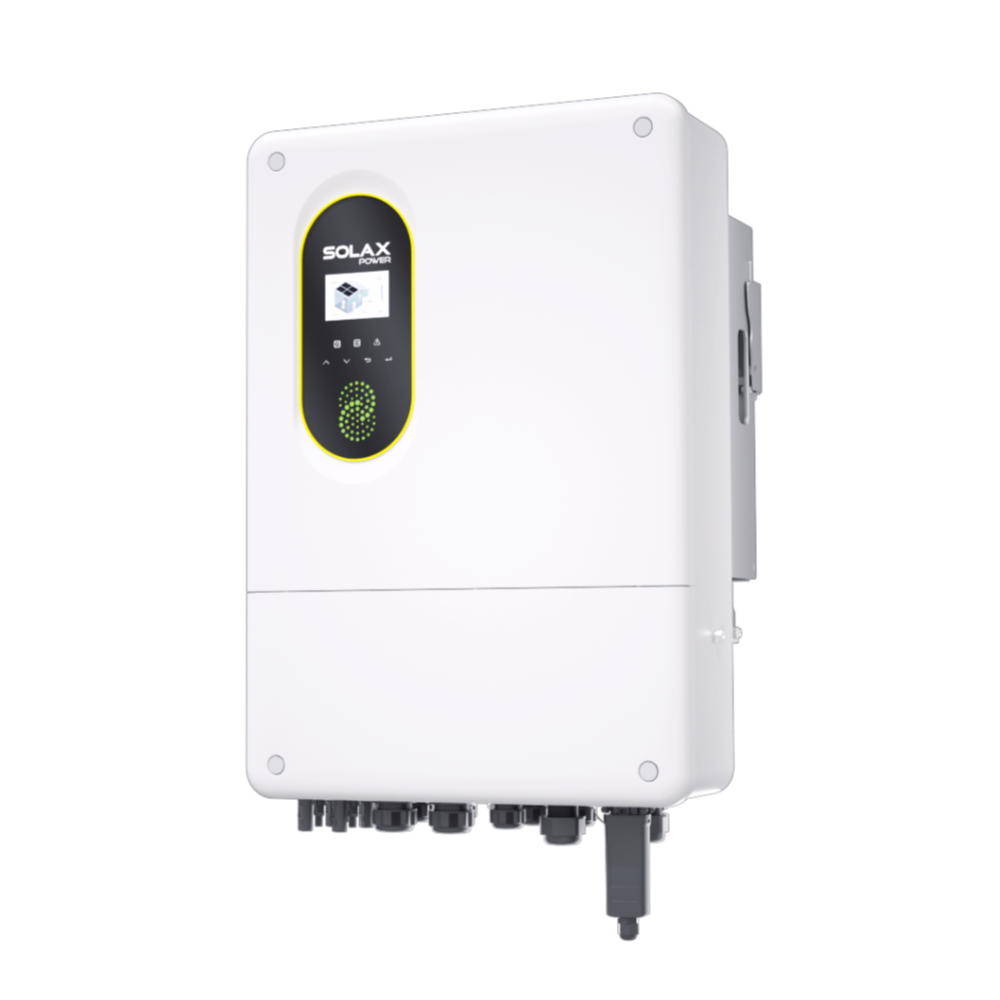
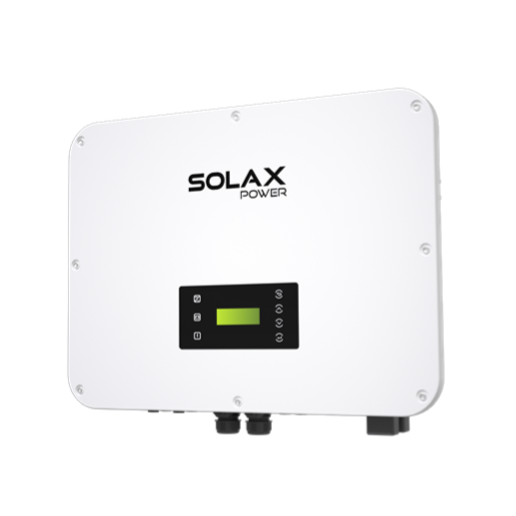
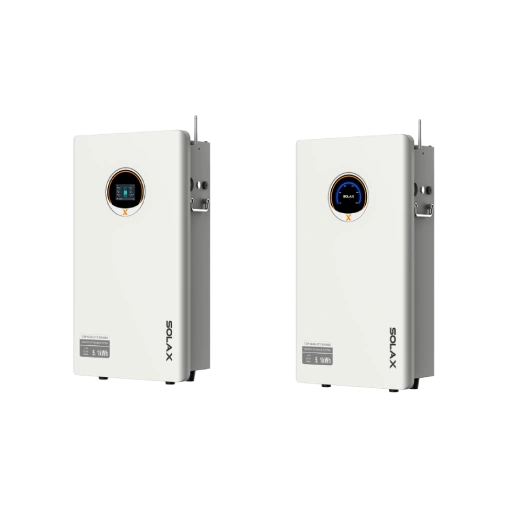
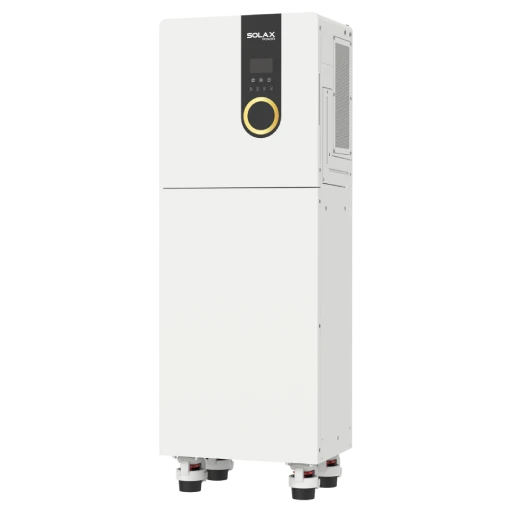
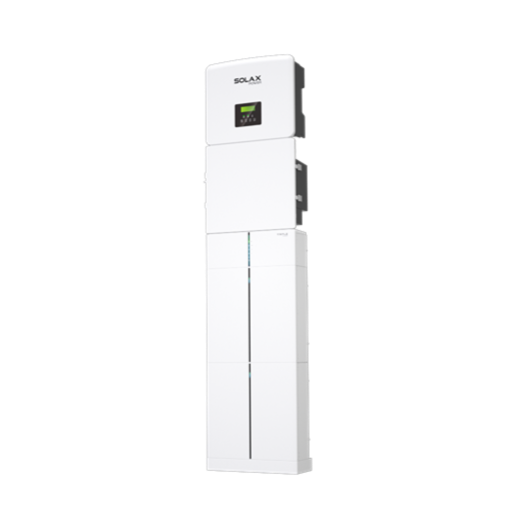
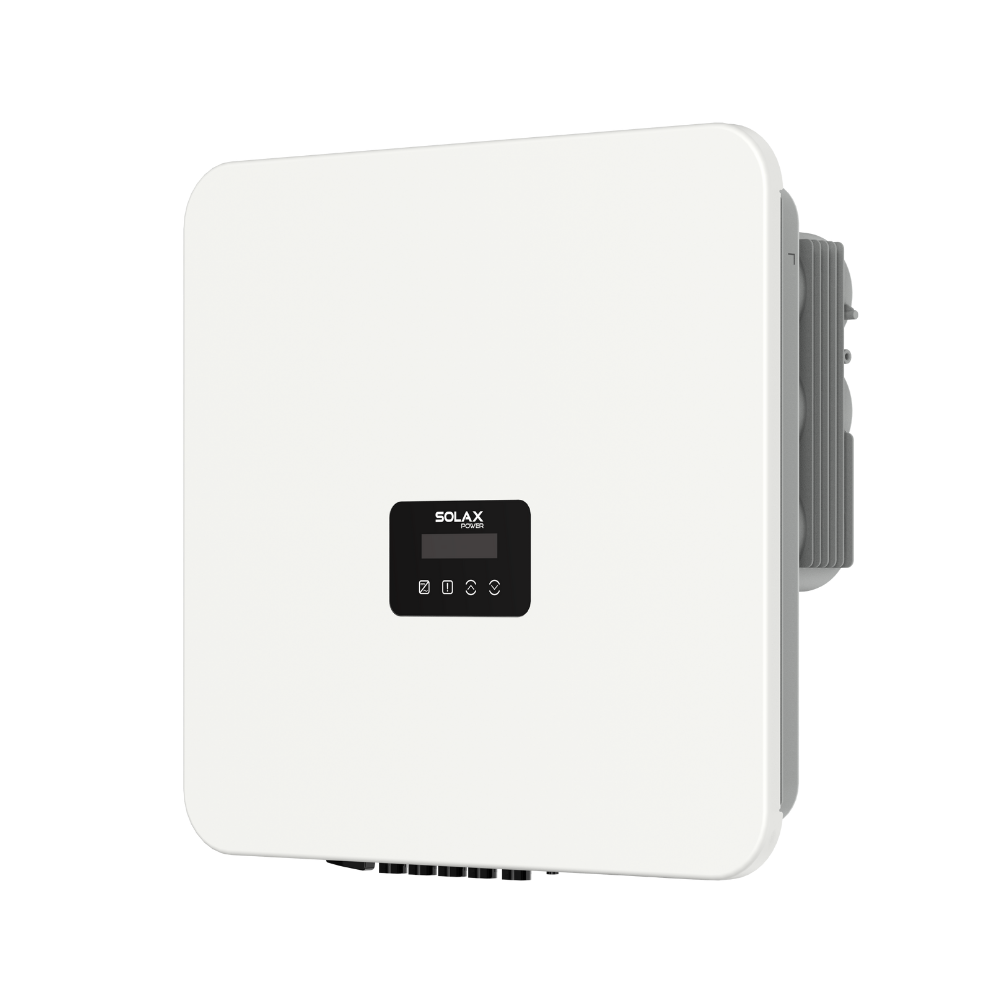
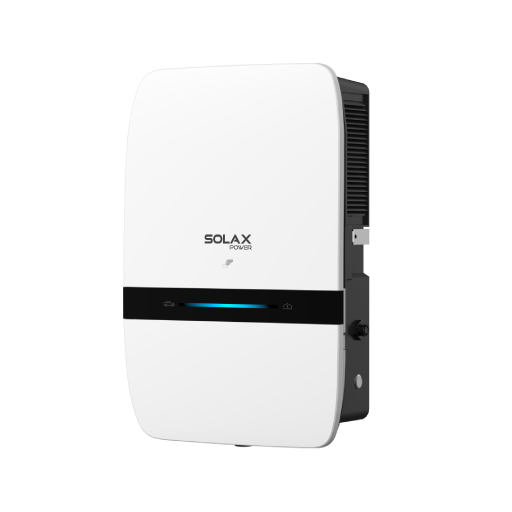
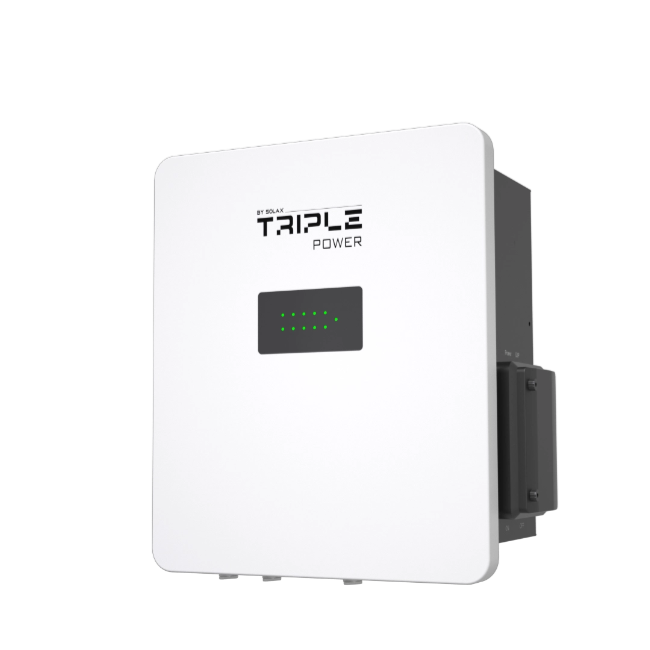
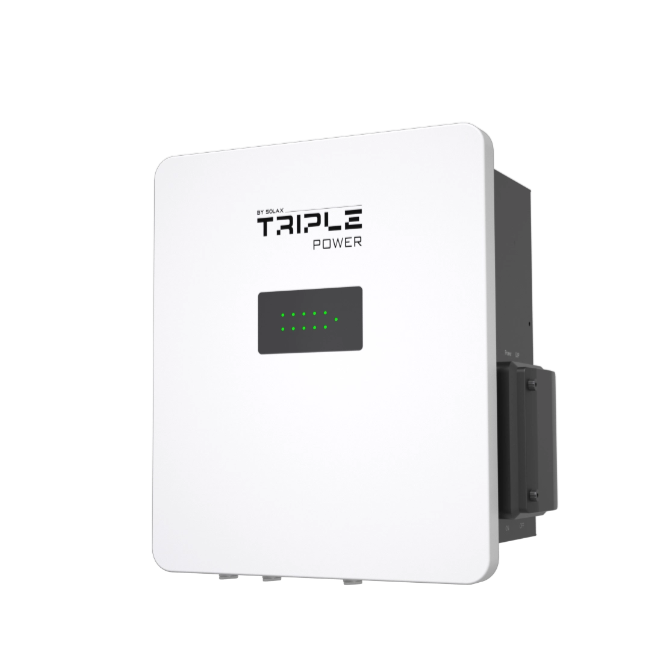
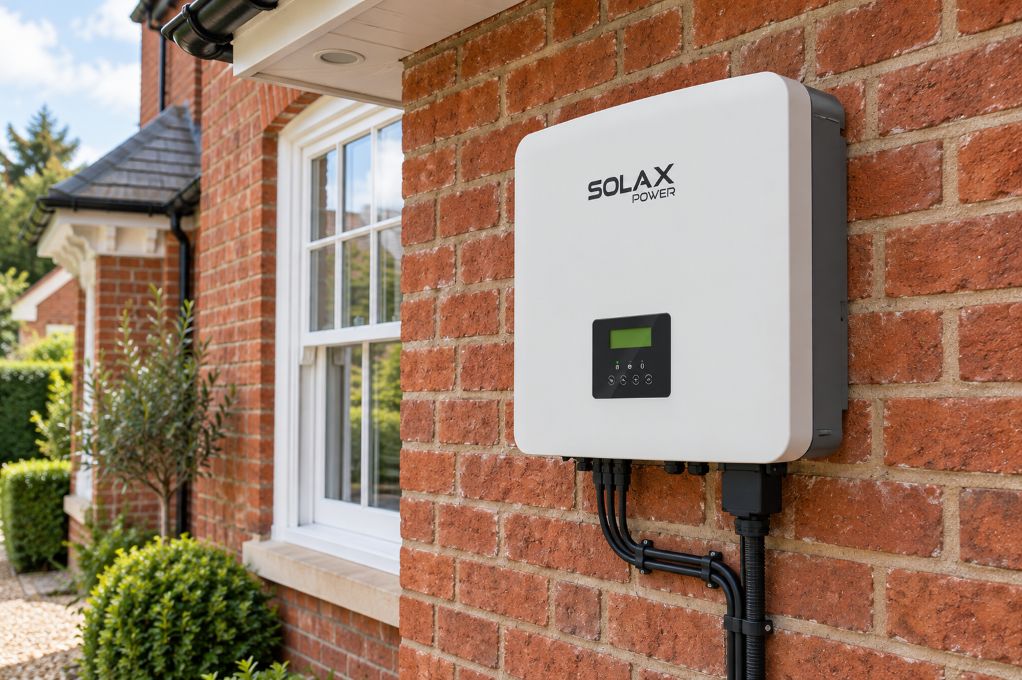
If there is even a fair chance you will add storage later, start there. The SolaX X1-Hybrid G4 range is built for solar plus battery use, with single-phase models from 3.0 kW to 7.5 kW, two MPPTs, IP65 protection, and fast switchover on the official product page. It also supports up to 200% PV oversizing and smart load management for devices such as heat pumps and EV chargers.
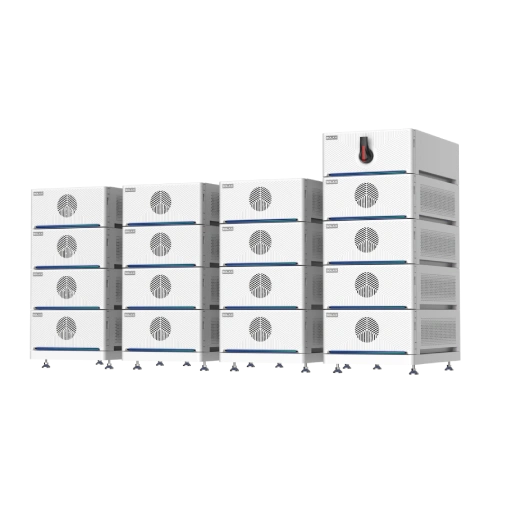
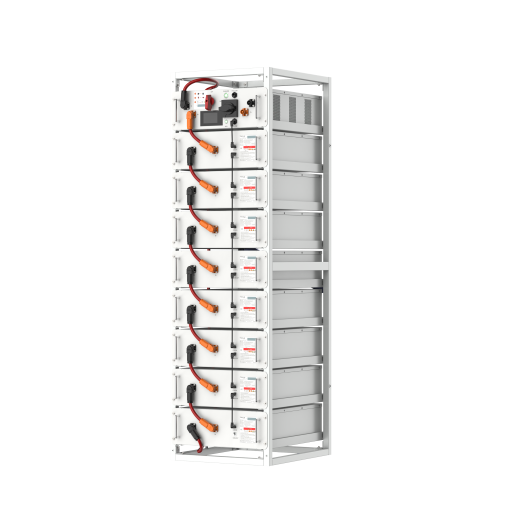
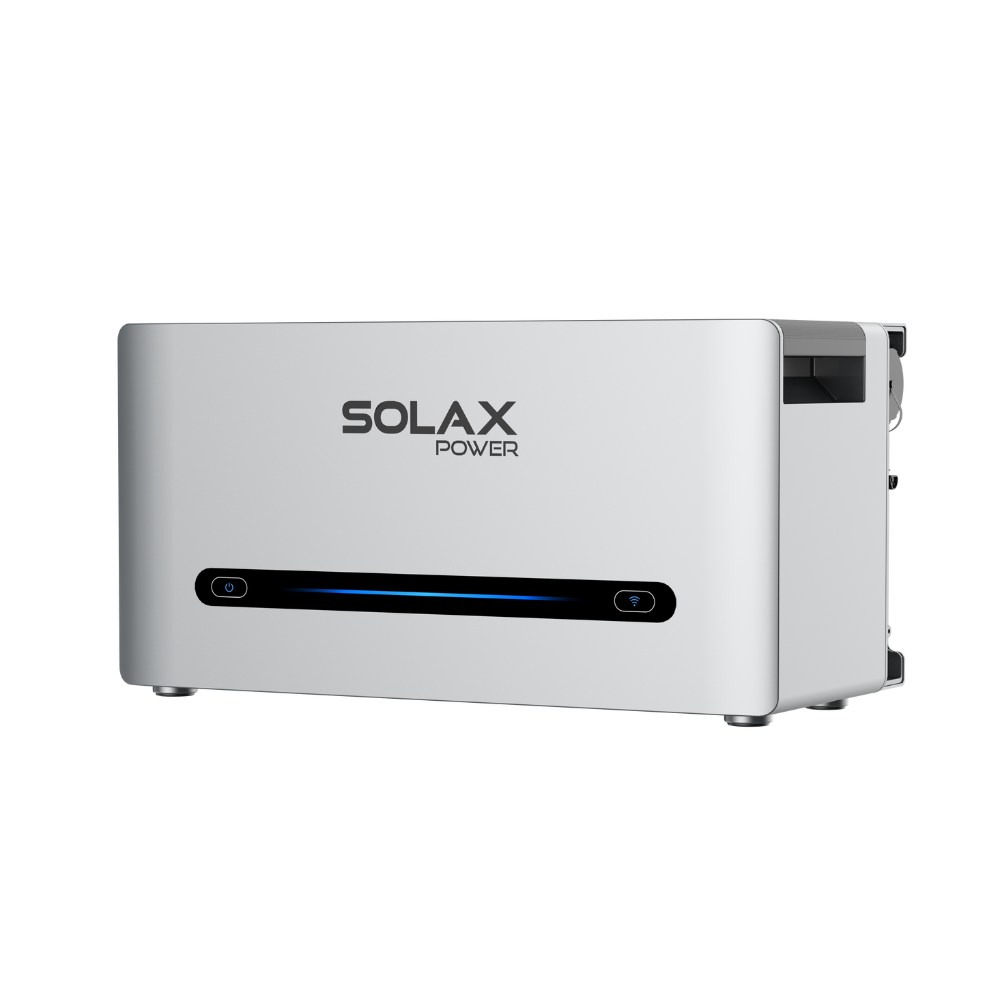
A premium-style category may offer wider bespoke ecosystems, but many households do not need that from day one. What they need is a solar battery inverter path that avoids replacement later. That is where mid-range hybrid architecture often earns its keep.
Monitoring and control change daily value
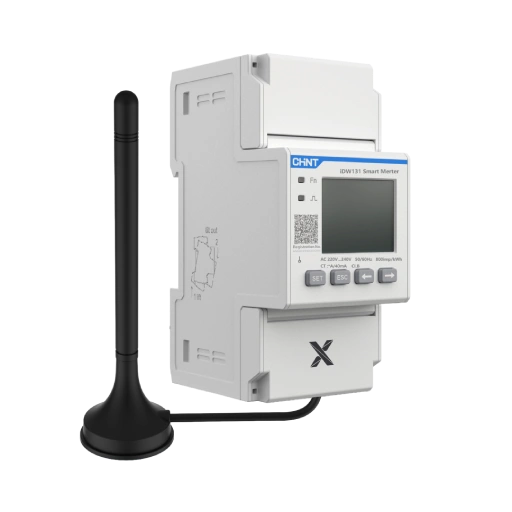
Monitoring is where the daily experience starts to diverge. SolaX SolaXCloud is a real-time management layer, while the X1-BOOST G4 highlights 10-second data refresh, app configuration, and I-V curve diagnosis. For a homeowner, that means faster visibility into generation, export, and faults rather than only an installation-day specification sheet.
Premium systems may go further on automation layers, but a smart energy monitoring platform already covers a large share of what most households actually use: checking output, spotting underperformance, and timing loads more sensibly around cheap-rate periods or solar surplus.
Hardware breadth shapes upgrade paths
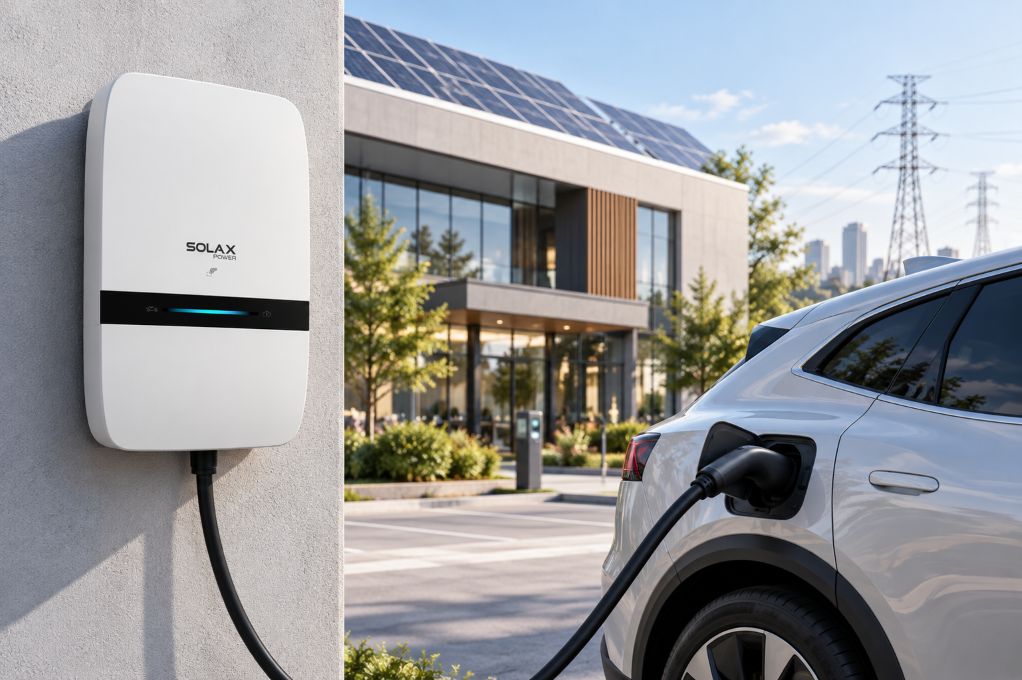
This is where SolaX's broader ecosystem matters. The official UK site presents residential storage inverters, batteries, EV charging, and integrated home energy pathways rather than isolated products. That continuity can reduce friction if your system evolves from solar-only to solar plus battery, then later to EV charging or smarter home load control.
By contrast, premium-style projects often justify their cost through even broader bespoke configuration. That can be valuable, but it also tends to matter most when your home has multiple future loads to plan around, not merely because a premium label sounds safer.
Installation complexity can raise total cost
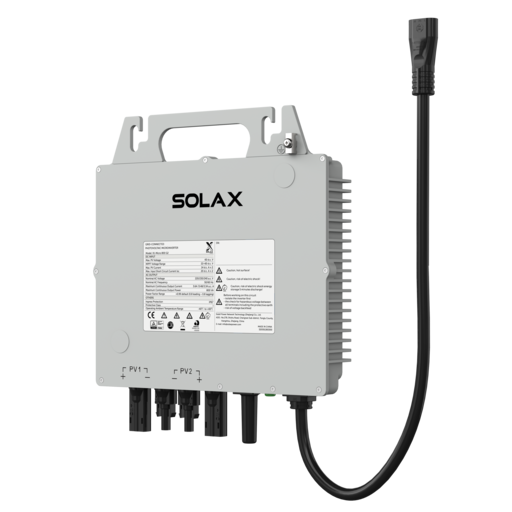
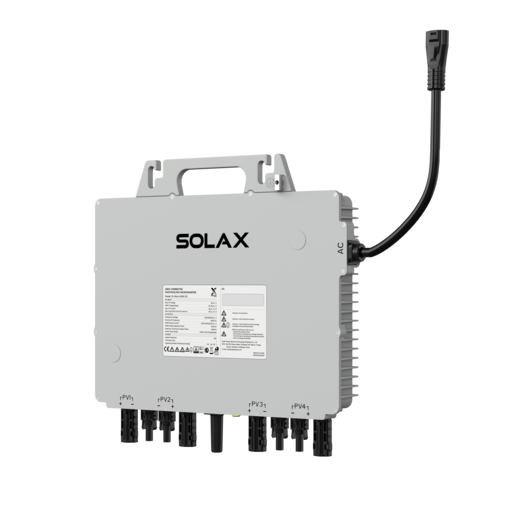
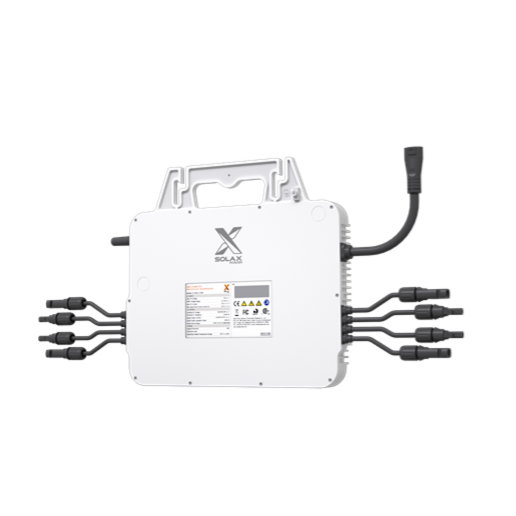
A cleaner design often lowers soft costs and future headaches. SolaX's residential products are relatively easy to understand: hybrid for battery-led systems, string for simpler PV arrays, and microinverter routes for roofs that need panel-level flexibility. That clarity can help avoid over-specifying the system.
More premium-style setups may involve additional design work, wider integration steps, or more specialised commissioning. Therefore, the extra spend often buys control and complexity management rather than more solar output alone.
SolaX product paths UK homeowners can compare internally
Dimension | SolaX Hybrid Inverter | SolaX String Inverter | SolaX Microinverter Route |
Best use | Solar plus battery | Simple PV array | Mixed or shaded roof |
Example product | X1-Hybrid G4 | X1-BOOST G4 | SolaX microinverters |
Power range | 3.0-7.5 kW | 2.5-6.0 kW | Panel-level approach |
Battery support | Yes | No direct battery focus | Usually system-specific |
Monitoring | Smart, app-based | 10s cloud refresh | Module-level visibility |
Roof suitability | Standard homes | Straightforward roofs | Complex orientations |
Upgrade path | Strong | Moderate | Flexible but granular |
Installation effort | Moderate | Lower | Higher per panel |
Limitations | Needs battery planning | Less storage-centric | More hardware points |
Hybrid inverters fit battery-led households
The X1-Hybrid G4 is the clearest answer if you want storage from the beginning or soon after. Its official UK specification includes two MPPTs, up to 200% PV oversizing, lithium-ion and lead-acid compatibility, and EPS output support with fast switchover. That suits homes aiming for self-consumption, backup support, and tariff shifting in one architecture.
String inverters keep simpler arrays practical
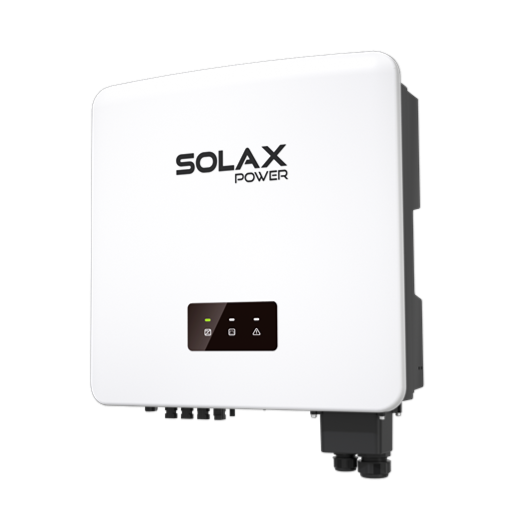
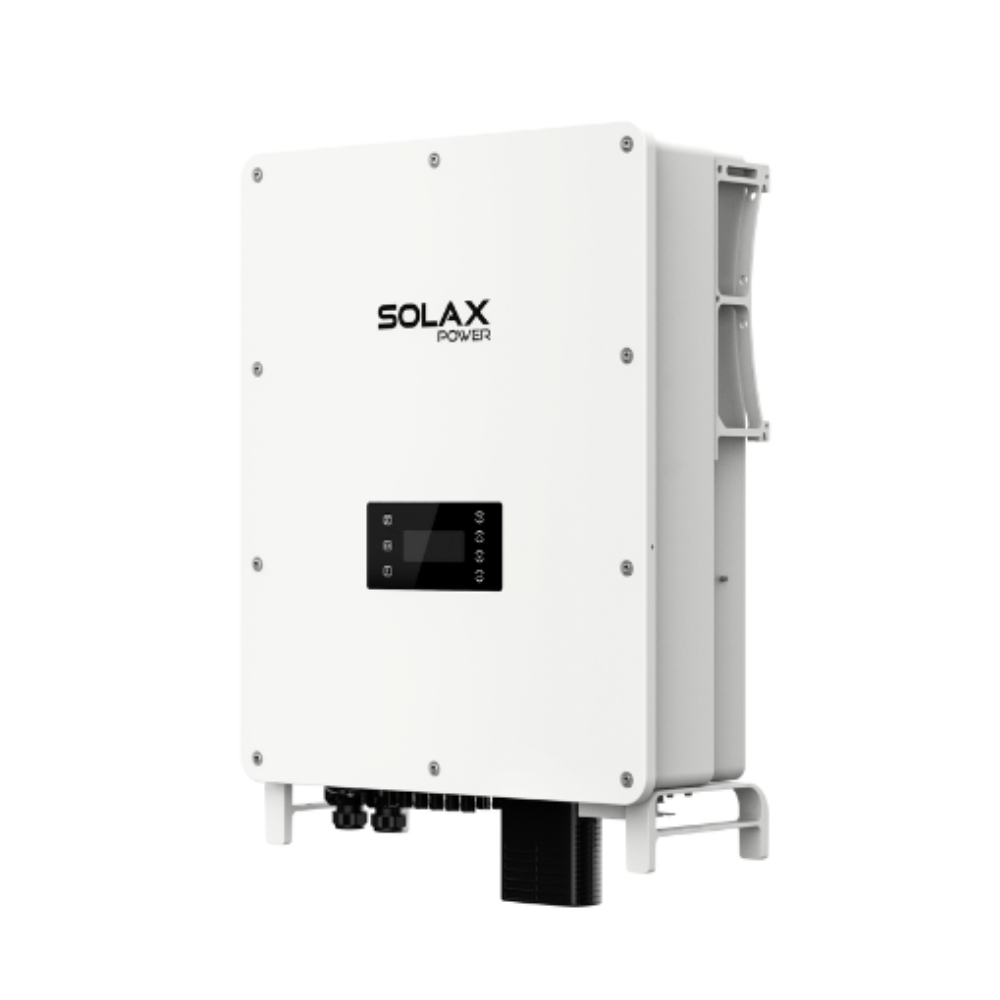
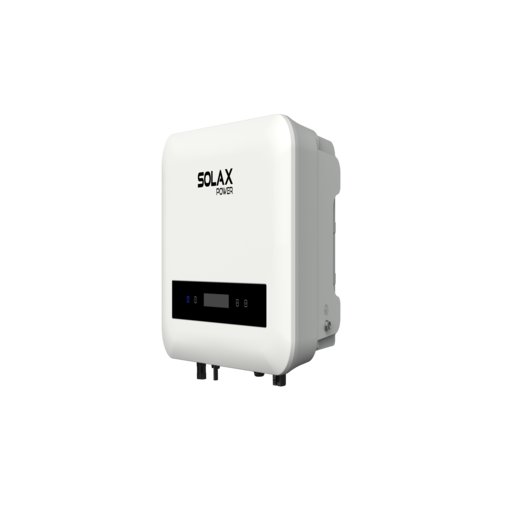
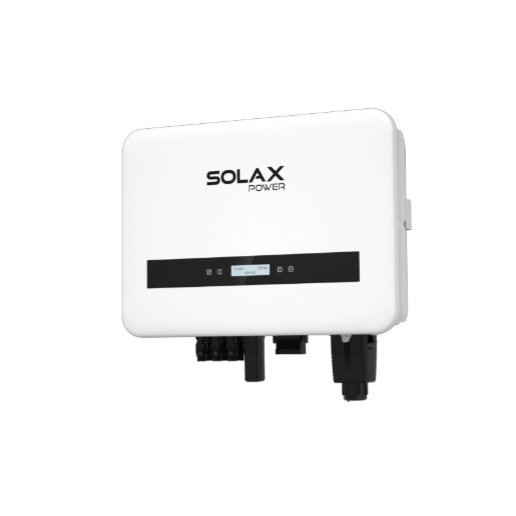
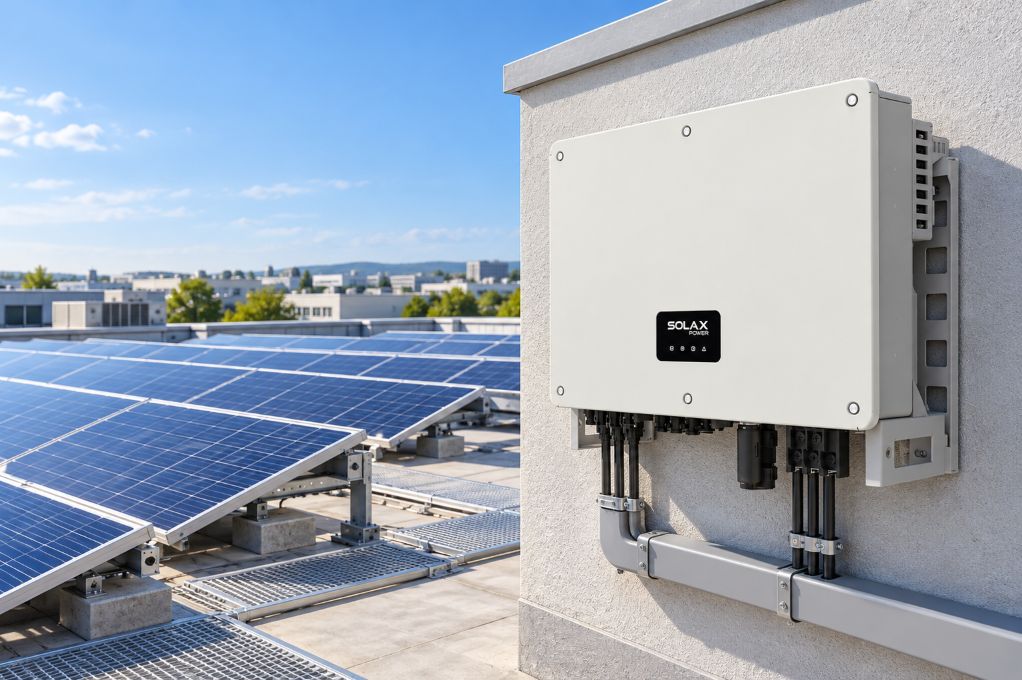
The X1-BOOST G4 is better for straightforward PV layouts where battery-first planning is not the priority. It covers 2.5 kW to 6 kW, supports 200% PV oversizing, 16 A input for higher-power panels, built-in export control, and optional AFCI support. For households wanting a solid solar inverter without the added battery complexity, this is the simpler path.
Microinverters help with difficult roofs
When a roof has mixed orientations, awkward shading, or limited expansion space, microinverters become more attractive. SolaX presents microinverters as part of its residential portfolio, while its broader residential string inverter range also points to smaller-format options such as the X1-MINI G4 family for lighter single-phase applications. The advantage is flexibility; the compromise is more distributed hardware and potentially more complex installation planning.
What you actually buy with more budget
More budget usually buys control, not just output. You are paying for easier battery expansion, better coordination between devices, smarter use of time-of-use tariffs, and a system that can support future loads such as EV charging or electric heating. Ofgem’s SEG reporting also shows that export arrangements can vary by supplier and tariff structure.
For that reason, the strongest upgrade is often not “premium” in the abstract. It is a system that matches your next five years. If your home will remain a simple PV-only site, a basic or mid-range string option may be enough. If you expect batteries, backup expectations, or smarter energy management, then spending more on expandable architecture is usually the wiser move.
Best fit for most UK homeowners
For most households, the best answer is to choose needs before prestige labels. A mid-range SolaX path is often the better fit when you want proper monitoring, a clear upgrade route, and a practical bridge into storage without moving straight to a fully bespoke premium-style setup.
If your priority is future flexibility, the strongest recommendation is usually a hybrid route built around the X1-Hybrid G4. If your roof is simple and your goal is mainly solar generation with lower complexity, the X1-BOOST G4 remains a sensible option. Either way, check the exact UK product compatibility, battery pairing, and installer design before committing.
FAQ
Table of Contents
Latest News
Explore expert insights, practical guides, and the latest news on SolaX Power.


To the Latest Newsletter
Stay Ahead with the Latest SolaX Updates!
Subscribe
I have read and agree to Privacy Policy and User Terms