

















September 15, 2026
7 Signs It May Be Time to Switch to a Heat Pump
Share my #SolaXStory


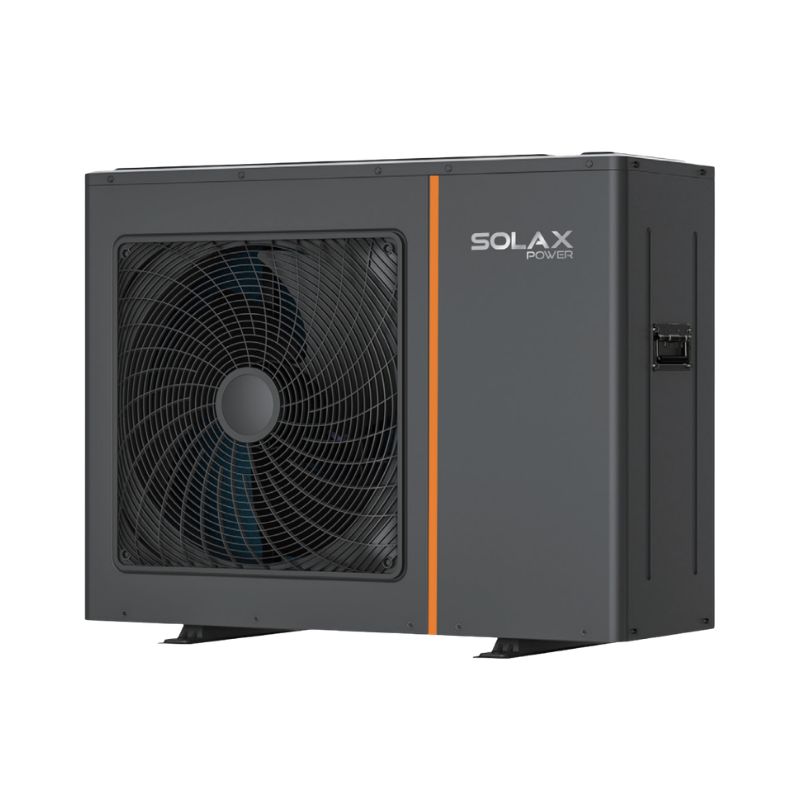
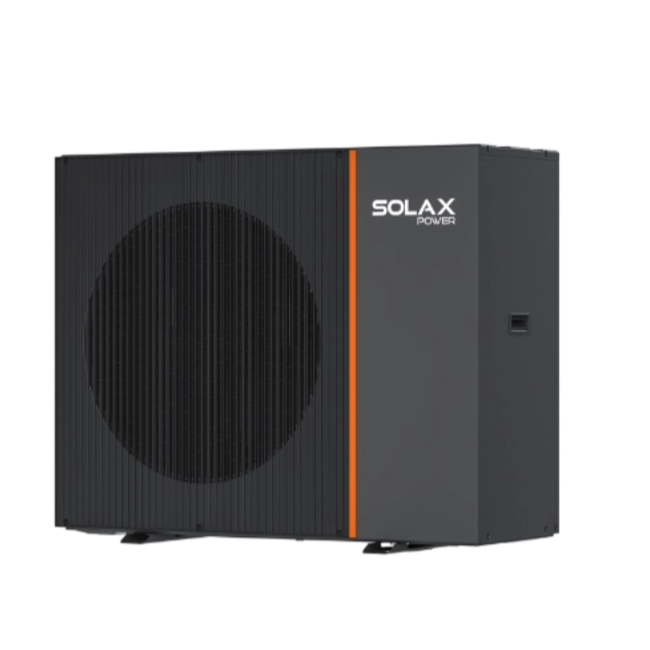
Replacing a heating system is a major decision. A heat pump can provide efficient heating and hot water while reducing the use of fossil fuels, but it should be selected for the property—not simply treated as a direct boiler swap.
So, when is the right time to consider one? The following seven signs suggest that a professional heat pump assessment may be worthwhile.
Your current heating system is old or increasingly unreliable
An occasional repair does not always justify replacing the entire system. However, frequent breakdowns, rising repair costs, unusual noise or difficulty finding spare parts may indicate that the equipment is approaching the end of its practical service life.
This is a good time to compare more than just replacement boilers. Planning a heat pump before the old system fails completely gives you time to assess the building, check possible installation locations and make any necessary radiator or electrical upgrades.

Your current fuel is expensive or inconvenient
If your home relies on heating oil, LPG, direct electric heating or another expensive fuel, a heat pump may offer a more efficient alternative. Instead of producing heat directly, it transfers heat from the outside air into the home.
Actual savings are not guaranteed. They depend on the system's seasonal efficiency, electricity tariff, required water temperature, insulation and the heating system being replaced. A proper comparison should use expected annual energy consumption—not efficiency claims alone.
You are already planning a home renovation
A renovation creates an ideal opportunity to improve insulation, replace selected radiators, install underfloor heating or create space for a hot water cylinder. Completing this work at the same time can reduce disruption and make the heating system easier to design.
Your home does not have to meet new-build insulation standards before a heat pump can work. However, reducing heat loss can lower the required heat pump capacity, improve comfort and reduce running costs—whatever heating system you choose.
You want steadier, lower-temperature heating
Cold rooms, uneven temperatures and long warm-up times may be caused by the heat source, but they can also point to undersized radiators, poor system balancing, heat loss or control problems.
A heat pump project should begin with a room-by-room heat-loss calculation. This shows how much heat each room needs and whether the existing radiators, underfloor heating and pipework can deliver it at the proposed water temperature.
Simply installing a larger heat pump will not correct an incorrectly designed heat distribution system.
You want to move away from fuel deliveries or on-site combustion
Homes that are not connected to the gas grid may depend on delivered oil or LPG, along with fuel tanks and scheduled refills. An electrically driven heat pump can remove the need for regular fuel deliveries and on-site fuel storage.
It can also reduce direct fossil-fuel use at the property. The environmental benefit will vary with the electricity supply and the efficiency of the installed system, so correct design remains important.
You plan to combine heating with solar PV, battery storage or smart tariffs
A heat pump can form part of a wider home energy system that includes solar panels, battery storage, smart controls or time-of-use electricity tariffs.
These technologies do not remove the need for correct heat pump sizing. However, good controls can help the system use electricity at more favourable times while maintaining comfort. The result depends on the building's heat demand, available storage, tariff structure and how the system is operated.
You are ready for a whole-system upgrade
A heat pump is most suitable when you are ready to consider the complete heating system: heat source, radiators or underfloor heating, hot water storage, controls, pipework and electrical supply.
Some reversible heat pump systems can also provide cooling when connected to suitable emitters such as fan coil units or correctly designed underfloor systems. Standard radiators are generally designed for heating and should not automatically be assumed suitable for cooling.
If you want a system designed around long-term comfort, lower-temperature heating and reduced fossil-fuel dependence, it may be worth assessing a heat pump rather than automatically replacing the existing appliance with the same technology.
4 things to check before buying a heat pump
Recognizing several of these signs does not automatically mean that a particular heat pump is right for your home. Before selecting a product, ask a qualified professional to check:
Building heat loss: How much heat is required on the local design day?
Heat emitters: Can the existing radiators or underfloor heating meet each room's demand at the proposed flow temperature?
Installation space: Is there a suitable outdoor location with adequate airflow, drainage, noise control and service access?
System requirements: Is there space for hot water equipment, and can the electrical supply support the selected system?
The heat pump should then be selected using its output at the project's outdoor and water-temperature conditions—not only its nominal capacity or the floor area of the home.

Is a heat pump the right next step for your home?
If your current system is unreliable, costly to operate or due for replacement—and you are willing to assess the home as a complete heating system—a heat pump may be a strong option.
The next step is not to guess the required capacity. Start with a property survey and heat-loss calculation, then compare product performance, installation requirements and expected running costs.
Not sure whether a heat pump is right for your home? Contact with our experts right now.
Table of Contents
Latest News
Explore expert insights, practical guides, and the latest news on SolaX Power.





To the Latest Newsletter
Stay Ahead with the Latest SolaX Updates!
Subscribe
I have read and agree to Privacy Policy and User Terms