












September 09, 2026
A Guide to Dependable Home Battery Storage on a Tight Budget Without Unnecessary Risk
Share my #SolaXStory


How to keep home battery storage costs down without buying the wrong system
High evening bills often push people towards home battery storage, but a cheap-looking system can become expensive if it is badly sized, poorly integrated, or awkward to expand. The biggest mistakes usually happen early: buying too much capacity, treating backup and bill saving as the same job, or overlooking whether the battery and solar inverter actually work well together. In practice, dependable value comes from fit, not hype.
This guide focuses on sensible checks for a lower-risk solar battery purchase. You will see what matters most in usable capacity, system type, safety, compatibility, and monitoring. You will also see where a phased SolaX setup can make more sense than a larger one-off purchase, especially if your solar power system needs to stay within a tight budget.

What makes a budget home battery dependable?
A dependable inverter battery setup should match the way your household really uses electricity, not the way a brochure describes it. If your main goal is to shift solar energy into the evening, you may need a different layout from a household that wants outage backup for more circuits. GOV.UK's review of domestic battery energy storage systems, these systems can improve use of renewable generation, but large batteries in the home still require careful design and installation because they present safety hazards if risks are not managed properly.
The core terms worth understanding first
Capacity tells you how much energy the battery can store.
Power tells you how much it can deliver at one time.
Cycle life indicates how many charge and discharge cycles it can handle over years of use.
Warranty scope shows what protection you really get, including performance conditions and exclusions.
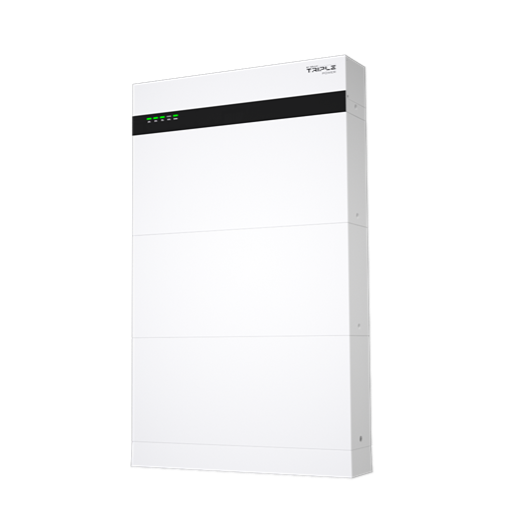
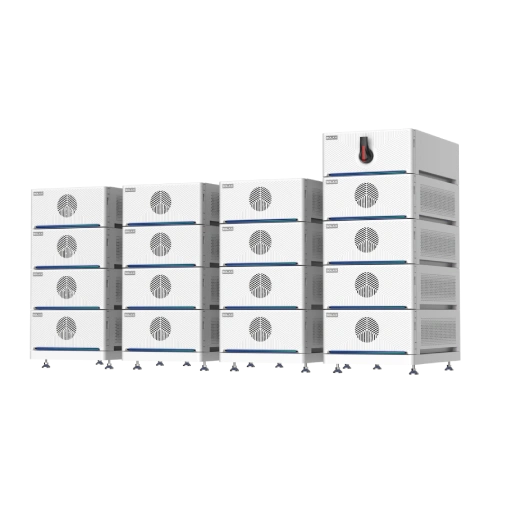
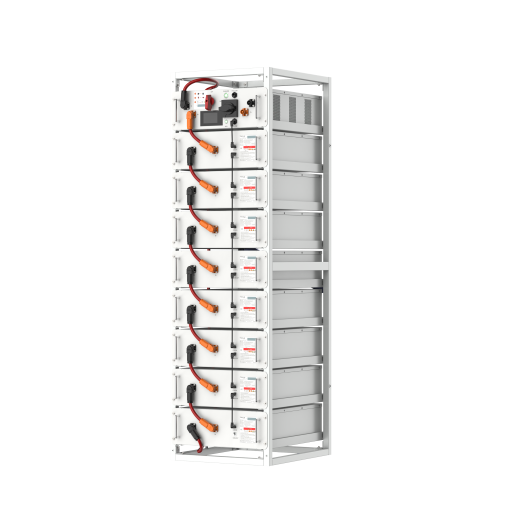
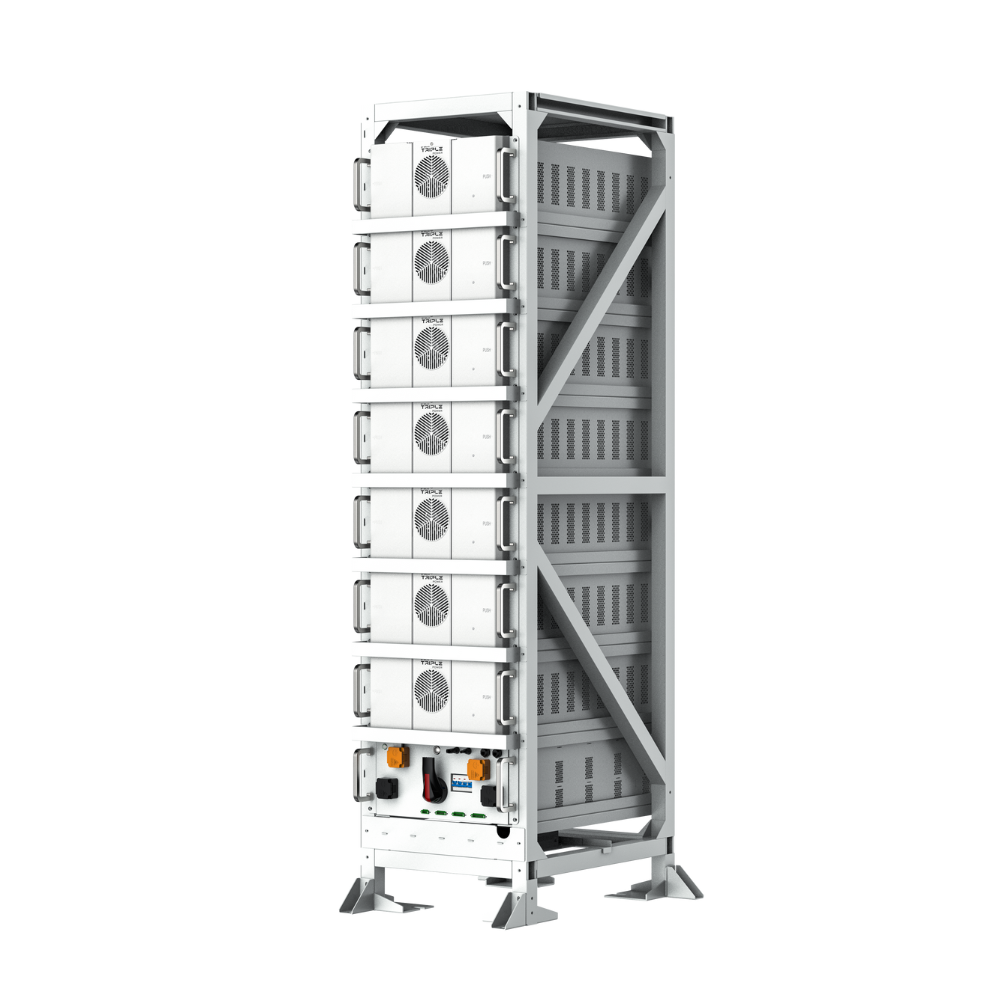
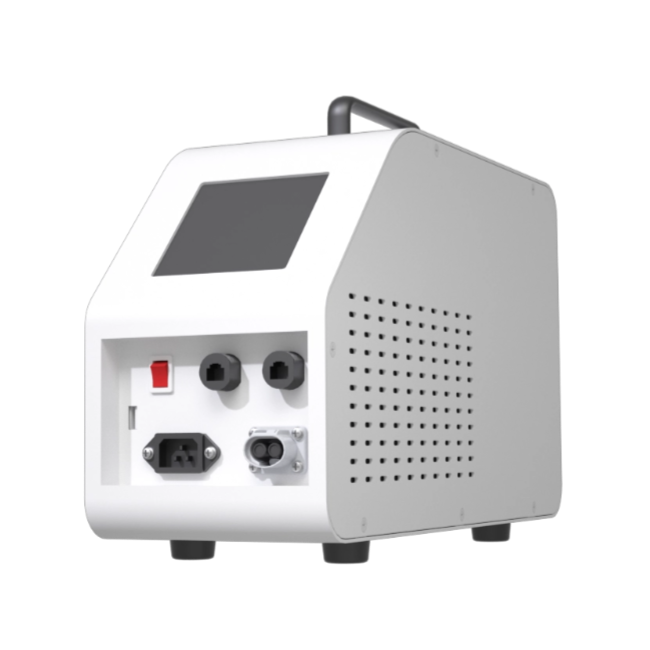
For a budget-led buyer, usable performance matters more than headline numbers. SolaX positions its Triple Power range as modular storage with LFP chemistry and smart BMS control, aimed at residential and broader energy solutions where expandability matters.
The basic system types to compare
Battery-ready inverter systems: useful if you want to add storage later.
Hybrid inverter battery systems: a practical middle ground for combining solar battery charging, home use, and possible backup.
All-in-one storage packages: simpler to specify, though sometimes less flexible for staged upgrades.
Grid-tied systems with backup options: helpful when resilience matters, but design complexity can rise.
Which SolaX home set-up fits your budget and risk level?
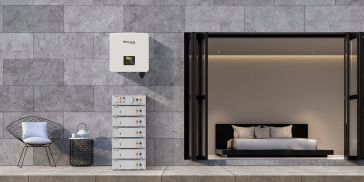
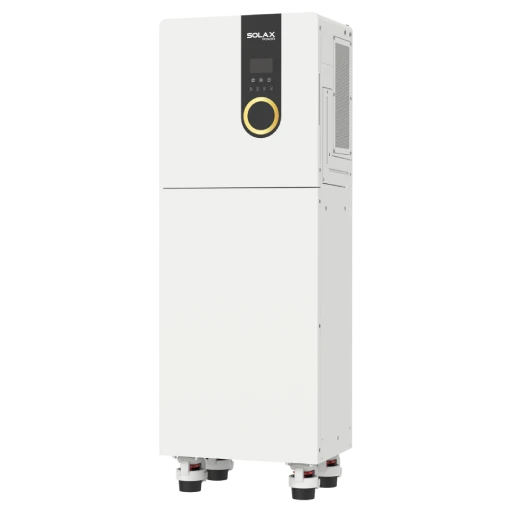
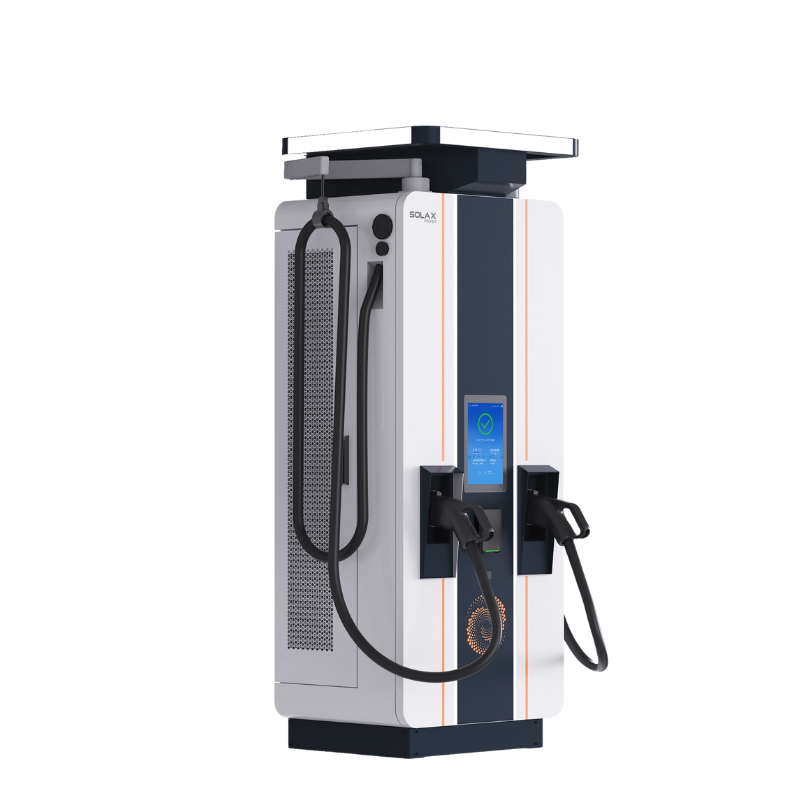
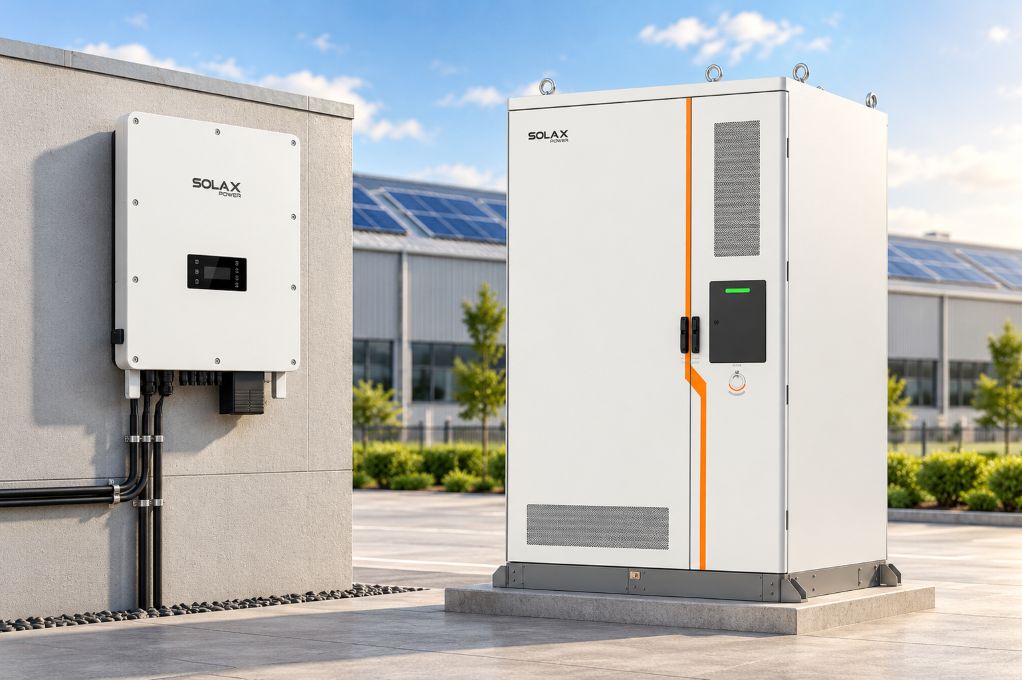
The right setup depends on whether you need an affordable starting point, more control over self-consumption, or one connected smart energy platform. SolaX battery storage for home covers residential batteries, hybrid inverters, EV charging, and monitoring tools in one ecosystem, which can reduce integration risk compared with mixing unrelated components.
Lower-cost path: start with essentials
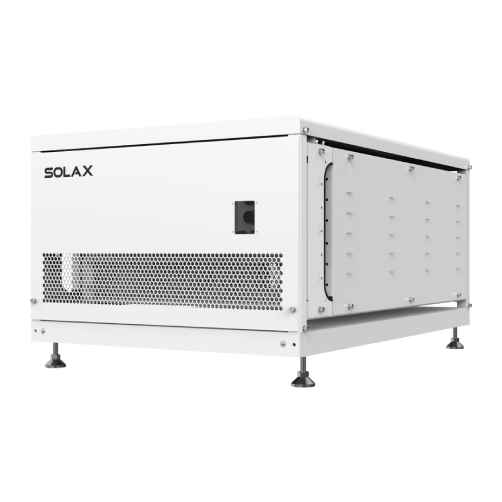
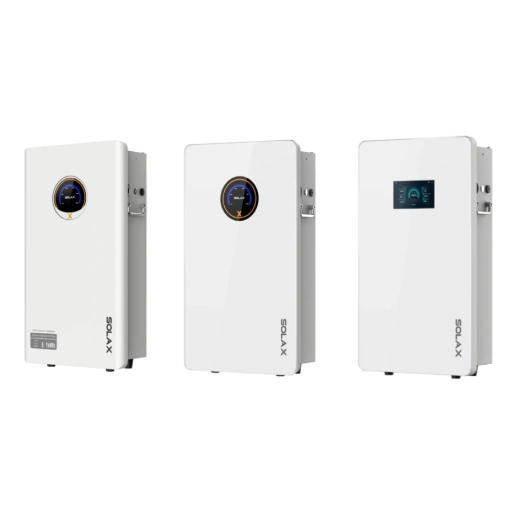
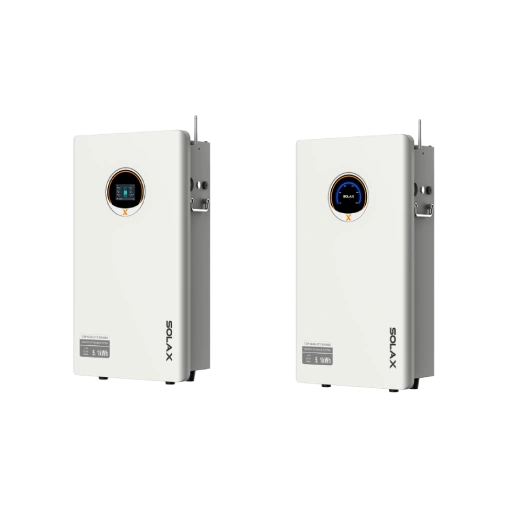
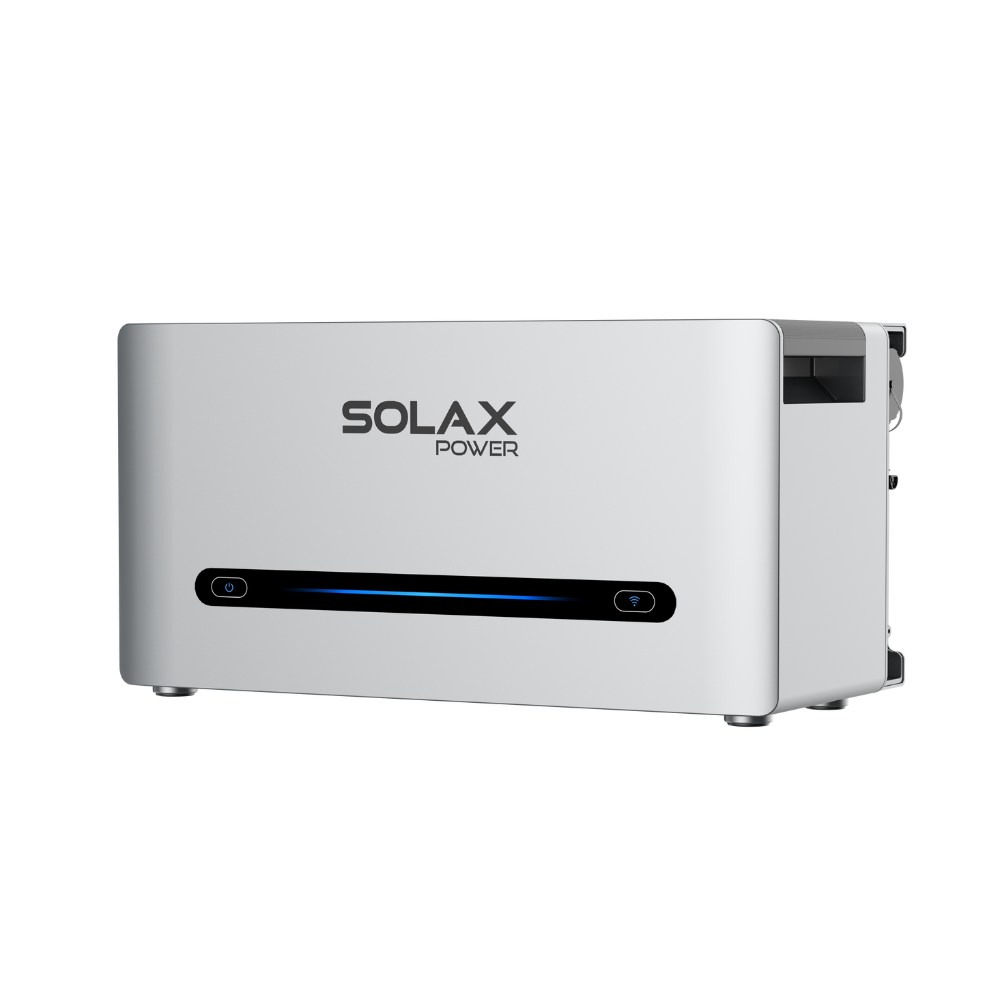
If your budget is tight, start with evening essentials rather than whole-home ambition. The SolaX Residential Batteries range is presented as expandable from 2.5 kWh up to larger modular capacities, which suits phased planning better than oversizing on day one. That makes it easier to cover lighting, refrigeration, broadband, and a few priority sockets first, then review real usage later.
Balanced path: battery plus smarter control
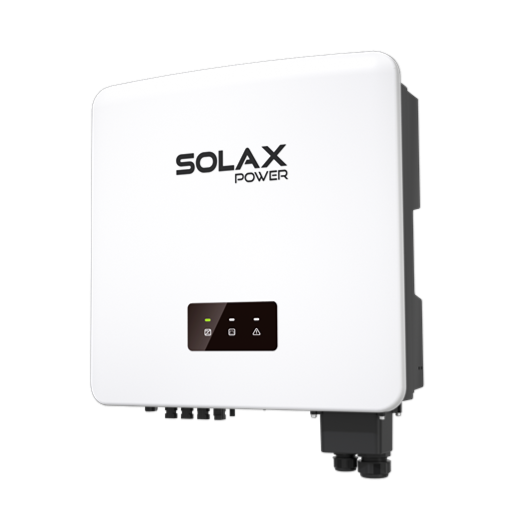
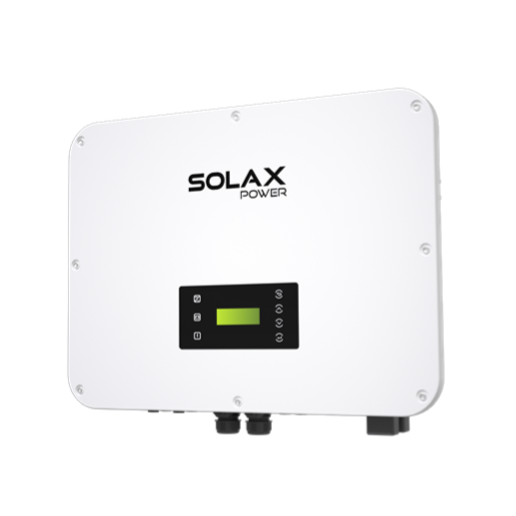
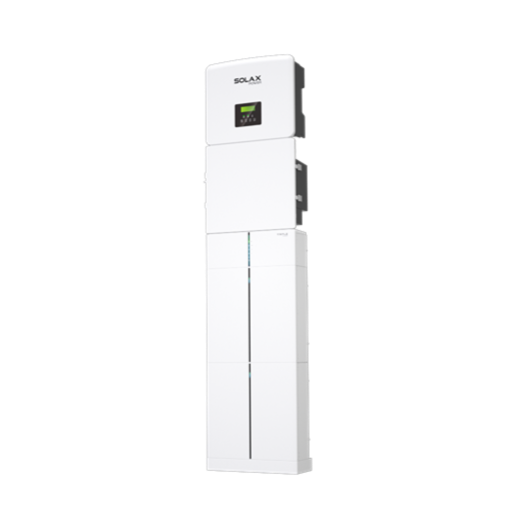
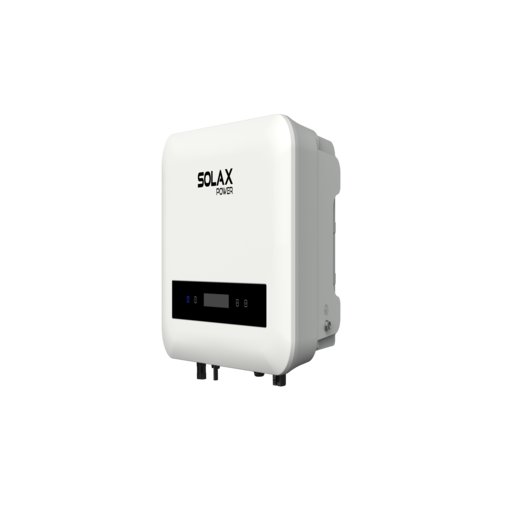
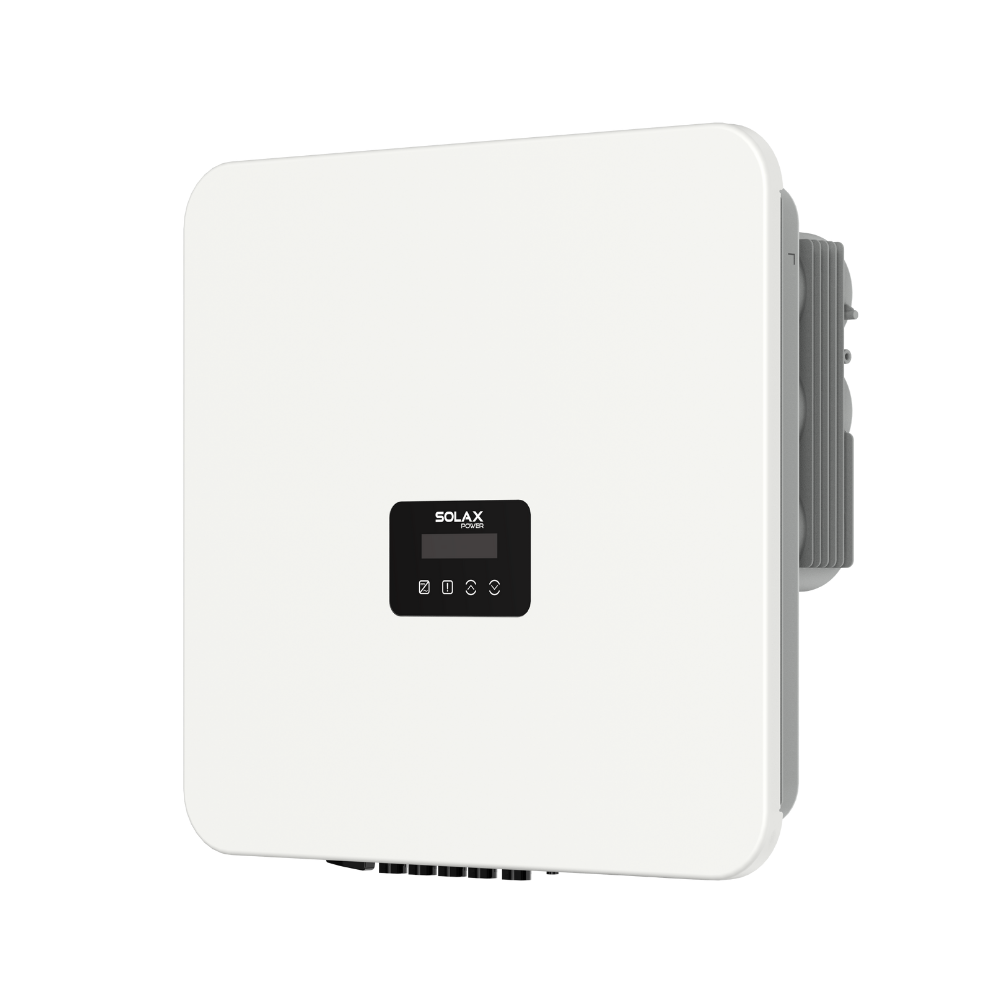
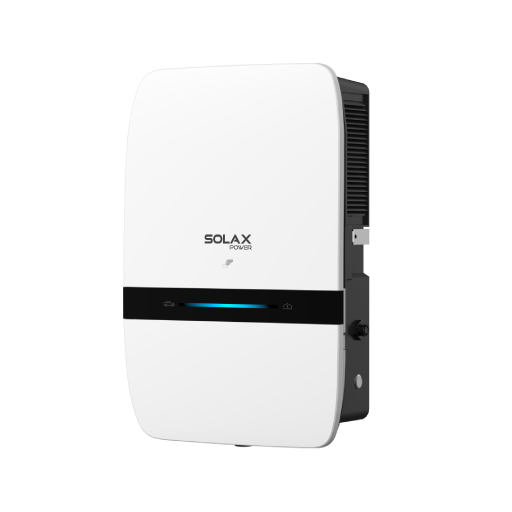
A hybrid system often gives the best balance between cost and flexibility. The SolaX A1 HYBRID G2 is available in 3.8 kW, 5 kW, 6 kW, and 7.6 kW versions, with up to 98% peak efficiency, built-in load management, and support for parallel expansion. SolaX states that it works with T-BAT-SYS-HV-5.0 battery modules and can scale to as much as 80 kWh total storage in parallel configurations, which is more useful for households that want a future growth path than for buyers who simply need the cheapest entry point.
Broader ecosystem path: one connected platform
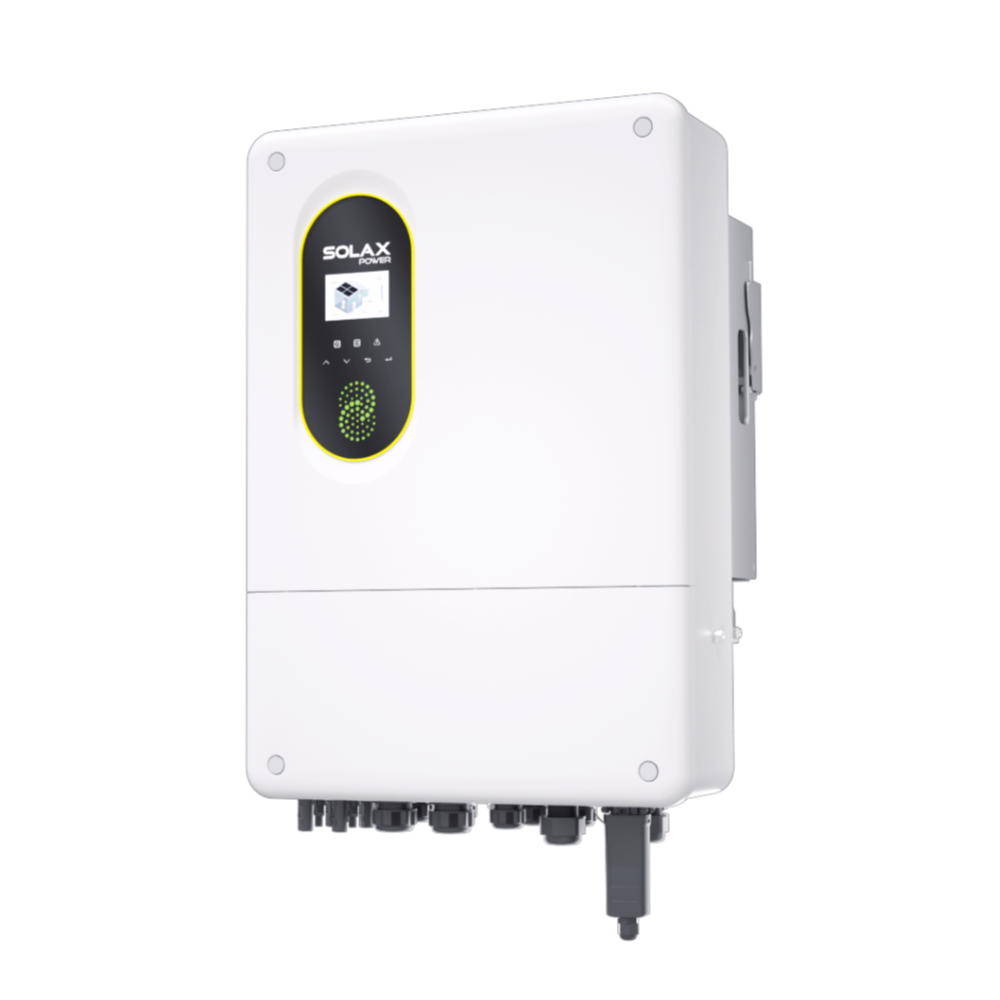
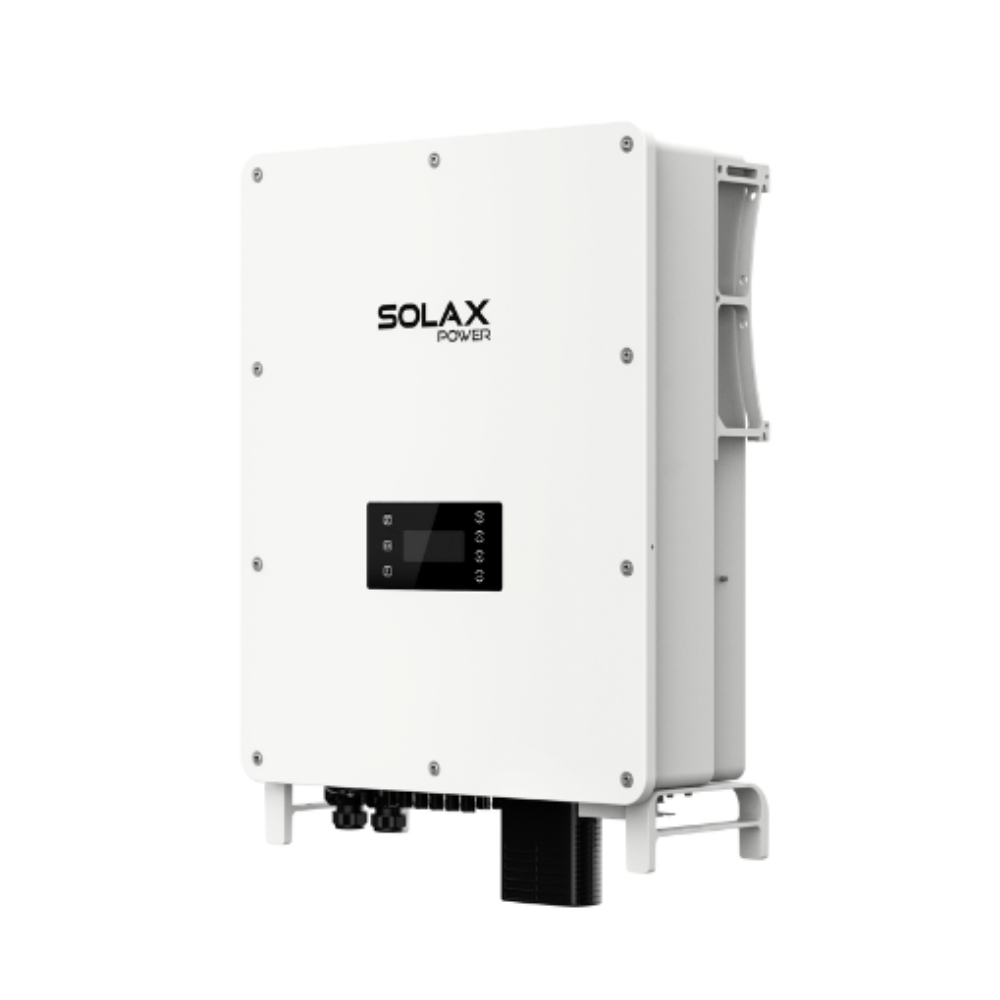
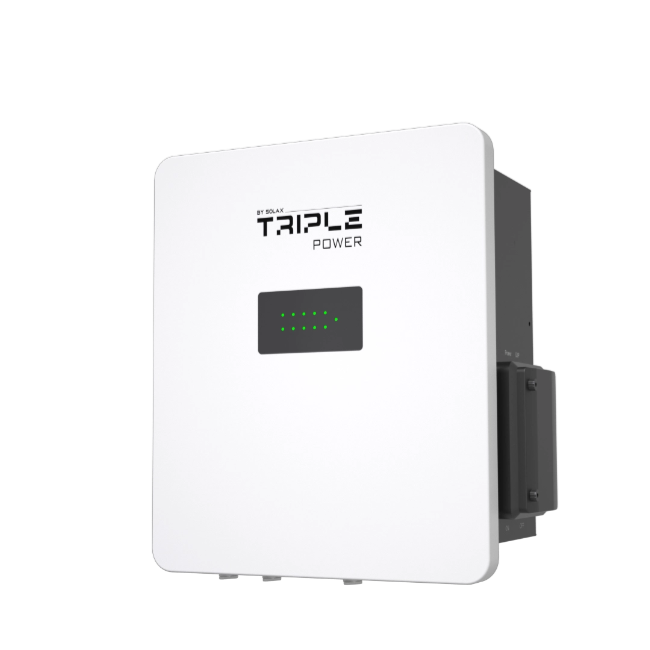
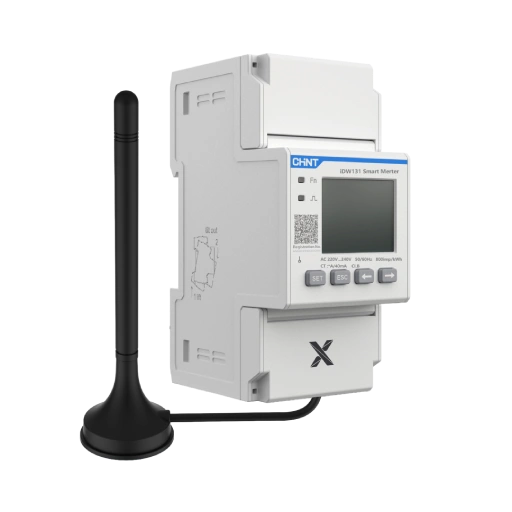
Some homes need more than basic time shifting. If your usage includes EV charging, heavier appliance loads, or a stronger backup requirement, a split-phase hybrid inverter may suit better. The X1-SPT 10 kW / 12 kW is designed for home solar and battery systems, with three MPPTs, dual battery ports, and switch-over to backup in under 10 milliseconds. SolaX also links its hardware to SolaXCloud, giving you one place to track generation, storage, and consumption instead of managing separate tools.
What should you check before choosing a system?
Before you compare brochures, narrow the decision to usage, compatibility, and support. That keeps your home battery storage plan grounded in daily reality instead of best-case assumptions.
Cost versus value
Compare usable capacity, not just the biggest number on the page.
Include installation and electrical work in total project cost.
Read the warranty terms for throughput, retention, and exclusions.
Ask whether the system can expand later without replacing the core inverter.
Performance checks that reduce risk
Confirm the exact battery and solar inverter compatibility first.
Check whether monitoring is included and easy to use.
Review product documentation, certifications, and support routes.
Ask the installer how essential loads will be prioritised during backup.
Practical fit for everyday homes
Flats often benefit from simpler, lower-scope layouts.
Larger homes usually need clear priority-load planning.
EV charging can change your evening demand pattern fast.
Time-of-use tariffs can improve the value of stored solar energy.
Common mistakes that make a cheap system expensive later
Most costly mistakes come from guessing rather than measuring. The safer approach is to build around actual evening consumption and a clear upgrade path.
Smarter habits during selection
Size around priority evening loads first.
Ask for phased upgrade options from the start.
Keep a simple list of the circuits you actually want supported.
Mistakes to avoid during installation planning
Do not assume future demand without evidence. Do not ignore placement, ventilation, and charger quality either. London Fire Brigade warns that damaged, overheating, or poorly charged lithium batteries can create fire risks, and trusted equipment plus safe charging conditions remain important parts of risk reduction.
Best practices for low-risk value
A lower-cost system can still be dependable if you keep the design disciplined. In most homes, a smaller but well-matched solar battery delivers better long-term value than a larger system that is rarely used properly.
Best practices
Prioritise essential household loads before optional ones.
Choose expandable architecture where possible.
Verify monitoring before purchase, not after installation.
Keep battery, inverter, and control platform compatibility within one clear plan.
Common pitfalls to avoid
Overspending on rare whole-home backup events.
Mixing incompatible core components to save a small amount upfront.
Ignoring after-sales support and installer handover quality.
Judging a system by headline capacity instead of daily fit.
A sensible next step for budget-conscious buyers
Dependable home battery storage starts with proper fit, not maximum size. If you are working within a tighter budget, begin with essential evening loads, confirm inverter and battery compatibility, and favour a system you can expand later. A modular battery, a suitable hybrid inverter, and clear visibility through monitoring will usually protect your budget better than a larger, more complicated package chosen too early.
FAQ
Table of Contents
Latest News
Explore expert insights, practical guides, and the latest news on SolaX Power.


To the Latest Newsletter
Stay Ahead with the Latest SolaX Updates!
Subscribe
I have read and agree to Privacy Policy and User Terms