













September 07, 2026
High Voltage vs Low Voltage Solar Battery: What's the Difference?
Share my #SolaXStory


When comparing a high voltage vs low voltage solar battery, the main difference is the voltage at which the battery delivers energy to the inverter.
Low-voltage batteries commonly operate around 48V, while high-voltage battery systems use higher DC voltages, often by connecting multiple battery modules in series.
This difference affects current, cable requirements, inverter compatibility, system expansion and installation.
What Is a Low Voltage Solar Battery?
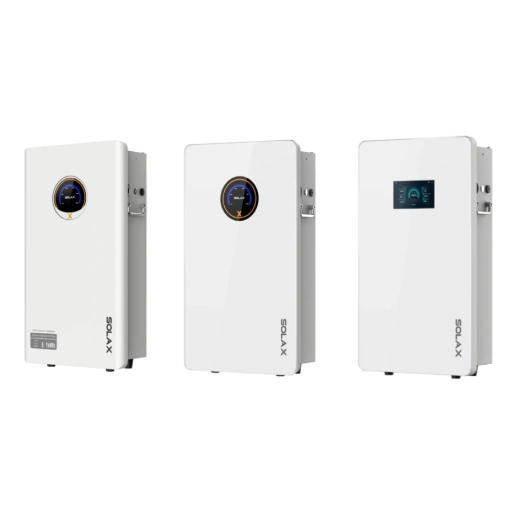
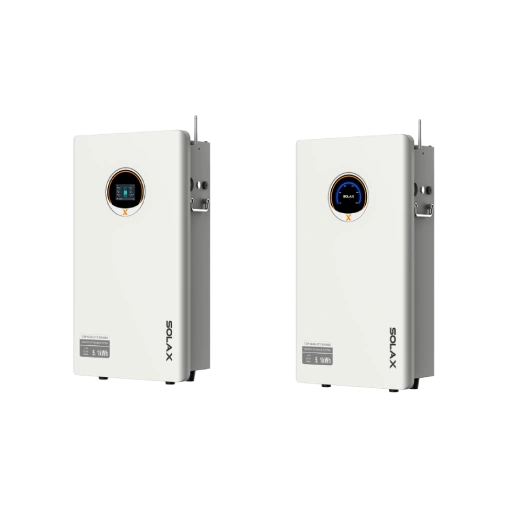
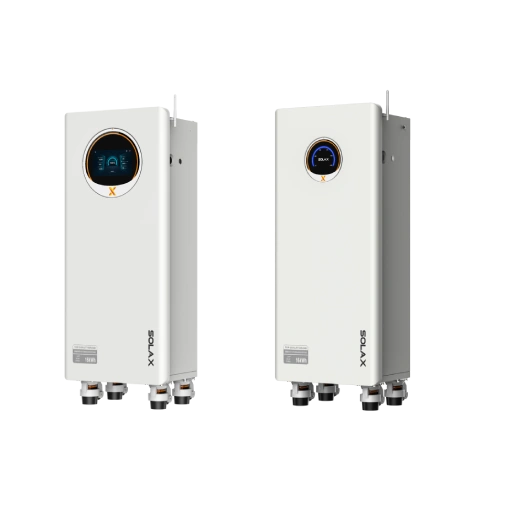
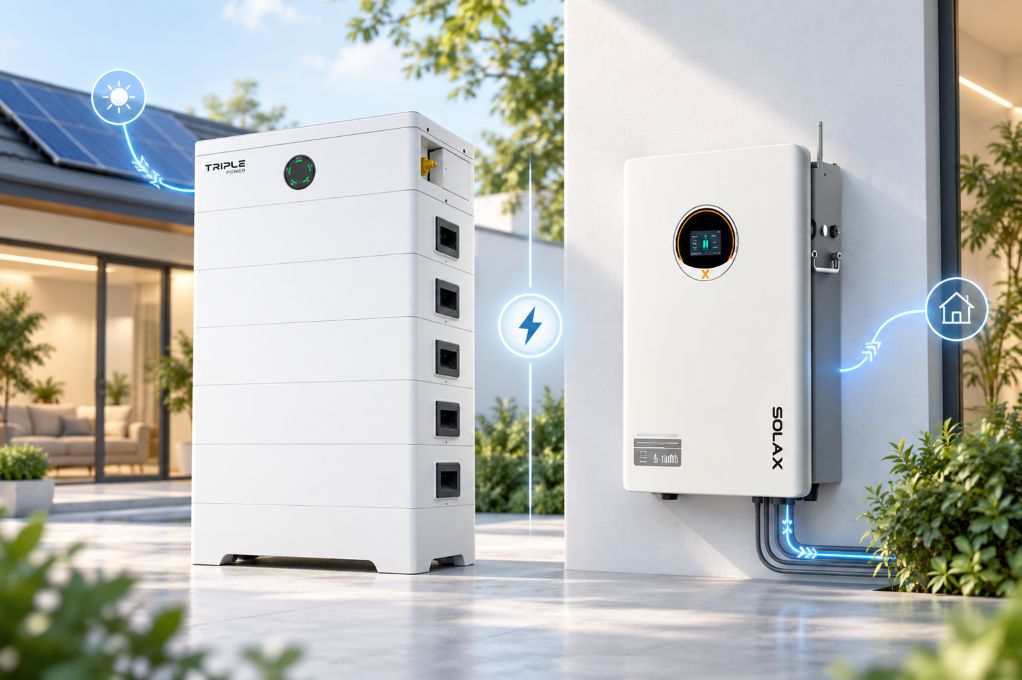
A low voltage solar battery typically refers to a battery system operating around 48V DC.
Many lithium battery systems use a nominal voltage of 48V or 51.2V. When additional storage capacity is required, multiple battery units are often connected in parallel while maintaining approximately the same system voltage.
A typical low-voltage battery system includes:
48V or 51.2V battery modules
A compatible low-voltage inverter
Battery management system (BMS)
DC cables and protection devices
What Is a High Voltage Solar Battery?
A high voltage solar battery operates at a higher DC voltage than a typical 48V battery system.
Depending on the manufacturer and inverter, high-voltage battery systems may operate from around 100V to several hundred volts DC.
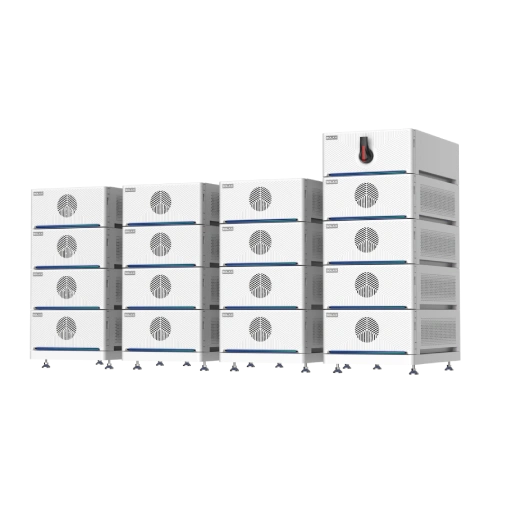
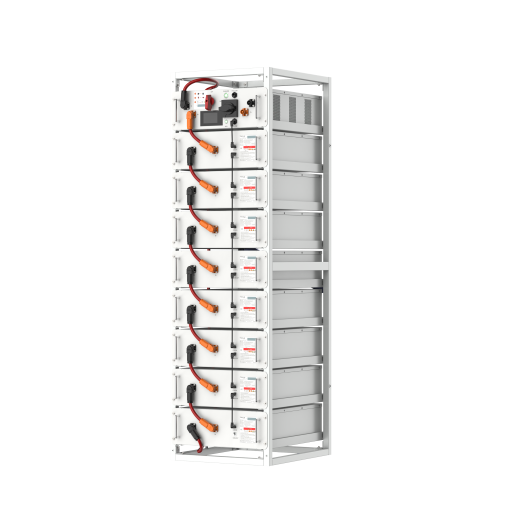
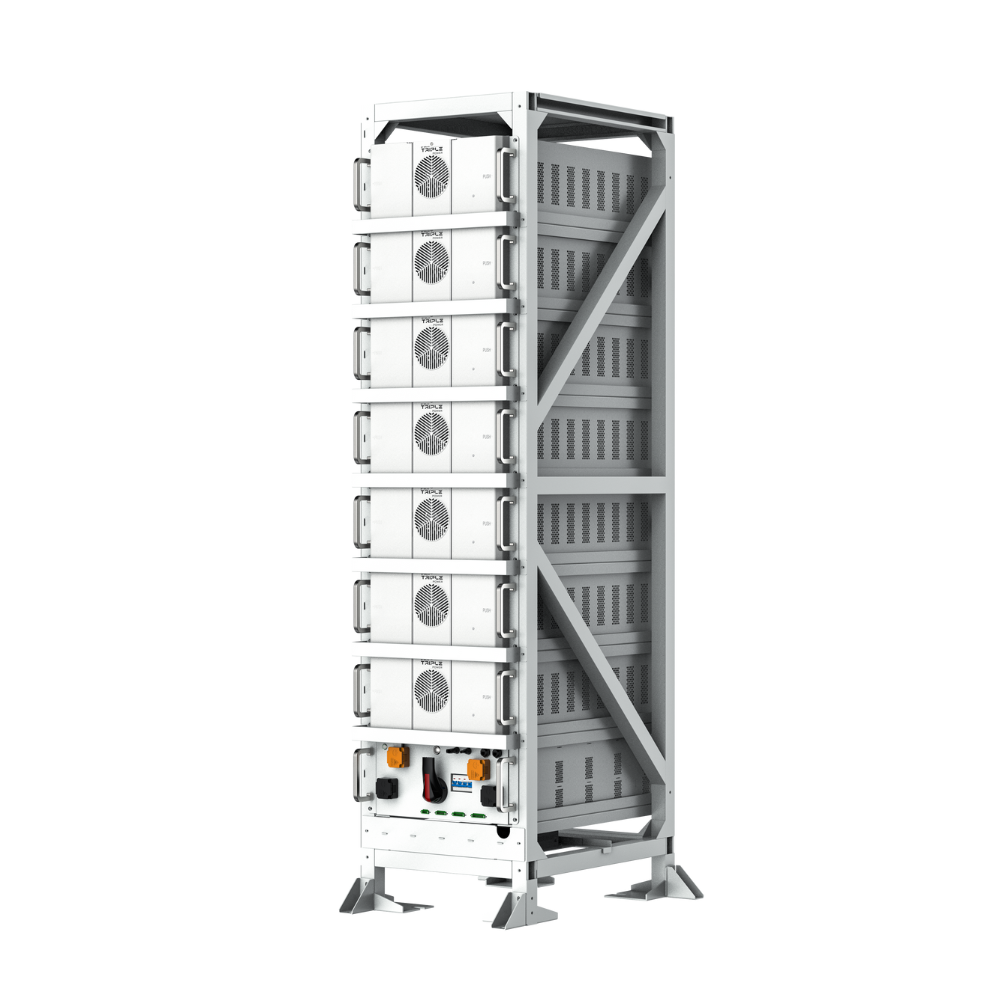
They are commonly built by connecting battery modules in series. As more compatible modules are added, the total battery voltage and storage capacity increase within the system's supported operating range.
High Voltage vs Low Voltage Solar Battery: Key Differences
The difference between high voltage and low voltage solar batteries mainly comes down to five factors.
Factor | Low Voltage Battery | High Voltage Battery |
Typical voltage | Around 48V | Around 100V to several hundred volts |
Current at the same power | Higher | Lower |
Cable requirements | Larger conductors may be required | Lower current can reduce conductor requirements |
Expansion | Commonly parallel | Commonly series/module stacking |
Inverter | Low-voltage compatible inverter | High-voltage compatible inverter |
1. Voltage and Current
Electrical power can be simplified as: Power = Voltage × Current
For the same power output, a higher voltage means lower current.
For example, if a battery needs to deliver approximately 10kW:
At 50V: 10,000W ÷ 50V = 200A
At 400V: 10,000W ÷ 400V = 25A
This demonstrates the principle behind high voltage, low current systems.
The calculation is simplified and does not include inverter losses, but it shows why voltage becomes increasingly important as system power increases.
2. Cable Size and Power Loss
Higher current generally requires larger conductors and creates greater resistive losses in cables and connections.
Because high-voltage batteries deliver the same power at lower current, they can reduce battery-side current and conductor requirements.
Low-voltage systems can still operate efficiently when cable runs are short and system power is moderate.
3. Inverter Compatibility
Battery voltage must match the inverter's supported battery input range.
A 48V battery requires a low-voltage compatible inverter, while a high-voltage battery requires an inverter designed for a higher DC battery voltage.
Battery and inverter compatibility should always be confirmed before installation.
4. Battery Expansion
Low-voltage and high-voltage batteries usually expand differently.
With a low-voltage system, additional batteries are commonly connected in parallel: 48V battery + 48V battery + 48V battery
The system voltage remains approximately the same while total capacity increases.
High-voltage batteries commonly use stackable modules connected in series: Module → Module → Module → BMS
Adding modules increases the total stack voltage and storage capacity, subject to the limits of the battery and inverter.
5. Installation and Safety
High-voltage battery systems require more careful coordination between the battery modules, BMS, inverter, DC protection and communication system.
Higher DC voltage also requires appropriate isolation, protection equipment and installation procedures.
Low-voltage systems operate at lower battery-side voltage, but they can still carry very high currents. Therefore, both system types require correctly sized cables, protection devices and qualified installation.
Which Is Better: High Voltage or Low Voltage Solar Battery?
Neither is automatically better. The right choice depends mainly on system power, inverter type and application.
A low voltage solar battery is often suitable for:
Small and medium residential solar systems
Backup power
Moderate inverter output
Systems based around 48V equipment
A high voltage solar battery is often more suitable for:
Higher-power residential systems
Whole-home energy storage
Larger battery systems
Three-phase hybrid inverters
Applications where lower battery-side current is beneficial
As system output increases, high-voltage architecture becomes more attractive because the same power can be transferred at lower current.
However, battery voltage should not be selected independently. The inverter's supported battery voltage range is usually one of the first specifications to check.
FAQ
Table of Contents
Latest News
Explore expert insights, practical guides, and the latest news on SolaX Power.


To the Latest Newsletter
Stay Ahead with the Latest SolaX Updates!
Subscribe
I have read and agree to Privacy Policy and User Terms