













September 04, 2026
The Installer's Guide to Choosing a Hybrid Inverter and Battery System in Europe
Share my #SolaXStory


Start with the checks that prevent expensive revisits
A hybrid inverter decision can look simple on paper and still create problems at commissioning. The usual issue is not raw inverter size. It is a mismatch between backup expectations, battery behaviour, export limiting, and the site's actual electrical layout.
On European jobs, one wrong assumption can mean a return visit to change meter configuration, revise essential-load circuits, or reset what the owner thought "backup power" would cover. That is where a careful hybrid inverter and inverter battery specification earns its value.
This guide focuses on the checks that matter most before you lock in a solar inverter and solar battery pairing. You will see how to sort projects by use case, how to compare single-phase and three-phase paths, and where SolaX products fit practical installer workflows. Moreover, the aim is not to chase headline wattage, but to build a smart energy specification that is easier to commission, hand over, and expand later.
Which technical checks should come first on European jobs?
A good specification starts by defining system purpose before hardware preference. In practice, the same hybrid inverter can suit self-consumption, partial backup, or wider smart energy control, but only if the design brief is clear first.
Define the system role before sizing
The hybrid inverter is the control point between PV, the battery, the grid, and selected loads. Your battery choice then shapes usable storage, discharge capability, and future flexibility. Therefore, begin with three questions:
Is the job mainly about self-consumption, backup power, or both?
Will the owner expect app-based home energy monitoring and remote control?
Are future loads such as EV charging or a heat pump likely within two to five years?
Those answers change how you assess an inverter battery combination inside the wider solar power system. They also help prevent overspecifying inverter power while underspecifying backup circuits.
Sort projects by use case, not habit
Different jobs need different priorities, even when the roof array size looks similar.
Residential self-consumption: prioritise usable storage, charging logic, and clear app visibility.
Backup-led homes: prioritise EPS output, switchover behaviour, and surge support.
C&I cost control: prioritise load profile, time-of-use logic, and controls.
Grid-service readiness: prioritise software capability and protocol support.
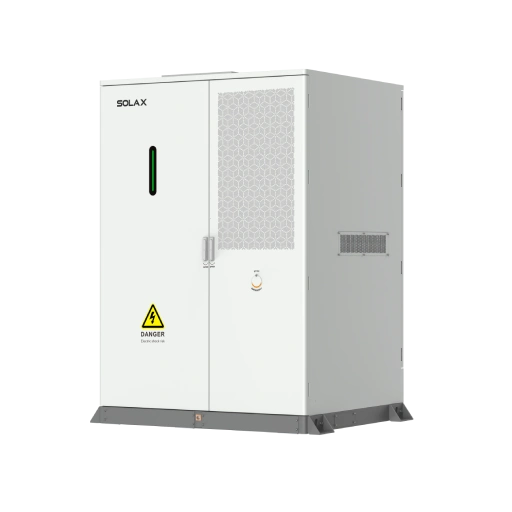
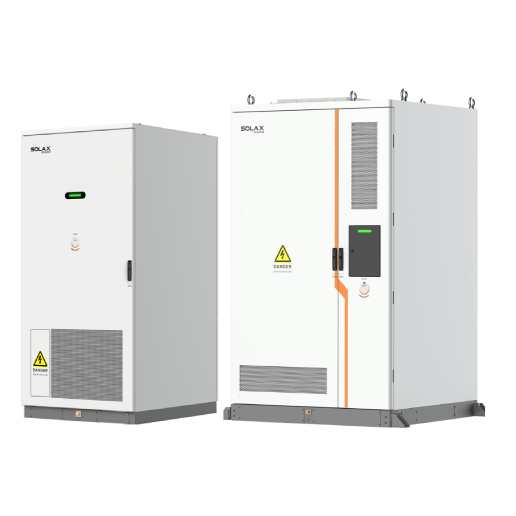
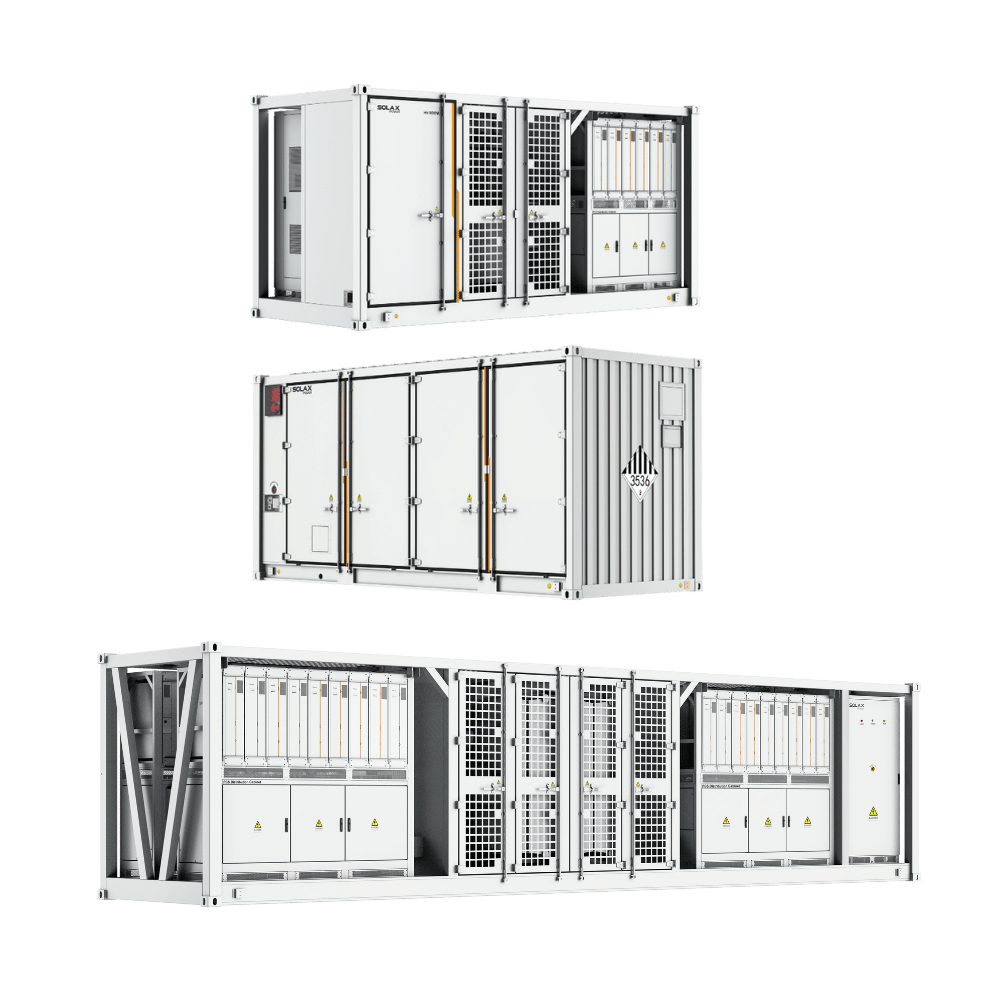
SolaX portfolio across home, C&I, and utility scenarios, which is useful when a homeowner's current brief may later develop into a broader energy solutions conversation around EV charging or thermal loads.
Confirm the local electrical framework
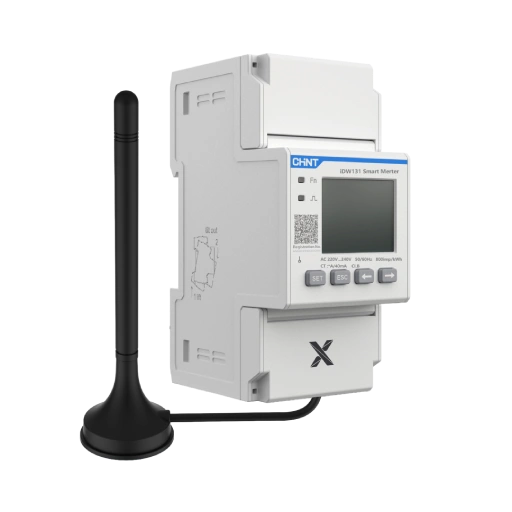
Compliance should be checked early, not after hardware is ordered. In Europe, approval pathways vary by country, and phase format immediately narrows the right product path. In addition, export limiting may depend on correct CT or meter integration rather than an inverter setting alone.
How do you match inverter and battery choices to the job?
Once the use case is clear, match the hardware to the most demanding real condition, not the most attractive brochure figure. That usually means starting with backup behaviour and expansion planning.
Build around backup expectations
Backup performance is more than a tick-box. You need to map essential loads, expected runtime, and motor starting currents before choosing the inverter battery pair.
List the circuits that must stay live.
Add continuous load and short surge demand.
Check transfer speed, EPS rating, and overload behaviour.
Confirm whether the system backs up the whole board or a dedicated essential-load sub-board.
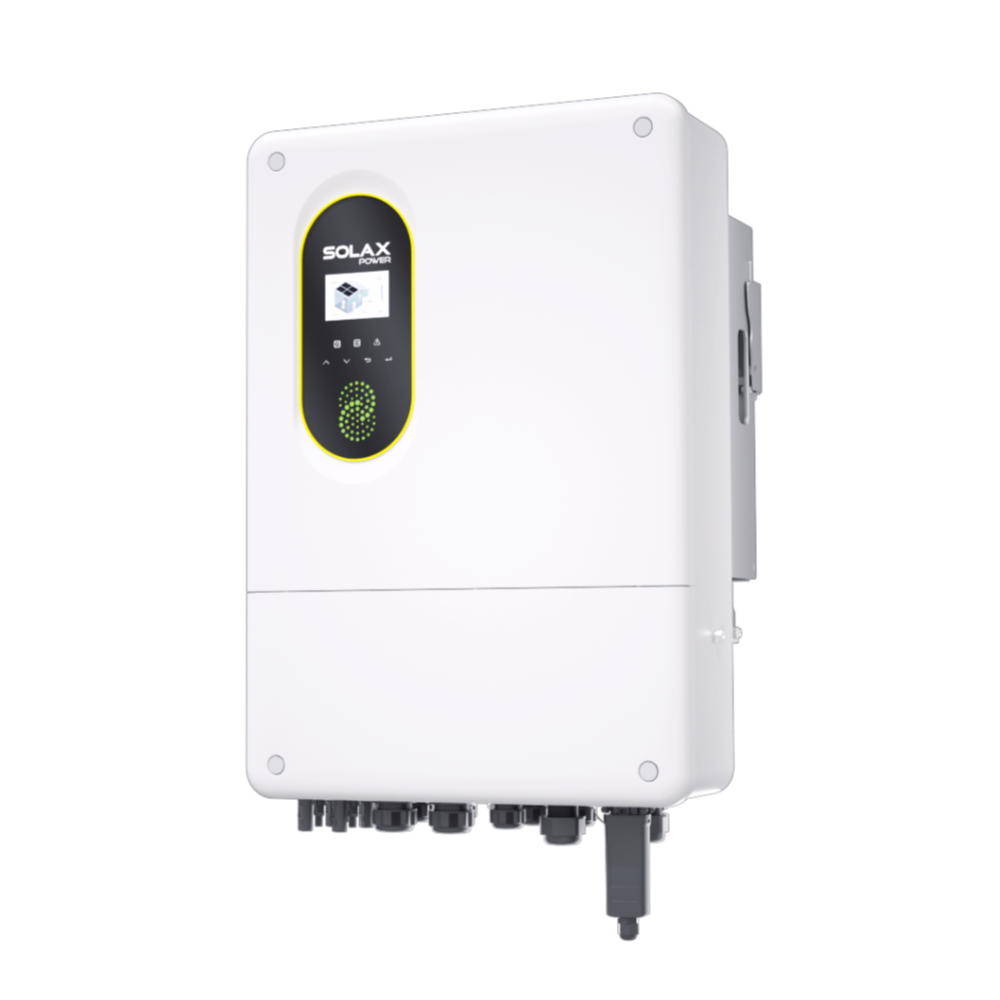
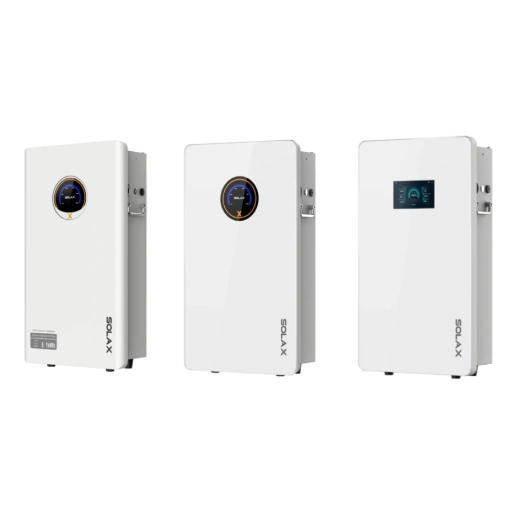
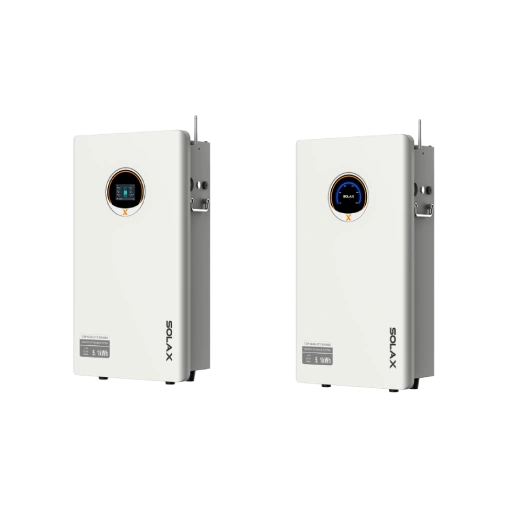
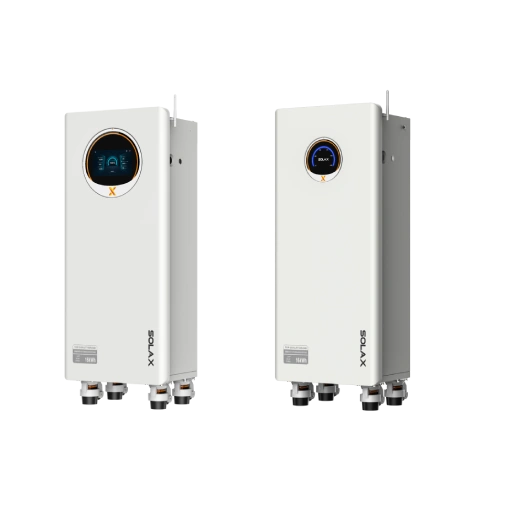
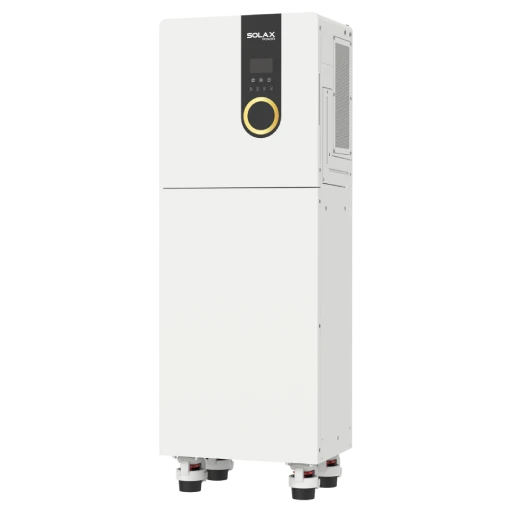
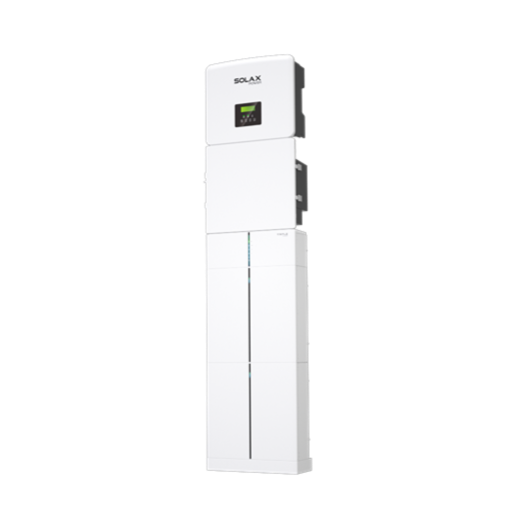
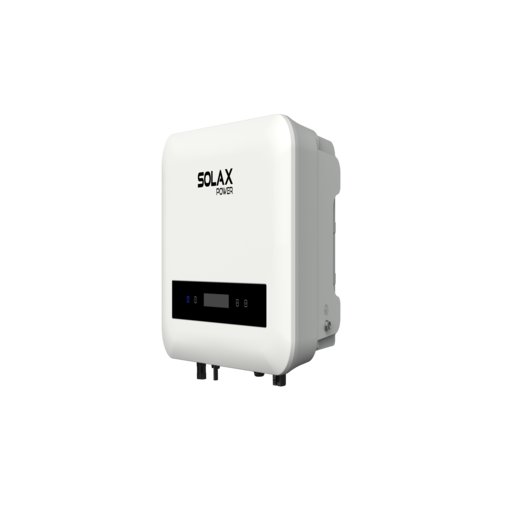
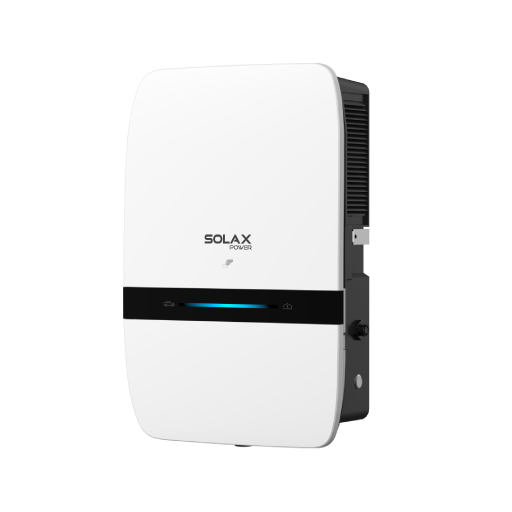
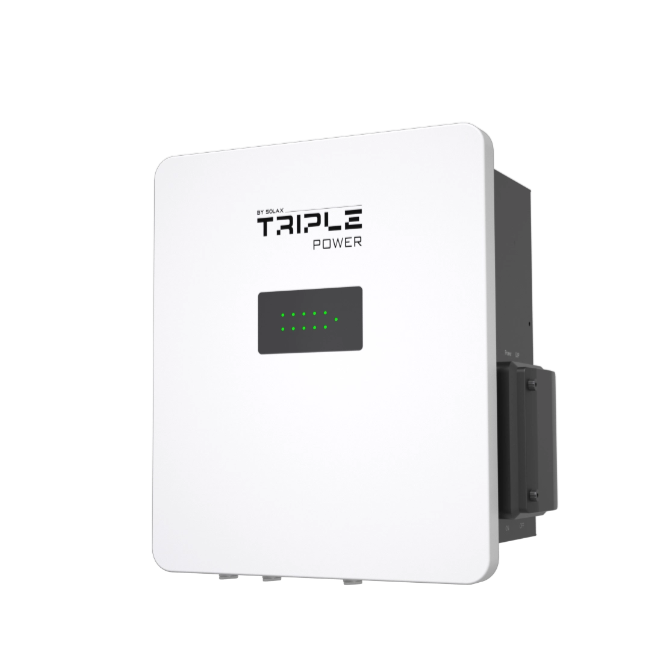
For single-phase homes, the SolaX X1-Hybrid-LV is relevant where backup is a design priority. Its published datasheet states rated EPS output up to 6,000 VA by model, peak EPS output up to 12,000 VA for 10 seconds, switchover time under 4 ms, and compatibility with lithium or lead-acid batteries. Those are practical installer checks, not just marketing lines.
Plan expansion from day one
A system that works today may feel undersized once an EV charger or heat pump arrives. Therefore, expansion planning should sit inside the first specification, even if the owner defers extra hardware.
What to review early:
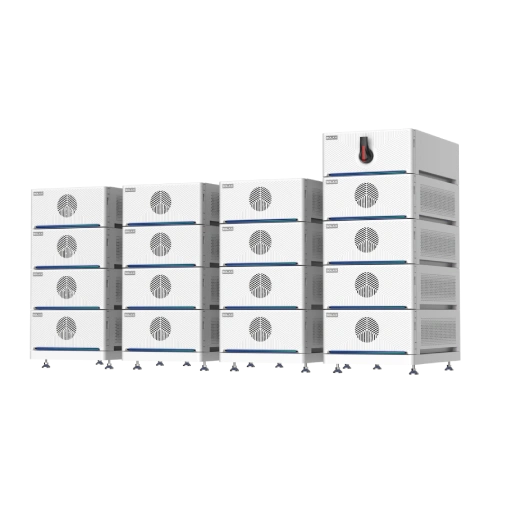
Battery voltage architecture and approved pairing rules
Physical room for added battery modules
Spare control logic for tariff or load management
Whether later electrification will push the site beyond single-phase practicality
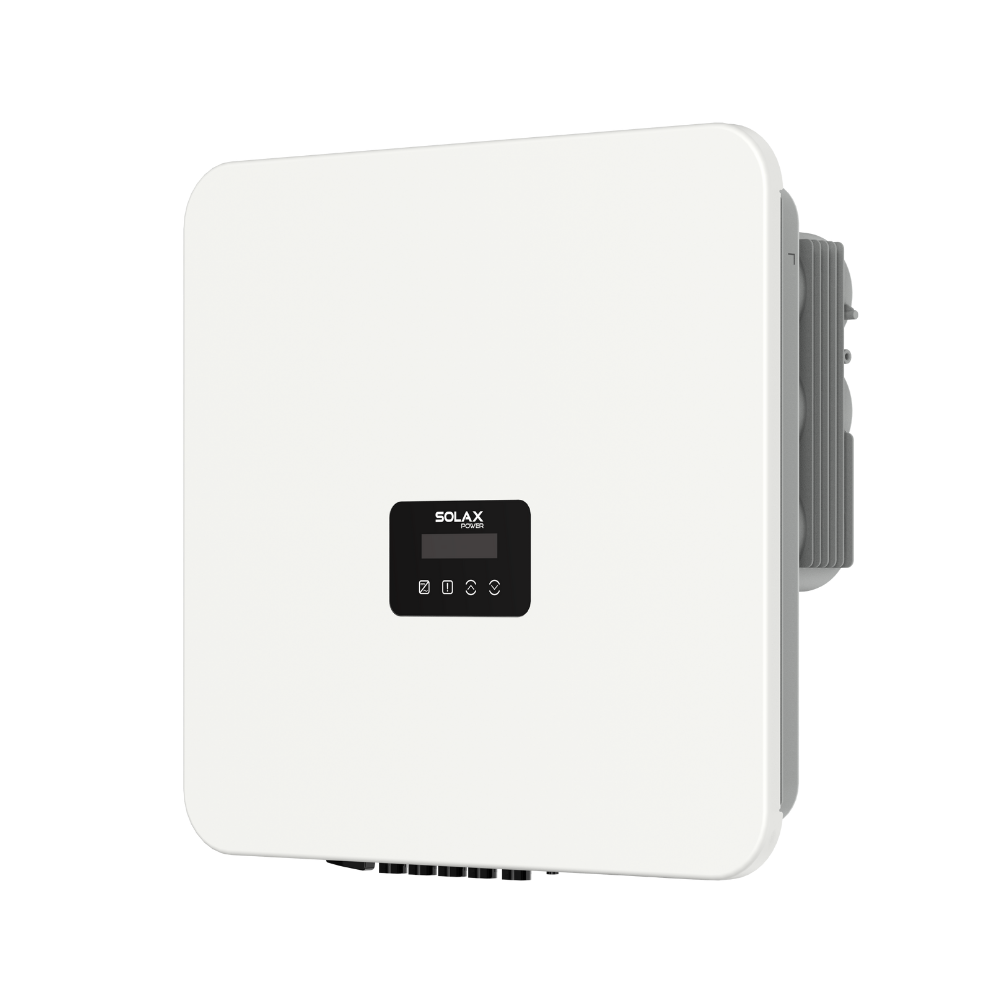
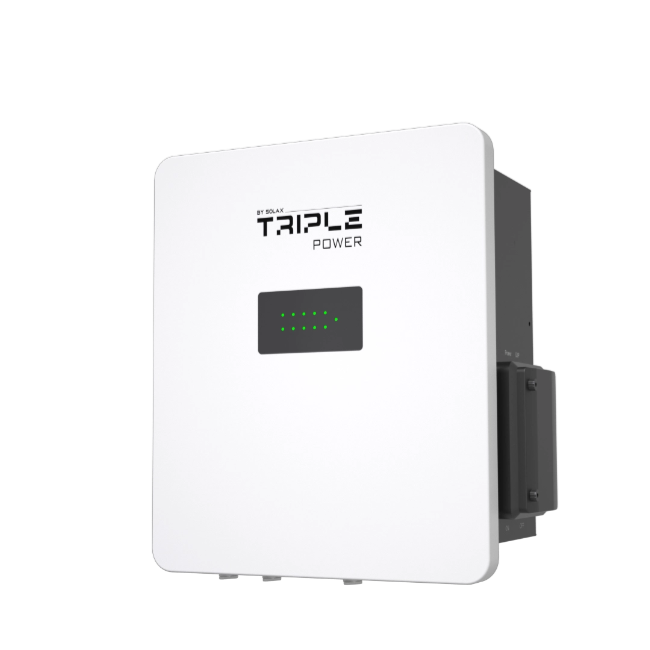
For larger homes and light commercial sites, SolaX's X3-HYBRID G4 gives a clearer three-phase route. The official product information highlights EPS support, up to 200% EPS overload for 10 seconds on supported models, up to 150 kW parallel function, and unbalanced three-phase output up to 5 kW per phase. The datasheet also publishes European efficiency figures, which helps with realistic comparison on European jobs.
Add the monitoring layer, not just the power hardware
Monitoring quality affects handover more than many installers expect. Owners increasingly want to see generation, charging, discharge periods, household demand, and alerts in one place. SolaX presents SolaXCloud as its monitoring and smart control platform for real-time visibility, tariff-led optimisation, and remote access across connected assets. That matters because a smart energy system is easier to explain and support when app behaviour matches the installed controls.
Decision points that affect installer call-backs later
Most post-handover issues come from expectations that were not translated into design rules. A short pre-order checklist can reduce those avoidable call-backs.
Backup performance is more than a tick-box
Match EPS output to real backed-up circuits, not the whole dwelling nameplate. Compare continuous output, short-duration overload, and whether loads are single-phase or spread across three phases. A system that switches quickly but cannot carry starting current will still disappoint the owner.
Monitoring quality affects handover success
Check whether the platform shows PV yield, battery state, home consumption, and fault status clearly. Moreover, confirm whether remote diagnostics, tariff tools, and user permissions are ready before handover. SolaXCloud is positioned around real-time monitoring and smart control for home and business use on the official SolaX platform.
Expansion planning protects the original design
Do not promise easy future growth unless you have checked approved battery topology, current limits, and physical installation space. If EV charging, heat pumps, or wider home energy monitoring are likely, leave electrical and communication headroom from the start.
Compliance details should be verified early
Export limiting, meter compatibility, and country-specific approval documents need early confirmation. For UK work, connection and export-limiting pathways should be checked before procurement. In addition, Ofgem outlines the regulatory context behind revisions to G98 and G99 processes for storage connection.
Where do installers most often go wrong?
The common mistakes are usually process errors rather than technology failures. A better workflow is to document what the system must do before discussing model size.
Do the following
Size backup around critical loads, not sales assumptions.
Verify local compliance documents before ordering equipment.
Match single-phase and three-phase architecture correctly.
Confirm meter integration if export limiting is required.
Validate monitoring and user access before final handover.
Leave room for future electrification where the brief suggests it.
Avoid these traps
Do not assume all EPS modes behave the same way.
Do not design from headline wattage alone.
Do not skip surge-load verification.
Do not ignore the owner's expectation for app visibility.
Do not promise battery expansion that the approved topology does not support.
Shortlist systems by site type, phase, and control needs
When you build the shortlist, filter in this order: site use case, phase type, backup requirement, export limiting method, then monitoring and future load plans. That sequence usually leads to fewer redesigns and a cleaner customer handover.
FAQ
Table of Contents
Latest News
Explore expert insights, practical guides, and the latest news on SolaX Power.




To the Latest Newsletter
Stay Ahead with the Latest SolaX Updates!
Subscribe
I have read and agree to Privacy Policy and User Terms