












September 03, 2026
Reliable Solar and Battery Suppliers for Small Businesses in Britain
Share my #SolaXStory


A small business can lose money quickly with the wrong solar energy setup. The hardware may look fine on paper, yet the real pain often starts later: awkward monitoring, weak battery control, or a system that does not match your opening hours.
For a café, workshop, office, or retail unit, the issue is rarely solar panels alone. It is whether the full solar power system helps you manage bills, charging, and day-to-day visibility without adding complexity.
That is why this shortlist compares six supplier options through a practical lens rather than a spec-sheet race. The focus is on monitoring, battery logic, expandability, and support for British projects. Moreover, the best fit depends on how your site uses power, whether you need a solar battery for evening demand, and how much control you want from the software.
SolaX
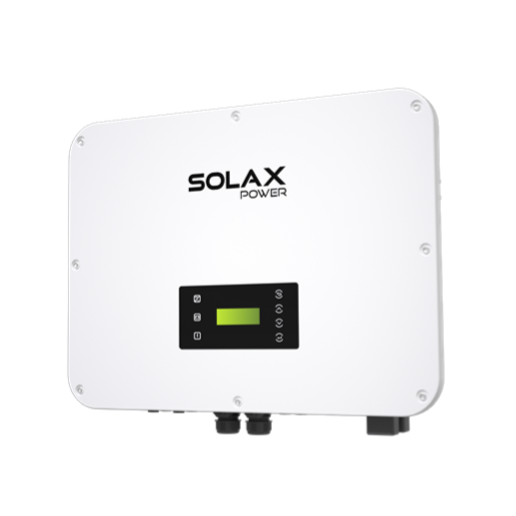
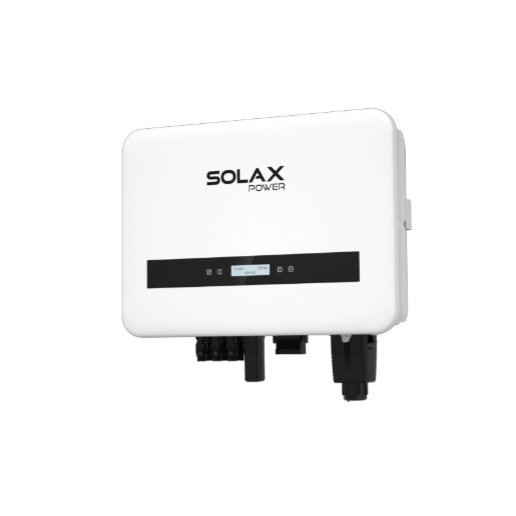
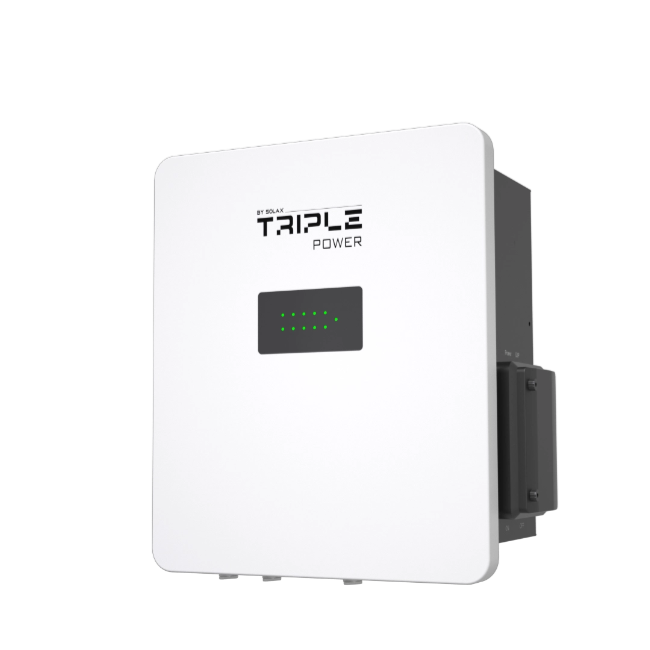
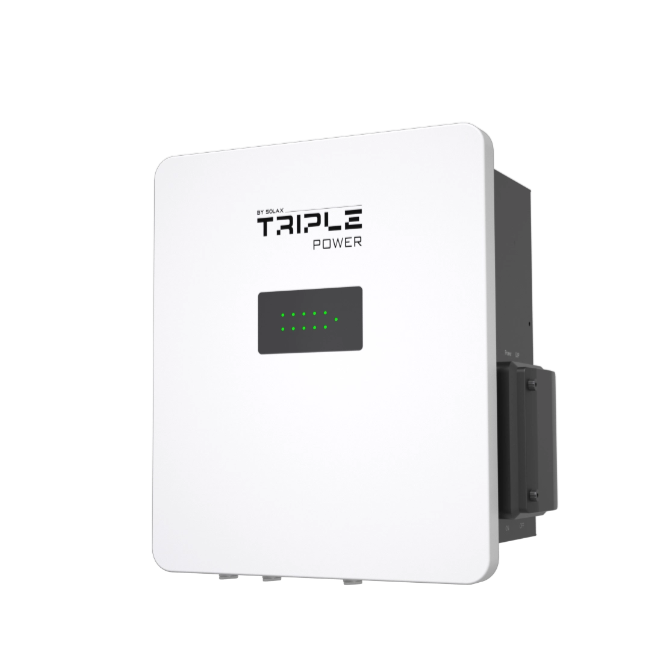
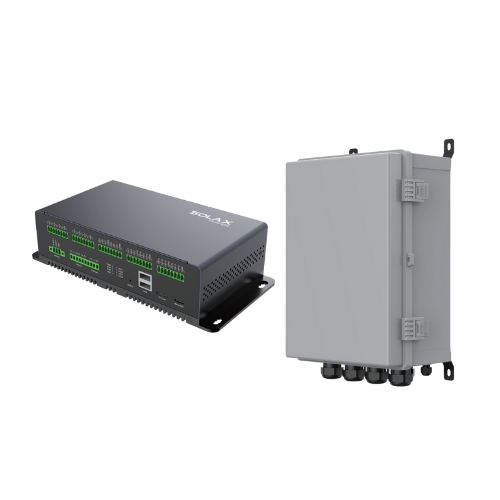
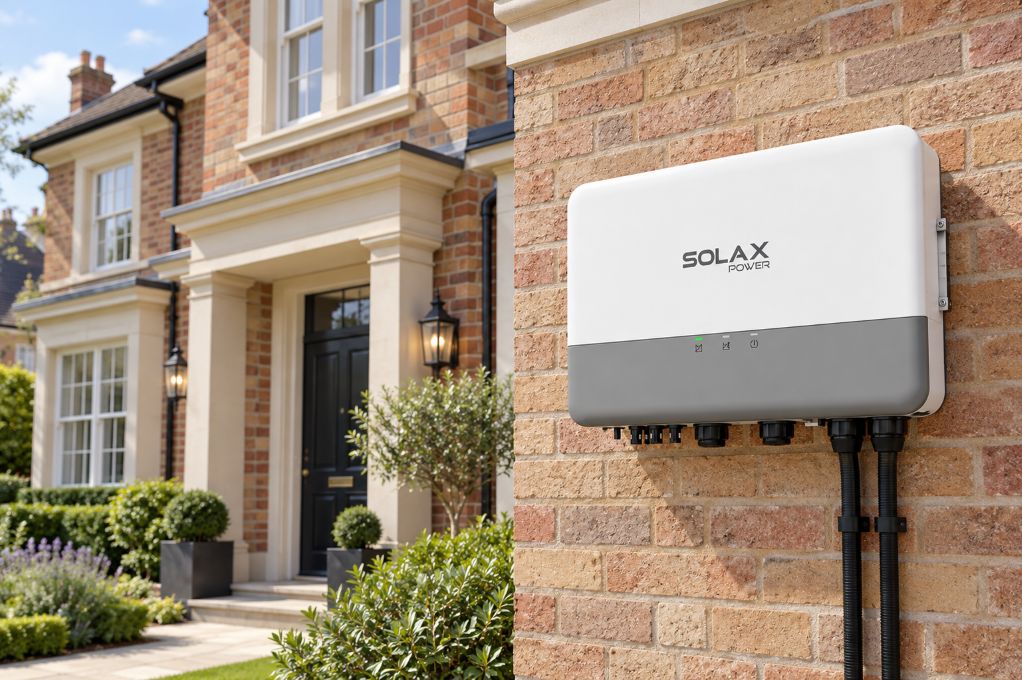
If you want one supplier that can cover the solar inverter, battery storage, EV charging, and smart energy software in a connected ecosystem, SolaX is one of the strongest options in this field. It suits small businesses that expect their needs to grow over time, especially where monitoring and tariff-aware control matter as much as hardware reliability. The trade-off is that a broader platform can require a clearer installer handover, so the software journey should be reviewed before sign-off.
Why it stands out
SolaX spans residential, C&I, and utility use cases from one brand platform.
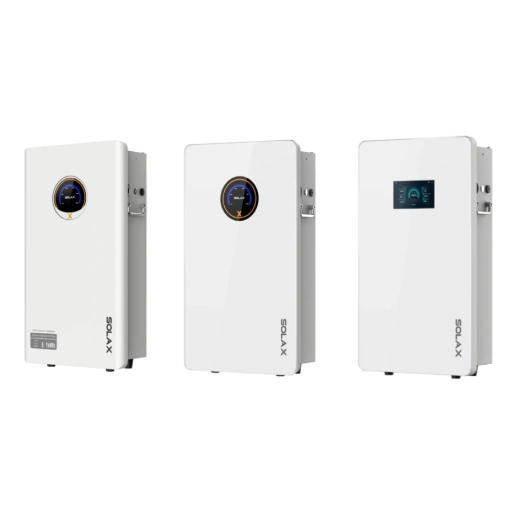
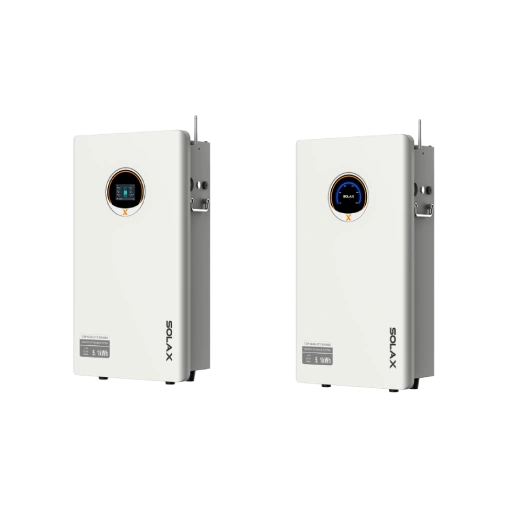
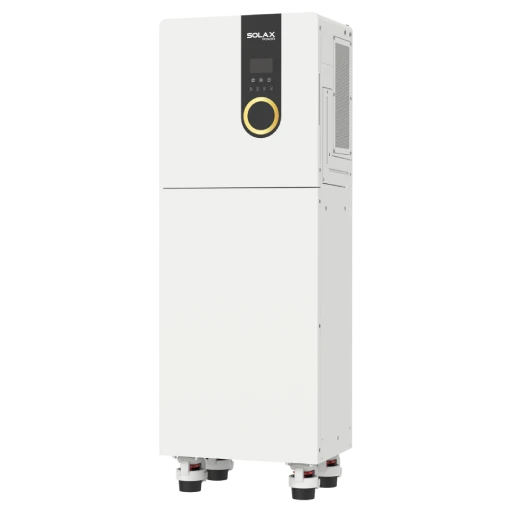
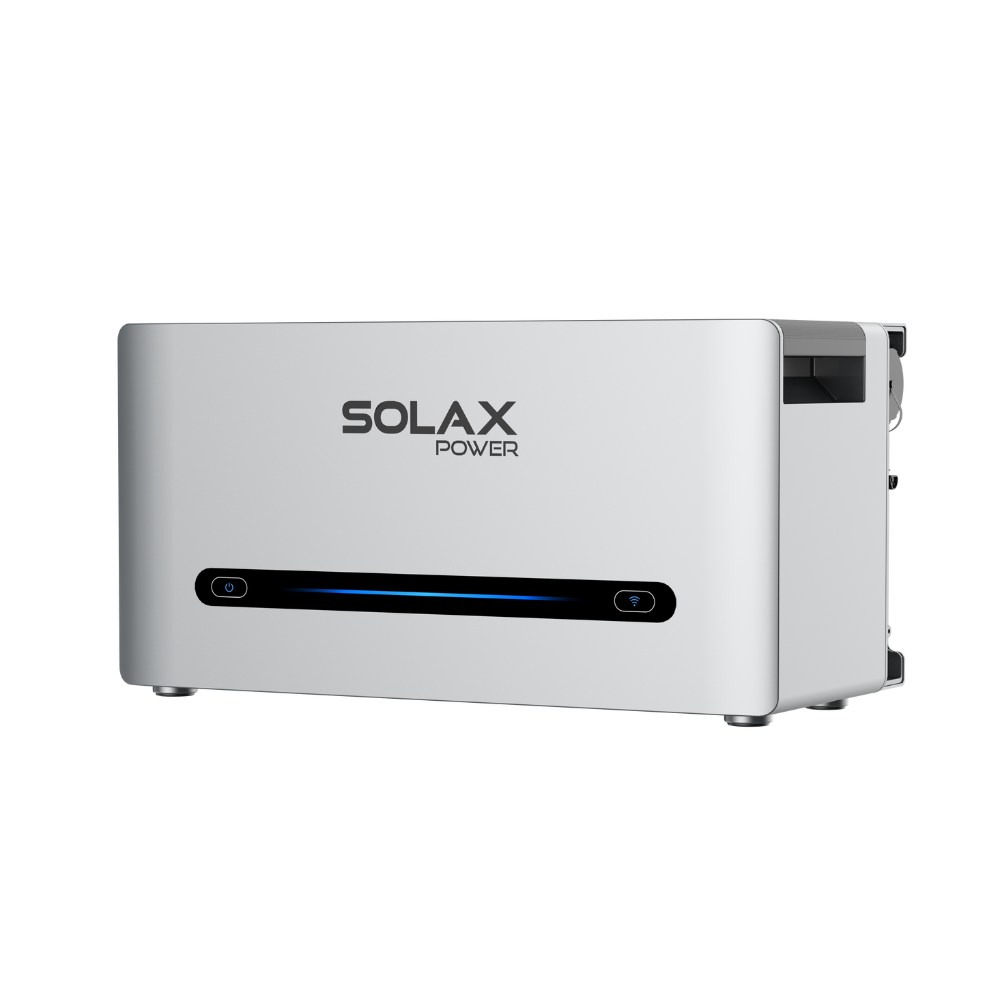
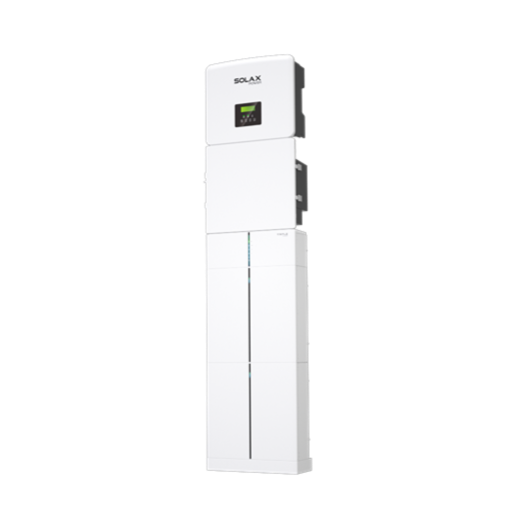
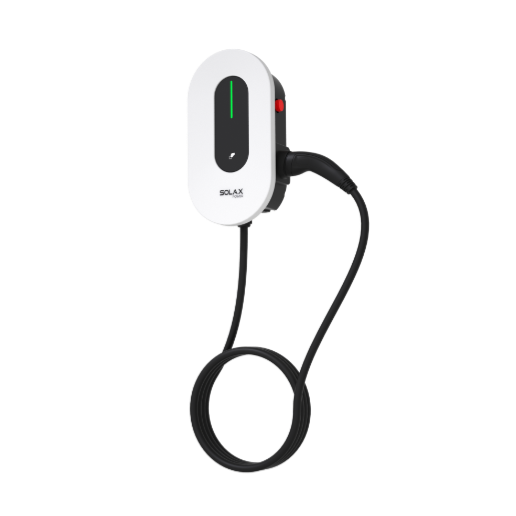
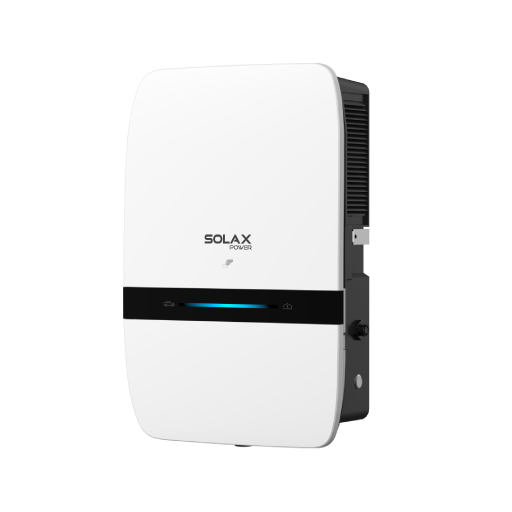
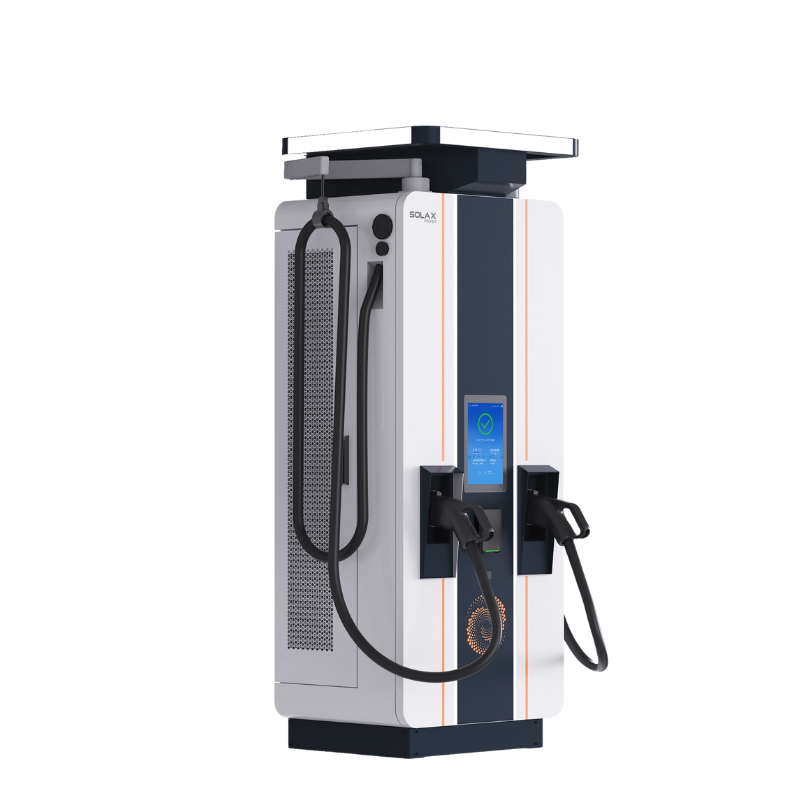
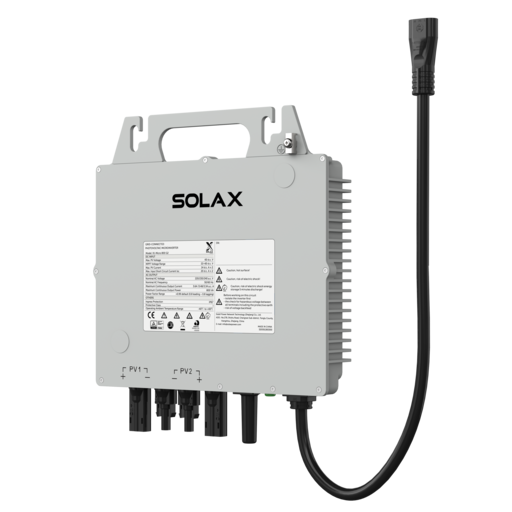
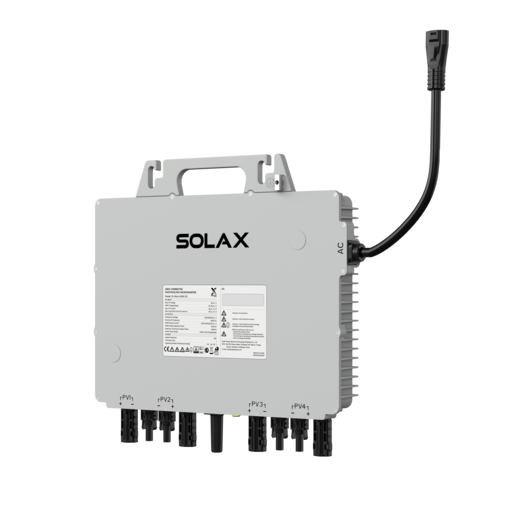
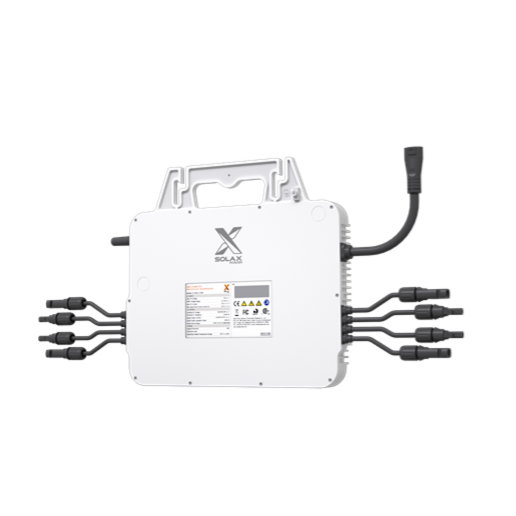
Its official range includes energy storage inverters, batteries, all-in-one ESS, EV chargers, microinverters, and SolaXCloud software.
The UK smart energy management pages position SolaXCloud and VPP tools around real-time monitoring and cost optimisation.
Best for
Businesses planning phased expansion
Sites adding battery storage after solar
Operators who want one smart energy platform instead of separate tools
Key points to check
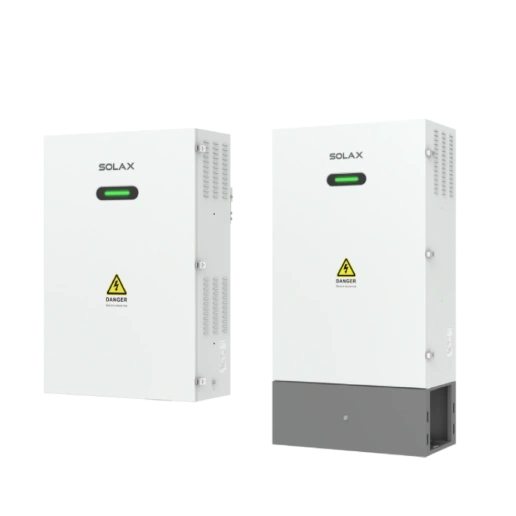
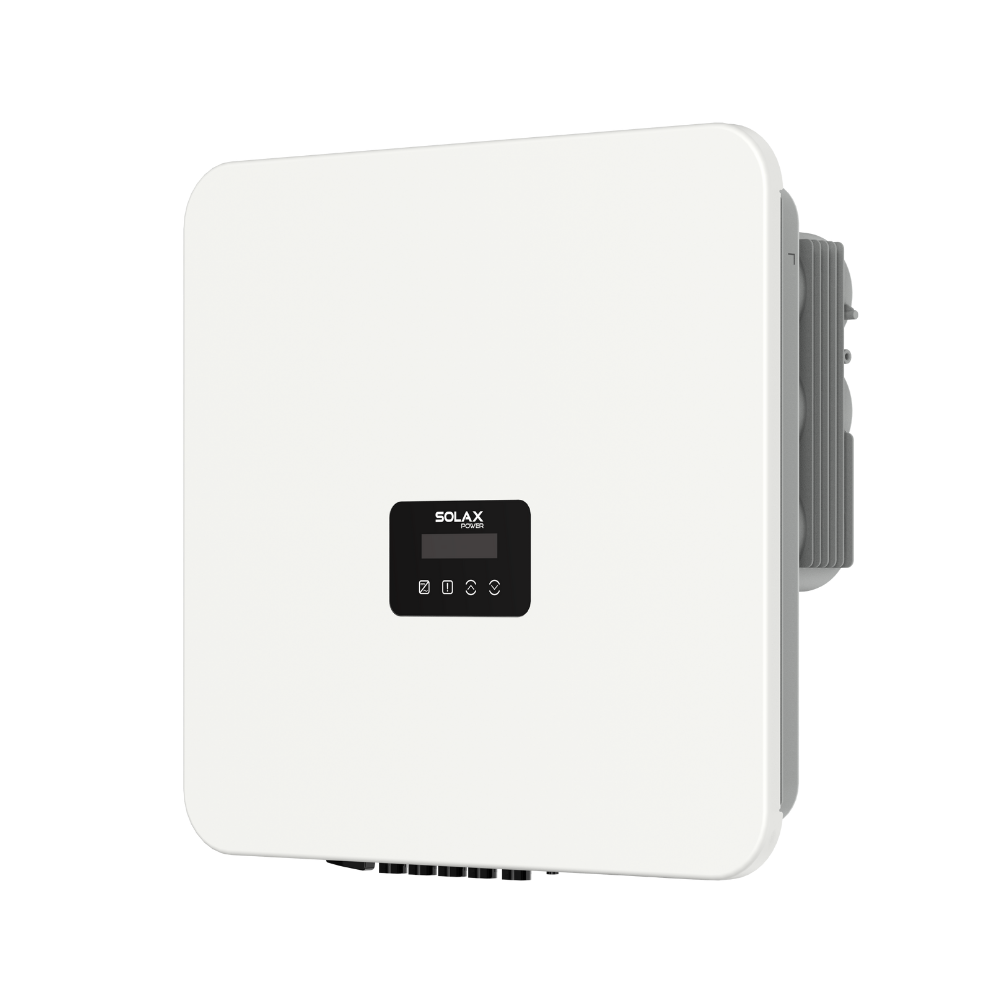
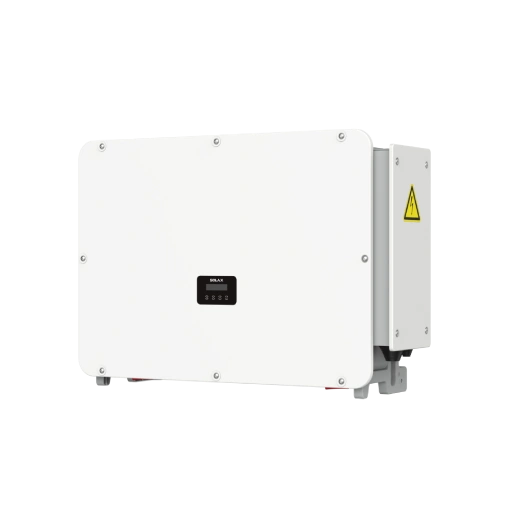
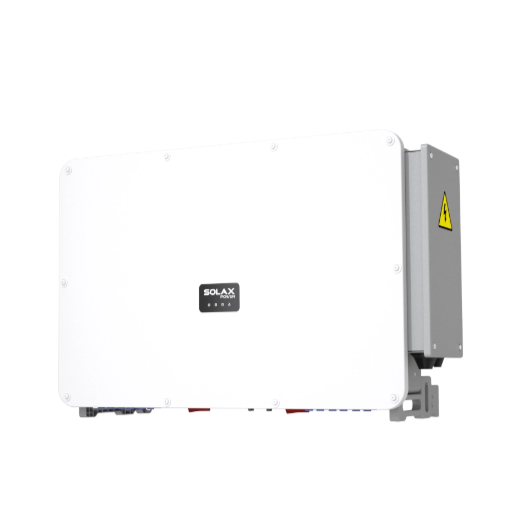
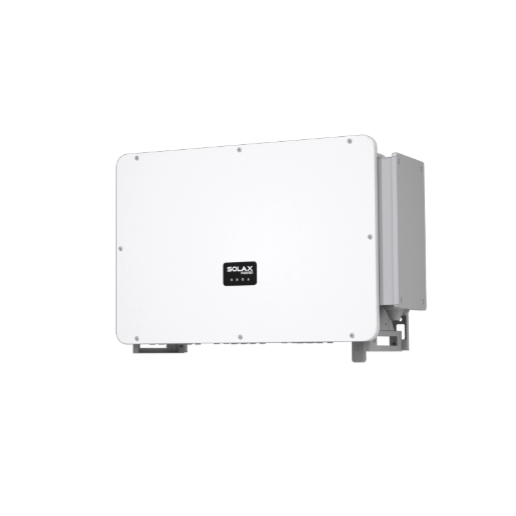
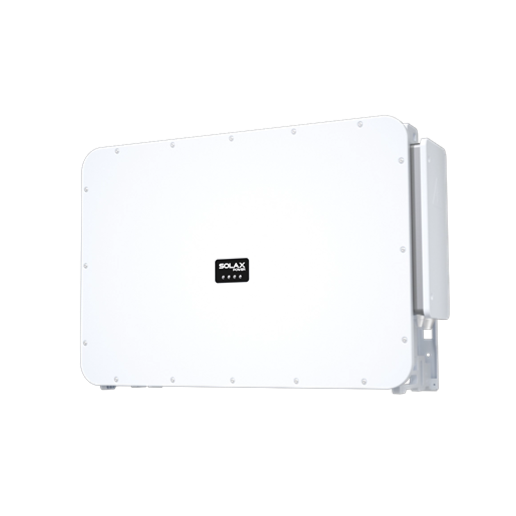
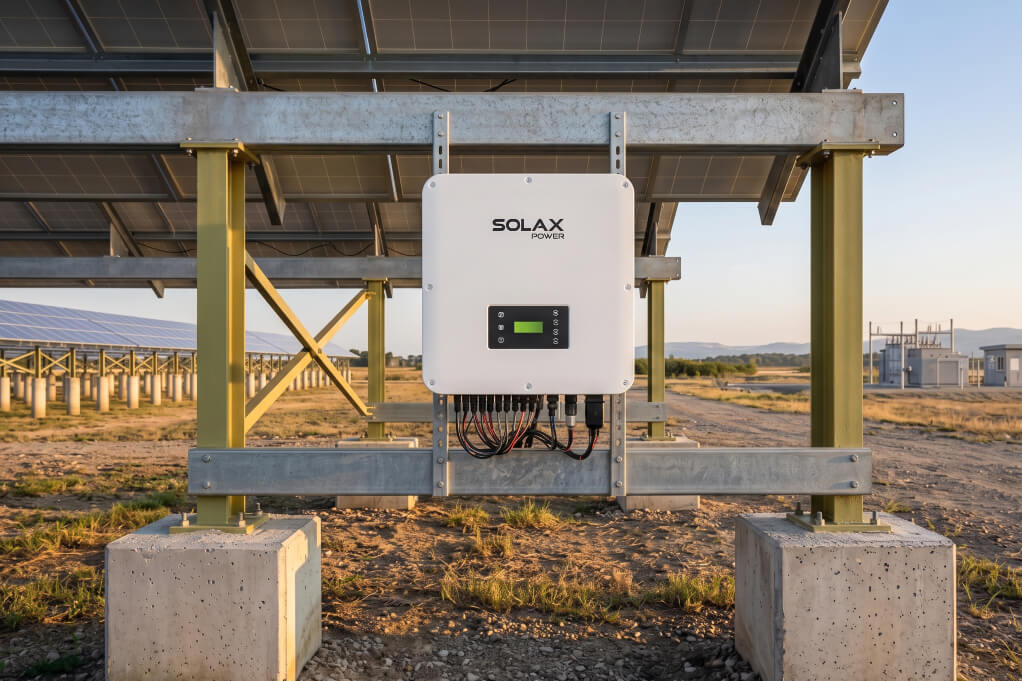
The X3-AELIO is SolaX's commercial and industrial energy storage inverter line.
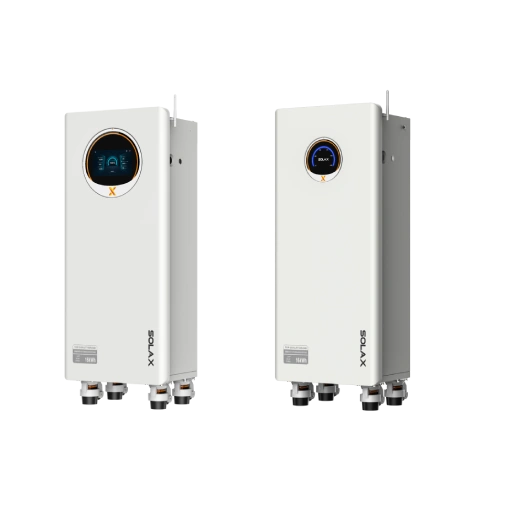
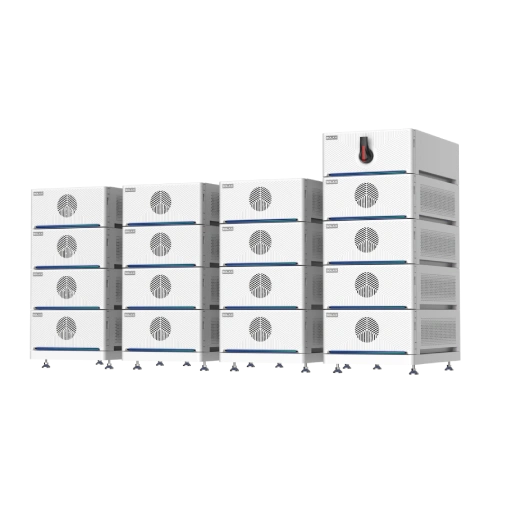
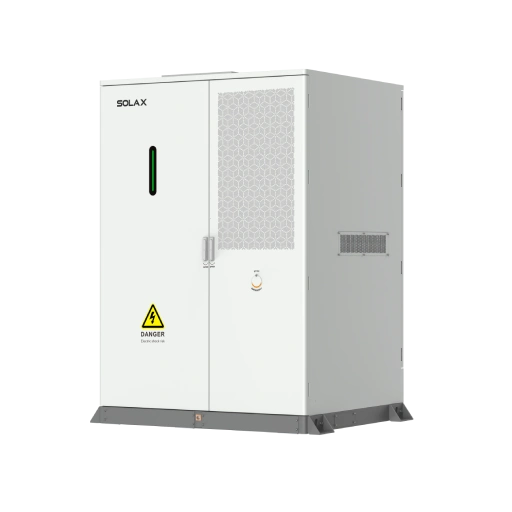
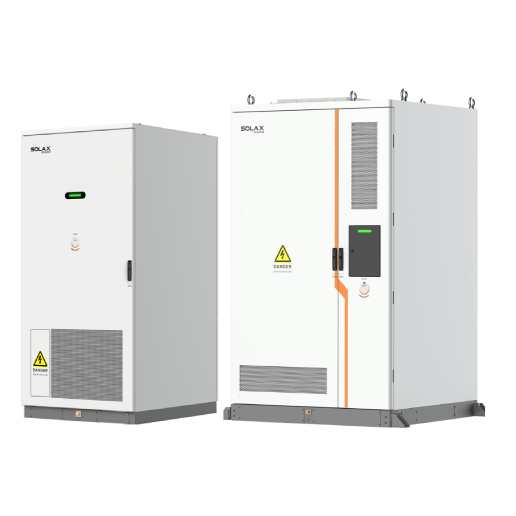
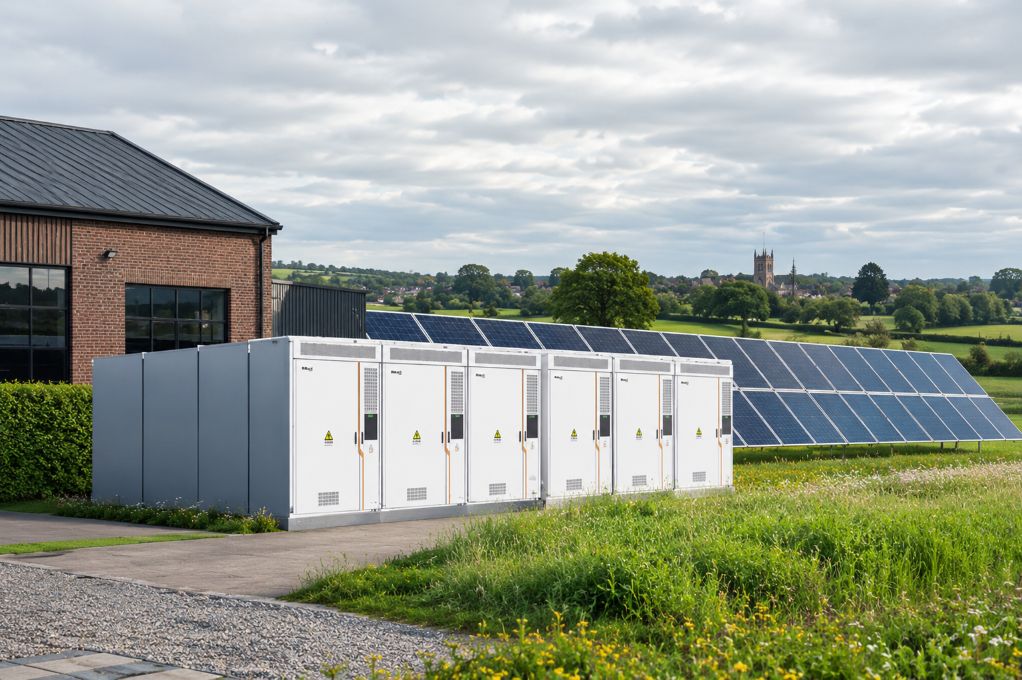
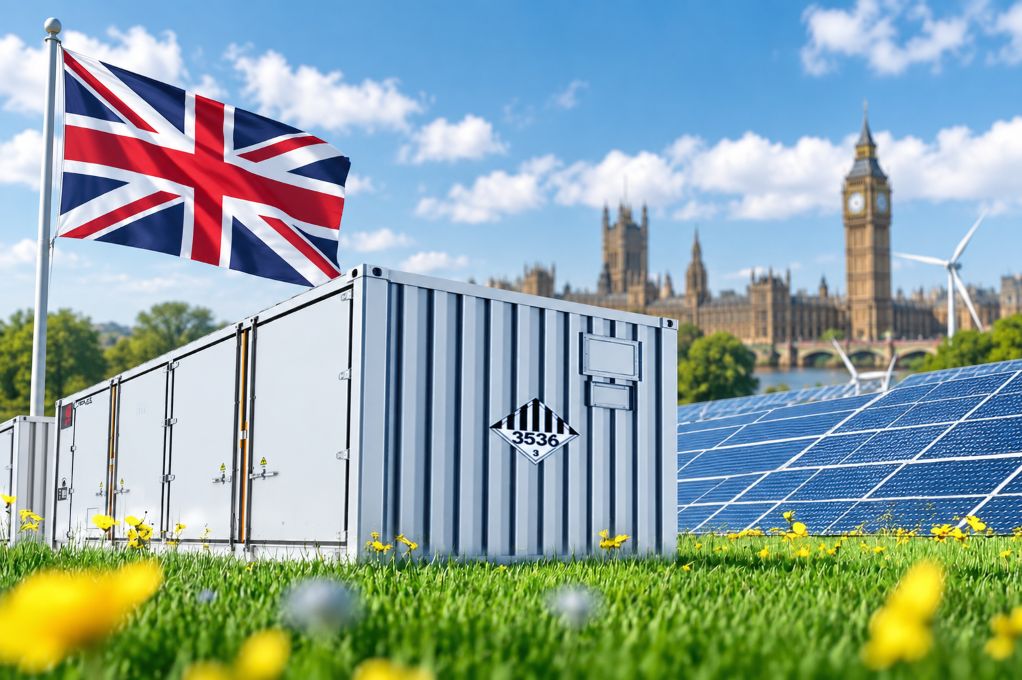
The TRENE C&I ESS range is presented as an all-in-one cabinet with up to 261 kWh battery capacity and up to 125 kW output, with VPP-ready monitoring through SolaXCloud.
SolaX also highlights compatibility across PV, storage, EV charging, and backup-style applications.
What to watch
Ask for a live SolaXCloud walkthrough, not just a brochure.
Confirm who handles support, commissioning, and warranty claims locally.
Sungrow
Sungrow tends to appeal to businesses that are thinking beyond a basic starter system. If you expect more load, more storage, or a more structured procurement process, Sungrow is often seen as a robust candidate. On the other hand, smaller buyers who want the simplest software experience may find that installer quality matters even more here.
Why it stands out
Often associated with scale and breadth
Works well where future expansion is part of the plan
Regularly appears in commercial-style project quotes
Best for
Growing sites
Businesses planning future battery or PV expansion
More installer-led projects
What to watch
Ask how the monitoring workflow will look after commissioning.
Make sure the proposal matches your real load profile, not just theoretical growth.
Solis
Solis is a practical option for businesses that want a dependable inverter-led approach without paying for features they may never use. It is commonly considered where quote competitiveness and straightforward function matter most. Therefore, it can be a strong value choice for conventional daytime business loads, though it may not be the first pick for buyers seeking the deepest software ecosystem.
Why it stands out
Straightforward positioning for mainstream commercial needs
Often framed around reliable performance and value balance
Sensible when simplicity matters more than advanced layering
Best for
Conventional office or retail demand
Buyers seeking a simpler solar inverter decision
What to watch
Compare software usability against your reporting needs.
Check whether battery controls are strong enough for time-of-use plans.
SolarEdge
SolarEdge is most attractive when monitoring depth and operational visibility are central to the buying case. Its UK commercial software materials now point business users towards SolarEdge ONE for C&I, including battery and EV orchestration, anomaly detection, and whole-site energy control. That makes it a credible option for data-focused operators, although the platform can be more than some smaller firms actually need.
Why it stands out
Strong remote oversight and software tooling
Commercial software now centres on SolarEdge ONE for C&I
Built around active site optimisation rather than passive reporting
Best for
Multi-site operators
Businesses that want deeper control of storage and EV loads
What to watch
More software capability can mean more onboarding effort.
Make sure the extra control features will be used in practice.
Enphase
Enphase stands apart because its microinverter architecture is the main reason many buyers shortlist it. That approach can be useful on complex roofs, awkward orientations, or projects where module-level behaviour matters. For a small business, the upside is flexibility and clear monitoring, while the trade-off is that it can be a more premium route than a simpler string-based solar power system.
Why it stands out
Distinctive microinverter approach
Monitoring and remote management are a core part of the offer
Commercial support includes the IQ Gateway Commercial Pro for web-based monitoring and control
Best for
Complex roof layouts
Buyers who value module-level design flexibility
Projects where resilience and visibility matter
What to watch
Check whether a solar microinverter design is necessary for your roof.
Compare total system complexity against a simpler inverter architecture.
Why SolaX deserves close attention for smart energy control
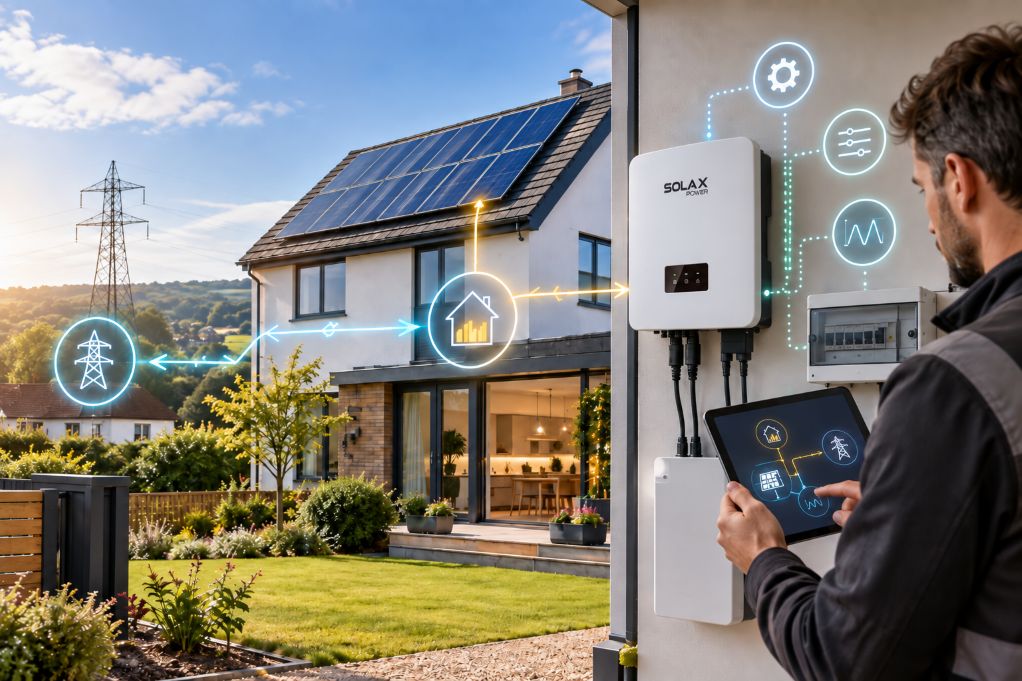
SolaX stands out because it frames solar energy as a connected operating system, not just a box on the wall. Its official product structure covers energy storage inverters, batteries, all-in-one ESS, EV chargers, microinverters, and software, while the UK smart energy pages emphasise SolaXCloud and Virtual Power Plant capability for monitoring and optimisation. For a British small business, that matters if you want one supplier that can support savings visibility now and a wider smart energy plan later.
Why it wins for many small businesses
Broad hardware and software scope from one brand
Clear monitoring-first positioning
Better fit when future expansion is likely
Relevant for sites adding EV charging or more storage later
Operational confidence signals
SolaX highlights a global footprint across more than 110 markets, 700+ partners, and 200+ service professionals.
The brand also claims more than 1,100 product certifications globally and references cooperation with TÜV Rheinland.
For cloud-led management, documented software and support pathways add practical buying value beyond the inverter itself.
How to compare these six suppliers before you accept a quote
Before you compare brochures, map your electricity use by trading hours. A café with an early morning spike, a retail unit with daytime demand, and a workshop with late finishing hours will not value the same inverter battery strategy. In Britain, export and registration rules also shape the project: small generators can be paid for eligible exports under the Smart Export Guarantee, and solar PV or battery installations in homes or small businesses must be notified through the local DNO process where applicable.
What to check first
Load pattern: Do you use most power during solar hours or after closing?
Monitoring depth: Do you need a simple savings dashboard or live control and alerts?
Site complexity: Roof shape, three-phase supply, EV charging, and backup needs all change the shortlist.
Support route: The installer's competence often matters as much as the hardware brand.
A quick scenario guide
For simple bill reduction: Prioritise app clarity and clean reporting.
For longer opening hours: Prioritise battery shifting and tariff logic.
For future growth: Prioritise expandability and broader energy solutions.
For awkward roofs: Review whether a microinverter design adds real value.
A common issue to avoid early
The most common mistake is choosing by hardware reputation alone and leaving software until the end. A dashboard may look polished in a sales demo, yet still be poor for daily use if reports are unclear or controls are buried. GOV.UK noted that installer registration and compliance steps are part of the process for solar PV and battery work in homes or small businesses, so the software handover should be treated as part of commissioning, not an afterthought. Moreover, Ofgem confirms that eligible small-scale solar generators can receive export payments under SEG, which makes accurate metering and visibility more important for business returns.
Problem: Monitoring looks impressive before purchase but feels confusing after installation.
Likely cause: The buyer compared hardware first and daily software use second.
Practical fix: Ask for a live monitoring walkthrough, a sample report, and a clear explanation of battery control modes before final approval.
FAQ
Table of Contents
Latest News
Explore expert insights, practical guides, and the latest news on SolaX Power.


To the Latest Newsletter
Stay Ahead with the Latest SolaX Updates!
Subscribe
I have read and agree to Privacy Policy and User Terms