













September 02, 2026
Don't Mix and Match Until You Read This: Best One-Brand Solar Systems in the UK(Inverter, Battery, App)
Share my #SolaXStory


When a home solar storage system is built from mixed brands, the trouble often appears after commissioning rather than on day one. One app shows generation, another shows battery status, and support teams may point at each other when alerts appear.
In practice, that can slow fault-finding, complicate warranty routes, and make future upgrades feel riskier than they should.
For many UK households, the better question is not only which inverter or solar battery looks strongest on paper, but whether the full operating setup works as one system. That means the inverter, battery, and control app should share data cleanly and support the same expansion path.
In the UK, that matters even more as time-of-use tariffs, smart meters, and export arrangements continue to shape how homeowners use and value stored energy.
What a "one ecosystem" solar system actually means
A one-brand solar system UK approach is less about buying everything from one logo for its own sake and more about reducing friction across installation, daily use, and future upgrades. In a practical residential solar inverter UK setup, three parts need to work together consistently.
The three parts that need to work together
Inverter: this converts DC power from panels into usable AC electricity and manages power flow between solar, battery, home loads, and grid.
Battery: this stores surplus generation for later use, usually to cover evening demand or tariff-driven charging windows.
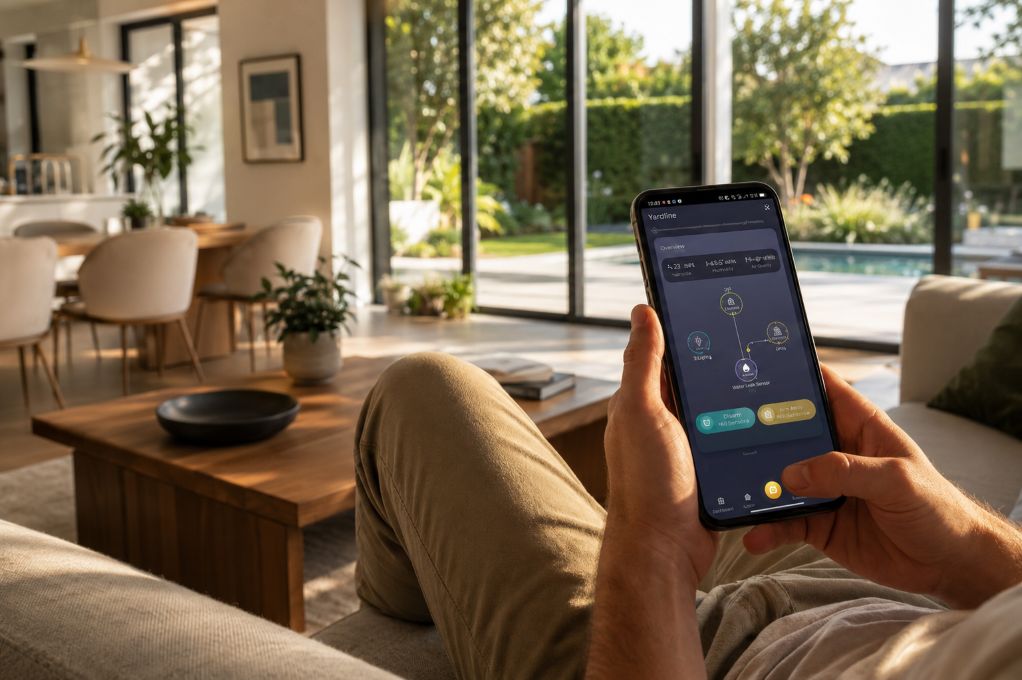
App: this gives you one view of generation, battery state, household use, and alerts, while also supporting smart energy management.
Why UK homeowners look for one-brand compatibility
Fewer compatibility checks during design and installation.
Clearer monitoring in one solar battery monitoring app.
Simpler support and warranty routing when a fault appears.
A cleaner path to add storage, EV charging, or backup later.
Where SolaX fits as an ecosystem
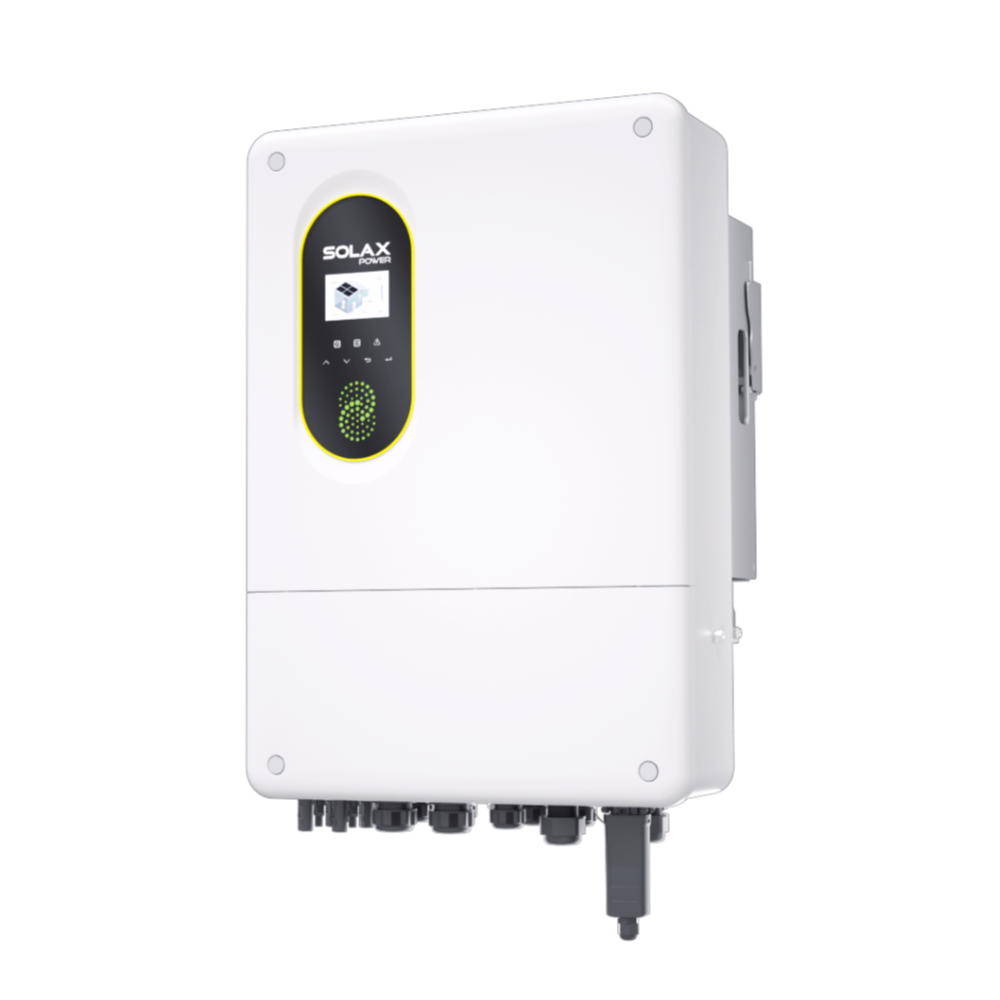
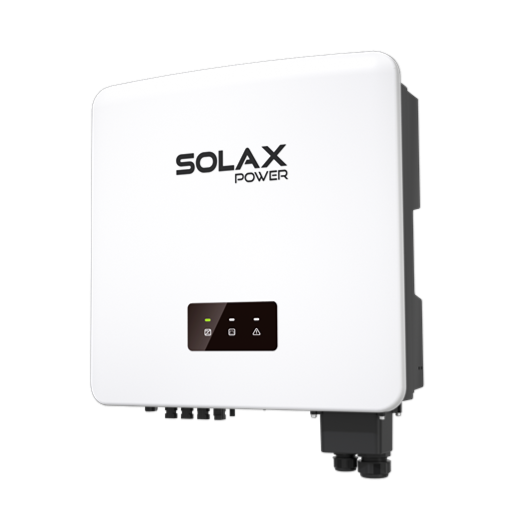
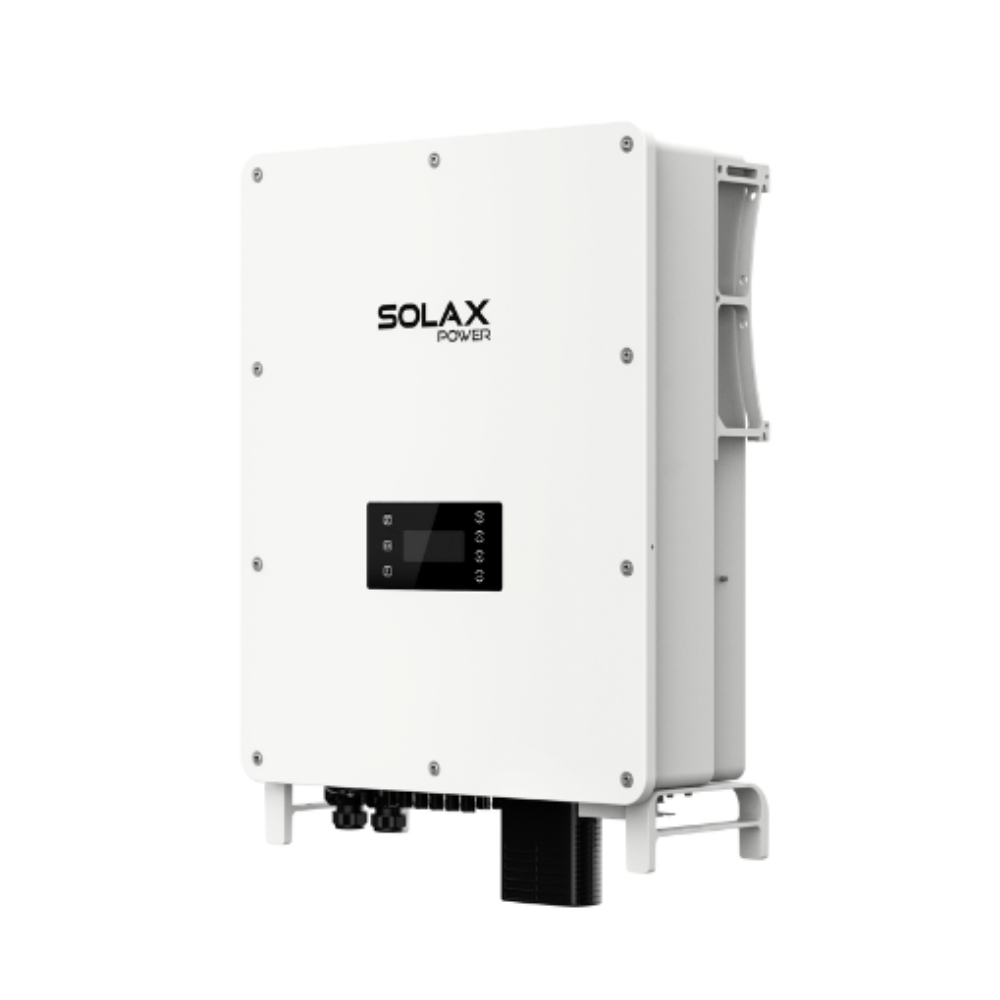
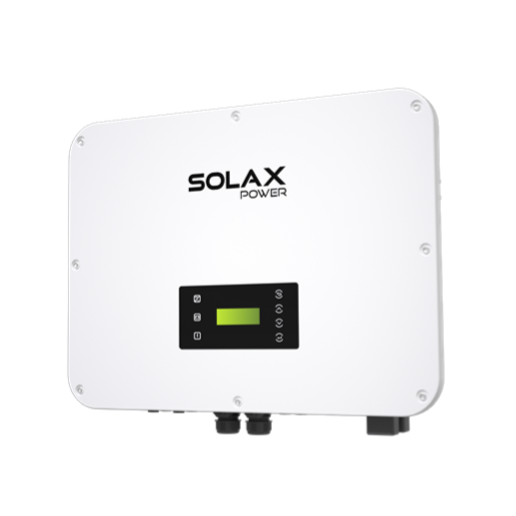
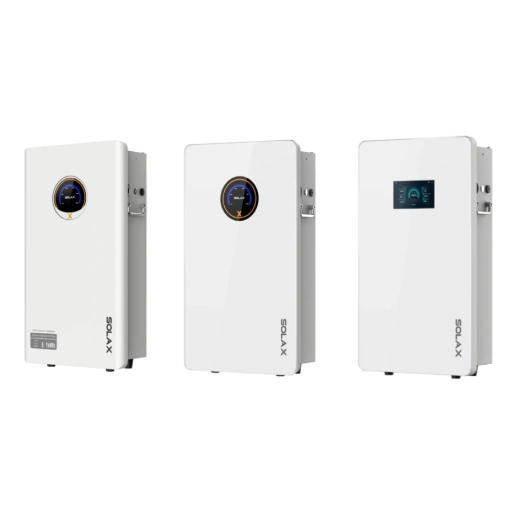
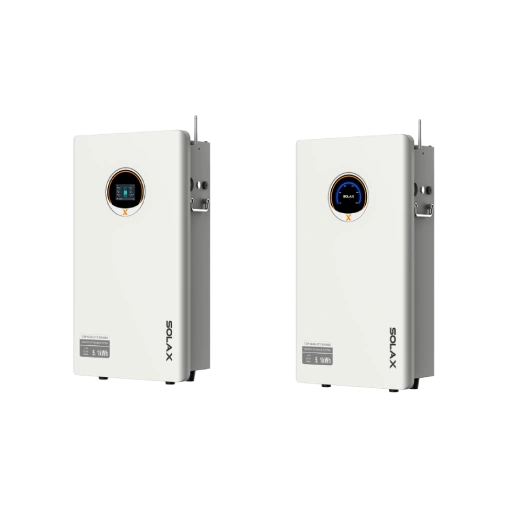
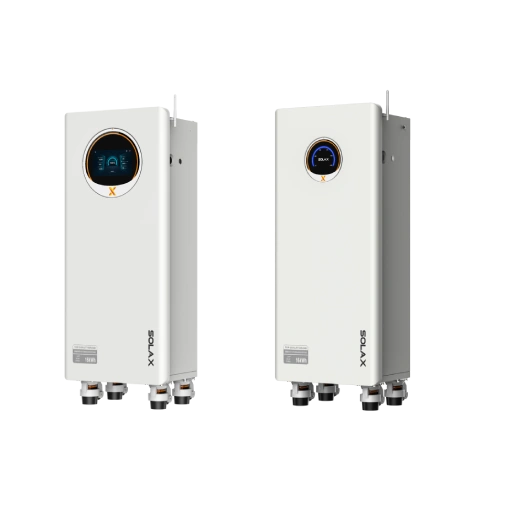
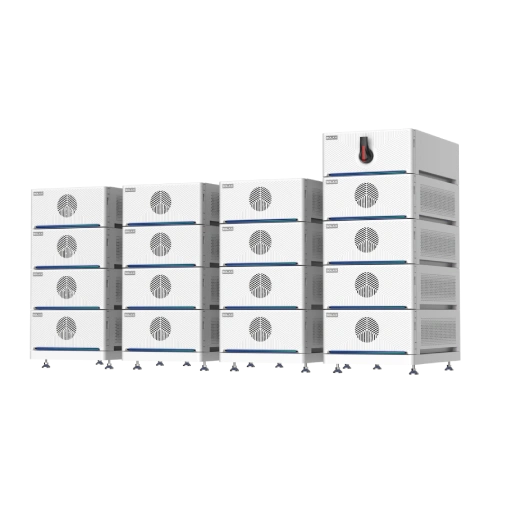
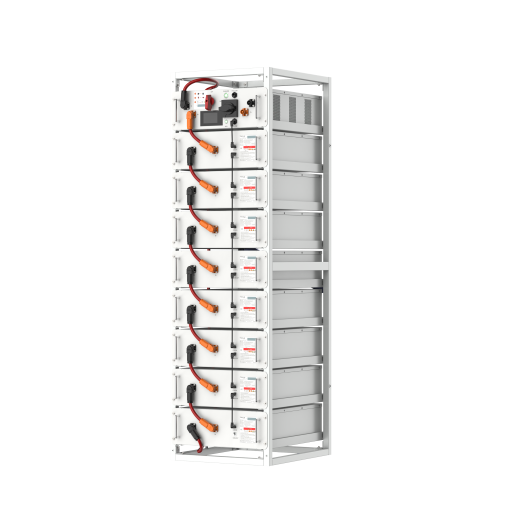
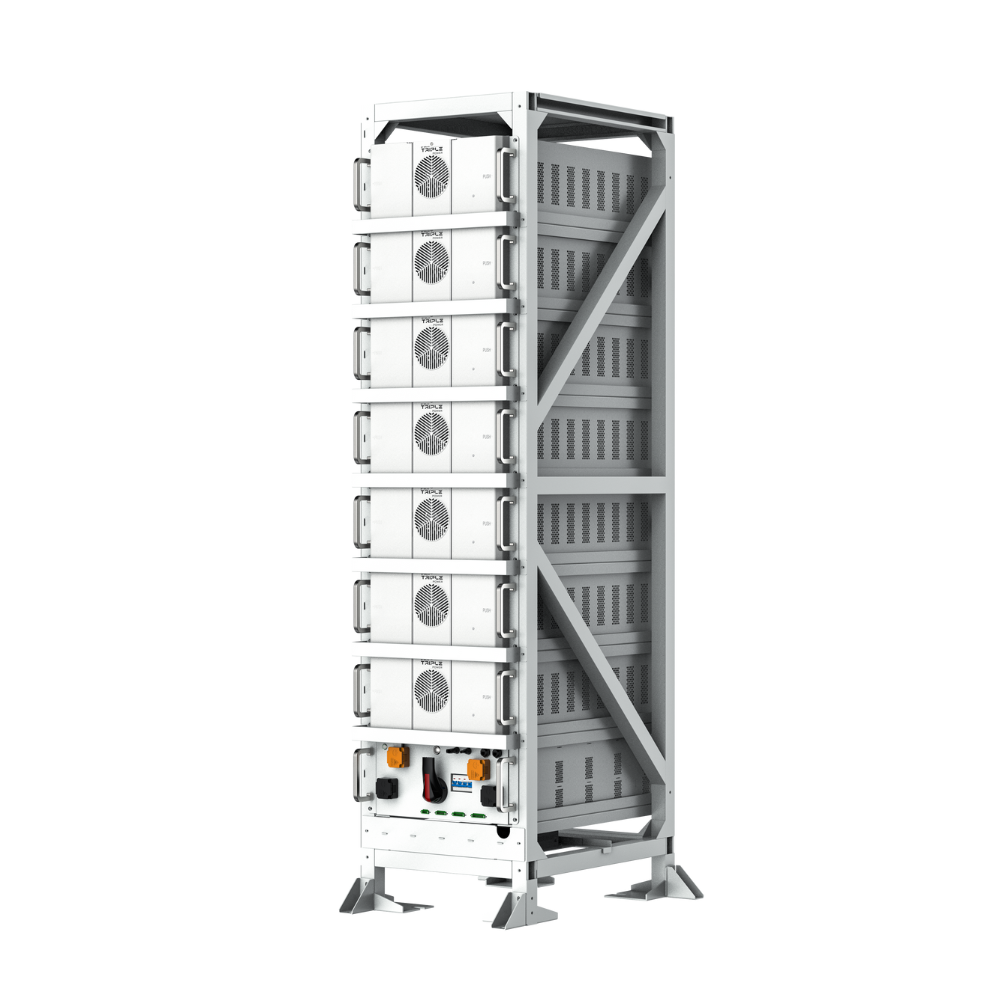
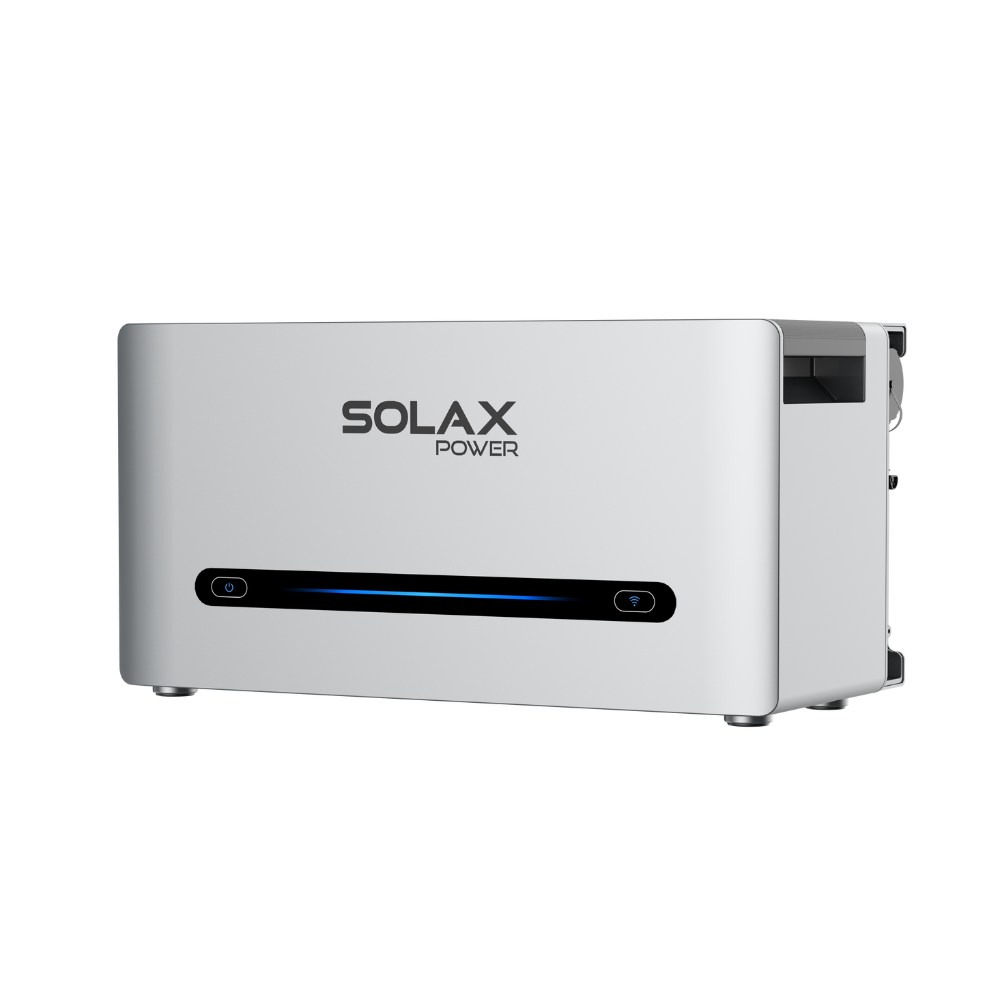
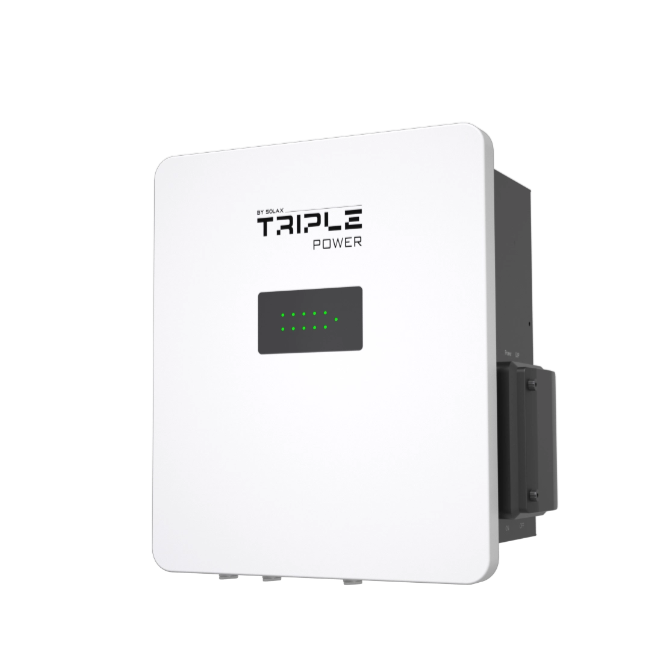
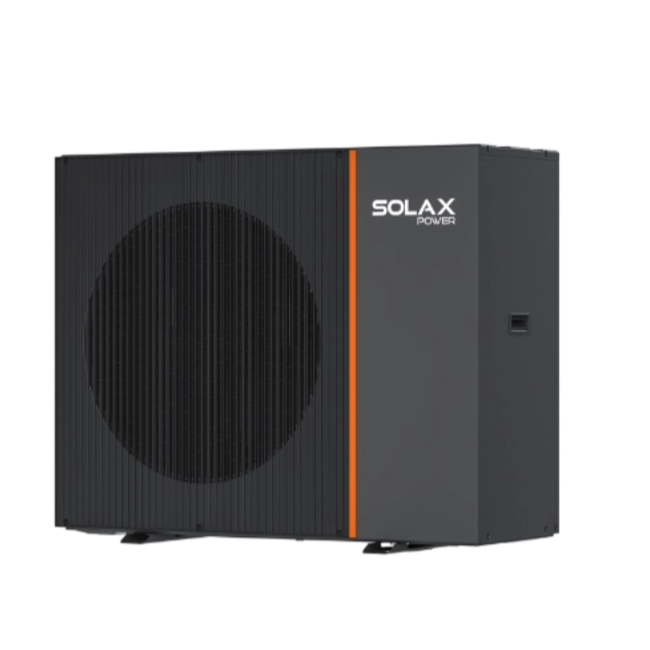
Solar Power Battery Storage for Home offers around connected hardware and software rather than isolated components. Its official residential range includes hybrid and string inverter options, storage products, EV charging, and app-based monitoring through SolaXCloud. The company's own product pages also present integration across storage, EV chargers, and heat pumps as part of a wider smart energy workflow rather than separate bolt-ons.
How to judge whether one brand really covers the whole home journey
A one-brand setup only earns that label if it works well at three stages: installation, everyday control, and later expansion. This is where many buyers should slow down and look past headline inverter power or battery capacity.
Setup stage: can one supplier cover the essentials?
Start with the commissioning path. Your installer should be able to confirm inverter-battery pairing, app registration, firmware visibility, and service contacts before the system is switched on.
Check these points:
Whether the inverter and battery are designed to work in the same ecosystem.
Whether the app can display core devices in one interface.
Whether remote diagnostics are available to the installer or service team.
Whether there is a clear distributor and warranty route in the UK market.
Daily use: what the homeowner actually experiences
The real test of a hybrid inverter battery app setup is what you see and control every day. You want live generation data, battery state of charge, household consumption trends, and useful alerts without moving between platforms. SolaXCloud is for real-time monitoring and data-driven energy management, which aligns with the daily needs most homeowners actually care about.
Typical daily-use checks include:
Live solar generation and battery status.
Consumption tracking across daytime and evening periods.
Remote checks if performance drops.
Scheduling logic for lower-cost charging windows.
Expansion stage: what happens after year one?
Many systems look tidy at purchase but become awkward when your household changes. A home that adds an EV, moves to a more dynamic tariff, or wants more resilience during outages needs an ecosystem that can expand without rebuilding the core.
Look for:
Battery expansion options if usage rises.
EV charging within the same control layer.
Smart load coordination as tariffs change.
Backup planning for essential circuits if that matters to you.
Which SolaX setup types fit different households?
The right answer depends less on trend-led buying and more on how your home uses electricity. A household with modest evening demand needs a different home solar storage system from one planning an EV and heavier overnight charging.
For households starting with solar plus storage
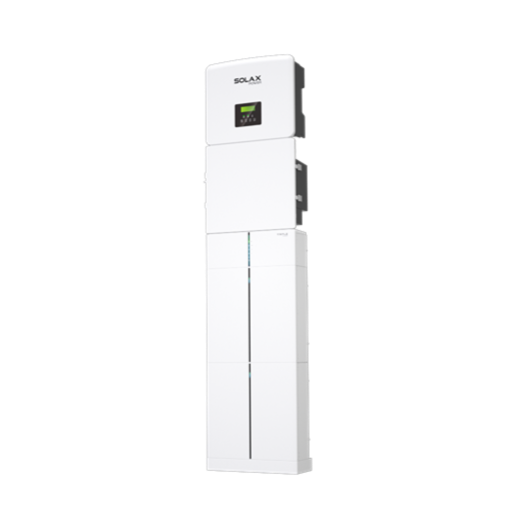
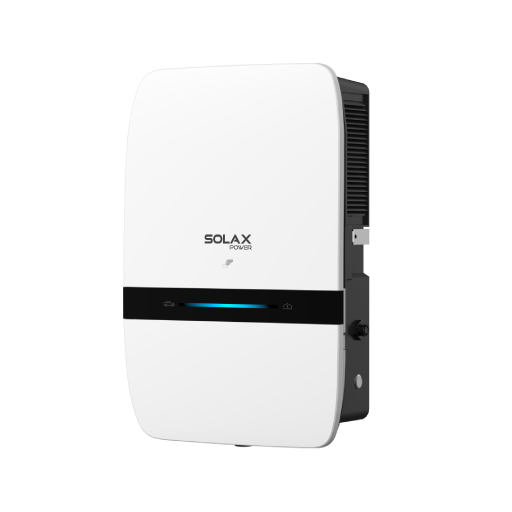
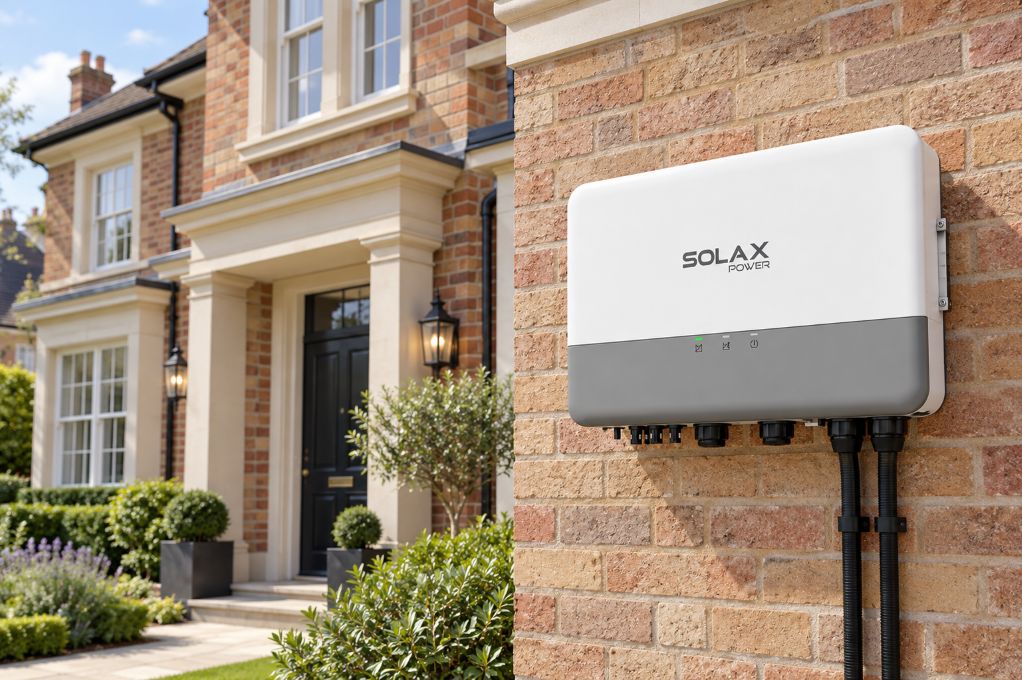
If you are beginning with standard self-consumption goals, the simplest route is usually a hybrid inverter with a matched battery. This gives you one core control point for solar generation, battery charging, and household demand. It is often the strongest starting place if your priority is clearer monitoring, lower operational complexity, and the option to grow later.
SolaX Residential Solar Power Energy Storage Systems is built around that kind of coordinated setup, pairing residential energy storage inverter options with storage and cloud monitoring in one ecosystem direction. That makes sense for buyers who want fewer moving parts across installation and after-sales support.
For homes planning EV charging next
An EV changes the economics of your system because charging load can easily dominate evening and overnight use. In that case, it helps if your inverter, battery, and charger can be managed as part of one smart energy management approach rather than three separate schedules.
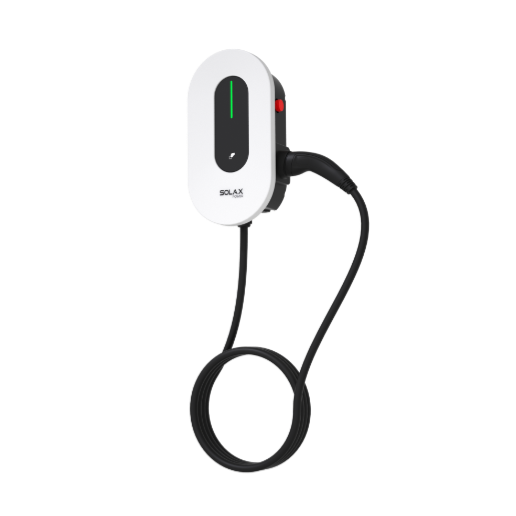
SolaX's Binary Series EV charger is presented as part of this wider residential energy workflow, with features such as scheduled charging and load balancing. In a UK setting, that matters because off-peak usage windows can affect bills when paired with suitable tariffs and charging habits. According to Ofgem, smart tariffs are part of the broader retail energy shift enabled by smart metering and flexible usage patterns.
For households wanting cleaner all-in-one planning
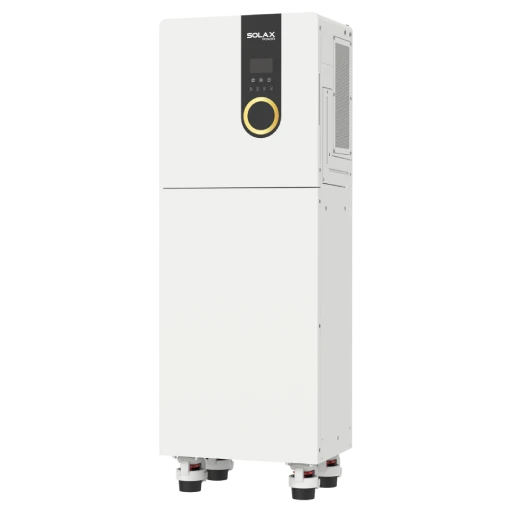
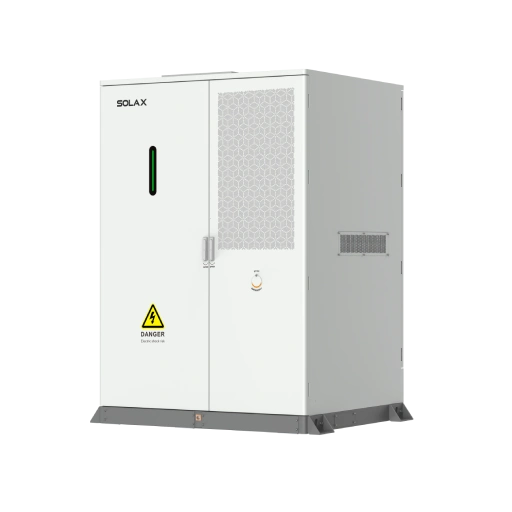
Some homeowners care as much about layout, visual simplicity, and easier long-term management as they do about technical modularity. In that case, an integrated residential ESS route can be attractive because it reduces the feeling of separate boxes and separate control layers.
The trade-off is that you should still check backup expectations, service access, and future storage growth before choosing the tidiest-looking option. Clean design is useful, but only if it still fits your likely electricity pattern in year two or year three.
The buying checks that matter more than headline specs
Headline power and capacity figures are useful, but they do not tell you whether the system will feel easy to live with. For a residential solar inverter UK decision, buying checks should focus on control, support, and growth.
Compatibility and control checks
One app for the core devices you actually plan to install.
Household-level visibility, not only panel output.
Remote diagnostics capability for faster fault handling.
Scheduling options that support tariff-aware charging and discharge.
Support and after-sales checks
Ask who handles warranty cases first: installer, distributor, or manufacturer.
Check whether local installer support exists for commissioning and service.
Confirm the service contact path before purchase, not after an alarm appears.
Growth and resilience checks
Battery expansion path if your evening load increases.
Compatibility with EV charging or other electrified home loads.
Backup capability for essential circuits if resilience matters.
Export and metering suitability if you plan to use SEG arrangements.
Battery storage can also sit alongside export payments when metering is arranged correctly. Ofgem notes that generators can add battery storage while receiving Smart Export Guarantee payments, provided metering can still measure eligible export properly.
The practical takeaway for UK buyers
If your goal is a smoother home solar storage system, the strongest approach is usually to plan inverter, battery, and app control as one working ecosystem. That reduces compatibility friction, keeps monitoring clearer, and gives you a more reliable base for later upgrades.
For UK households, SolaX makes the most sense when you want one connected path across storage, monitoring, and possible add-ons such as EV charging. The next sensible step is to shortlist the SolaX configuration that matches your current load profile, then test the installer's answers on app visibility, warranty routing, and future expansion before you commit.
FAQ
Table of Contents
Latest News
Explore expert insights, practical guides, and the latest news on SolaX Power.



To the Latest Newsletter
Stay Ahead with the Latest SolaX Updates!
Subscribe
I have read and agree to Privacy Policy and User Terms