









September 01, 2026
The Philippines is making rooftop solar easier. Storage may be the bigger story.
Share my #SolaXStory


Solar is arriving in the Philippines at remarkable speed. But for many homes, the real energy problem starts when the sun is at its strongest – and again when it disappears. New rules on own-use solar, zero export and net metering are bringing that problem, and the role of residential battery storage, into much sharper focus.
The Philippines imported around 4 GW of Chinese solar modules in the first four months of 2026. By July, another roughly 3 GW was reportedly on its way to the country.
That says plenty about demand for solar energy in the Philippines. It also raises a practical question.
What happens to all that solar power at 1 p.m., when a home does not need it – and what happens at 7 p.m., when the air conditioners are still running but the rooftop is no longer producing?
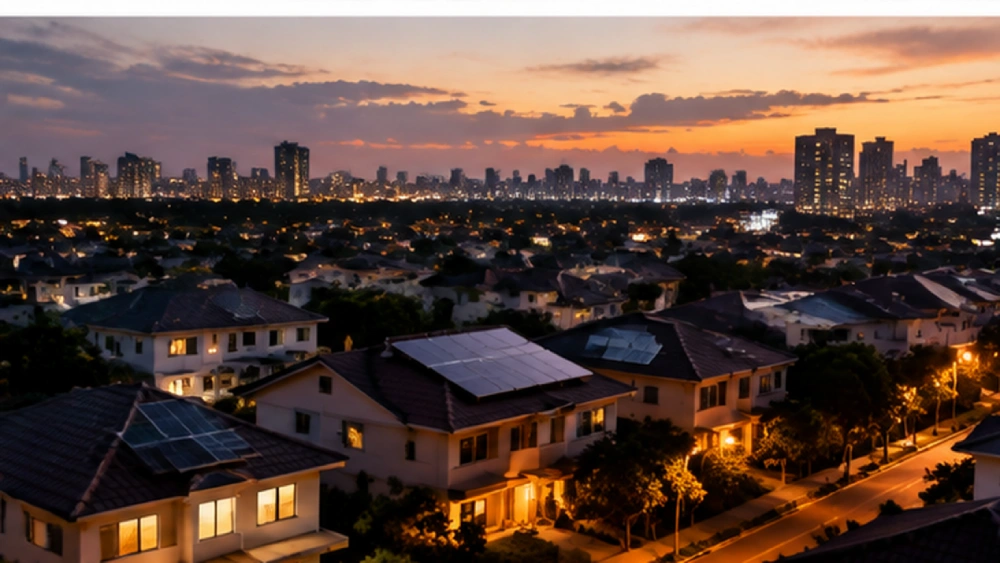
That gap between solar generation and household consumption is where the next opportunity in the Philippine residential solar and energy storage market may be taking shape.
And recent policy changes make the timing particularly interesting.
In July, the Energy Regulatory Commission (ERC) proposed revisions to the Philippine Grid Code and net-metering framework. The planned 2026 Grid Code explicitly covers energy storage and prepares the power system for higher levels of variable renewable generation.
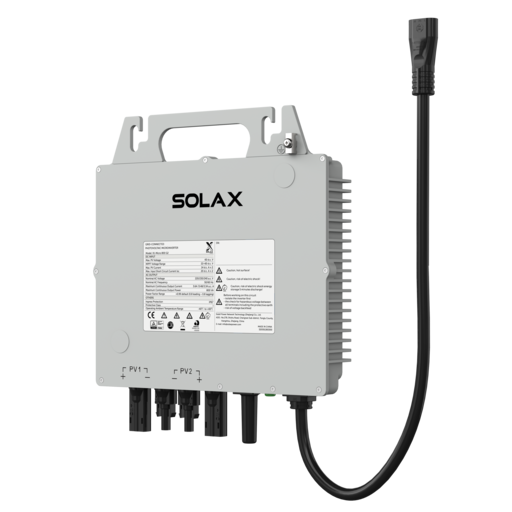
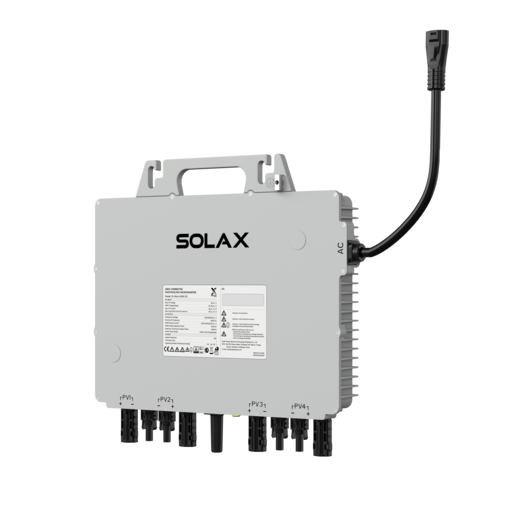
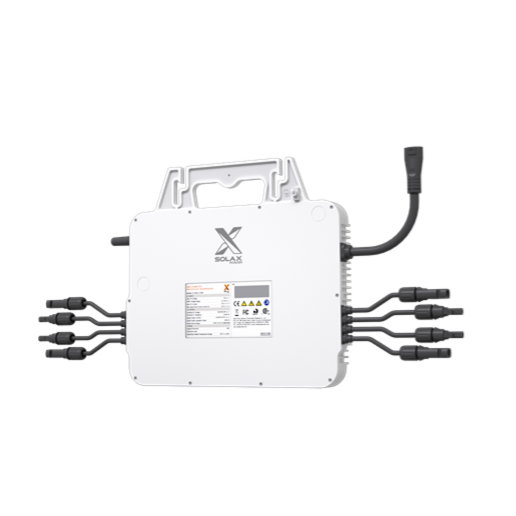
A month later, the Department of Energy simplified the rules for own-use and zero-export solar systems. Plug-and-play solar systems up to 1 kW, including microinverters up to 0.8 kW, no longer require building permits or certificates of compliance. Larger zero-export systems still require a building permit, but no longer need an ERC Certificate of Compliance.
On paper, these are solar reforms.
In practice, they could make solar battery storage in the Philippines much more relevant.
Zero export changes the battery storage equation
Consider a home with a reasonably large rooftop PV system.
At midday, the family may be out. Electricity consumption is relatively low, while solar production is approaching its peak.
If the system cannot export and there is no home battery storage system, the inverter may have to curtail part of that production. The panels can produce more electricity, but the house has nowhere to put it.
A battery changes that.
Instead of losing the opportunity to use that surplus, the system stores it. When the family returns home, air conditioners, lights, cooking appliances and other loads come on just as PV production is falling.
The electricity generated at midday can now follow the customer into the evening.
For homeowners, this is a much more useful way to think about residential solar battery storage.
You already produced the energy. Why not use more of it yourself?
This is why the growth of zero-export solar could also strengthen the case for residential storage in the Philippines. A battery is not simply backup equipment; it can help the customer increase solar self-consumption and get more value from the PV system every day.
Net metering gives customers another route
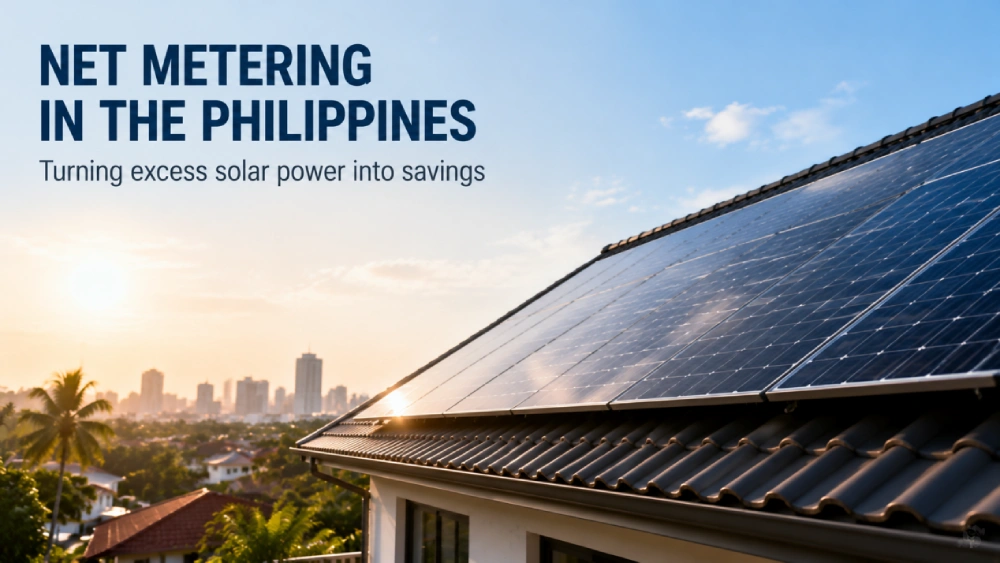
The Philippines is also making its net-metering framework easier to use.
The ERC has proposed cutting application processing time from 20 working days to 10, removing the existing 1 MW ceiling for distributed energy resources and introducing multi-site energy crediting.
As of June 30, 2026, the country had 23,684 net-metering prosumers with around 232 MW of capacity, together with 181 distributed energy resource participants representing roughly 226 MW.
For installers, the important point is that the market is gaining options.
Some customers will export surplus solar. Others will want to maximize self-consumption with solar-plus-storage systems. Some will want both flexibility and backup.
There is no reason every home should be designed the same way.
The conversation should start with the customer's load profile: When is electricity being used? How much demand remains after sunset? How many air conditioners are running? Is backup important? Is the system zero export? How much solar could otherwise be curtailed?
Those answers matter more than simply asking how many kilowatts of inverter the customer wants.
A 5 kW home and a 10 kW home are different conversations
This is particularly relevant in the Philippines, where residential loads can vary enormously.
A smaller home looking to shift a few hours of excess solar into the evening has very different requirements from a detached house running several air conditioners, pumps and other high-power appliances.
Yet both may benefit from a low-voltage residential energy storage system.
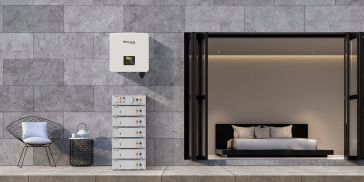
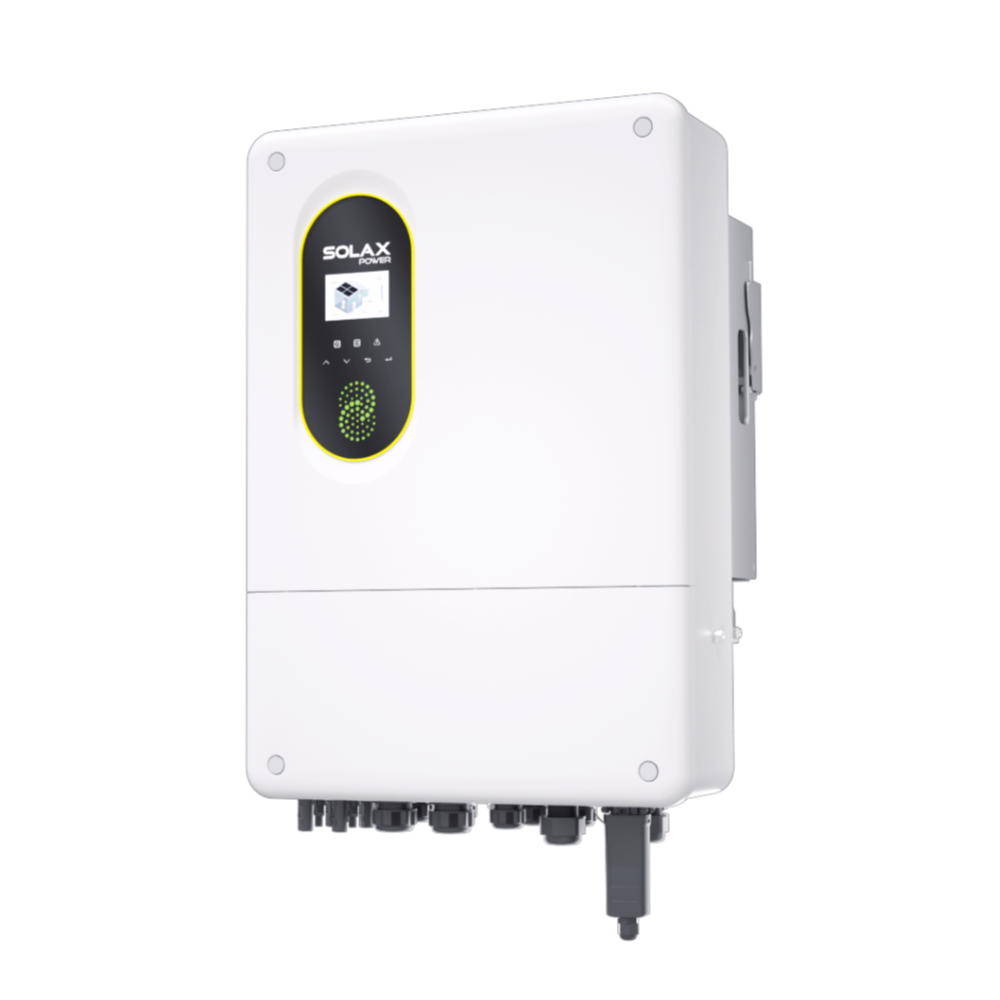
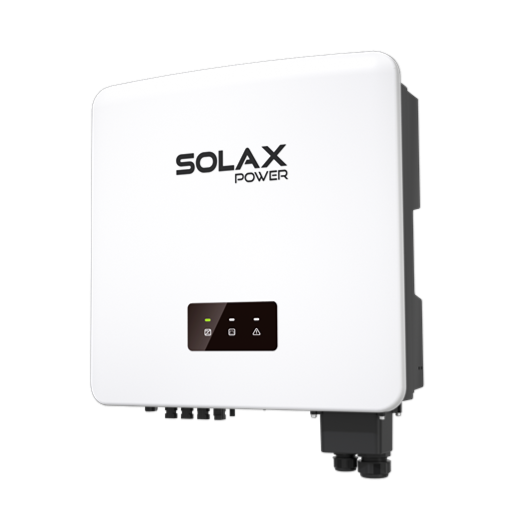
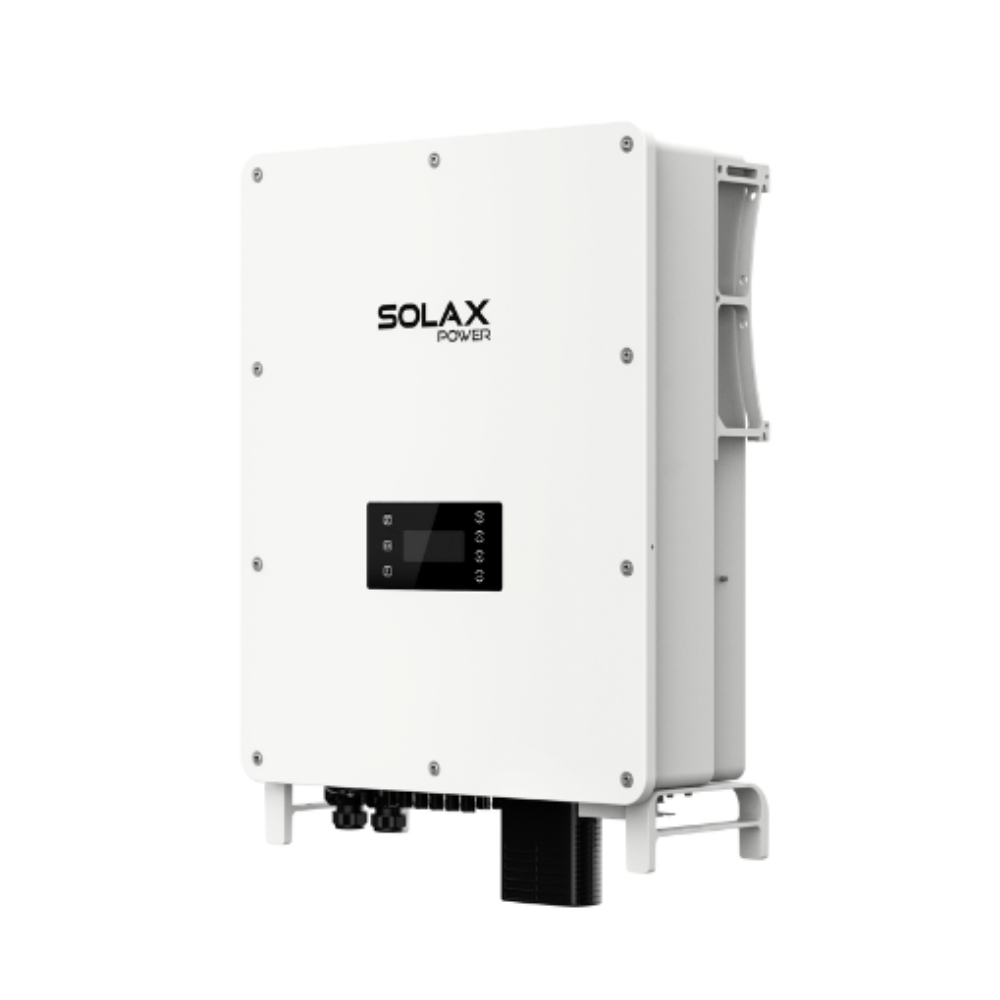
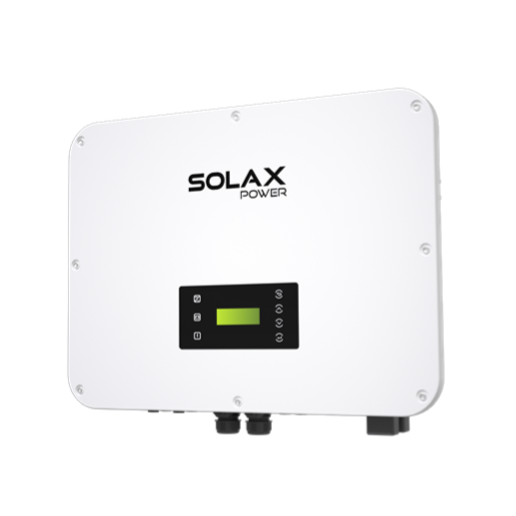
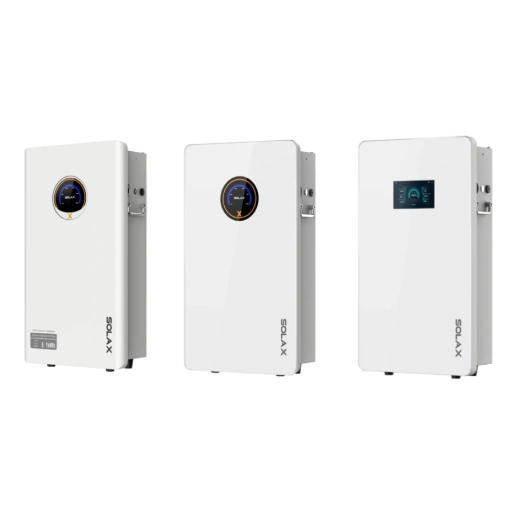
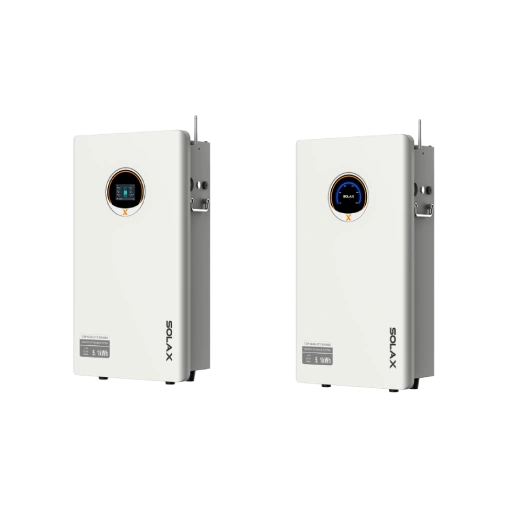
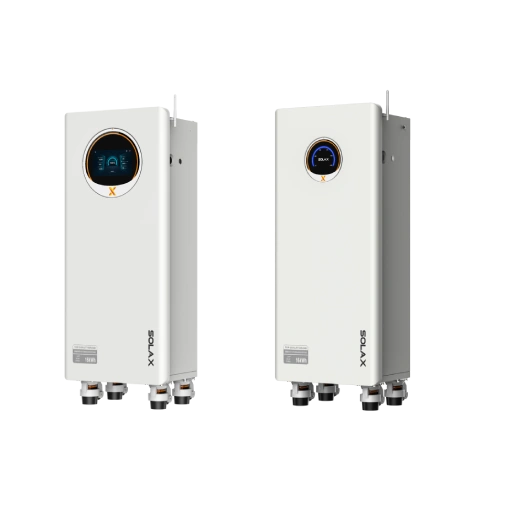
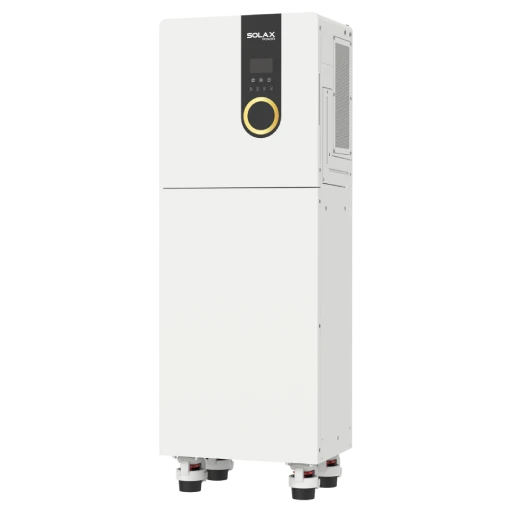
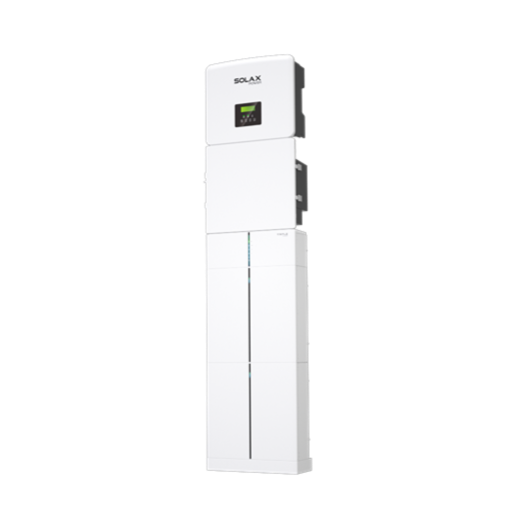
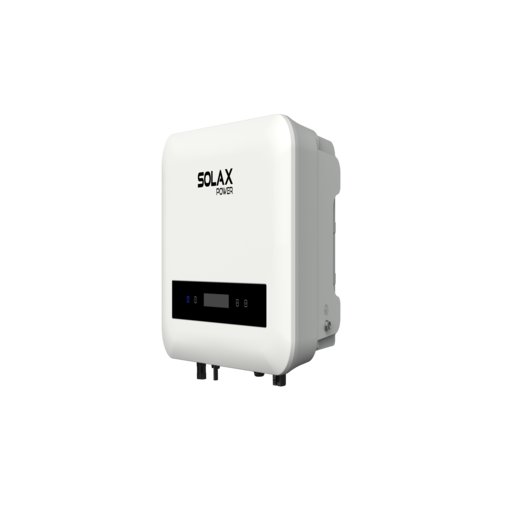
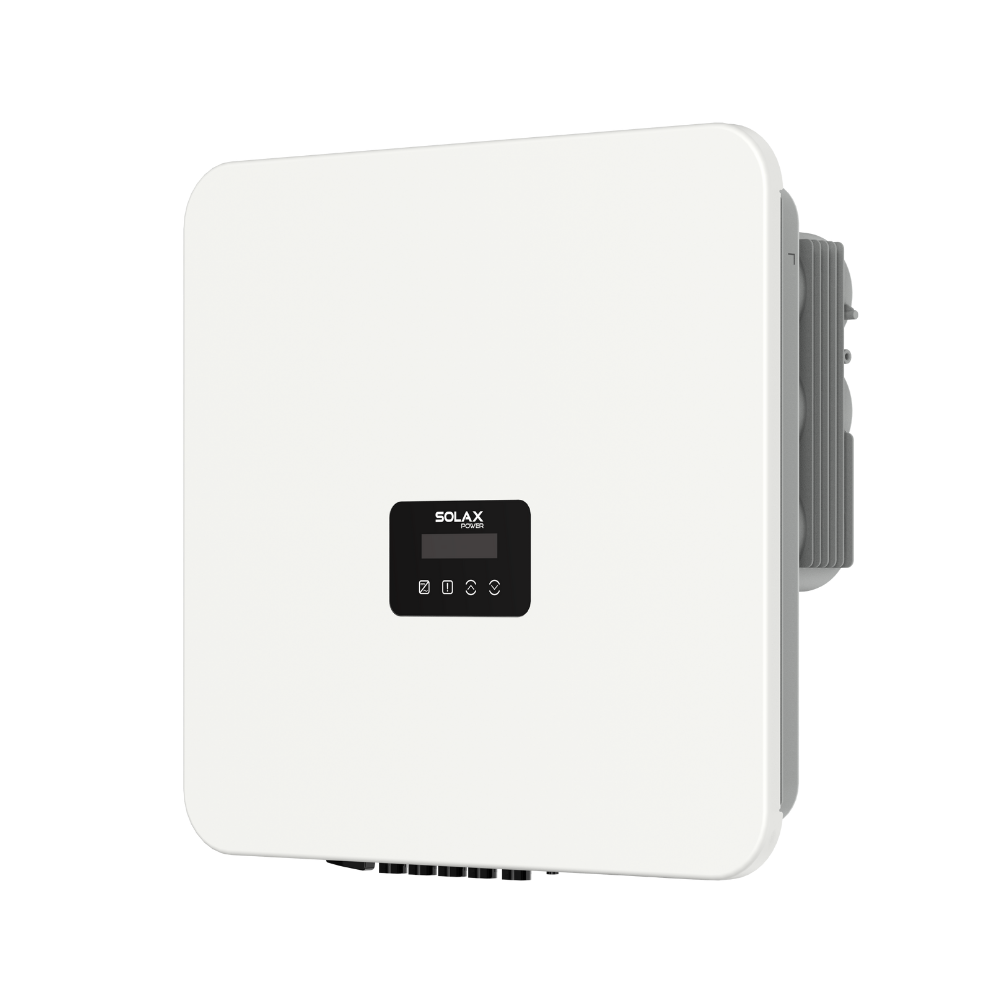
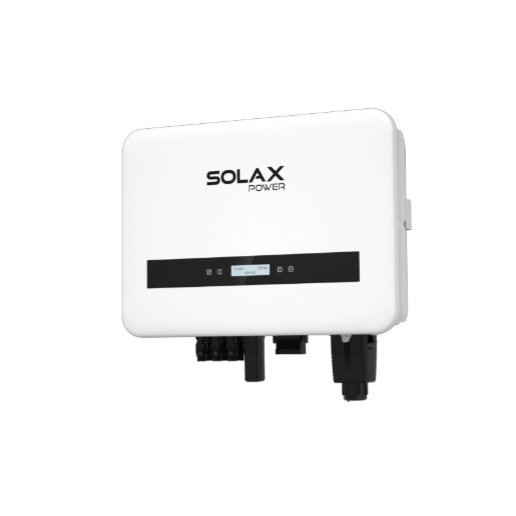
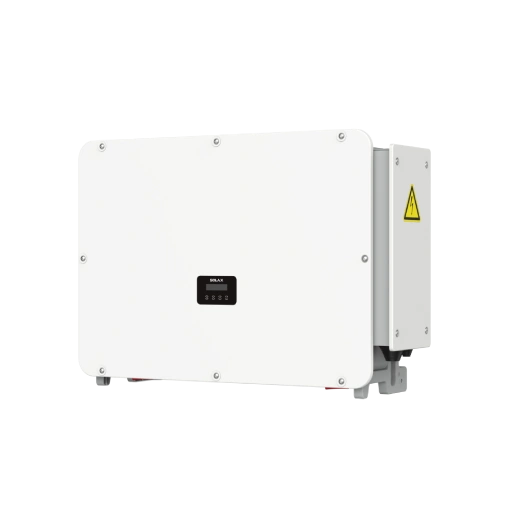
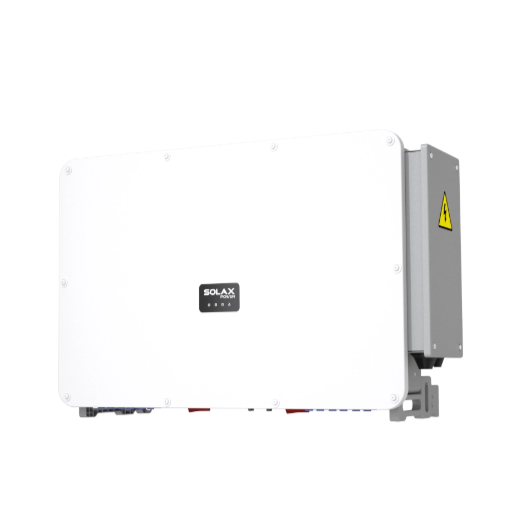
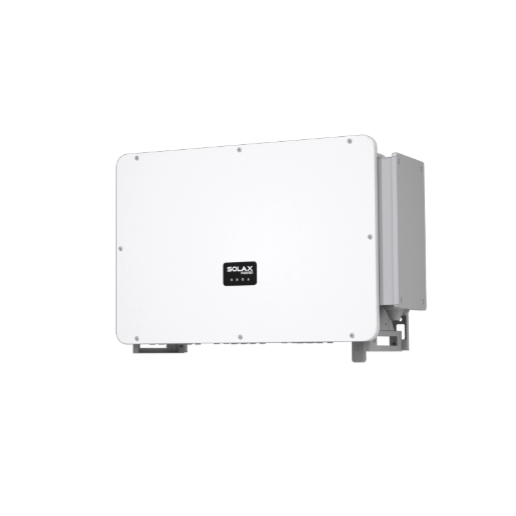
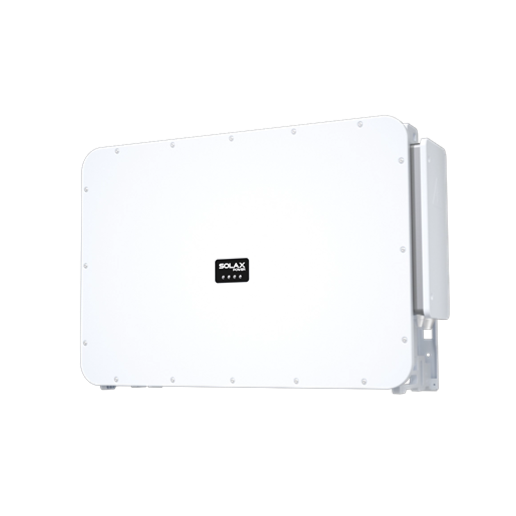
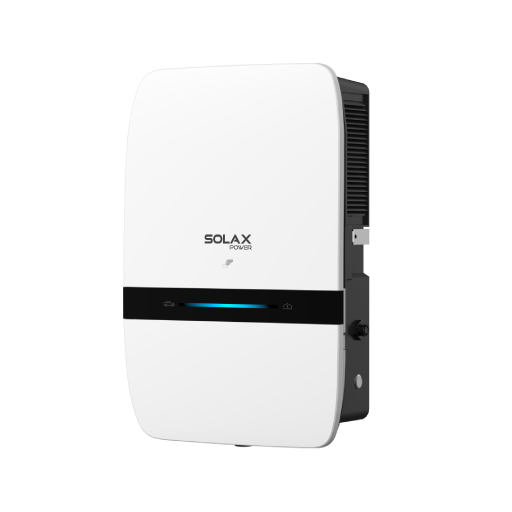
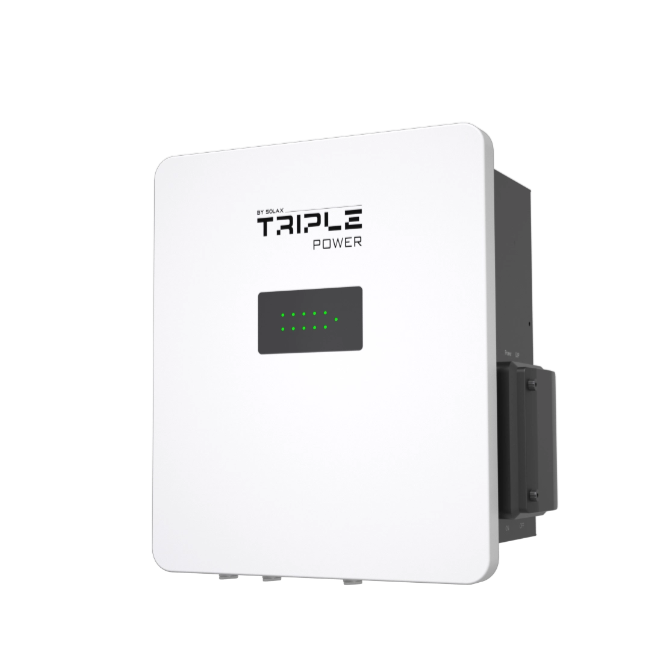
SolaX addresses these different load profiles with three single-phase low-voltage hybrid inverter platforms.
The SolaX X1-HYB-LV covers 3 kW to 6 kW, making it a natural fit for mainstream residential solar-plus-storage installations.
For larger homes, the 8 kW X1-RENO-LV provides more power headroom, while the X1-LITE-LV extends the low-voltage range to 8 kW, 10 kW and 12 kW for higher-demand residential applications.
That higher-power demand is not limited to homes. Small businesses such as cafés and restaurants can have similar — and sometimes heavier — load profiles, especially when air conditioning, refrigeration and kitchen equipment are running at the same time. For these sites, capacity can be increased by running several inverters in parallel. The X1-LITE-LV supports up to 3 units in parallel, taking total output to 36 kW, while the X1-RENO-LV supports up to 5 units for a combined 40 kW. This makes the same low-voltage solar energy storage architecture practical for small commercial sites that need more power than a single inverter can provide.
The point is not to have more inverter models.
It is to avoid forcing very different customers into the same system design.
A 3–6 kW installation may be expected to cover everyday household consumption and selected backup loads. A 10–12 kW system may have to deal with several air conditioners, refrigeration, pumps and overlapping evening loads.
The system needs to be sized around the way the customer actually uses electricity.
The battery needs to match the evening electricity demand
The same applies to battery capacity.
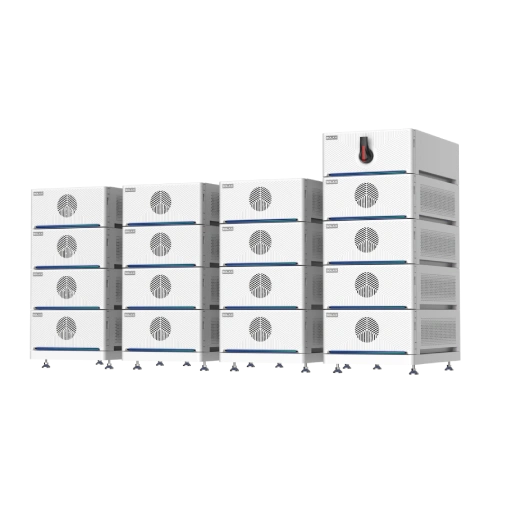
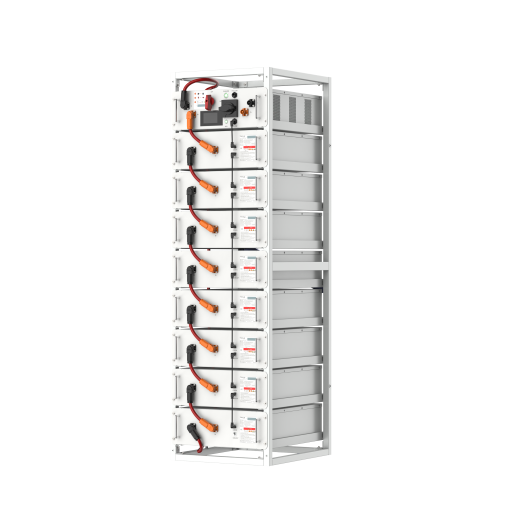
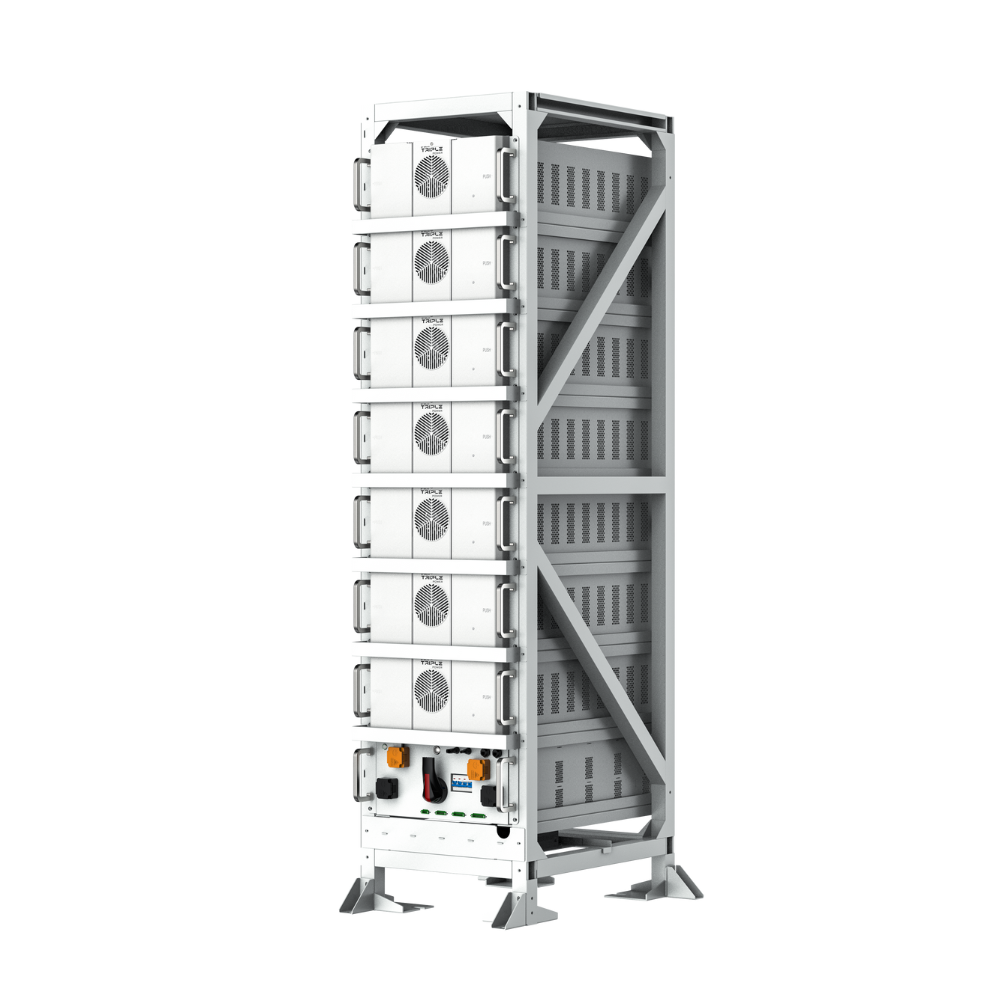
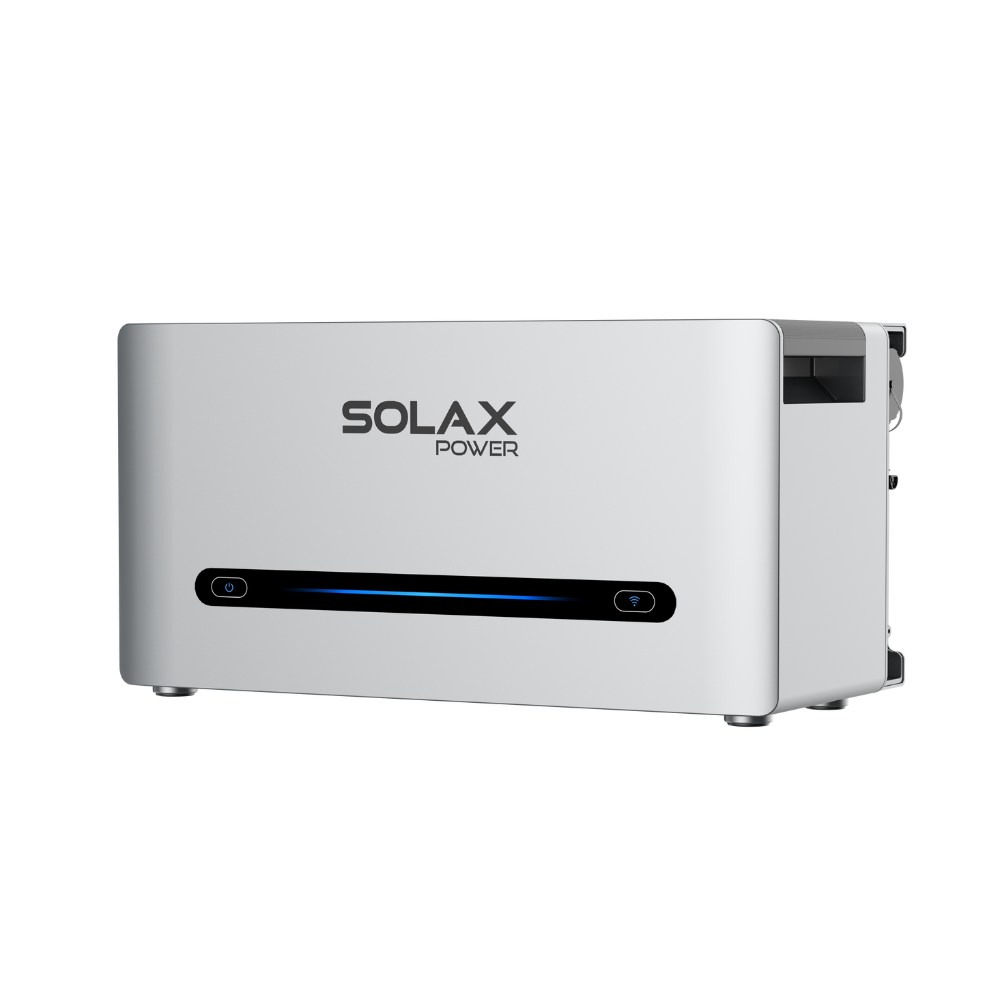
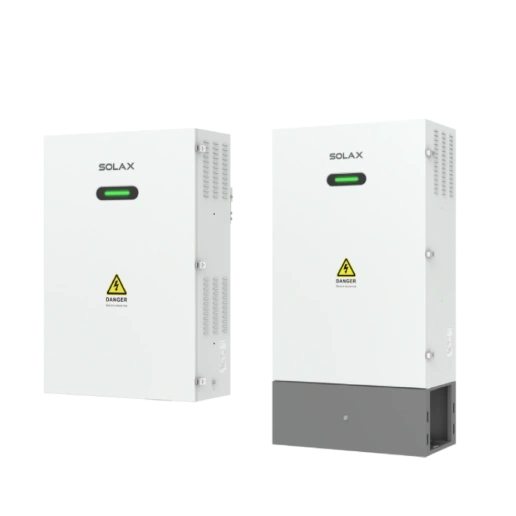
SolaX's low-voltage residential solutions can be paired with the LD160 battery platform, giving installers room to configure home energy storage capacity according to the customer's energy requirement.
But bigger is not automatically better.
A customer who mainly wants to move excess midday generation into the evening may need a very different battery configuration from someone looking for longer backup power during outages.
Undersize it, and the battery may be empty before the evening is over. Oversize it without enough solar or usable load, and the customer is paying for capacity that rarely works hard.
Good residential storage design sits somewhere in between.
When it is done well, the technology almost disappears from the customer's perspective: solar supplies the home, surplus production charges the battery, stored energy takes over as the sun goes down, and the grid fills whatever gaps remain.
That is ultimately what the customer is buying.
Not simply an inverter and a battery, but more control over when and how grid electricity is needed.
Solar battery backup still matters
There is another reason storage has particular relevance in the Philippines.
Typhoons, severe weather and local power interruptions make electricity reliability part of the residential solar conversation.
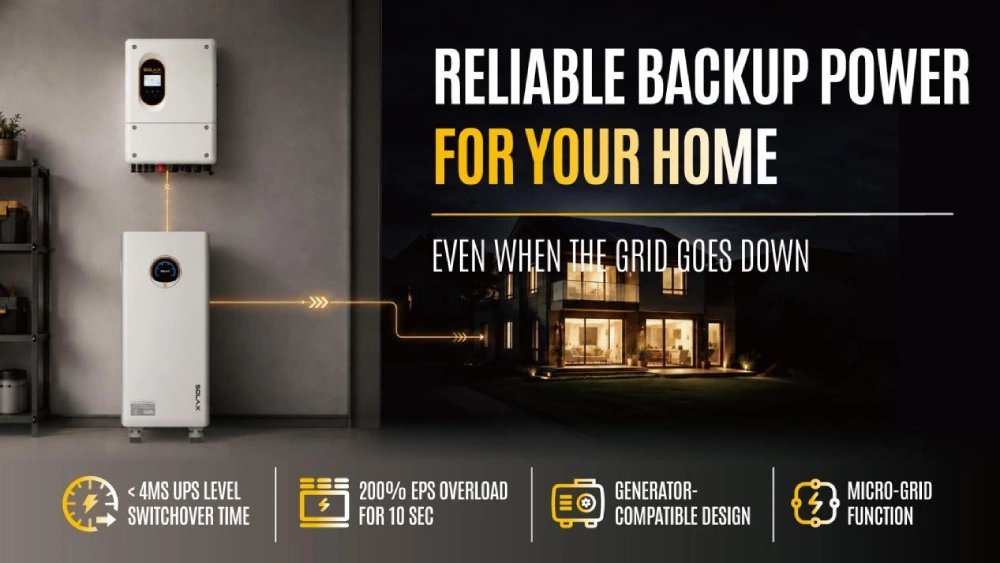
A conventional grid-connected PV system normally shuts down during an outage, even when the sun is shining. With an appropriately designed hybrid inverter, battery and backup circuit, a home can keep essential loads operating when the grid is unavailable.
For some customers, that means lights, Wi-Fi and refrigeration. For others, the expectation may include pumps or air conditioning.
Again, system design matters.
Customers rarely care about the technical specification on the inverter once it is installed. They care about a much simpler question:
When the grid goes down, does my home keep running?
More solar changes the question
The Grid Code reforms and the new rules for own-use solar operate at very different levels of the Philippine electricity system. But they point in the same direction.
More solar requires more flexibility.
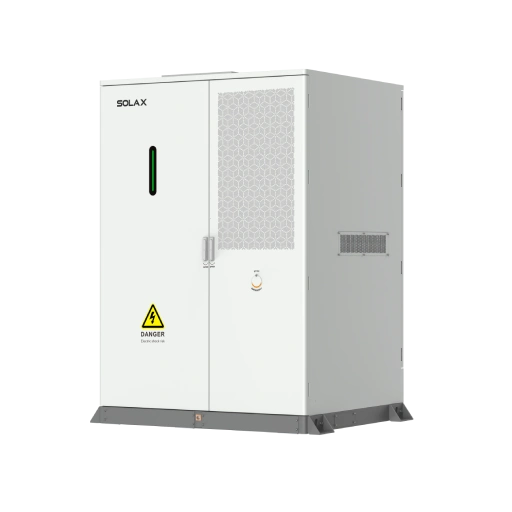
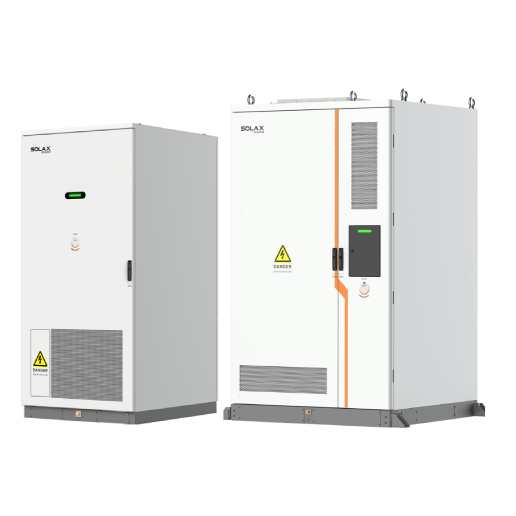
At utility scale, battery energy storage systems can help the grid accommodate variable renewable generation and support system stability. Behind the meter, it can capture surplus rooftop solar, move it into the evening and provide backup when the customer needs it.
The first wave of residential solar in the Philippines was largely about generating cheaper electricity.
The next conversation is already changing.
What happens if I cannot export? How much of my solar can I use at night? Can I keep the air conditioner running during an outage? How much battery do I actually need?
Those are no longer questions about panels. They are questions about the whole energy system.
The panels generate the electricity. The real opportunity now is deciding what happens to it next.
Table of Contents
Latest News
Explore expert insights, practical guides, and the latest news on SolaX Power.
To the Latest Newsletter
Stay Ahead with the Latest SolaX Updates!
Subscribe
I have read and agree to Privacy Policy and User Terms