












September 01, 2026
Balcony Solar System: A Complete Guide for Apartments
Share my #SolaXStory


Rising electricity costs are making energy bills harder to ignore, especially for apartment residents and renters who cannot install rooftop PV. According to the IEA, household electricity prices rose by an average of 36% in the EU between 2019 and 2024, outpacing inflation over the same period.
A balcony solar system offers a practical way to generate renewable electricity without owning a large roof. For homes with limited outdoor space, solar panels for balconies can turn railings, terraces, or small sunny areas into useful generation space. With a compact setup, even apartment dwellers can produce part of their own electricity and reduce reliance on the grid.
What is a Balcony Solar System?
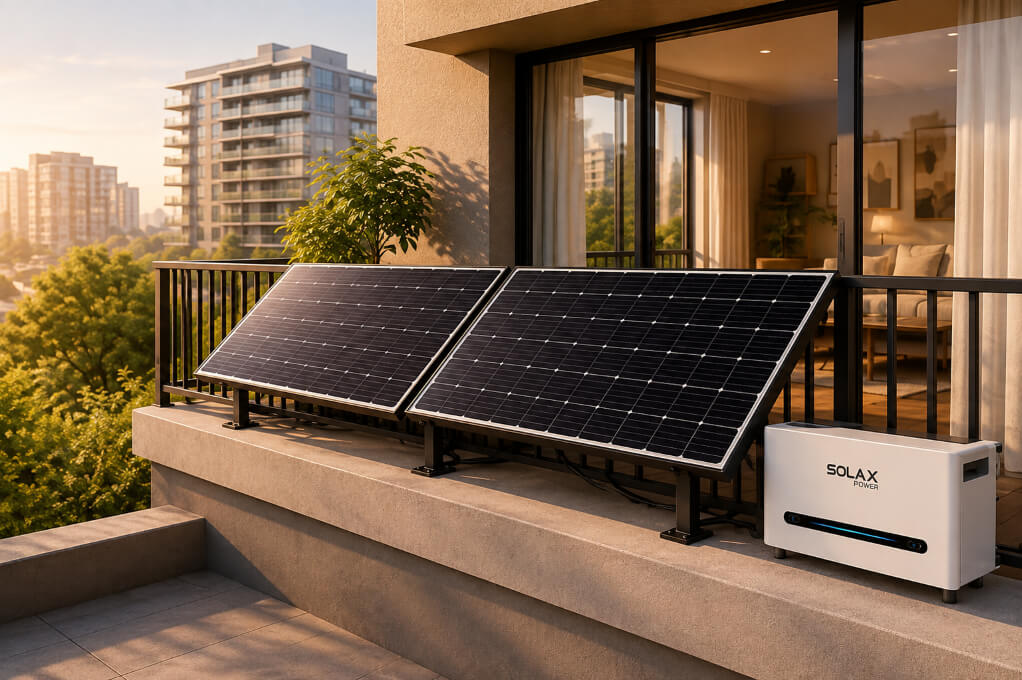
A balcony solar system, also known as a balcony PV system, is a compact photovoltaic system designed mainly for apartments, flats, and homes without access to a private rooftop.
Balcony solar is often designed as a plug-and-play solution, its compact and lightweight design also makes installation simpler, with many systems intended for mounting on balcony railings, walls, or terraces.
Key Components of a Balcony Solar Kit
A typical balcony solar kit combines a few compact components that work together to generate usable electricity from a small outdoor space. Most systems are modular, so users can start with panels and an inverter, then add storage if needed.
Solar Panels
Solar panels are the main power-generating component. They capture sunlight and produce direct current (DC) electricity. Depending on the available space, a system may use one or two compact modules.
Balcony Solar Inverter
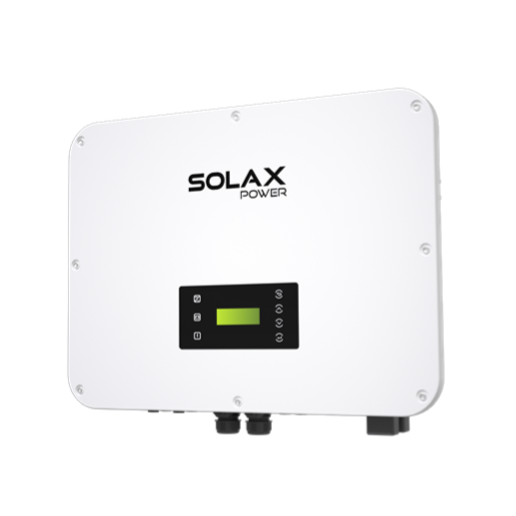
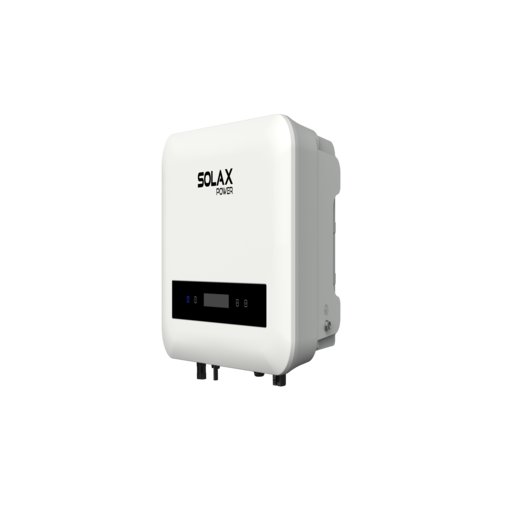
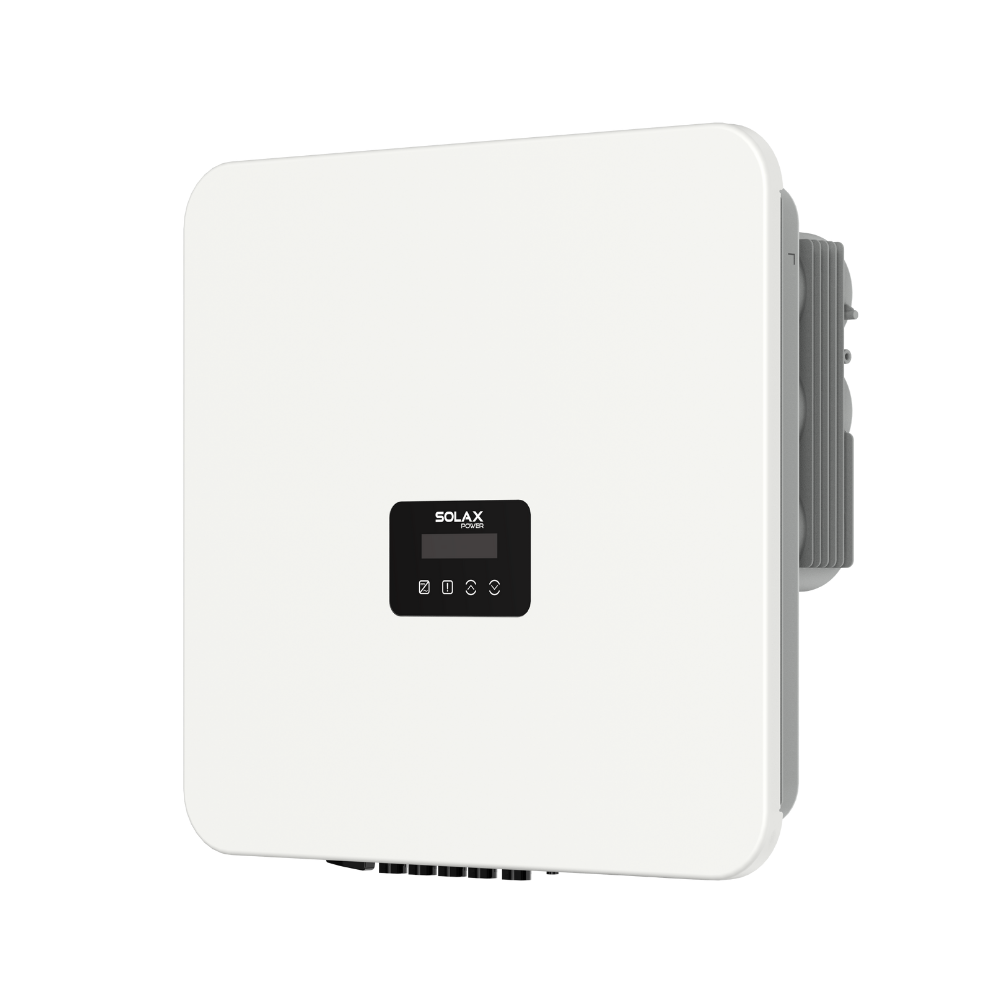
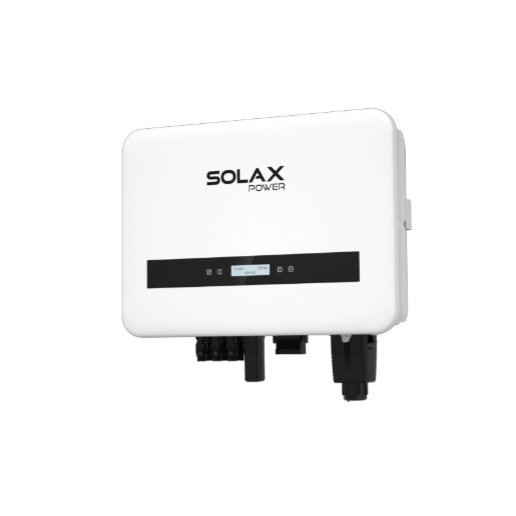
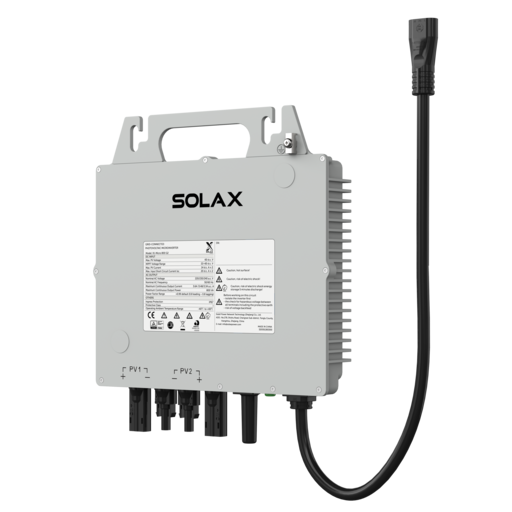
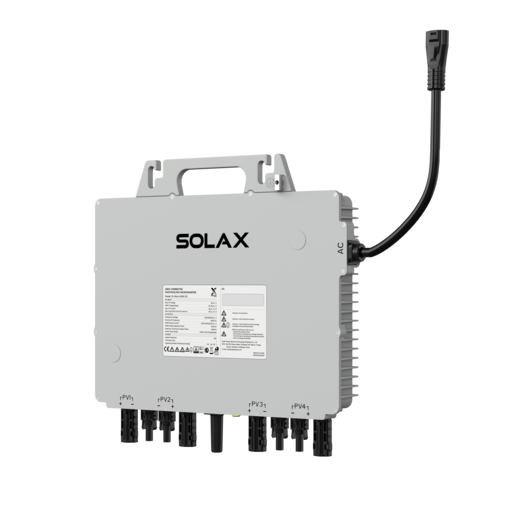
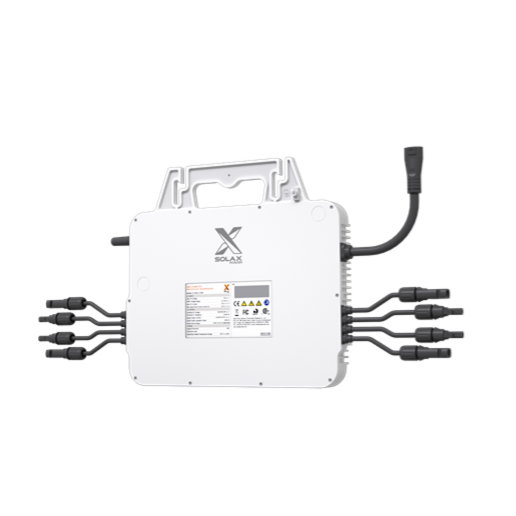
A balcony solar microinverter converts the DC electricity produced by the panels into alternating current (AC) electricity that household appliances can use. Unlike larger string inverters, microinverters are compact and typically installed close to the solar modules.
Mounting Brackets & Cables
Mounting brackets secure the solar panels to a balcony railing, wall or suitable flat surface. A reliable mounting system should withstand wind loads while keeping the panels properly positioned. Solar cables and connectors then link the panels, inverter and other system components.
Balcony Solar System with Battery (Optional)
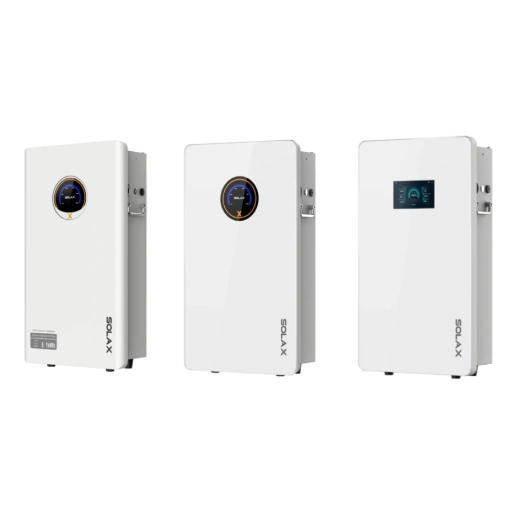
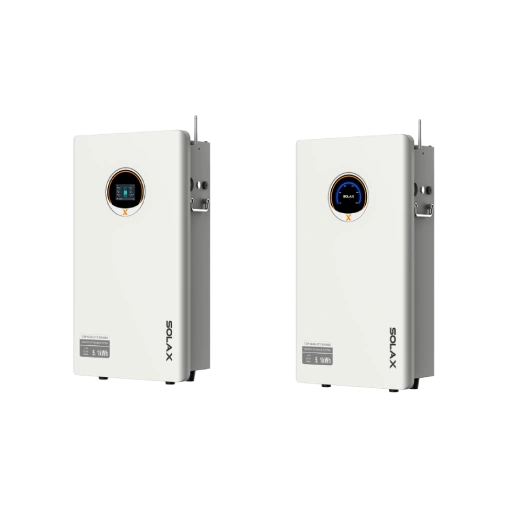
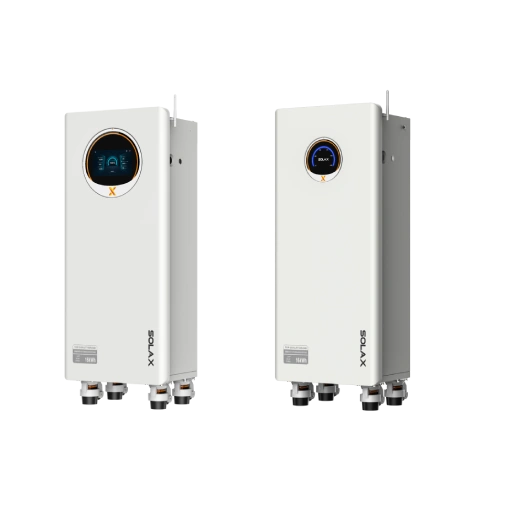
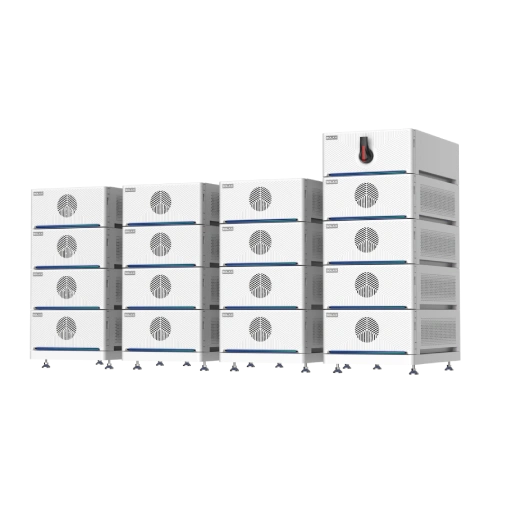
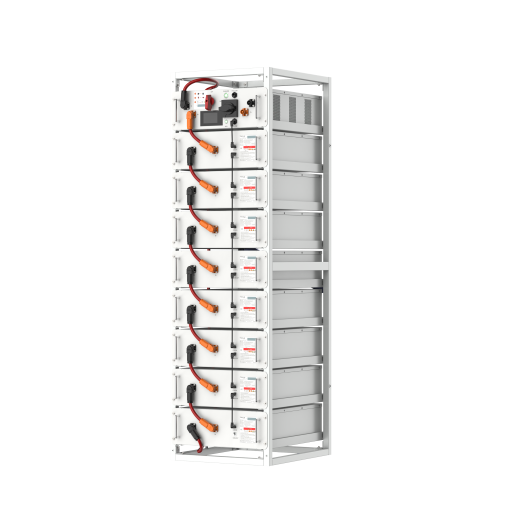
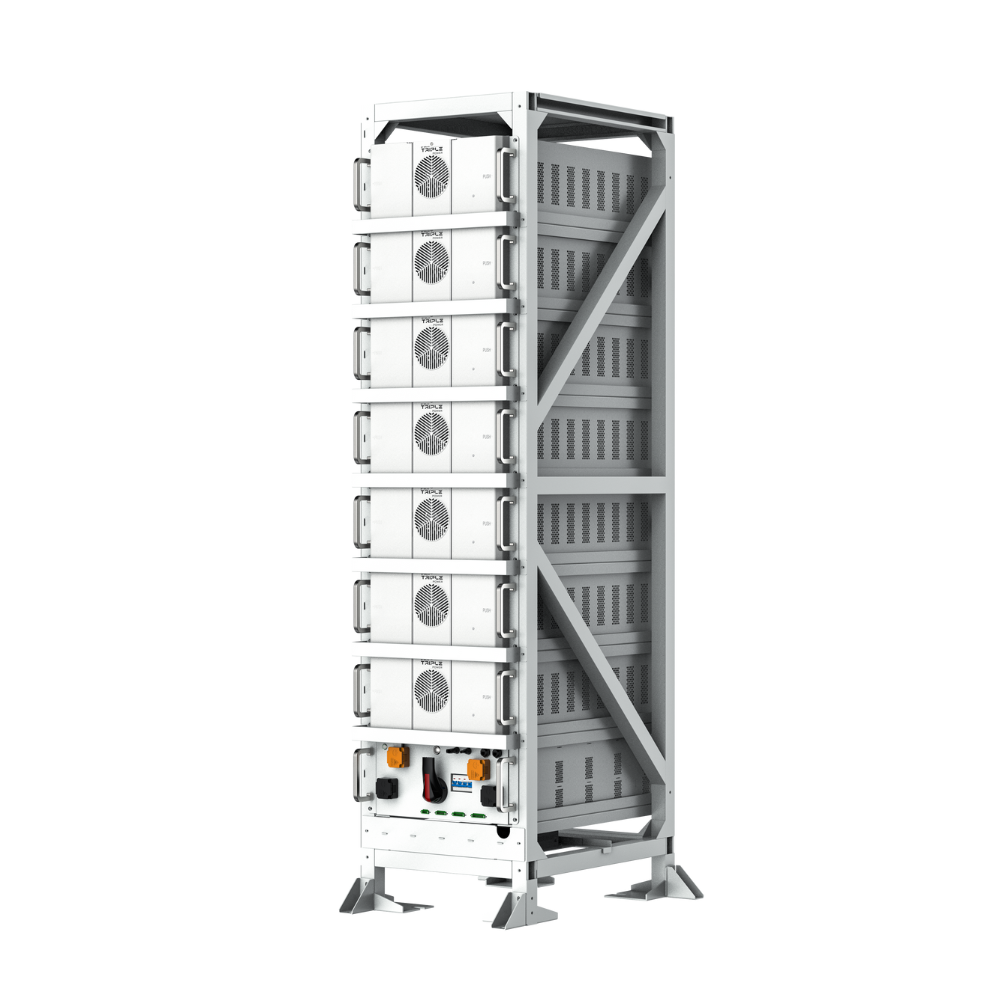
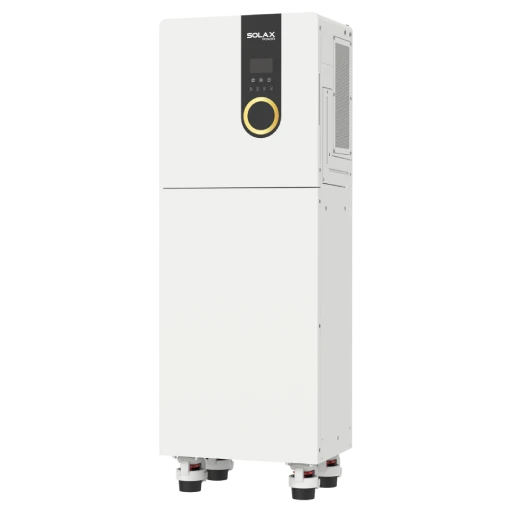
A standard balcony system generally uses solar electricity as it is generated. Adding a battery allows excess daytime energy to be stored for later use. A balcony solar system with battery can therefore provide more flexibility for households that want to use solar energy in the evening or reduce the amount of electricity drawn from the grid after sunset.
How Does a Balcony Solar System Work?
A solar system for balcony use works in a simple four-step process:
Solar panels capture sunlight. The panels absorb sunlight and generate DC electricity.
The inverter converts the electricity. A microinverter changes DC electricity into AC, which can be used by household appliances.
The system connects to a standard socket. In many plug-in balcony solar setups, the inverter is connected to the home electrical system through a compatible standard outlet, depending on local regulations and installation requirements.
Solar power is used inside the home first. The electricity generated by the system helps supply appliances that are running at the same time. As a result, the household draws less electricity from the grid.
How Much Power Can Balcony Solar Generate?
The electricity generated by solar panels for balconies depends on their wattage, local solar resource, orientation, installation angle and shading. The table below uses a practical planning assumption of 3–4.5 peak sun hours per day and 15% total system loss from inverter conversion, temperature, wiring and other real-world factors.
System Size | Estimated Daily Output | Estimated Annual Output | Best Fit |
300W | 0.8–1.1 kWh | 280–420 kWh | Small balcony loads, such as routers, lighting or standby appliances |
600W | 1.5–2.3 kWh | 560–840 kWh | Apartments with regular daytime electricity use |
800W | 2.0–3.1 kWh | 745–1,120 kWh | Larger balconies or homes using a balcony battery system |
Calculation basis:
System wattage × peak sun hours × 85% system efficiency
For example, an 800W system receiving four peak sun hours per day could generate about 2.72 kWh daily:
0.8 kW × 4 hours × 85% = 2.72 kWh
What Affects Actual Output?
Orientation: In the Northern Hemisphere, south-facing panels usually produce the highest annual yield. East- and west-facing balconies can still be practical, but their output profile shifts toward morning or afternoon use.
Shading: Nearby buildings, trees, railings and balcony overhangs can noticeably reduce output. Avoid placing panels where shadows regularly cross the modules.
Installation angle: A vertical railing-mounted panel is convenient but may generate less annual electricity than a tilted panel aimed more directly at the sun.
Location and season: A sunny location naturally produces more than a cloudy one, while winter generation is usually lower than summer output.
For a project-specific estimate, use NREL's PVWatts Calculator, which models PV production using location and system inputs.
How Expensive is Balcony Solar?
The balcony solar system price depends mostly on whether you choose a basic plug-in kit or add battery storage. For most apartment users, the panel-and-microinverter package is the lowest-cost way to start; a battery improves self-consumption but raises the upfront investment.
System Type | Typical Configuration | Indicative Price Range* | Best For |
Entry-level balcony solar kit | 400–900W panels, microinverter, cables and mounting hardware | €450–€800 | Users who consume electricity during the day |
Premium panel-only kit | Higher-efficiency panels, stronger brackets, app monitoring | €800–€1,200 | More exposed balconies or users wanting a higher-quality setup |
Balcony solar kit with battery | 800–2,000W panels plus around 1.6–2 kWh storage | €1,200–€2,000+ | Homes that want to use solar power after sunset |
*Indicative European retail pricing. For example, IKEA Germany listed an 800W plug-in package with mounting hardware from €449, while a package including a 1.92 kWh battery started at €1,229.
Is a Balcony Solar System Worth It?
For apartment residents with a sunny, lightly shaded space, a solar system for balcony is often worth it—especially in areas with high electricity prices.
Compared with a full rooftop installation, solar panels for balconies are relatively simple to install, can usually be moved when you relocate, and let renters reduce part of their daytime electricity use without owning a roof. They also lower household carbon emissions and provide some protection against future electricity-price increases.
The trade-off is that generation is limited: balcony size, panel orientation and nearby shading can all restrict output.
Still, for apartment households that use power during the day, a plug-in balcony system is one of the most accessible ways to start producing and using solar electricity.
FAQ
Table of Contents
Latest News
Explore expert insights, practical guides, and the latest news on SolaX Power.


To the Latest Newsletter
Stay Ahead with the Latest SolaX Updates!
Subscribe
I have read and agree to Privacy Policy and User Terms