












August 31, 2026
All-in-One Systems vs Modular Setups: Which Are Easier to Commission and Support?
Share my #SolaXStory


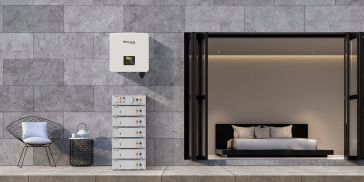
If your priority is faster commissioning and fewer support handoffs, an all-in-one energy storage system usually has the edge. That is because the inverter, battery controls, and monitoring layer are designed to work together before the unit reaches site, which can cut matching, wiring, and portal setup work. By contrast, a modular solar battery setup gives you more layout freedom and staged expansion, but it usually adds more checks during handover.
This guide starts with commissioning reality first. Rather than treating all-in-one and modular architectures as a marketing choice, it looks at what happens on the first visit, at remote diagnostics, and later when a fault appears after handover.
For straightforward homes and many small commercial sites, SolaX may be a suitable fit because it offers both integrated and modular routes inside one monitoring ecosystem, including SolaXCloud and a portfolio that spans residential through C&I systems.
Why do all-in-one systems appeal to busy installers?
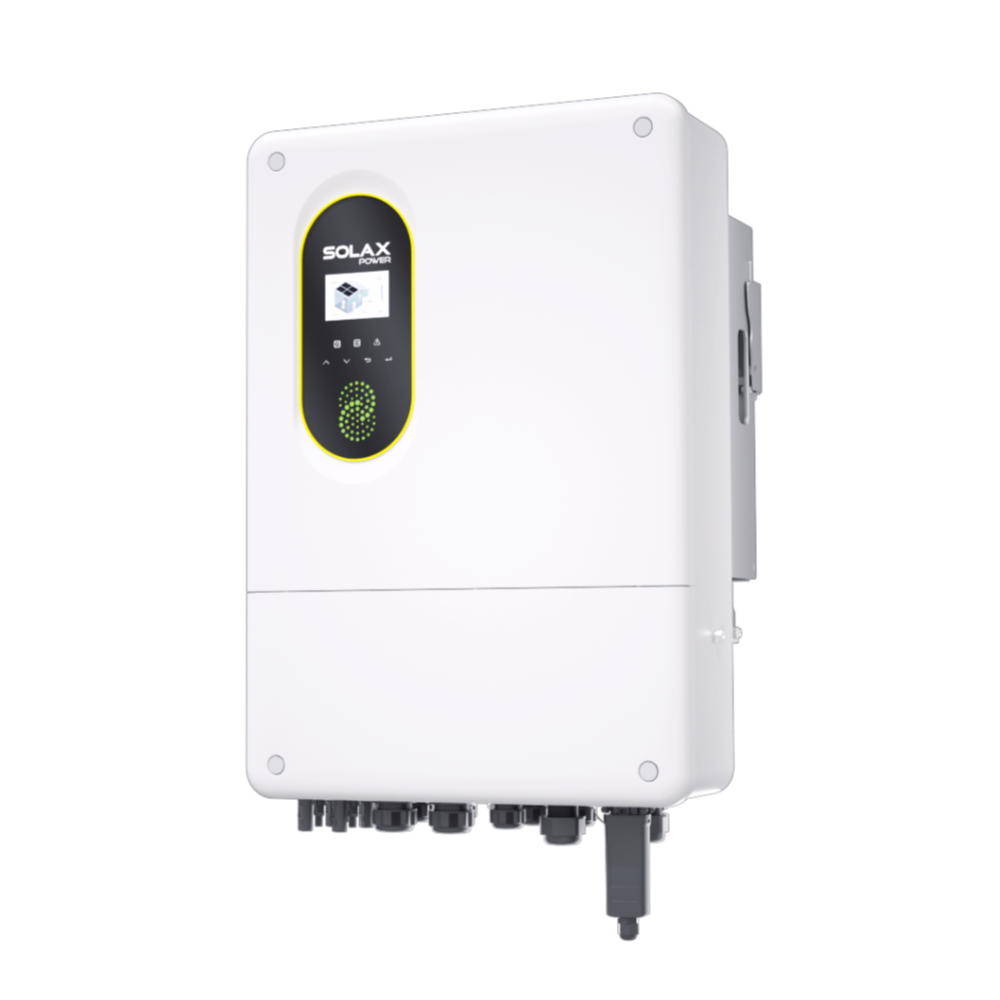
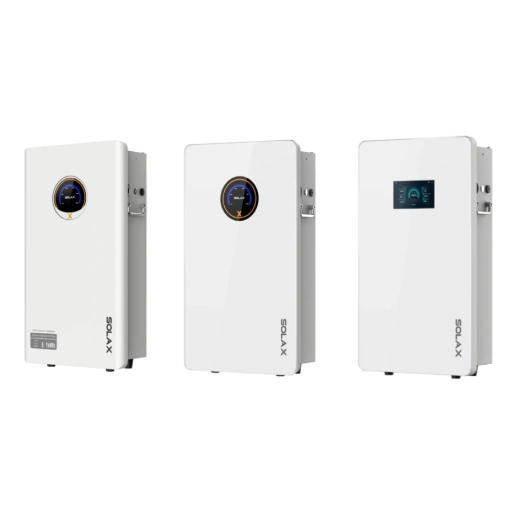
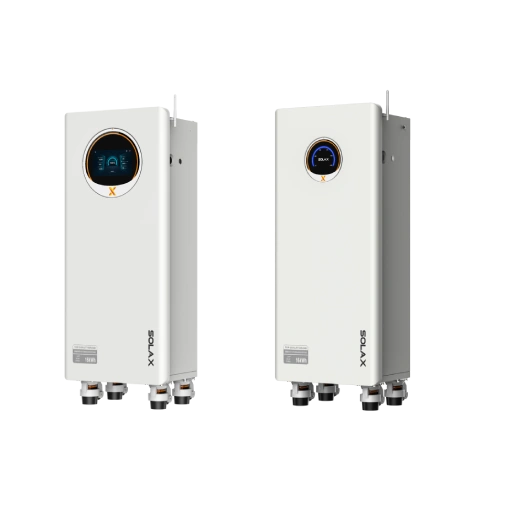
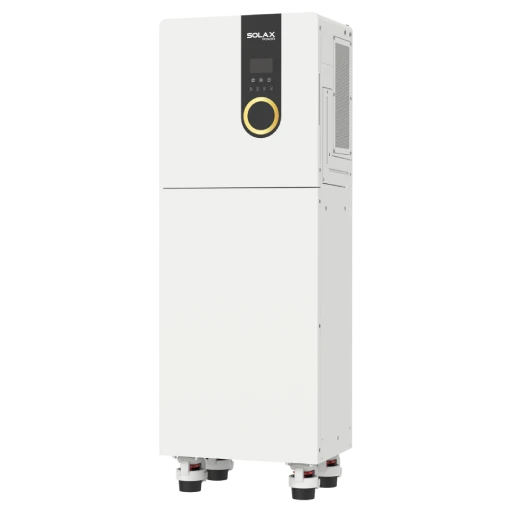
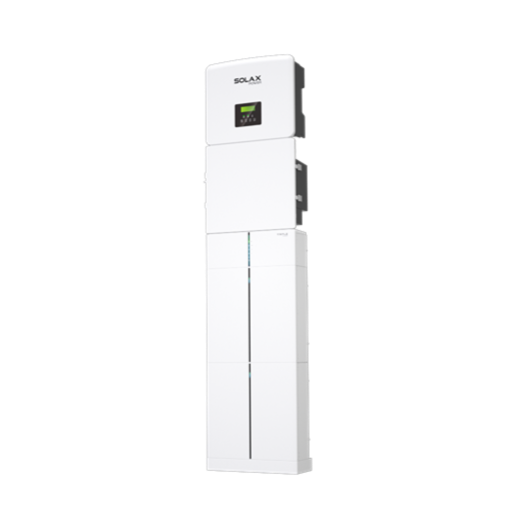
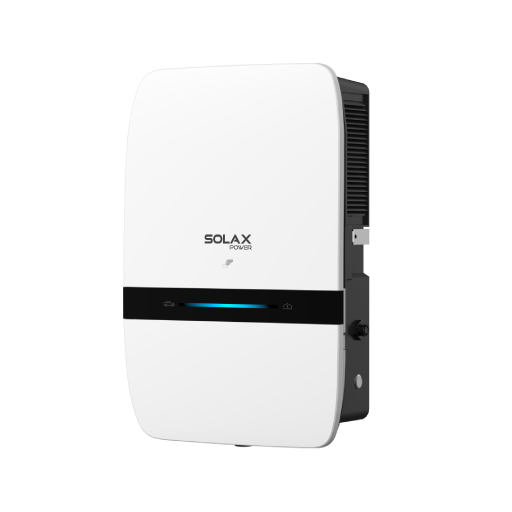
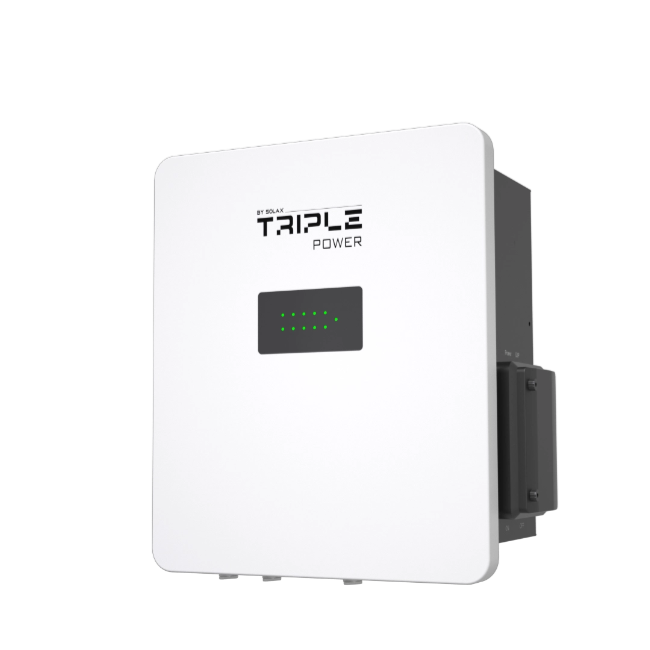
All-in-one systems appeal because they compress more of the job into a single factory-matched platform. The SolaX X3-IES, for example, combines three-phase residential ESS functions with up to 15kW continuous output, 98.5% efficiency, modular battery expansion from 10kWh to 60kWh, and SolaXCloud support for energy management. That does not remove every site variable, however it can reduce the number of separate compatibility decisions you need to validate before energisation.
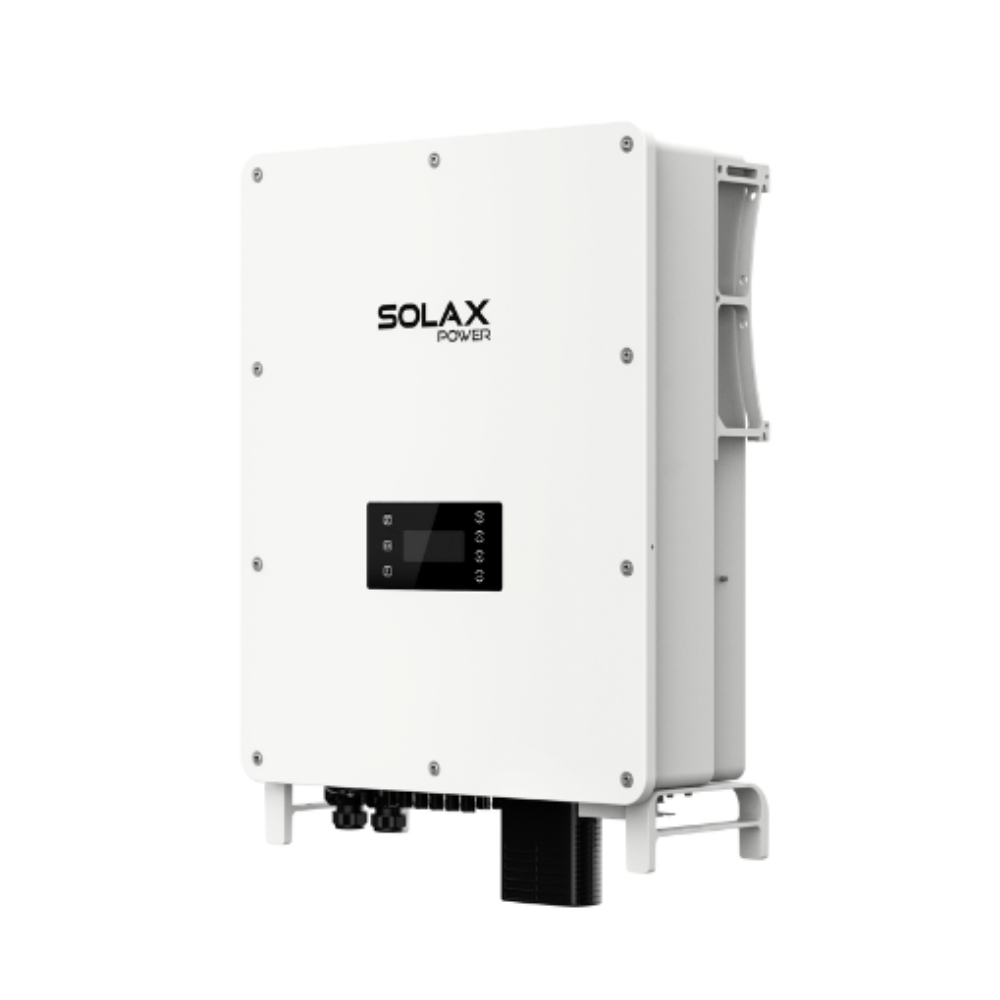
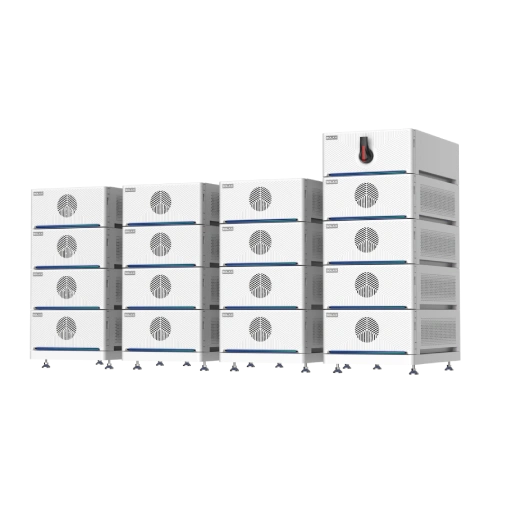
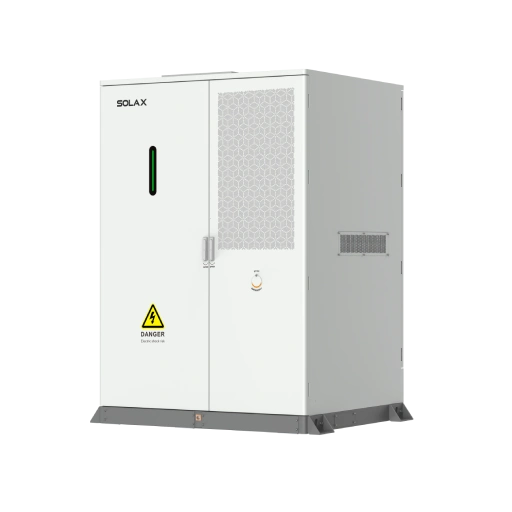
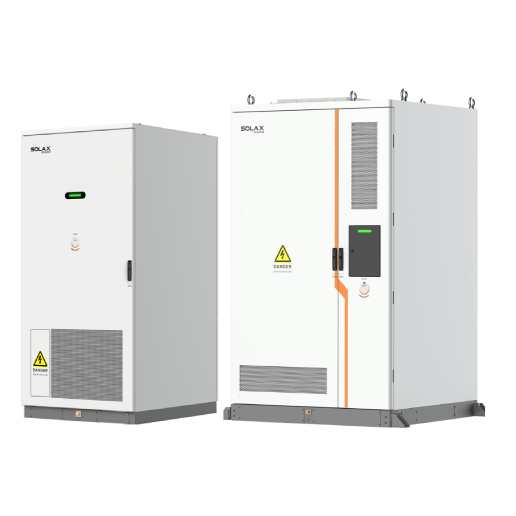
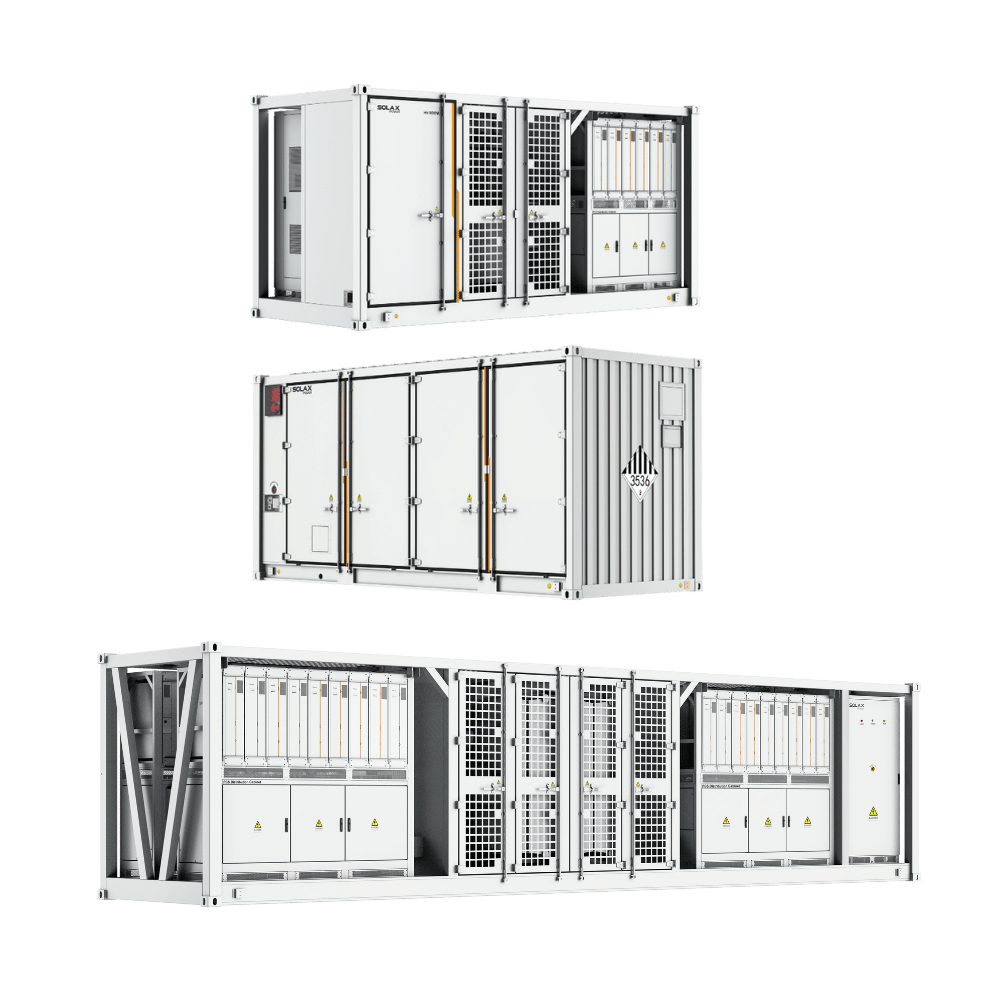
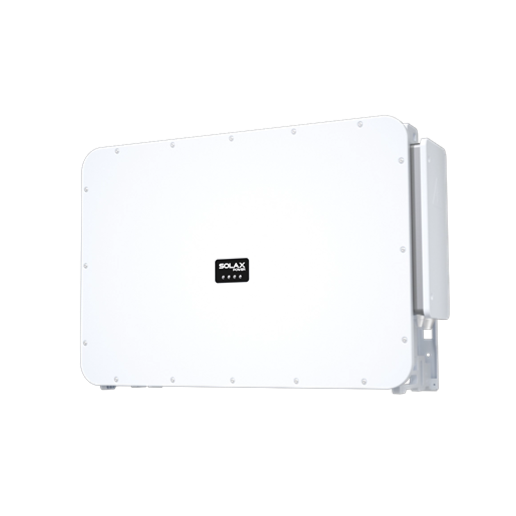
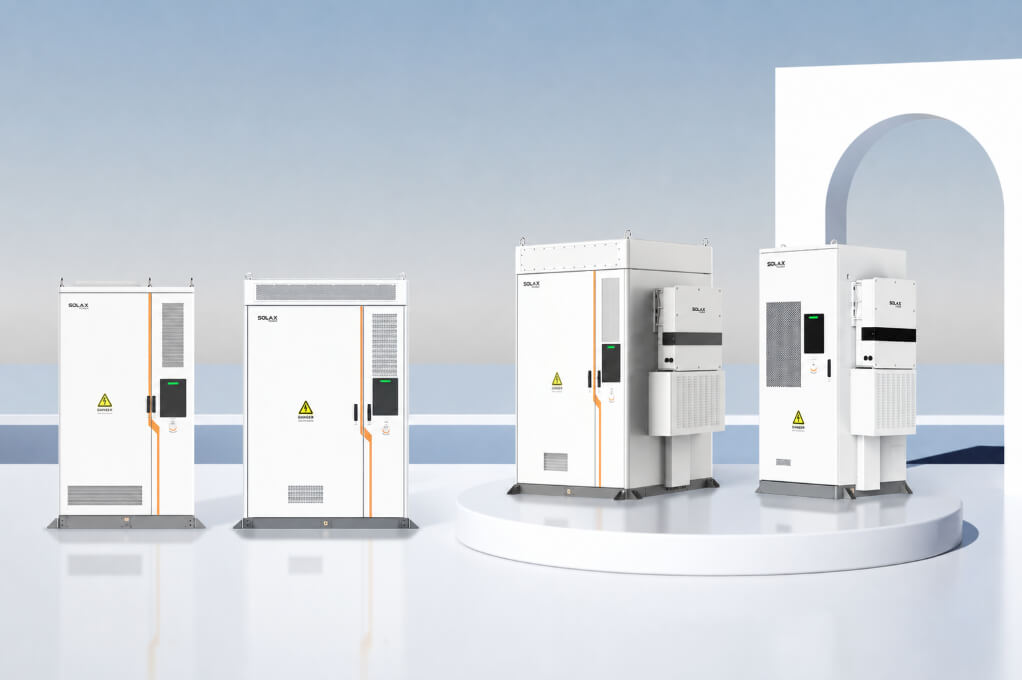
For commercial work, the same pattern continues. SolaX's C&I all-in-one ESS integrates the battery, PCS, thermal management, and AC/DC distribution in one cabinet, with capacities up to 261kWh and remote monitoring through SolaXCloud. In practice, that means fewer core vendors, fewer interconnections to document, and a simpler support path when you need to isolate whether the issue sits in hardware, controls, or communications.
When does a modular setup make more sense?
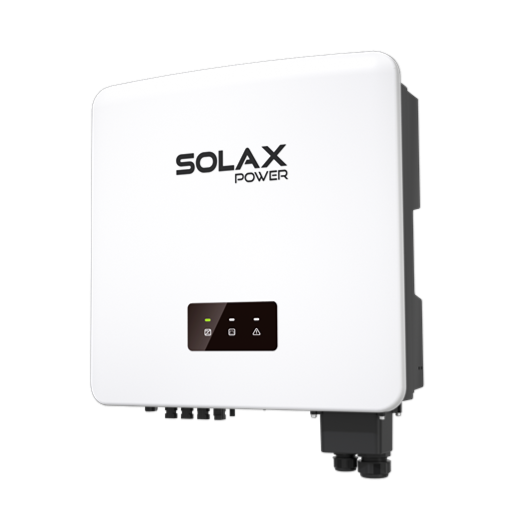
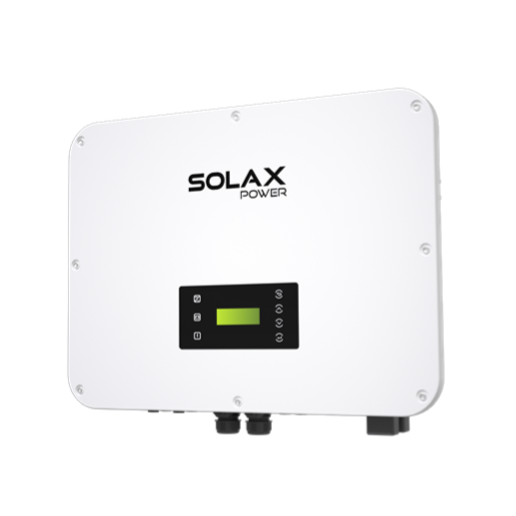
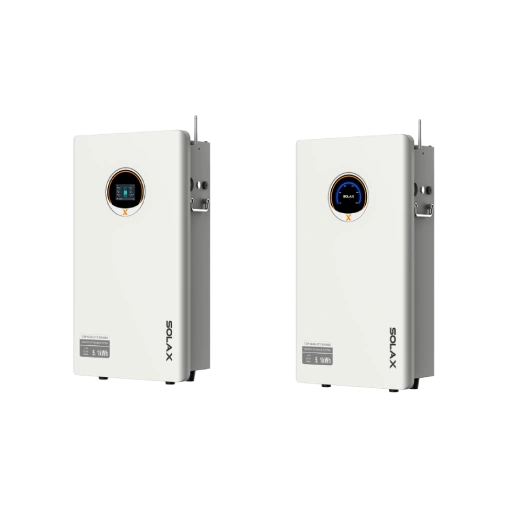
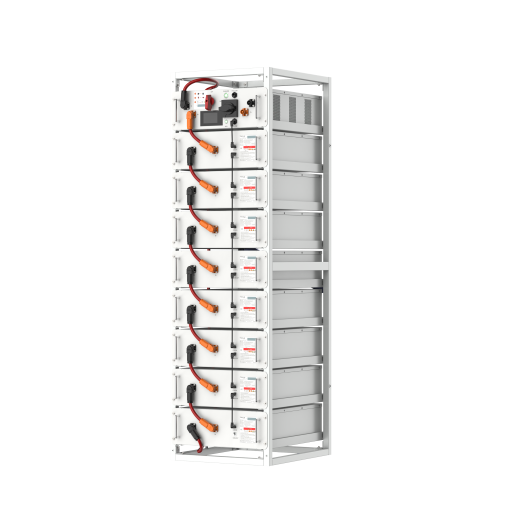
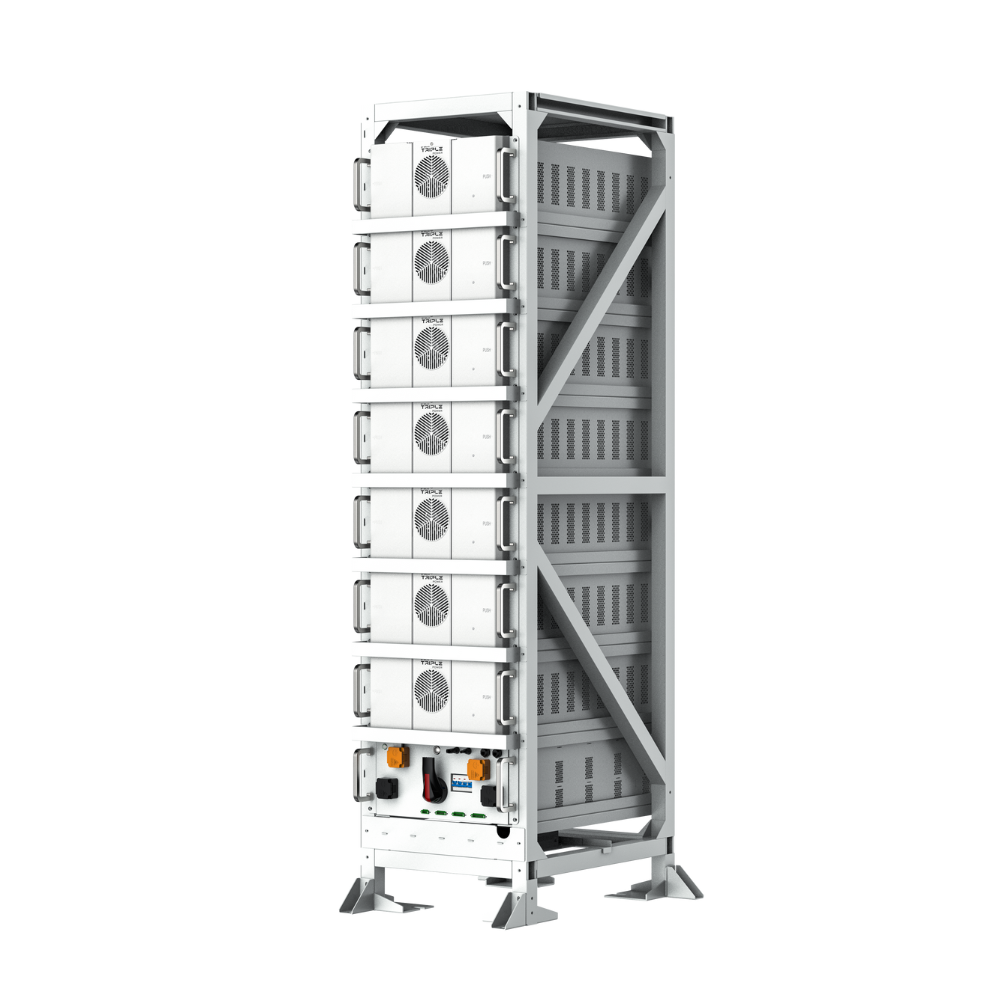
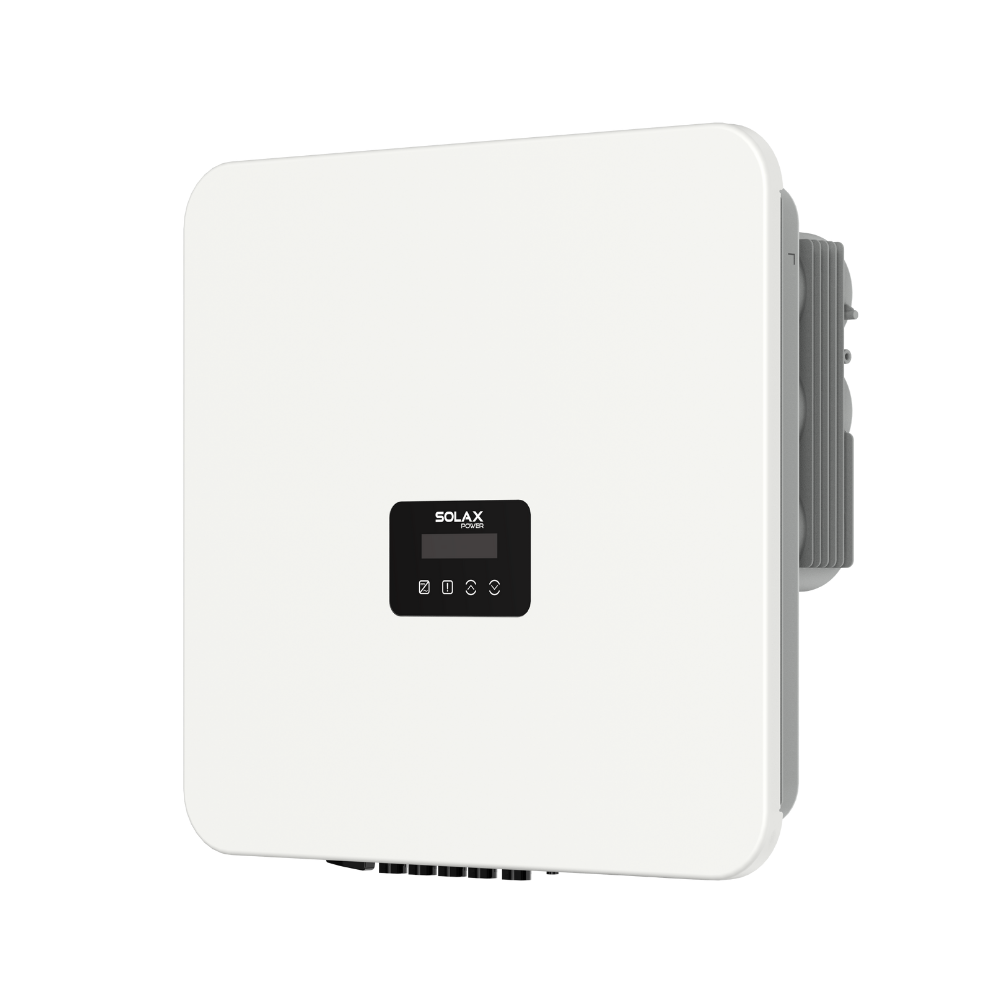
A modular route makes more sense when the site shape, access constraints, or future expansion plan matter more than the fastest first-day deployment. The SolaX A1 HYBRID G2 is designed for the US market and pairs with T-BAT-SYS-HV-5.0 battery modules, supports up to four inverters in parallel, and can scale to 80kWh total storage. That gives you a practical path when you want to phase capacity, separate equipment locations, or replace one part of the system later without changing everything else.
There is a trade-off, though. Separate components normally mean more cable paths, more device registration steps, and more commissioning sequence checks across the inverter, battery modules, protection, and monitoring layer. Moreover, if the project uses mixed interfaces rather than one ecosystem, remote support can become slower because the installer may need to compare alarms and status data across several places instead of one portal view.
Where does commissioning usually go faster?
Wiring simplicity changes the first visit
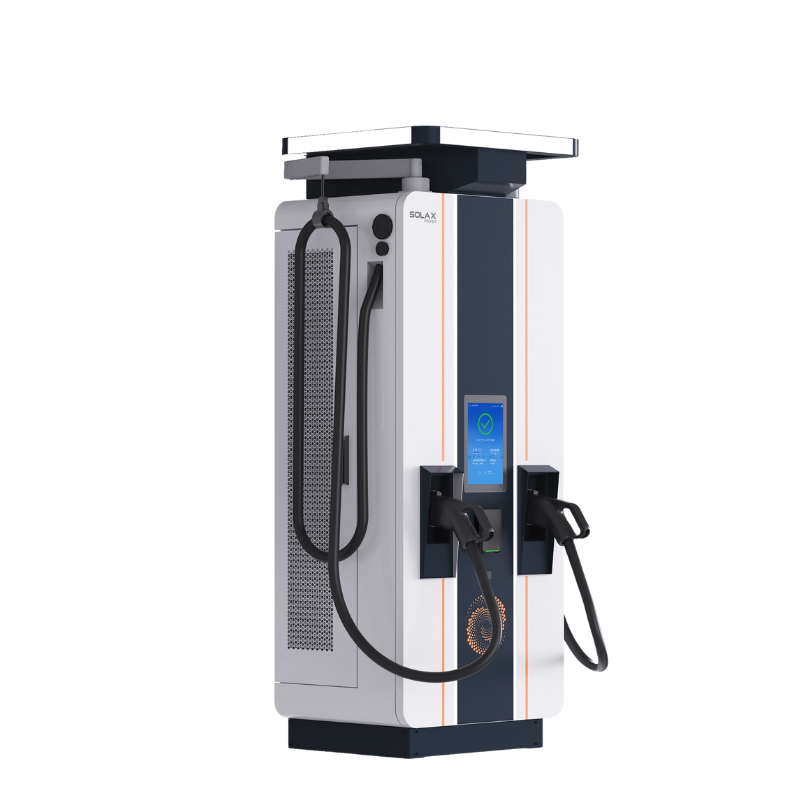
Commissioning usually goes faster with all-in-one architecture on standard sites because there are fewer field interconnections to verify. SolaX describes the ESS-TRENE 261kWh as factory pre-assembled, pre-commissioned, and plug-and-play for fast on-site deployment. A modular system can still be the right answer, but it typically asks more from the installer in routing, termination, and device coordination.
Pre-configured design reduces setup steps
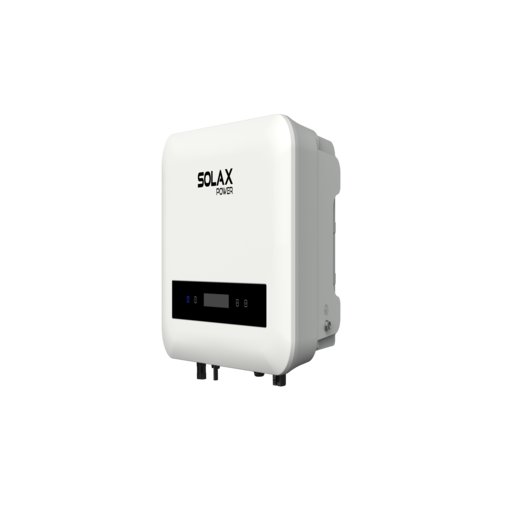
Factory-matched design also reduces setup steps. On the residential side, the X1-IES and X3-IES are presented as integrated ESS products, while the modular A1 HYBRID G2 depends on pairing with external battery modules and, in some configurations, extra backup or management hardware. Therefore, if your aim is a quicker, cleaner first handover, the all-in-one path is generally the winner.
Dimension | SolaX all-in-one system | Modular setup |
On-site wiring | Fewer interconnections | More cable runs |
Component matching | Factory-matched core parts | More compatibility checks |
First commissioning visit | Usually faster | Usually longer |
Expansion approach | Add within product envelope | Extend selectively |
Remote monitoring | One ecosystem view | Can be mixed |
Service coordination | Fewer core vendors | More cross-device checks |
Limitations | Less layout freedom | More setup complexity |
How does support burden change after handover?
Fault isolation can be clear or fragmented
Support burden often shows up later, not on install day. With an all-in-one system, fault isolation is often clearer because the inverter, battery logic, and cloud workflow sit inside one ecosystem. SolaX positions SolaXCloud as a monitoring layer for remote supervision across its ESS range, while its C&I products also reference smart O&M and one-click upgrades. That kind of unified view can shorten the route from alarm to action.
Remote diagnostics matter after handover
Remote diagnostics matter even more as flexibility and digital control become a larger part of energy operations. The UK's July 2026 clean flexibility roadmap says government will keep supporting a smarter, more interoperable electricity system and improve access for smaller assets such as solar, EV chargers, and home battery storage. Against that backdrop, a single monitoring environment is not just convenient; it aligns better with how connected assets are increasingly expected to operate. (gov.uk)
How does SolaX fit both routes?
For residential all-in-one use, the X1-IES and X3-IES are the clearest SolaX options in this comparison. The X3-IES offers 4kW to 15kW ratings, 98.5% efficiency, and 10kWh to 60kWh battery expansion in a single residential ESS platform.
For a modular residential route, the A1 HYBRID G2 paired with T-BAT-SYS-HV-5.0 modules gives you more freedom to stage capacity and adapt the layout. SolaX states that the inverter supports up to four units in parallel, up to 80kWh total storage, 98% peak efficiency, and up to three MPPTs depending on model.
For simplified commercial deployment, the SolaX C&I all-in-one direction is built around integrated cabinets such as ESS-TRENE 261kWh. SolaX highlights pre-assembly, pre-commissioning, integrated BMS/EMS/PCS architecture, and SolaXCloud-based smart O&M.
Conclusion
If you want the easiest commissioning and the cleanest support path, choose an all-in-one energy storage system for standard projects. If you need layout freedom, phased growth, or selective replacement planning, a modular solar battery setup is often the better fit even though the first handover may take longer. Within this comparison, SolaX is a strong option because it supports both paths inside one ecosystem, from X1-IES and X3-IES to A1 HYBRID G2 and C&I all-in-one ESS, with SolaXCloud tying monitoring and smart energy management together.
FAQ
Table of Contents
Latest News
Explore expert insights, practical guides, and the latest news on SolaX Power.



To the Latest Newsletter
Stay Ahead with the Latest SolaX Updates!
Subscribe
I have read and agree to Privacy Policy and User Terms