













January 08, 2026
Different Types of EV Chargers Explained: Levels, Plugs & Best Options
Share my #SolaXStory


As electric vehicles become mainstream, one question puzzles nearly every new EV owner: which charger do I actually need? Making the right choice directly impacts your daily convenience, electricity costs, and even your vehicle's battery health.
In this comprehensive guide, we will answer your most pressing questions: What is the real-world difference between a 7.4kW and a 22kW charger? Which plug type matches your vehicle? Most importantly, we will demystify the three main tiers of charging.
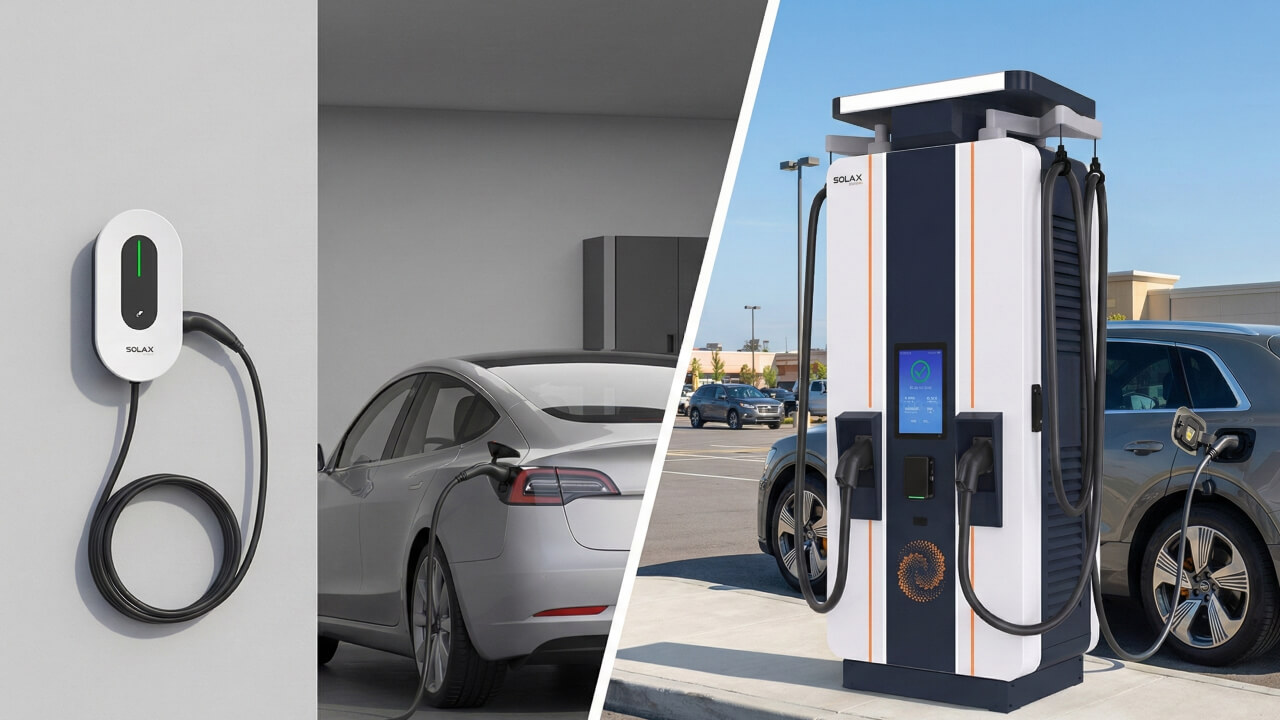
Different EV Charging Levels Explained
Each level serves distinct purposes, from overnight home charging to rapid highway top-ups.
Level 1 Charging – Basic Home Charging
Level 1 charging is the entry-level standard. It typically involves plugging your EV into a standard household wall outlet using the cable provided by the vehicle manufacturer (often called a "granny cable").
Power Output: Generally ranges from 1.4kW to 1.9kW.
Charging Speed: It is the slowest method, adding approximately 3 to 5 miles of range per hour.
Best For: Plug-in Hybrid Electric Vehicles (PHEVs) or drivers with very short daily commutes who can leave the car plugged in overnight.
Pros & Cons of Level 1 EV Charging Station
While Level 1 is convenient because it requires no special installation, it is often impractical for fully electric vehicles with large batteries. Charging a standard EV from 0% to 100% take over 24 hours, making it strictly a backup solution for most owners.
If you're searching for the best Level 1 EV charger, consider it only as a temporary or backup solution.
Level 2 Charging – The Most Popular Choice
For the vast majority of EV owners, Level 2 is the sweet spot. This method utilizes a dedicated AC power supply, significantly reducing charging time compared to a standard wall socket. To access this speed at home, you will need to install a dedicated wall charger for electric car use.
Level 2 chargers generally come in two main power outputs depending on your home's electrical phase connection:
7.4kW EV Charger (Single-Phase Standard)
This is the most common specification for residential properties in the UK, Europe, and Australia. A 7.4kW charger can fully charge an average EV battery (60kWh) in roughly 8 hours—perfect for plugging in when you get home from work and waking up to a full tank. It adds about 25 miles of range per hour.
22kW EV Charger (Commercial / High-End Residential)
If your property has a 3-phase electrical supply, you can opt for a powerful 22kW charger. While this triples the power output, it is important to note that the charging speed is also limited by your car’s "onboard charger."
Many cars are capped at 11kW AC charging, but installing a 22kW unit offers excellent future-proofing and is ideal for commercial settings or homes with high-performance EVs.
Level 3 Charging (DC Fast Charging)
Moving away from home solutions, we enter the realm of public infrastructure. A level 3 car charger, also known as a DC Fast Charger or Supercharger, bypasses the vehicle's onboard AC-to-DC converter to deliver Direct Current (DC) electricity straight to the battery.
Power Output: Ranges significantly from 50kW to 350kW+.
Charging Speed: These units are designed for speed, capable of charging an EV from 10% to 80% in just 20 to 30 minutes.
Best For: Long-distance highway travel and commercial fleets.
While Level 3 chargers are incredibly fast, they are expensive to install and use. Frequent use of DC fast charging can also accelerate battery degradation over time due to heat generation, which is why a Level 2 home charger remains the primary fuel source for daily use.
Types of EV Charging Plugs Around the World
Now that you understand the different types of electric car chargers, it's important to know that each level uses specific EV plug types depending on your region.
Here I list a table of EV Connector types to help you learn better.
Plug Type | Region | Design | Max Power | Status |
Type 1 (J1772) | North America, Japan | 5-pin, AC | 7.4kW | Standard for older EVs |
Type 2 (Mennekes) | Europe, Australia | 7-pin, AC | 22kW | EU standard |
CCS1 | North America | Type 1 + DC pins | 350kW | DC fast charging standard |
CCS2 | Europe, Australia | Type 2 + DC pins | 350kW | DC fast charging standard |
CHAdeMO | Japan | DC connector | 400kW | Being phased out |
NACS (Tesla) | North America | AC/DC | 250kW+ | Becoming new NA standard |
How to Choose the Best EV Charger for Your Need?
Selecting the right EV charger depends largely on your specific application—whether you are looking to maximize home energy efficiency or require high-speed charging for commercial use. SolaX offers tailored solutions for both scenarios.
For Homeowners & Solar System Users
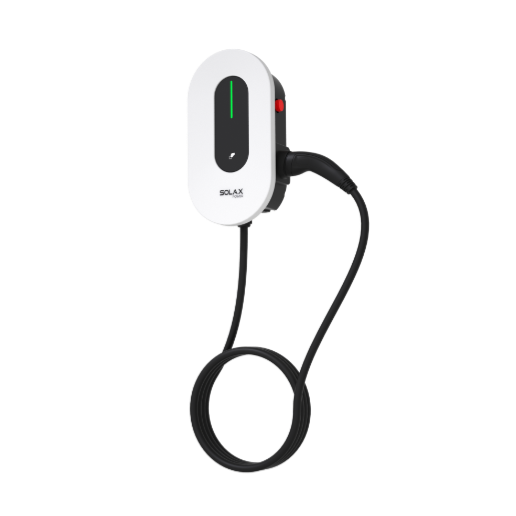
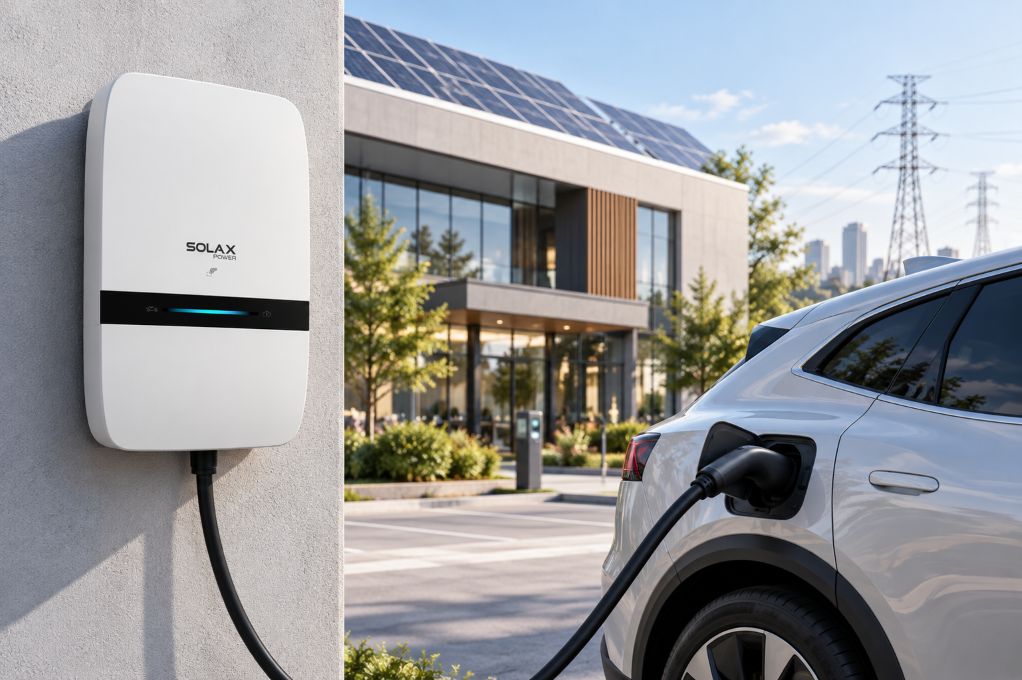
If you need a reliable home charger that integrates perfectly with your renewable energy setup, the Smart EV Charger G2 is the ideal choice. Designed for residential convenience and efficiency, it maximizes your solar investment.
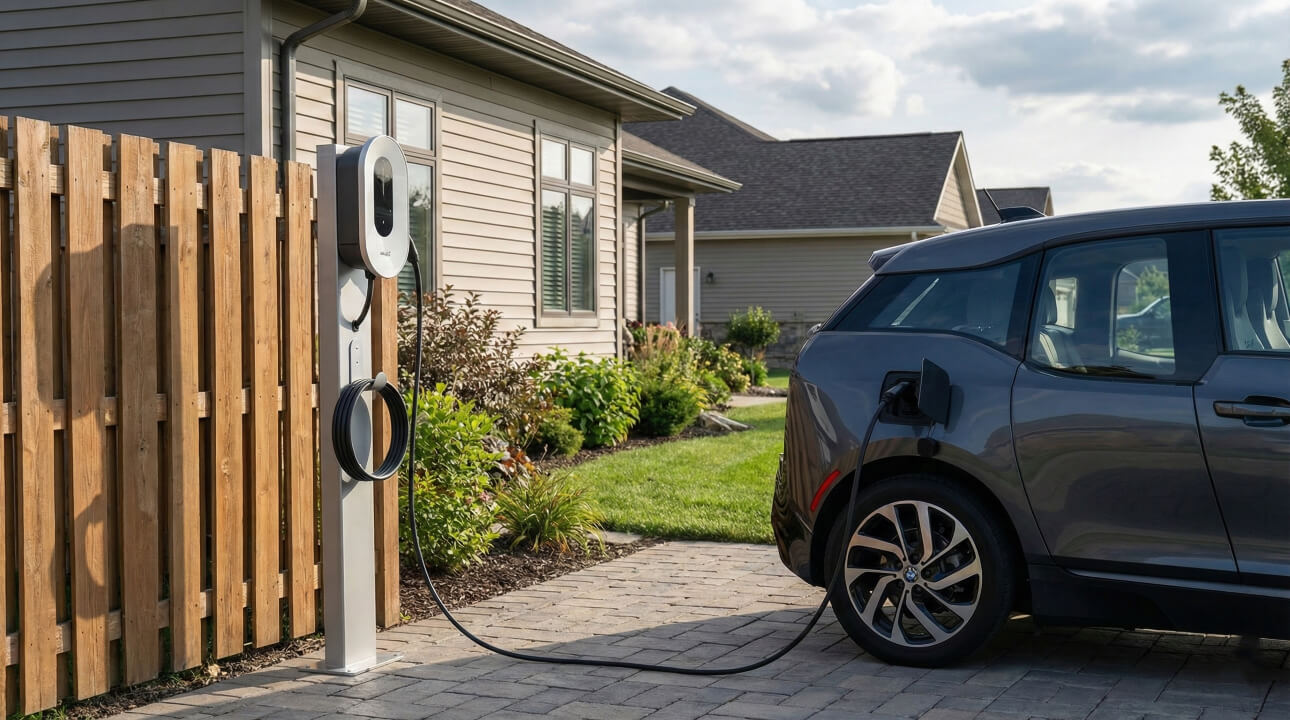
Tailored Power Options: Available in 7kW (single-phase) for standard homes and 22kW (three-phase) for properties with higher power capacity.
Solar Priority Mode: This standout feature allows you to charge your vehicle using 100% clean energy generated by your PV system, significantly reducing electricity costs.
Seamless Integration: Works perfectly with SolaX inverters and features Dynamic Load Balancing to prevent tripping your home's main breaker.
User-Friendly Design: Features a Tethered design for "plug-and-play" convenience and a Type 2 interface compatible with all major EVs.
Smart Control: Monitor and control your charging status remotely via the SolaXCloud.
For Commercial Locations & Fleets
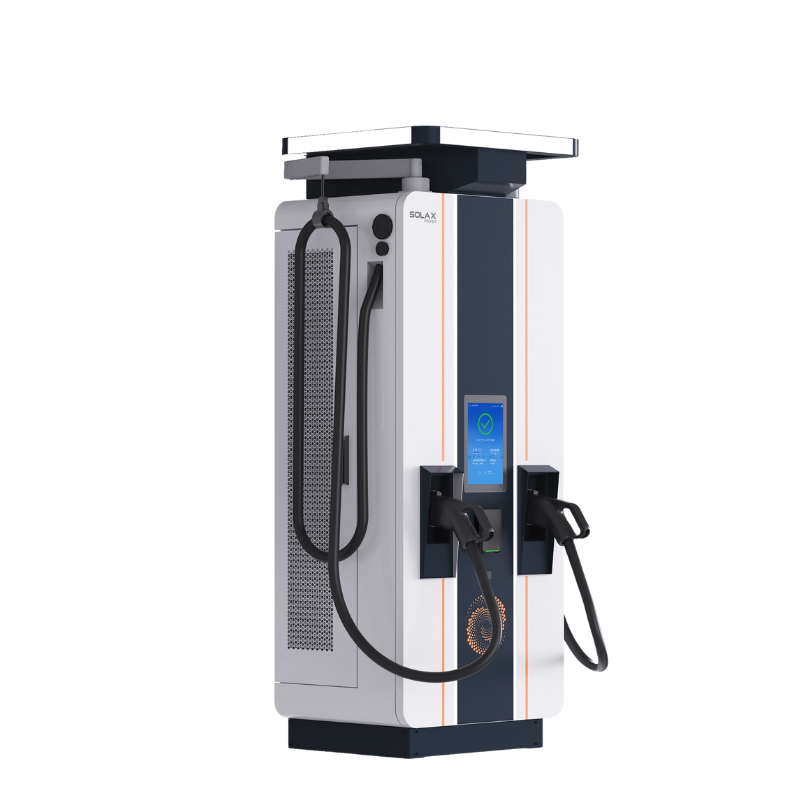
For public parking lots, gas stations, or commercial fleets where speed is the priority, the SolaX Fast DC Charger delivers the high performance required for rapid energy replenishment.
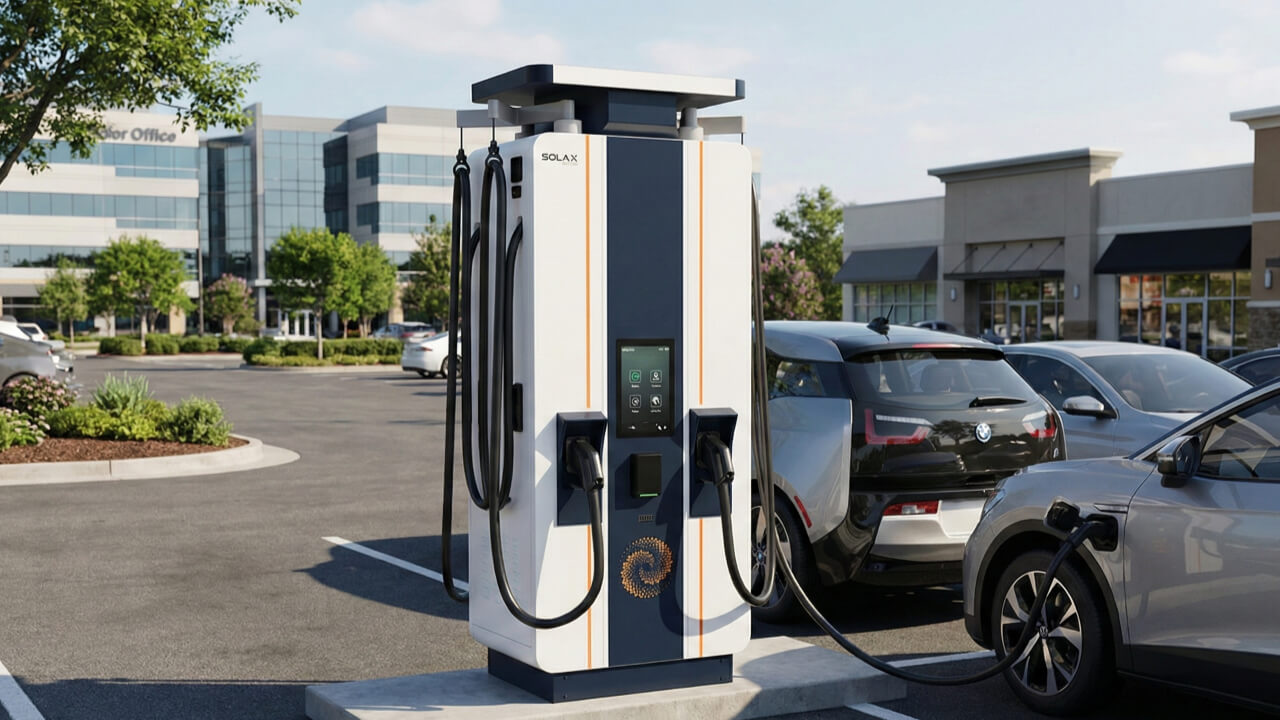
High-Speed Charging: High-power DC output ensures vehicles are back on the road quickly.
Commercial Reliability: Built to withstand the demands of frequent public usage.
Universal Compatibility: Supports multiple charging protocols, including CCS2 and optional CHAdeMO, ensuring compatibility with a wide range of vehicles.
Smart Grid Ready: Features intelligent grid interaction capabilities, making it a future-proof investment — especially as technologies like vehicle to load and V2X continue to expand.
FAQ
Table of Contents
Latest News
Explore expert insights, practical guides, and the latest news on SolaX Power.


To the Latest Newsletter
Stay Ahead with the Latest SolaX Updates!
Subscribe
I have read and agree to Privacy Policy and User Terms