












October 23, 2025
Virtual Power Plant (VPP) and Smart Grid: Powering the Future of Energy
Share my #SolaXStory


As the global energy landscape shifts toward renewable sources, the concept of the virtual power plant (VPP) is emerging as a game-changer. According to the International Renewable Energy Agency (IRENA), global investment in renewable energy has been growing rapidly, and the integration of VPP systems will be essential for enhancing grid stability and efficiency in the coming decades. By intelligently aggregating distributed energy resources such as solar panels, battery storage, and electric vehicles, a virtual power plant platform creates a flexible and reliable network that supports the smart grid.
Introduction
The transition to renewable energy sources is transforming how we generate, store, and use electricity. Virtual Power Plants (VPPs) are a critical innovation in this transformation, enabling the integration of distributed energy resources like solar power and battery storage.
By coordinating these decentralized assets, VPPs create a flexible and reliable energy network, enhancing the efficiency of the smart grid. This article explores the role of VPPs in the smart grid, their benefits, how they work together, and their future potential in energy systems.
The Role of Virtual Power Plant in Smart Grid
Virtual Power Plant Explained
A VPP power plant is not a traditional facility but a digital network that coordinates decentralized energy assets. Through advanced software, it pools together multiple small-scale producers—such as VPP solar systems and home storage batteries—so they function like a single large power station.
What is a Smart Grid?
A smart grid is the modern evolution of the electricity grid. It incorporates digital communication, sensors, and automation to balance supply and demand in real time. Unlike conventional grids, smart grids enable two-way communication between utilities and consumers, making it possible to integrate renewable energy more effectively.
Benefits of VPP Plant in Smart Grid
When integrated into a smart grid, a virtual solar power plant provides:
Grid stability by balancing fluctuating renewable supply with consumer demand.
Cost efficiency by reducing reliance on expensive peak power plants.
Sustainability by maximizing renewable penetration and lowering carbon emissions.
How VPP and Smart Grid Work Together?
Enhanced Grid Flexibility
The variability of solar and wind energy poses challenges to traditional grids. By linking distributed assets, a virtual power plant platform can dynamically shift energy flows, providing backup during peak demand or absorbing excess power when supply is high.
Maximizing Renewable Integration
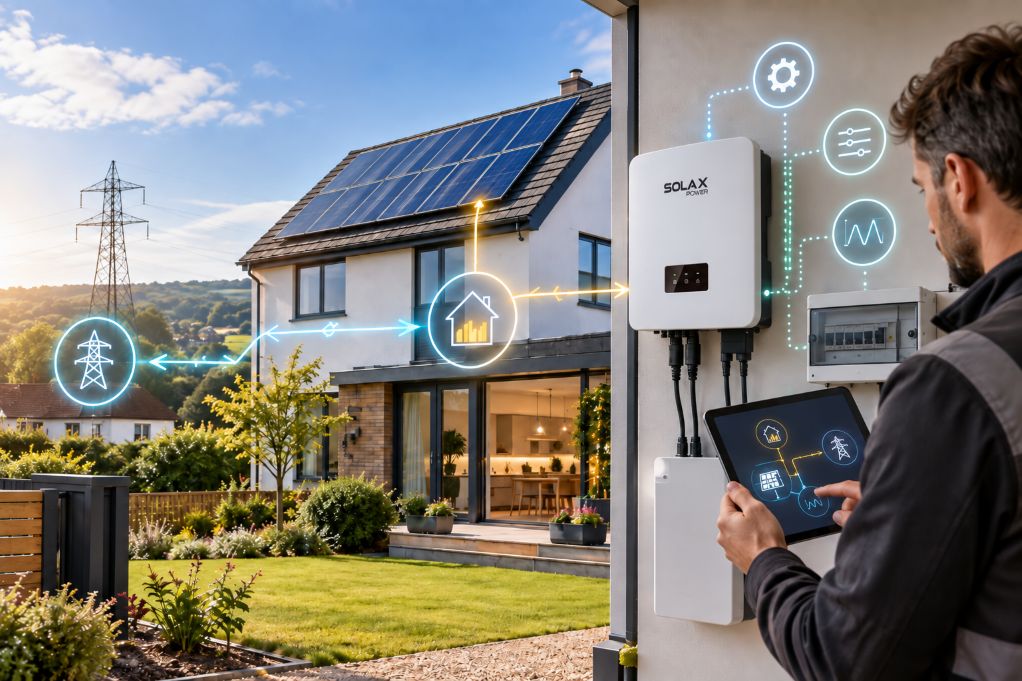
Virtual power plant projects enable utilities to harness renewables like VPP solar at scale. For instance, households with rooftop solar and SolaX battery systems can feed surplus energy into the network. The smart grid then redistributes this energy where it is most needed, ensuring efficient utilization of green power.
VPP Applications and Case Studies in SolaX
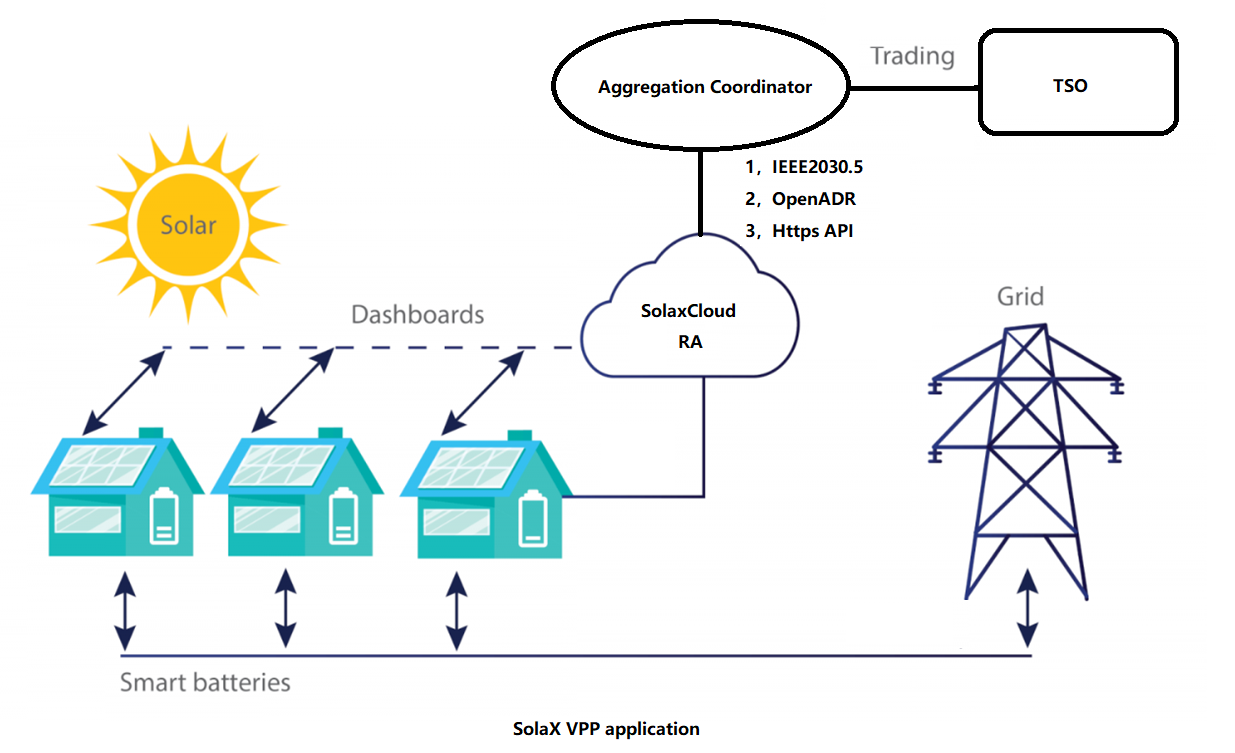
At the core of SolaX's VPP solution is its powerful OpenAPI, which provides efficient operation, maintenance, and real-time monitoring capabilities. By supporting widely adopted industry protocols such as IEEE 2030.5 and OpenADR, SolaX ensures rapid and reliable communication with various utility systems. This flexibility allows grid operators to optimize energy dispatch, automate scheduling, and respond instantly to changing grid conditions.
SolaX's distributed solar-storage interconnection system has already demonstrated its value in the UK energy market. In frequency regulation projects, the SolaX VPP achieved an impressive response time of just 0.092 seconds, far exceeding the UK National Grid's Fast Frequency Response (FFR) standard of 2 seconds. This performance highlights the platform's ability to deliver rapid, cloud-based commands that stabilize the grid during fluctuations in renewable generation or demand peaks.
The Future of Energy: VPPs Driving Grid Transformation
Scaling with AI and IoT Innovation
The next frontier of virtual power plant technology lies in artificial intelligence and the Internet of Things (IoT). AI algorithms can forecast demand and renewable output, while IoT sensors enable real-time control of energy assets. Together, they will allow virtual powerplants to scale across regions with seamless automation.
VPP Market Dynamics
The market for virtual power plant projects is expanding rapidly, driven by the global push for decarbonization and grid modernization. Governments, utilities, and technology leaders like SolaX are investing heavily in virtual solar power plant initiatives to enhance energy resilience and sustainability.
The integration of virtual power plant platforms into smart grid system is reshaping the way energy is produced, managed, and consumed. By enabling decentralized systems like VPP solar and battery storage to act collectively, VPP virtual power plants are unlocking new levels of efficiency and flexibility. With innovators such as SolaX driving virtual power plant projects, the future of energy is not just renewable—it’s intelligent, interconnected, and sustainable.
Challenges and Solutions in VPP Integration
While Virtual Power Plants (VPPs) provide significant benefits to the energy grid, their implementation and integration come with certain challenges. Understanding these challenges and how they can be addressed is key to ensuring that VPP systems meet their full potential in improving grid reliability and efficiency.
Complexity of Energy Asset Integration
One of the most significant challenges in VPP deployment is integrating diverse distributed energy resources (DERs) from different sources, such as solar panels, battery storage, and electric vehicles. These systems often use different technologies and communication protocols, which can create barriers to seamless integration.
Solution: Standardized Communication Protocols
To address the complexity of integrating different assets, platforms like SolaX's VPP solution support industry-standard communication protocols
such as IEEE 2030.5 and OpenADR. These standards ensure interoperability among various energy devices, making it easier for utilities to manage and optimize energy flows from multiple sources. Through standardized protocols, VPPs can provide a unified platform that integrates various DERs efficiently, allowing for better coordination and control.
Data Management and Security
Another challenge when implementing VPPs is the management of vast amounts of data generated by distributed energy resources. With real-time monitoring, energy dispatch, and predictive maintenance functionalities, the amount of data produced can be overwhelming. In addition, as these systems communicate over the internet, ensuring that data remains secure becomes a top priority.
Solution: Robust Cybersecurity Measures
SolaX's VPP solution emphasizes strong data security features, utilizing end-to-end encryption to safeguard communication between devices, cloud platforms, and grid operators. The solution integrates advanced cybersecurity measures that protect the integrity of data across all stages of energy management, from data acquisition to energy dispatch. This ensures that the data used
for decision-making is both secure and accurate, reducing risks associated with cyber threats and ensuring that energy operations run smoothly.
Cloud-Based Data Management
A cloud-based approach, as provided by SolaX’s VPP platform, ensures centralized data management with real-time analytics. By utilizing cloud infrastructure, the system can handle the massive amounts of data generated by energy assets while offering flexibility and scalability. The data can be easily accessed, analyzed, and acted upon by grid operators and energy managers, enabling efficient energy optimization and fault detection.
Regulatory and Policy Barriers
The regulatory framework surrounding VPPs and distributed energy resources (DERs) remains fragmented in many regions. Policy inconsistencies between local, state, and federal levels can create hurdles for utilities and energy providers in scaling VPP operations. Additionally, some areas lack clear guidelines on how VPPs can interact with grid operators and other energy systems.
Solution: Collaboration with Policymakers
For VPPs to reach their full potential, there needs to be a more cohesive regulatory framework that promotes their integration. SolaX is working closely
with regulatory bodies and policymakers to develop and refine standards that support the widespread deployment of VPPs. By advocating for consistent regulations and clearer policies, SolaX helps ensure that VPP projects can operate smoothly across various regions, allowing energy providers to maximize their investments in VPP technology.
Adaptable VPP Architecture
Another solution lies in the flexibility of SolaX's VPP architecture. The platform's ability to adapt to different regulatory environments and work with various grid operators makes it a versatile solution for global energy markets. Its modular nature allows it to scale and adjust to the specific needs of different regions, ensuring that VPPs can be deployed efficiently and in line with local regulations.
The Future of VPPs: Innovations and Emerging Trends
The future of Virtual Power Plants looks promising, driven by innovations in AI, machine learning, and the Internet of Things (IoT). These technologies will play a pivotal role in enhancing the performance, scalability, and integration of VPP systems into the broader energy ecosystem.
Artificial Intelligence and Predictive Analytics
AI and machine learning are expected to be game-changers in the VPP space. These technologies can analyze vast amounts of data from distributed energy resources to predict energy demand patterns, optimize energy dispatch, and even foresee potential system failures before they occur. By incorporating AI into VPP platforms, operators can make more accurate forecasts, adjust energy flows in real-time, and improve overall grid stability.
Solution: AI-Driven Energy Dispatch Optimization
SolaX's VPP solution already integrates AI-driven features that optimize energy dispatch by predicting demand and adjusting energy generation accordingly. These algorithms help minimize energy waste, balance supply and demand, and reduce operational costs for utilities. With continuous advancements in AI and machine learning, the future of VPPs will likely see even more sophisticated algorithms that can predict and adapt to fluctuating energy needs more efficiently.
The Role of IoT in Enhancing VPP Connectivity
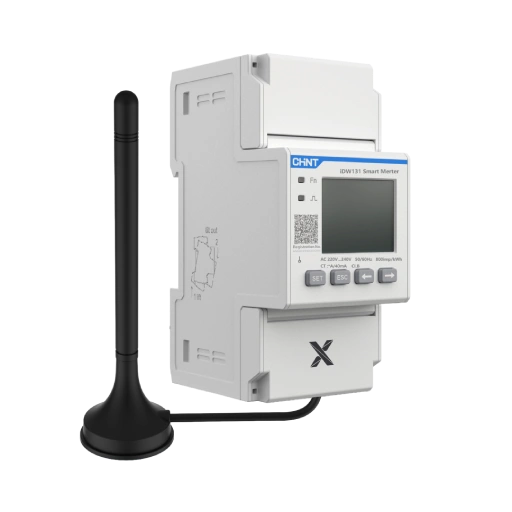
The integration of IoT devices in VPP systems will further enhance the connectivity of energy assets. IoT-enabled devices, such as smart meters, sensors, and communication systems, allow for real-time monitoring and control of energy flows, ensuring seamless integration and operation of distributed energy resources.
Solution: Real-Time Monitoring and Fault Detection
With SolaX's IoT-enabled VPP system, real-time monitoring allows grid operators to track the performance of every asset in the system, from solar panels to battery storage. This constant flow of information enables the detection of faults, energy inefficiencies, or system anomalies, allowing for quick intervention and minimizing downtime. As IoT technology continues to evolve, VPPs will become even more interconnected, enabling smarter and more responsive energy networks.
Key Features and Benefits of SolaX's VPP Solution
Module / Feature | Description | Key Benefits |
Solution Overview | SolaX's Virtual Power Plant (VPP) solution helps utilities and energy providers manage and coordinate distributed energy resources (DERs) at scale. | Enhances grid reliability, reduces operational costs, enables smarter, more resilient energy networks. |
Fast Response Time | VPP achieves reaction speeds as quick as 0.092 seconds. | Exceeds UK National Grid Fast Frequency Response (FFR) standards and enables rapid grid support during fluctuations. |
Industry-Standard Compatibility | Supports protocols such as IEEE 2030.5 and OpenADR. | Seamless integration with different utility systems and faster deployment. |
Cloud-Based Control | Real-time energy adjustments and remote monitoring via cloud platform. | Provides centralized monitoring and control for efficient scheduling and energy optimization. |
Scalability | Easily expands to accommodate growing energy demand and more DER access points. | Flexible for small DER portfolios to large utility-scale deployments. |
Conclusion
The integration of Virtual Power Plants (VPPs) into smart grid systems is revolutionizing how we produce, manage, and consume energy. With their ability to aggregate decentralized energy resources and optimize energy flow, VPPs are key to achieving a sustainable and resilient energy future.
Technologies like SolaX's VPP solutions are driving this transformation, making renewable energy more reliable and cost-efficient for grid operators and consumers alike. As the energy landscape continues to evolve, VPPs will play an increasingly central role in enabling smarter, more sustainable grids. For further information, visit SolaX Official VPP Solution.
FAQ
Table of Contents
Latest News
Explore expert insights, practical guides, and the latest news on SolaX Power.



To the Latest Newsletter
Stay Ahead with the Latest SolaX Updates!
Subscribe
I have read and agree to Privacy Policy and User Terms