












January 29, 2026
Types of Solar Batteries Explained: Which One is Right for You?
Share my #SolaXStory


Solar panels generate power, but batteries grant true energy independence. As extreme weather becomes more frequent, the reliability of the public grid is declining. According to analysis by Climate Central, major power outages in the U.S. have increased by roughly 67% since 2000. Furthermore, with electricity prices rising significantly year over year, relying solely on the grid is becoming a costly gamble.
To secure your home against blackouts and rising rates, you need a backup solution. However, not all batteries are created equal. Understanding the different types of energy storage systems is critical for both residential and commercial applications.
In this guide, we will compare the main battery types and help you analyze key specifications to make the best choice for your solar system.
The 4 Main Types of Solar Batteries (By Chemistry)
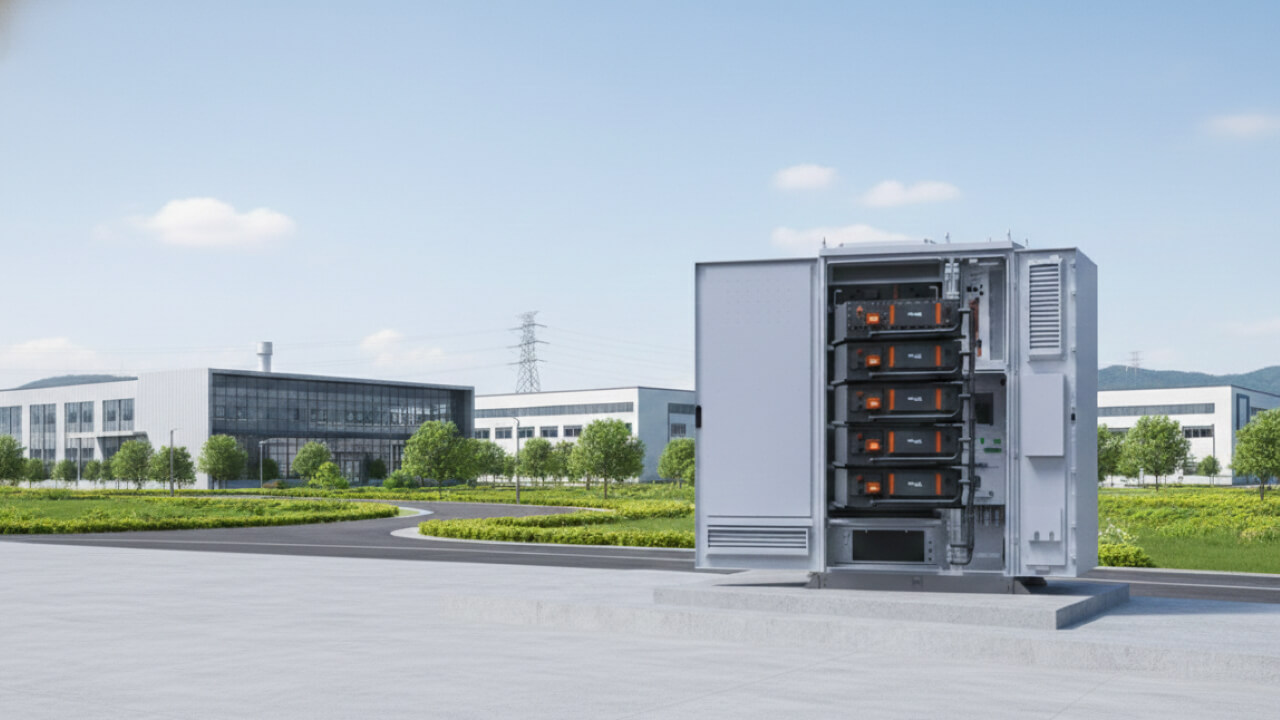
When selecting a storage system, the most critical factor is the internal chemical composition. The chemistry dictates the battery's lifespan, efficiency, safety, and capacity size. Currently, there are four different types of solar batteries dominating the market:
Lithium-Ion
Lead-Acid
Flow
Sodium-Sulfur Batteries (NaS)
Lithium-Ion Batteries (The Market Leader)
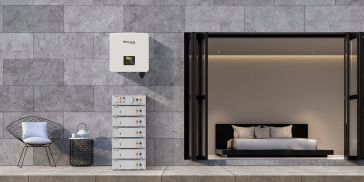
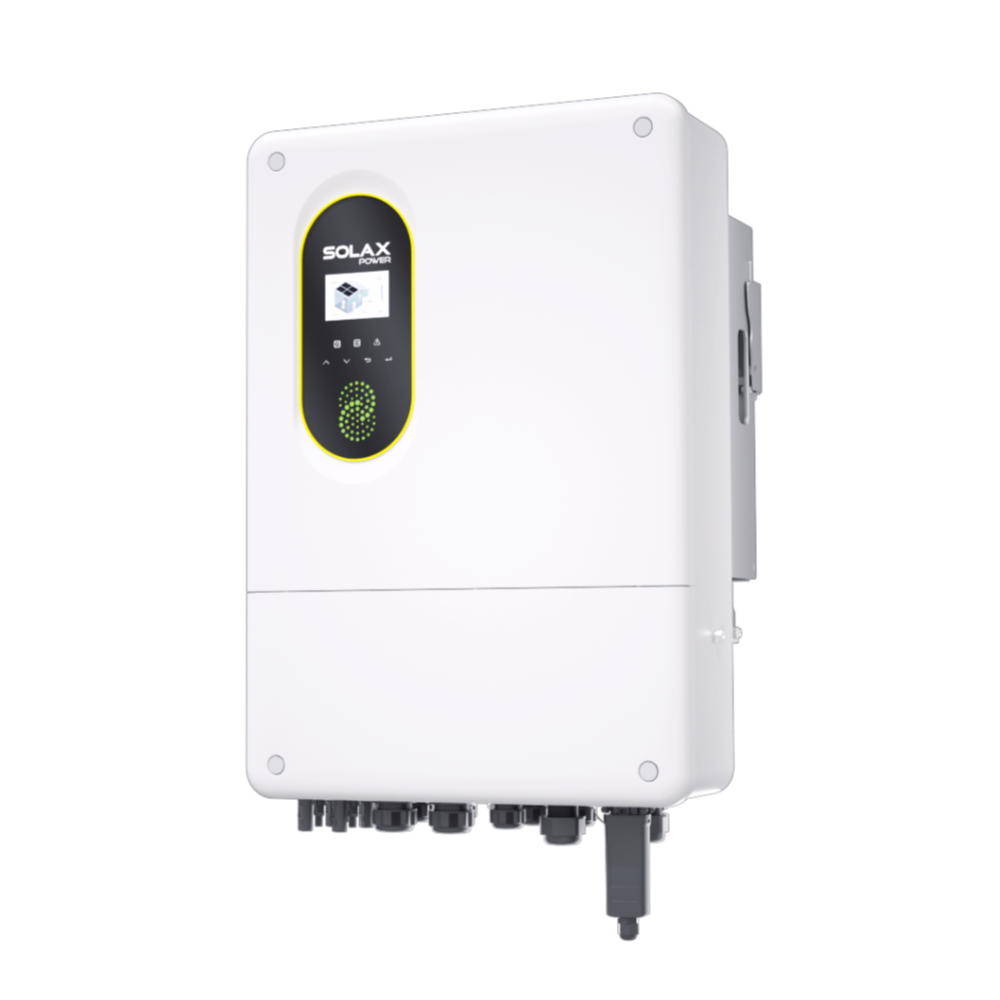
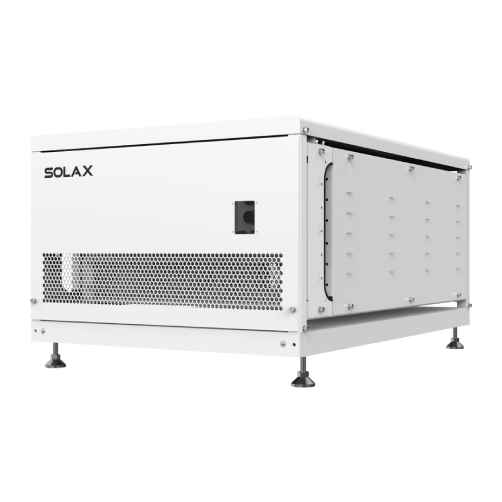
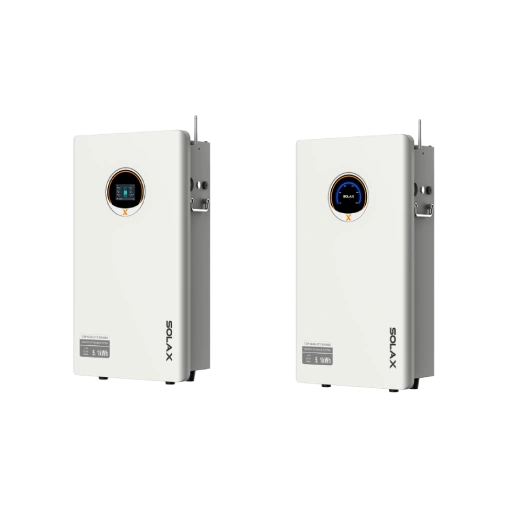
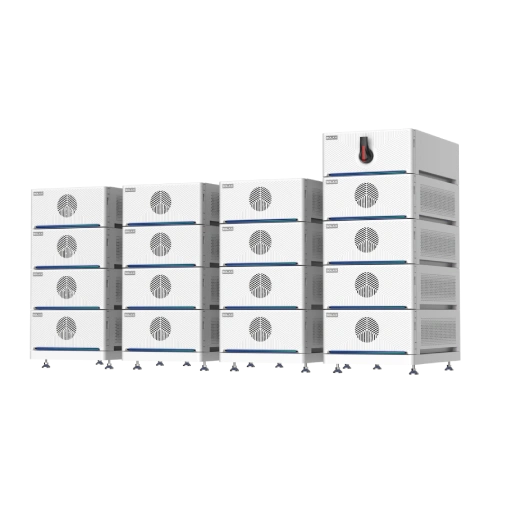
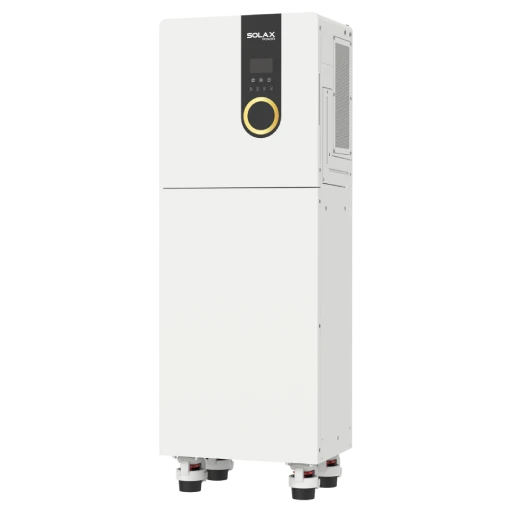
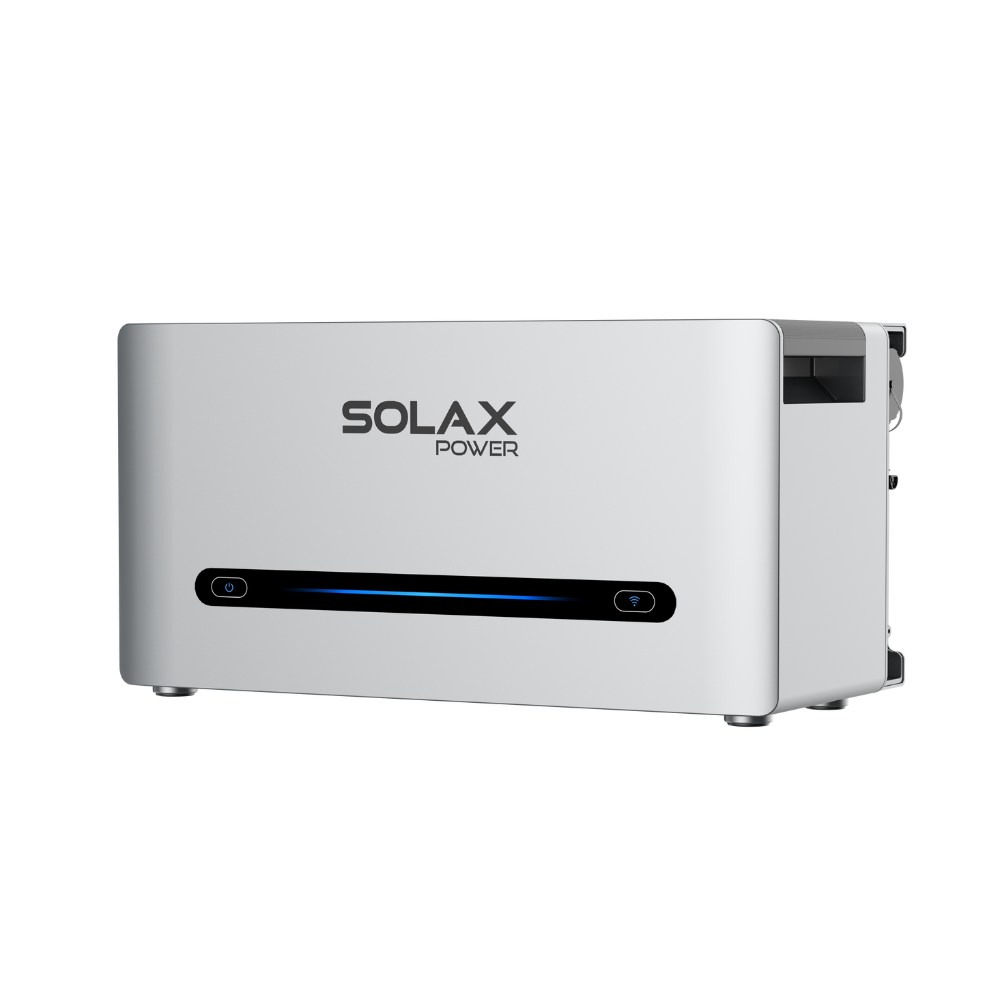
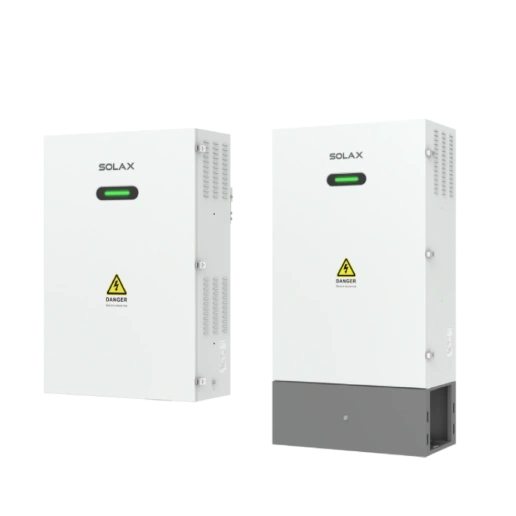
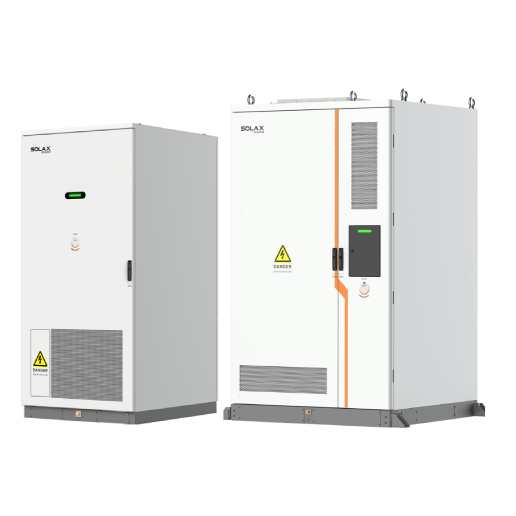
Lithium-ion batteries have become the gold standard for residential energy storage. They offer the best balance of high energy density (storing lots of power in a small space) and low maintenance. Most modern home battery systems, such as the SolaX battery series, utilize this technology.
However, not all lithium batteries are the same. It is crucial to distinguish between the two main sub-chemistries:
NMC (Nickel Manganese Cobalt): Historically common in both EVs and home batteries due to their lightweight nature.
LFP (Lithium Iron Phosphate): This is rapidly becoming the preferred choice for stationary solar storage. Unlike NMC, LFP batteries are non-toxic, have zero risk of thermal runaway (fire), and offer a significantly longer cycle life.
Lead-Acid Batteries (The Traditional Choice)
Before lithium took over, lead-acid batteries were the only game in town. They are heavy, bulky, and have a lower depth of discharge (DoD), meaning you shouldn't drain them past 50% capacity or risk damaging them.
Lead-acid is still a viable option for DIY off-grid solar projects or vacation cabins used infrequently, where a low upfront cost is more important than a long lifespan.
Flow Batteries (The Emerging Tech)
Flow batteries represent a completely different approach to energy storage. Instead of heavy plates, they generate electricity by pumping a liquid electrolyte solution between two tanks through a central membrane.
Due to their large physical footprint and complex mechanics (pumps and sensors), flow batteries are primarily used for large-scale commercial or utility projects, not residential homes.
Sodium-Sulfur Batteries (NaS)
Sodium-Sulfur batteries boast a high energy density and excellent charge/discharge efficiency (around 90%). Due to the high heat requirements, they are almost exclusively used for commercial grid storage and utility-scale solar farms to help stabilize the electrical grid.
Lithium vs Lead-Acid vs Flow vs NaS
The table below will help you understand the differences between these four types of batteries more accurately.
Battery Type | Lifespan (Cycles) | Round-Trip Efficiency | Maintenance Needs | Cost Analysis |
Lithium-Ion (LFP) | High (4,000 – 6,000+ cycles) | Excellent (90% – 95%) | None (Install and forget) | Best Value. Moderate upfront cost, but low cost-per-cycle due to long life. |
Lead-Acid (Flooded/AGM) | Low (500 – 1,000 cycles) | Fair (80% – 85%) | High (for Flooded) Low (for Sealed) | Lowest Upfront. Cheapest to buy initially, but frequent replacements make it expensive long-term. |
Flow Battery | Extreme (Unlimited cycles) | Good (75% – 85%) | Moderate (Pumps/Sensors need monitoring) | High Investment. Very expensive upfront; generally only viable for large commercial sites. |
Sodium-Sulfur (NaS) | High (~4,500 cycles) | High (~90%) | Complex (Requires thermal management) | Utility Scale. Not available for residential use; pricing is geared towards grid operators. |
How to Find the Right Solar Battery Type for Your Project?
With so many technical specifications to consider, choosing the right battery can feel overwhelming. However, the decision usually comes down to three factors: your budget, your space, and how often you plan to use the battery.
Here is a simple guide to matching your specific needs with the right technology.
For Daily Home Use & ROI: Lithium-Ion (LFP)
If you are a homeowner looking to store excess solar power to use at night or to keep the lights on during a blackout, Lithium Iron Phosphate (LFP) is the clear choice.
They have a high depth of discharge and can be cycled daily for over 10 years without significant degradation.
For Part-Time Off-Grid Cabins: Lead-Acid (AGM)
If you have a vacation cabin, RV, or boat that you only visit a few weeks a year, spending thousands on a high-end lithium system may not make financial sense.
Lead-acid batteries are cheap to buy. Since they won't be cycled daily, their shorter lifespan is less of an issue.
For Commercial & Long-Duration Storage: Flow Batteries
If you are managing a large commercial facility that requires massive amounts of power storage for long periods (more than 4-6 hours), standard lithium batteries may become too expensive to scale.
Flow batteries allow you to expand capacity simply by adding larger tanks of electrolyte fluid, rather than buying more expensive battery cells. Ideal for industrial projects where space is available and fire safety is a top priority.
FAQ
Table of Contents
Latest News
Explore expert insights, practical guides, and the latest news on SolaX Power.

To the Latest Newsletter
Stay Ahead with the Latest SolaX Updates!
Subscribe
I have read and agree to Privacy Policy and User Terms