















December 03, 2025
Are Solar Farms Profitable? Everything You Need to Know Before Investing
Share my #SolaXStory


Follow the money, and it leads directly to the sun. By 2025, clean energy investment is set to nearly double that of fossil fuels, with solar as the primary target. This financial flood is directly fueling the explosive growth of solar farms, which are expanding at a breathtaking pace of over 1.3 GW of new capacity every single day worldwide. Commercial storage deployment is also accelerating as jurisdictions invest in resilience and cost optimization—in Australia, for example, clean energy investment reached $12.7 billion in 2024, with renewables contributing 40% of electricity according to the Clean Energy Council.
But if you want to invest wisely in the solar industry, you must first understand the core asset: the solar farm itself. Now let's start.
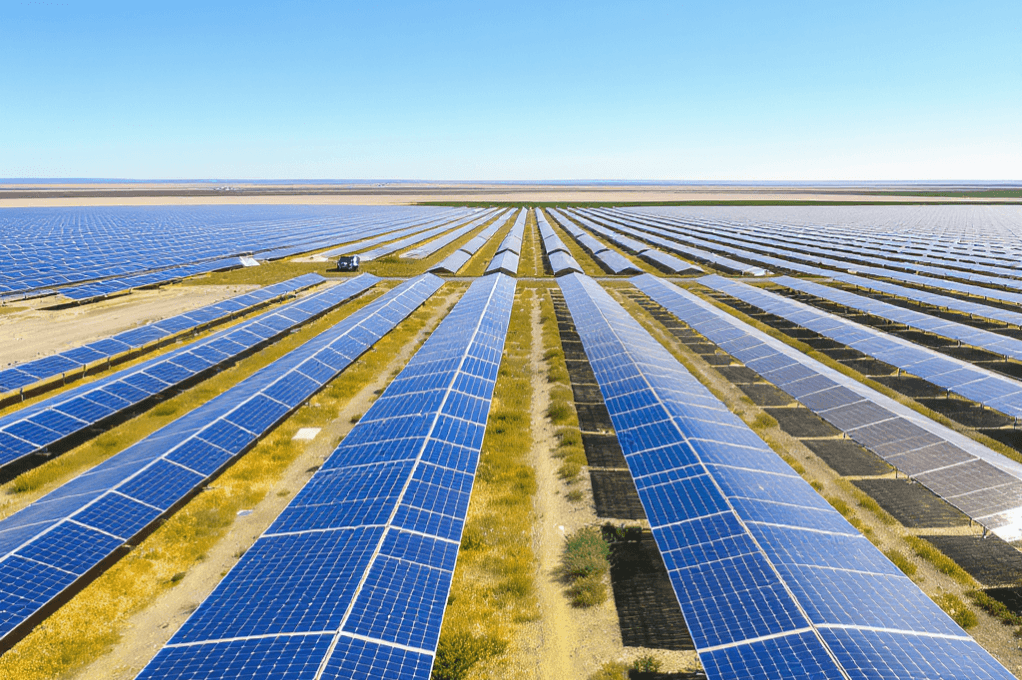
What is a Solar Farm?
A solar farm, also known as a photovoltaic power station, a solar park, or solar power plant, is a large-scale, ground-mounted installation of PV panels designed to capture sunlight and generate renewable electricity for distribution to the power grid.
Key Characteristics of Solar Farm
Typically 1 MW or larger in capacity
Located on open land (deserts, farmland, brownfields)
Supplies power to utilities or through community solar programs
Types of Solar Farms: Utility-Scale vs. Community Solar
Solar farms come in two main types, utility-scale and community solar, each serving different markets and user needs. Understanding these categories helps you determine which solar option best fits your energy goals—whether you're an investor, landowner, or consumer.
Feature | Utility-Scale Solar | Community Solar |
Primary Goal | Generates massive power to feed the wholesale electricity grid | Allows locals to "subscribe" to solar energy without installing panels |
Who Buys the Power? | Utility companies (e.g., PG&E) or large corporations via PPAs | Individual homeowners, renters, and small businesses |
Project Size | Massive footprint, usually ranging from 5 MW to hundreds of MW | Smaller scale, typically under 5 MW (often 5–50 acres) |
Grid Connection | Connects to high-voltage transmission lines for long-distance transport | Connects to local distribution lines to serve the immediate area |
Consumer Impact | Indirectly stabilises energy rates; invisible on personal bills | Directly applies credits to subscribers' monthly utility bills |
How Do Solar Farms Work?
All solar farms operate on the same photovoltaic principle: silicon cells in solar panels absorb photons, exciting electrons to generate direct current (DC) electricity.
Utility-scale solar farms collect DC power from thousands of PV modules and convert it to AC via central inverters before stepping it up for high-voltage transmission. Typically over 50 MW, these projects use single-axis trackers and operate as large power plants supplying wholesale electricity to the grid.
Distributed solar farms are smaller (1–20 MW) and designed for local consumption. While the PV-to-inverter process is the same, they connect to distribution networks rather than long-distance transmission lines, serving communities and nearby loads more directly.
Advantages of Solar Farms
Delivers Massive Long-Term Savings
Investors and communities value the benefits of solar farms because they lock in low electricity rates for decades and protect against volatile energy markets. Once construction finishes, the sun provides free fuel, drastically cutting operational expenses compared to fossil fuels.
Reduces Carbon Emissions Immediately
Generating electricity from sunlight produces zero greenhouse gases. Unlike coal or natural gas facilities, solar installations operate cleanly and quietly.
Supports Dual Land Use (Agrivoltaics)
Developers often combine energy generation with agriculture, known as agrivoltaics. Farmers can graze sheep or grow shade-tolerant crops under the panels. This approach maximises land utility, proving that the advantages of solar farms extend beyond just power generation to support local agriculture.
Requires Minimal Maintenance
The durability and low upkeep requirements rank high among the advantages of solar power plant infrastructure. Standard maintenance usually involves just keeping the panels clean and checking connections.
Strengthens Energy Independence
Local solar generation reduces reliance on imported fuels and centralised power grids. By producing power where it is needed, communities gain more control over their energy supply.
Disadvantages of Solar Farms
Depends Heavily on Weather
Solar panels produce energy only when the sun shines. Generation drops significantly during cloudy days and stops completely at night. Grid operators must back up these facilities with expensive battery storage or other power sources to ensure a reliable flow, which adds complexity to the system.
Creates Recycling Challenges
Manufacturing panels involves energy-intensive processes and hazardous chemicals. Furthermore, the industry still lacks a comprehensive, global recycling infrastructure for end-of-life panels. Managing this future electronic waste constitutes one of the often-overlooked solar farm negatives.
How Much Does a Solar Farm Cost?
Solar farm installation costs typically range from $0.85 to $1.45 per watt (DC). Consequently, for a 1 MW solar farm, the total capital expenditure is projected to land between $850,000 and $1.45 million. However, battery supply chains, manufacturing concentration, and tariffs are shaping system costs, availability, and localization strategies—China holds nearly 90% of global ESS capacity, with over 80% market share in the US and 75% in Europe, while US tariffs are set to reach 173.4%, according to the Financial Times.
While specific finalised data for 2025 is still accumulating, current forecasts from the National Renewable Energy Laboratory (NREL) 2024 Annual Technology Baseline (ATB) suggest a downward trend in utility-scale costs compared to previous years. A significant drop in global photovoltaic module prices largely drives this reduction.
However, the final price for a 1 MW project—often considered "community scale"—may lean toward the higher end of this range compared to massive 100 MW+ facilities, due to differences in economies of scale and grid interconnection complexity.
How to Make Money from Solar Farms?
Understanding how solar farms generate revenue is key to harnessing sunshine into a steady income stream. Whether you are a landowner or an investor, the profit model generally relies on three powerful mechanisms:
Selling Energy to the Grid: The primary income source is generating electricity. Through Power Purchase Agreements (PPAs), solar farms sell power to utility companies, creating a reliable cash flow based on energy production.
Land Lease Payments: For landowners, the most passive way to earn is by leasing land to solar developers (like ESA). You receive guaranteed rental income throughout the multi-year development and operational life of the project, without managing the equipment yourself.
Incentives & Net Metering: Profitability is further boosted by government tax incentives and the ability to sell excess energy back to the grid, maximising the return on investment while supporting clean energy.
FAQ
Table of Contents
Latest News
Explore expert insights, practical guides, and the latest news on SolaX Power.


To the Latest Newsletter
Stay Ahead with the Latest SolaX Updates!
Subscribe
I have read and agree to Privacy Policy and User Terms