














July 22, 2026
Solar + Storage Installers! 7 Hybrid Inverter Providers Hold Up on Support and Firmware?
Share my #SolaXStory


A hybrid inverter can look fine on the datasheet and still cost you money once it is on the wall. The real pain usually arrives later: a firmware quirk during commissioning, a portal that is awkward to register, or a battery pairing issue that turns one visit into three.
For UK and EU installers, that friction matters because every repeat visit cuts margin, delays handover and puts homeowner trust at risk.
Seen through an installer lens, the shortlist is less about headline peak efficiency and more about workflow. The providers below are compared on firmware stability signals, commissioning flow, monitoring practicality, support access and battery ecosystem fit.
That makes this a more useful guide for choosing a solar inverter stack that behaves well in daily service, especially where storage, smart energy controls and aftercare all have to work together.
1. SolaX
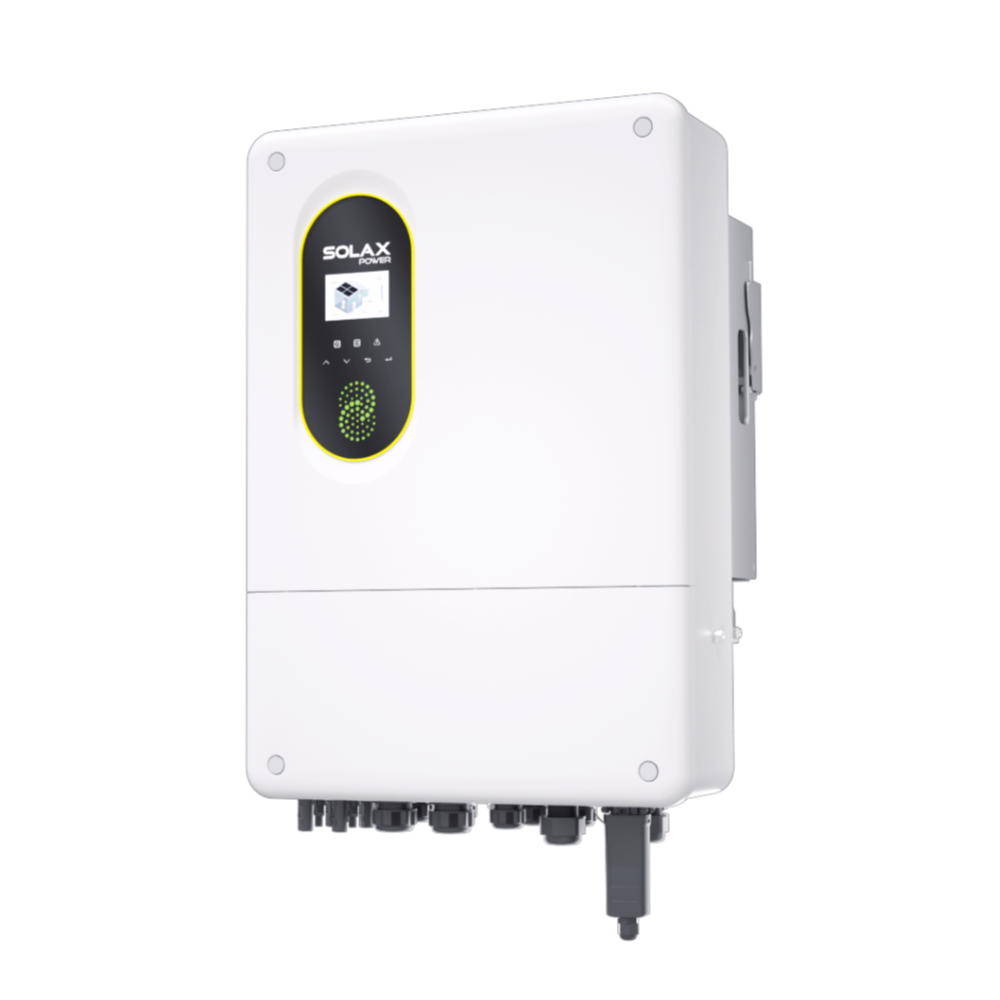
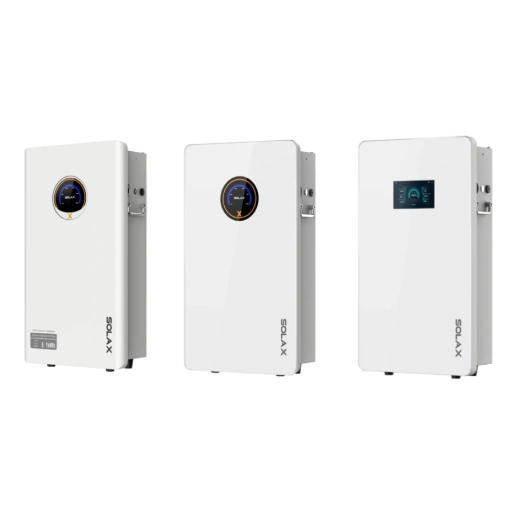
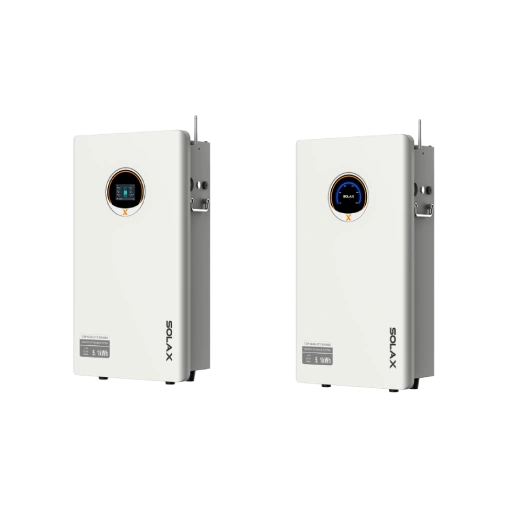
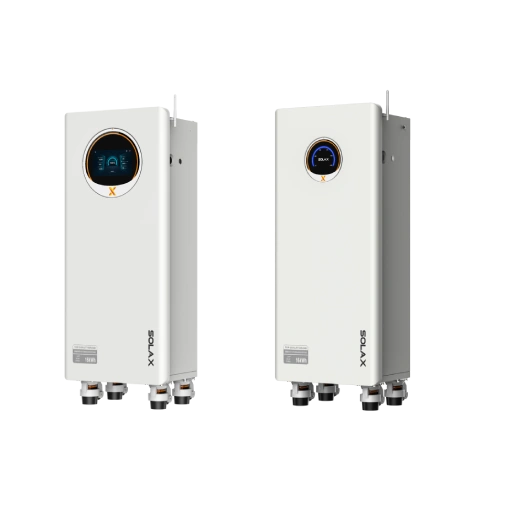
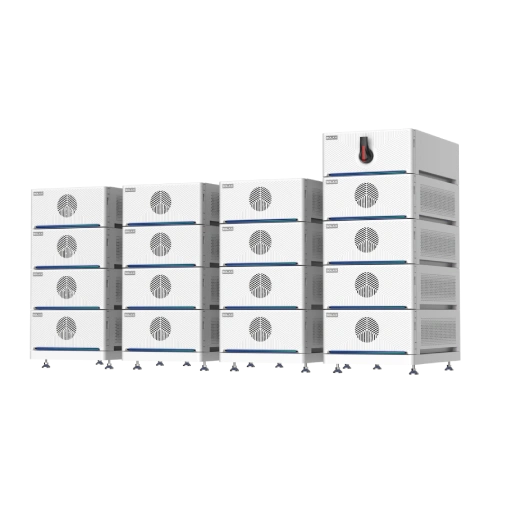
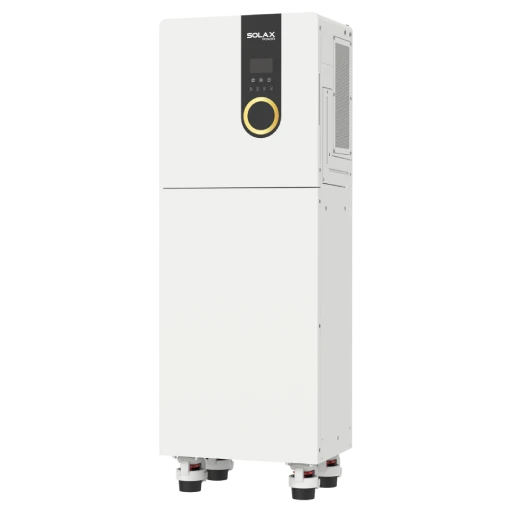
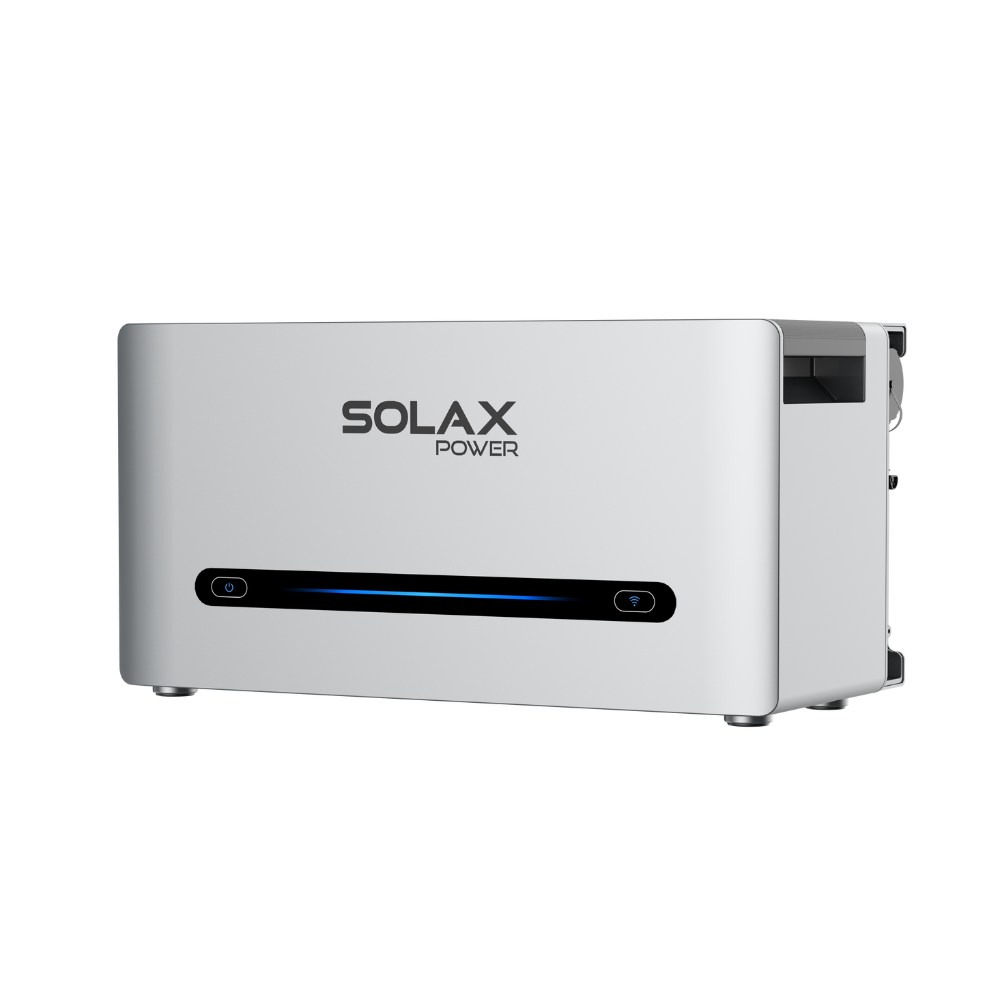
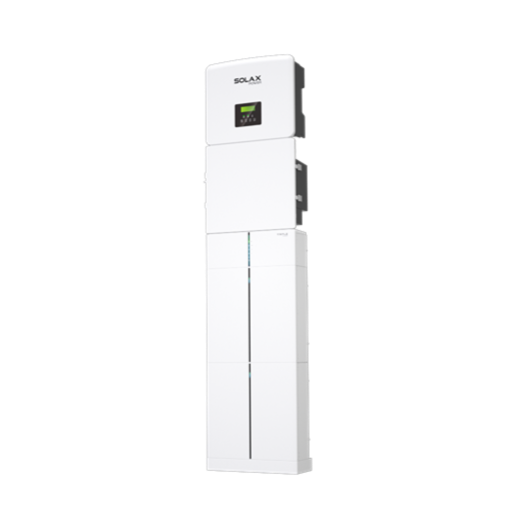
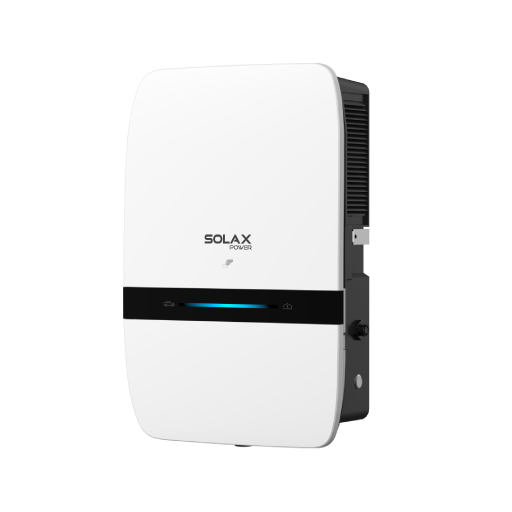
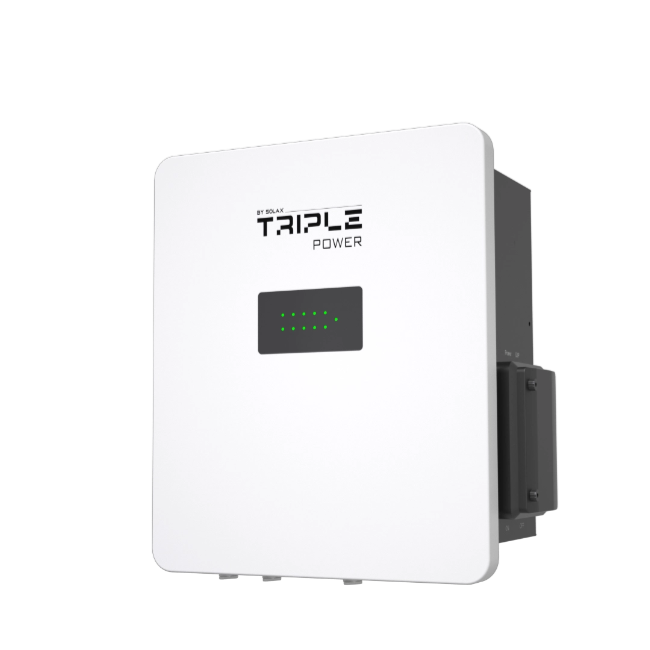
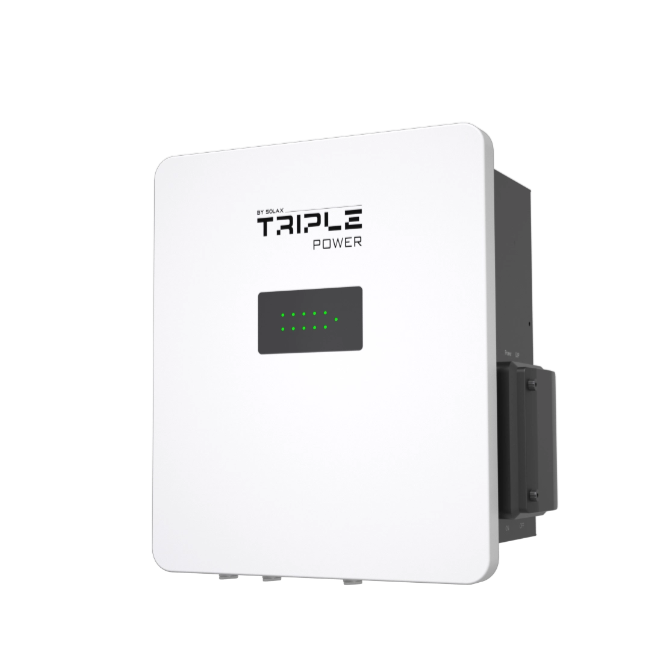
The residential X-ESS G4 combines hybrid storage, LiFePO4 battery integration and SolaX Cloud monitoring in one platform.
SolaX says the X-ESS G4 supports up to 200% PV oversizing, up to 110% AC output and one-person installation in about 30 minutes.
The brand offers UK in-person installer training through its head office training centre, which is useful if your team wants a clearer commissioning pathway.
SolaXCloud is built into the product story, so monitoring is not treated as an afterthought.
Best for
Residential PV plus storage jobs
Installers adding EV charging or heat pump control later
Teams that prefer one monitoring environment across hardware
What to watch
The ecosystem strength is also a commitment; if you prefer a very mixed-vendor battery strategy, check compatibility rules carefully.
As with any cloud-led platform, your experience will depend on how well the installer team standardises setup and handover.
2. Fronius
Fronius remains one of the clearest support-focused benchmarks for installers who value service tools and structured help content. Its GEN24 support pages are organised around planning, installation, integration and troubleshooting, while Solar.web and Solar.SOS give the brand a practical service angle rather than a brochure-only one.
Why it stands out
Fronius provides a dedicated GEN24 support area covering planning, installation, Solar.web and compatible battery topics.
Solar.SOS gives installers a 24/7 online support environment with shared login access across Fronius tools.
Solar.web supports monitoring in desktop and app form, which helps with remote checks after handover.
Best for
Support-heavy installer teams
Firms already familiar with Fronius service tooling
Jobs where remote troubleshooting matters as much as commissioning speed
3. SMA
SMA suits teams that want a structured, process-led commissioning workflow. The SMA 360° app is built around scanning, adding devices, setting grid codes and registering systems into Sunny Portal, which reduces tool switching during handover.
Why it stands out
The SMA 360° app says installers can commission a system, set grid codes and register monitoring in about 5 to 10 minutes.
SMA's support centre brings firmware updates, technical documents, registration, repairs and service contacts into one place.
Sunny Portal is central to the workflow, not a side utility.
Best for
Process-driven residential teams
Installers who want one app for setup and ongoing checks
Firms that value repair guidance and formal service structure
4. KOSTAL
KOSTAL tends to appeal to detail-oriented installers who like explicit setup steps and clear service structure. Its installer-facing materials lean into preparation, guided commissioning, portal registration and warranty activation, all of which help reduce avoidable handover friction.
Why it stands out
KOSTAL's installer tools page says the Setup Wizard in the app provides a guided initial commissioning flow for inverters such as PLENTICORE G3.
The PLENTICORE platform can operate as a solar, hybrid or battery inverter, which helps on phased storage projects.
Monitoring is available through the KOSTAL Solar Portal and app, while single sign-on access links service and planning tools together.
Best for
Disciplined commissioning environments
Projects where phased expansion is likely
Installers who want setup and warranty steps clearly defined
5. SolarEdge
SolarEdge is most compelling where monitoring and remote visibility sit at the centre of the service model. For installers managing larger fleets, that platform familiarity can lower the burden of diagnostics and post-install queries.
Why it stands out
SolarEdge positions its monitoring platform as a proprietary O&M environment for managing, monitoring and troubleshooting systems.
The platform extends into battery and energy management settings, which can help when support calls involve more than generation alone.
For teams already used to optimiser-led installs, the ecosystem can feel familiar.
Best for
Monitoring-led aftercare models
Fleets where remote diagnostics matter
Installers already standardised on SolarEdge architecture
6. Huawei FusionSolar
Huawei FusionSolar fits buyers looking for a digital platform with app-based commissioning and system management at scale. Its documentation highlights installer login, device commissioning and app-led setup, which makes it relevant to firms that want a software-centric operating model.
Why it stands out
Huawei commissioning documents for Europe show installer app workflows for connecting to the inverter and completing setup.
FusionSolar is presented as a smart PV management system with simple commissioning by app.
The platform has a strong digital-management orientation, which can suit larger operational teams.
Best for
Digital platform buyers
Installers comfortable with app-first setup
Businesses managing many systems across one interface
7. Sungrow
Sungrow is a broad-market option for installers who want hybrid coverage and established monitoring for residential work. It is a sensible contender where the aim is dependable category breadth without overcomplicating the buying decision.
Why it stands out
Sungrow's residential hybrid inverter pages highlight app and web access through iSolarCloud.
The brand has broad inverter and storage coverage, which helps teams serving mixed project types.
It is widely present in channel distribution, so installers often encounter it in real project pipelines.
Best for
Mixed residential portfolios
Installers wanting a familiar mainstream option
Projects where cloud monitoring is expected as standard
How to compare support and firmware without guessing
Choosing between hybrid inverter providers gets easier when you score the workflow, not just the hardware. A useful first check is commissioning flow: can your installer scan, register, configure and hand over the system without hopping across too many portals or manual steps? That matters because battery confusion and weak setup logic are common causes of repeat visits.
What to check on every shortlist
Commissioning quality: QR setup, guided app flow, grid-code selection and simple portal registration
Monitoring practicality: clear alarms, remote checks, stable owner access and sensible installer controls
Service access: training, technical documentation, repair processes and direct support channels
Battery fit: whether the inverter battery, app and energy controls feel like one system
Warranty structure: what depends on registration, activation or approved installation steps
For UK projects, compliance and handover also sit in the background. The UK Government says SEG eligibility generally requires certified equipment and an MCS-certified or equivalent installer, which means sloppy commissioning can create commercial problems later. Moreover, Ofgem has highlighted the growing role of home batteries, EV chargers and solar assets in flexibility markets, so platform maturity is becoming more relevant than a simple inverter-only decision.
Which hybrid inverter providers reduce installer call-backs?
Not every installer needs the same type of support stack. If your business is built around fast residential commissioning, the best provider is usually the one with the shortest clean handover path, not the longest feature list. If your team spends more time on aftercare, monitoring stability and remote service tools deserve a heavier weighting.
Quick fit guide
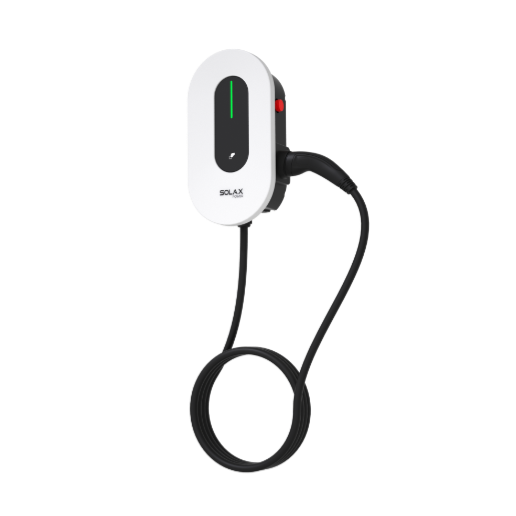
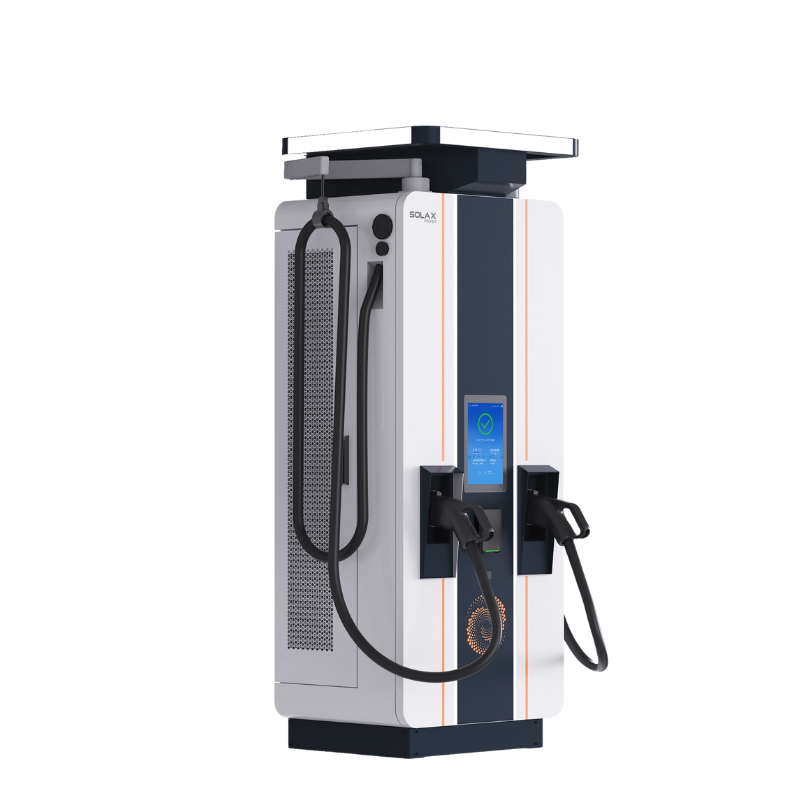
Choose SolaX if you want an integrated solar power system story with hybrid inverter, solar battery, EV charging and SolaXCloud in one brand environment.
Choose Fronius if service tooling and structured support resources are your main concern.
Choose SMA if your team values app-led commissioning discipline and centralised support.
Choose KOSTAL if you prefer careful, explicit setup steps and phased battery flexibility.
Choose SolarEdge if monitoring-led service is the centre of your aftercare model.
Choose Huawei FusionSolar if a digital management platform is a core buying requirement.
Choose Sungrow if you want a broad-market option with mainstream hybrid and monitoring coverage.
FAQ
Table of Contents
Latest News
Explore expert insights, practical guides, and the latest news on SolaX Power.




To the Latest Newsletter
Stay Ahead with the Latest SolaX Updates!
Subscribe
I have read and agree to Privacy Policy and User Terms