






























July 22, 2026
Fleet Electrification Is Becoming an Energy Management Challenge
Share my #SolaXStory


The EUPD Research (2026): Unlocking Fleet Electrification: How Intelligent Charging Infrastructure Overcomes Grid Bottlenecks suggests that the next stage of electric mobility will depend as much on EV charging infrastructure and energy management as on the vehicles themselves.
For years, fleet electrification was framed around familiar questions: Are electric vehicles affordable? Can they cover a full working day? Will drivers accept them?
Those questions remain. But for many businesses, the harder issue now sits behind the parking space. How can dozens of vehicles be charged reliably, at a predictable cost, without creating a new peak on a grid connection already under pressure?

The 2026 EUPD Research study points to this shift. Vehicle availability, range and total cost of ownership have improved. The more stubborn barriers are increasingly found in EV charging infrastructure, local grid capacity and energy coordination across a site.
Who is driving Germany's electric vehicle market?
Corporate fleets sit at the centre of Germany's car market. Roughly two-thirds of new passenger-car registrations are commercial, while businesses accounted for 63.8% of new battery-electric vehicle registrations in 2025. Germany's BEV stock also passed two million vehicles at the start of 2026.
The market direction is clear, but infrastructure deployment is less straightforward. A company can order 30 electric vehicles faster than it can secure a larger grid connection, redesign a depot and agree a charging strategy across fleet, facilities, procurement and IT.
Fleet electrification is therefore becoming an energy-planning task as well as a procurement exercise. This is the context in which SolaX presents EV charging as part of a wider solar + storage + EV charging ecosystem, combining photovoltaic generation, battery storage and energy management rather than treating chargers as a standalone load.
Why does the charging location change the business case?
The cost of an electric kilometre depends heavily on where and when the vehicle is charged. Electricity from an on-site solar PV system, a commercial supply contract and a public rapid charger can produce very different results.
EUPD compares a Volkswagen ID.4 Pure with a Volkswagen Tiguan 1.5 eTSI over five years. At 30,000 kilometres per year, the electric vehicle is calculated to cost €5,730 less when charged using on-site PV. Under the study's commercial electricity-price scenario, it remains €2,865 cheaper.
The advantage largely disappears when public charging becomes the primary strategy. For 100 vehicles at the same annual mileage, EUPD estimates that the difference between commercial-site charging and predominantly public charging can exceed €350,000 over five years. These are scenario-based figures rather than universal fleet benchmarks, but they show how strongly EV charging strategy shapes operating costs.
The useful question is whether the operator can influence the electricity price, the charging window and the power available at the site.
On-site charging offers more control. PV can reduce exposure to grid prices, managed charging can shift demand into lower-cost or lower-load periods, and public charging can remain a supplement rather than the foundation of daily fleet operations.
Can smarter charging ease grid bottlenecks?
A limited grid connection is a real constraint, but it does not always call for immediate reinforcement. What matters is the power the fleet needs at the same time, not the sum of the maximum ratings printed on every charger.
Commercial vehicles often remain parked for several hours. Dynamic load management uses that dwell time to spread charging, respond to building demand and prioritise vehicles that need to leave first.
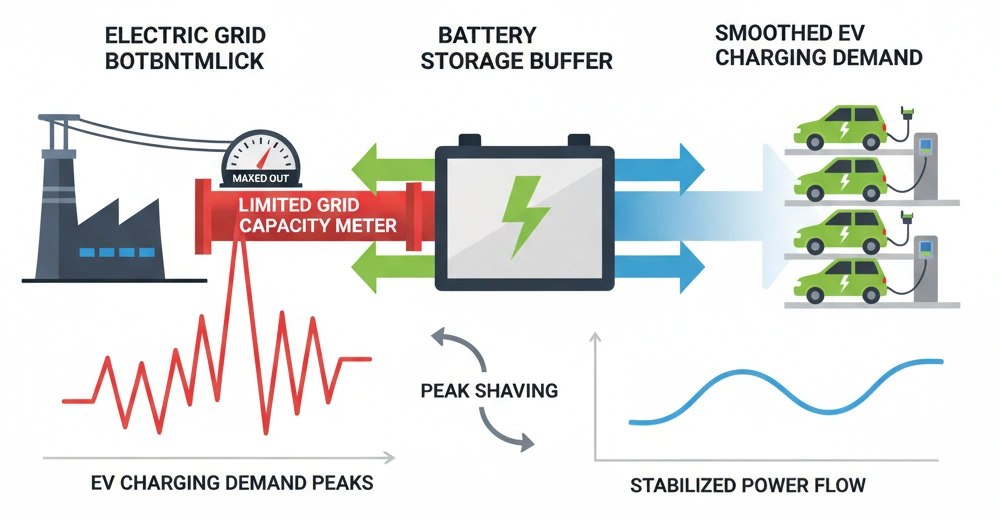
EUPD gives an illustrative example in which a 100 kW connection can support around 50 AC charge points with intelligent load management. It is not a universal design rule, but it shows why charger numbers, parking duration and simultaneous demand need to be assessed together.
Storage becomes relevant when software control alone cannot meet the operating schedule. A battery can absorb surplus PV or charge during quieter periods, then discharge when several vehicles return together. It may also help where grid reinforcement is delayed or where a depot has only a short turnaround window.
The study cites an industry example in which grid input of 22 to 87 kW supported charging output of up to 300 kW with a battery buffer. That does not make storage the default answer for every site. If managed AC charging meets the duty cycle, it will usually remain the simpler investment.
The starting point should be the fleet's actual operating profile: parking time, departure schedules, daily energy demand and the building's load curve.
Managing energy across a commercial site
Commercial sites need to manage the building, solar system, battery and vehicle chargers within the same grid connection.
SolaX combines these assets in one energy system. Solar can supply the building and vehicles directly, while surplus generation is stored for use when vehicles return or site demand increases. Managed charging helps keep the total load within the available grid capacity.
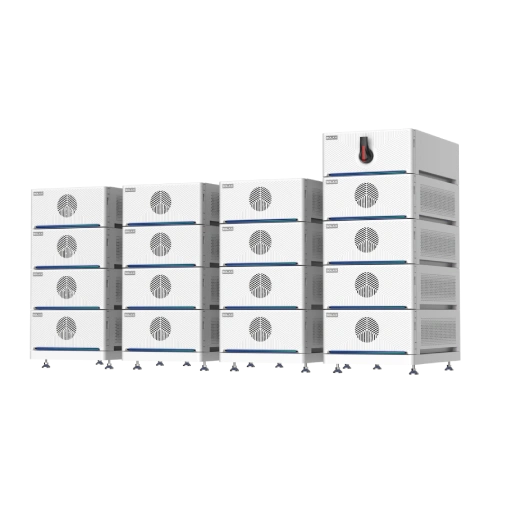
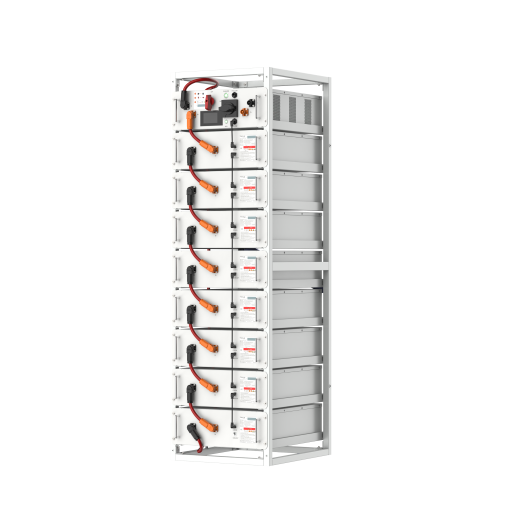
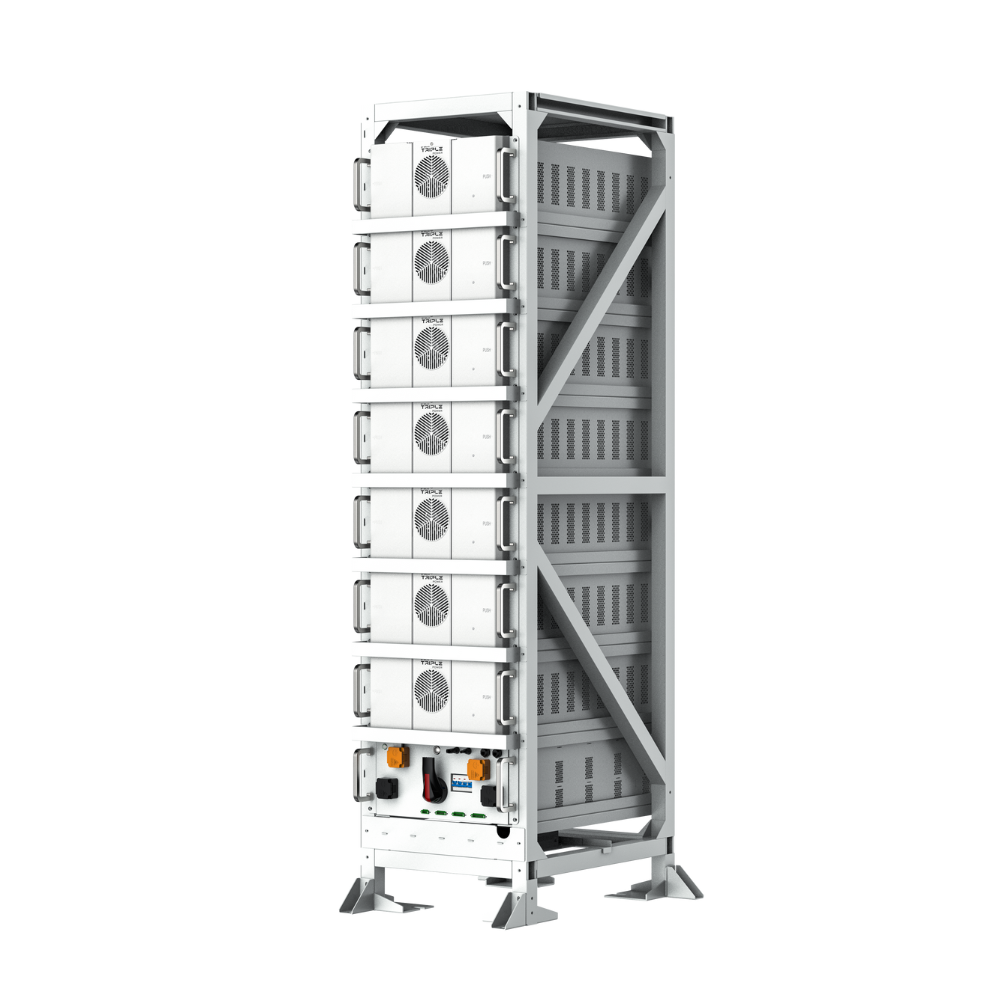
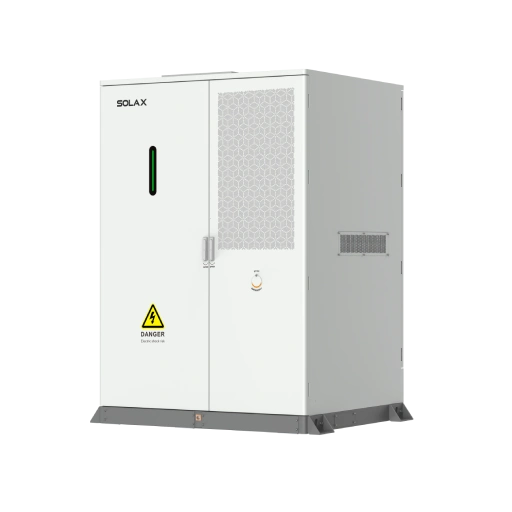
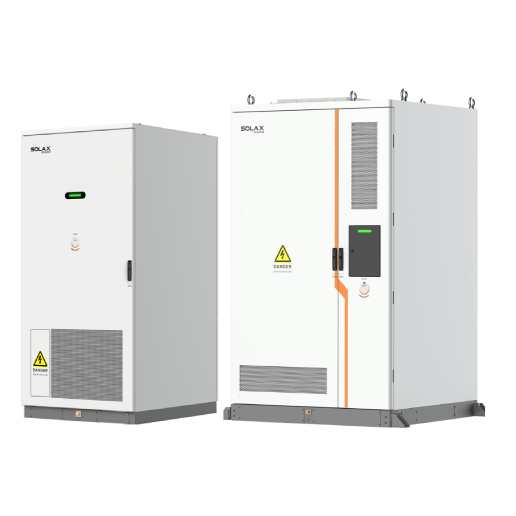
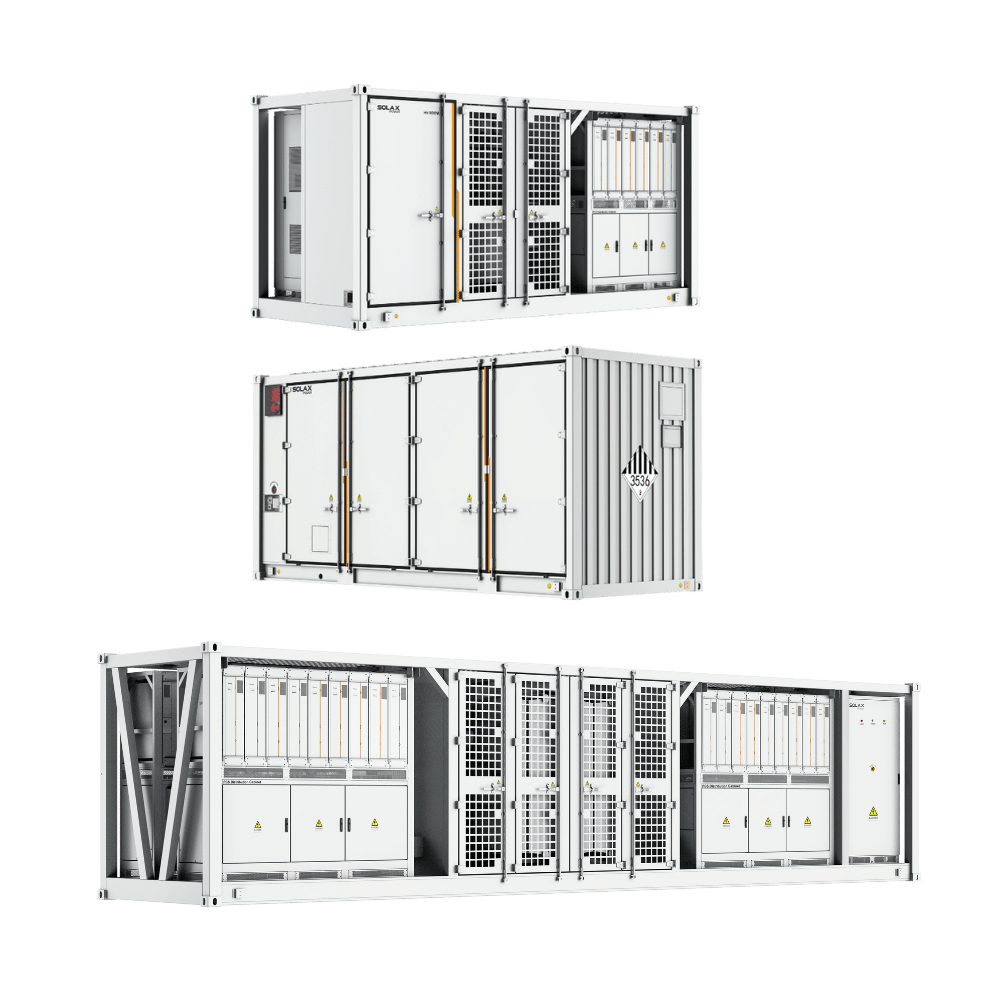
For these applications, SolaX offers the liquid-cooled ESS-TRENE range. The 125 kW / 261 kWh cabinet is suited to commercial buildings, smaller depots and phased projects. The 1 MWh-class system, with 1,044 kWh of storage, is intended for factories, logistics sites and larger charging hubs.
The appropriate configuration depends on the site load, charging schedule and grid connection. Capacity can be expanded as vehicle numbers and energy demand grow.

Giving the parked vehicle a second role
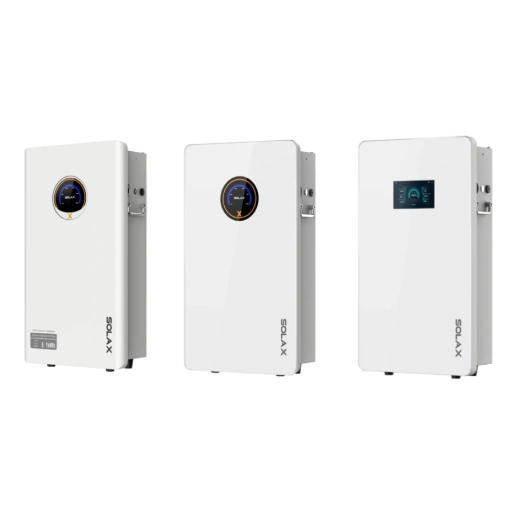
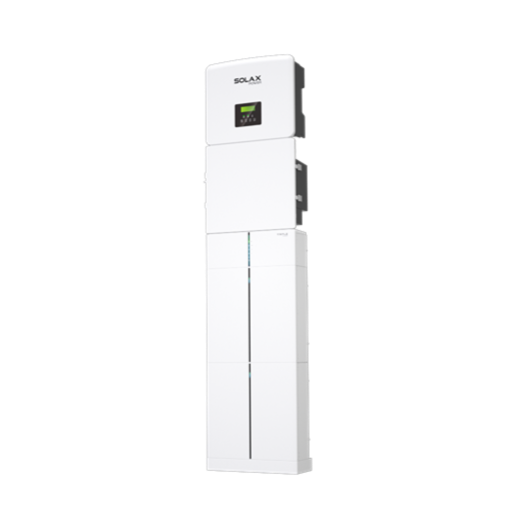
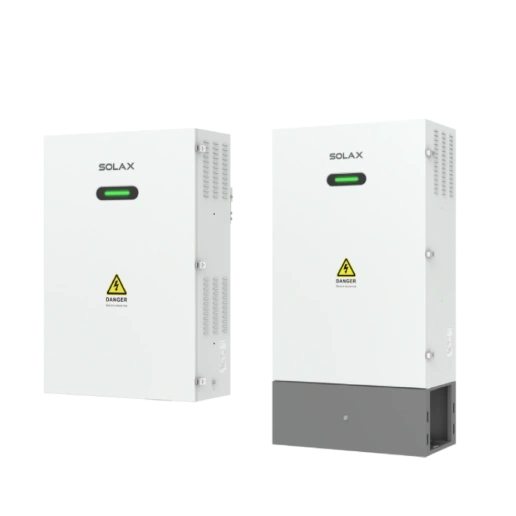
The SolaX integrated PV + ESS + V2H + thermal solution extends this system towards vehicle-to-home applications.
When paired with a supported V2L-capable vehicle and a compatible SolaX PV and storage system, it can manage charging and discharging, balance household loads and make energy from the EV battery available to the home.
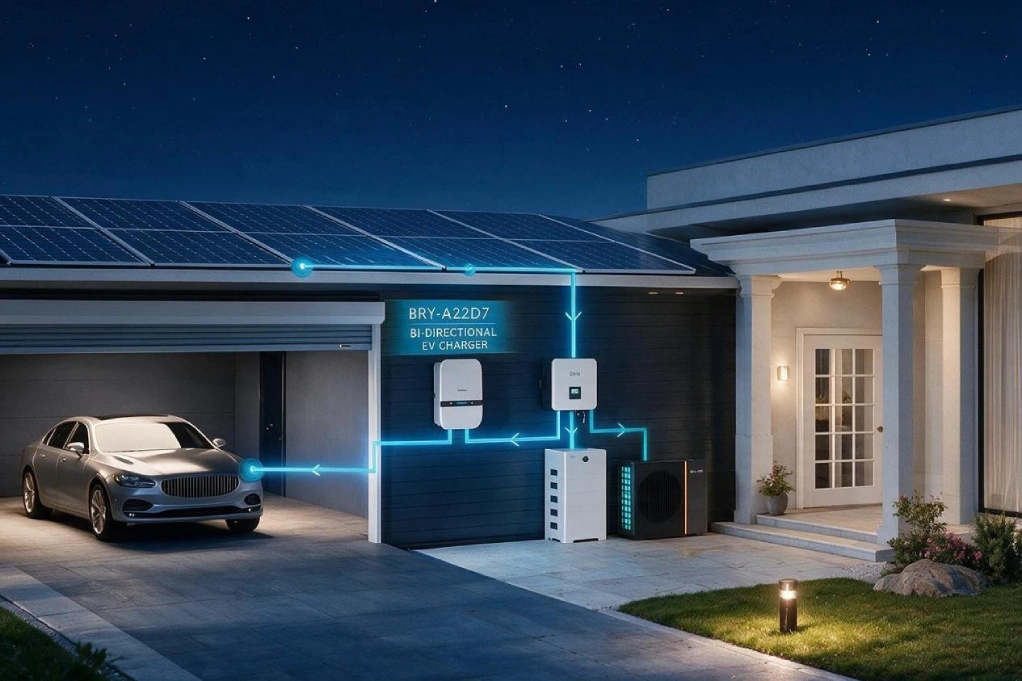
In practice, a vehicle could charge from rooftop solar during the day and return part of that energy in the evening, when household demand rises and PV production falls. It may also provide an additional source of backup power during a grid interruption.
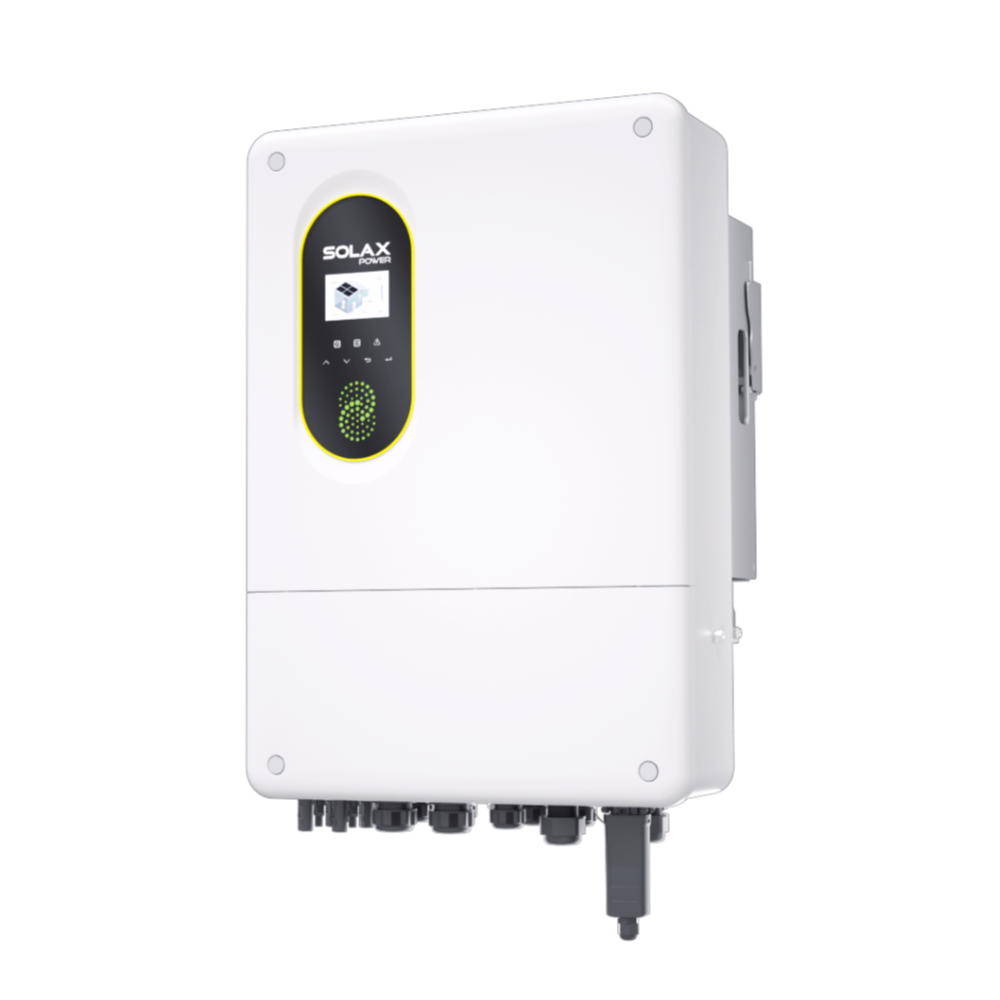
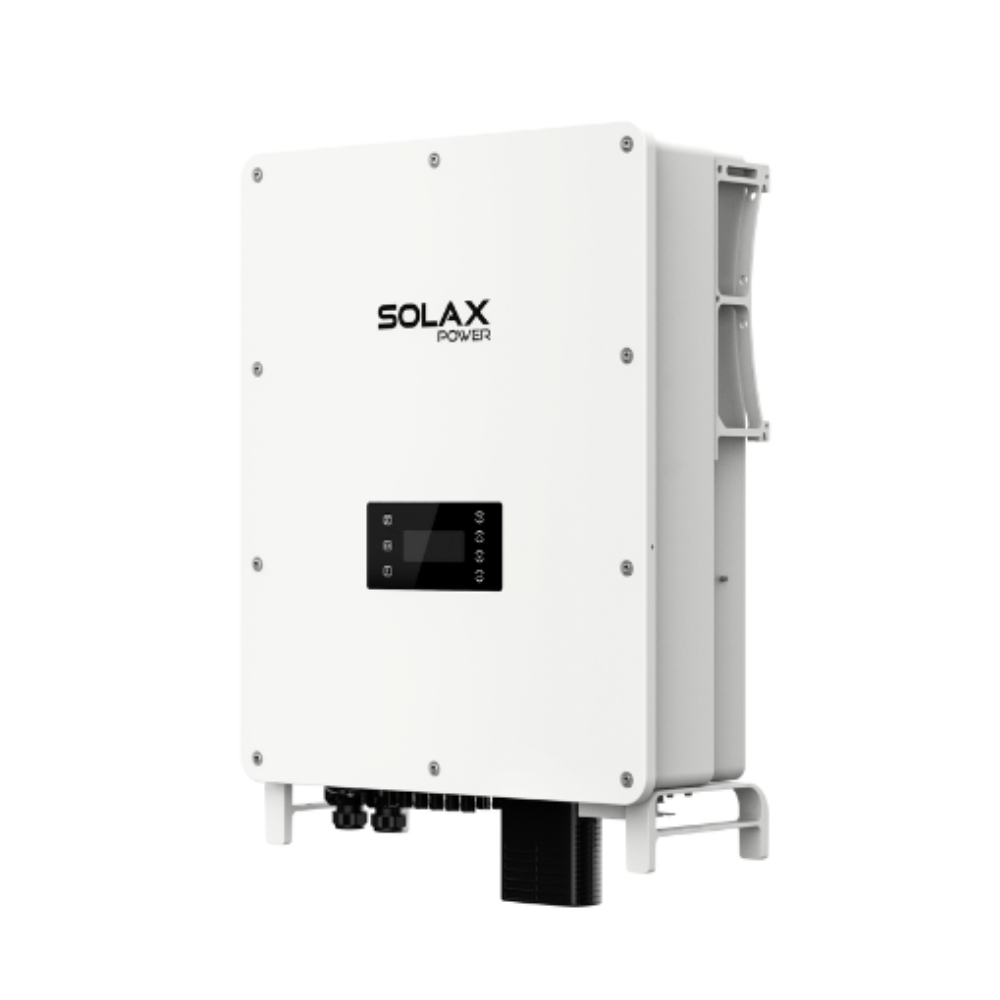
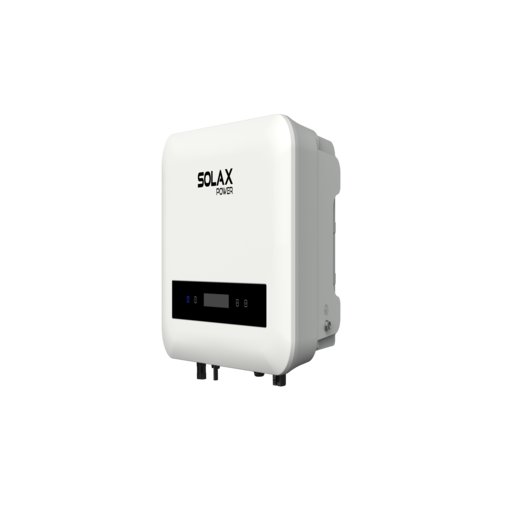
The AC-side solution is designed to work with compatible SolaX hybrid inverter platforms, including the X1-VAST and X3-G4 Pro, with further compatibility planned.
V2H is still an emerging application. Availability depends on the vehicle, system configuration and local electrical or grid requirements. Its current value lies in practical functions such as solar utilization, household load management and backup support—not in uncertain future revenues from electricity markets.
From charging infrastructure to energy control
EUPD's study makes a useful point: fleet electrification is becoming an infrastructure and energy-management issue. Grid capacity matters, but a larger connection is not the only response. Charging time, duty cycles, solar generation, storage and site controls all influence what can be achieved.
For commercial fleets, the task is to coordinate energy across the site. At home, the same logic is moving from solar charging towards V2H.
Better control of these variables may allow some sites to electrify further without immediately reinforcing the grid connection. That is likely to be one of the more practical routes through Europe's next phase of electric mobility.
Source note:
Market figures, cost comparisons and infrastructure findings are drawn from EUPD Research (2026): Unlocking Fleet Electrification: How Intelligent Charging Infrastructure Overcomes Grid Bottlenecks.
The SolaX content does not form part of the study, and the study should not be understood as an evaluation or endorsement of SolaX products or solutions.
Table of Contents
Latest News
Explore expert insights, practical guides, and the latest news on SolaX Power.








To the Latest Newsletter
Stay Ahead with the Latest SolaX Updates!
Subscribe
I have read and agree to Privacy Policy and User Terms