










September 21, 2026
Don't Overpay: Best 5 Brands for Small Businesses Adding Solar + Batteries in the UK
Share my #SolaXStory


A small business can overspend on a solar energy system long before the panels go on the roof. The usual mistake is buying around headline battery size or inverter power, then finding the monitoring is weak, expansion is awkward, or the installer has to stitch together too many brands. That matters more in the UK, where bill pressure and tariff structure can make control, visibility, and usable storage just as important as hardware capacity.
This shortlist compares five brands that UK SMEs already encounter when planning a solar inverter and solar battery project for a shop, office, workshop, or light commercial site.
The focus is practical rather than promotional: which brands give you a sensible growth path, where a one-brand smart energy ecosystem helps, and where a specialist battery or local-market offer may be the better fit.
1. SolaX
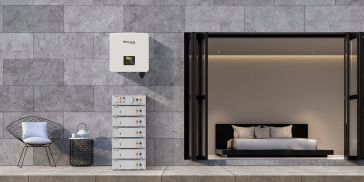
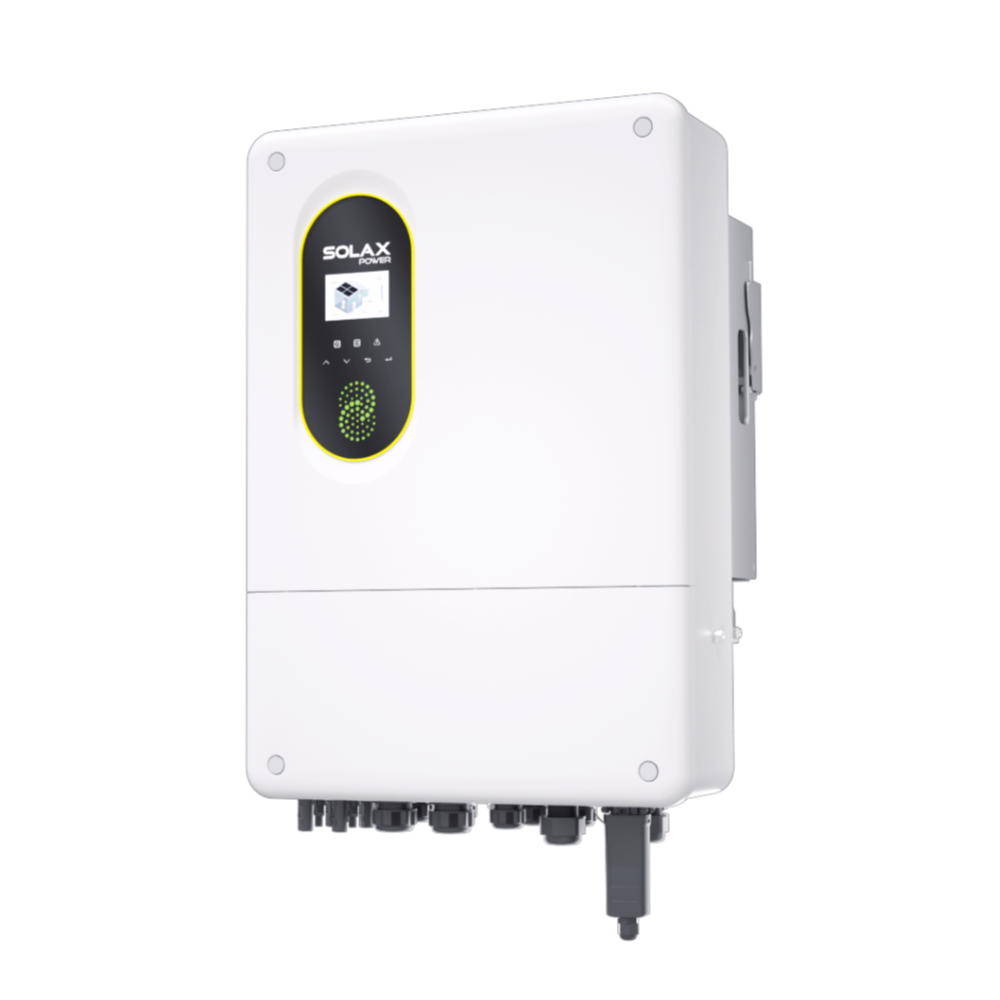
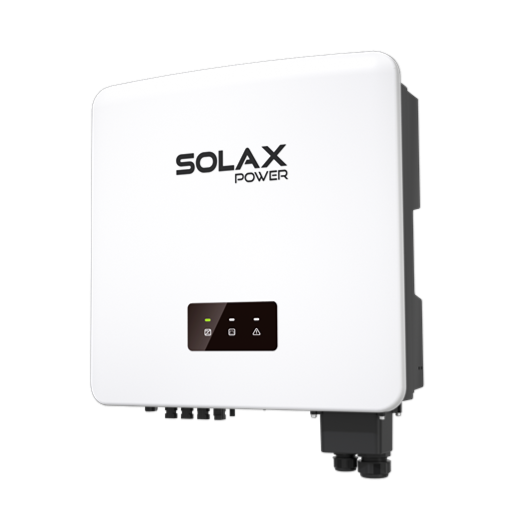
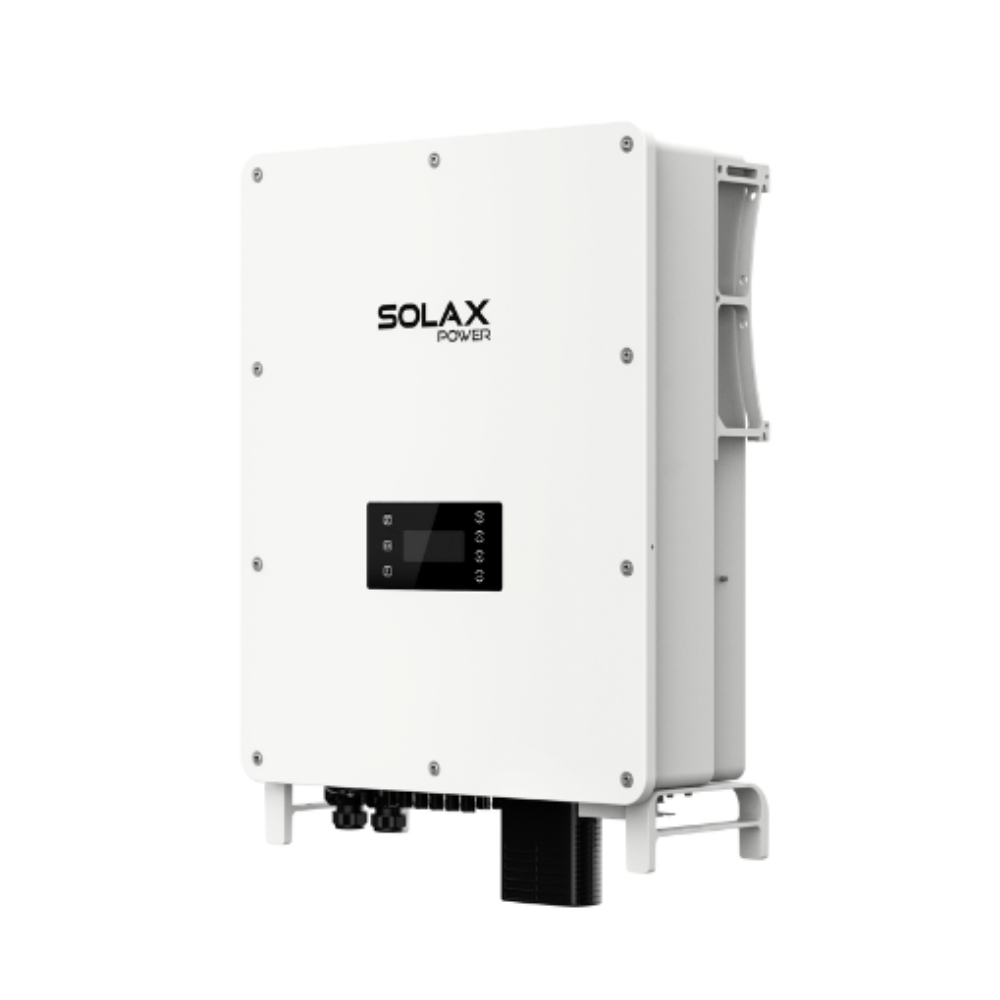
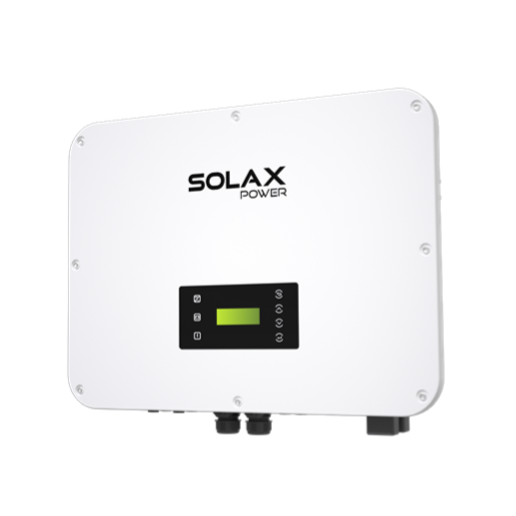
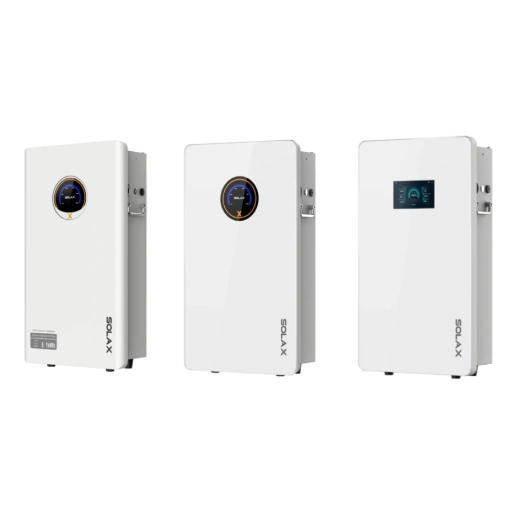
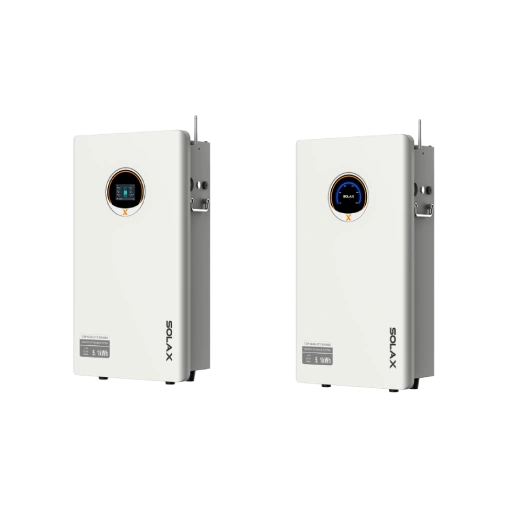
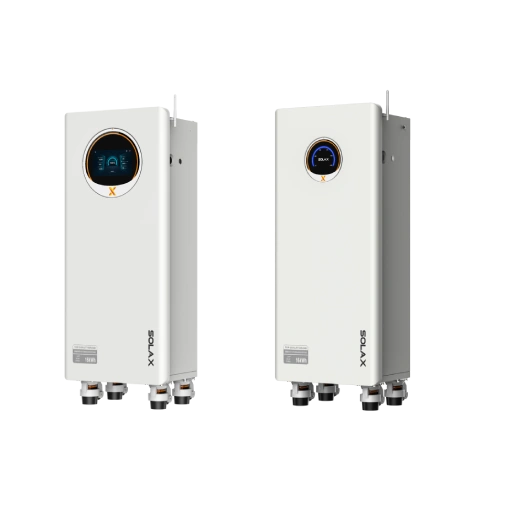
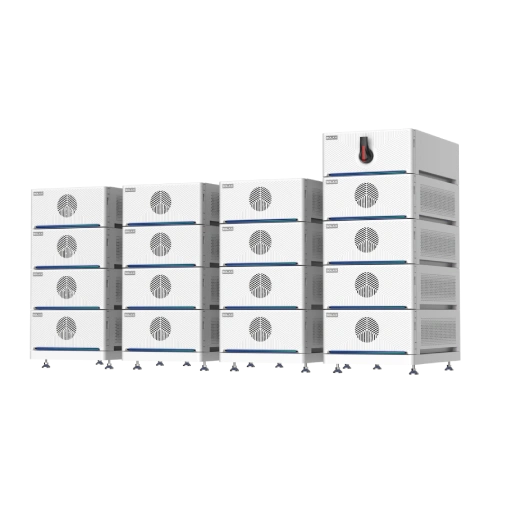
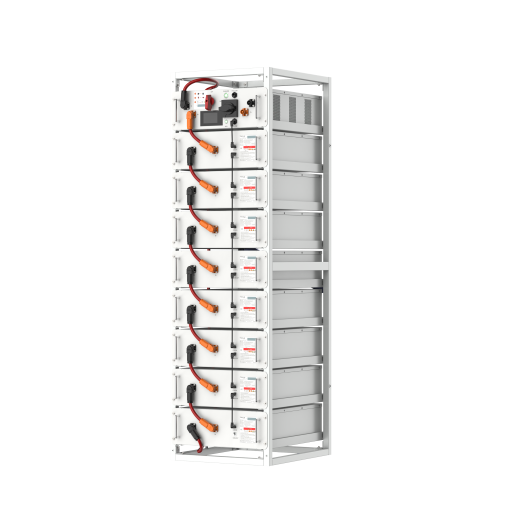
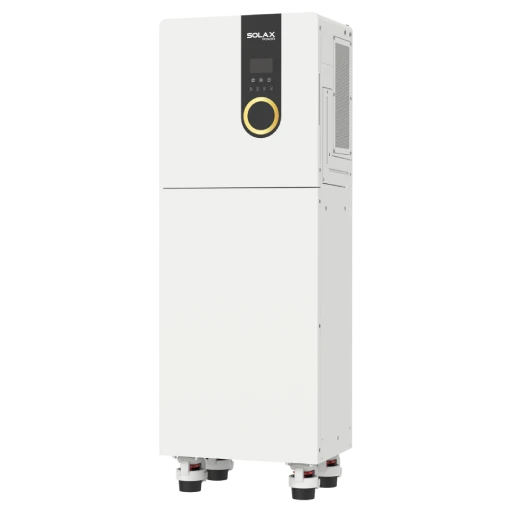
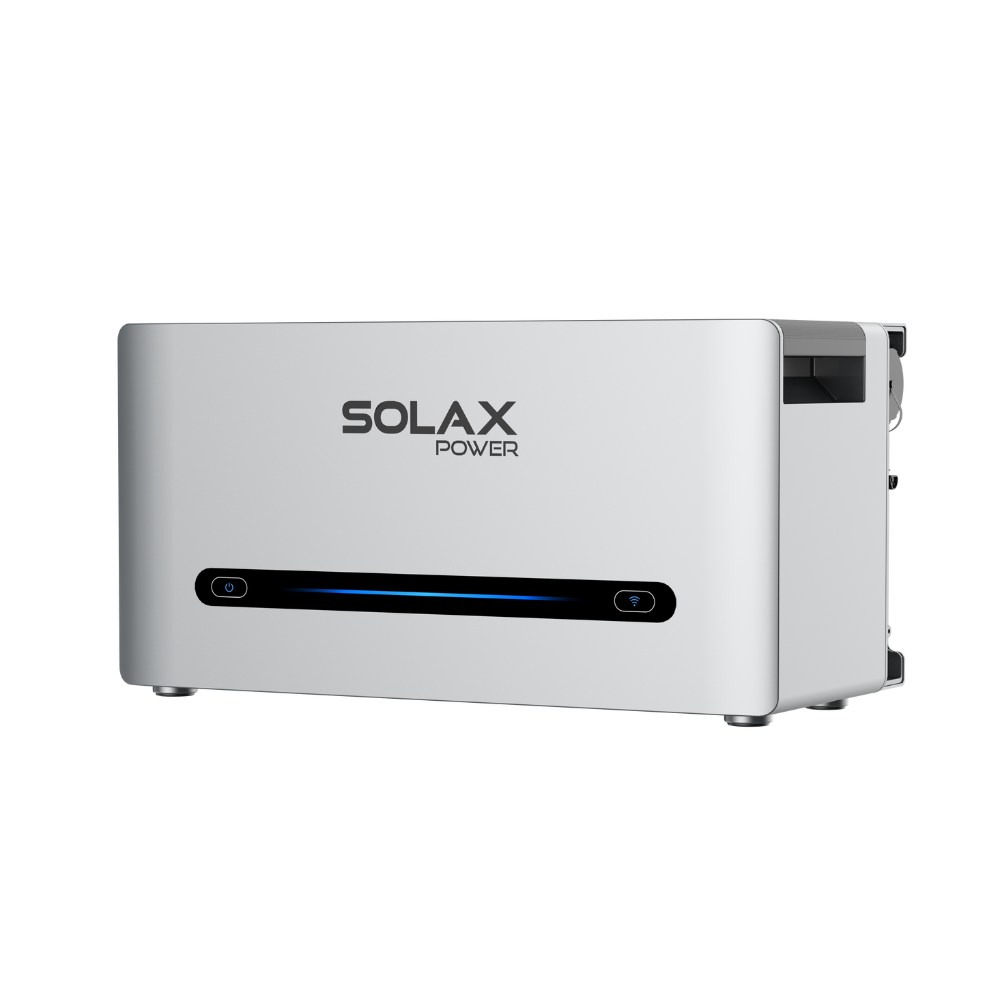
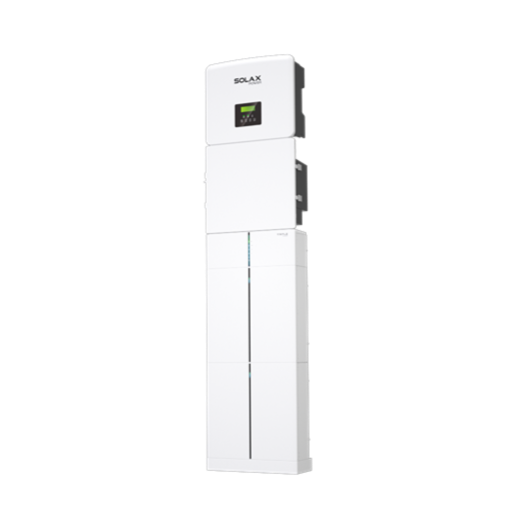
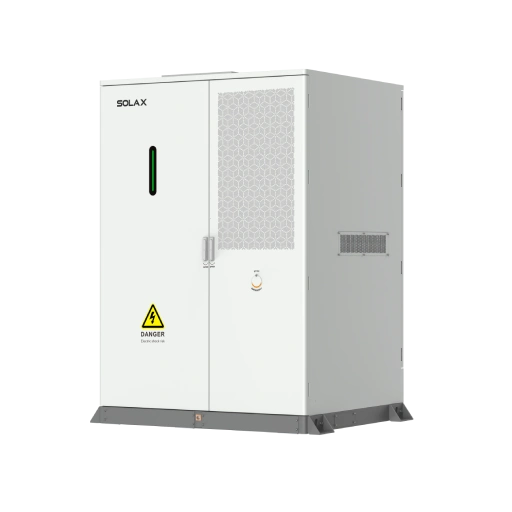
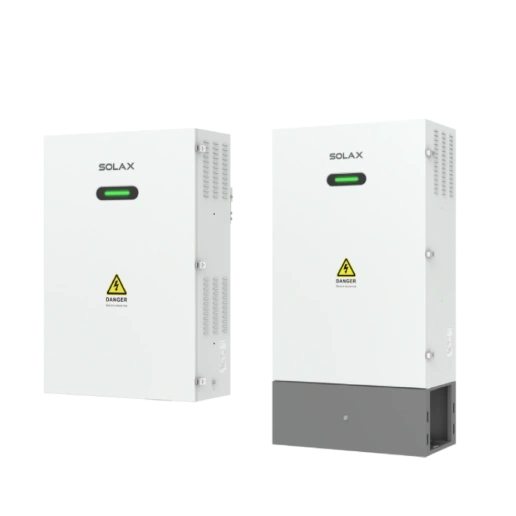
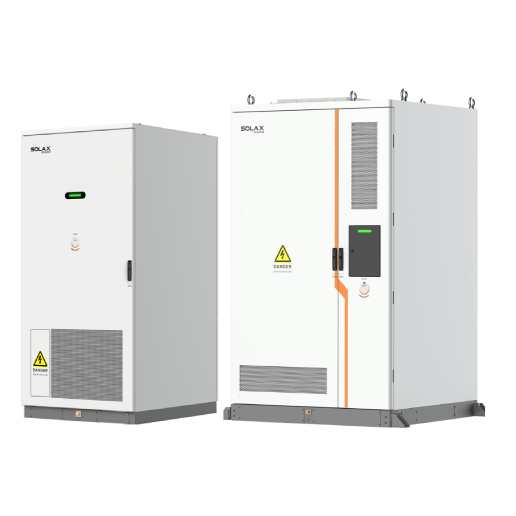
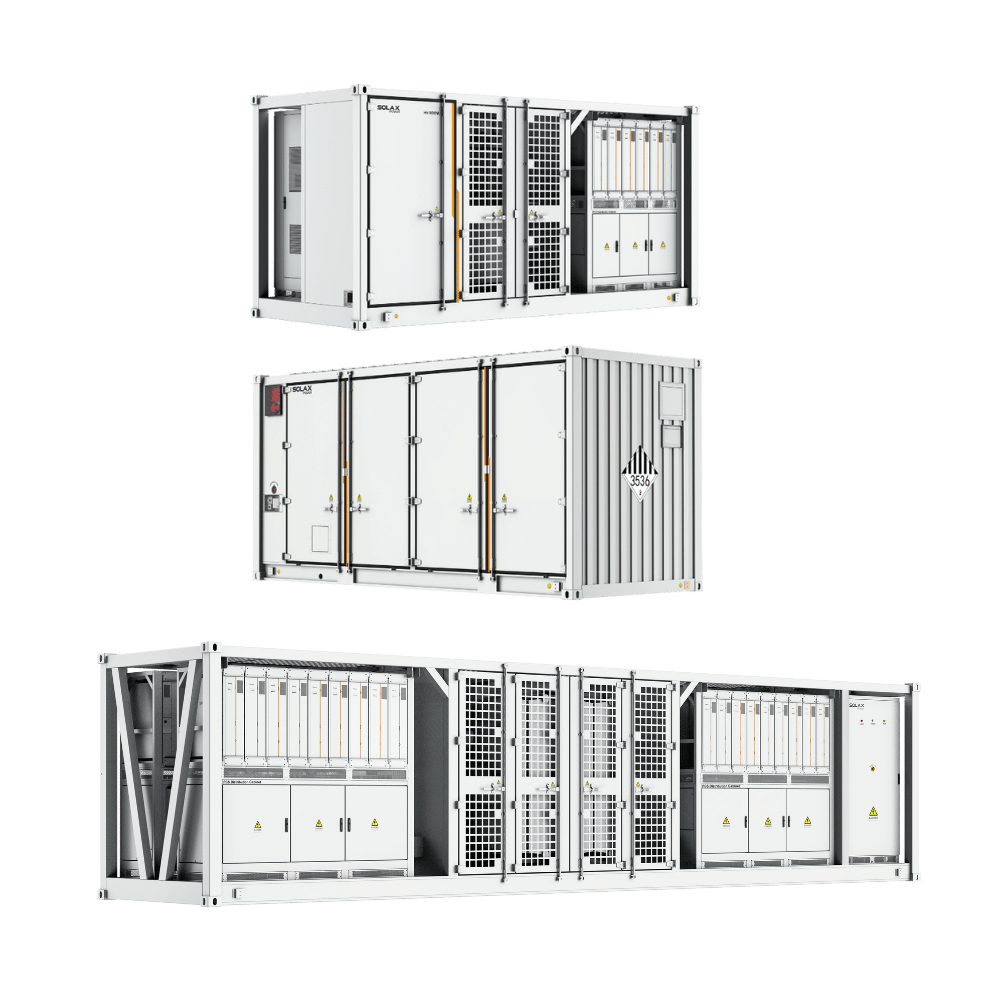
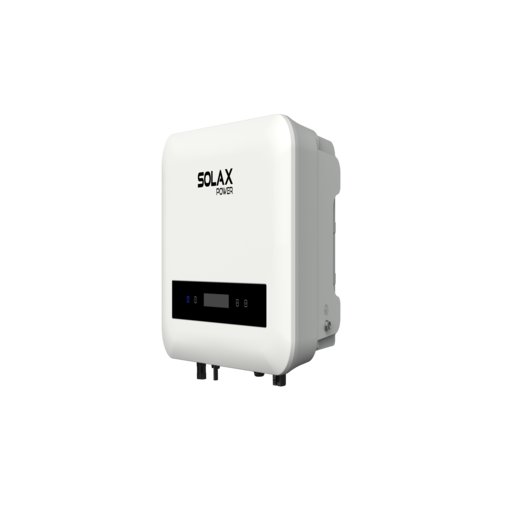
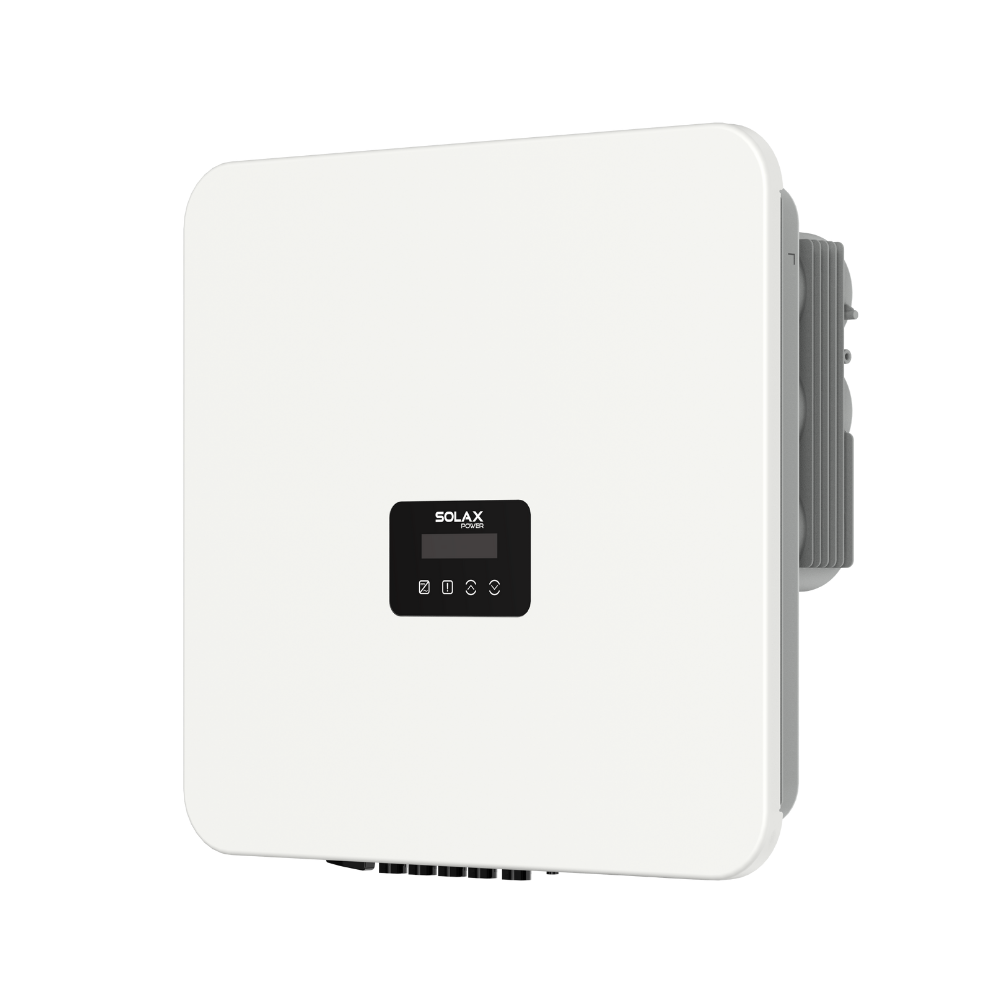
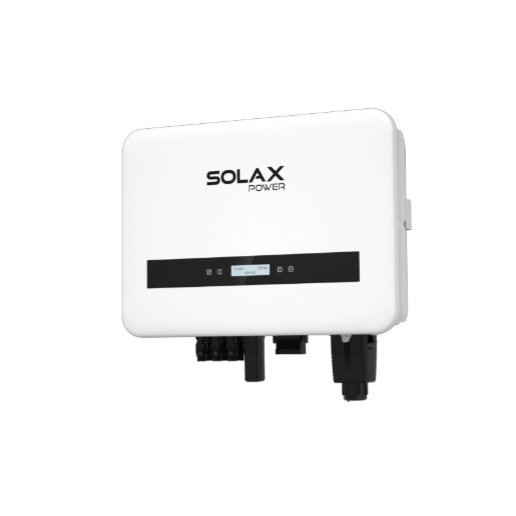
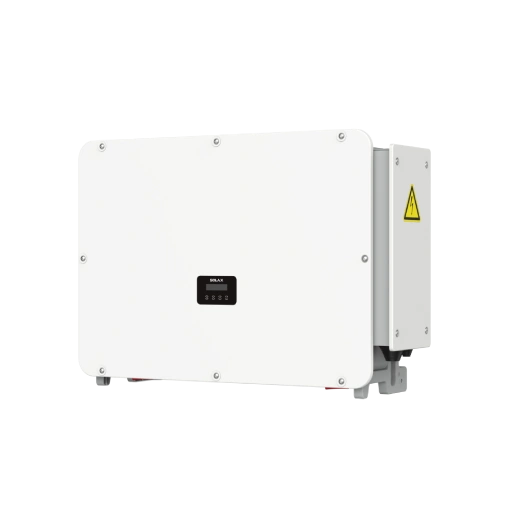
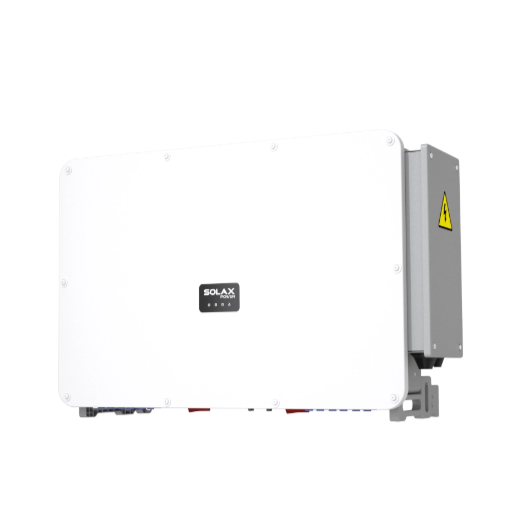
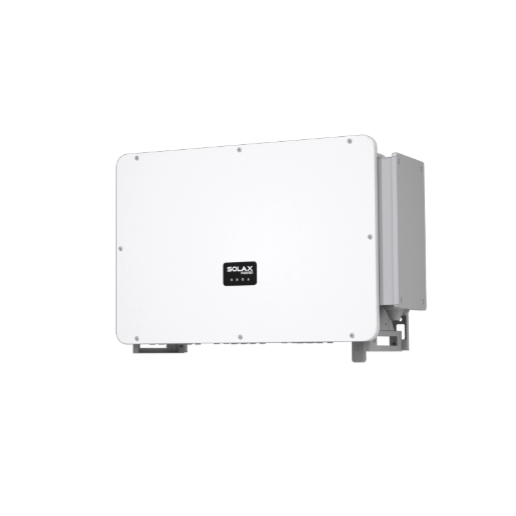
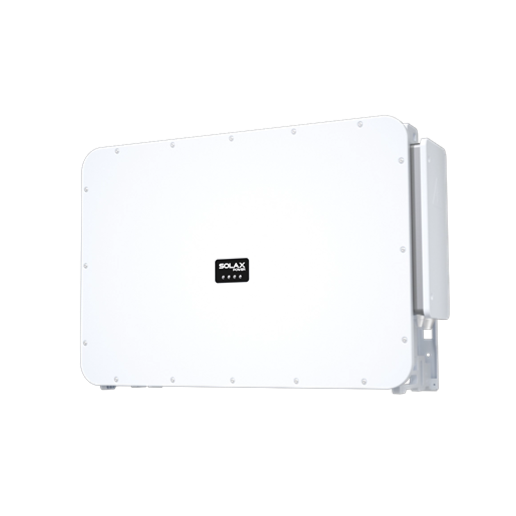
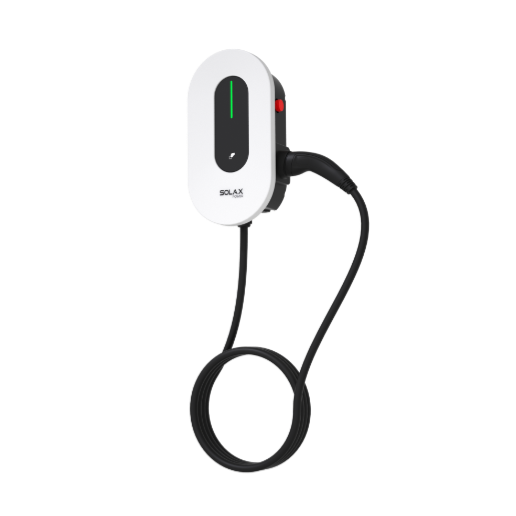
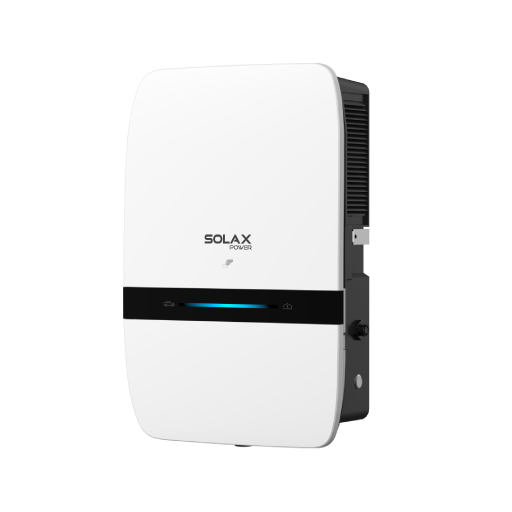
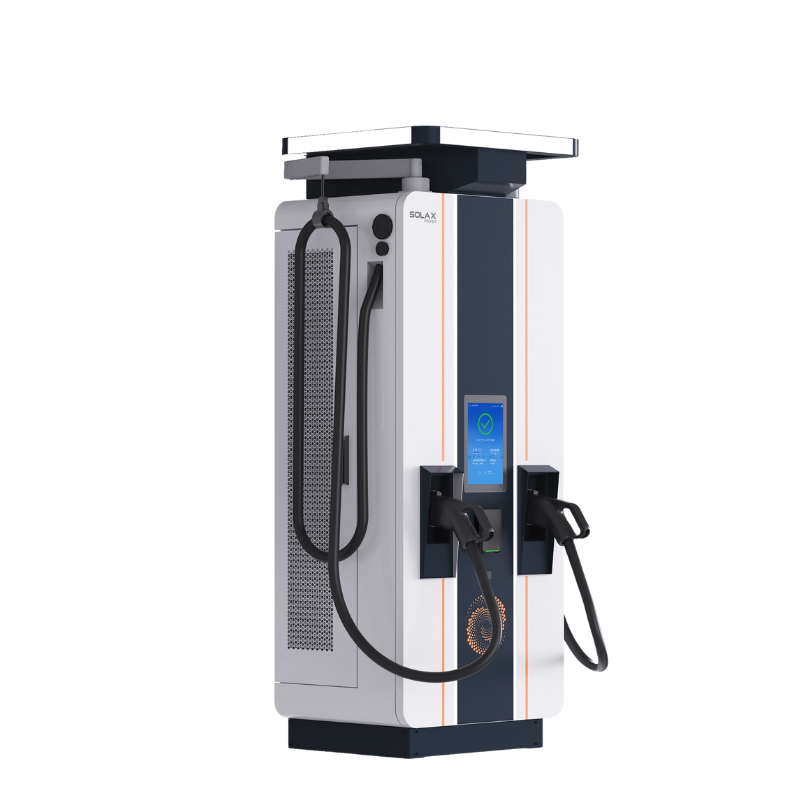
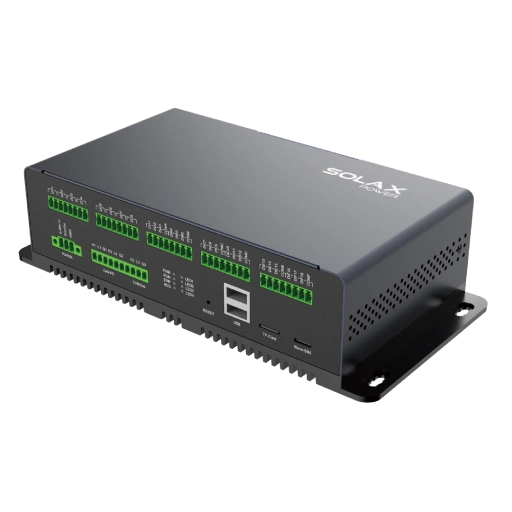
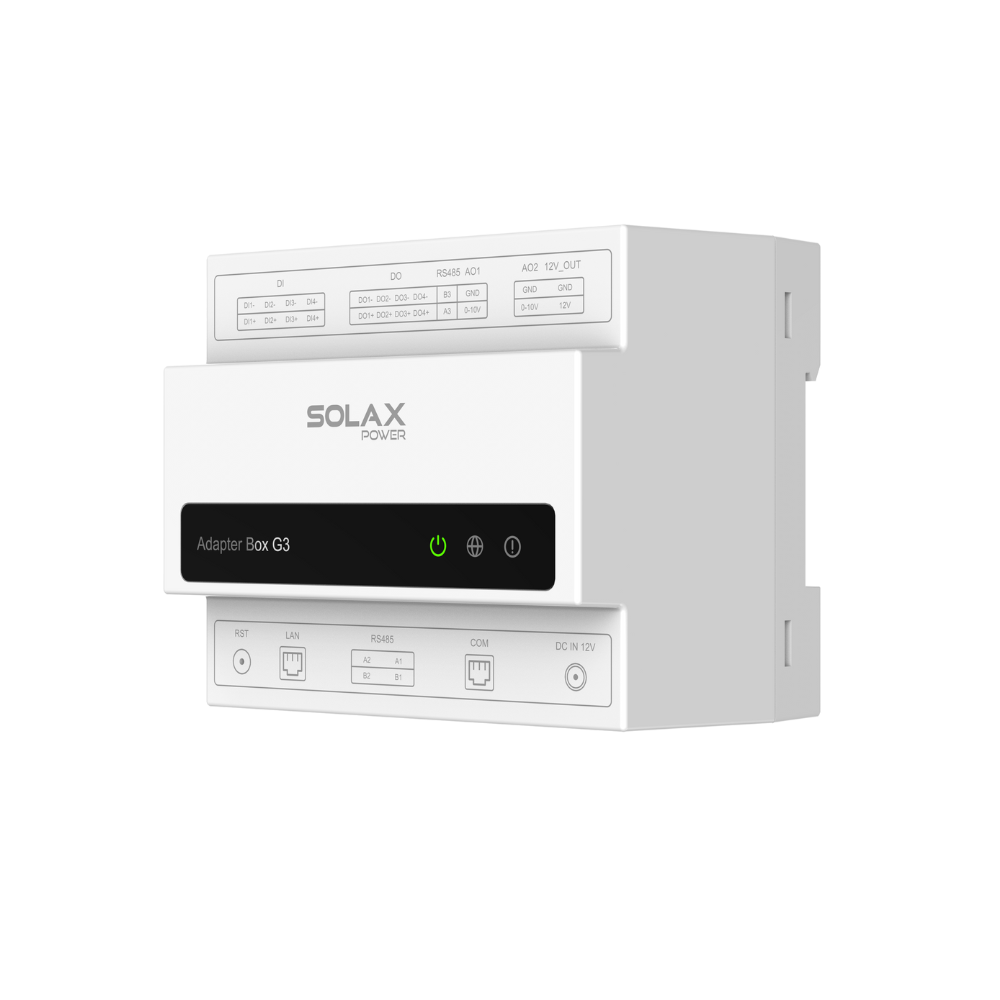
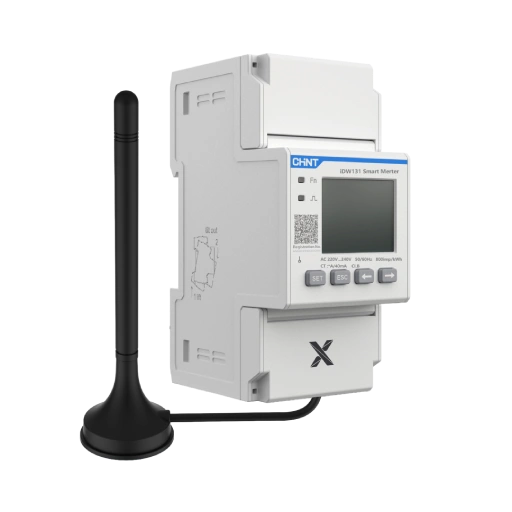
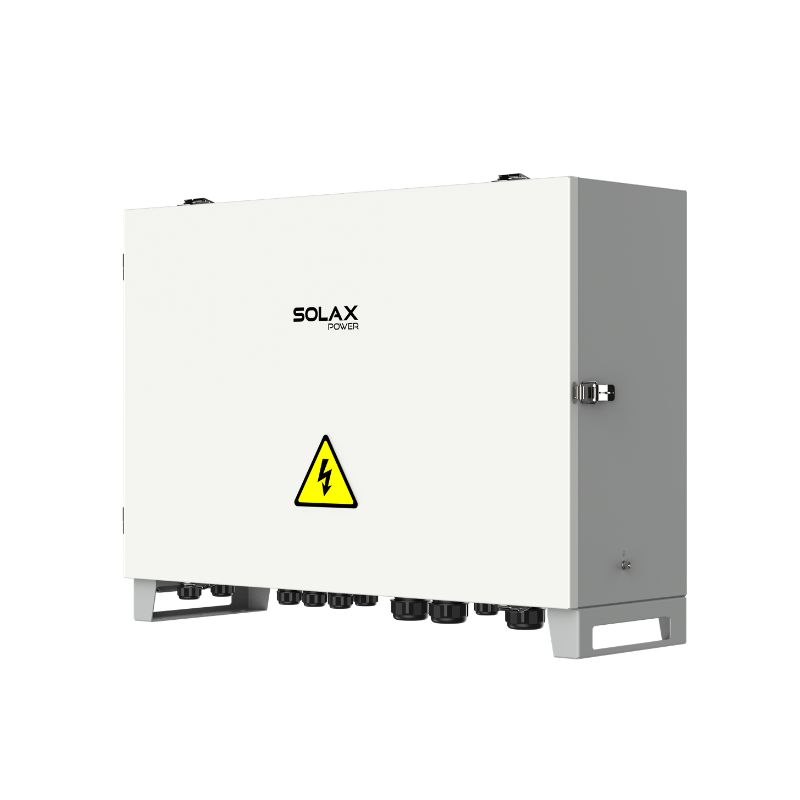
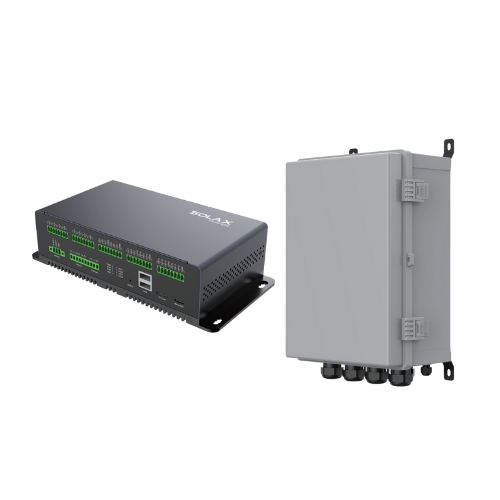
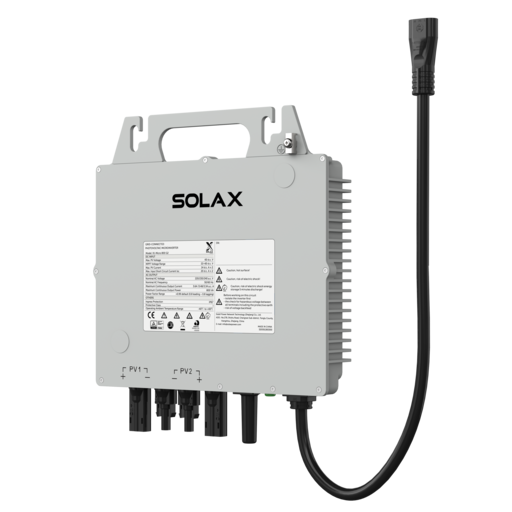
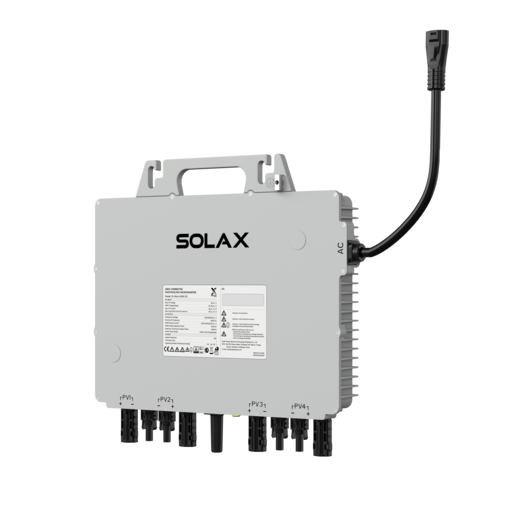
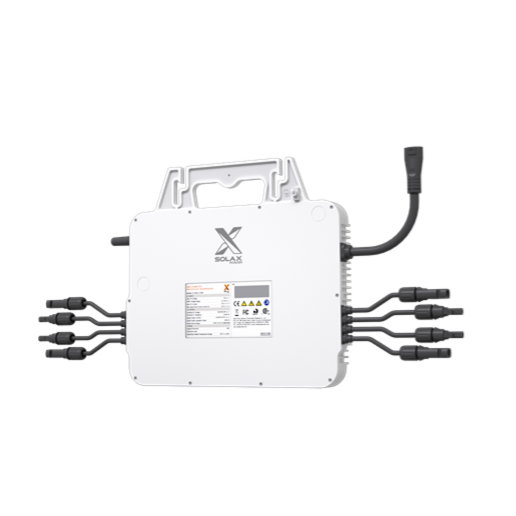
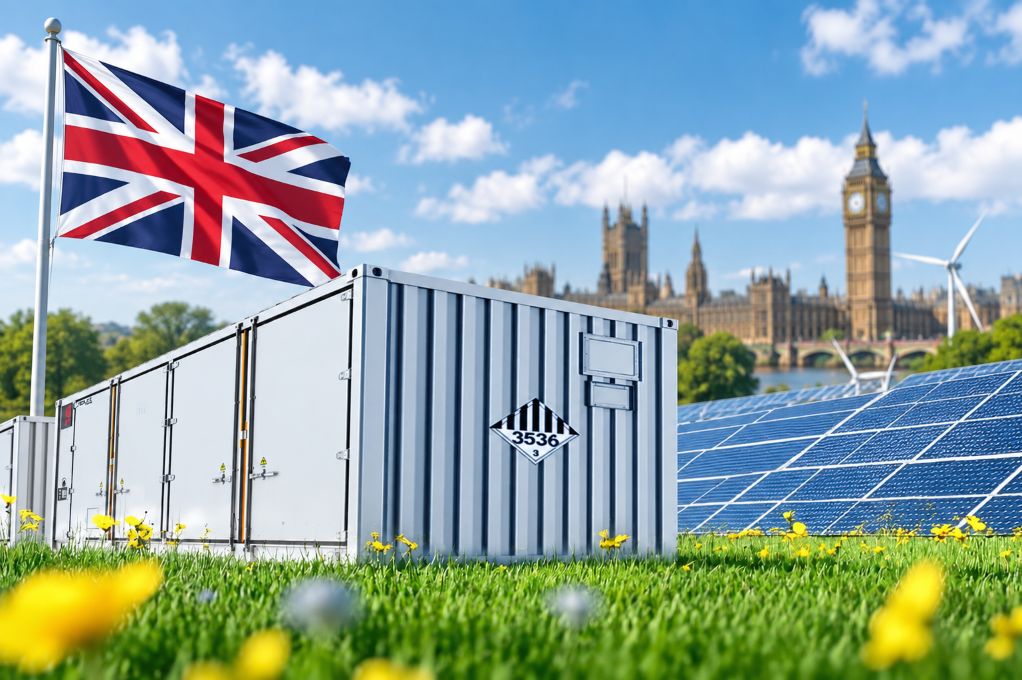
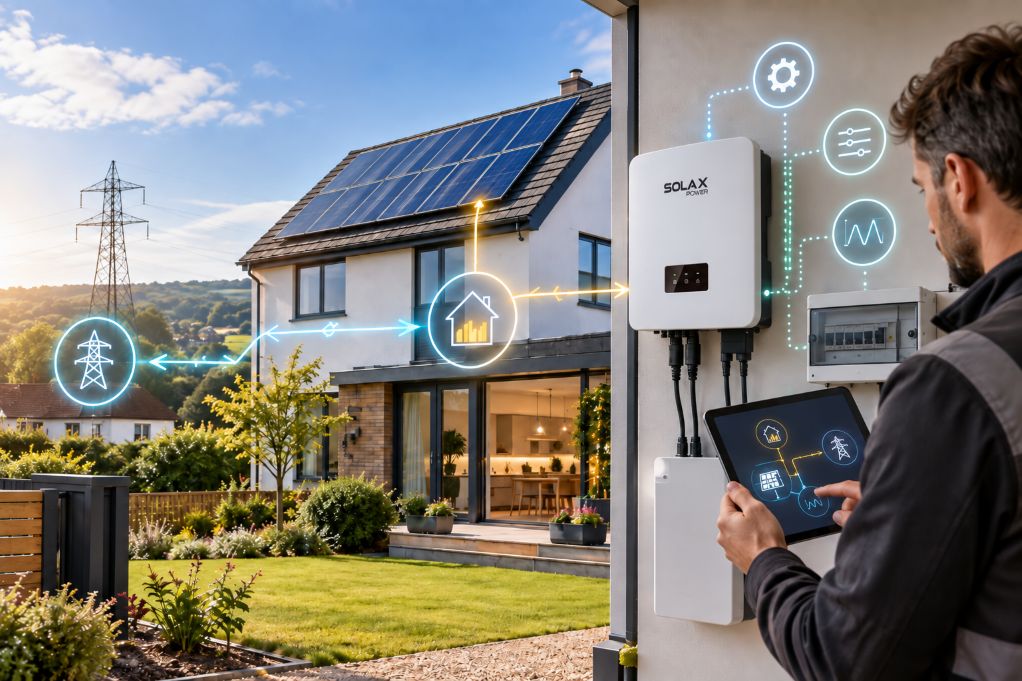
SolaX is the strongest fit for small businesses that want one ecosystem rather than a patchwork of suppliers. Its UK range spans batteries, residential and C&I energy storage inverters, all-in-one ESS, EV charging, and SolaXCloud, which gives it a cleaner path from a modest solar power system to a more advanced smart energy setup.
Key strengths
Broad product coverage for inverter, battery, monitoring, and later expansion
UK-facing product pages for residential and commercial energy solutions
SolaXCloud and VPP positioning support monitoring and controllable operation
Clear pathway from SME sites into heavier C&I applications
Ideal for
Businesses that want one supplier for solar inverter, inverter battery, monitoring, and future add-ons
Sites planning phased upgrades, such as adding more storage or EV charging later
Owners who care about visibility, scheduling, and day-to-day control
Key considerations
A broad range is helpful, but it also means you need the installer to specify the right tier rather than oversize the project
Some smaller sites may not need the more advanced C&I feature set
2. FoxESS
FoxESS suits businesses that want a broad hybrid and storage catalogue without jumping straight into a more complex commercial architecture. For many small firms, that middle ground matters: enough flexibility to build a capable solar energy setup, but without paying for features that only make sense on a much larger premises.
Key strengths
Broad range across PV inverters, hybrid inverters, batteries, EV charging, and C&I storage
Cloud-based monitoring through app or web portal
Modular battery options that support staged expansion
Ideal for
SMEs that want scalable storage with a relatively straightforward product family
Businesses focused on self-consumption and tariff-led savings first
Installers and buyers who prefer documented expansion options
Key considerations
Product breadth is good, but the exact UK support path should be checked before signing
Smaller firms should be clear on whether they need residential-crossover products or true commercial hardware
3. GoodWe
GoodWe becomes more attractive when your site already looks commercial in the way it uses power. If your office, workshop, or mixed-use premises has clear daytime peaks, the brand’s battery-plus-inverter logic can be easier to justify than a simpler crossover system.
Key strengths
Clear C&I framing around self-consumption, peak shaving, and load management
Lynx C battery line is presented as part of a joined system with ET hybrid inverters
Expandable commercial storage aimed at small and medium C&I scenarios
Ideal for
Businesses with more operational load patterns, not just light daytime offsetting
Buyers who want a clearer commercial architecture from the start
Sites likely to move into more structured energy management
Key considerations
It may be more system than a very small premises needs
The joined-solution approach works best when your installer is already comfortable with the platform
4. Pylontech
Pylontech belongs on the list because some SMEs start with the battery decision, then work backwards to the inverter and control layer. In that buying journey, a storage specialist can be relevant, especially when modularity and chemistry confidence matter more than a broad one-brand hardware stack.
Key strengths
Strong reputation as a battery-focused brand
Often considered where storage is the first procurement decision
Useful in projects where compatibility is being led by the installer
Ideal for
Businesses approaching the project as a storage-first decision
Sites where the installer already has a proven inverter-battery pairing plan
Buyers comparing specialist battery brands against broader ecosystems
Key considerations
You need to verify the exact compatibility route before purchase
It is less of a one-brand ecosystem choice than the most integrated platforms in this list
5. Sungrow
Sungrow suits small businesses that want proven inverter technology combined with scalable battery storage. Its UK product range covers both smaller hybrid installations and more capable commercial systems, giving SMEs room to expand without committing to an oversized energy architecture from the outset.
Key strengths
Established range of PV inverters, hybrid inverters, batteries, EV charging, and C&I storage
Cloud-based monitoring through the iSolarCloud app and web portal
Scalable storage options for businesses planning future expansion
Ideal for
SMEs looking for an established solar and storage manufacturer
Businesses prioritising self-consumption, peak reduction, and tariff-led savings
Buyers who want a pathway from smaller hybrid systems to commercial hardware
Key considerations
Product compatibility varies by inverter and battery generation, so the complete system should be specified together
Businesses should confirm UK warranty support, installer experience, and whether three-phase or dedicated C&I equipment is required
How to compare these five brands without overbuying
UK buyers should first match the brand to the operating pattern, not the brochure headline. A café may care about refrigeration resilience and evening discharge, while a workshop may care more about daytime self-consumption and a future EV charger. European Commission states that energy storage can help reduce exposure to price fluctuations and support consumers in adapting consumption to prices and their needs. That makes controllability and monitoring central buying criteria, not optional extras.
Match the brand to your site objective
Bill reduction first: prioritise scheduling, app visibility, and charge-discharge control
Operational resilience: check backup capability and which loads can actually be supported
Future growth: confirm whether more PV, more battery capacity, or EV charging can be added later
Simpler support: prefer fewer brands in the stack if you want cleaner accountability
When one ecosystem matters most
For many SMEs, one ecosystem is worth paying for because it reduces integration disputes later. SolaX stands out here because its portfolio covers battery storage, solar inverter options, EV charging, and cloud management in one brand environment. FoxESS also offers broad category coverage, while GoodWe makes the battery-inverter pairing logic especially clear for more commercial-leaning sites.
Common mistakes that push project costs up
A cheap quote can become expensive if the battery cannot scale, the app does not support useful control, or the support chain is blurred across multiple vendors. The UK policy backdrop also rewards thinking beyond basic generation: the UK Government noted that the Smart Export Guarantee covers small-scale exporters, with solar installations up to 5MW eligible to be paid for electricity exported to the grid.
Avoid these three buying errors
Oversizing for rare peaks: model your actual half-hourly or interval demand before choosing battery and inverter size
Ignoring control software: a strong solar battery is less useful if tariff scheduling and monitoring are weak
Leaving support vague: confirm who handles commissioning, firmware, monitoring faults, and warranty claims
Which brand usually makes the most sense?
If your goal is a practical, expandable solar power system with clear monitoring and a lower risk of integration friction, SolaX is the most rounded choice in this shortlist.
The better buying decision is rarely the one with the lowest initial quote. It is the one that matches your load profile, gives your business usable control over charging and discharge, and leaves enough room to grow without replacing core components too early.
FAQ
Table of Contents
Latest News
Explore expert insights, practical guides, and the latest news on SolaX Power.


To the Latest Newsletter
Stay Ahead with the Latest SolaX Updates!
Subscribe
I have read and agree to Privacy Policy and User Terms