










September 28, 2026
How to Choose a Straightforward Solar Inverter with a Strong Reliability Record
Share my #SolaXStory


Start with the setup you actually want to live with
Choosing a solar inverter often goes wrong when buyers chase long feature lists instead of checking how the system will behave in daily use. That can leave you with a home solar inverter that is harder to monitor, awkward to expand, or less useful during an outage. A more reliable solar inverter is usually the one that matches your property, your backup expectations, and your future battery plan without adding unnecessary complexity.
For most homes, "straightforward" means four things: the inverter fits your service type, works cleanly with your planned solar battery, gives you clear solar energy monitoring, and has support documents your installer can actually use. Moreover, if you think you may add storage later, it is usually better to decide that now rather than retrofit your solar power system around a mismatch.
Use this shortlist before comparing models
Decide whether you want solar only or a hybrid inverter with battery readiness.
Confirm whether backup power matters during grid outages.
Check whether your property needs a single-phase or three-phase solution.
Ask how you will view generation, battery, and household load data.
Request the exact datasheet, manual, and warranty terms before you buy.
Match the inverter type to the system you plan to build
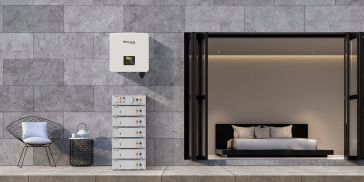
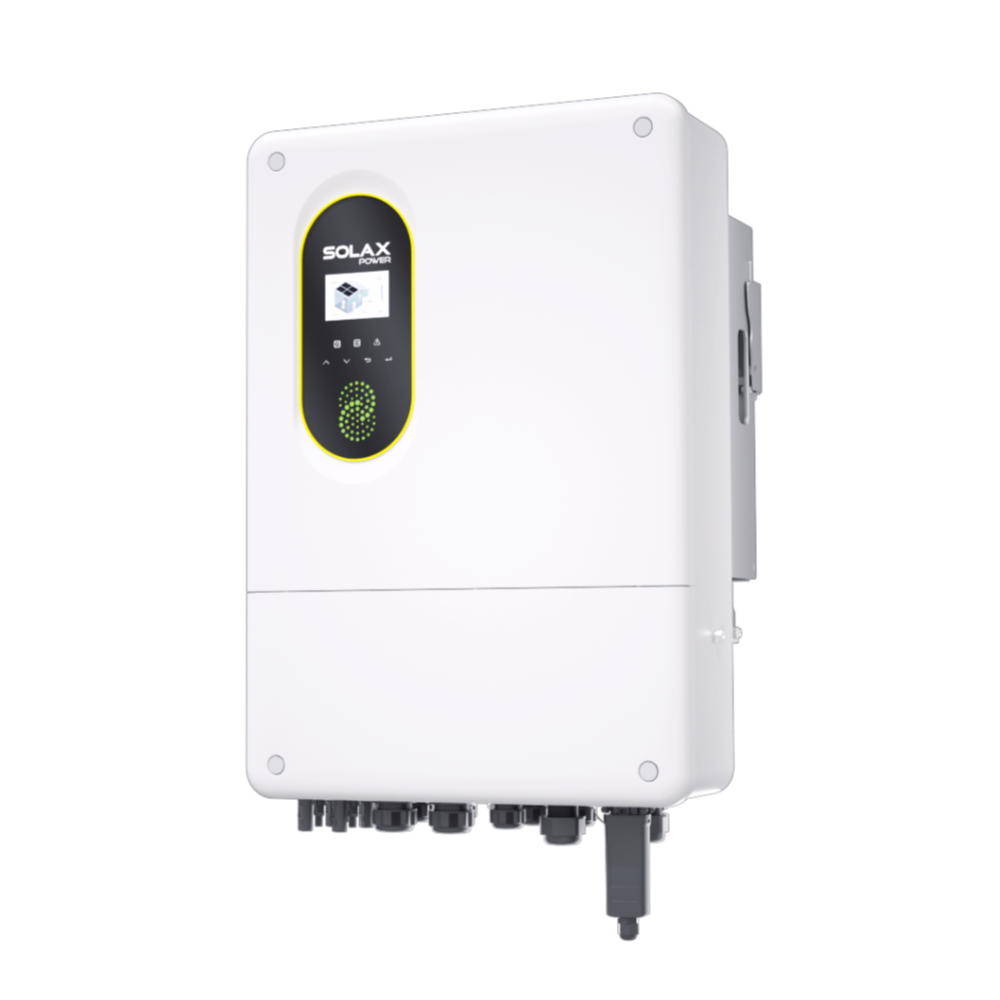
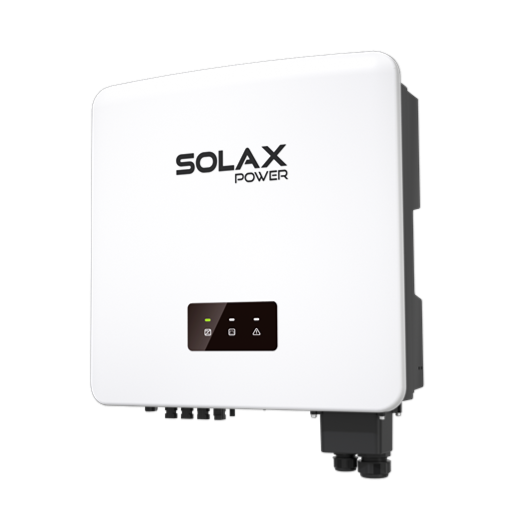
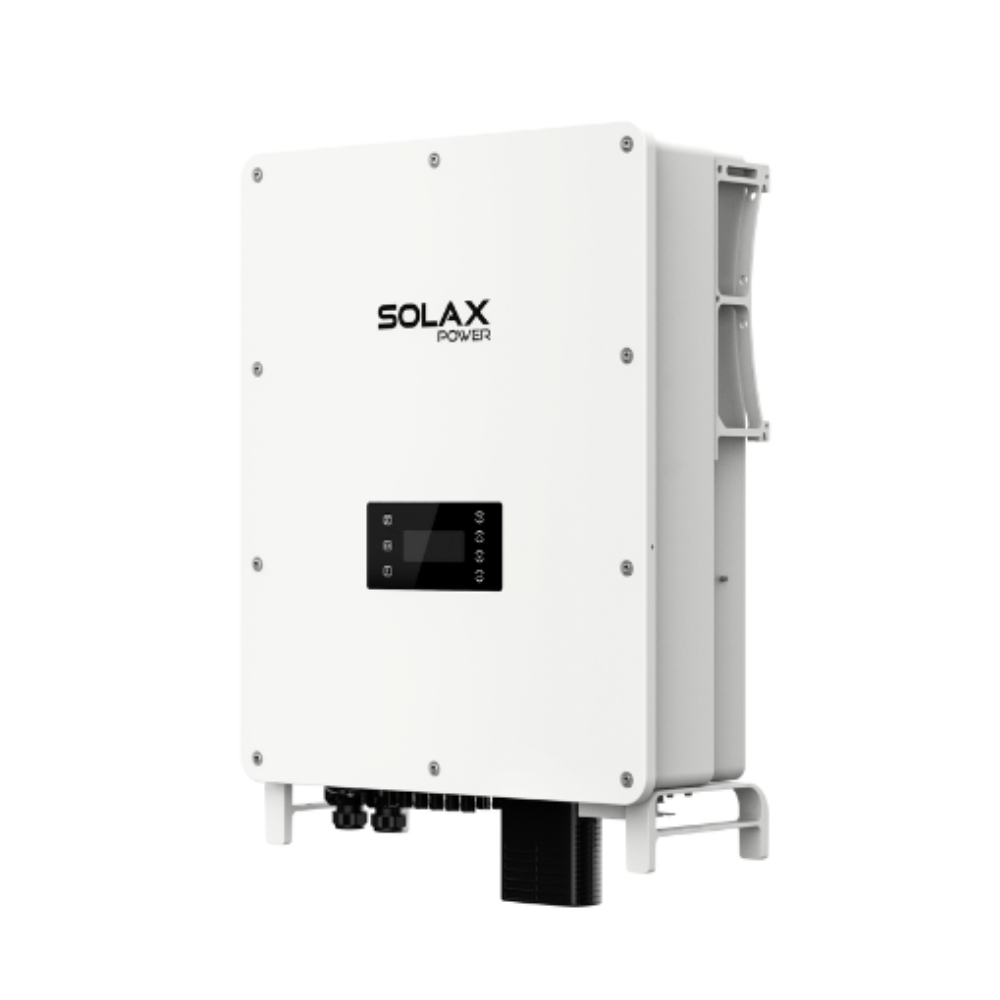
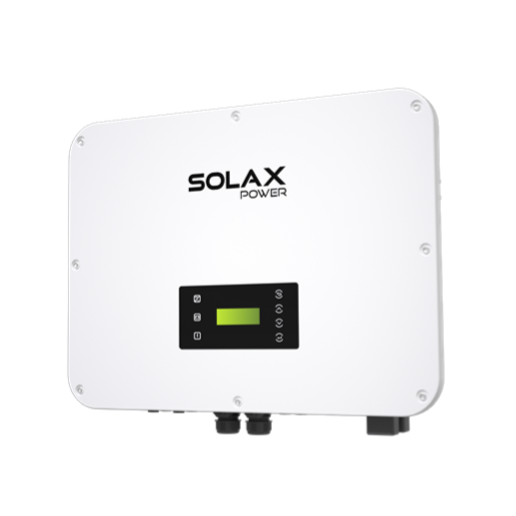
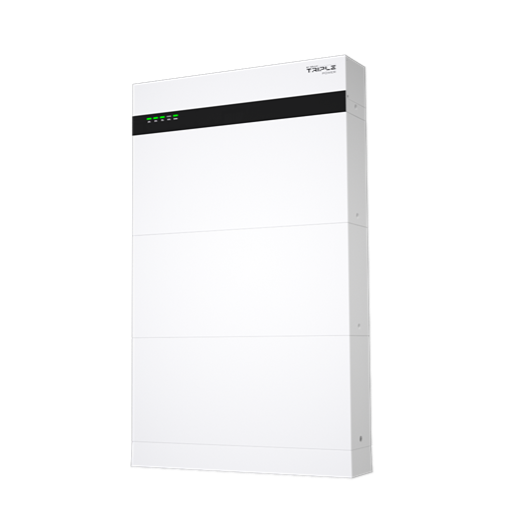
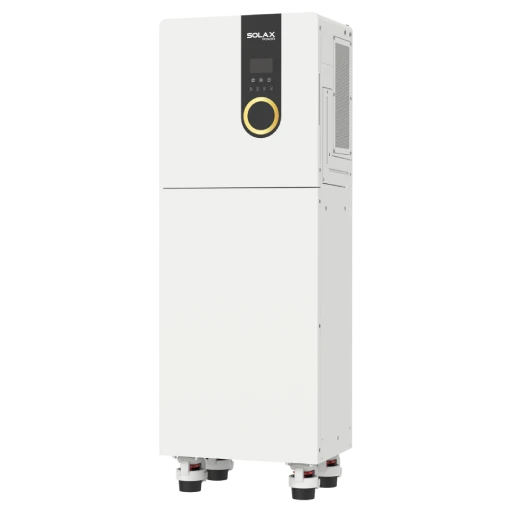
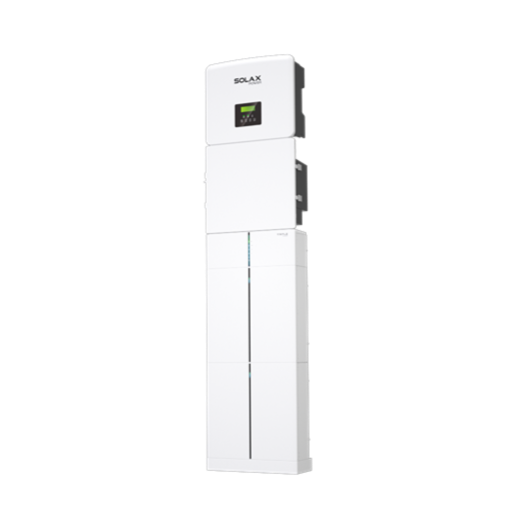
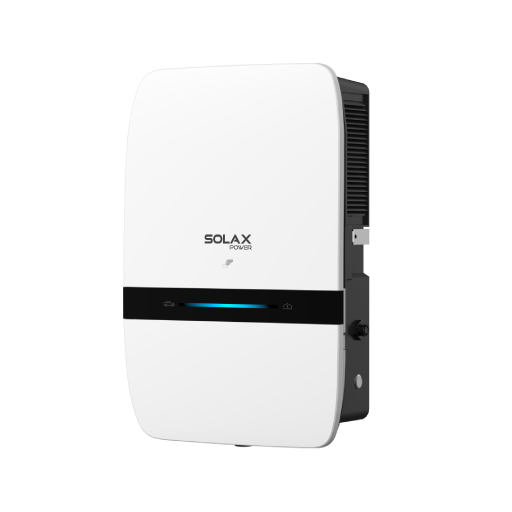
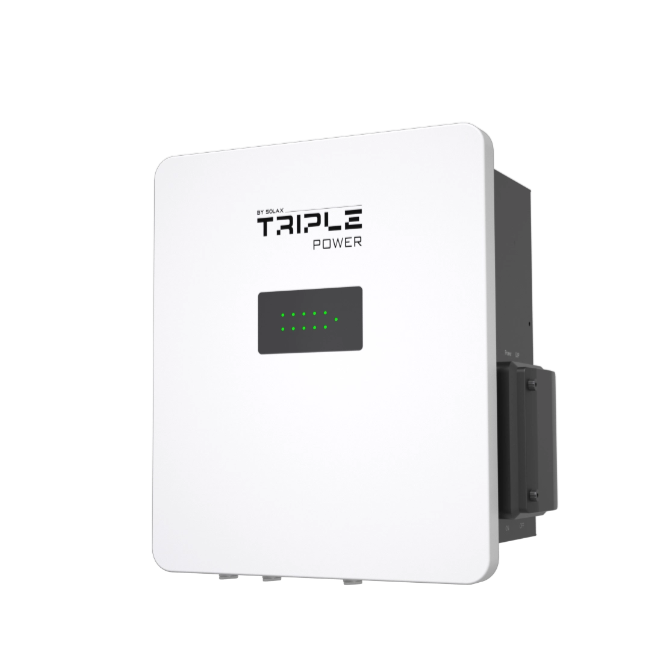
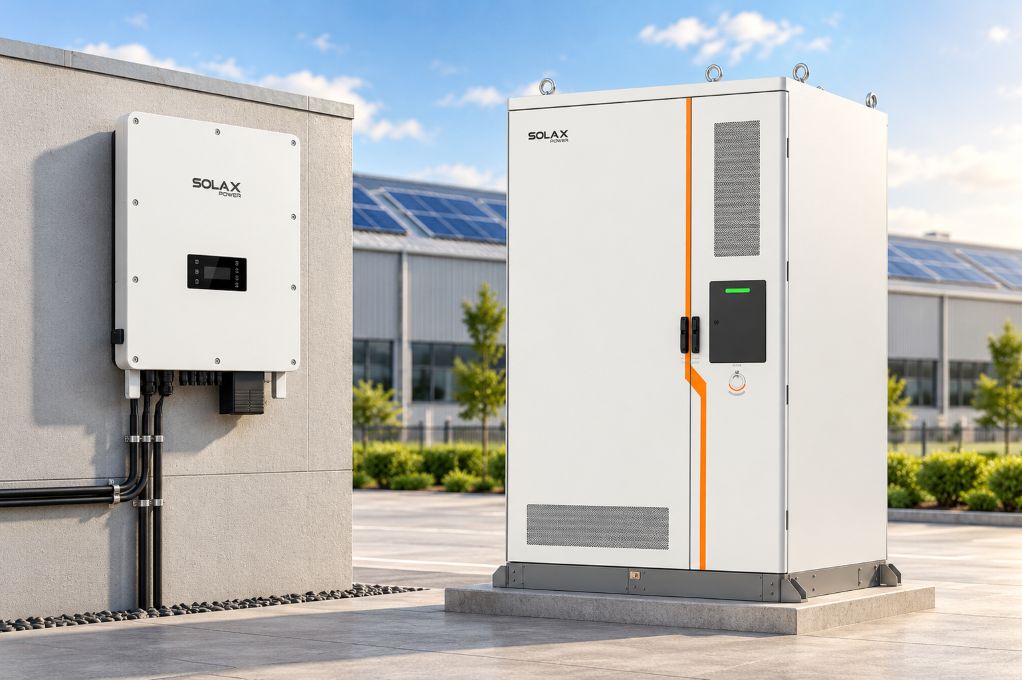
The cleanest buying path starts with system architecture, not branding. If you already know you want storage, backup support, or more coordinated smart energy control, a hybrid inverter usually makes more sense than a solar-only unit. SolaX residential energy storage inverters focus on solar conversion, battery management, backup operation, and connected monitoring, rather than treating storage as an afterthought.
When a hybrid inverter is the simpler choice
You want to add an inverter battery from the start.
You expect to keep essential circuits running in an outage.
You want one platform for solar, storage, and monitoring.
You may add EV charging or other connected devices later.
Check the reliability signals that matter in real ownership
A dependable solar inverter should look serviceable on paper before it ever reaches your wall. In practice, that means checking whether the manufacturer offers current manuals, maintenance guides, certifications, and clear warranty terms.
What to verify before you commit
Are manuals and quick-start guides easy to find?
Is there a published warranty document for your market?
Are protection and environmental ratings clearly stated?
Can your installer get certification paperwork if needed?
Ask how the inverter behaves when the grid fails
Many buyers judge a solar inverter by sunny-day output alone, but reliability becomes more visible during poor grid conditions. If backup matters to you, ask what the system powers, how quickly it transfers, and whether critical loads can be prioritised. That tells you far more than broad claims about resilience.
Questions to raise with your installer
Which circuits will sit on the backup panel?
Does the inverter prioritise essential loads first?
What happens if battery charge is low at sunset?
Can the system be expanded without rewiring the whole design?
Do not overlook monitoring and everyday usability
A reliable solar inverter should also be easy to live with after commissioning. Clear solar energy monitoring helps you spot underperformance, communication faults, or unusual battery behaviour before they turn into larger service issues. That matters just as much as conversion hardware if you want a low-friction ownership experience.
What to look for in solar energy monitoring
Live visibility into solar generation and battery status.
Clear alerts for faults or communication loss.
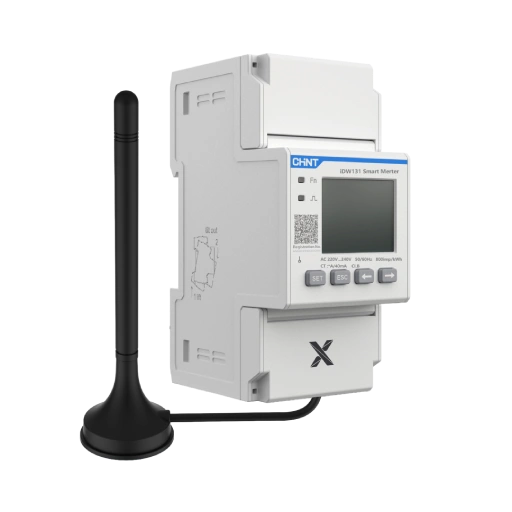
Household load tracking where meters or CTs are installed.
Firmware and commissioning support your installer can explain.
SolaX includes SolaXCloud as part of its broader smart energy ecosystem for monitoring and optimisation, and the residential category pages position communication and connected-home integration as part of the proposition. Moreover, Ofgem notes that accurate metering and export data are fundamental to how households are credited under export arrangements, which makes dependable monitoring more than a convenience.
Choose a setup that keeps future changes manageable
The simplest long-term solar power system is often the one that can grow without becoming messy. If you expect to add a solar battery, more storage capacity, or connected devices later, ask whether the inverter platform supports that path cleanly. A slightly better fit today can save you from replacing core hardware too early.
Common upgrade paths worth planning now
Solar now, battery later.
Essential-load backup instead of whole-home backup.
App-based visibility into generation and storage.
EV charging or broader smart energy integration later.
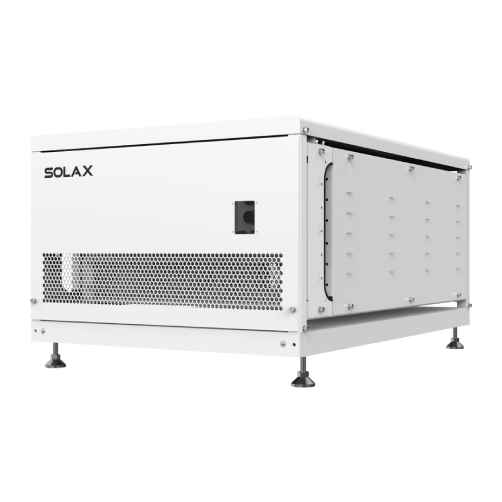
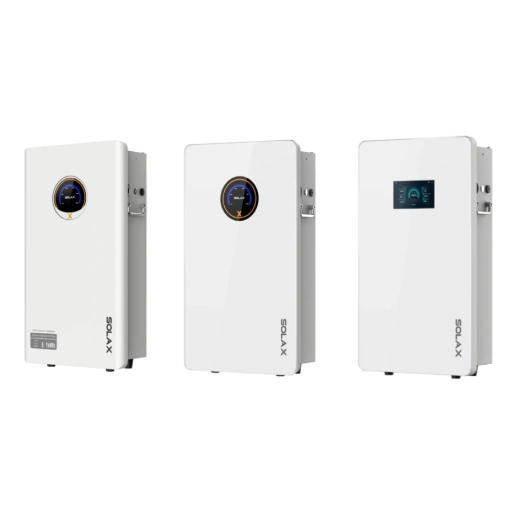
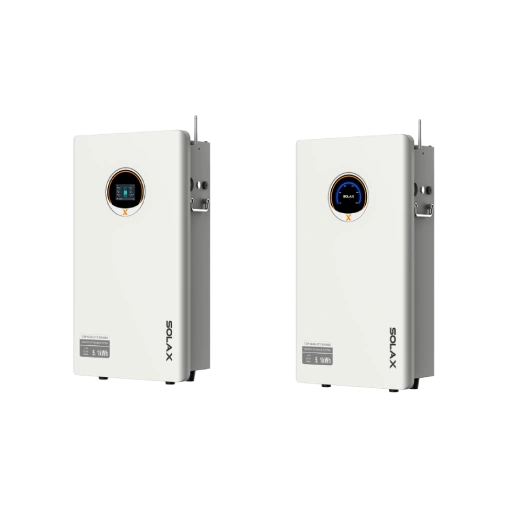
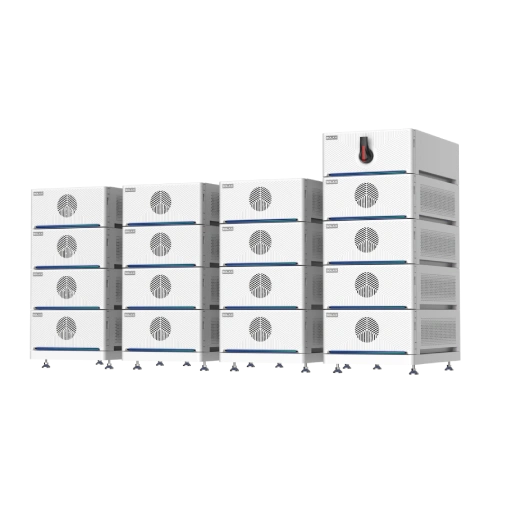
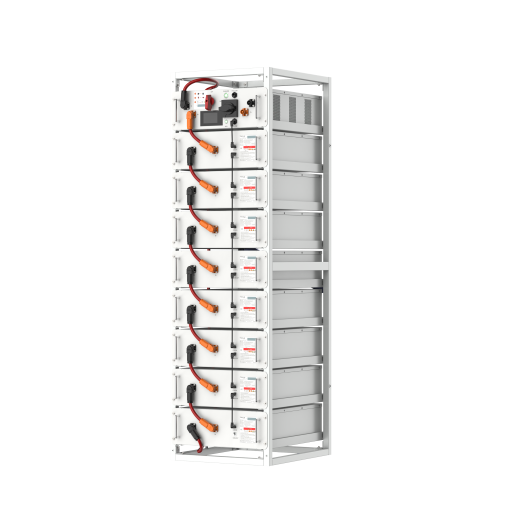
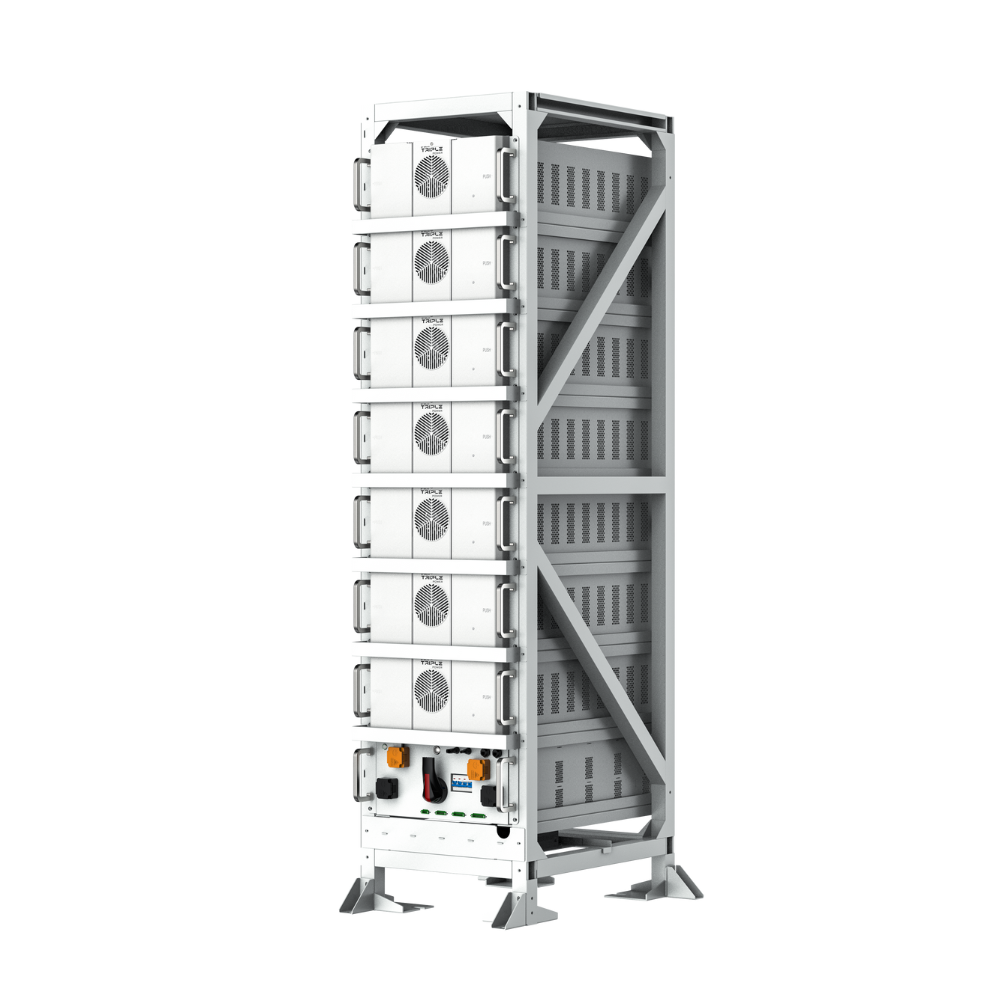
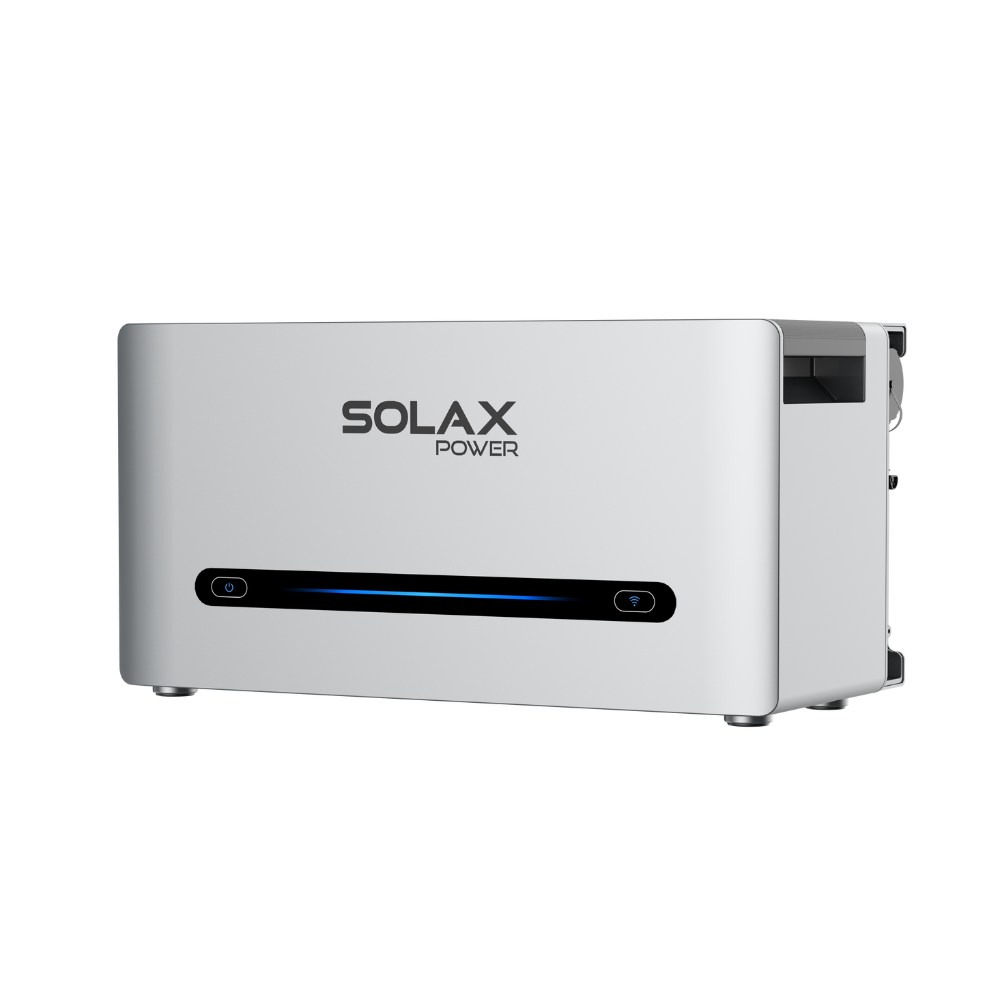
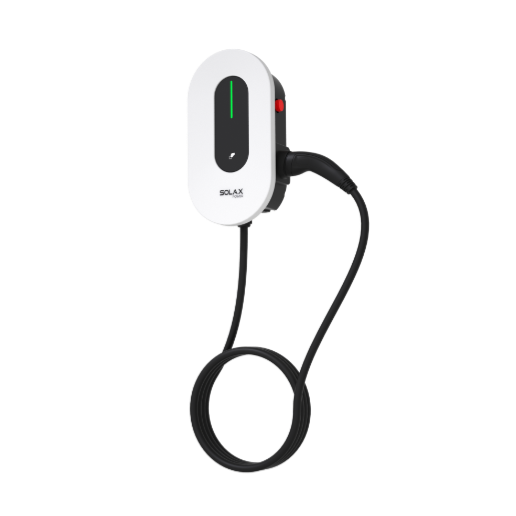
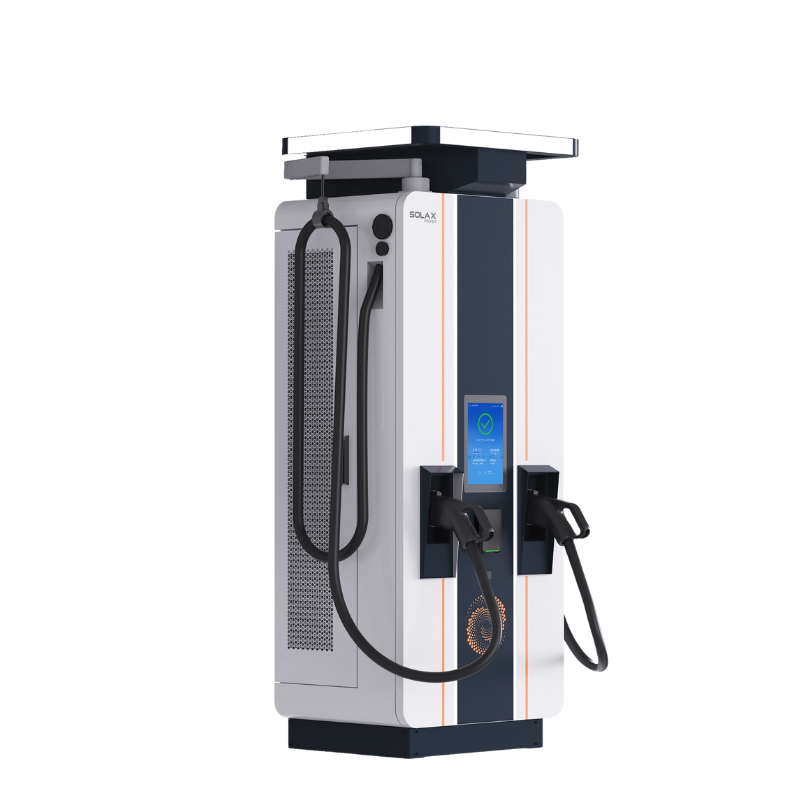
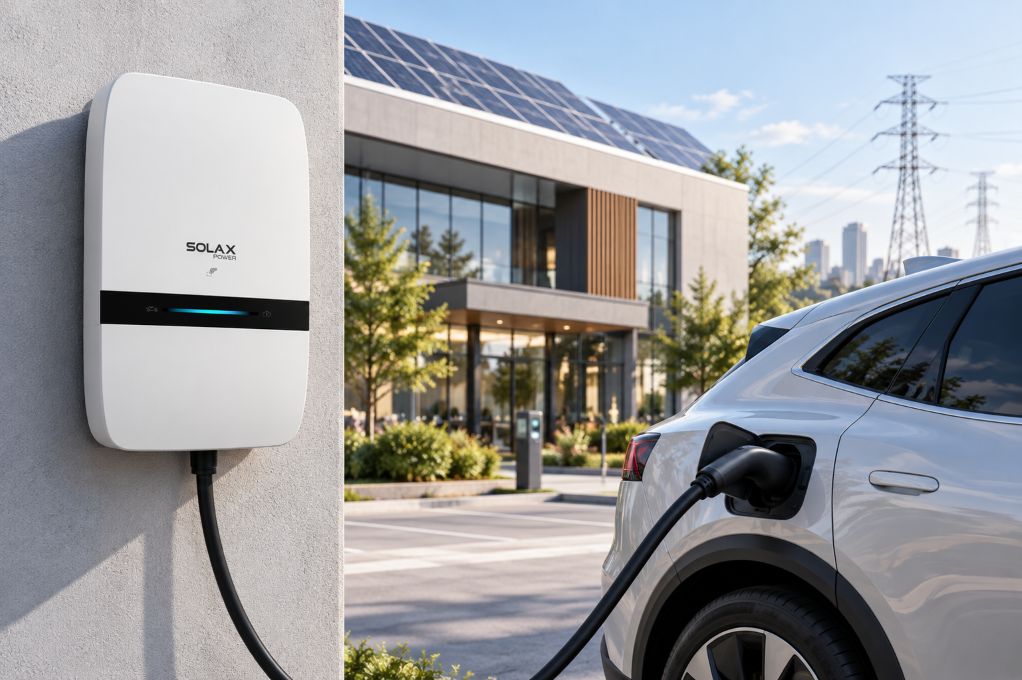
SolaX presents a wider ecosystem that includes residential energy storage inverters, batteries, all-in-one ESS, EV chargers, monitoring tools, and software platforms. That does not mean one brand is always the right answer, however it does make staged expansion easier when you want fewer integration variables across your home solar inverter, solar battery, and monitoring stack.
Complete these checks before you buy
Before you sign off on any reliable solar inverter, turn the conversation into a short verification exercise. This step keeps the purchase grounded in fit, support, and serviceability rather than broad marketing language.
Your pre-purchase checklist
Confirm your electrical service type and site constraints.
Check inverter sizing against present and future loads.
Review the exact datasheet and installation manual.
Ask how commissioning and handover will be handled.
Verify what the backup plan actually covers.
Confirm how the chosen inverter battery will integrate.
If performance or setup issues appear later
Even a well-planned solar inverter installation can run into teething issues. The most common problems are usually tied to design assumptions, backup-panel planning, or monitoring configuration rather than a single hardware fault.
Problem | Likely cause | Practical fix |
Low output | Shading or sizing mismatch | Recheck array design |
Weak backup coverage | Poor load separation | Review critical circuits |
Missing app data | Meter or network issue | Check CT and comms |
Hard future expansion | Limited planning headroom | Rework upgrade pathway |
FAQ
Table of Contents
Latest News
Explore expert insights, practical guides, and the latest news on SolaX Power.


To the Latest Newsletter
Stay Ahead with the Latest SolaX Updates!
Subscribe
I have read and agree to Privacy Policy and User Terms