










September 24, 2026
Reliable Hybrid Inverters for C&I Solar Projects: Which Are Reliable and Easy to Operate?
Share my #SolaXStory


Which C&I hybrid inverter setup reduces risk and operating effort?
Rising energy bills and avoidable downtime both put pressure on commercial sites. When you specify a hybrid inverter for C&I solar, the real risk is not only lost generation. It is also delayed commissioning, unclear alarms, awkward battery controls and service gaps that turn a straightforward solar power system into an operational burden.
For shops, warehouses and light industrial sites, reliability and ease of operation usually matter more than a small difference in headline efficiency.
This is why a sensible shortlist should test design, control and support together. In the UK and EU, commercial solar storage decisions increasingly sit alongside self-consumption, flexibility and future electrification goals.
The European Commission notes that the revised buildings framework is intended to speed solar uptake on non-residential buildings while increasing self-consumption and energy sharing. In practice, that means your inverter battery strategy, monitoring tools and expansion path deserve as much scrutiny as the inverter itself.
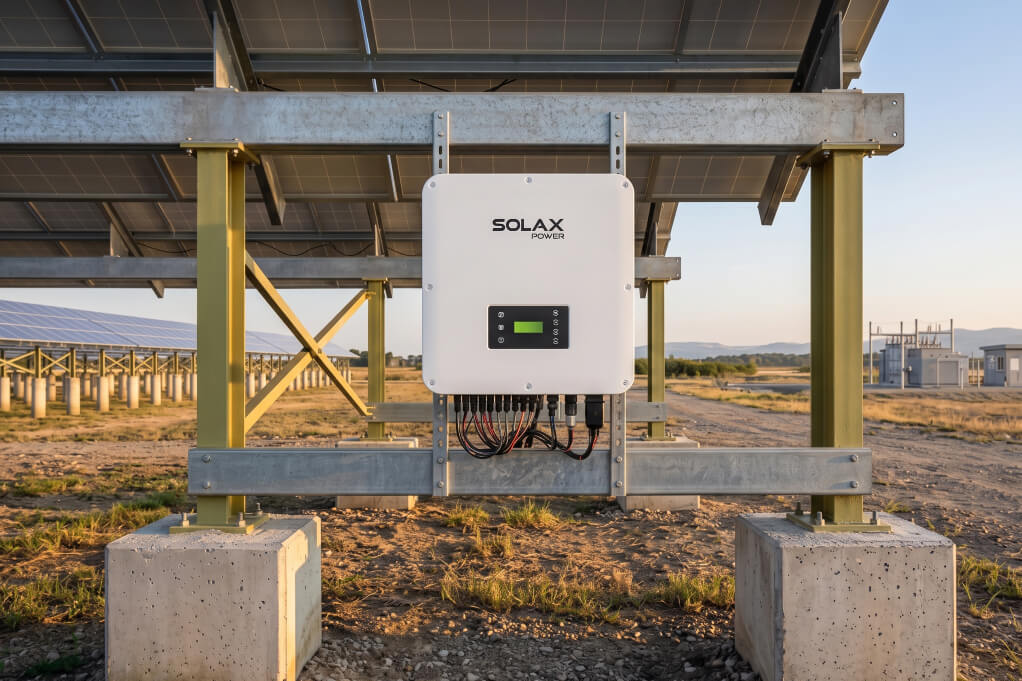
What makes a hybrid inverter reliable in commercial solar + storage?
A reliable solar inverter is not simply one that converts DC to AC efficiently on a test sheet. In commercial use, it must manage PV, battery and grid conditions consistently, recover cleanly from faults and remain understandable to the people who operate it.
Core terms that matter in specification reviews
Hybrid inverter: a unit that manages PV generation, battery charging and grid interaction in one control layer.
C&I project: a commercial or industrial installation, from a small retail site to a larger industrial facility.
Commissioning: the setup, testing and handover stage where many future operating issues are either prevented or baked in.
EMS link: the connection between the inverter and an energy management system that coordinates loads, storage and site rules.
Reliability is more than peak efficiency
What protects performance day after day is usually less glamorous than brochure efficiency. Look first at protection, thermal behaviour and grid response.
Electrical protection: Type II surge protection on AC and DC sides is a useful baseline for exposed commercial assets.
Thermal design: stable cooling and temperature monitoring help the system hold output under sustained load.
Ingress rating: outdoor installations need enclosure protection that matches site exposure.
Grid behaviour: ride-through and backup transition behaviour affect resilience during unstable conditions.
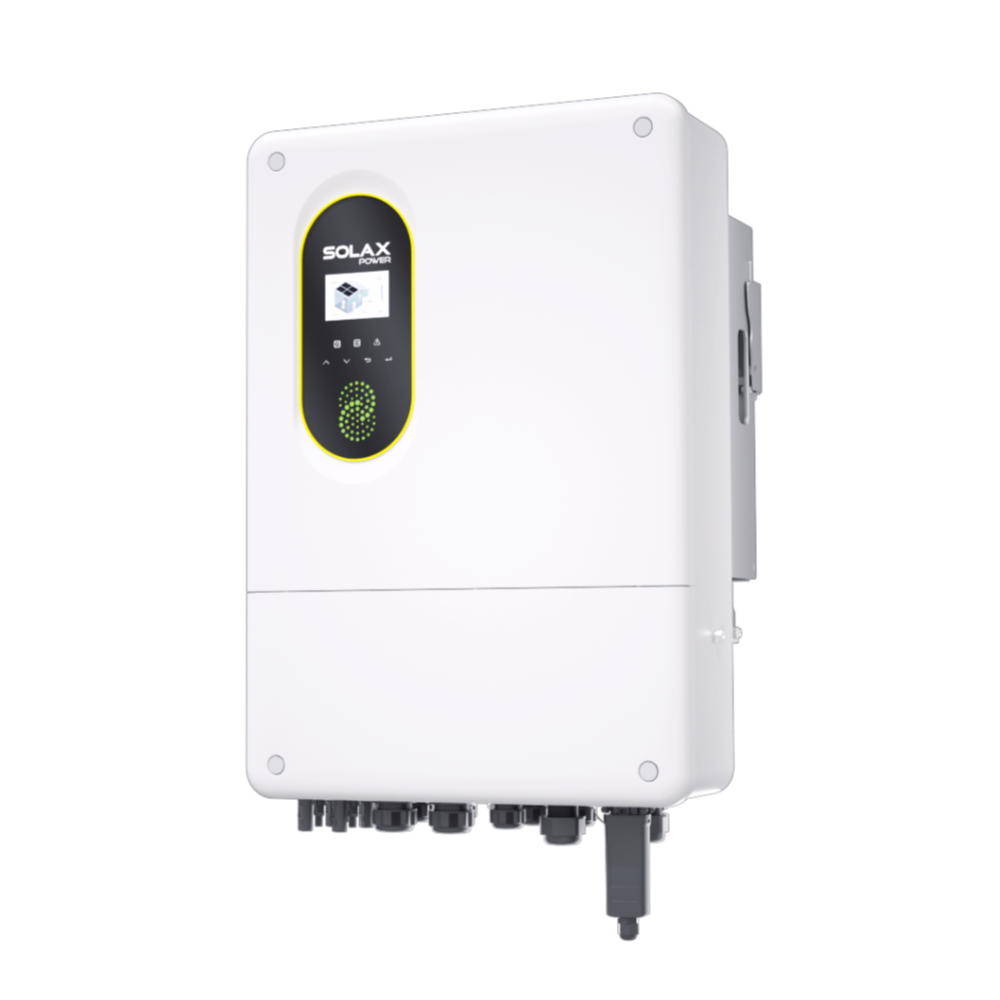
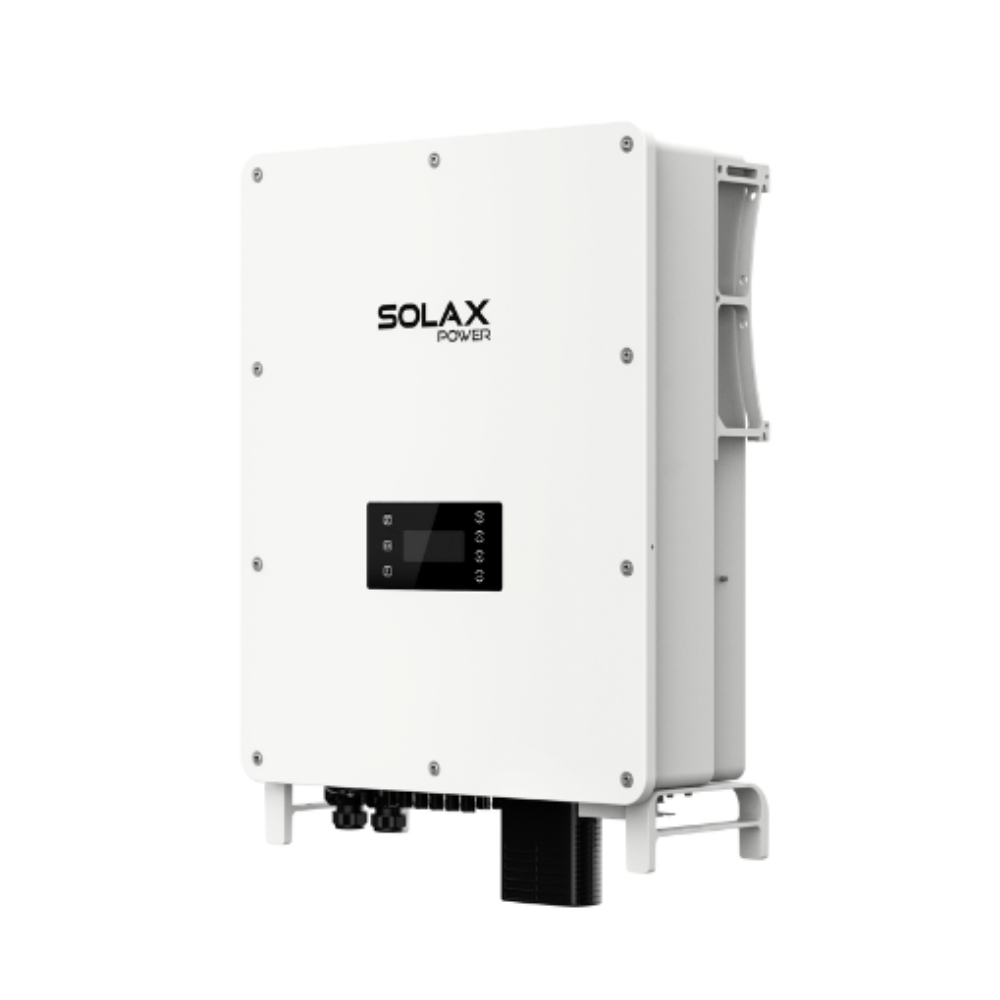
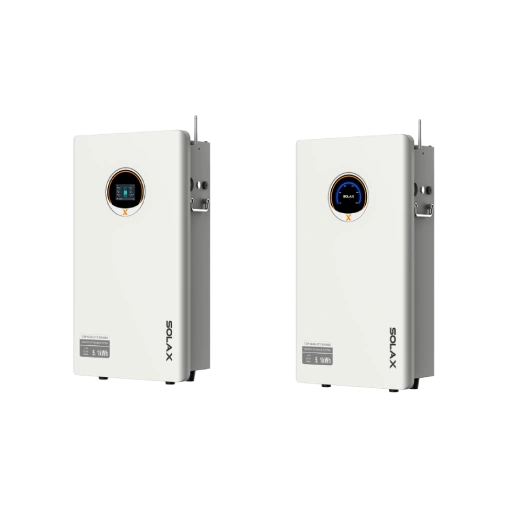
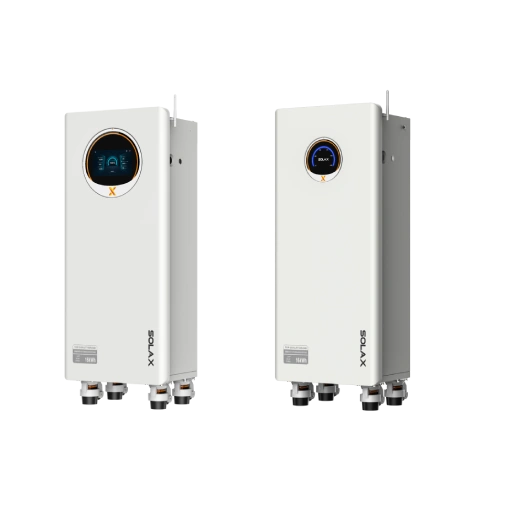
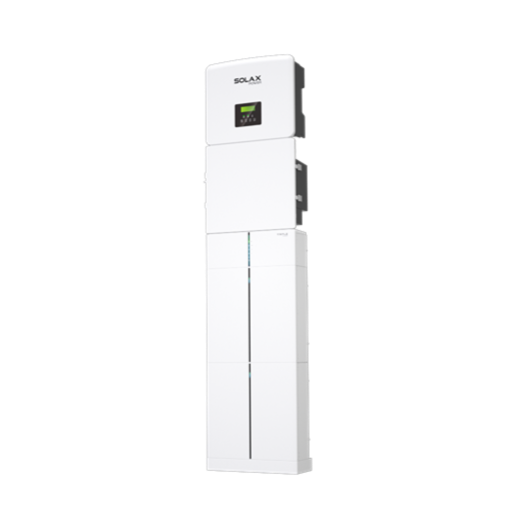
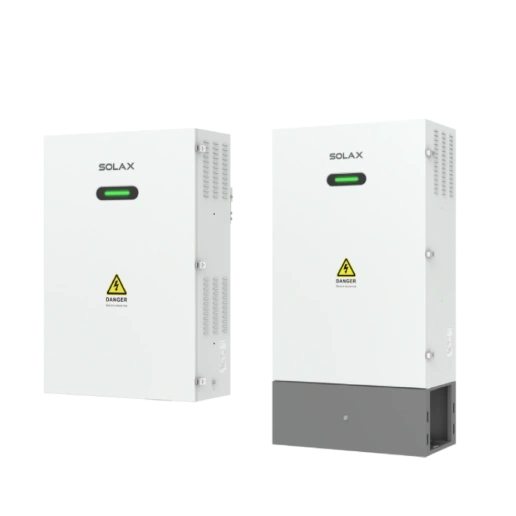
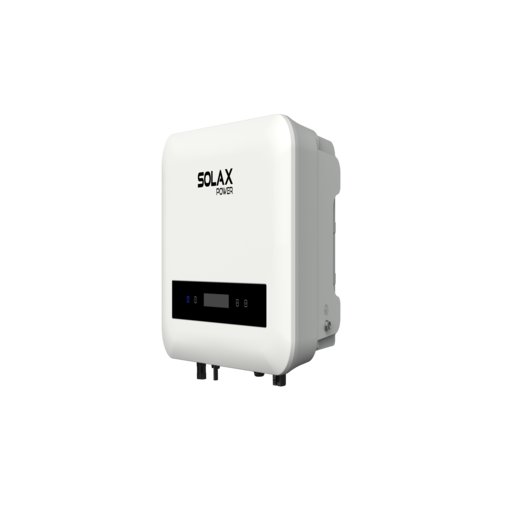
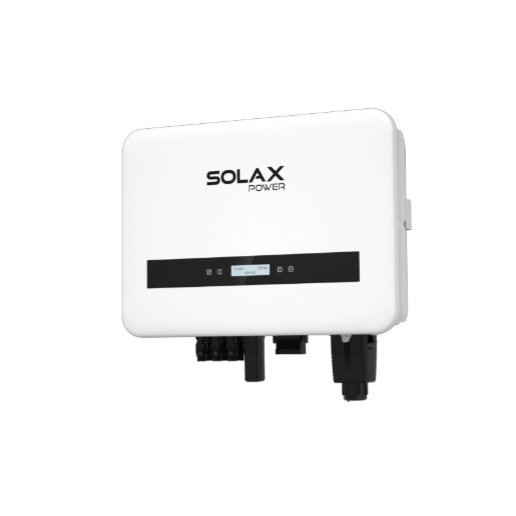
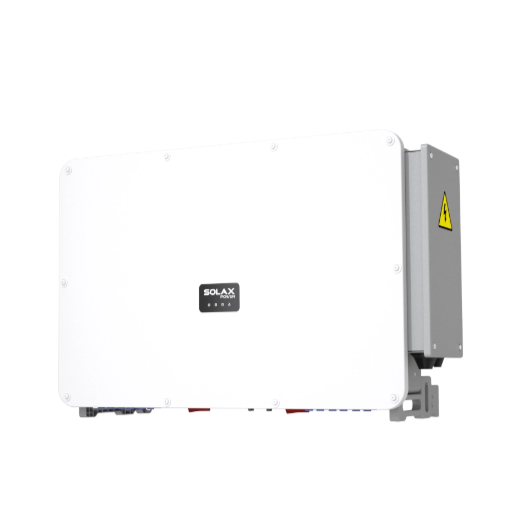
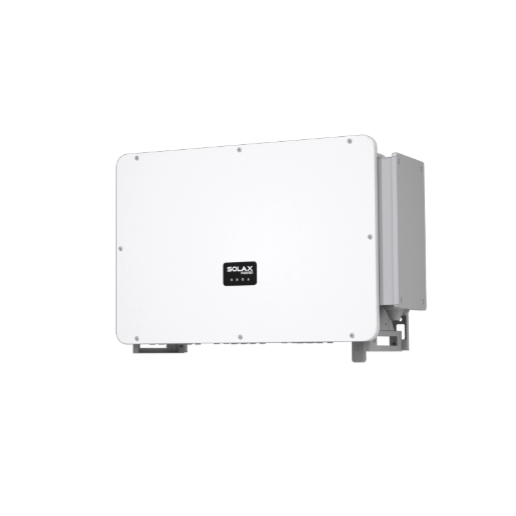
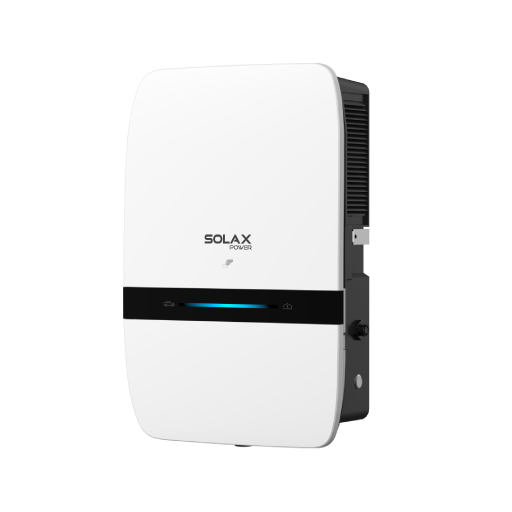
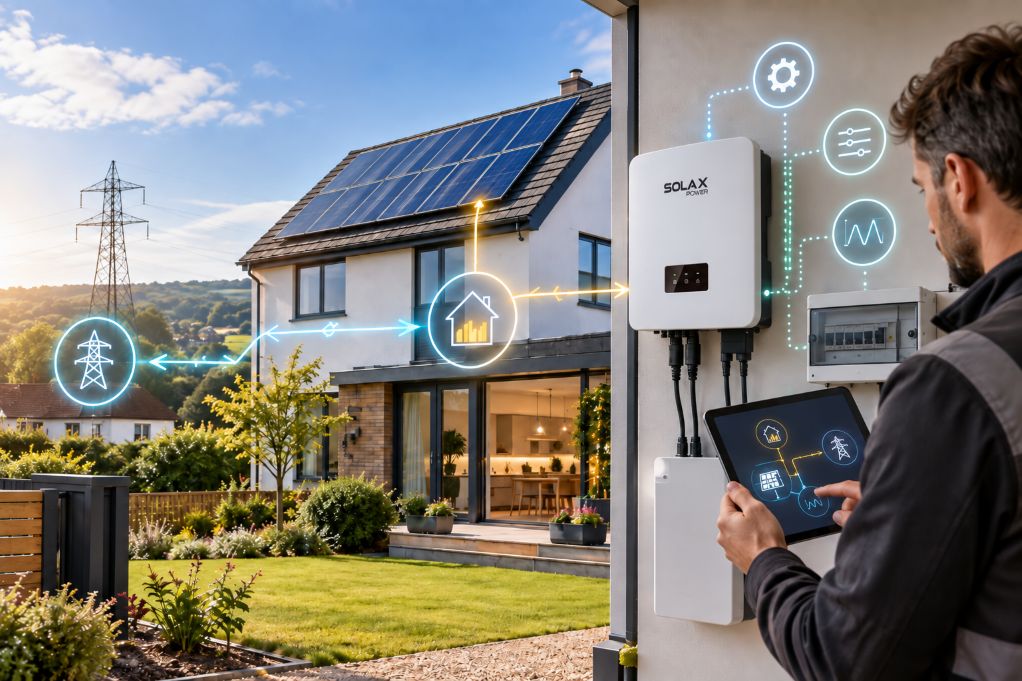
SolaX's C&I solutions give some practical examples. The X3-NEO-LV series is listed with IP65 protection, Type II SPD on AC and DC, optional AFCI, battery terminal temperature detection and switchover time below 3 ms, with models from 5 kW to 20 kW. Its maximum recommended PV array power on the 5 kW model is 10 kWp, and the enclosure size is 520 × 705 × 258 mm.
Operability affects lifetime project value
Daily usability often decides whether a system feels dependable. A well-designed platform should let you spot faults quickly, understand trends and hand over cleanly to the site team.
Monitoring quality: alarms should be prioritised, not buried in vague warnings.
Service access: remote diagnosis reduces repeat visits.
Controls logic: battery schedules and export logic should be easy to verify.
Installer familiarity: simpler workflows reduce handover friction.
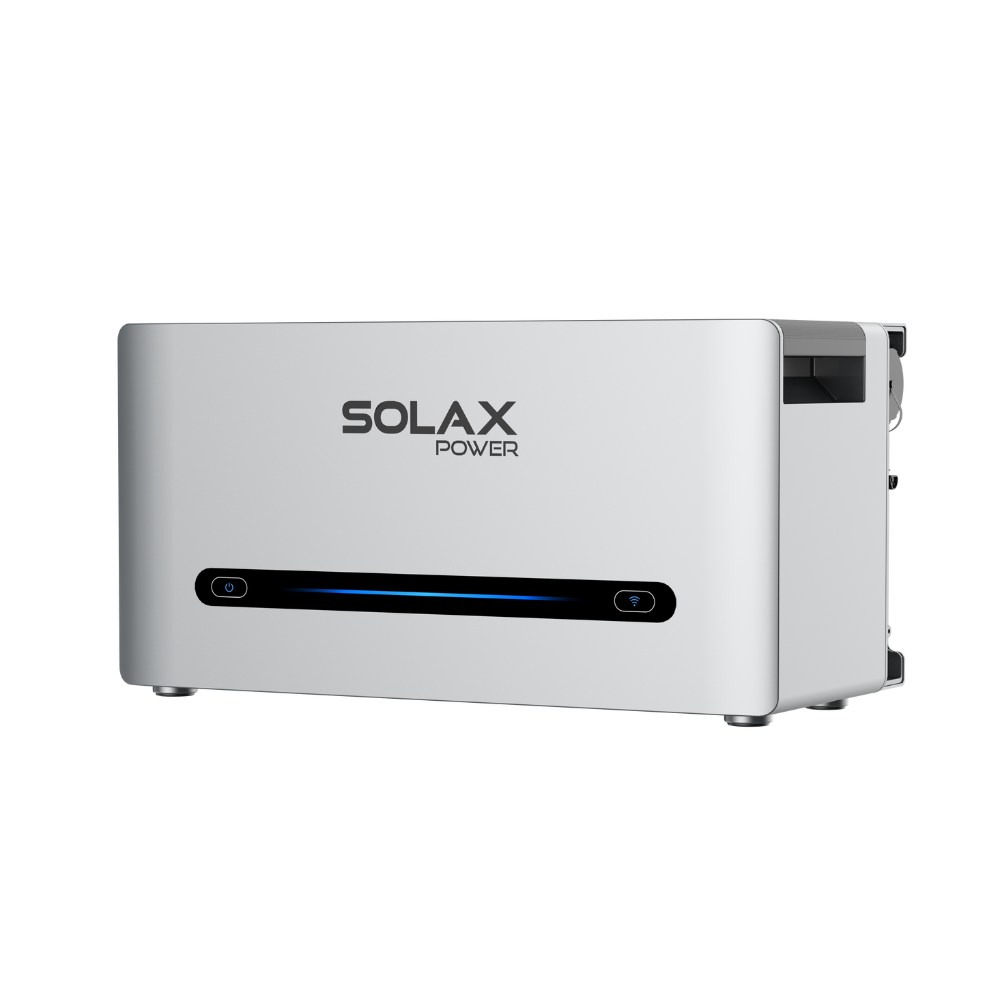
For buyers comparing energy solutions, this is where software matters. SolaX positions SolaXCloud as a real-time monitoring and optimisation layer across its broader portfolio, which is relevant if your commercial solar storage project may later add EV charging, heat pumps or wider smart energy controls.
How should buyers assess products before they quote a system?
The safest quote usually starts with the site rather than the catalogue. If you begin with the load profile, operating goals and grid limits, you can reject unsuitable hardware before procurement time is wasted.
Application path: start with the site profile
Use the site's operating pattern to decide what the hybrid inverter must actually do.
Load pattern: compare daytime, evening and weekend demand.
Battery purpose: define whether storage is for backup, arbitrage or self-consumption.
Grid context: confirm export rules, import capacity and any local constraints.
Expansion plan: allow for future PV, chargers or more storage.
A small shop may only need bill reduction and selected backup. A multi-site SME may care more about standardised remote visibility. A larger industrial site may need stronger peak management and microgrid behaviour. The wrong assumption here can lead to an over-complex or under-specced system.
Application path: match hardware to operating reality
Once the site brief is clear, check whether the hardware architecture fits the operating conditions rather than just the nominal power.
MPPT design: make sure the tracker count and current limits fit the actual roof strings.
Battery interface: confirm charging logic, battery compatibility and discharge strategy.
Protection class: verify enclosure and protection features for indoor or outdoor exposure.
Backup mode: test what happens to critical loads during a grid event.
For example, the X3-NEO-LV hybrid inverter range supports up to 200% PV oversizing, up to 3 units in parallel for on-grid and off-grid use, and up to 36 A PV input per MPPT. Those details matter when you are trying to simplify string design or leave room for later array growth.
Application path: validate software and support tools
Even solid hardware becomes hard work if the software is weak. The control and support layer should be part of the technical review, not an afterthought.
Remote portal: daily visibility should cover generation, battery state and alarms.
Alarm handling: fault messages need clear priority and traceability.
Installer tools: commissioning should avoid unnecessary manual workarounds.
User permissions: role-based access helps separate owner, operator and installer actions.
The UK's policy direction also supports this broader view. The government's UK Solar Roadmap 2025 discusses the wider deployment path for solar and battery energy storage, reinforcing the need to think beyond one component and towards long-term system operation.
Decision factors that separate dependable systems from risky ones
When two products look similar on paper, the difference usually appears in compliance evidence, operating simplicity and the cost of disruption when something goes wrong.
Factor 1: Reliability evidence and compliance
Start with what is documented, not what is implied.
Prefer published compliance and protection information.
Check AC/DC surge protection and fault-handling features.
Confirm operating temperature and enclosure ratings.
Review the actual support footprint in your market.
SolaX also emphasises a broad certification base and cooperation with TÜV Rheinland in its brand positioning. That does not remove the need for project-level verification, but it is a useful signal when you are filtering initial options.
Factor 2: Ease of operation for owners and installers
A dependable easy-to-operate inverter reduces friction from commissioning onwards.
Fewer setup steps usually mean fewer handover errors.
Usable dashboards matter more than visually busy ones.
Integration with EMS, cloud tools and chargers can reduce later platform sprawl.
Lower maintenance burden improves whole-life value.
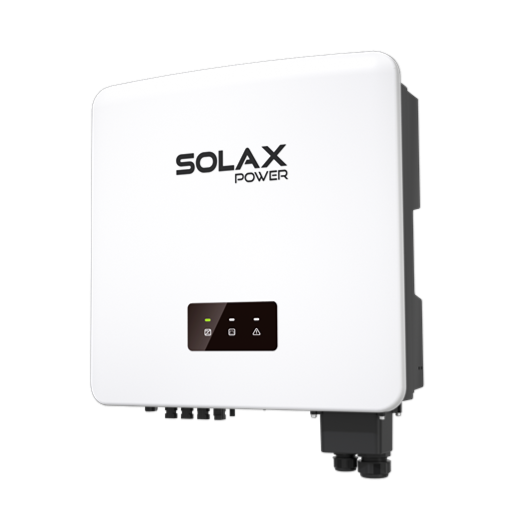
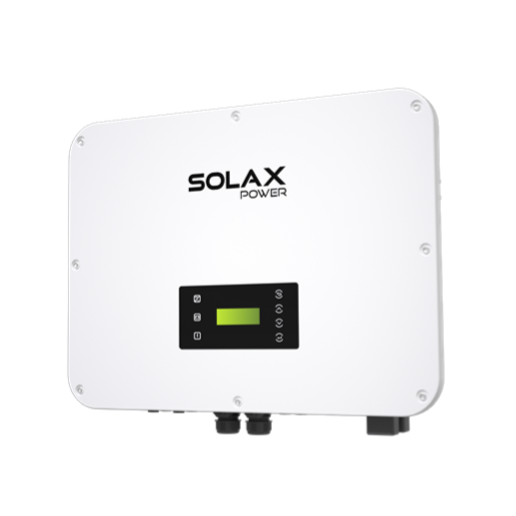
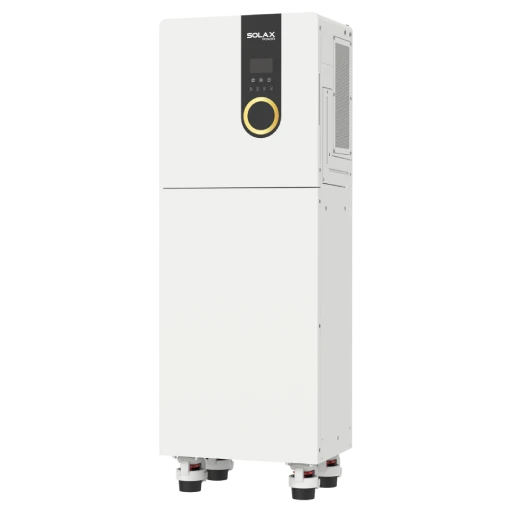
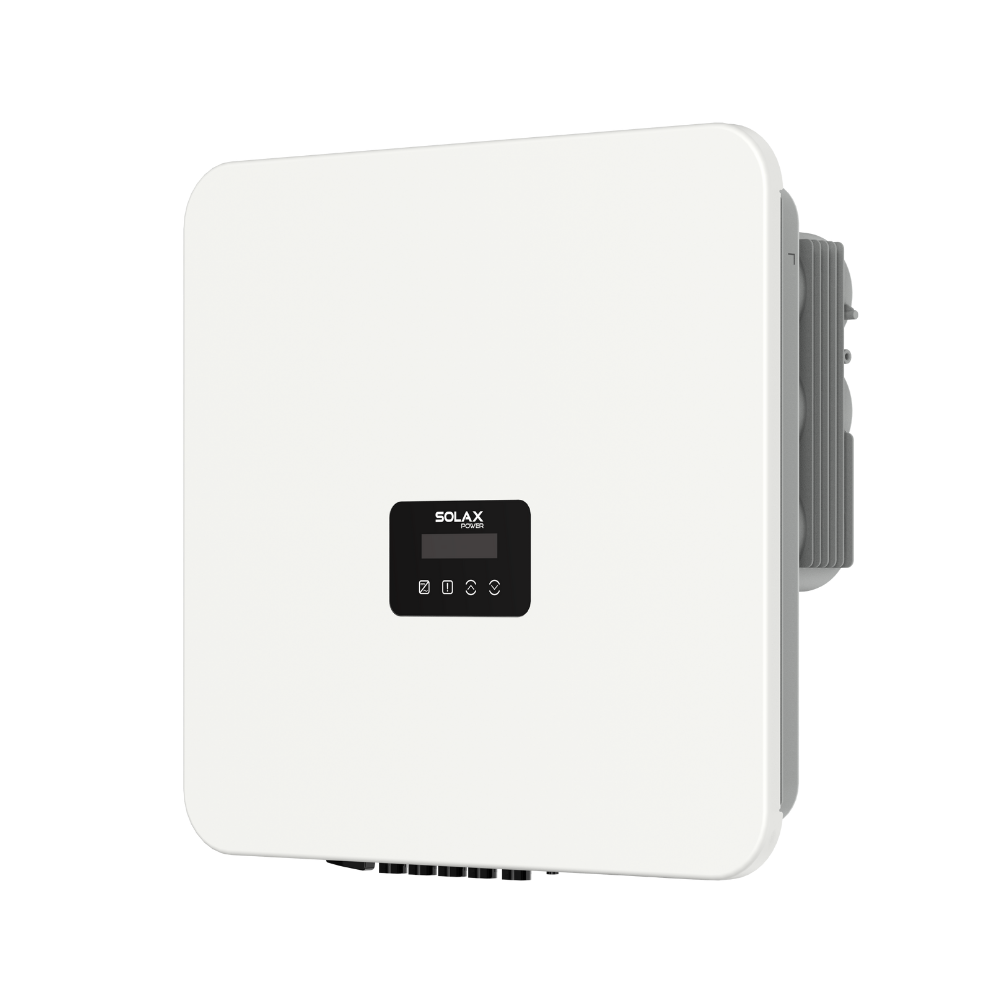
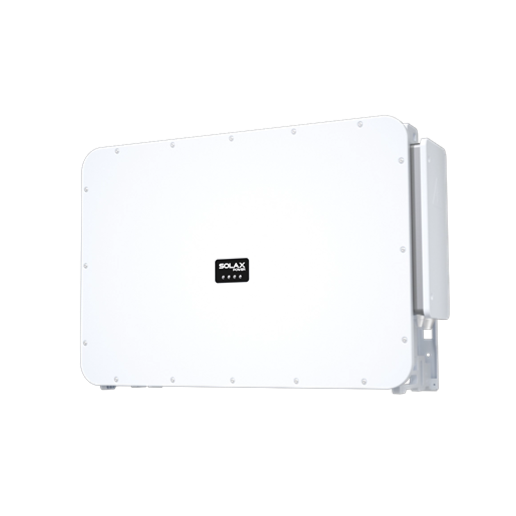
The SolaX C&I energy storage inverter portfolio highlights smart energy management, forecasting features and product links across commercial solar storage use cases. The C&I page also lists the X3-ULTRA 15-30 kW three-phase line for these applications.
Factor 3: Cost versus whole-life value
Lowest capital cost is rarely the lowest operating cost.
Decision area | Lower-cost temptation | Better whole-life signal |
Procurement | Buy on headline efficiency | Compare downtime risk and support response |
Expansion | Size only for today | Leave headroom for PV or battery growth |
Controls | Accept basic monitoring | Prioritise clear alarms and fleet visibility |
Warranty | Read headline years only | Check replacement pathway and local support |
Scenario analysis for common UK and EU C&I projects
The best solar inverter choice depends on how the site works each day. Matching the control style to the operating pattern usually gives a better result than chasing the most feature-rich product.
Small shop or light commercial site
For a modest site, the best fit is often simple control with low-touch operation. You usually want bill reduction, sensible battery support and backup for selected loads rather than an elaborate control stack.
What to prioritise:
straightforward commissioning
clear dashboard visibility
practical backup behaviour
sensible room for later battery growth
What to avoid:
oversized architecture
complex settings the operator will never use
platforms that require frequent installer intervention
Multi-site SME portfolio
A portfolio operator normally values consistency more than customisation. If your team manages several sites, standardised commissioning and remote fleet visibility can cut training time and speed fault handling.
What to prioritise:
one familiar monitoring environment
repeatable settings across sites
clear permissions for managers and contractors
support pathways that scale across locations
This is where broader ecosystems can help. If you expect to add chargers or more advanced smart energy workflows later, a unified hardware and software path can reduce integration effort.
Larger industrial or microgrid-style site
Here, expansion headroom and control depth matter more. Load management, resilience planning and site-specific constraints can quickly expose an under-specced inverter architecture.
What to prioritise:
stronger battery dispatch logic
robust integration with site controls
backup and transition behaviour that is clearly defined
future scalability without redesigning the whole system
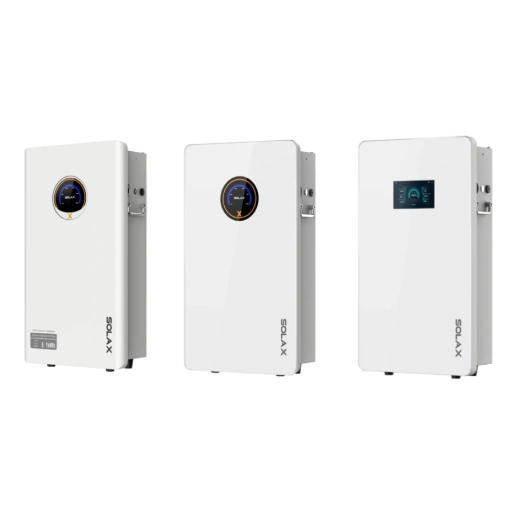
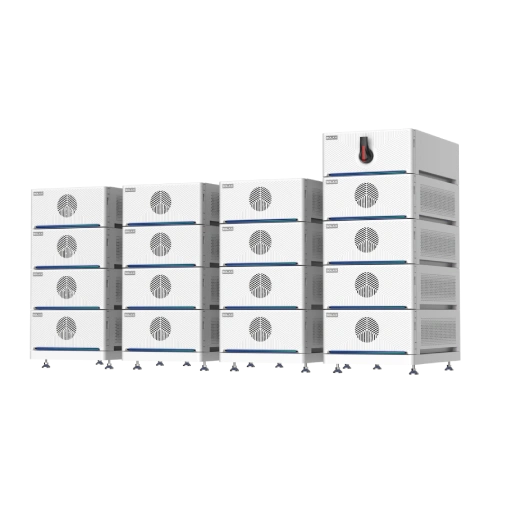
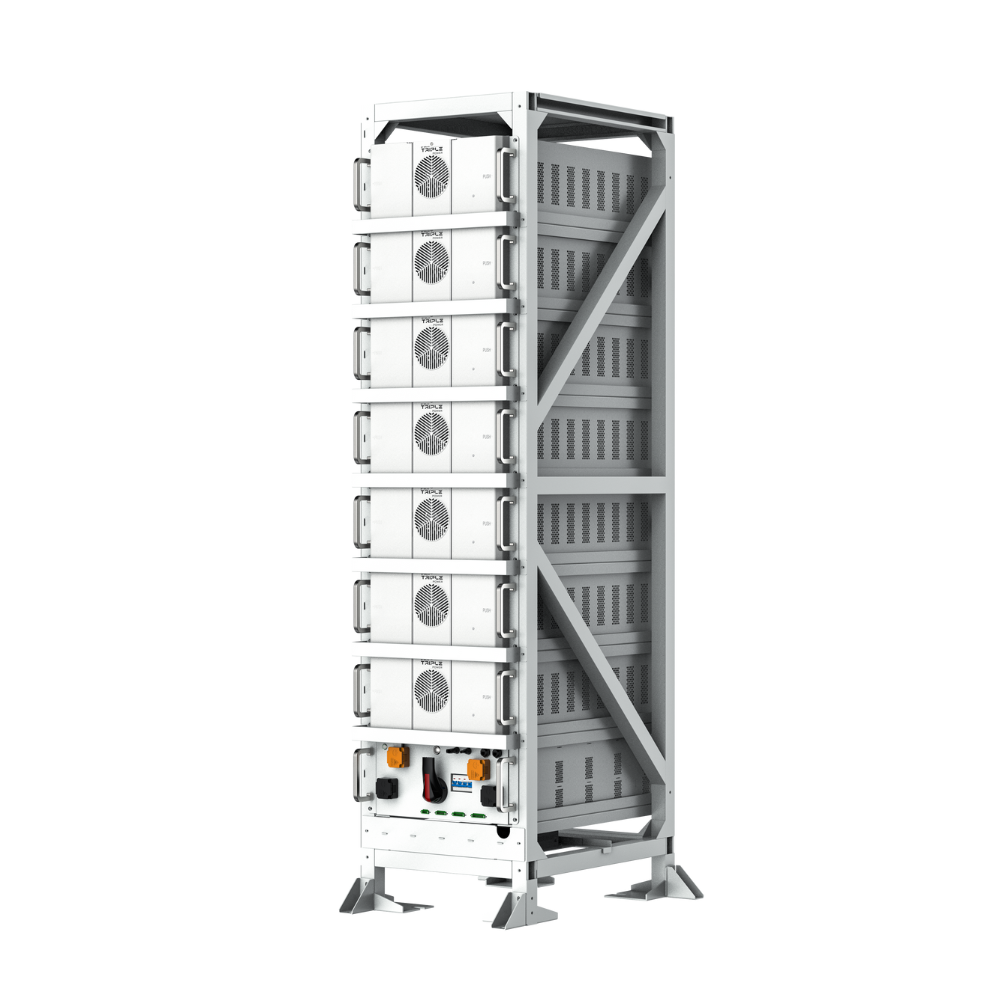
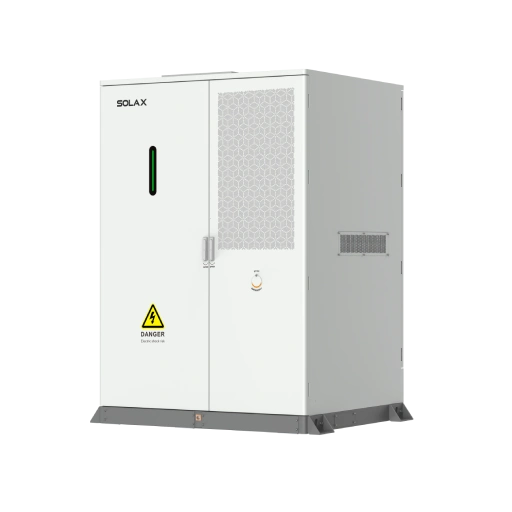
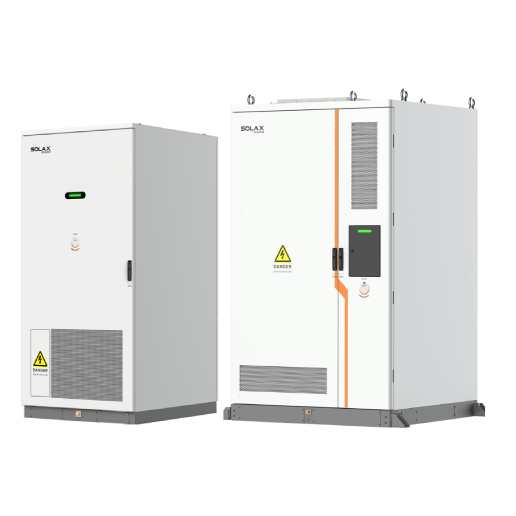
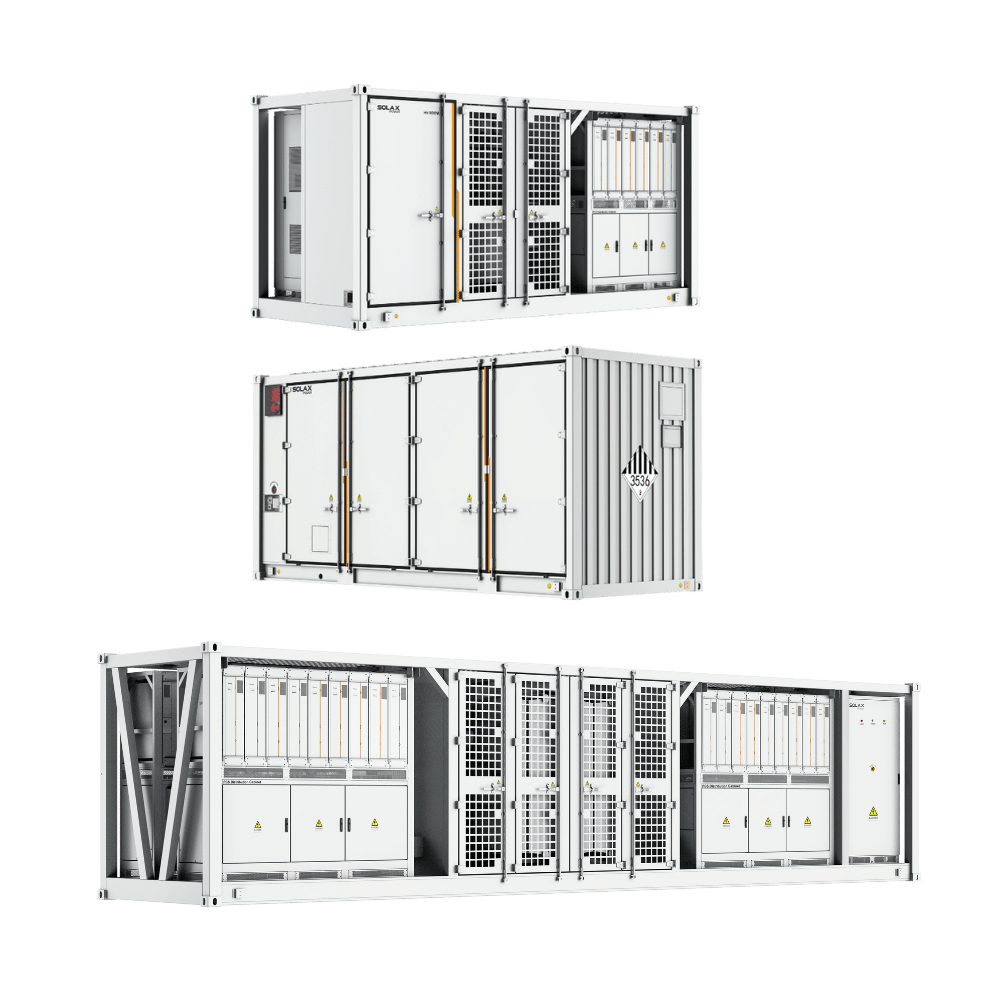
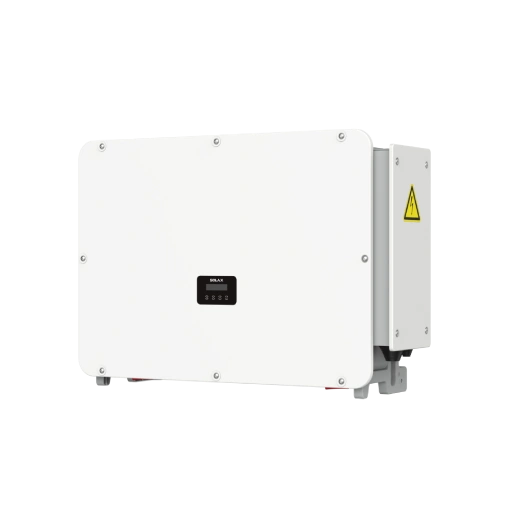
For buyers considering integrated cabinet options rather than inverter-only architecture, SolaX's C&I all-in-one range describes an all-in-one design combining battery, PCS, thermal management and AC/DC distribution, including the TRENE-P249B1044L-4H platform.
Conclusion
For any hybrid inverter for C&I solar, reliability and operability should be assessed together. A strong specification reviews protection, thermal design, monitoring, commissioning effort and support depth as one package, because each affects uptime and labour over the system life.
If you are building a shortlist, start with site loads, battery purpose and grid conditions. Then compare compliance evidence, software clarity and service response before you weigh whole-life value. For projects that want one supplier path across inverter, solar battery, monitoring and wider smart energy controls, SolaX is a credible option to assess in that process.
FAQ
Table of Contents
Latest News
Explore expert insights, practical guides, and the latest news on SolaX Power.


To the Latest Newsletter
Stay Ahead with the Latest SolaX Updates!
Subscribe
I have read and agree to Privacy Policy and User Terms