









August 12, 2026
From Solar Growth to Grid Flexibility: Romania's Next Energy Challenge
Share my #SolaXStory


Romania's solar energy market has expanded quickly. Rooftop PV is now common, large solar projects continue to grow, and battery energy storage systems (BESS) is beginning to follow.
This summer has also shown that adding generation capacity is only part of the challenge.
Low water levels on the Danube, pressure on power generation and high electricity demand have put Romania's energy system under strain. In early August, Prime Minister Ilie Bolojan announced extra measures to protect the power system.
Transelectrica was also given the option to limit large industrial consumers if the situation became critical, while households and essential services would be protected.
Romania has also relied on electricity imports during difficult evening hours. That timing matters for solar energy in Romania: PV output is strongest during the day, while pressure on the power system can come several hours later.
For SolaX Power, the issue goes beyond one difficult summer. It points to a broader shift in Romania's solar market: from adding PV capacity to managing when and how that electricity is used.
The same shift was visible at Green Energy Expo 2026 in Bucharest. In conversations with local partners, questions were less about inverter specifications and more about storing daytime solar for evening use, managing EV charging and staying within grid connection limits. SolaX presented residential and commercial solutions built around those needs.
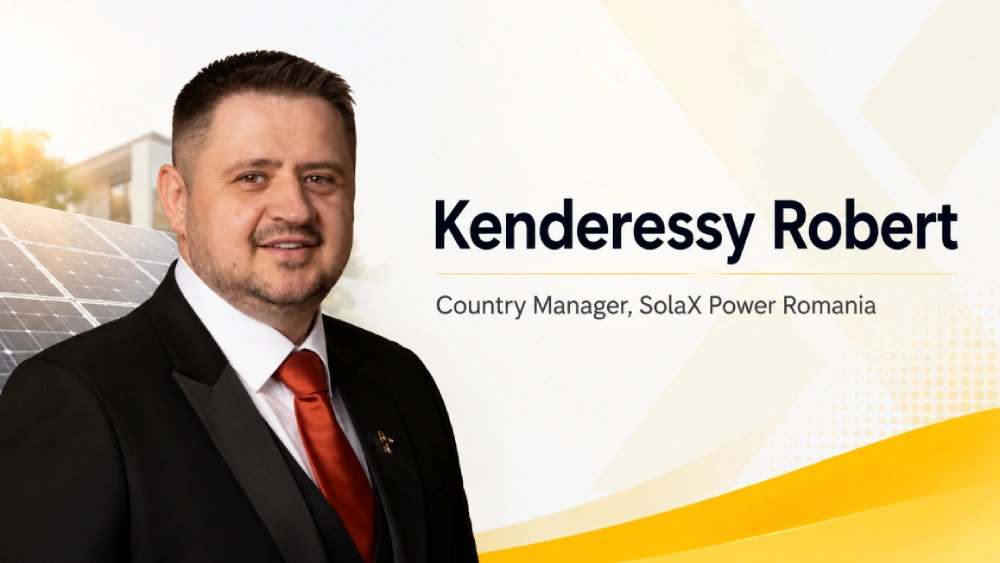
Kenderessy Robert, Country Manager at SolaX Power Romania, describes the shift this way:
"Romania has done a very good job in growing solar. Now we need to make better use of that solar. A lot of energy is produced around midday, but homes and businesses may need more power in the evening. Storage can help close that gap. For us, the next step is not only installing more PV. It is connecting solar, batteries and flexible loads in a smarter way. Offering the entire energy package, an integrated system to our partners."
Solar has reached scale in Romania
Romania now has several gigawatts of solar PV capacity.
Transelectrica reported around 3.34 GW of grid-connected photovoltaic capacity in April 2026. Distributed solar has grown quickly as well.
By the end of June 2026, Romania had more than 359,000 prosumers, with total installed generation capacity above 4 GW. More than 127,000 prosumers already had storage systems.
Battery storage in Romania is already becoming part of the mainstream solar market, although deployment still trails PV.
That gap matters because Romania's next challenge is not only how much electricity is generated, but when it is available.
Solar output is strongest around the middle of the day, while household demand and pressure on the power system can rise later. Without residential battery storage, a home may export surplus solar in the afternoon and still draw electricity from the grid in the evening. A battery keeps some of that energy on site for later use, reducing the mismatch between generation and demand.
How residential solar battery storage works at home
For a household, the practical difference is that solar does not have to be used only when it is produced.
In a PV-only home, electricity is used as it is generated and any surplus goes to the grid. With a home battery storage system, the residential home can create a balance, store the energy produced during the day intro the battery and used when it is the highest demand of the day, during the evening. An EV charger adds another load that can be scheduled around the home's available capacity.
An electric car may arrive home at 18:00, but it does not have to charge at full power immediately. If it will remain parked overnight, charging can be delayed or reduced.
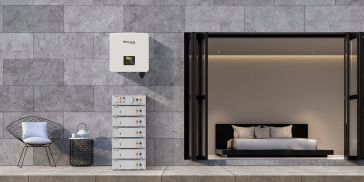
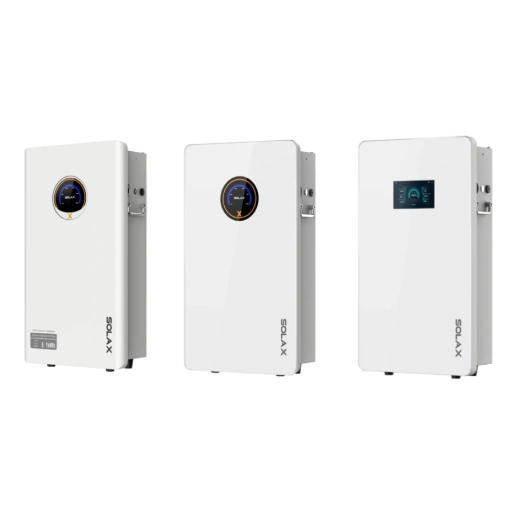
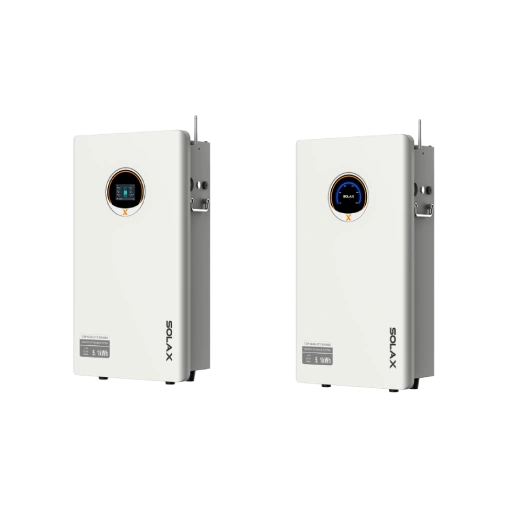
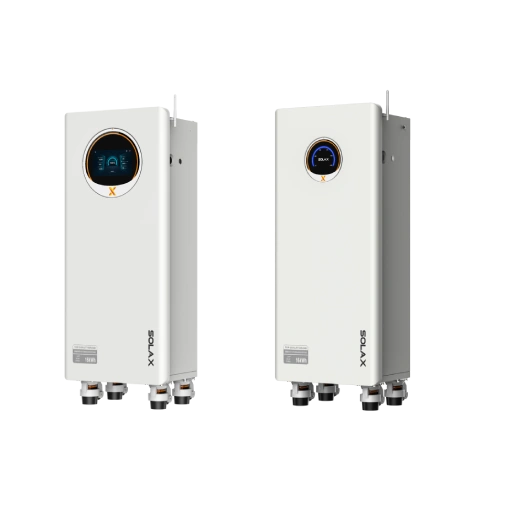
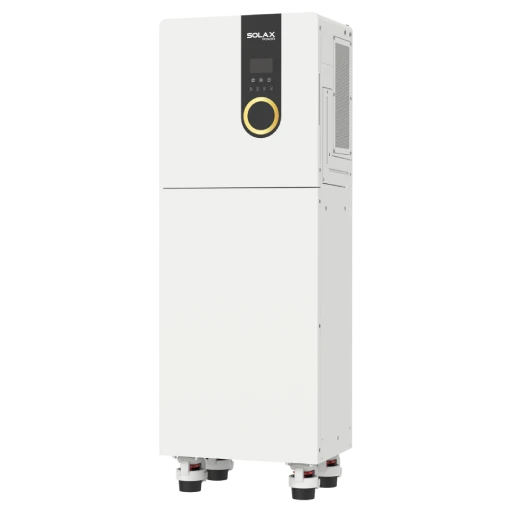
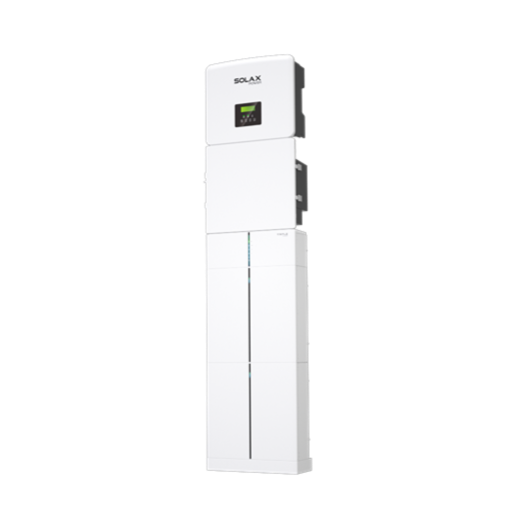
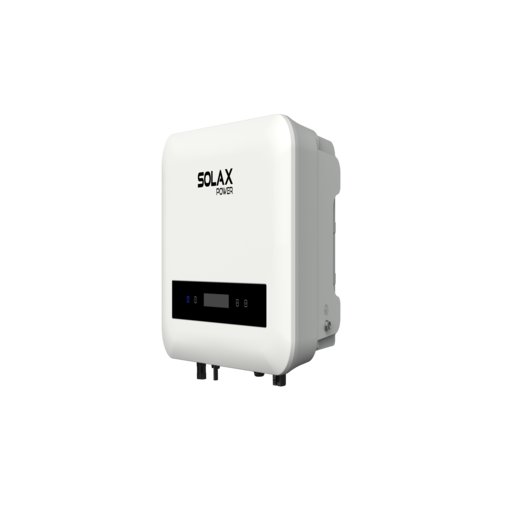
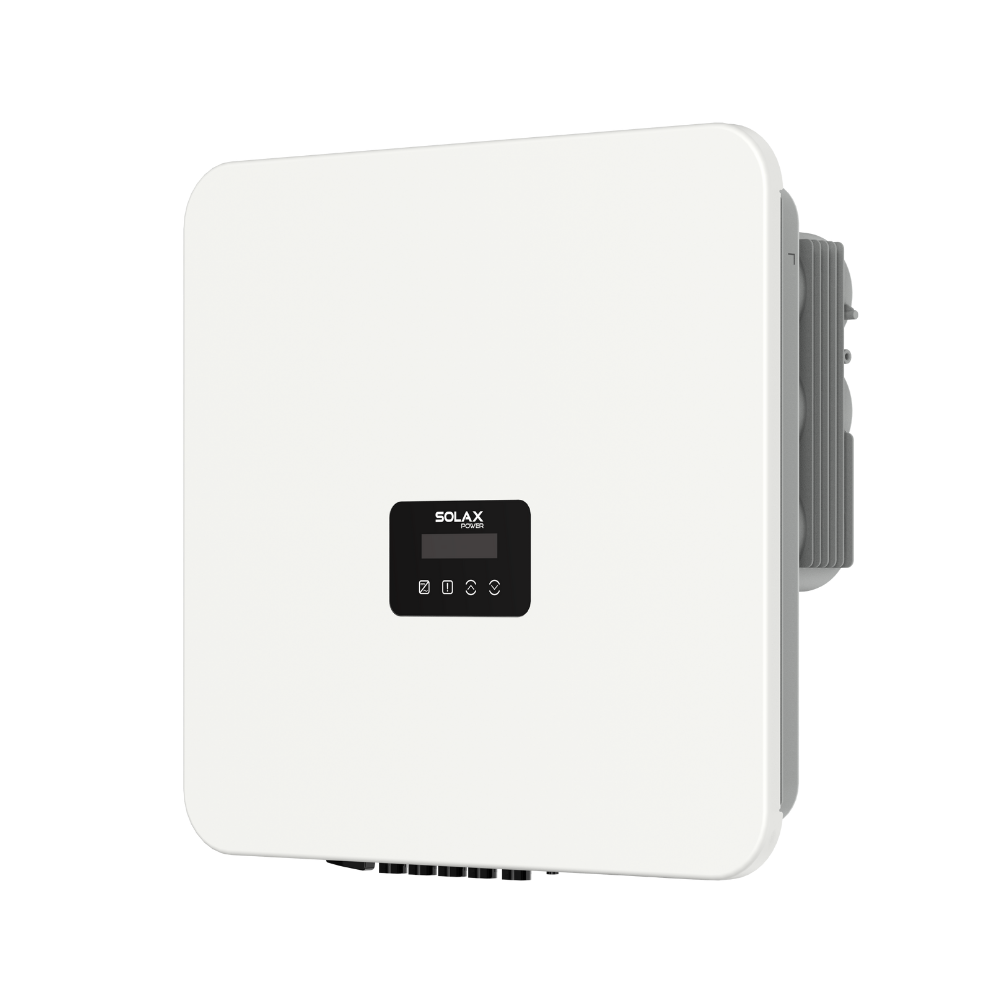
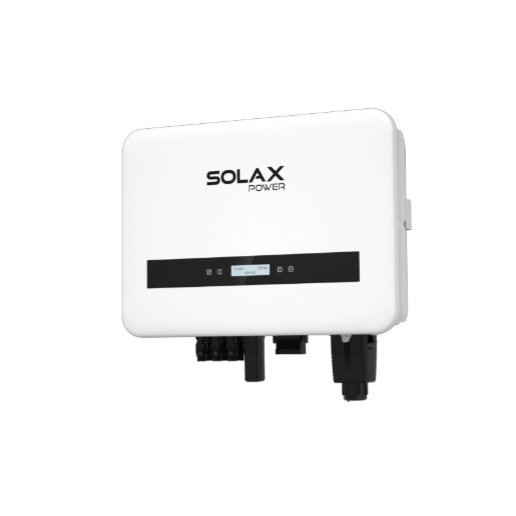
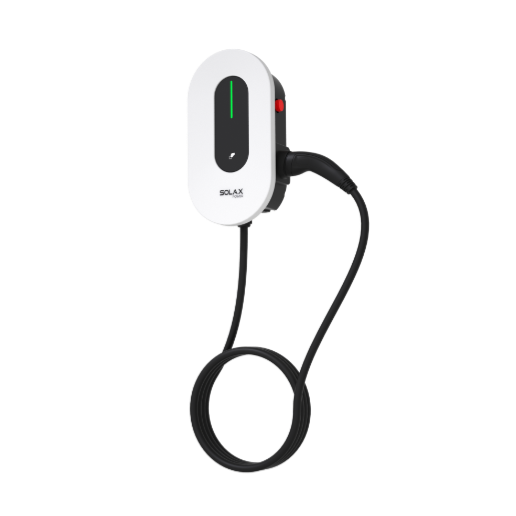
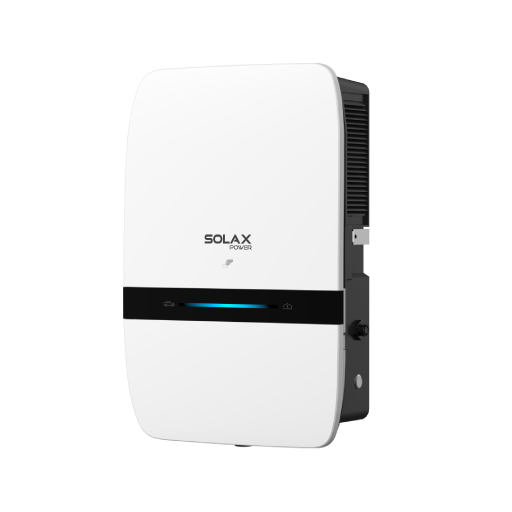
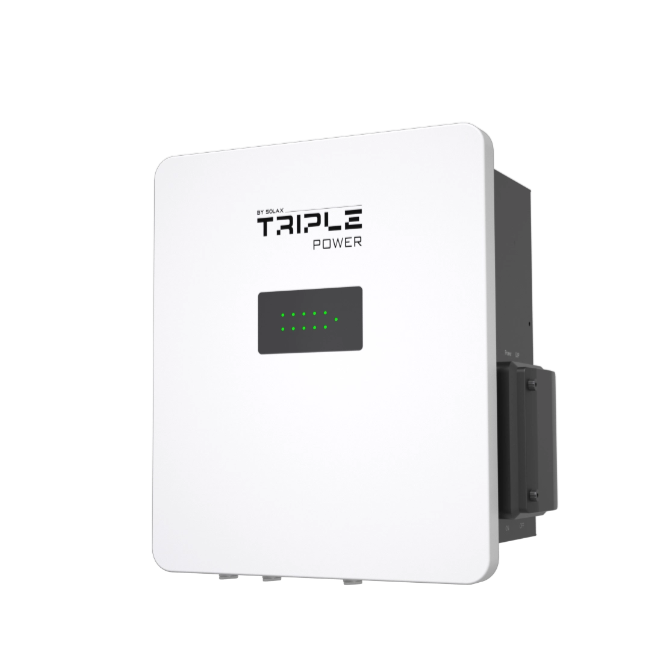
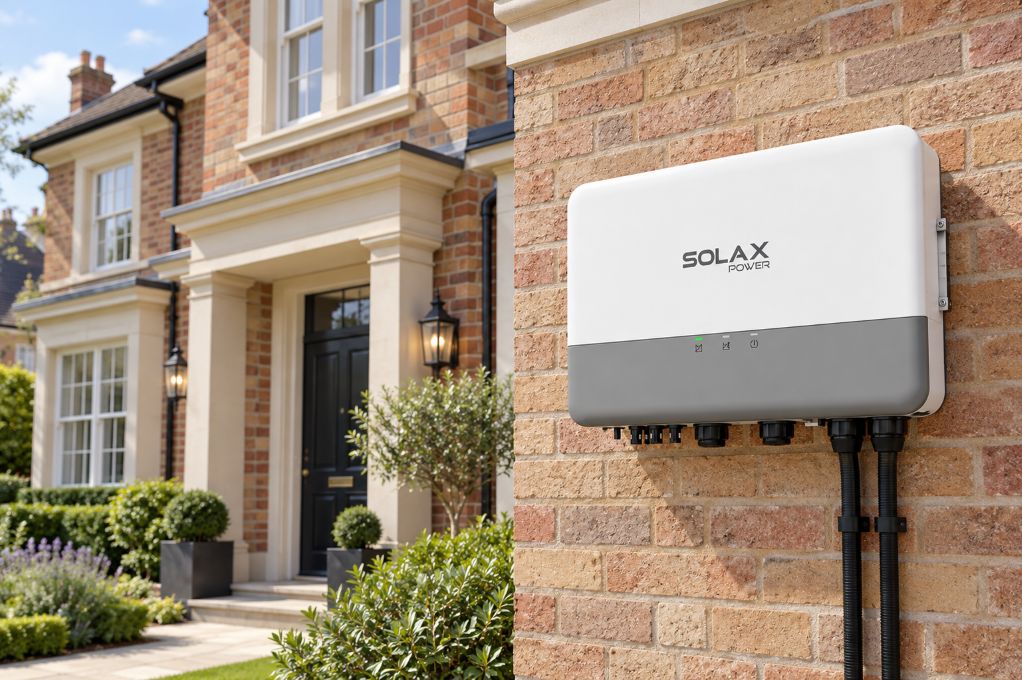
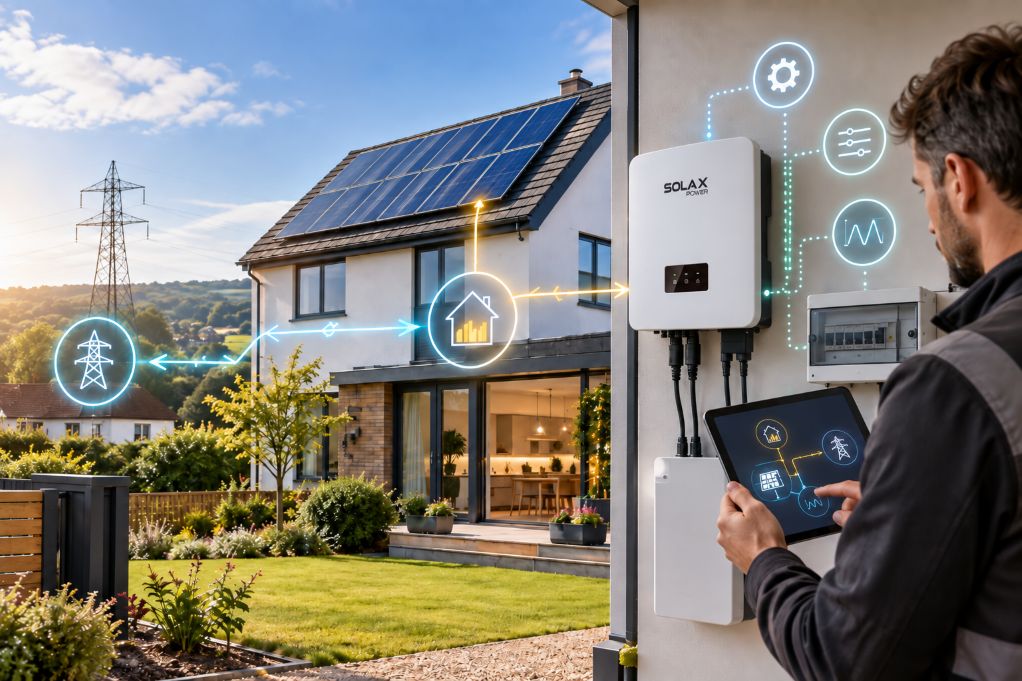
SolaX's residential solution coordinates PV, battery storage and EV charging in one system. Solar can supply the house first, with surplus energy directed to the battery or the car. Later in the evening, the battery can support household loads.
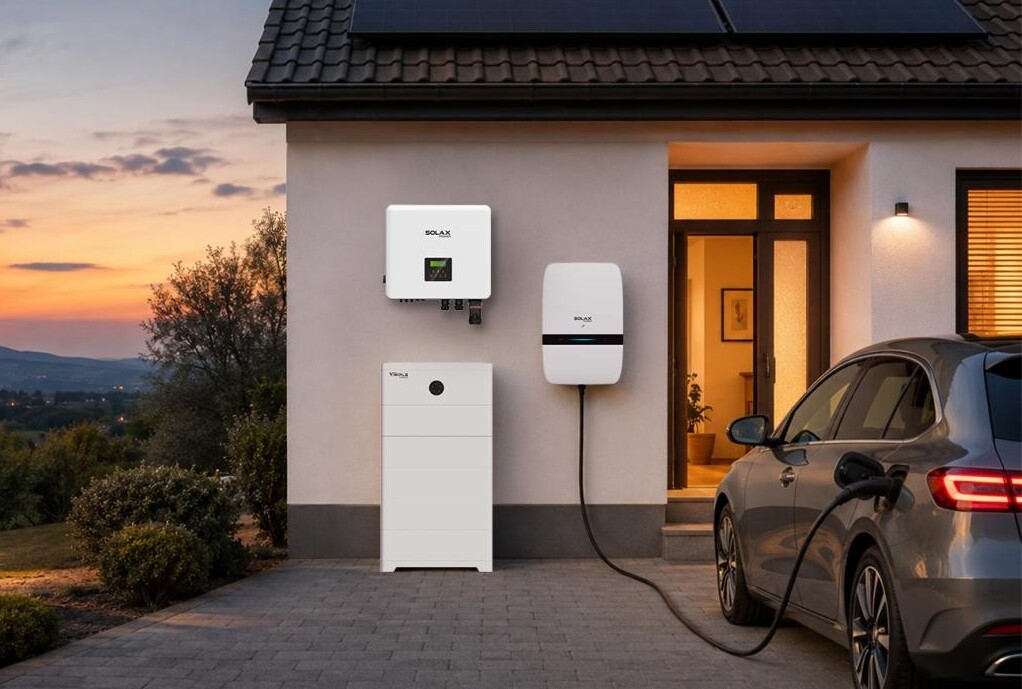
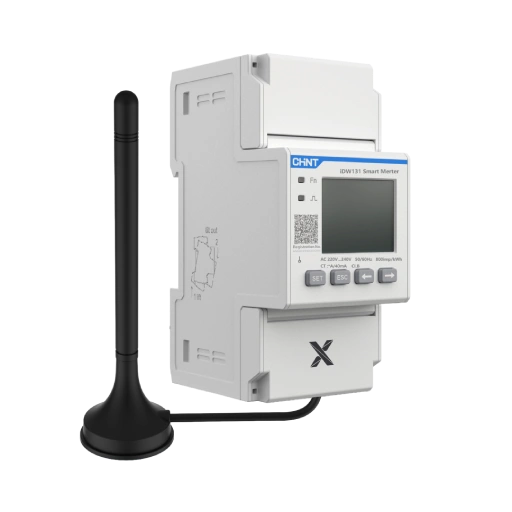
The EV charger can also adjust its power to the capacity available in the home. If an induction cooker, heat pump and EV charger are running at the same time, total demand can rise quickly. Smart energy management control can lower EV charging power rather than push the home beyond its connection limit.
For the homeowner, that can mean higher solar self-consumption and lower evening grid imports. For the wider power system, shifting or reducing charging can also ease pressure during peak periods.
For businesses, the load profile comes first
Commercial and industrial energy storage has to be designed around the site's actual load profile.
Annual electricity consumption alone is not enough to size or control a battery. A factory may have high demand throughout the day, a warehouse may peak during working hours, and a logistics site may see a new evening peak when electric vehicles return.
Those differences change both battery sizing and control strategy.
Consider a logistics site with a 500 kW grid connection.
If the building is already using 450 kW and returning EVs add another 150 kW, demand immediately exceeds the connection limit. Increasing the grid connection may be possible, but it can take time and require extra investment.
The alternative is to manage the power already available on site.
On-site solar can supply part of the load. The battery energy storage system can discharge during the peak, while EV charging is temporarily reduced and increased again later.
For SolaX, this is why C&I projects are designed as energy systems rather than as separate products.
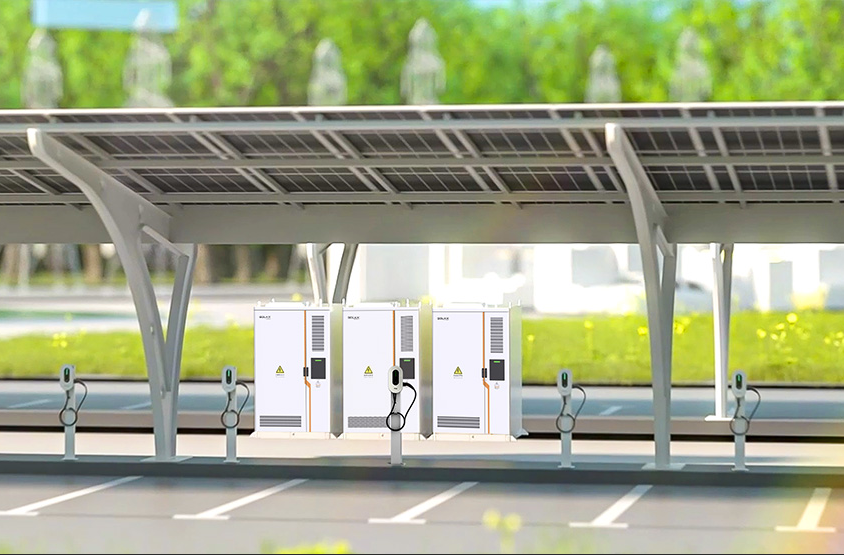
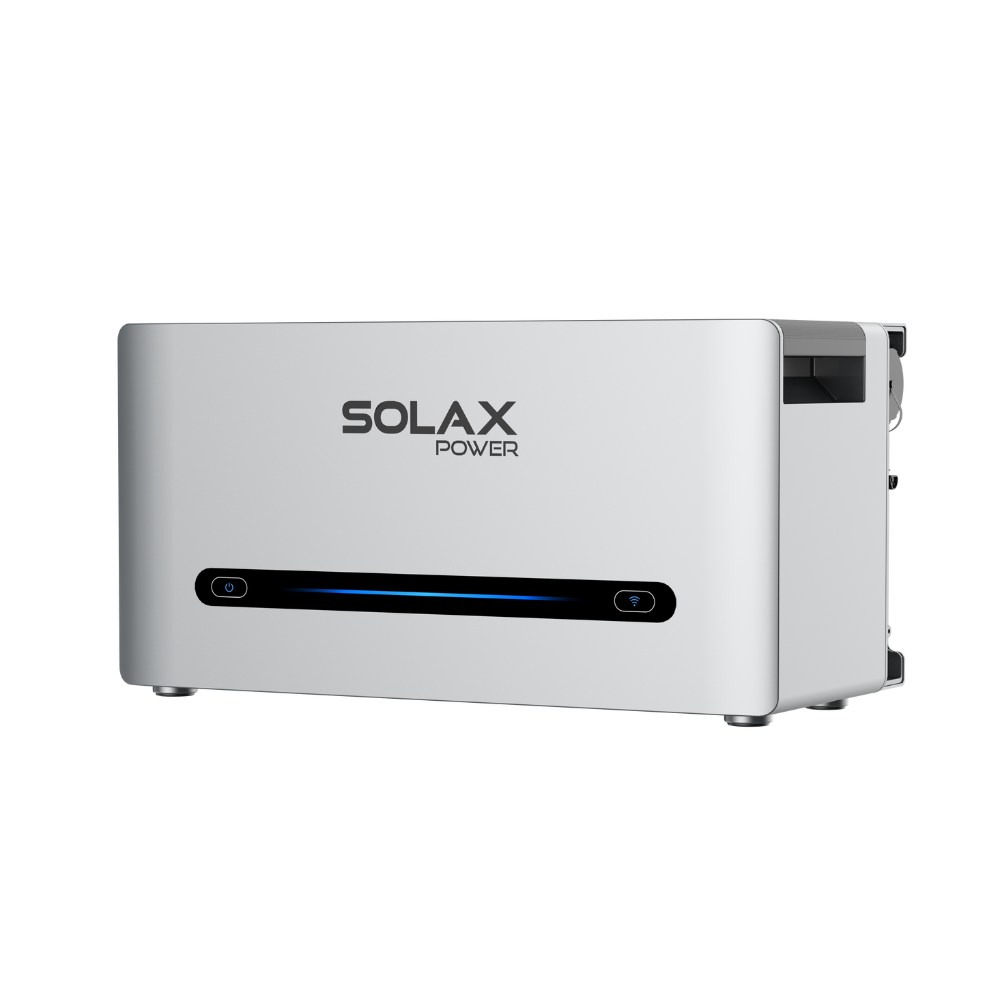
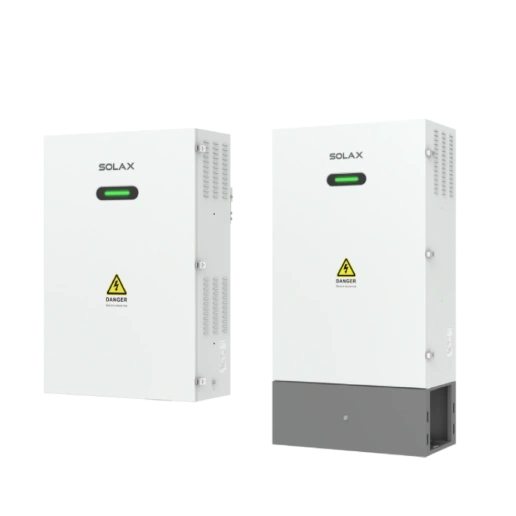
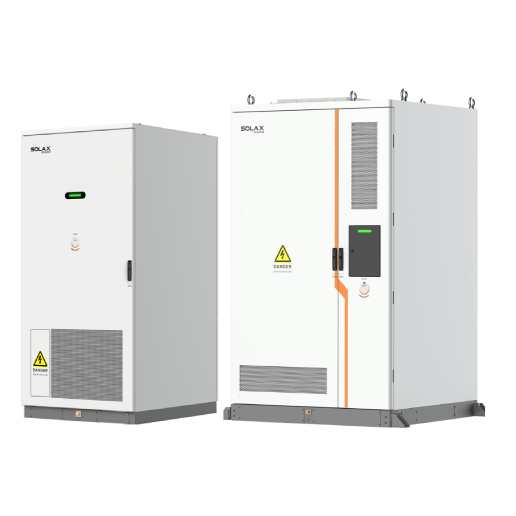
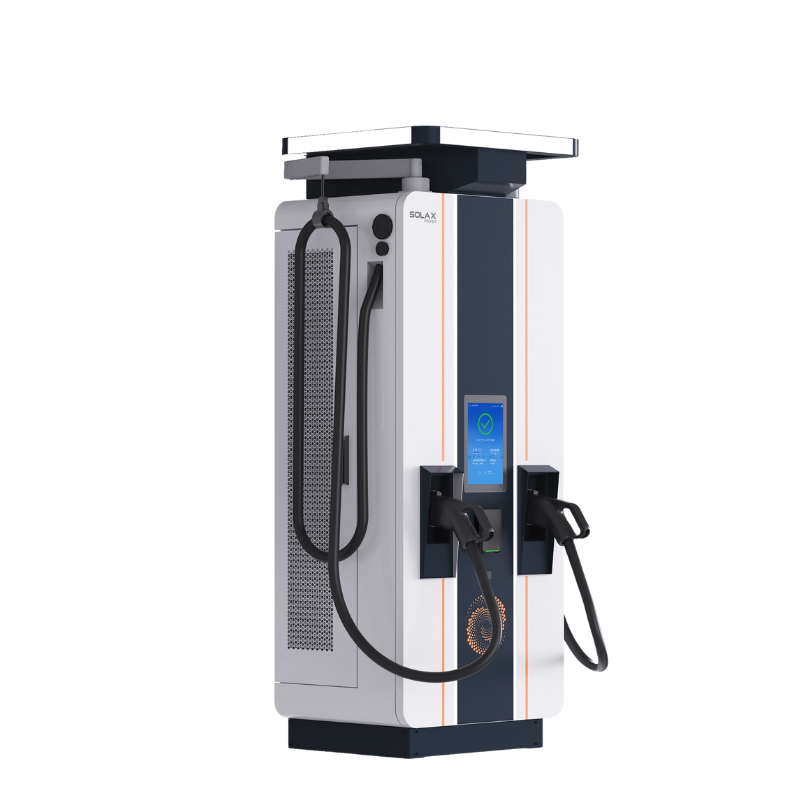
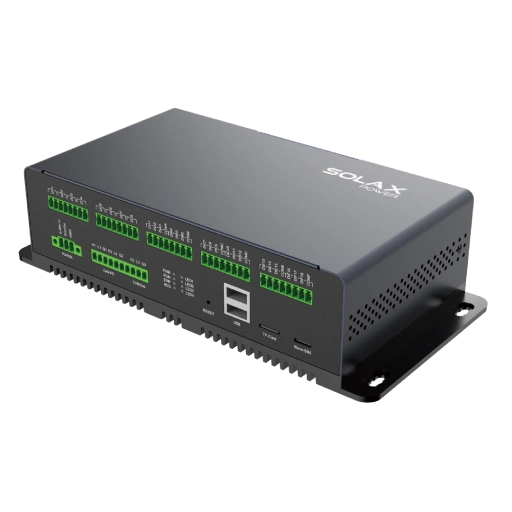
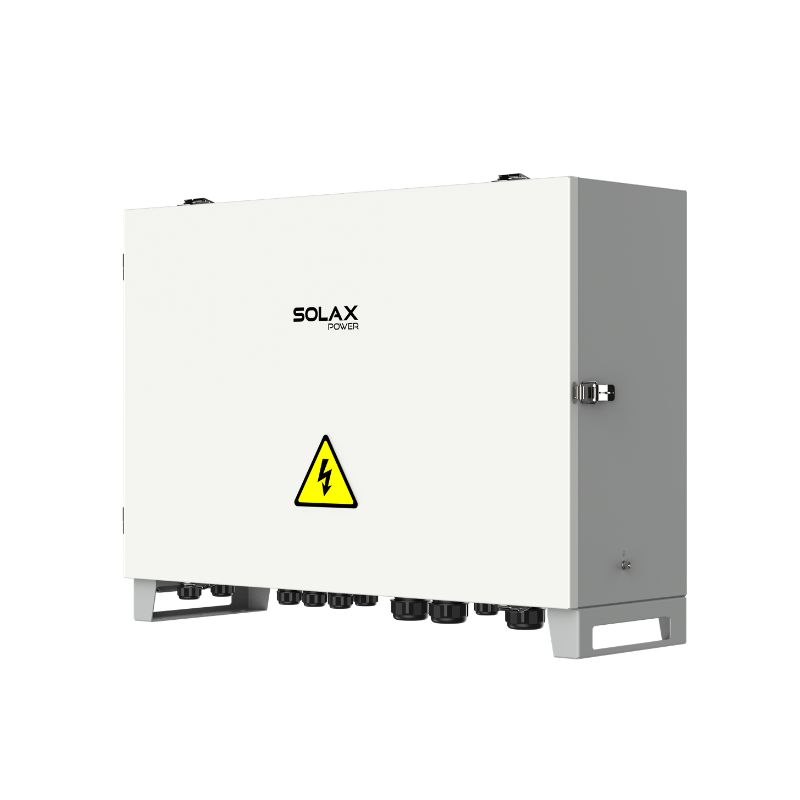
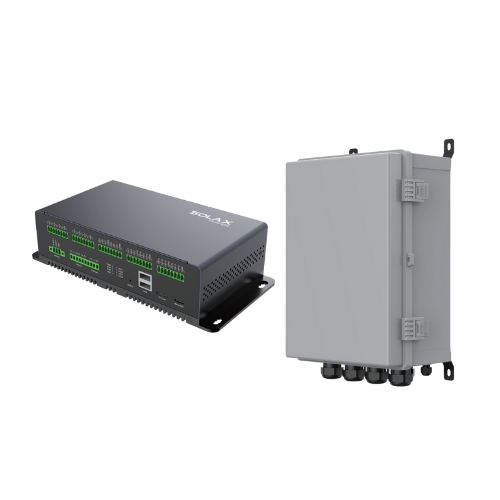
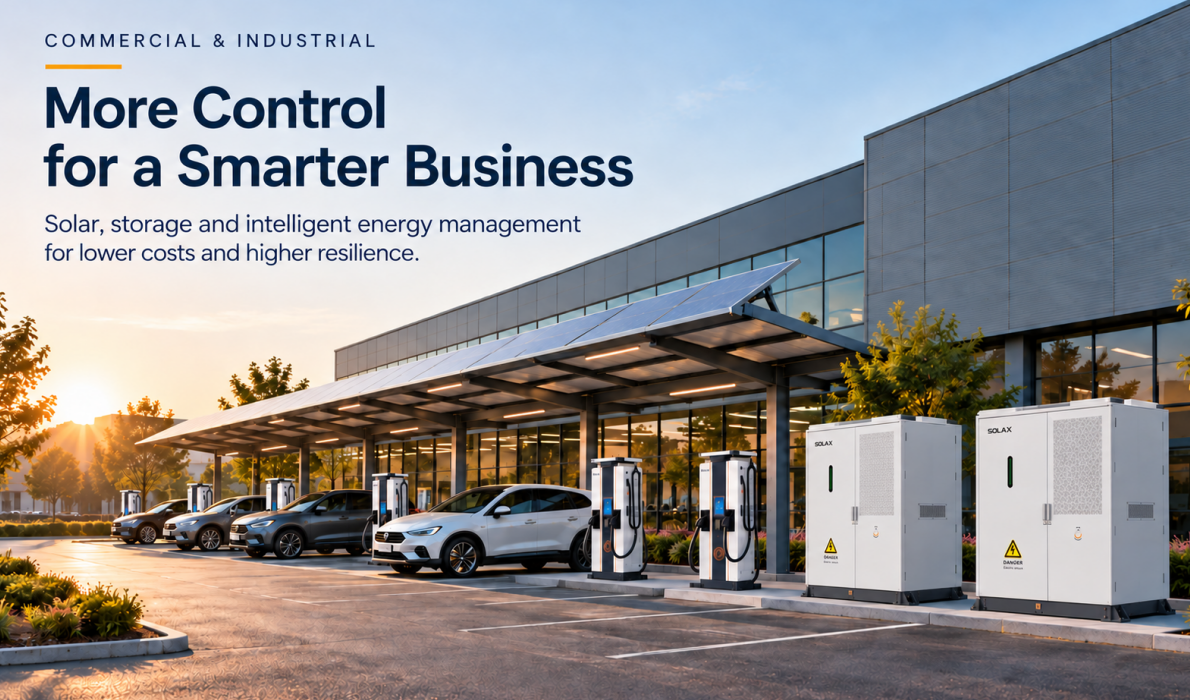
Its commercial and industrial solutions can combine PV, battery storage and EV charging under one energy management system, so generation, storage and charging can be coordinated against the site's available capacity and load.
The result can be peak shaving, higher use of on-site solar and more controlled EV charging. In C&I projects, the control strategy can matter as much as the battery capacity itself.
Battery storage helps the grid handle more solar
Romania will still need strong transmission networks, sufficient generation capacity and cross-border interconnections. This move electricity between locations and help keep the wider power system connected.
Energy storage addresses a different constraint: time. Batteries can absorb surplus energy when solar production is high and discharge later when demand rises. Combined with flexible EV charging and energy management, that can reduce short demand peaks, ease pressure on local grid connections and make better use of solar generation.
As solar penetration grows, this ability to shift energy and demand becomes more valuable. It does not replace transmission investment, but it can help the system use existing network capacity more efficiently and integrate more variable generation.
SolaX's role has expanded alongside that shift. Its portfolio now covers PV, residential and C&I storage, EV charging and energy management, with the focus increasingly on how those technologies work together on site.
As Europe alongside Romania faces increasing pressure on its power systems, energy resilience has become just as important as energy efficiency. Recent grid disruptions have highlighted the need for reliable backup power and intelligent energy storage solutions that can keep homes and businesses running when the grid cannot. In this context, choosing technologies that have been rigorously tested for safety, reliability, and long-term performance is no longer just an advantage is a necessity.
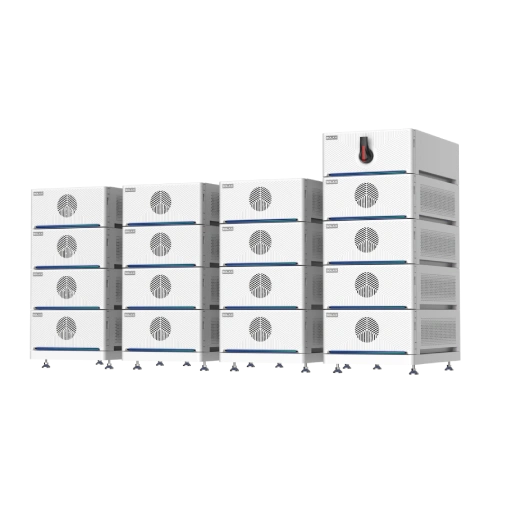
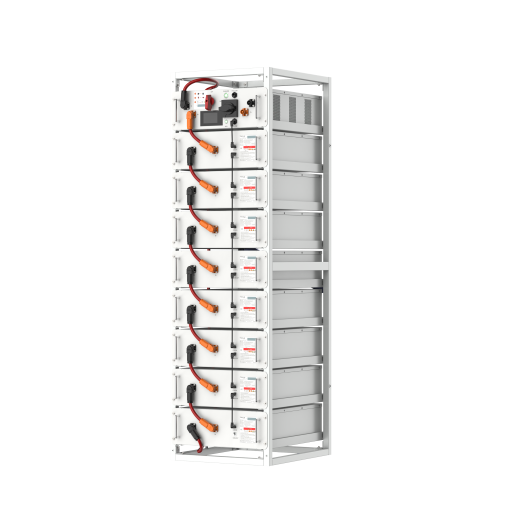
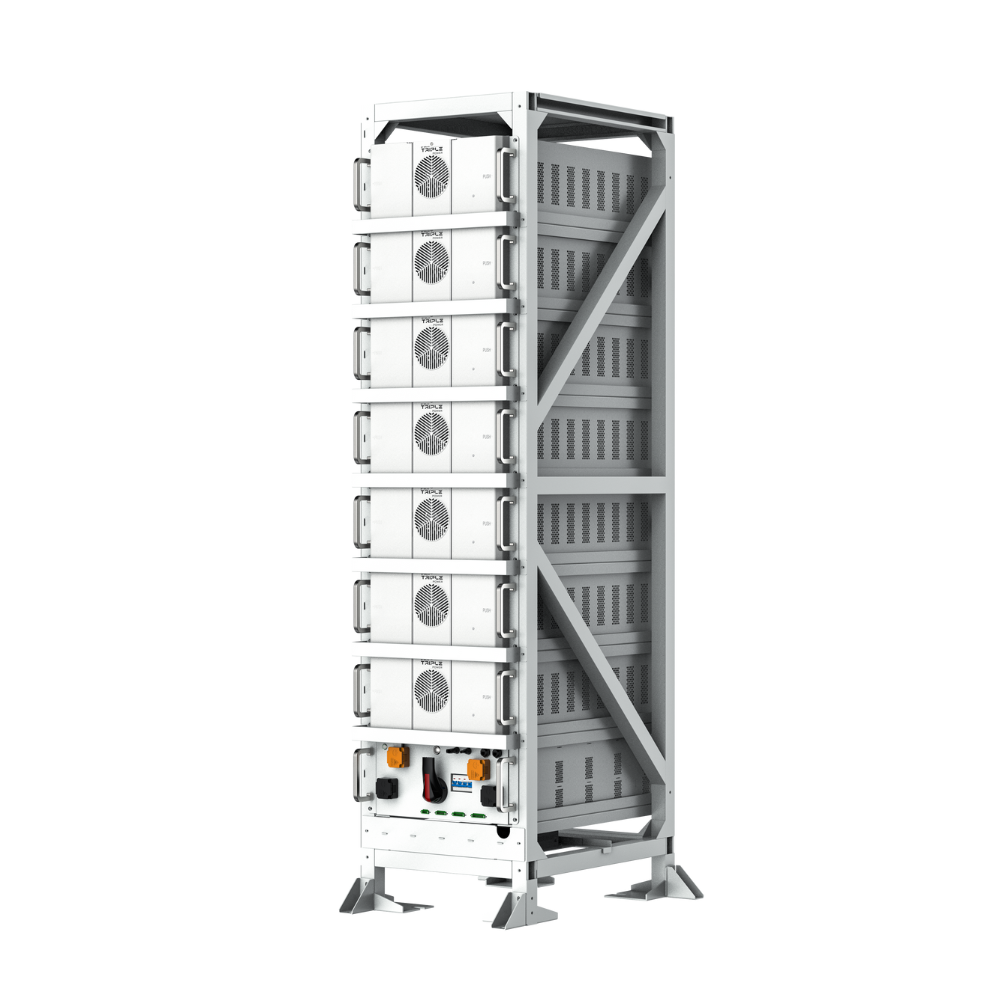
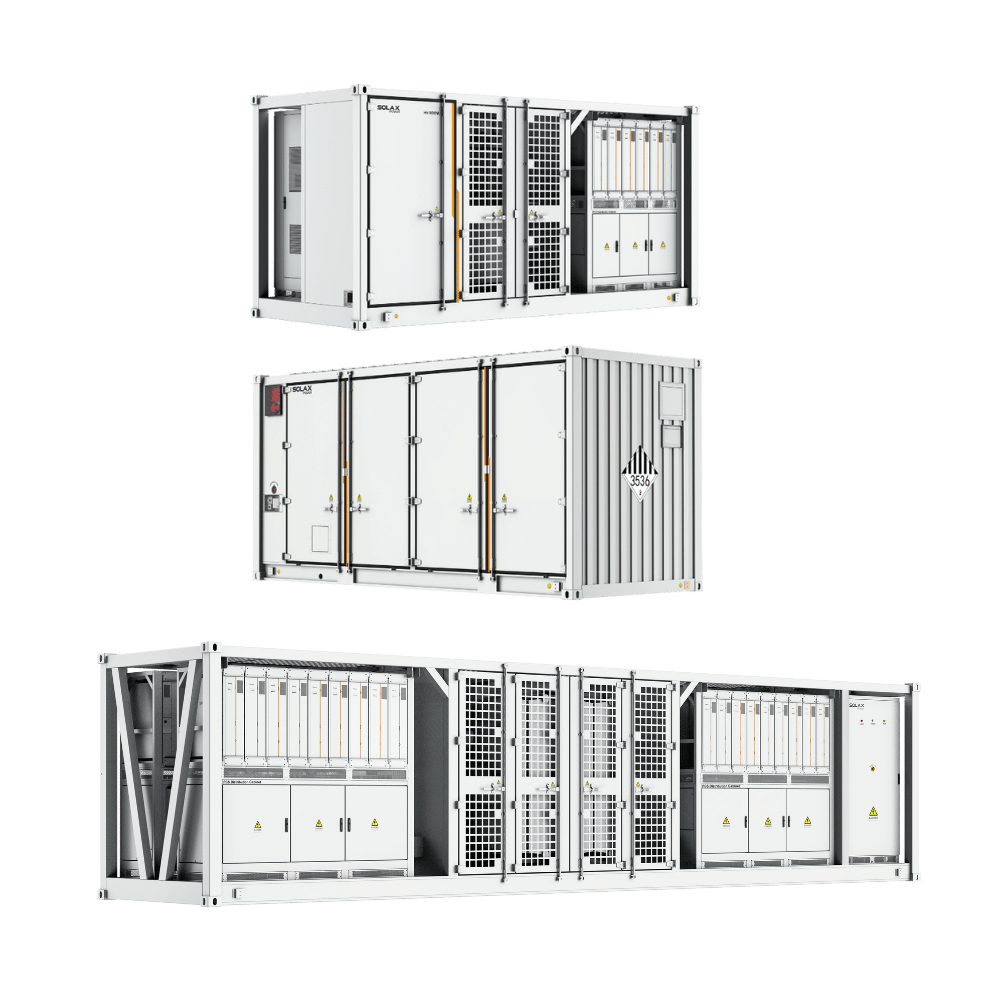
Utility-Scale Energy Storage: SolaX ORI
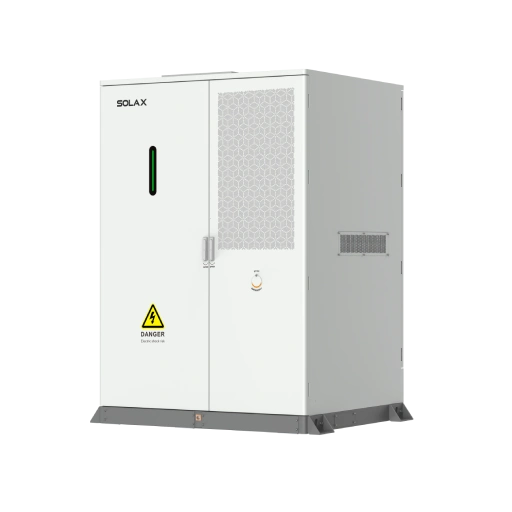
In the Utility sector, Solax has a very well established product: ORI. Designed to support grid stability, peak shaving, renewable energy integration, and reliable backup power, SolaX ORI helps utilities and commercial operators improve energy flexibility while reducing dependence on conventional power sources.
Beyond performance, ORI is engineered with safety at its core. The system has successfully completed rigorous UL 9540A large-scale fire and deflagration testing and complies with internationally recognized safety and performance standards, providing proven protection, operational reliability, and confidence for large-scale energy storage deployments.
From More Solar to Smarter Energy Management
For Romania, the next stage is therefore less about whether more solar can be installed and more about how that generation is used once it is there.
That means keeping more solar on site, using it later in the day, avoiding new peaks from EV charging and helping businesses stay within connection limits as they grow.
These are the issues SolaX is working on with its partners in Romania. Kenderessy Robert sees storage as a central part of what comes next:
"Solar gave consumers the ability to produce their own electricity. Storage gives them more control over when they use it. I think the past weeks have showed us the importance of alternative power sources, sustainable an also the impact that storage can have."
Romania's shift from solar growth to grid flexibility is already under way.
As more PV is added, the challenge will be to use more of it on site, shift more of it to later in the day and avoid creating new peaks.
Table of Contents
Latest News
Explore expert insights, practical guides, and the latest news on SolaX Power.
To the Latest Newsletter
Stay Ahead with the Latest SolaX Updates!
Subscribe
I have read and agree to Privacy Policy and User Terms