












August 12, 2026
One Portal for PV + Storage + Grid | 2 Hybrid Inverters for C&I Monitoring in the UK
Share my #SolaXStory


When a commercial solar energy site has one dashboard for generation, another for the inverter battery, and a third for export behaviour, small faults become expensive. A meter mapping issue can look like unstable export limiting, while a battery scheduling problem can trigger unnecessary site visits.
In the UK, that matters even more because export-limited systems may need the right application route before installation, including G100 where export is limited, rather than a looser afterthought built around disconnected tools.
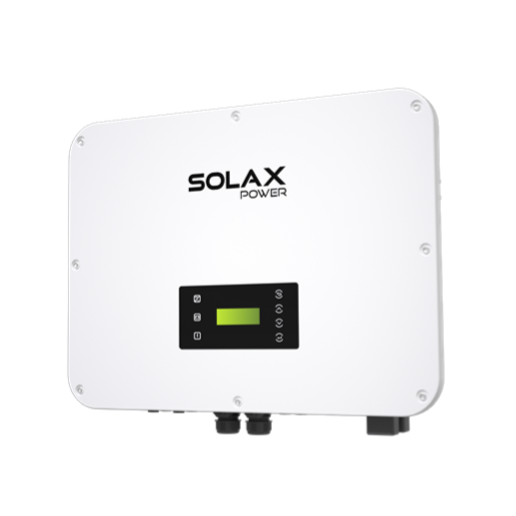
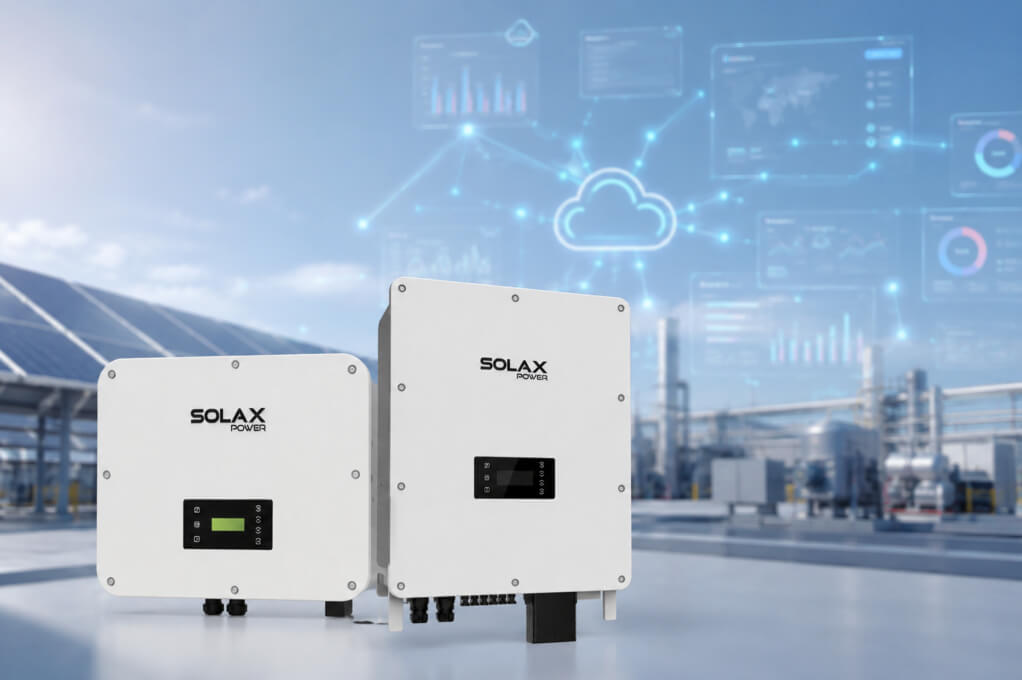
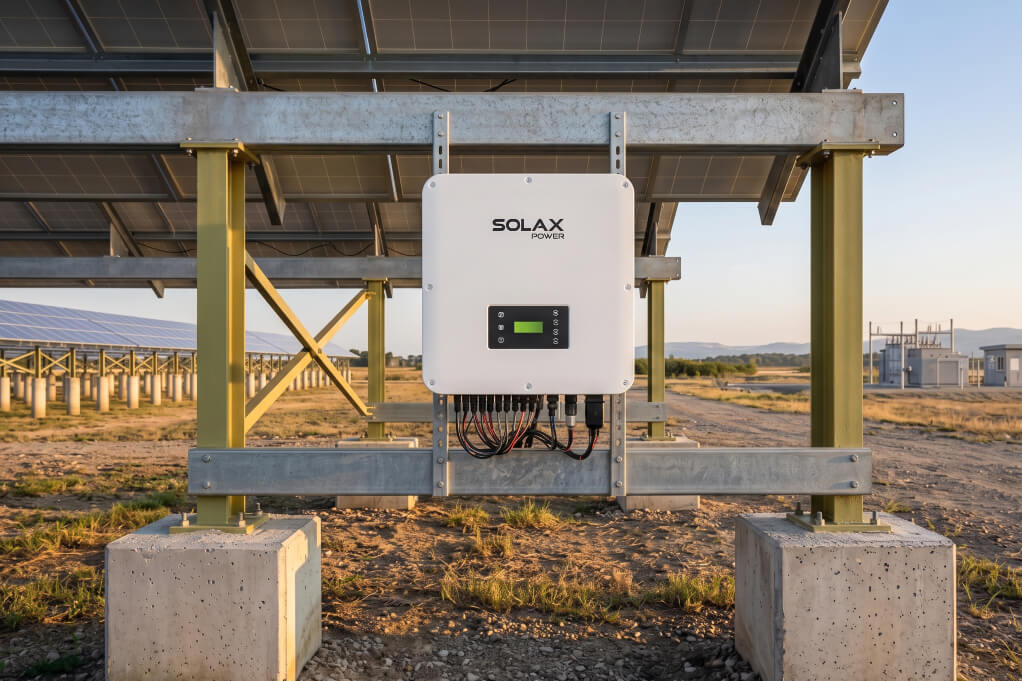
For teams comparing a hybrid inverter for C&I monitoring, the practical question is not only output power. It is whether the solar inverter, metering, remote diagnostics, and control logic work through one operational layer. That is where this shortlist stays focused: SolaX X3-ULTRA for lighter commercial scale, and X3-AELIO for heavier C&I control, both viewed through portal usefulness rather than headline specs alone.
Top picks for one-portal C&I monitoring
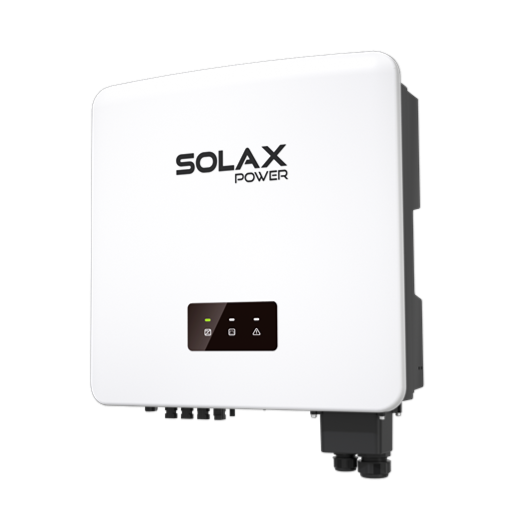
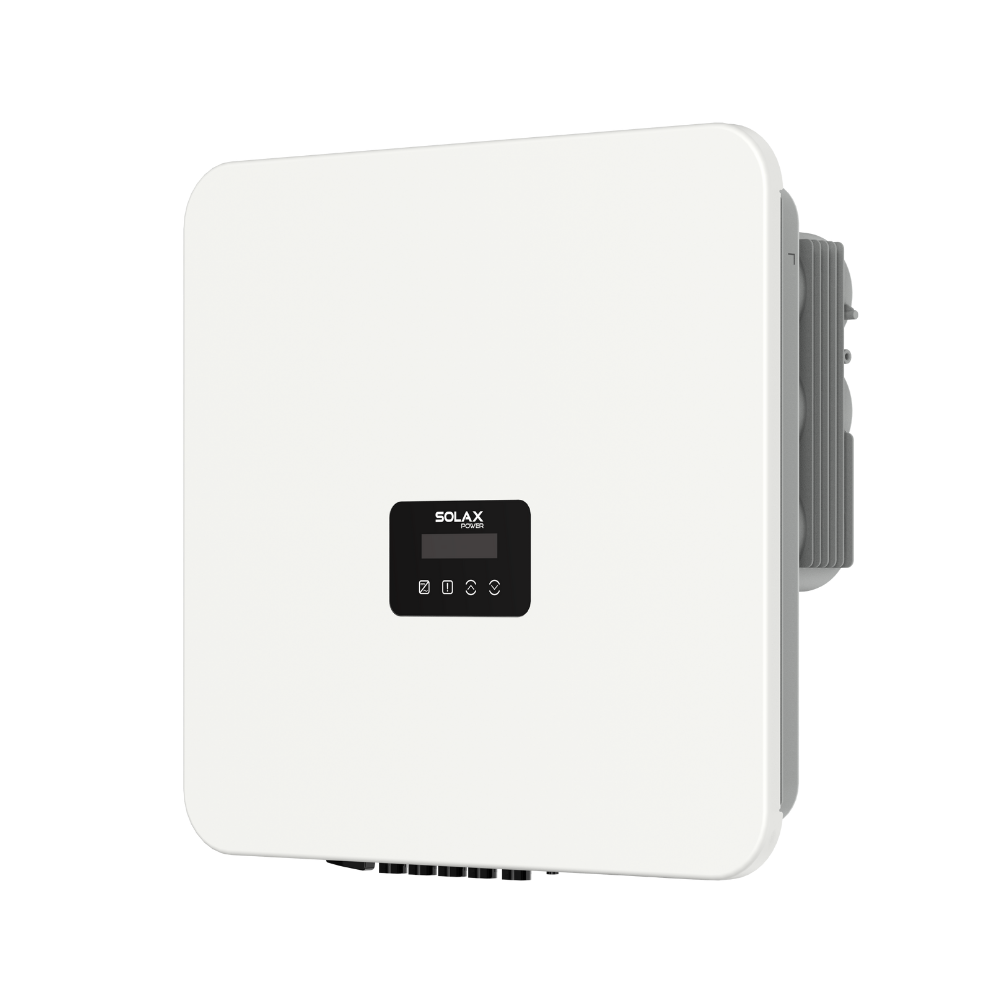
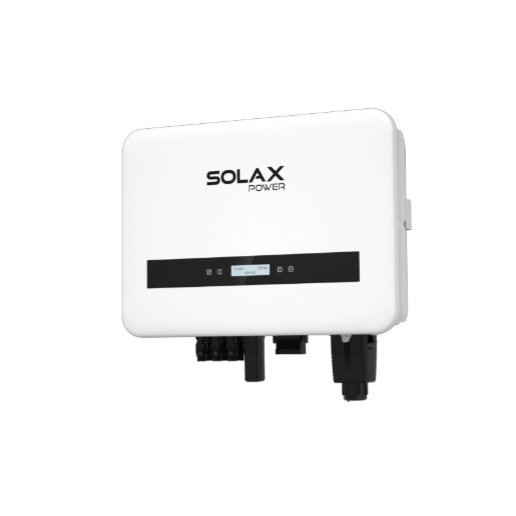
1. X3-ULTRA
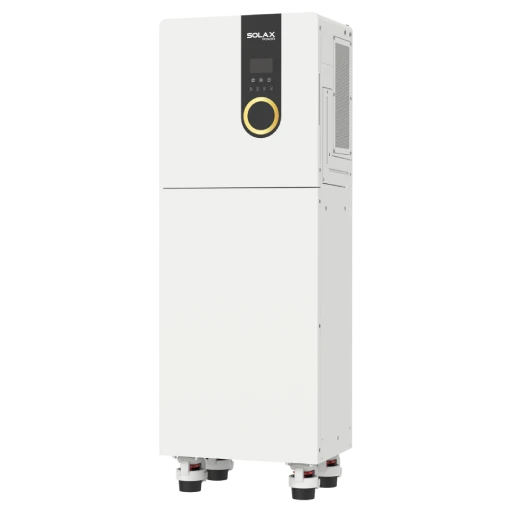
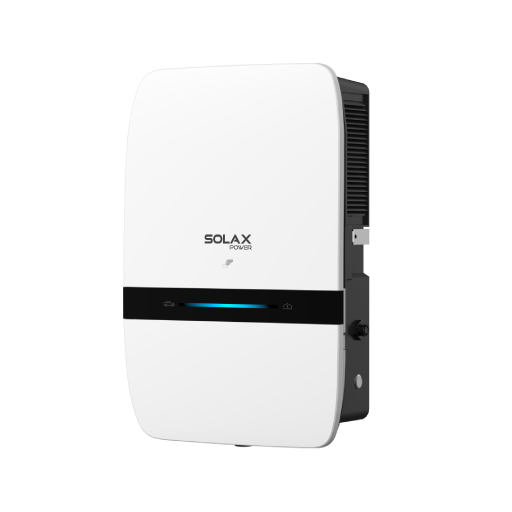
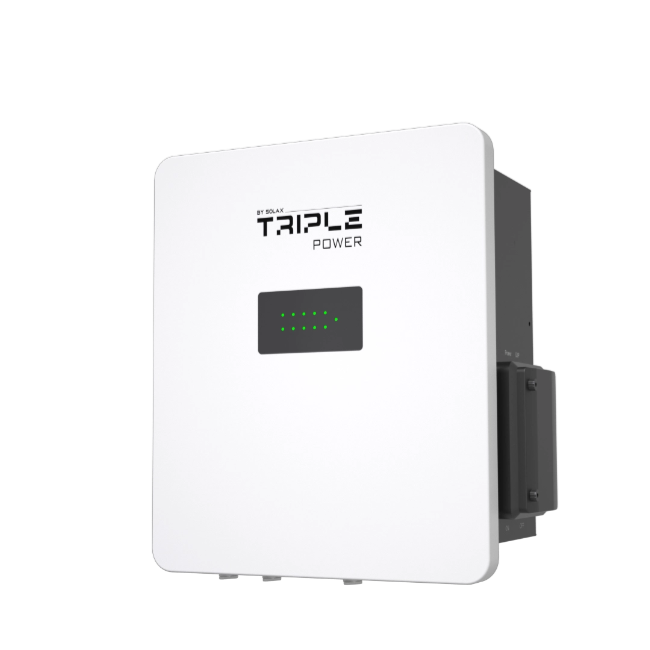
If your site sits between advanced residential and light commercial demand, X3-ULTRA is the cleaner fit. It gives you a three-phase hybrid inverter platform without jumping straight into a heavier architecture, yet it still supports one-portal monitoring for solar power system visibility, storage control, and remote diagnostics.
Why it stands out
Power classes listed by SolaX: 15 kW, 19.9 kW, 20 kW, 25 kW, and 30 kW
Supports up to 10 units in parallel for on-grid and off-grid configurations
Supports 200% PV oversizing and up to 110% AC output
Includes microgrid and generator functionality
Built for smart load management with response time within 0.3 seconds
Presented as VPP-ready with compatibility options including OpenADR and IEEE 2030.5
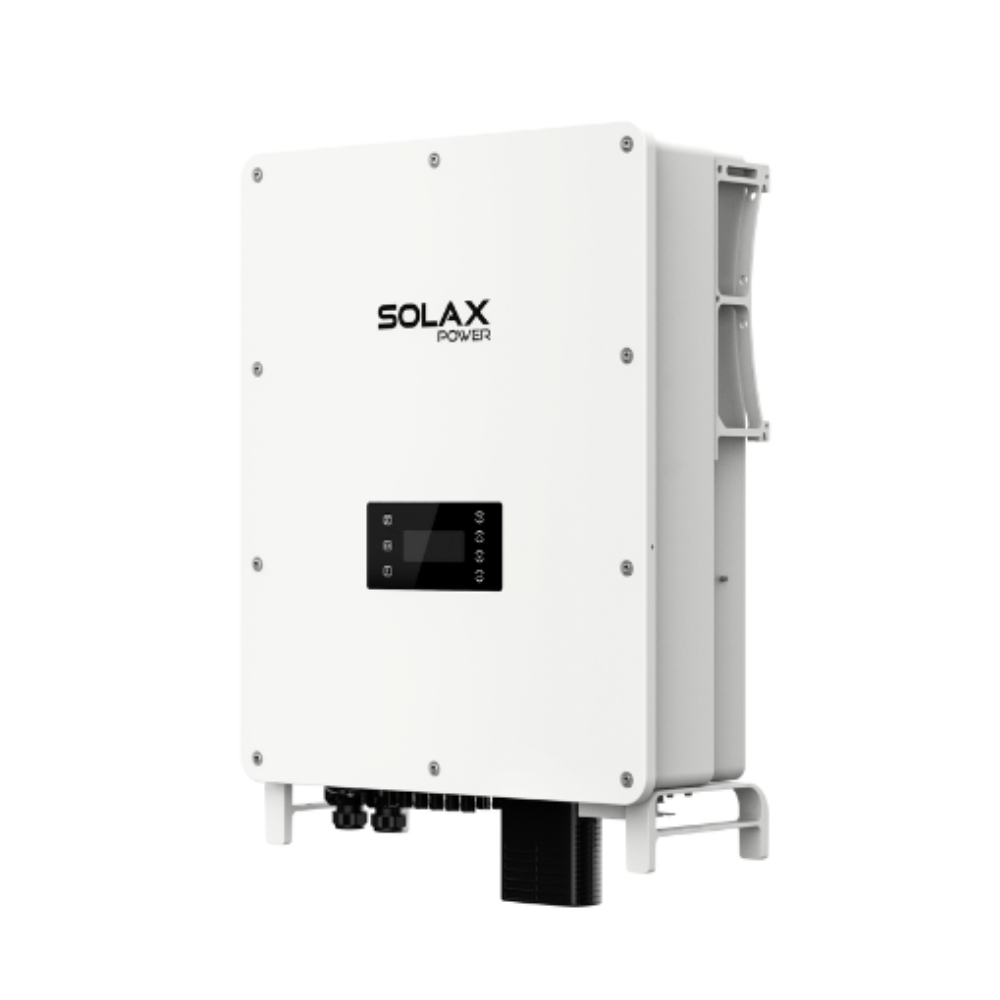
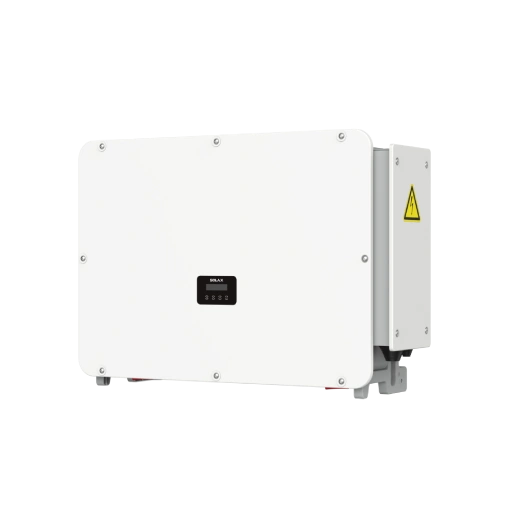
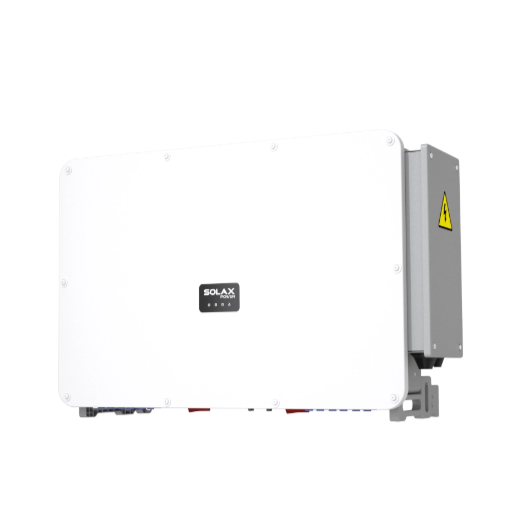
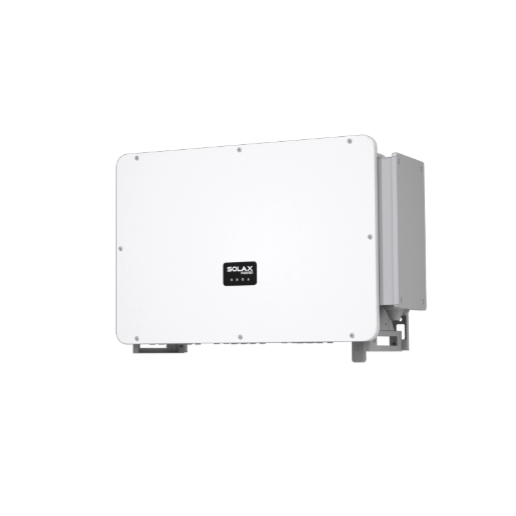
2. X3-AELIO
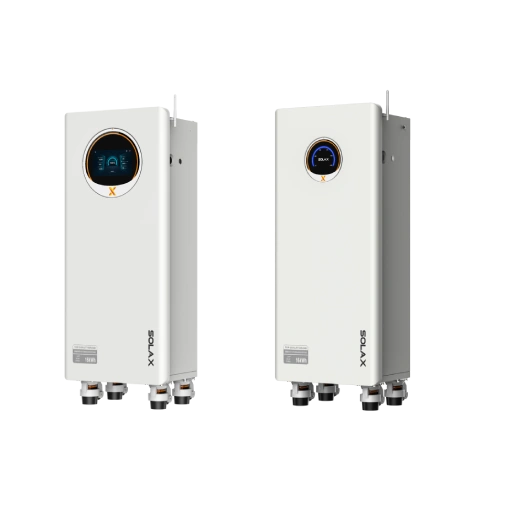
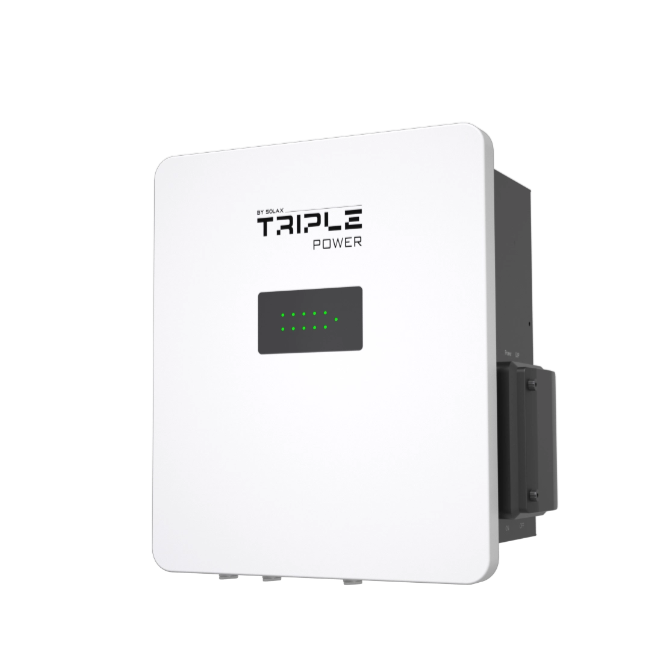
X3-AELIO makes more sense when the load profile already looks properly commercial. Rather than stretching a smaller inverter family too far, this option is aimed at stronger operating demands, especially where storage scheduling, multiple loads, and future fleet control all matter in daily service.
Why it stands out
Model range listed by SolaX: 36 kW to 61 kW
Dual independent battery ports are available for expansion
Supports wireless metering
Supports 7×24 scheduling mode
Designed for on-grid and off-grid operation
Positioned by SolaX as microgrid-ready and suitable for broader control scenarios
Why the portal matters as much as the inverter
A strong hybrid inverter can still underperform operationally if your monitoring layer is fragmented. SolaXCloud documentation shows settings for work mode, zero export control, demand control, and external control in the platform, which means the portal is part of site operation rather than a passive reporting tool. For UK projects, that is useful because export-limited installations must be specified carefully, and the UK government guidance notes that installers should submit a G99 form, or G100 if export is limited, before installation.
Moreover, portal quality changes the service model. X3-ULTRA is marketed with UPS-level switchover under 10 ms, smart load management, and VPP-ready compatibility, while X3-AELIO is positioned around stronger scheduling and battery-port flexibility. In practice, that means remote diagnostics can move from "check what happened" to "check what changed", which is often the difference between a targeted visit and a wasted one.
How to choose the right hybrid inverter for UK C&I monitoring
Match power band to site reality
Choose X3-ULTRA if your commercial demand is still in the 15-30 kW range
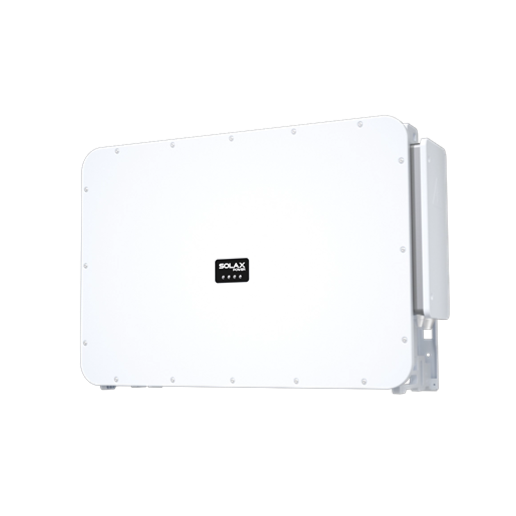
Choose X3-AELIO if the site already needs 36-61 kW class hardware
Avoid selecting purely for future growth if present-day control needs are simple
Check export limiting early
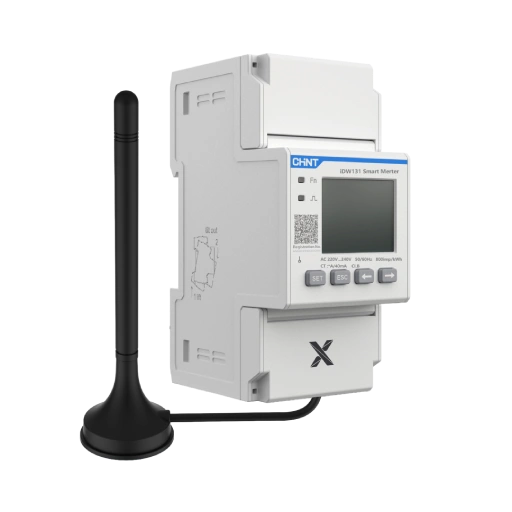
Confirm whether CT or meter hardware is required in the control design
Make sure export settings and verification workflow are agreed before commissioning
According to Ofgem, eligible solar PV generators up to 5 MW may participate in the Smart Export Guarantee, so export behaviour has commercial as well as technical consequences.
Plan around service workflow
If your team manages many sites, prioritise remote alarm visibility and mode changes
If backup or off-grid support matters, give extra weight to microgrid functions
If battery expansion is likely, compare single versus dual battery-port logic early
Common issue: monitoring looks incomplete
When portal data does not match expected export behaviour, the fault is often not the inverter itself. SolaXCloud support material shows export control within the web platform, while SolaX guidance also points to CT or meter requirements for zero-export functions. Therefore, incomplete data usually starts with metering hardware, communication mapping, or permissions rather than a failed solar battery strategy.
Problem, cause, fix
Problem: Export values look wrong or unstable
Likely cause: CT or meter is missing, reversed, or mapped incorrectly
Fix: Verify meter hardware, inverter communications, and export-control settings in the local interface and SolaXCloud
Problem: Battery or load behaviour is not reflected clearly
Likely cause: Work mode or scheduling settings are inconsistent with site logic
Fix: Review mode settings, time windows, and any external control rules before dispatching a technician
FAQ
Table of Contents
Latest News
Explore expert insights, practical guides, and the latest news on SolaX Power.





To the Latest Newsletter
Stay Ahead with the Latest SolaX Updates!
Subscribe
I have read and agree to Privacy Policy and User Terms