













August 10, 2026
Scotland & Northern England: How to Choose a Hybrid Inverter for LFP Batteries in Colder Climates
Share my #SolaXStory


Check what your home actually needs before you compare models
Cold-weather solar rarely goes wrong because of one headline spec. More often, the problem is a mismatch between the hybrid inverter for LFP batteries, the battery location, and the way your home uses power in winter. In Scotland and Northern England, shorter days, lower temperatures, and occasional grid interruptions make those choices more noticeable. A well-matched system can support better seasonal charging, steadier backup performance, and fewer compliance delays.
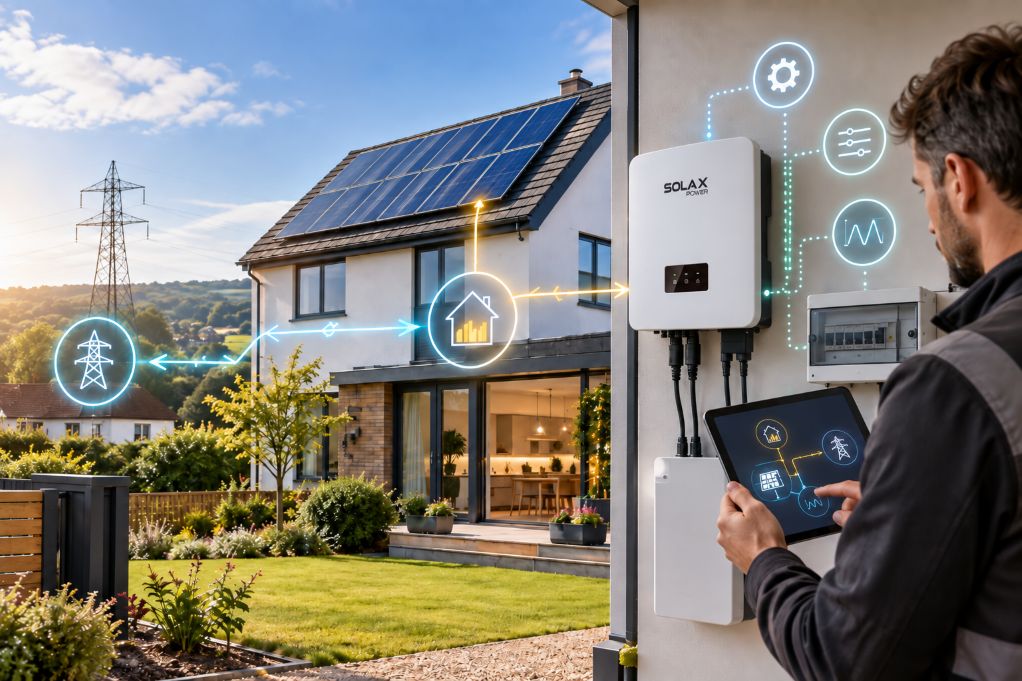
Before you look at brands or power ratings, narrow the brief around your household. That gives you a practical shortlist instead of a long list of products that look similar on paper. If you want one integrated route for inverter, battery, monitoring, and future smart energy expansion, SolaX is a reasonable candidate to include in that shortlist.
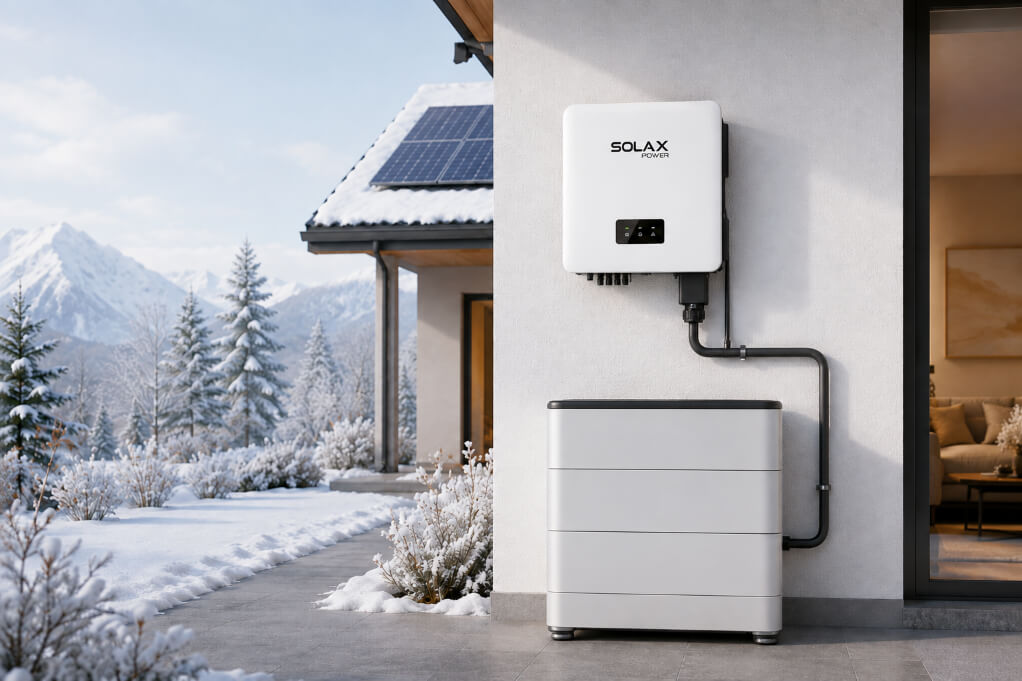
Check the site conditions before comparing inverter options
1: Define the household use case
A good Scotland solar battery setup starts with winter behaviour, not annual averages. If your main goal is lower bills, you may prioritise self-consumption and time-of-use charging. However, if outages are the bigger concern, EPS backup inverter behaviour matters much earlier in the process.
What to do
Decide whether your top priority is bill reduction, backup resilience, export control, or future battery expansion
List the loads you use most on dark winter evenings
Note whether you plan to add an EV charger later
Estimate whether you want staged battery growth rather than full capacity on day one
2: Review the property and electrical setup
Your roof and electrical arrangement can remove unsuitable options quickly. A Northern England hybrid inverter that looks fine in a brochure may be awkward in practice if the property has heavy winter shading, limited indoor battery space, or a supply type that does not match the proposed system.
What to check
Single-phase or three-phase supply
Roof orientation and likely winter shading
Consumer unit condition and earthing
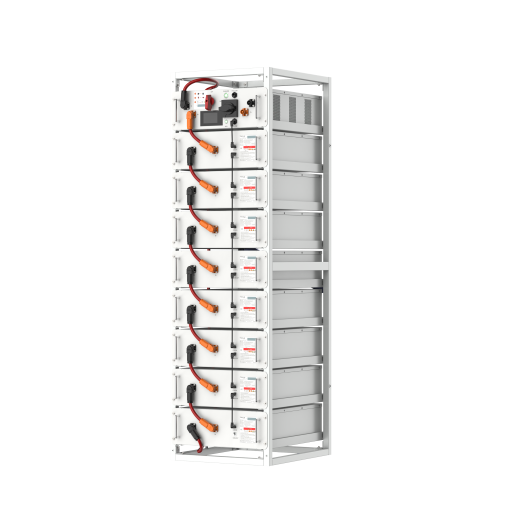
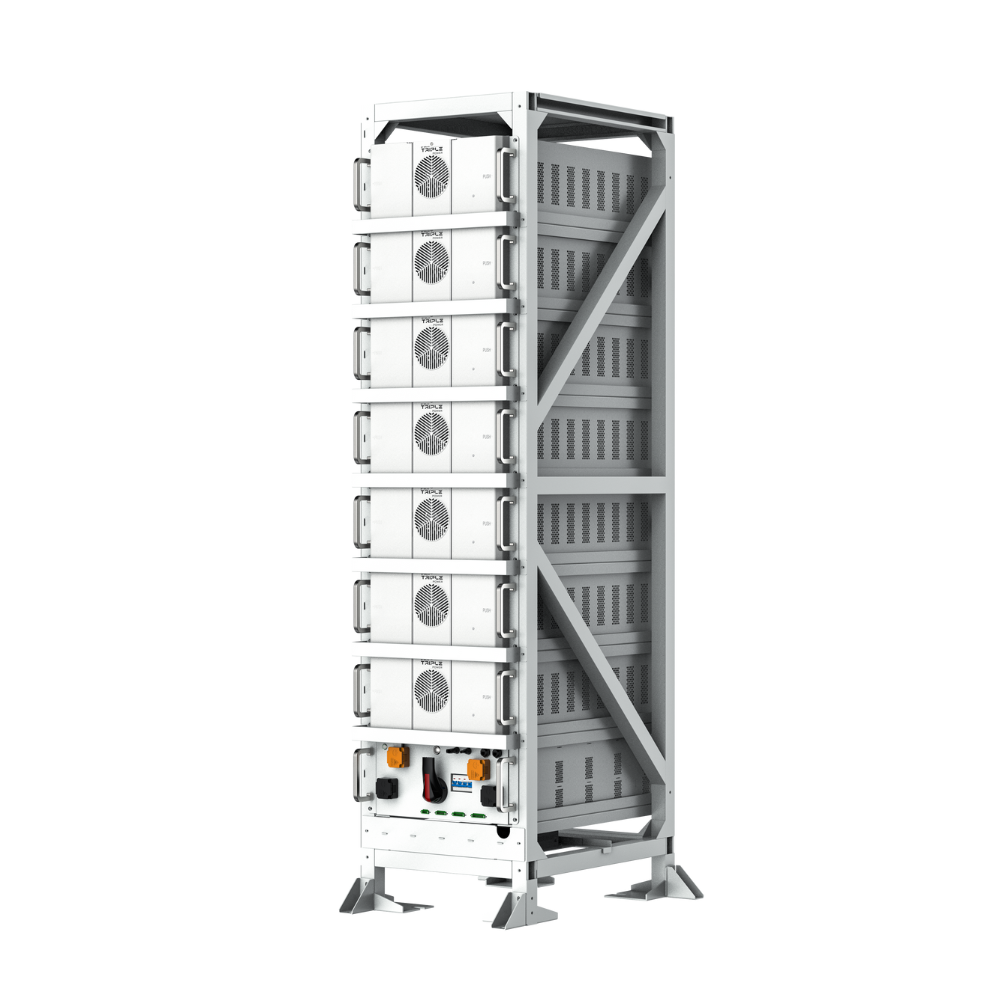
Space in a garage, utility room, or plant area for the inverter battery
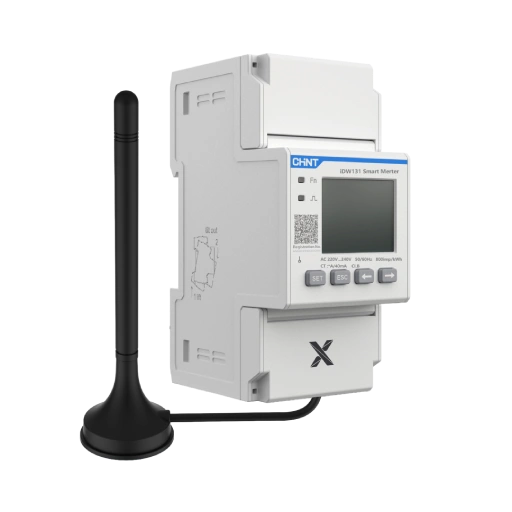
Meter and CT location for export control and monitoring
3: Confirm LFP support and future expansion
Not every battery-compatible unit gives the same expansion pathway. For a hybrid inverter for LFP batteries, you want clear lithium support, reliable battery communication, and a sensible route for adding storage later. That is especially useful for homes with limited space or a phased budget.
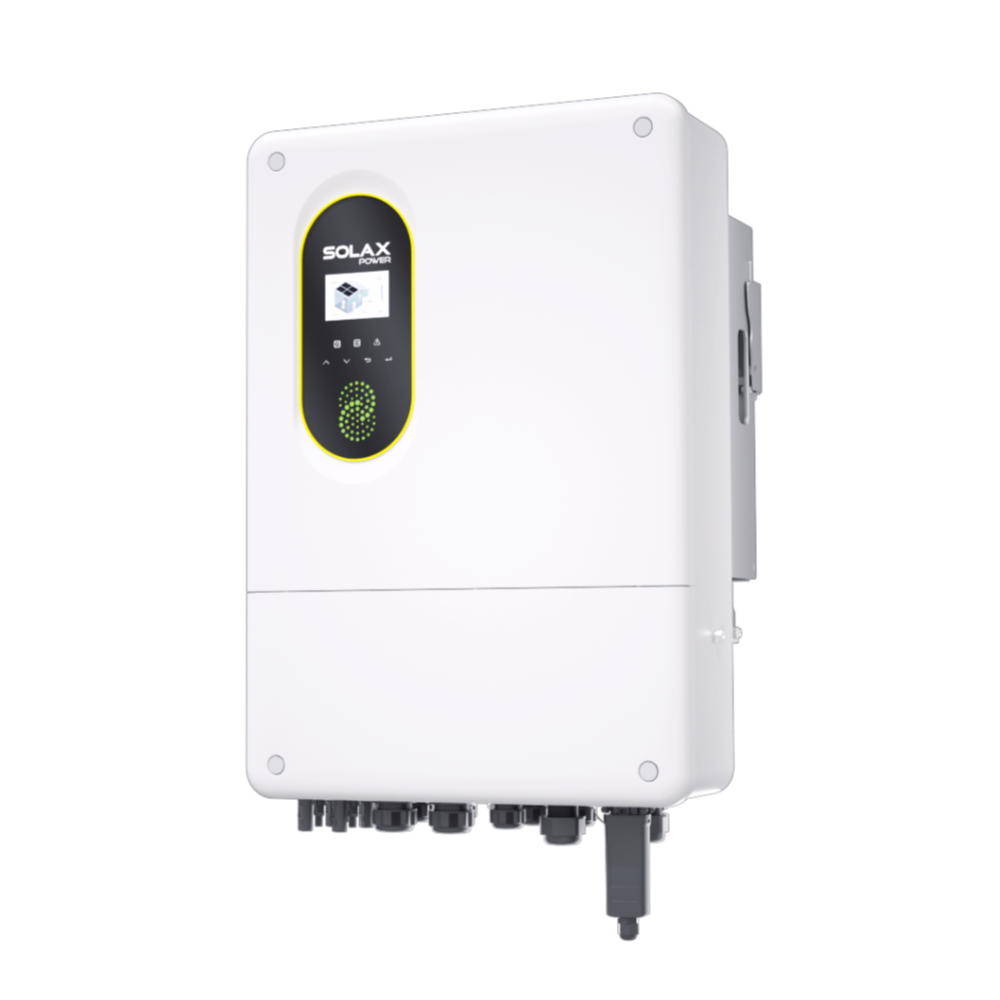
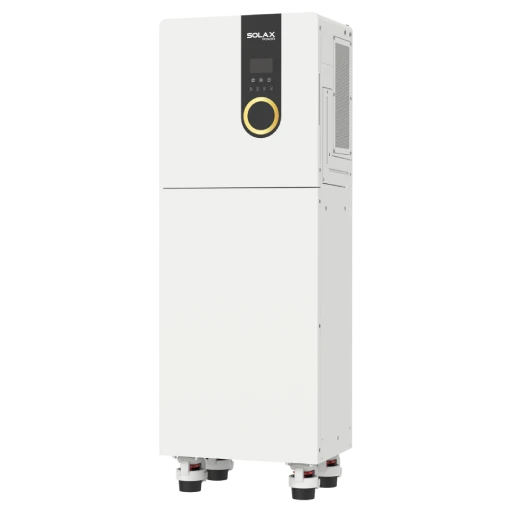
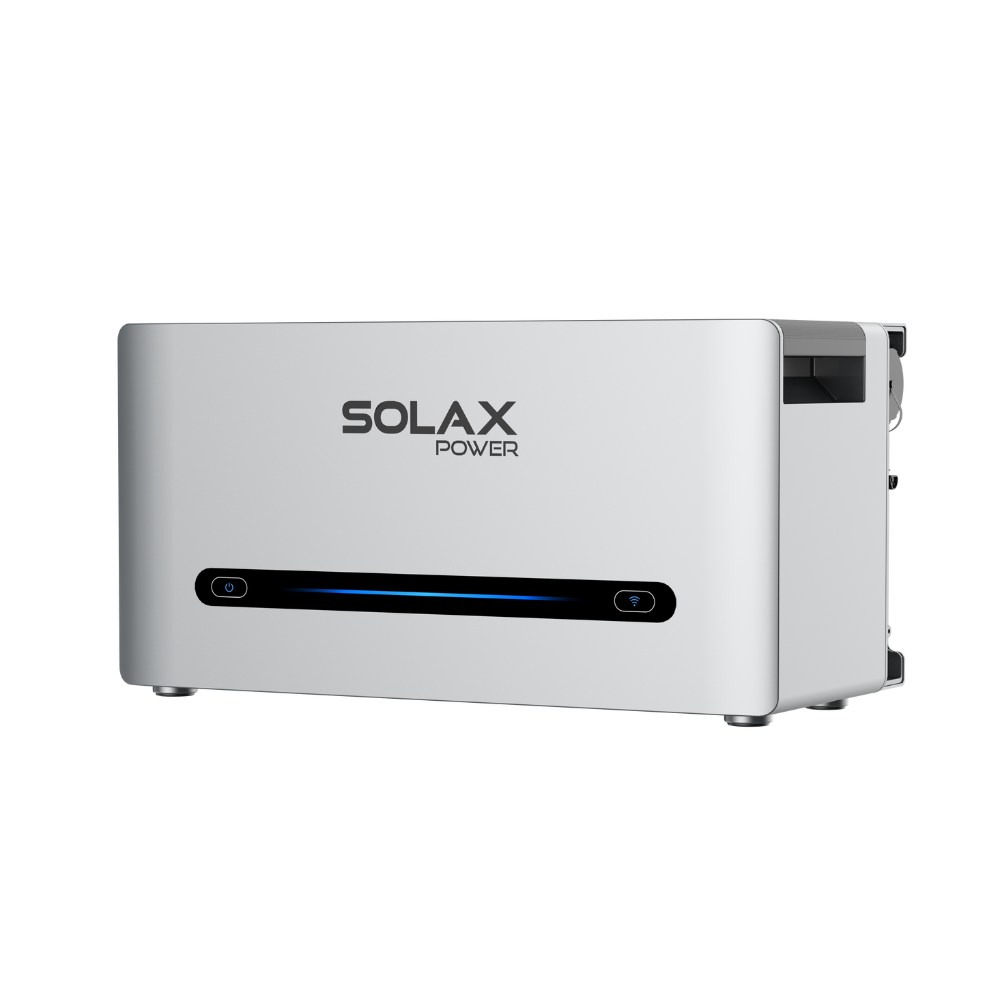
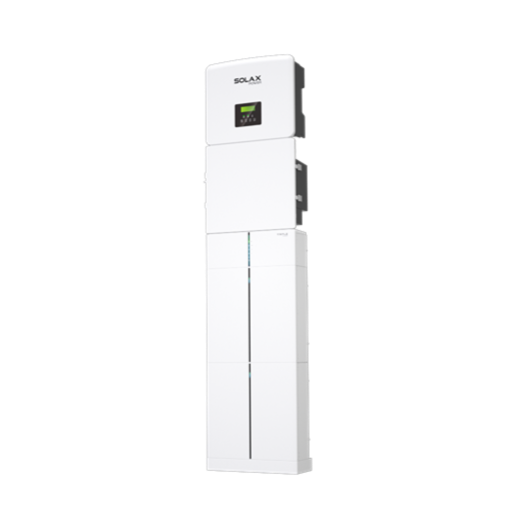
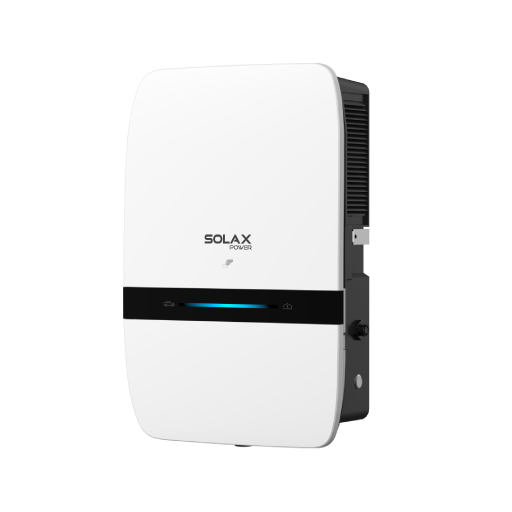
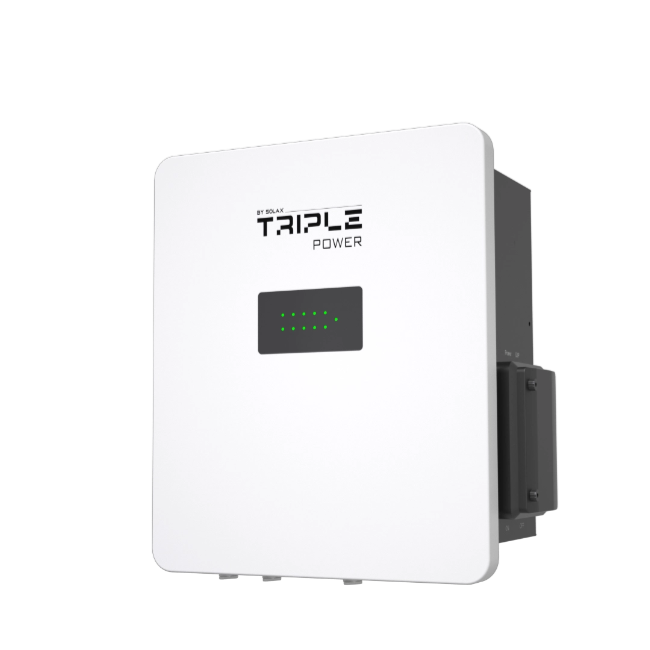
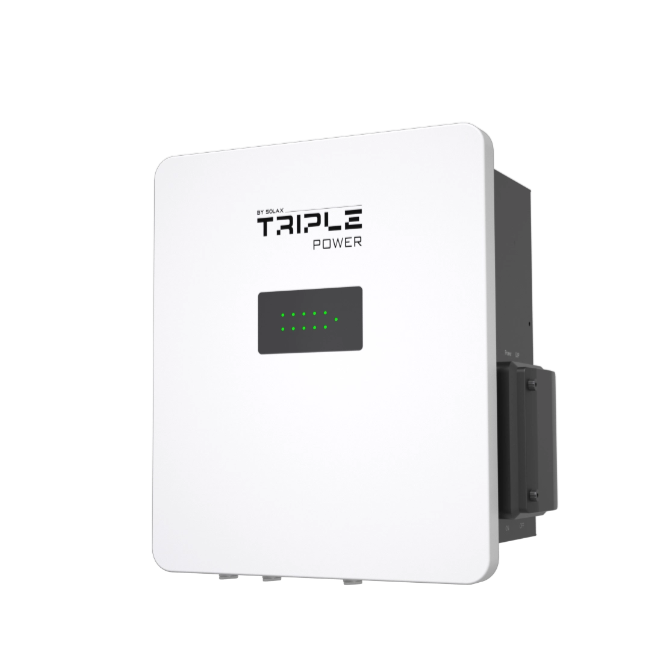
SolaX positions this well through its residential storage ecosystem. The UK-facing X3-HYBRID G4 materials state compatibility with lithium and lead-acid batteries, while the wider range also links inverter, battery, charger, and monitoring in one platform. That makes it a reasonable candidate where you want solar energy storage that can grow over time.
What to look for
Confirm LFP or lithium battery support in the product documents
Ask whether expansion needs matching battery modules later
Check communication compatibility between inverter and battery
Verify whether the installer can commission future expansion without redesigning the whole system
4: Compare low-temperature and installation limits
A cold climate solar inverter should be judged by actual operating conditions, not a generic "all-weather" label. The inverter rating matters, but battery installation conditions matter just as much because low temperatures can affect charging behaviour and usable storage.
For example, SolaX's UK X3-HYBRID G4 datasheet lists an operating temperature range of -35°C to 60°C, with derating above 45°C, and IP65 ingress protection. Those are useful indicators for homes using garages or service areas, although the battery itself still needs a suitable environment and installer approval. According to Energy Networks Association, storage connections in the UK are governed through technical requirements including G98 and G99, so site suitability and connection planning should be considered together.
What to watch
Inverter operating temperature range
Derating points at higher temperatures
IP rating for the installation area
Battery placement in colder indoor or semi-sheltered spaces
Ventilation and maintenance access
5: Decide how much EPS backup you really need
Many households say they want backup, but few define which circuits must remain live. That gap causes disappointment later. In practice, an EPS backup inverter should be sized around essential loads such as broadband, refrigeration, lighting, heating controls, and any medical equipment.
What to do
Separate essential circuits from non-essential ones
Add up the likely running load during an outage
Check whether starting loads are higher than running loads
Ask whether the design assumes partial-home or whole-home backup
6: Check how backup behaves with and without a battery
Backup mode is not always the same across all operating states. SolaX states that certain Super-Backup configurations can supply backup loads from PV during a blackout even without batteries, but in the three-phase example the EPS output is restricted to 50% of nominal EPS output. The X3-HYBRID G4 datasheet also states UPS-level switchover time of under 10 ms and up to 200% EPS overload output for 10 seconds on supported models.
Ask your installer these questions
What is the rated EPS output for the exact model?
Does switchover performance change by system layout?
What happens if no battery is installed yet?
Which loads are safe to place on the backup board?
7: Confirm G98, G99, and export-limiting requirements
In the UK, compliance is part of product selection. It is not a paperwork task to leave until the end. GOV.UK states that installers must submit the relevant G99 application form, or G100 if export is limited, before installation where the project falls under the apply-to-connect route.
For this reason, export limiting compliance UK checks should happen before the final inverter choice. The SolaX UK X3-HYBRID G4 materials list G98 and G99 certification, which is relevant when you are comparing products for domestic storage projects in regulated grid conditions.
What to confirm
Whether the project is G98 or G99
Whether export limitation is required by the DNO
Whether the chosen inverter supports the necessary meter or CT arrangement
Whether the installer has allowed for commissioning and verification time
8: Verify monitoring and control features
A strong solar power system in colder regions benefits from good visibility. Monitoring helps you see whether winter charging windows are being used well, whether export limiting is functioning, and whether backup settings match actual household demand.
SolaX says its on-grid and hybrid inverters support export control, and its wider ecosystem includes SolaXCloud for monitoring and optimisation. That makes smart energy management easier if you want to track charging behaviour, adjust usage, or add EV charging later. In addition, GOV.UK notes that correct registration and network visibility help reduce local blackout risks as more home energy devices are connected.
Useful features
Remote monitoring of generation, battery, and loads
Export control visibility
Meter or CT-based energy flow tracking
Time-of-use charging controls
Expansion into EV charging or wider smart energy tools
Use real household scenarios to narrow the shortlist
A rural home may put resilience first, especially where winter interruptions are more disruptive. A semi-detached property with tight indoor space may care more about a compact battery pathway and staged expansion. A household under export constraints needs the control and metering side checked carefully before installation. Meanwhile, a higher-demand home adding EV charging should compare the inverter as part of a wider energy management setup, not as a standalone box.
Troubleshooting common selection problems
Problem | Likely cause | Fix |
Weak winter battery performance | Sized for annual averages | Reassess winter load profile |
Export limiting fails | CT or meter misplaced | Recommission at grid point |
Backup runs too little | EPS assumed whole-home | Split essential circuits |
Approval delays | Wrong application path | Confirm G98/G99 early |
FAQ
Table of Contents
Latest News
Explore expert insights, practical guides, and the latest news on SolaX Power.




To the Latest Newsletter
Stay Ahead with the Latest SolaX Updates!
Subscribe
I have read and agree to Privacy Policy and User Terms