













August 07, 2026
One App, One Login: A Renewable Energy Supplier for a Clean All‑in‑One Monitoring Experience
Share my #SolaXStory


If your solar energy system, charger, and heating controls all live in separate apps, small tasks become daily friction. You check one screen for generation, another for the inverter battery, and a third for charging or home comfort. That split view can hide missed savings, delayed fault response, and awkward hand-offs between devices that should work together.
What an all-in-one monitoring ecosystem should include
A strong monitoring ecosystem is more than a mobile app. It should connect the device layer, the data layer, and the control layer so you can see what is happening and act on it without switching platforms.
The core terms worth knowing
When suppliers talk about unified monitoring, they usually mean three connected parts:
App: the mobile interface for checking performance, alerts, and schedules.
Portal: the browser-based view, often better for installers or deeper analysis.
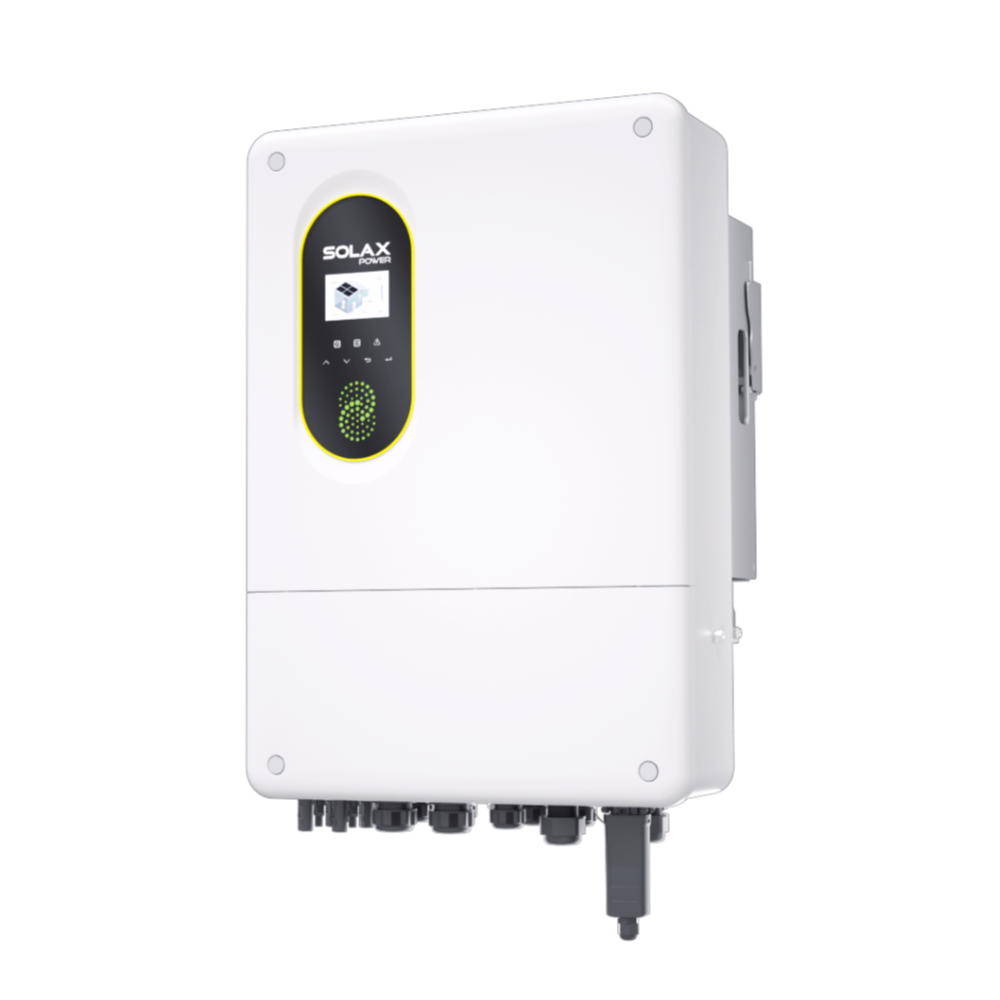
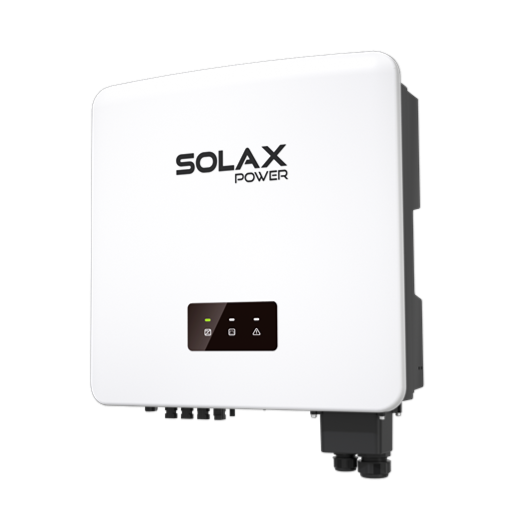
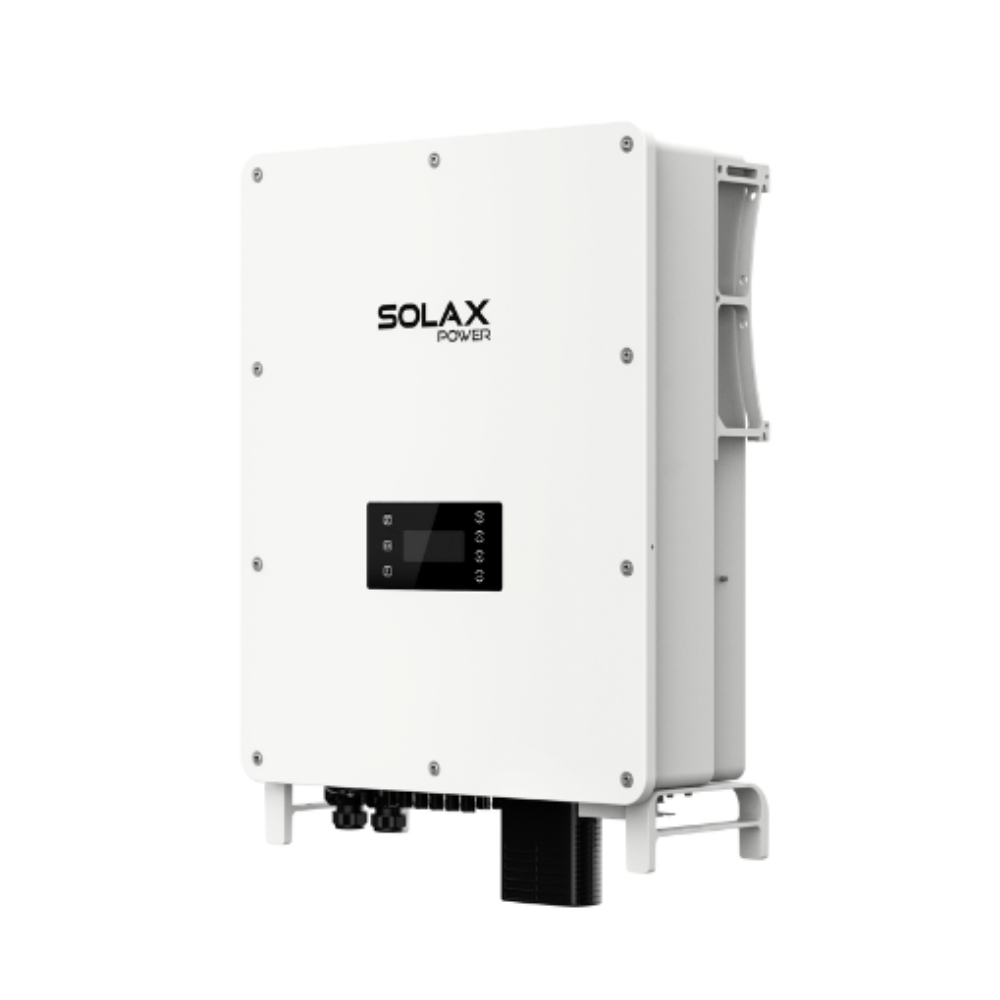
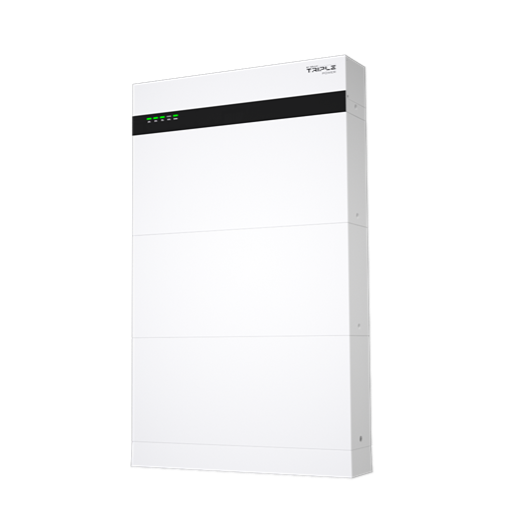
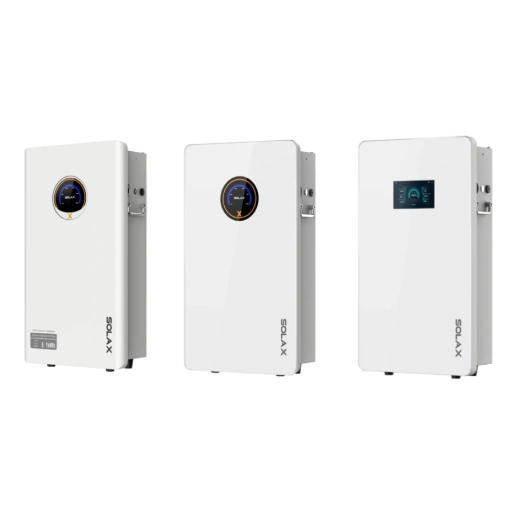
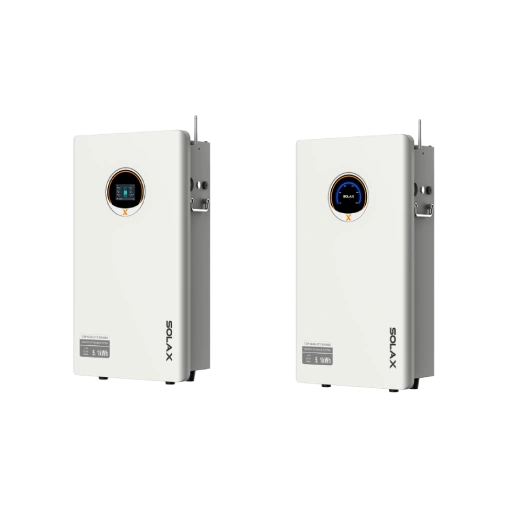
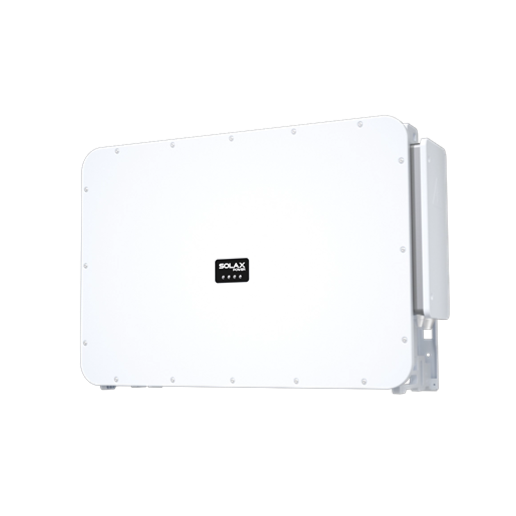
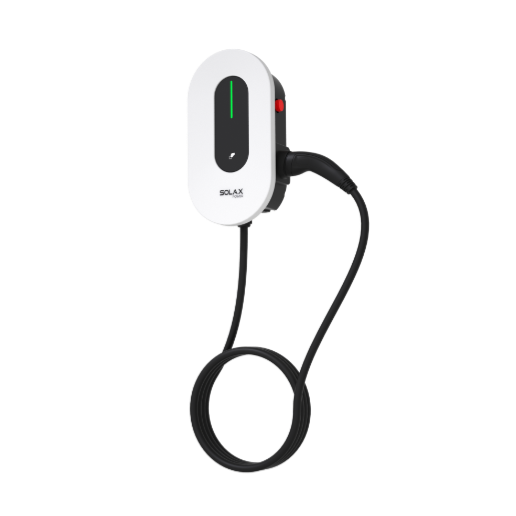
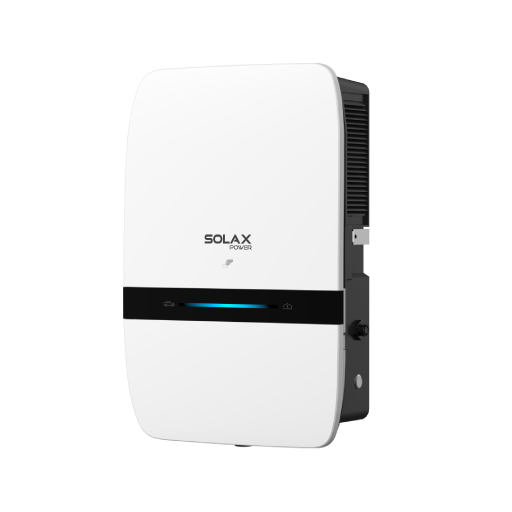
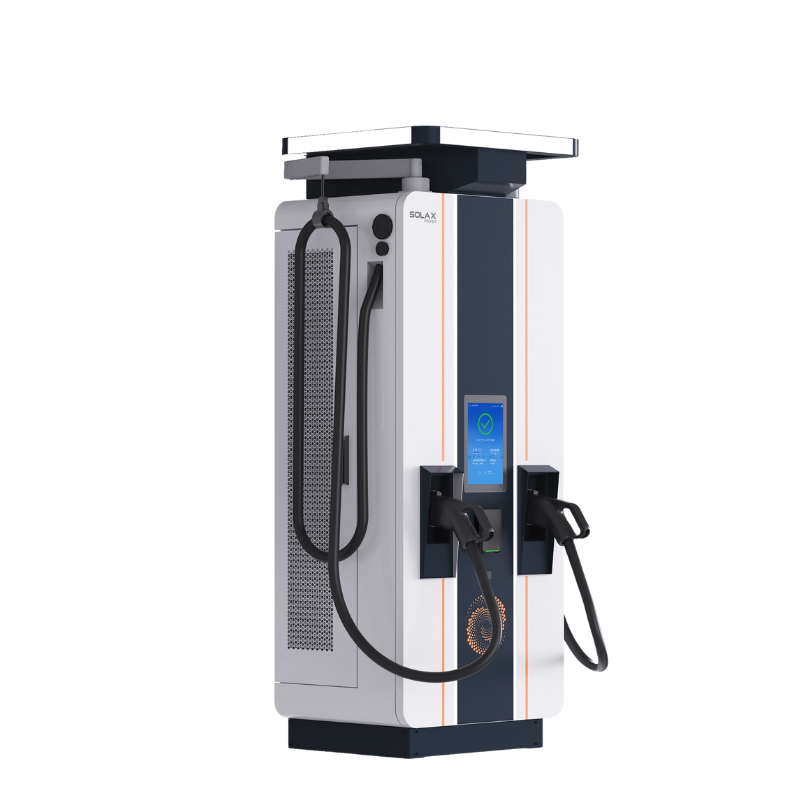
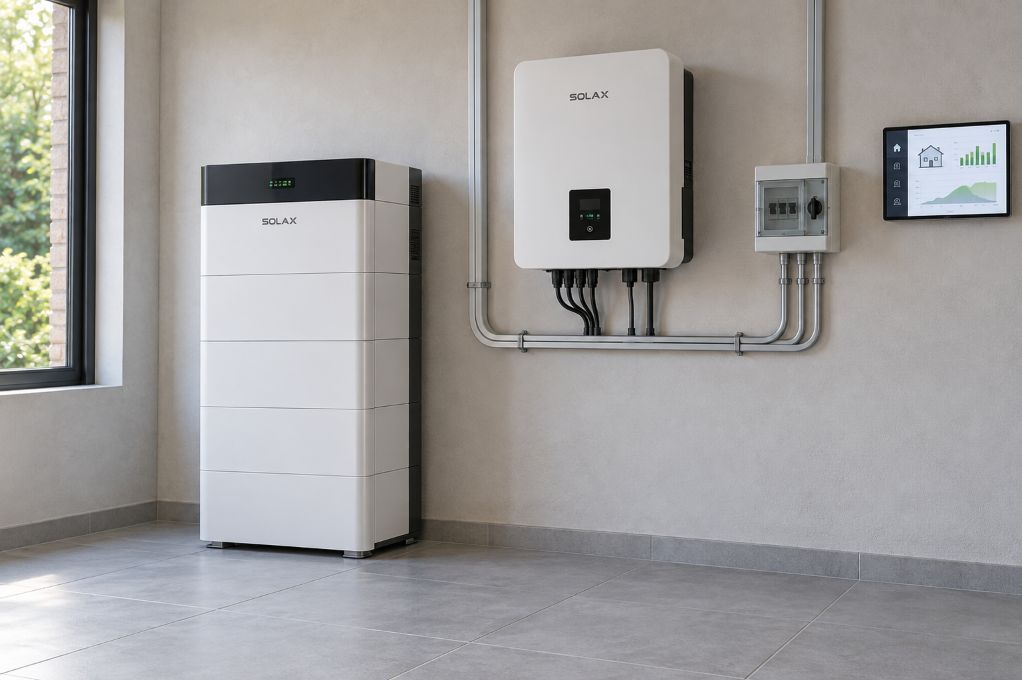
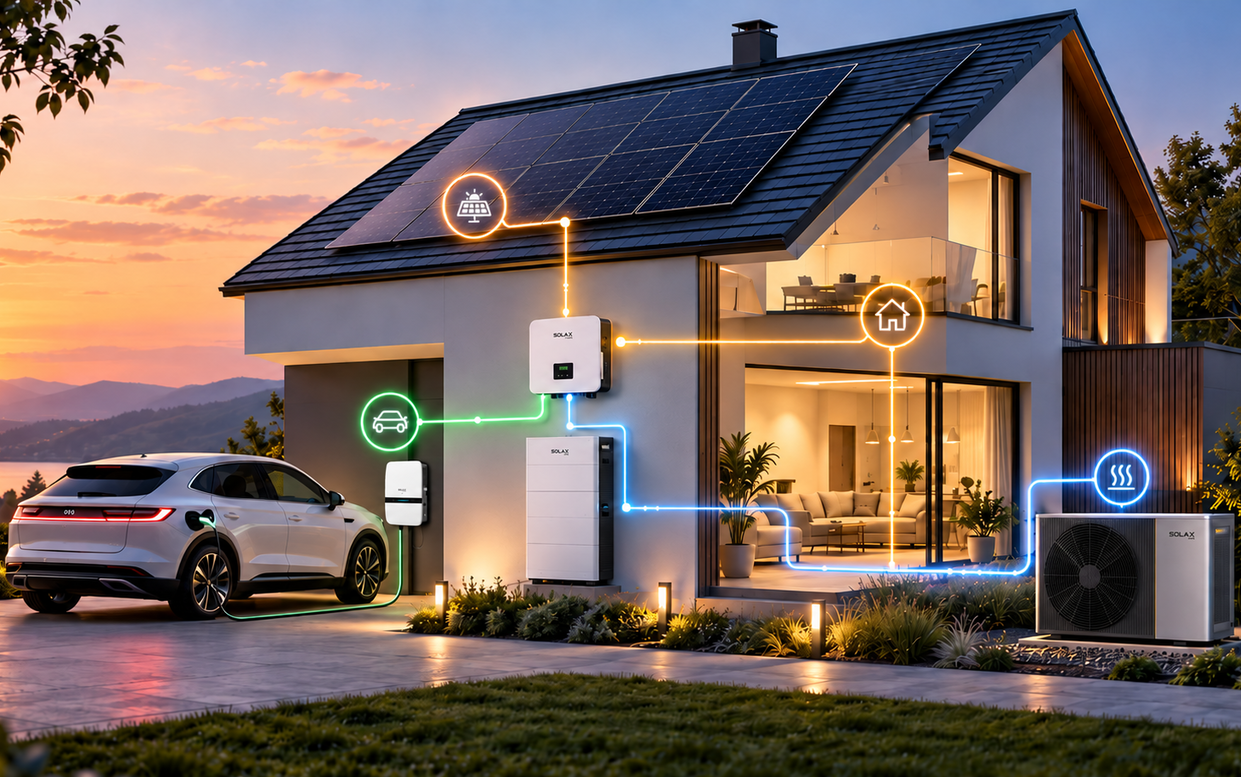
Device layer: the hardware being monitored, such as a solar inverter, solar battery, EV charger, heat pump, meter, or gateway.
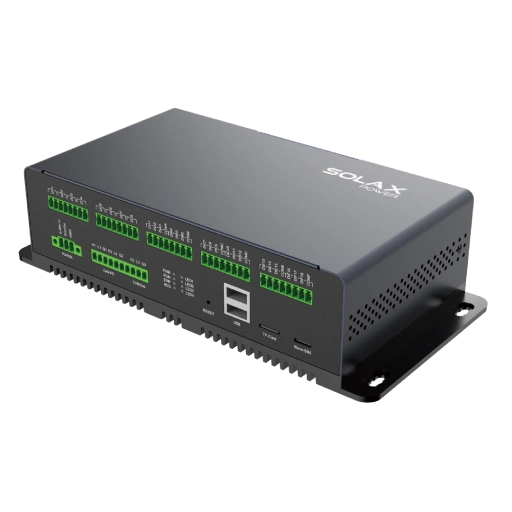
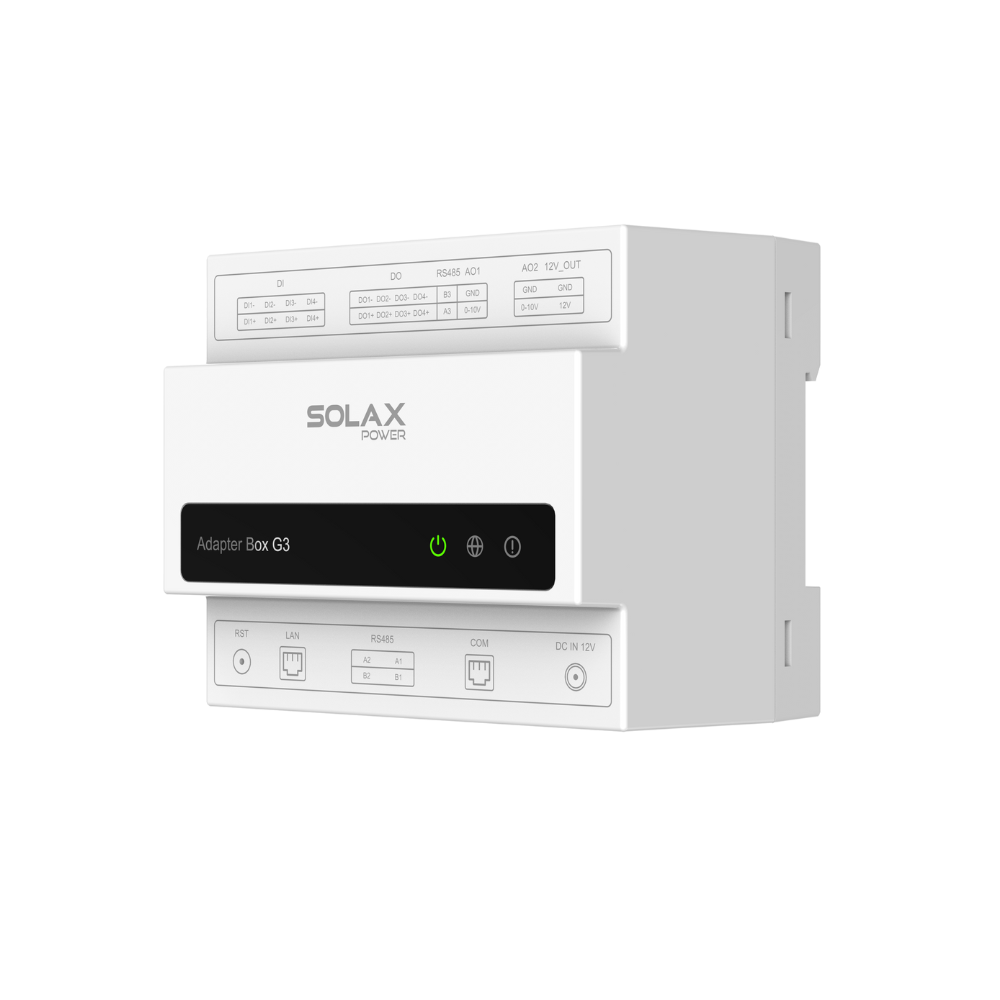
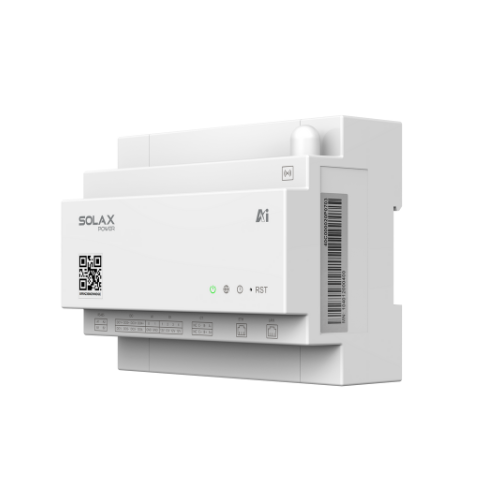
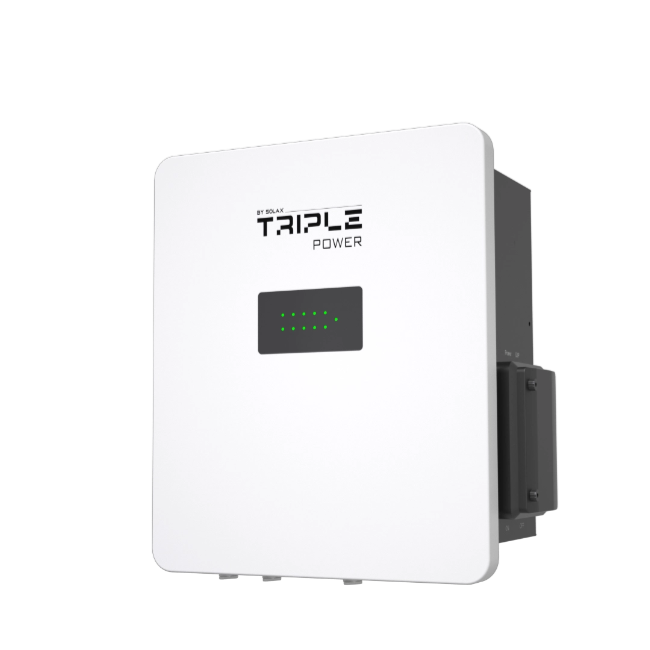
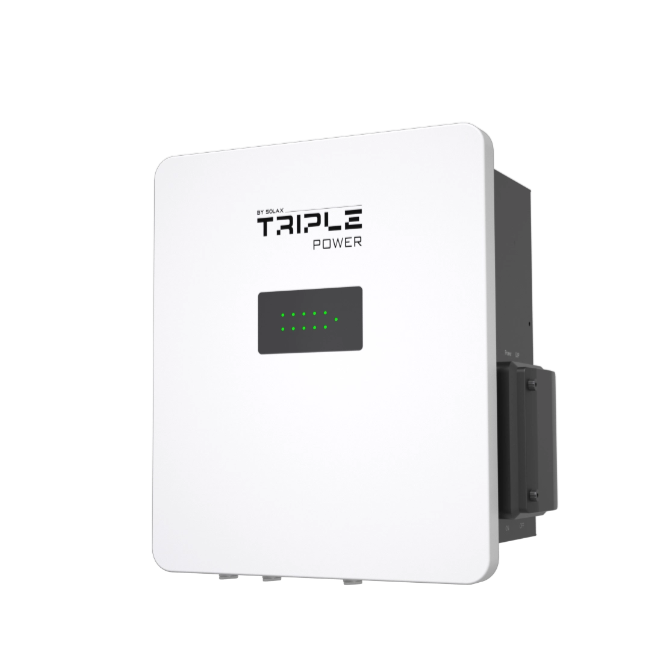
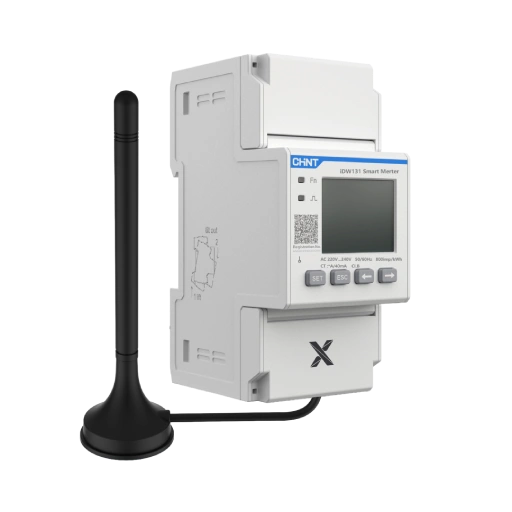
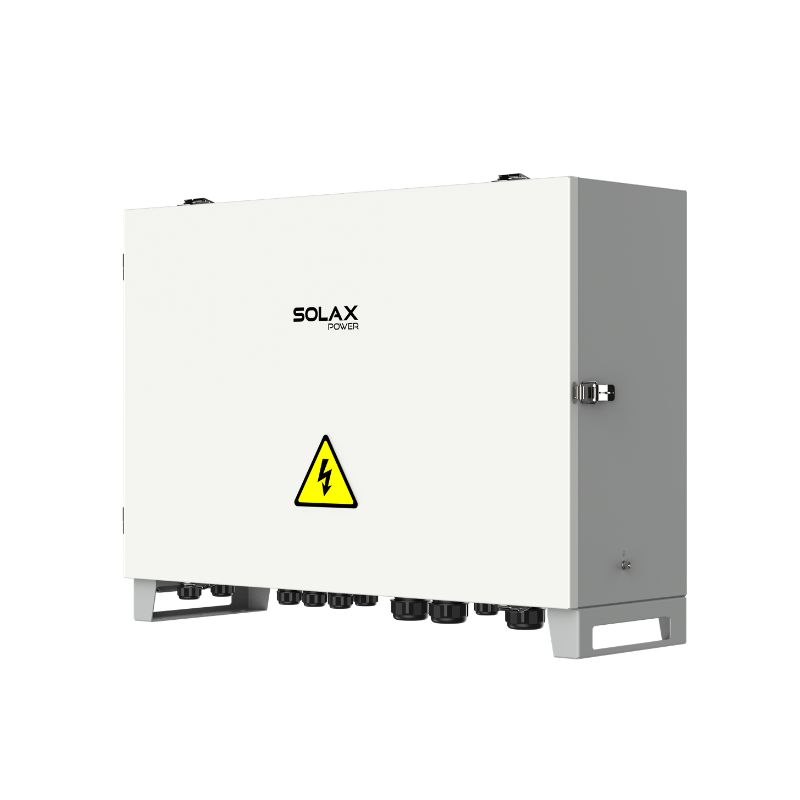
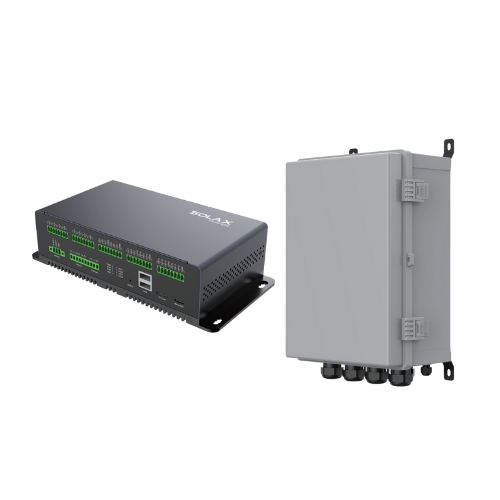
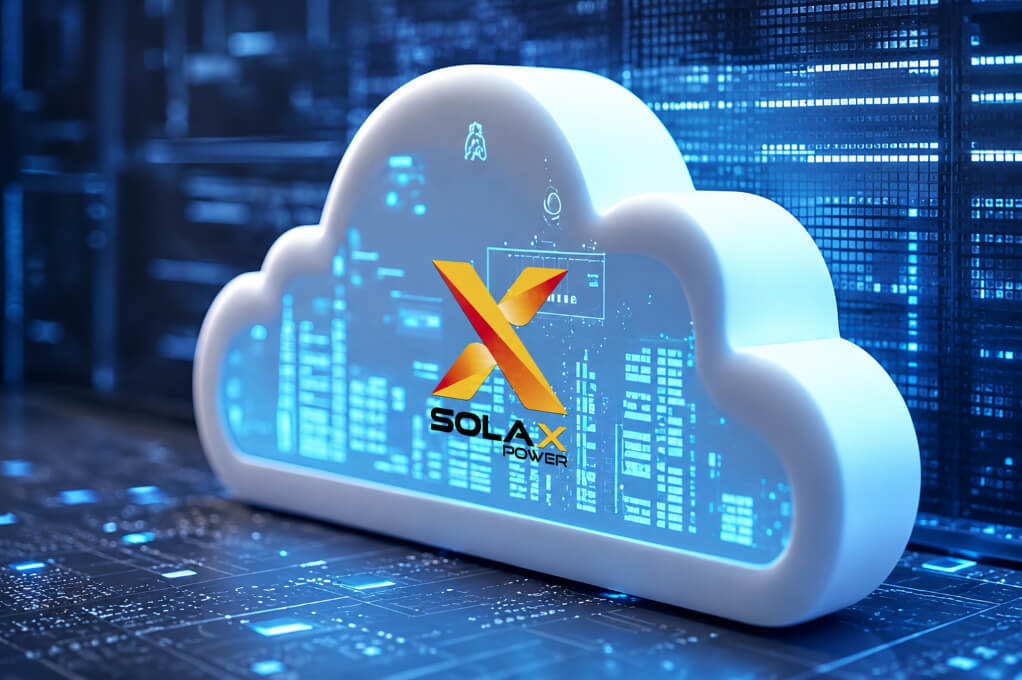
In practice, monitoring means live or near-live visibility. Control means changing settings, schedules, or charging behaviour. Automation means rules that respond to tariffs, demand, or available solar power. SolaX groups these ideas under its smart energy management offer, with SolaXCloud, VPP capability, and supporting accessories such as gateways and monitoring devices.
What "one app, one login" should actually mean
One login should mean one account across your main assets, not a patchwork of separate vendor tools. You should be able to open a single dashboard and see solar production, battery status, household use, and charging activity together.
What to look for:
A single sign-in for app and browser access
Unified visibility across generation, storage, and loads
Alerts for faults or unusual behaviour
Schedules or scenes for charging and energy use
Historical data for daily and seasonal review
This matters because visibility alone does not cut admin time. GOV.UK mentioned that better household energy visibility helps people manage use more actively, while near-real-time data supports more informed decisions. A supplier that pairs monitoring with action is usually far more useful than one offering graphs only.
How to assess whether one supplier can simplify your setup
The simplest way to judge a supplier is to start with coverage, then move to control. If the platform does not natively support the devices you want today and next year, the promise of one app quickly falls apart.
Check the device coverage first
Begin with the hardware list. For a home setup, that often includes a solar inverter, inverter battery, charger, and possibly a heat pump. For business sites, the list may also include meters, gateways, and multiple strings or storage assets.
Review the control and automation layer
Once coverage looks right, check whether the platform lets you do useful work. A good interface should help you respond to daily conditions, not merely admire charts.
Key checks include:
Scheduling for charging or discharge windows
Alerts that reach the right user quickly
Fault guidance or remote diagnostic support
App and browser access for different users
Load monitoring or meter integration where needed
The wider UK move towards smarter energy use has made this more relevant. GOV.UK notes that smart systems can provide near-real-time usage information, while the European Commission highlights self-consumption and local energy management as practical benefits of modern renewable setups. In other words, better control is not just a comfort feature; it helps turn data into lower waste and better timing.
Which decision factors matter most before you commit?
Once two or three suppliers seem plausible, the choice usually comes down to integration quality, monitoring depth, and the time cost of managing the system. Convenience has value, but only if the data is trustworthy.
Integration quality
Native integration should be your first filter. If the battery, charger, and solar inverter were designed to sit inside the same software environment, setup and fault tracing are usually easier.
Check for:
Direct support for each planned asset
Shared account structure across devices
Fewer add-on bridges, dongles, or third-party apps
Cost versus convenience
The cheapest hardware stack can become expensive in time. If one person in the household understands three apps but everyone else avoids the system, you lose much of the benefit.
A cleaner single ecosystem can reduce:
Training time for family members or staff
Installer support friction
Missed alerts caused by split platforms
Monitoring depth
Do not stop at pretty charts. Ask how often data refreshes, how far history goes, and whether the platform helps with action.
Useful signals include:
Near-real-time or frequent updates
Export and self-consumption visibility
Clear alert history
Remote maintenance options
Where a unified app helps most in real use
The value of one app changes by scenario. At home, it is mainly about bills and routines. In larger sites, it becomes an operations tool.
Homeowners managing bills and charging
For households, the best result is less guessing. If your solar battery, charger, and solar power system share one dashboard, you can see whether midday generation is covering charging, whether evening discharge is working as planned, and whether imports are rising unexpectedly.
A supplier like SolaX is relevant here because it frames residential smart energy around integrated PV, storage, EV charging, heat pump support, and SolaXCloud monitoring. That makes it easier to build one view of production, storage, and household consumption rather than stitching together separate tools.
Organisations managing multiple assets
For commercial and industrial users, one app is less about convenience and more about oversight. A site with PV, storage, and charging points needs fast fault visibility, clearer load understanding, and a browser view that more than one user can access.
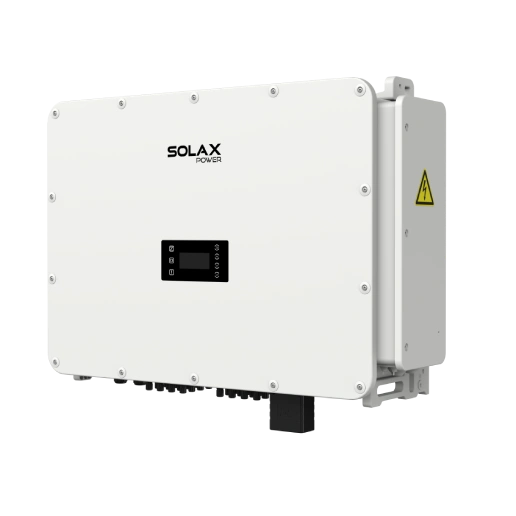
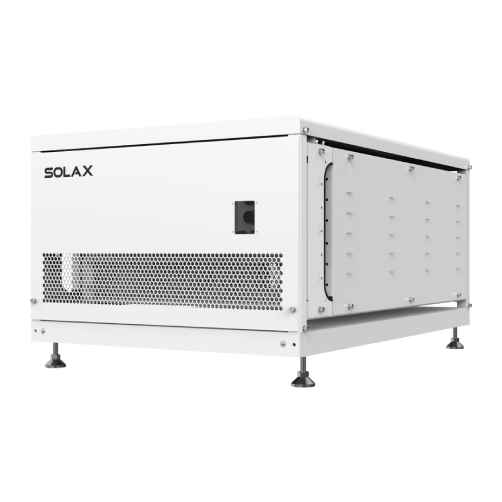
SolaX positions its platform across C&I solutions as well as home systems, supported by storage inverters, batteries, chargers, accessories, and cloud software. If your team needs both daily monitoring and remote review, that broader stack is often more practical than mixing unrelated energy solutions from several vendors.
Utilities coordinating distributed systems
At utility level, unified monitoring shifts from device convenience to fleet visibility. Here the goal is to coordinate distributed resources, support response actions, and maintain clearer operational control across many sites.
SolaX explicitly links smart energy management with VPP capability, which shows that the same supplier framework extends beyond a single household or site. That is useful if your roadmap may expand from one building to a wider managed fleet later on.
Conclusion
If your goal is easier day-to-day control, unified monitoring is usually worth more than a longer list of disconnected features. One clear platform can help you manage solar energy, storage, charging, and wider home or site loads with less friction and faster response.
The next step is straightforward: list every device your setup needs to cover, then test whether one supplier supports them natively through one account and one interface. SolaX is a credible fit for that approach because its portfolio spans the hardware, software, and scenario coverage needed for a cleaner smart energy experience.
FAQ
Table of Contents
Latest News
Explore expert insights, practical guides, and the latest news on SolaX Power.




To the Latest Newsletter
Stay Ahead with the Latest SolaX Updates!
Subscribe
I have read and agree to Privacy Policy and User Terms