
















August 06, 2026
UK Solar Inverters Buying Guide: How to Choose a "Non‑Cheap" Budget‑Friendly Brand
Share my #SolaXStory


Who should use this solar inverter UK buying guide?
Two solar quotes can look nearly identical until you ask what happens in year three, when you want a battery, clearer monitoring, or faster warranty support. That is where a cheap-looking deal can become expensive. In the solar inverter UK market, the better choice is often not the lowest line-item price, but the option that keeps your solar power system flexible, serviceable, and easy to live with.
This guide is for households comparing mid-range proposals, planning a future inverter battery upgrade, or wanting a smarter app-led setup without paying for features they will never use. Moreover, if you want a home solar inverter that stays budget-friendly while keeping a realistic path to storage and control, the steps below will help you shortlist brands with fewer long-term compromises.
Best fit for buyers comparing mid-range quotes
Useful if you may add a solar battery later
Helpful for app-focused homes wanting daily visibility
Relevant for renovators balancing cost and longevity
1: Set your real buying target before comparing brands
A budget-friendly solar inverter is not automatically the cheapest box on the wall. Before you compare brands, decide what you actually need the system to do over the next five to ten years. That one decision shapes whether a basic solar inverter, a hybrid inverter UK option, or a broader smart energy system makes better value.
What to decide first
Solar-only now, or solar battery later
Monitoring quality for bills and fault visibility
Future EV charger or heat pump integration
One ecosystem or mixed-brand setup
Backup power interest during outages
Why this matters
If your goal is only lowest upfront spend, you may accept a simpler unit. However, if you expect to add storage, tariff-based charging, or better control later, a hybrid-ready route is usually the stronger choice. In the UK, export payments sit under the Smart Export Guarantee, and both installation certification and metering details matter when you want to capture long-term value from your system, not just day-one savings, according to GOV.UK and Ofgem.
2: Check hybrid readiness and upgrade flexibility
Many buyers start with PV only, then realise they want better self-consumption, off-peak charging, or battery backup logic. That is why hybrid readiness matters so much in a solar inverter UK purchase. Paying slightly more for the right architecture can prevent an early replacement when your household needs change.
What to look for
Clear battery compatibility path
Native support for storage operation
Monitoring that can manage generation and storage
Expansion options without major rewiring
Compatibility with wider smart energy devices
A practical example
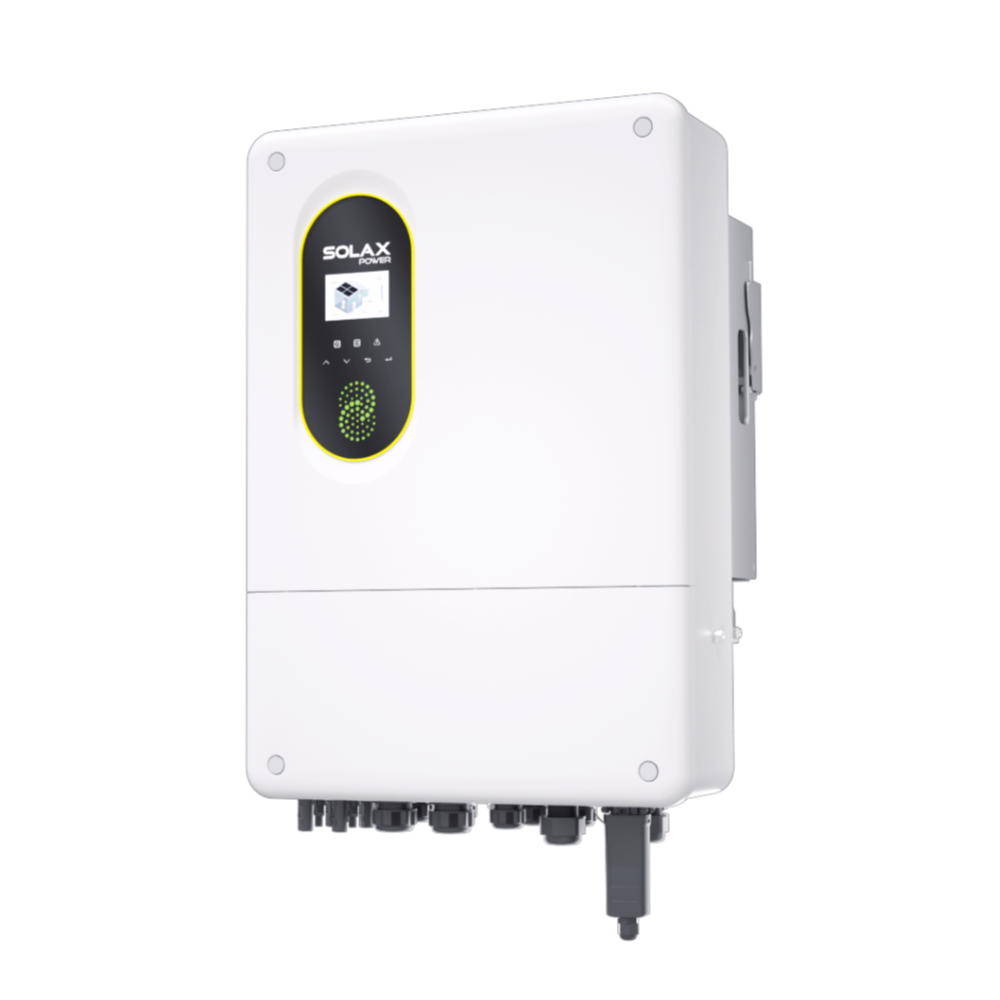
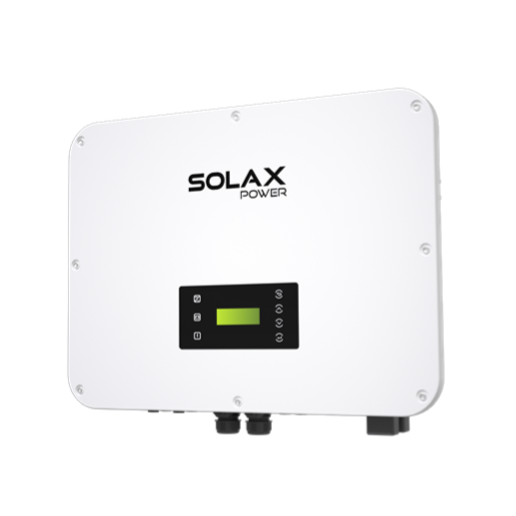
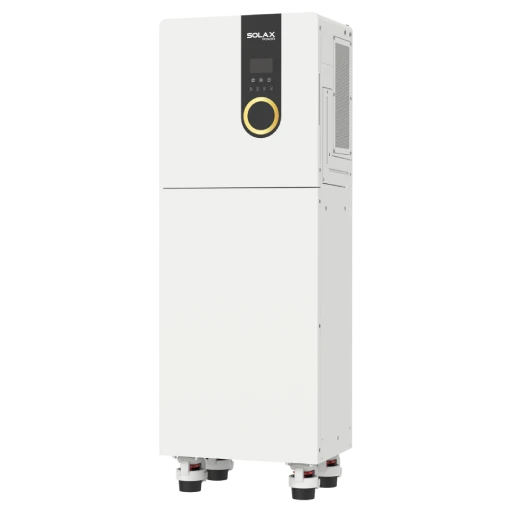
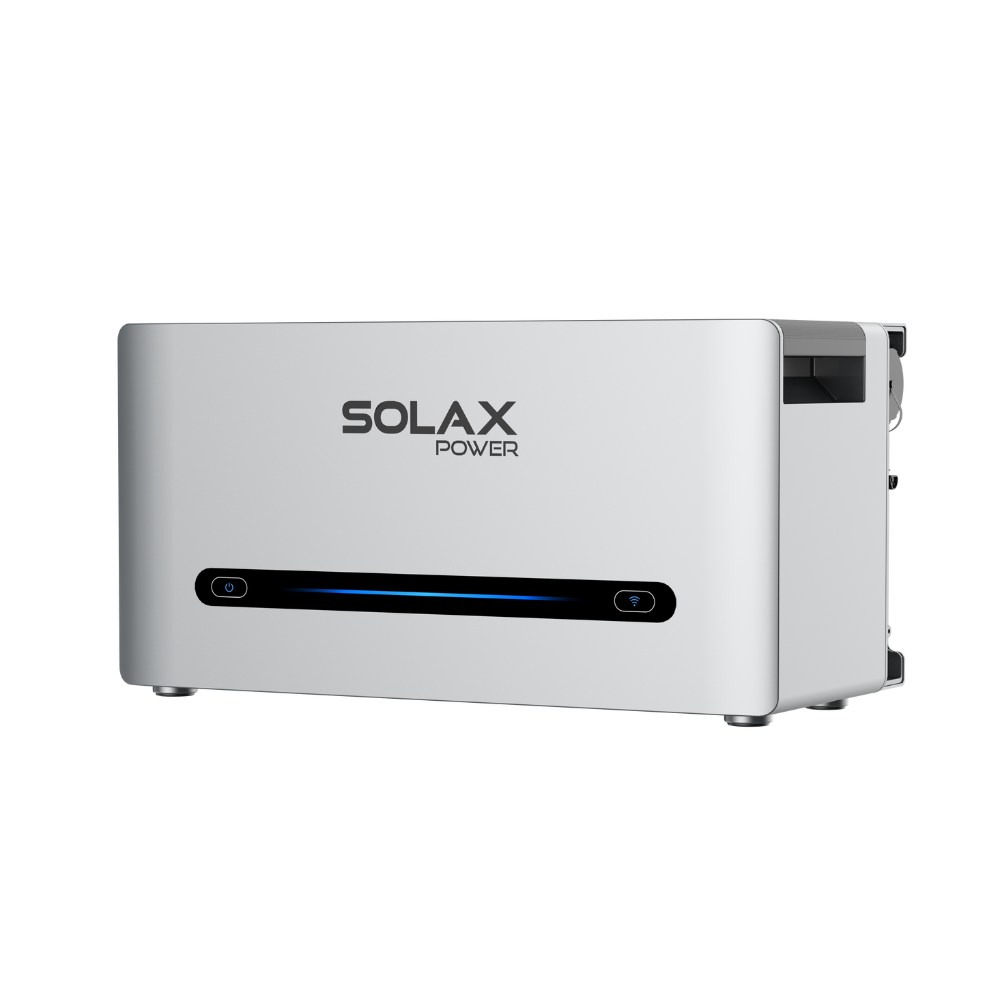
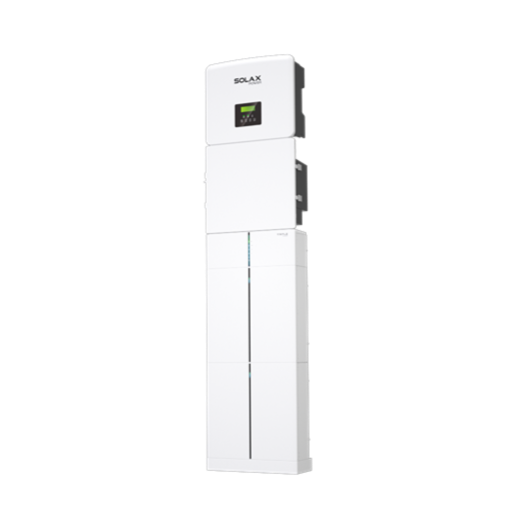
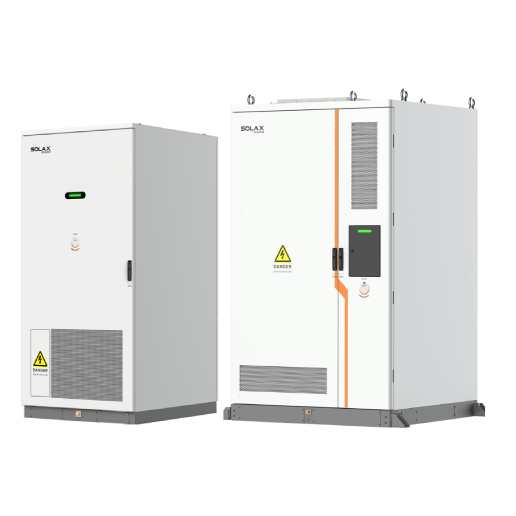
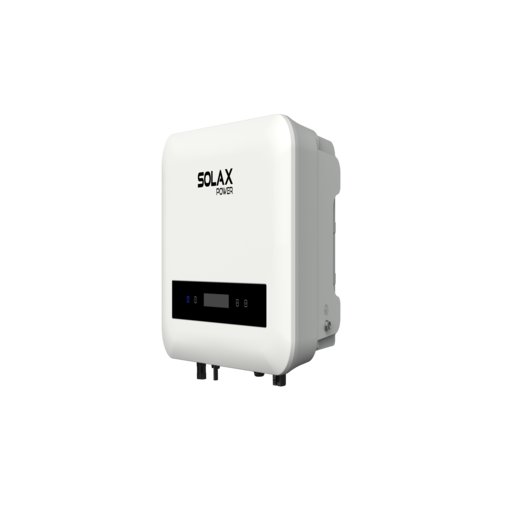
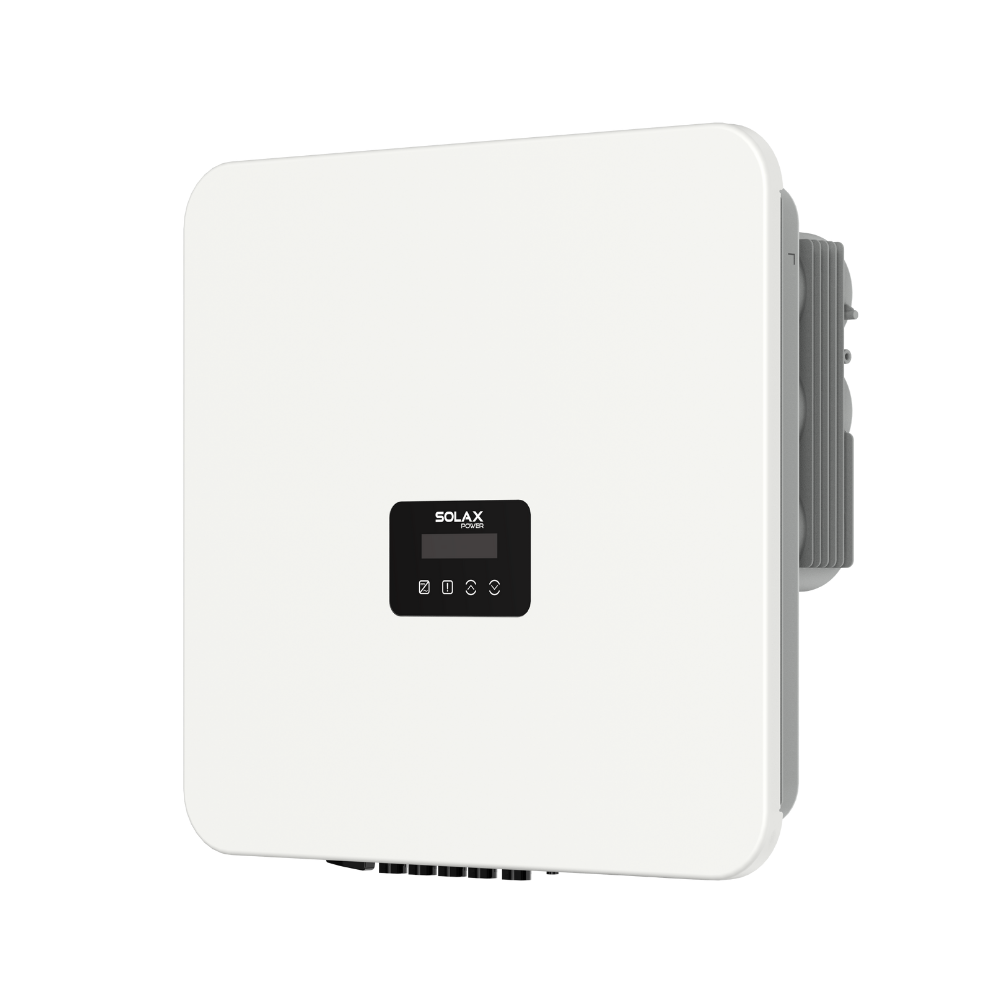
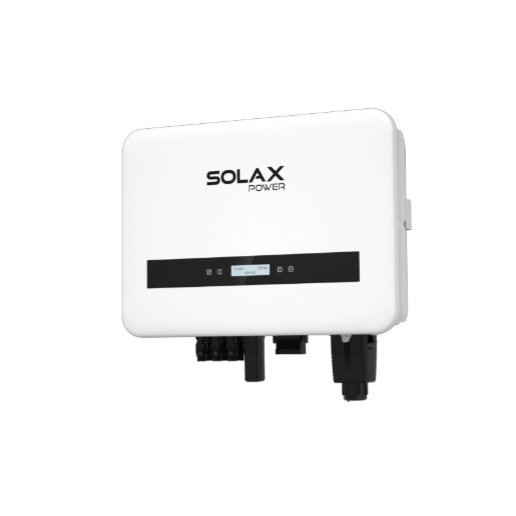
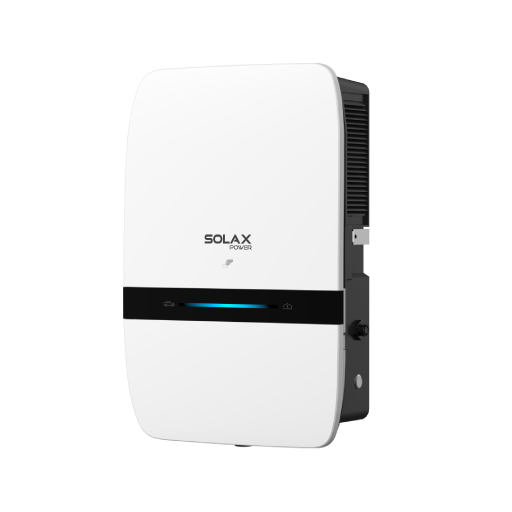
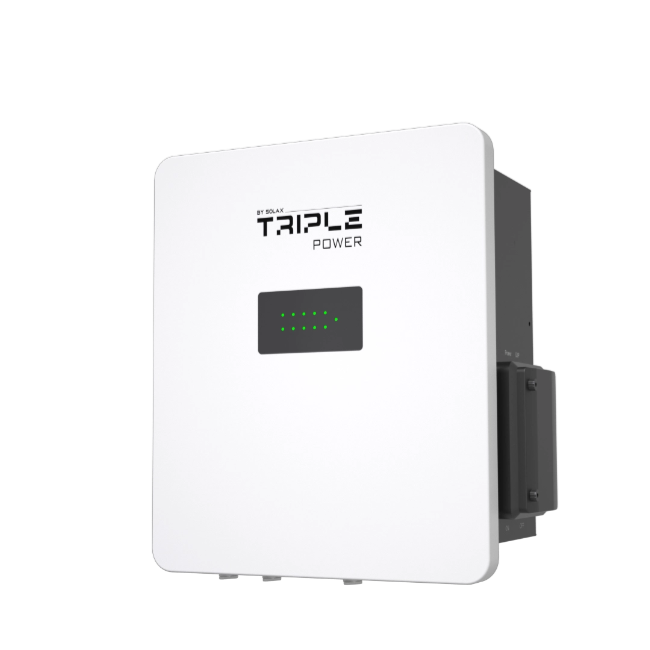
SolaX positions this well through its energy storage inverter range, which is built around home storage use rather than treating batteries as an afterthought. For example, the X1-Hybrid G4 series is offered from 3.0 kW to 7.5 kW, uses 2 MPPTs, supports up to 200% PV oversizing, and is designed to work with batteries, EV charging, and heat pump integration within one platform. The published IP65 rating and sub-10 ms switchover figure also indicate a more considered home energy design than a bare-minimum inverter-only setup.
3: Compare reliability signals, not just brochure claims
Marketing words are easy to print. Reliability is better judged through signs that a brand has depth, service structure, and product maturity. Therefore, when you compare a budget-friendly solar inverter, look past headline efficiency and focus on whether the brand appears ready to support your system after installation.
Reliability filters that matter
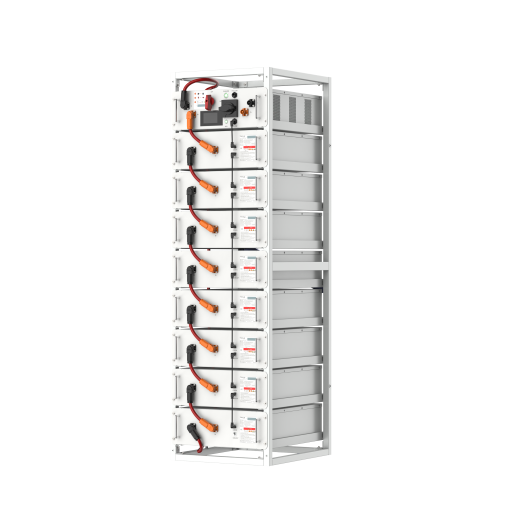
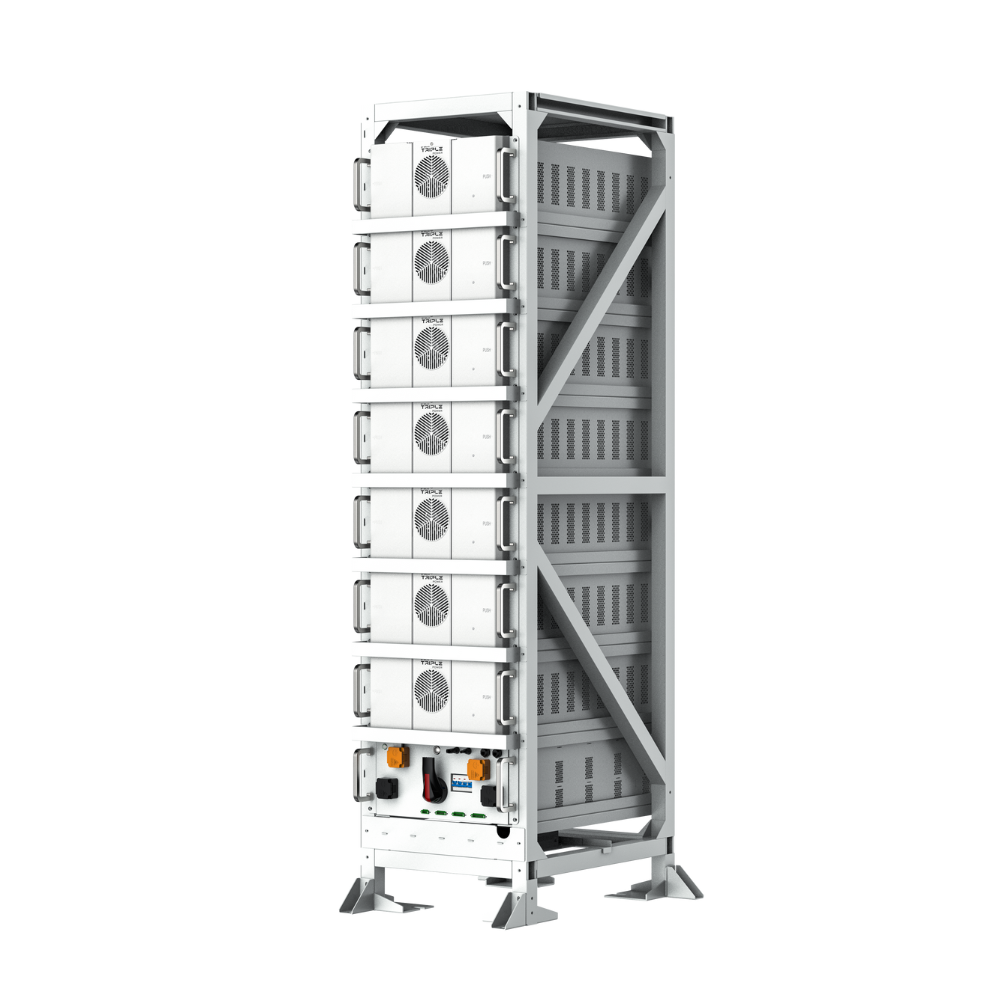
Breadth of inverter and solar battery portfolio
Product updates across several generations
Installer familiarity and commissioning ease
Monitoring platform maturity
Service footprint and certification depth
Clear warranty handling route
Where SolaX fits
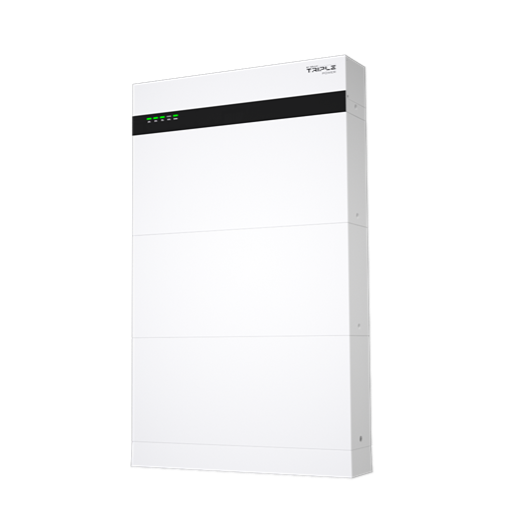
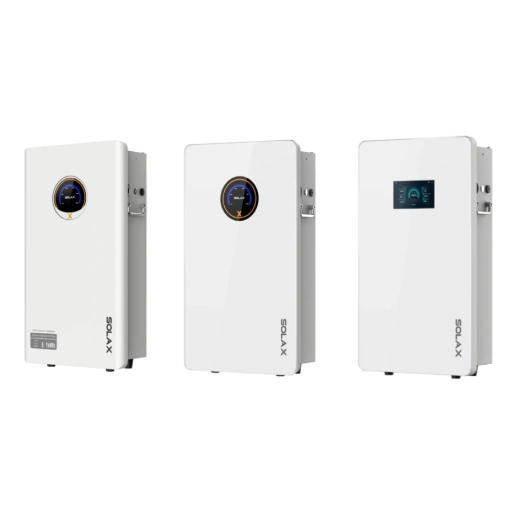
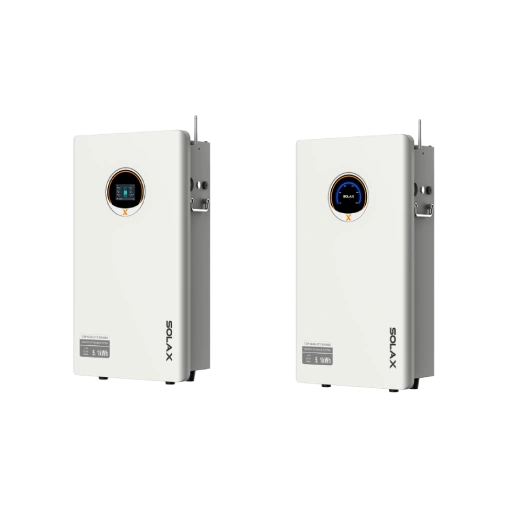
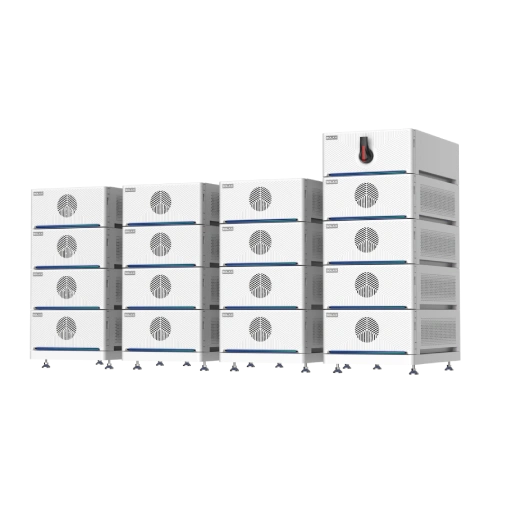
SolaX is relevant here because it is not only selling a single home solar inverter. Its public UK portfolio spans hybrid inverters, batteries, all-in-one ESS, EV charging, monitoring, and broader smart energy solutions, which suggests a more established ecosystem approach rather than a one-product push. The brand also states global certification depth and multi-market deployment, while its SolaXCloud platform adds the sort of remote visibility many households now expect from a modern smart energy system.
4: Look beyond hardware price to whole-life value
Two quotes can sit close together on day one and still deliver very different value over the system life. Whole-life value comes from lower hassle, fewer dead ends, and better visibility once the system is running. A modestly higher purchase cost may still be the budget-friendly solar inverter decision if it avoids replacement, downtime, or fragmented support later.
Compare these cost areas
Upfront equipment scopeInstaller familiarity with setup
Monitoring access from day one
Battery upgrade cost later
Downtime risk during faults
Warranty claim path and response responsibility
What to ask before signing
Is monitoring included and fully accessible?Who owns warranty handling: installer, distributor, or maker?Can this inverter battery pathway be expanded later?Is commissioning support included in the quote?Are export and meter requirements clearly explained?
5: Decide whether one ecosystem will save hassle later
A one-platform setup is not essential for every home, but it often reduces friction. If you want generation, storage, consumption, and future upgrades to work in one place, an integrated ecosystem can be easier to manage than separate components from several vendors. Moreover, that simplicity often matters more in daily use than small differences on a datasheet.
Homes that benefit most
First-time owners wanting one app experience
Battery adopters avoiding split support responsibility
Families planning EV charging later
Users wanting one dashboard for energy flows
Why SolaX is a candidate
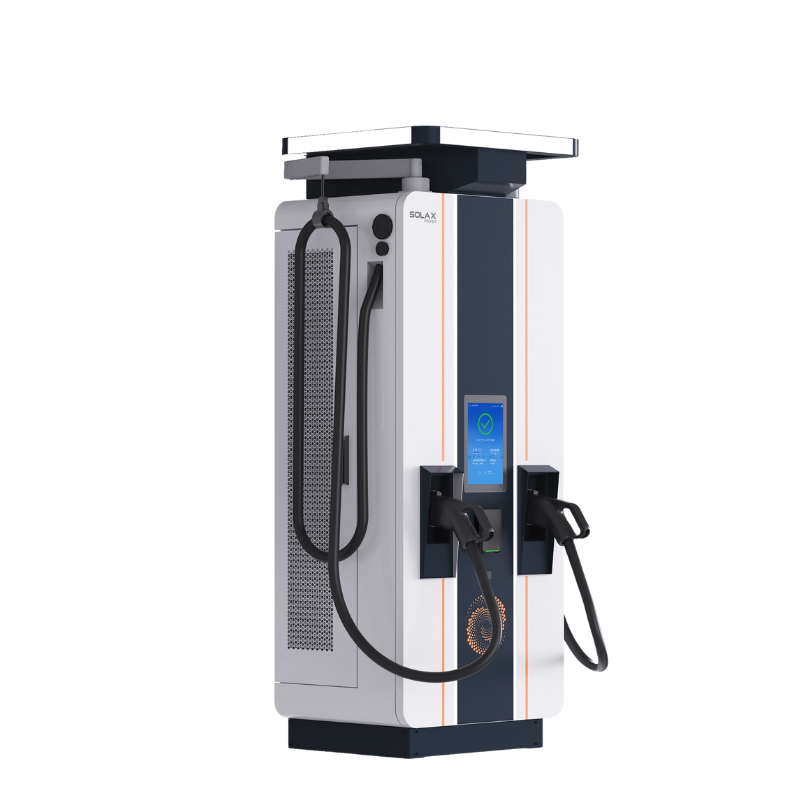
SolaX can suit buyers who want a joined-up route from inverter to battery to monitoring. Its UK-facing range connects hybrid inverters with batteries and SolaXCloud, and the wider platform also extends into EV charging and energy management. For a buyer seeking a non-cheap budget-friendly brand, that coordinated approach may offer better long-term value than saving a little now on hardware that limits future options.
6: Shortlist by buyer scenario, not by hype
The best solar battery inverter brand for your neighbour may not be the best one for you. A stronger shortlist comes from matching products to your likely next move, your installer's capability, and how much control you want over your energy use.
Quick shortlist logic
Price-aware homeowner: choose established mid-range equipment, not unknown low-end units
Battery-ready buyer: prioritise a hybrid inverter UK path from the start
App-focused household: check monitoring quality and remote diagnostics
Expansion-minded home: look for EV, heat pump, and smart energy system compatibility
Prerequisites and safety checks before purchase
Before you choose a home solar inverter, confirm the practical basics with your installer. Good buying decisions usually begin with clear design assumptions, not brand marketing.
Confirm roof design and expected household load
Check whether battery storage is likely within a few years
Verify monitoring access and account ownership
Ask who handles faults and replacements
Make sure commissioning and aftercare are written into the quote
Troubleshooting weak buying decisions before signing
Problem | Likely Cause | Fix |
Quote seems cheap but vague | Scope not fully itemised | Request line-by-line breakdown |
Brands feel hard to compare | Focus on wattage only | Compare support and upgrade path |
Battery plan is unclear | Inverter chosen for today only | Pick hybrid-ready architecture |
Support quality is uncertain | Brochure language only | Ask fault and warranty process |
FAQ
Table of Contents
Latest News
Explore expert insights, practical guides, and the latest news on SolaX Power.


To the Latest Newsletter
Stay Ahead with the Latest SolaX Updates!
Subscribe
I have read and agree to Privacy Policy and User Terms