














July 07, 2026
Government Solar Rebate and Incentives in Europe 2026
Share my #SolaXStory


Driven by the REPowerEU plan (targeting 750 GW by 2030) and the updated RED III Directive, European countries have built a multi-layered government solar incentive system for 2026.
Across the EU, support typically combines:
Solar panel rebates
Tax incentives for solar (such as VAT reductions)
Solar energy rebates linked to electricity production
Government rebates for solar battery storage
Together, these solar power incentives significantly reduce upfront costs while improving long-term returns. Now let's discuss them one by one.
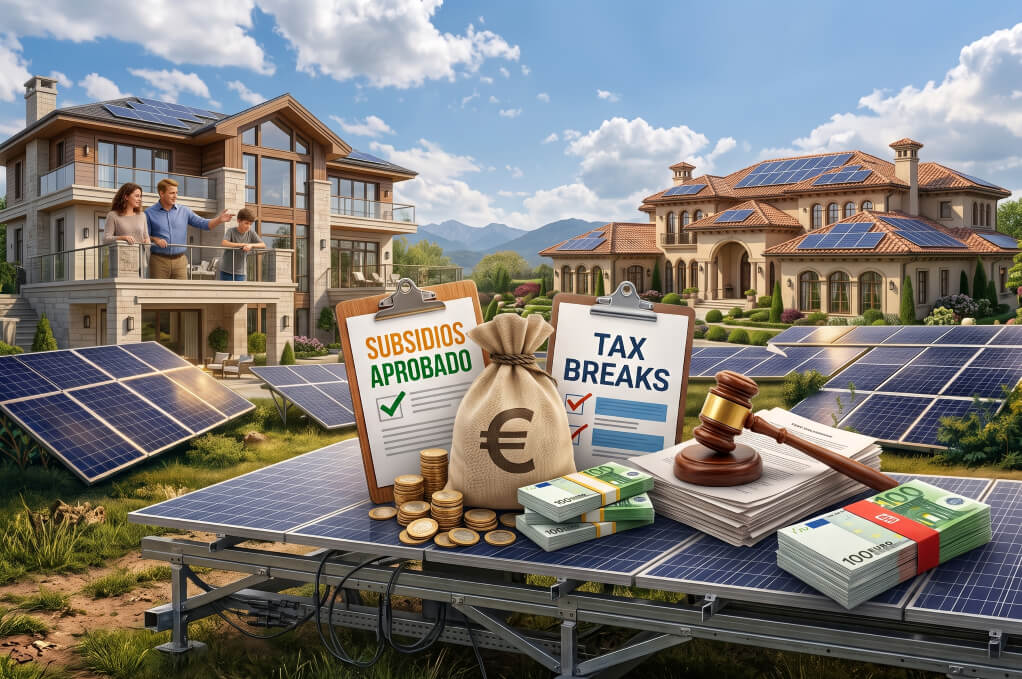
What Are Solar Energy Rebates and Incentives?
Before diving into country updates, let's clarify the key types of government solar incentives available across Europe:
Term | What It Means in Europe | Example |
Tax incentives for solar | Reduces your tax liability or VAT | Germany 0% VAT, Italy 50% Tax Deduction |
Solar energy rebates | Direct upfront discounts or cash back | Poland "Mój Prąd" program |
Feed-in tariff (FiT) | Fixed payments for electricity sent to the grid | Germany EEG |
Solar roof incentives | Specific grants for roof-integrated systems | EU Rooftop Solar Initiative |
In 2026, most European government incentives for solar panels usually combine VAT reductions with long-term performance payments to ensure a fast return on investment.
Germany: The Gold Standard for Solar Roof Incentives
Germany remains the benchmark for solar roof incentives and long-term government solar incentives in Europe. The core strategy is simple: Zero tax upfront + guaranteed long-term payments.
Germany Tax Incentives for Solar
0% VAT (since 2023): Residential solar systems up to 30 kWp, including batteries and EV chargers, are exempt from VAT. Since Germany's standard VAT is 19%, this policy acts as a massive upfront tax incentive for solar.
Income Tax Exemption (Simplified Rule): Systems under 30 kWp are exempt from income tax on electricity sales, removing complicated filing requirements for homeowners.
Germany Subsidies and Long-Term Incentives
EEG Feed-in Tariff (20-year guarantee): Small systems (under 10 kW) receive approximately 12.47 euro cents per kWh for electricity exported to the grid.
Government Rebate for Solar Battery: Through the KfW 442 program, homeowners can unlock up to €3,200 in subsidies for combined solar, battery, and EV charger systems.
Italy: Residential Solar Incentives and Energy Community Subsidies
Italy has moved beyond the 110% Superbonus era. In 2026, the focus is on long-term tax incentives for solar installations, reduced VAT, and the expansion of Renewable Energy Communities (CERs).
Tax Incentives for Solar in Italy
50% Personal Income Tax Credit (Ecobonus): One of the most stable residential solar incentives in Italy, allowing users to deduct 50% of installation costs over 10 years.
Reduced VAT (IVA) at 10%: Residential installations qualify for a 10% VAT rate (instead of 22%), acting like an indirect government solar rebate to reduce upfront costs.
Together, these policies significantly reduce both upfront and long-term system costs.
Italy Solar Energy Rebates & Incentives
Ritiro Dedicato (RID): A market-based alternative to net metering (Scambio sul Posto), paying homeowners for excess electricity.
CER Incentives: By sharing electricity with neighbors, you can unlock a government solar incentive of €110 to €130 per MWh for 20 years, making community-based solar one of the most profitable solar power incentives in Europe today.
France: The Strategic Shift to Self-Consumption
France has fundamentally changed its strategy in 2026. The new "S21 Decree" prioritizes home energy use by shifting from upfront grants to performance-based solar energy rebates.
Tax Incentives for Solar in France
5.5% Reduced VAT: Systems under 3 kWp benefit from a significantly reduced VAT rate compared to the standard 20%.
Solar Energy Rebates
EDF OA 20-Year Safety Net: Guaranteed buy-back rates (1.1 c€/kWh for ≤ 9 kWc), indexed to grow 2% annually. France's approach prioritizes long-term stability rather than large upfront solar panel rebates.
Netherlands: The Final Window for Net Metering
The Netherlands is in a critical transition. While moving toward self-consumption, 2026 is the "last chance" to lock in high-value benefits.
0% VAT (BTW): Residential solar systems benefit from full VAT exemption.
SDE++ Program: A major government solar incentive for commercial solar incentives, offering 15-year production premiums backed by an €8 billion 2026 budget.
Net Metering Netherlands: 2026 is the final full year to benefit from the 1:1 energy offset (salderingsregeling) before the scheme begins to phase out in 2027.
Spain Solar Subsidies and Regional Government Rebates
Spain solar subsidies in 2026 are mainly distributed through regional programs funded by EU recovery funds.
Homeowners can access:
Direct solar panel rebates
Government rebate for solar battery storage
Property tax reductions (IBI discounts in some cities)
While national-level programs fluctuate, many autonomous communities continue to provide government solar rebates that reduce upfront costs by 20–40%.
Other European Government Solar Incentives
Beyond the major markets, several other European nations offer compelling government solar incentives that make 2026 an ideal year to switch to clean energy.
United Kingdom: The 0% VAT Advantage
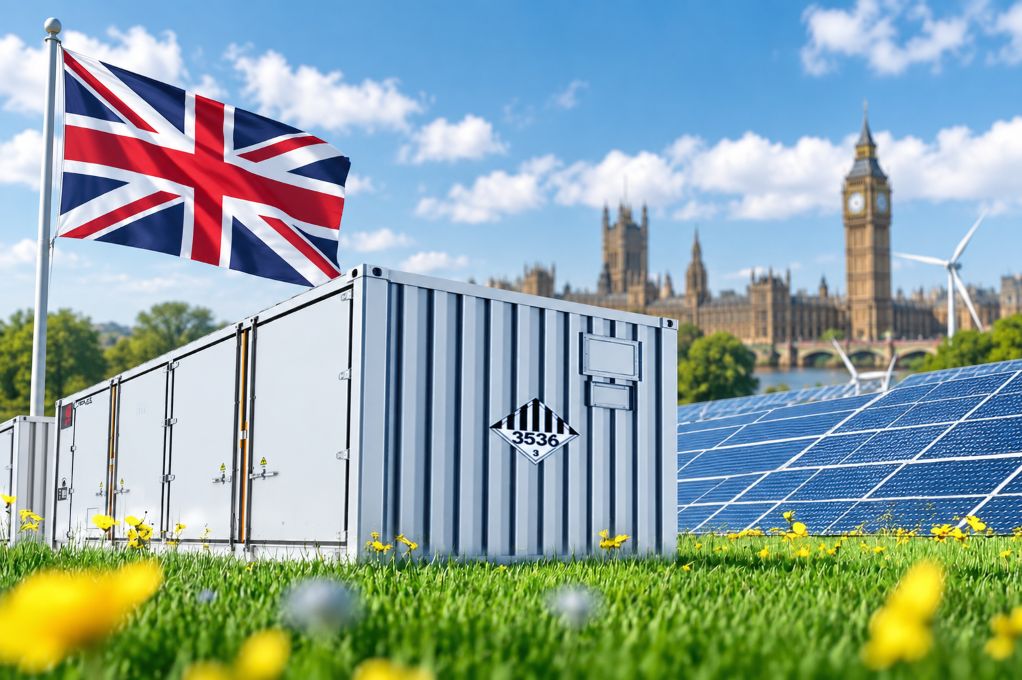
The UK continues to be a strong market for tax incentives for solar. Until March 31, 2027, homeowners benefit from a 0% VAT rate on "Energy-Saving Materials" (ESM). This covers the cost of solar panels, heat pumps, and battery storage.
Poland: The Mój Prąd Program
Poland has become one of Europe's fastest-growing solar markets, thanks to its balanced solar power incentives. The flagship Mój Prąd (My Electricity) program provides generous solar panel rebates that cover a total home EMS—including PV panels, battery storage, and heat pumps.
Austria: Bonuses for "Made in Europe"
Austria's EAG subsidy offers direct capital grants. Systems using "Made in Europe" components receive a 20% bonus, strengthening domestic manufacturing.
Choosing the Right Solar Incentives in Europe
Whether you are looking for residential solar incentives to power your home or commercial solar incentives to reduce business overhead, Europe's 2026 policy landscape is highly favorable.
From solar energy rebates in Poland to net metering in the Netherlands and tax incentives for solar in Germany, the key is to act now while these budgets are at their peak.
Understanding the combination of government solar rebates and long-term production payments will help you maximize your ROI and achieve energy independence.
Table of Contents
Latest News
Explore expert insights, practical guides, and the latest news on SolaX Power.




To the Latest Newsletter
Stay Ahead with the Latest SolaX Updates!
Subscribe
I have read and agree to Privacy Policy and User Terms