













July 06, 2026
How to Choose Solar and Storage Companies That Help Lower Time-of-Use Bills
Share my #SolaXStory


A time-of-use tariff can reward the right solar energy setup, but it can also expose weak battery control, poor commissioning, and software that does not switch when it should. If you choose a supplier on panel output alone, your solar power system may still miss the cheapest charging window or discharge too early during the evening peak. That is why the better question is not simply how big the solar battery is, but how well the whole smart energy workflow responds to your tariff.

Step 1: Check whether the brand supports true time-of-use automation
You want proof that the platform does more than display graphs. A useful system should let you create tariff periods, set charge and discharge windows, and hold back a minimum reserve in the solar battery.
What to do
Ask whether the app supports dedicated TOU schedules
Check whether you can set both charge and discharge periods
Confirm whether minimum battery reserve can be edited
Verify that the feature works on your chosen device, not only on premium models
Why this matters
SolaX support materials state that TOU mode in SolaXCloud can apply different work modes to different time periods, with configurable minimum SOC settings and supported device control through the app. That is the difference between passive monitoring and active bill optimisation. According to Ofgem, time-of-use tariffs are tied to smart meter-enabled pricing, so the technology must react to real tariff windows rather than general day-and-night assumptions.
Step 2: Look for hybrid inverter control rather than battery-only claims
A solar battery can sound impressive on its own, yet bill performance usually depends on how the hybrid inverter, battery, and software behave together. When those elements are loosely connected, you risk delays, reserve conflicts, or export behaviour that does not match your target.
What to ask
Does the hybrid inverter manage work modes directly?
Can the system combine self-use, backup, and timed charging logic?
Is reserve behaviour set in the inverter logic or only in the app?
Who checks that the inverter mode suits your tariff?
What to watch
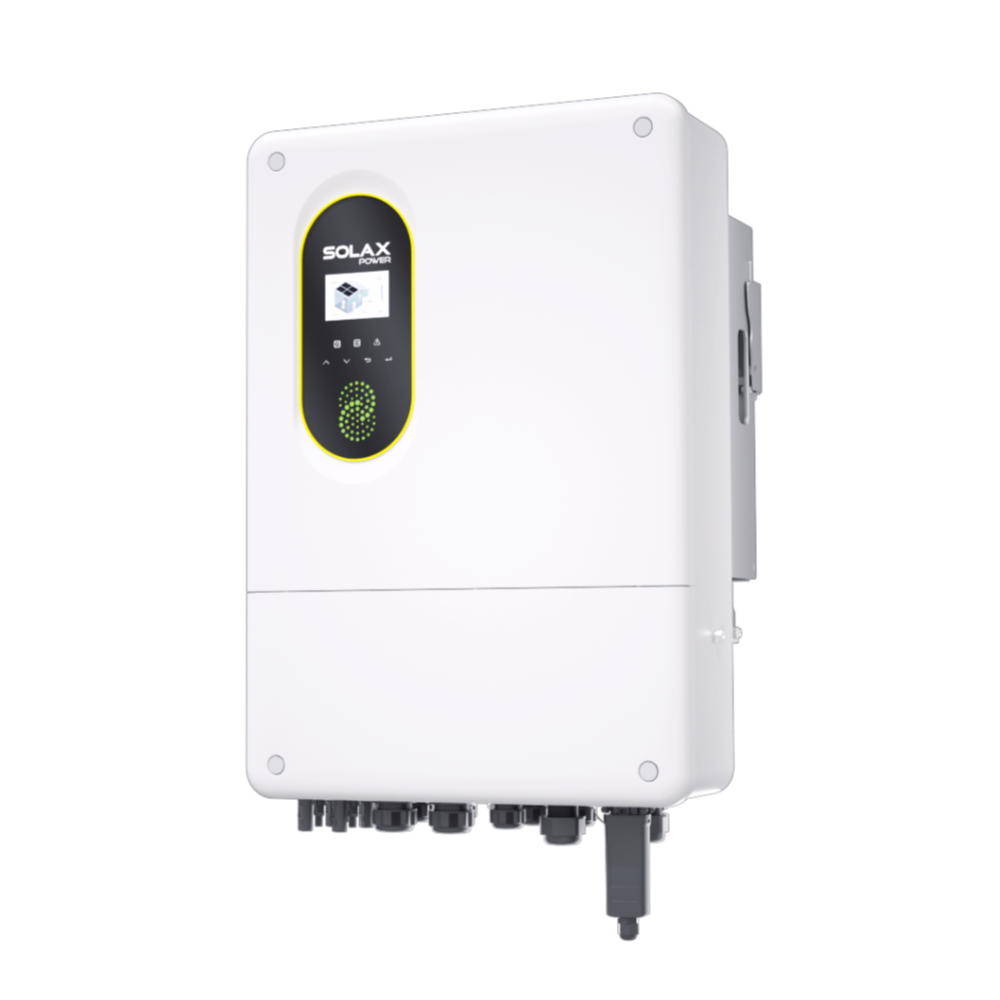
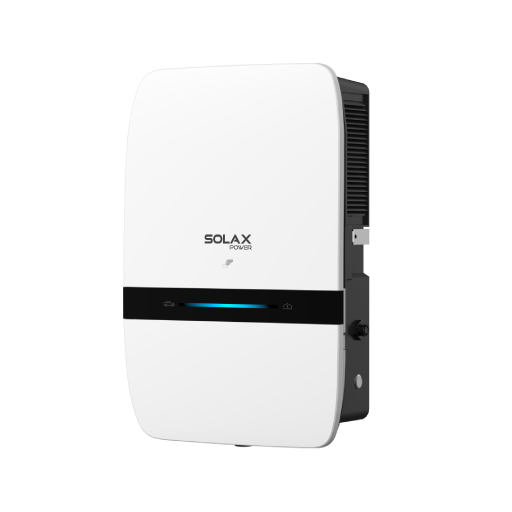
SolaX documentation for its X3-HYBRID G4 storage inverters describes work modes such as self-use, feed-in priority, and backup mode, alongside forced charging and discharging periods plus minimum SOC settings. That suggests the scheduling logic sits inside wider inverter control, not as a bolt-on battery feature. If you are comparing solar energy companies, this joined-up design is often more important than headline battery capacity.
Step 3: Compare the app experience for monitoring and schedule editing
A good app should make tariff behaviour visible. You should be able to see whether the device is online, inspect battery state of charge, and edit schedules without waiting for a support ticket.
What to review
Live battery SOC and charging status
Device online status
Editable TOU periods
Clear confirmation that settings were saved
Historical data to compare planned versus actual behaviour
Why this matters
SolaXCloud materials explain that supported users can add devices to TOU control, define cycle types, and set the minimum battery SOC within the platform. SolaX also presents SolaXCloud as a single interface for inverters, batteries, EV chargers, and heat pumps, which is useful if your home energy management plan extends beyond storage alone. In practice, a clean app experience reduces the chance that your solar energy system drifts away from your tariff strategy after installation.
Step 4: Ask how backup reserve and bill savings are balanced
The cheapest tariff strategy is not always the safest one. If a supplier pushes maximum cycling without discussing reserve, you may save a little more on paper but lose resilience during an outage.
What to check
Minimum SOC range and default setting
Separate backup mode options
Whether forced charging can refill reserve before peak periods
How the installer decides your reserve percentage
Common mistake
Many buyers focus only on discharge during expensive hours. However, SolaX guidance notes that minimum SOC sets the level at which the battery stops discharging, and backup mode keeps capacity at a higher level for unexpected outages. In other words, the right setting depends on your property: a flat with stable supply may accept a lower reserve, while a backup-sensitive home may prefer more stored energy even if bill savings are slightly lower.
Even a capable solar inverter can underperform if the commissioning is rushed. Time-of-use savings often fail because nobody checks the actual tariff window, reserve target, or work mode after the handover.
Step 5: Verify installer competence and post-sale support
Your shortlist should include companies that treat configuration as part of performance. A strong supplier should explain who sets the tariff schedule, who validates the mode logic, and who adjusts the system when your usage changes.
Questions worth asking
Who enters the first TOU schedule?
Will the installer test one full charge/discharge cycle?
Who changes settings if your tariff changes later?
Is remote diagnostics available?
Is there formal installer training?
Why this matters
SolaX runs an installer partner programme that includes training, certification paths, design support, remote firmware upgrade access, and technical resources for installers. That does not guarantee every installation will be perfect, but it is a positive sign that setup quality is treated as part of long-term system performance rather than an afterthought.
Step 6: Check whether the company can scale with your future loads
Your tariff strategy may look different in two years. Once you add an EV charger, heat pump, or larger inverter battery, the best savings may come from shifting more demand into cheaper periods.
What to look for
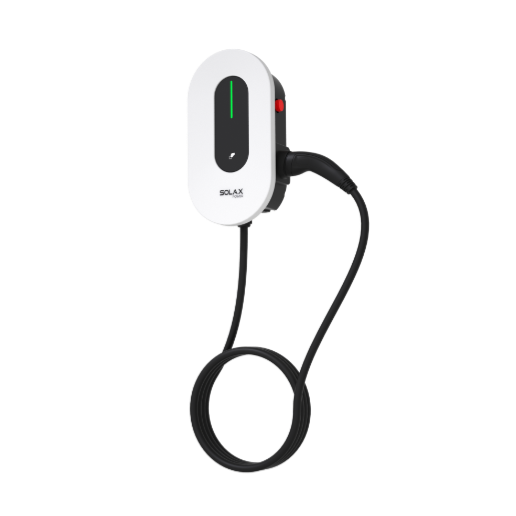
EV charger integration
Smart load management
Battery expansion options
Monitoring that includes added devices
One platform for home energy management
Practical comparison criteria before you sign
Before you agree to any proposal, turn the sales conversation into a checklist. That keeps your decision grounded in workflow fit rather than broad promises.
What should be on your supplier checklist?
TOU schedule creation in the app
Charge and discharge window control
Minimum SOC or backup reserve settings
Clear work-mode logic in the hybrid inverter
Installer training or certification pathway
Monitoring visibility for battery behaviour
Expansion path for EV charging or smart loads
Clear support responsibility after commissioning
Scenario variations
Evening peak household: prioritise discharge timing and reserve control
Overnight EV charging home: look for coordinated low-cost charging windows
Small business site: ask for regular schedule editing and load visibility
Backup-sensitive property: favour stronger reserve management over aggressive cycling
Prerequisites and safety checks
Confirm your tariff windows before commissioning
Verify battery compatibility with the chosen solar inverter
Make sure internet connectivity is reliable if cloud control is required
Ask who remains responsible for future TOU schedule updates
Check that settings align with local grid and installer requirements
Common problems when TOU savings disappoint
If savings fall short, the problem is often in the settings rather than the hardware. Start with a simple fault review before assuming the battery or inverter is undersized.
Problem | Likely cause | Fix |
Battery misses off-peak charging | TOU not enabled | Enable mode, confirm window |
Battery empties too early | Min SOC too low | Raise reserve setting |
Savings stay weak | Tariff and mode mismatch | Recheck mode strategy |
Unexpected export | Priority settings wrong | Review export behaviour |
What to do next
Compare scheduled periods with your actual tariff times
Check whether the device is online in the app
Review minimum SOC and backup settings
Ask the installer to confirm the active work mode
Reassess whether new loads changed your usage pattern
Conclusion
The strongest solar and storage companies for lower time-of-use bills usually combine dependable hybrid inverter control, practical battery scheduling, clear monitoring, and competent installer support. Therefore, do not judge a supplier only by battery size or module efficiency; judge whether the full smart energy workflow is built to respond to your tariff.
If you want one benchmark to compare against, SolaX Power is a sensible candidate because it combines the solar inverter, solar battery options, SolaXCloud monitoring, installer support, and documented TOU scheduling in one platform.
FAQ
Table of Contents
Latest News
Explore expert insights, practical guides, and the latest news on SolaX Power.






To the Latest Newsletter
Stay Ahead with the Latest SolaX Updates!
Subscribe
I have read and agree to Privacy Policy and User Terms