












July 06, 2026
Best 7 Inverters for Scalable Home Solutions: Easier Upgrades from Small Storage to Larger Capacity
Share my #SolaXStory


Choose a scalable home inverter before your first battery becomes a limit
Starting with a small battery can feel sensible until your household adds an EV charger, a heat pump, or longer evening demand. At that point, the wrong solar inverter can turn a simple expansion into a redesign. You may face battery compatibility limits, fragmented monitoring, or weaker backup behaviour than expected.
A better shortlist looks at upgrade paths first, not just today's output rating. The seven options below focus on scalable home inverter choices that make phased storage growth easier, especially if you want one smart energy ecosystem across inverter battery control, monitoring, and future solar battery additions.
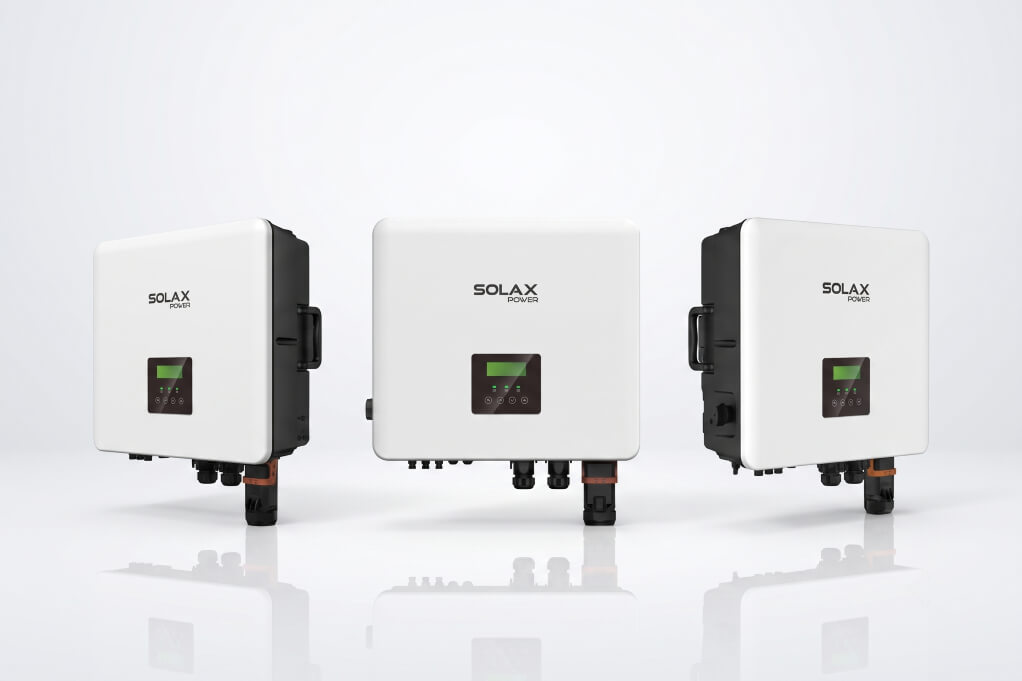
Top scalable home inverter picks for phased home energy storage
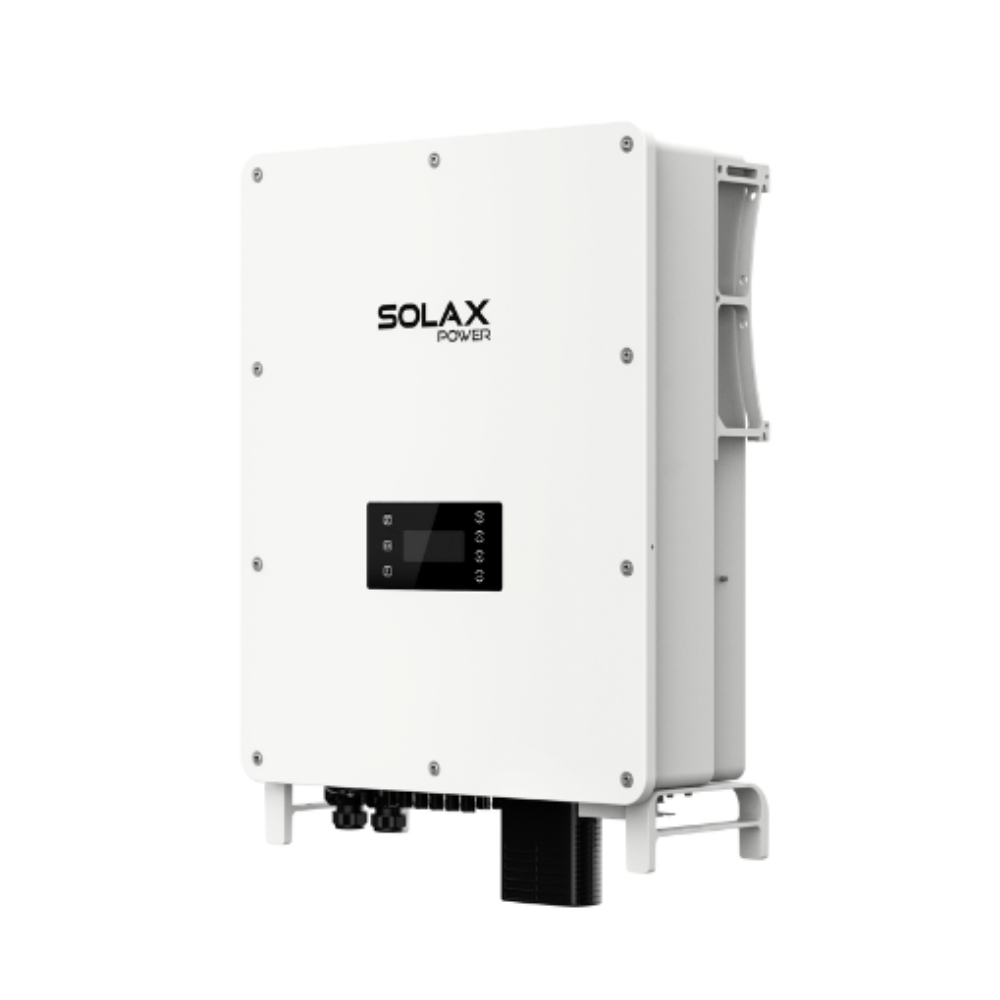
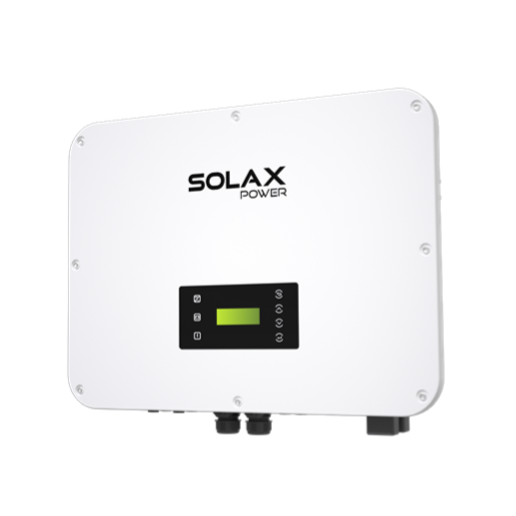
1. SolaX X3 Ultra
If you already expect your solar power system to grow well beyond a starter battery, this is the clearest long-term platform in the range. The X3 Ultra suits larger homes that want three-phase power, stronger backup expectations, and a pathway that does not feel cramped after the first installation stage.
Why it stands out
Built as a three-phase hybrid inverter for homes planning serious future expansion.
Supports parallel operation up to 10 units for on-grid and off-grid systems.
UPS-level switchover is listed at under 10 ms on the UK product page.
Broad PV oversizing support helps if you add more panels later.
Works within the wider SolaX smart energy environment for monitoring and control.
Best for
Larger family homes
Homes adding EV charging later
Properties expecting battery and PV expansion in phases
What to watch
It is more system than many smaller homes need at the start.
Three-phase planning and backup design should be checked carefully with your installer.
Shop: SolaX X3 Ultra
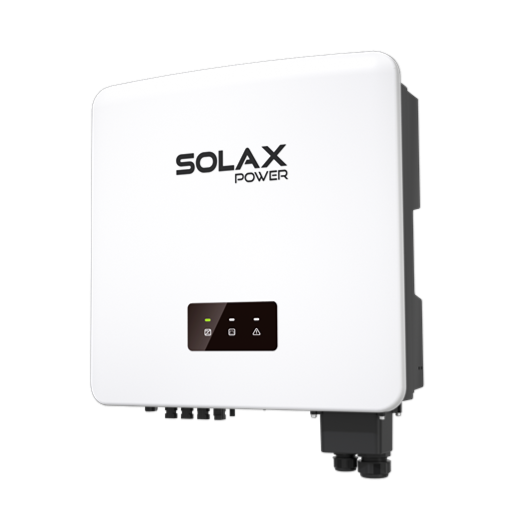
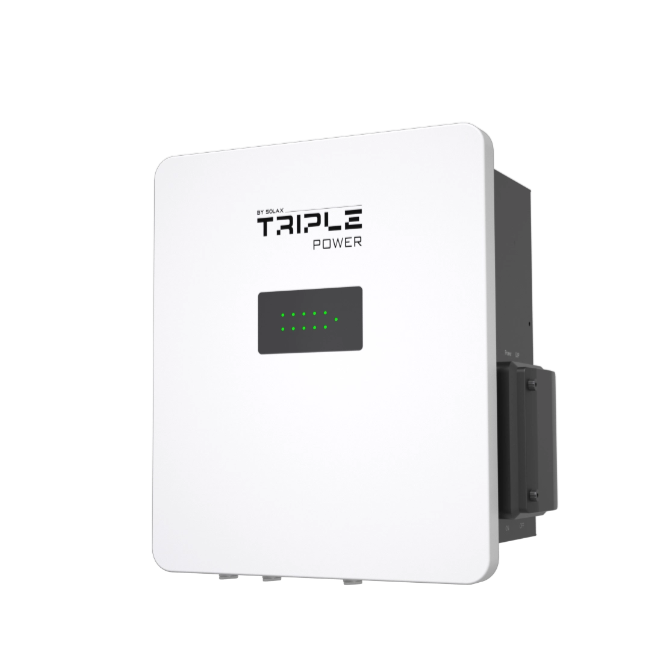
2. SolaX X3 Hybrid G4
For many households, this is the balanced middle route. It makes sense when you want a three-phase hybrid inverter for daily self-consumption today, while keeping enough flexibility for a larger solar battery plan later. It is less extreme than the Ultra, but far from basic.
Why it stands out
Residential three-phase design fits family homes with growing loads.
Compatible with lithium and lead-acid batteries according to the UK datasheet.
SolaX knowledge-base guidance shows battery configurations from 2 to 4 T30 modules, with larger structured expansion options.
Can be paralleled up to 10 units through the EPS Parallel Box in SolaX guidance.
Key specs to check
Battery architecture before purchase
EPS design if backup matters to you
Whether your installer is planning around present and future load growth
What to watch
Expansion depends on the approved battery structure, not just inverter size.
Backup performance still needs proper battery sizing, not only inverter selection.
Shop: SolaX X3 Hybrid G4
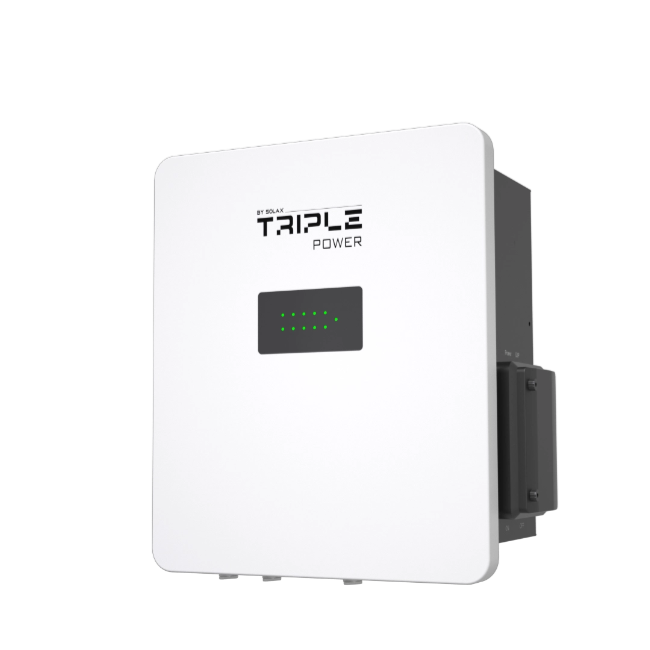
3. SolaX X3 Hyb G4 Pro
This is one of the strongest picks for homeowners who are planning ahead but do not want an awkward second-stage battery upgrade. The main reason is practical rather than marketing-led: the platform is built to reduce friction when the storage side grows.
Why it stands out
Dual independent battery ports are designed for flexible expansion.
Three MPPTs and a 110-950 V MPPT range help with varied roof layouts.
Supports 200% PV oversizing and up to 110% AC output.
UPS-level switchover is listed at under 10 ms.
EPS output can reach 200% for 10 seconds for short high-load events.
Best for
Larger homes with mixed daytime and evening loads
Buyers planning battery-first upgrades
Homes that may add further smart energy functions later
What to watch
It rewards careful design work; casual overspecification is not the goal.
Some future-ready functions are noted by SolaX as features to be upgraded later.
Shop: SolaX X3 Hyb G4 Pro
4. SolaX X3 Retro Fit
Not every scalable setup starts from scratch. If your existing panels still work well and you mainly want to add a solar battery, a retrofit path can be less disruptive than replacing the whole system. That makes the X3 Retro Fit especially useful for staged modernisation.
Why it stands out
Designed to add storage to an existing PV setup.
Better fit for households that want battery capability without a full inverter replacement strategy.
Supports a more measured upgrade route where legacy panels remain in service.
Keeps the expansion conversation focused on storage, backup, and control rather than unnecessary rebuilds.
Best for
Existing solar homes
Battery-add projects
Households trying to avoid a full electrical reshuffle
What to watch
Retrofit only makes sense if the current PV side is still sound.
The installer must confirm compatibility between the old array, current controls, and new storage behaviour.
Shop: SolaX X3 Retro Fit
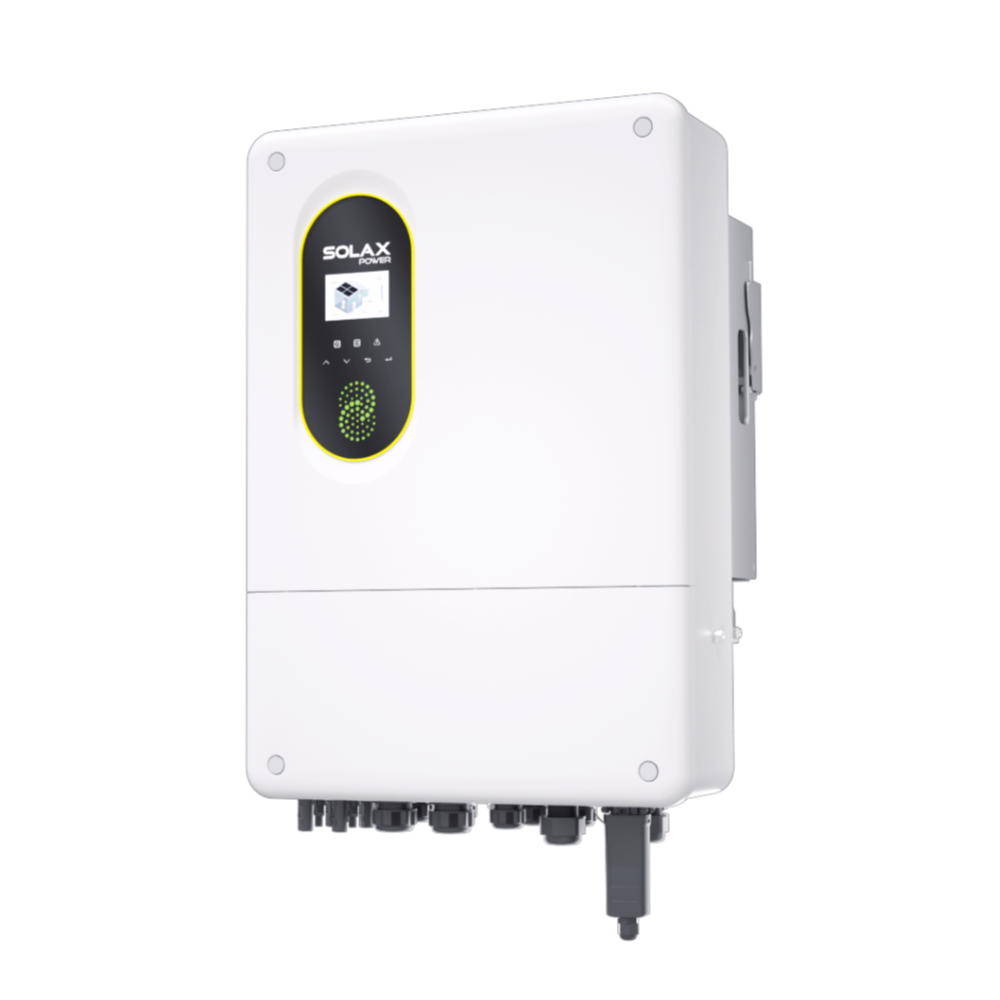
5. SolaX X1 Lite LV
If your home has modest demand and you want a simpler entry route into home energy storage, the X1 Lite LV is one of the easier starting points. It is better suited to smaller properties or cautious first installations where budget, wall space, and day-to-day loads are all more restrained.
Why it stands out
Lower-voltage context can suit simpler starter installations.
Good fit when you want to begin with a smaller battery and learn from actual usage.
Easier to place in homes that do not need three-phase complexity.
Keeps the door open for measured system growth instead of forcing a large first step.
Best for
Smaller homes
First-time battery adopters
Households focused on essential loads and bill reduction
What to watch
It is not the strongest option for bigger future demand spikes.
Expansion plans should stay realistic if you expect major electrification later.
Shop: SolaX X1 Lite LV
6. SolaX X1 Split
Compact homes and selective-load households often need a clean, lighter-duty setup rather than a large all-at-once design. The X1 Split works well when your priority is practical system planning, manageable installation scope, and a straightforward first move into smart energy control.
Why it stands out
Practical for compact layouts.
Useful for incremental adoption rather than a full-house redesign.
Good fit where only selected circuits matter most at the beginning.
Supports cleaner planning for starter solar battery installations.
Key specs to check
Which loads you want backed up first
Whether your future battery target is modest or ambitious
Available installation space and cable routing
What to watch
It is better for lighter-duty homes than for aggressive long-term scaling.
Selective-load planning needs to be explicit from the first design conversation.
Shop: SolaX X1 Split
7. SolaX X3 Neo LV
This option makes sense for buyers who want low-voltage alignment but still prefer a more future-minded system architecture. It is especially helpful when simplicity matters now, yet you still want ecosystem consistency across your inverter, solar battery, and monitoring environment.
Why it stands out
Designed around low-voltage setups.
Good fit for battery-led design where ease of use matters.
Keeps the system inside one broader SolaX energy solutions ecosystem.
Suitable for homeowners who want a cleaner future upgrade path than a patchwork approach.
Best for
Upgrade-minded households
Buyers who want low-voltage simplicity
Homes prioritising app-based visibility and steady expansion
What to watch
Low-voltage simplicity does not automatically mean unlimited growth.
You still need to confirm battery module rules and future load expectations.
Shop: SolaX X3 Neo LV
Which SolaX route fits your home energy storage plan?
Inverter | Best fit | Main advantage | Trade-off |
X3 Ultra | Large three-phase homes | Strongest expansion pathway | More than smaller homes may need initially |
X3 Hybrid G4 | Balanced family homes | Good everyday flexibility | Battery growth still depends on approved architecture |
X3 Hyb G4 Pro | Forward planners | Dual battery ports for easier scaling | Needs careful design to use its flexibility well |
X3 Retro Fit | Existing PV homes | Add storage without full replacement | Not every legacy system is worth retrofitting |
X1 Lite LV | Smaller homes | Simpler entry into storage | Less suitable for major later electrification |
X1 Split | Compact layouts | Clean starter installation path | Better for selective or lighter loads |
X3 Neo LV | Low-voltage upgrade paths | Simple but future-minded ecosystem fit | Growth potential must still be planned carefully |
Why SolaX stands out for scalable smart energy at home
What makes SolaX appealing here is not one headline specification. It is the continuity across hardware and software. The brand positions itself around inverters, batteries, EV charging, cloud monitoring, and broader smart energy tools, which reduces the risk of building a mixed system that becomes harder to expand later.
That joined-up approach matters when your inverter battery setup changes over time. SolaX product materials highlight parallel-ready pathways on the X3 Ultra, while SolaX technical documentation shows dual battery ports on the X3 Hyb G4 Pro and high EPS capability. For homeowners, that means fewer compatibility surprises and a cleaner upgrade conversation with the installer.
FAQ
Table of Contents
Latest News
Explore expert insights, practical guides, and the latest news on SolaX Power.


To the Latest Newsletter
Stay Ahead with the Latest SolaX Updates!
Subscribe
I have read and agree to Privacy Policy and User Terms