












July 03, 2026
What Size Solar Battery Do I Need? A Step-by-Step Calculation Guide
Share my #SolaXStory


Many homeowners ask, "how do i know what size solar battery i need?" Finding the right fit starts with understanding average daily consumption:
Average US home: 28–30 kWh/day
Average Australian home: 14.6–17.9 kWh/day
Average UK home: 7–12 kWh/day
For most grid-tied households, a battery capacity of 10kWh to 13.5kWh is the industry standard for effective Time-of-Use (TOU) peak shifting. Ultimately, your ideal storage capacity depends on three factors: your primary goal (financial savings vs. emergency backup vs. off-grid), your daily energy demand, and your solar system size.
To calculate a precise requirement for your home, professionals use the following solar battery sizing formula:
Battery Capacity (kWh) = (Daily Energy Consumption ÷ Efficiency) ÷ DoD
Read on for a detailed breakdown of how to apply these calculations to your unique home energy system.
Why Correct Solar Battery Calculation is Critical?
Before applying any solar battery sizing formula, it's important to understand why you shouldn't blindly buy a larger battery—or choose a smaller one just to save money.
Maximize ROI
Batteries are the most expensive part of a solar system. Oversizing your battery capacity means paying for storage you may never fully use, especially if your solar panels cannot consistently charge a high capacity battery. This increases the payback period.
Security & Reliability
Undersizing your battery bank can leave you without enough power during outages. If your system is too small, your "whole-home backup" may fail when you need it most—such as during a nighttime grid failure.
Battery Longevity
Proper solar battery sizing prevents frequent deep discharges (below safe DoD levels), which helps extend the lifespan of your lithium battery and maintain stable performance.
How to Calculate Solar Battery Size: A 3-Step Guide
Many homeowners wonder, what solar battery size do i need? Whether you are looking for the what size battery do i need for my solar system or a professional-grade solar battery bank calculator, the logic remains the same.
Step 1: Define Your Storage Goals
Your goal determines how much battery capacity you actually need.
1. Time‑of‑Use Optimization – Saving Money
Goal: Store solar power during the day and avoid peak grid rates at night.
Recommendation: Size your battery to 50%–80% of your daily excess solar production.
Typical range: 10kWh–13.5kWh for most grid‑tied homes.
2. Backup for Essential Loads
Goal: Keep lights, Wi‑Fi, and the refrigerator running during outages.
Recommendation: 5kWh–10kWh.
3. Whole‑Home Backup
Goal: Run AC, laundry, cooking, and maintain normal lifestyle during a blackout.
Recommendation: 20kWh+, usually with modular stacking.
4. Off‑Grid Living (Total Independence)
Goal: Zero reliance on the grid.
Recommendation: 2–3× your daily total usage to cover multiple cloudy days (Days of Autonomy).
Step 2: Calculate Your Daily Electricity Load
Before using any battery bank calculator, list the appliances you want to power.
You can group them by priority:
Tier 1 (Essential): Fridge (24h), router, phone charging, emergency lights → ~5kWh
Tier 2 (Comfort): TV, microwave, coffee machine, fans → ~10–15kWh
Tier 3 (Whole Home): AC, water heater, dishwasher, EV charging → 20kWh+
Now calculate energy use:
Power (W) × Hours of Use (h) = Watt‑hours (Wh)
Example:
Refrigerator: 200W × 24h = 4,800Wh (4.8kWh)
Lights: 50W × 5h = 250Wh (0.25kWh)
Total daily load = 5.05kWh
Next, account for system realities:
High capacity lithium ion battery (LFP): DoD typically 90–100%
Lead‑acid battery: DoD around 50%
System efficiency: 85–95% (inverter + conversion losses)
Step 3: Apply the Solar Battery Sizing Formula
Now apply the core solar battery calculation formula:
Battery Capacity (kWh) = (Daily Consumption × Days of Autonomy) ÷ (DoD × System Efficiency)
If you only need 1 day of backup, the formula simplifies to:
Total Battery Capacity (kWh) = (Daily Consumption ÷ Efficiency) ÷ DoD
Example:
Daily load = 5kWh
DoD = 90% (0.9)
System efficiency = 95% (0.95)
Calculation:
(5 ÷ 0.95) ÷ 0.9 ≈ 5.85kWh
So in this case, a 6kWh battery (or a standard 10kWh unit for buffer) would be appropriate.
Using this simple method, even beginners can accurately determine what size solar battery they need—without guessing or relying solely on installer estimates.
How Many Solar Batteries Do I Need to Power a House?
Once you calculate your required battery capacity in kWh, the next practical question is:
How many solar batteries do I actually need?
Battery systems are sold in modular units, so the number of batteries depends on the usable capacity of each module.
Formula:
Number of Batteries = Required kWh ÷ Usable Capacity per Battery Unit
Example:
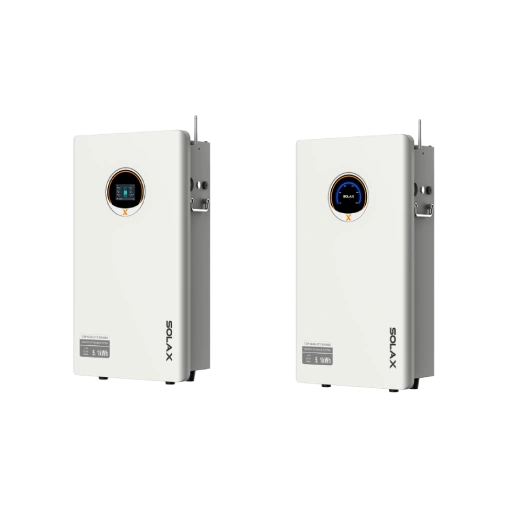
If your home requires 30kWh of total storage and you choose SolaX T-BAT-SYS-HV-R3.6 modules:
30kWh ÷ 3.6kWh ≈ 8–9 battery modules
Since you cannot install a fraction of a battery, you would round up to ensure sufficient usable capacity.
Key Factors Influencing Battery Lifespan
Several external factors dictate how much usable capacity you can actually count on over the years.
1. Battery Chemistry: Why LFP Wins
The heart of your system is its chemistry. Most high capacity lithium ion batteries today use LFP. Compared to older NMC or lead-acid tech, LFP offers superior safety and a much longer cycle life (often 6,000+ cycles).
Choosing a high-quality LFP cell ensures your battery lifespan doesn't significantly degrade after just a few years of heavy use.
2. The Environment: Why Location Dictates Size
Climate is the "silent variable" in solar battery calculation. Many homeowners overlook that temperature and seasonal sunlight changes drastically affect storage needs:
The Winter Gap: Solar production can drop by 30–50% during winter months. If you live in Northern states or cloudy regions, you should consider 1.5–2× more storage to provide a buffer for days with minimal sun.
Peak Sun Variations: In High-sun regions, a smaller battery is often acceptable because high peak sun hours ensure your battery reaches 100% charge almost every day.
Operating Temperature: Extreme heat or cold can reduce chemical efficiency. Installing your units in a ventilated, shaded area will always help preserve their long-term health.
3. Depth of Discharge (DoD) & Maintenance
To maximize the life of your high capacity battery, avoid "draining it to zero" daily. While modern LFP batteries allow for high DoD (up to 100%), keeping a small buffer (the 20% rule) can reduce stress on the cells.
Additionally, choosing a system with smart remote monitoring allows for proactive maintenance and firmware updates, ensuring the BMS is always optimized for your specific climate.
Why Modular High Capacity Batteries Are the Future?
Modern home energy systems are no longer static. As households add EVs, heat pumps, or move toward whole‑home backup, battery capacity needs often increase over time. That’s why modular, stackable systems are becoming the preferred choice over fixed‑size units.
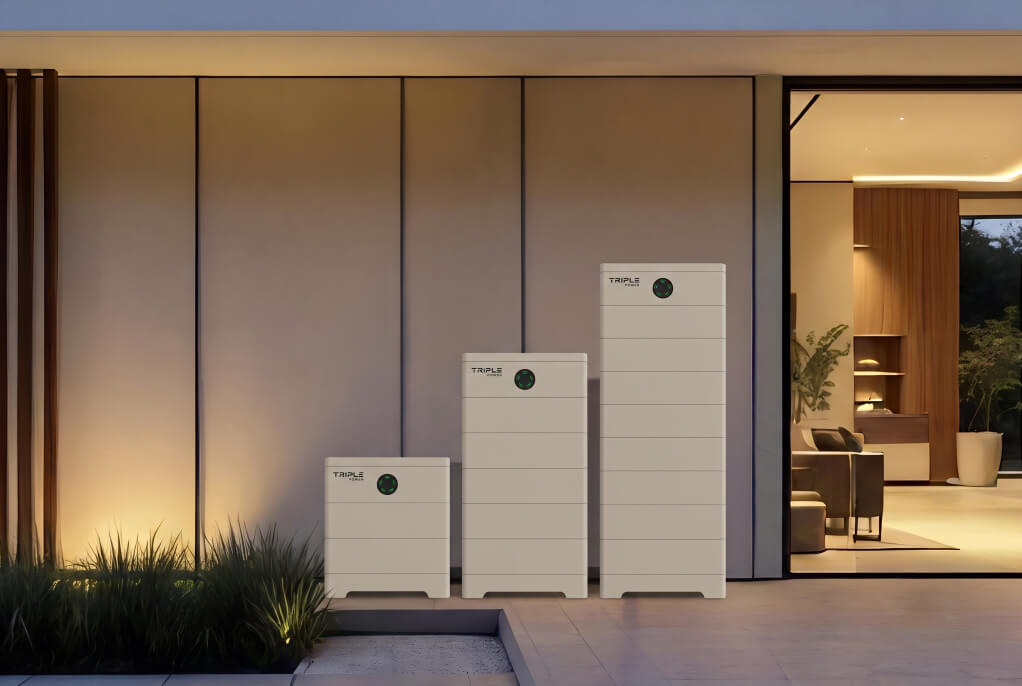
A modular high capacity lithium ion battery allows homeowners to start with the battery capacity they need today—such as 10–15kWh for TOU optimization—and expand later without replacing the entire system. This improves ROI, reduces upfront cost, and ensures future flexibility.
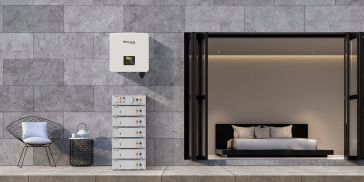
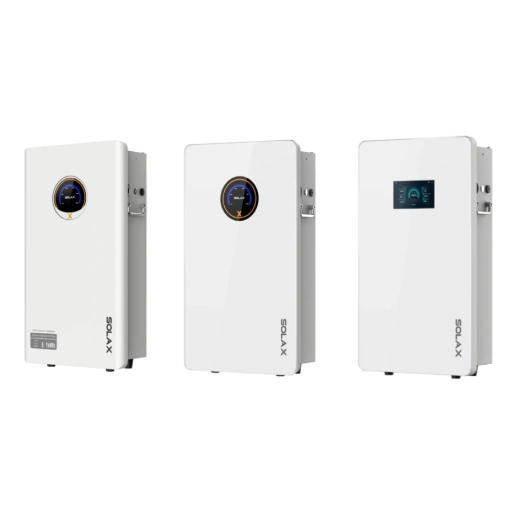
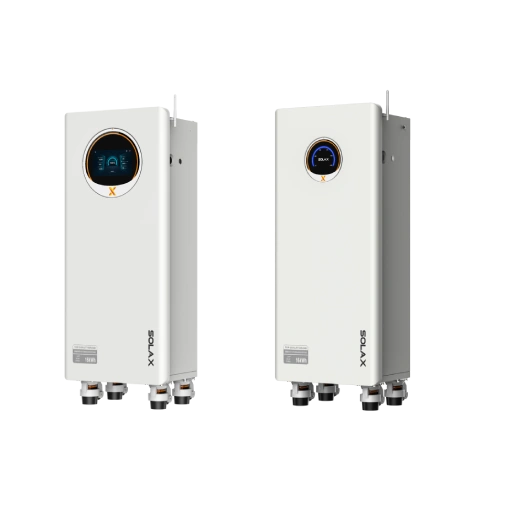
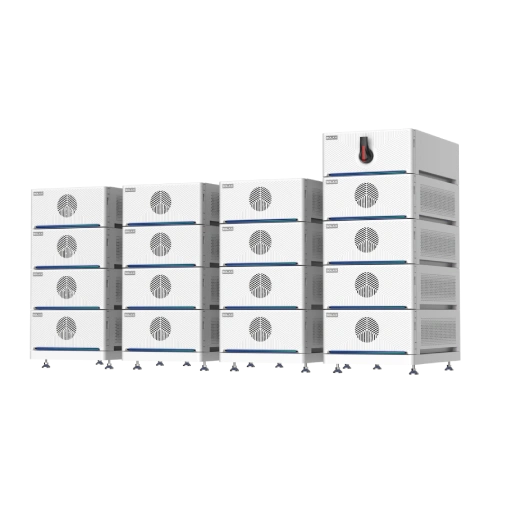
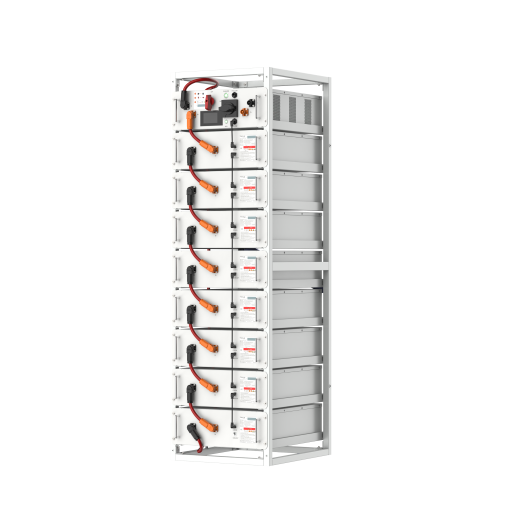
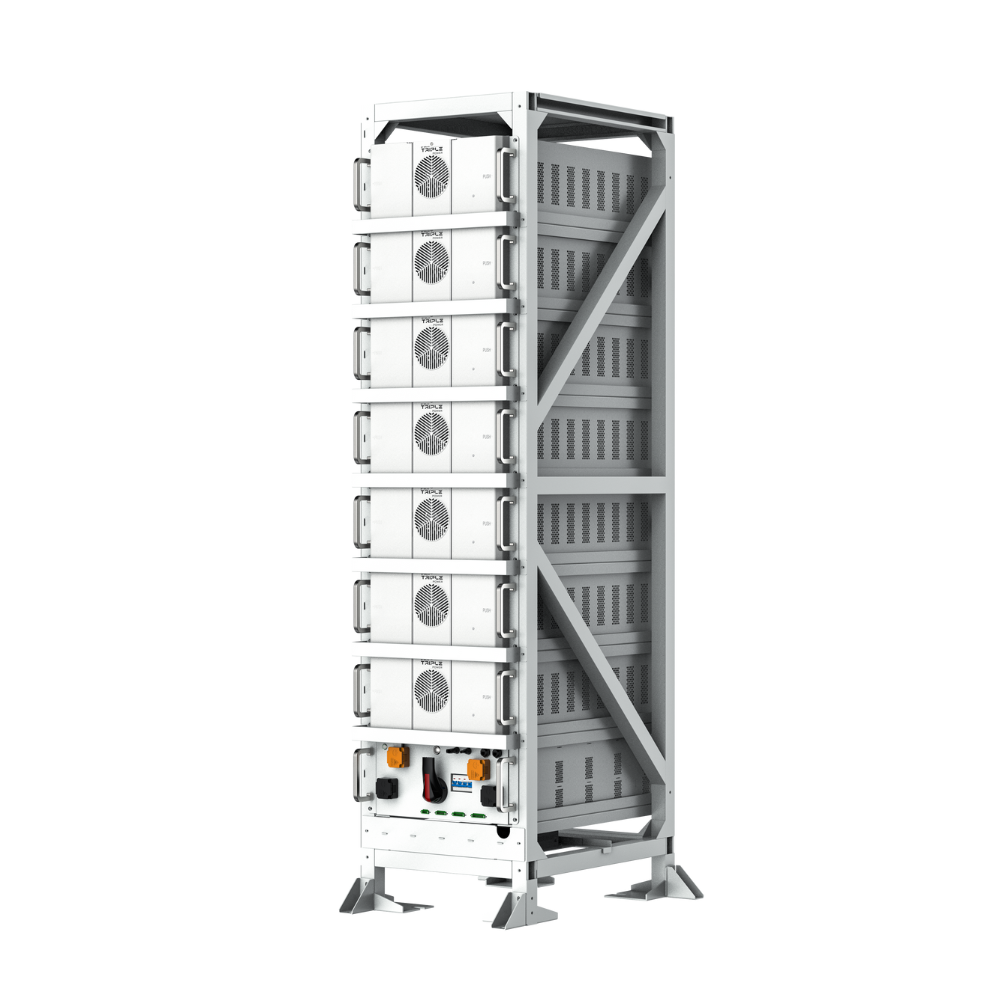
For example, the SolaX T‑BAT‑SYS‑HV‑S3.6 offers a scalable range from 7.3kWh up to 47.9kWh, using stackable, plug‑and‑play modules. For larger homes or higher loads, the TSYS‑HS51 expands from 10.2kWh to 66.5kWh, making it suitable for whole‑home backup or EV integration. Both are designed with LFP chemistry for safety and long cycle life.
In short, a modular high capacity battery system makes solar battery sizing future‑proof—install what you need now, expand when your energy demand grows.
How to Start Designing Your Solar Battery System?
Finding the perfect battery capacity is the key to energy independence. If you're ready to move from calculation to installation, follow these four professional steps to ensure your system is efficient and cost-effective:
Analyze Your Utility Bills
Download your electricity bills for the last 12 months. This allows you to see your average daily consumption and account for seasonal peaks, such as heavy air conditioning in the summer or heating in the winter.
Audit Your Essential Loads
Determine which appliances are "must-haves" during an outage. By separating your essentials (fridge, Wi-Fi, lights) from luxury loads, you can choose a more targeted and affordable battery size.
Consult a Professional
While a DIY solar battery bank calculator is a great starting point, a professional installer can perform a site audit. They can simulate your solar production versus consumption to refine your final solar battery calculation.
Prioritize Modularity
Don't feel pressured to buy a massive system on day one. Choose a modular, stackable system—like those from SolaX—that allows you to increase your capacity easily as your energy needs evolve.
Final Thoughts
Determining what size solar battery do i need is an investment in your home's future. By balancing your daily habits with the right technology and local climate factors, you can create a resilient energy system that pays for itself through years of savings and security.
FAQ
Table of Contents
Latest News
Explore expert insights, practical guides, and the latest news on SolaX Power.





To the Latest Newsletter
Stay Ahead with the Latest SolaX Updates!
Subscribe
I have read and agree to Privacy Policy and User Terms