








































July 02, 2026
Europe's Hotter Homes Need More Than Air-Conditioning
Share my #SolaXStory


In many European homes, summer used to be managed with shutters, open windows and a little patience. That was never perfect, but for a long time it was enough.
It is becoming less enough.
This summer’s heat has not arrived as one neat continental story. It has looked different from country to country. In France, schools, hospitals and public services have had to adjust as temperatures pushed well beyond what many buildings were designed for. In Britain, London flats and terraced houses have again shown how uncomfortable old housing can become when the night does not cool down. In Germany, heat has affected transport, work and daily routines. Poland has seen long-standing temperature records challenged. Hungary has gone as far as allowing public-sector employees to work from home where possible during the heatwave.
These are not identical situations. That is the point.

Europe’s heat problem is not just Mediterranean any more, and it is not only about headline temperatures. It is about how different countries, with different buildings and different habits, are being forced into the same conversation: how to keep homes liveable without placing more strain on energy systems already under pressure.
Reuters put it neatly when describing many Paris and London homes as “built to retain rather than deflect heat”. That sentence explains a lot. Europe was good at winter. Summer is becoming the harder test for home cooling, energy efficiency and residential energy systems.
The Air-Conditioning Question Is Not Simple
The obvious response to hotter summers is more air-conditioning. Some of that will happen. It is already happening.
But Europe’s relationship with cooling is different from that of many other markets. The International Energy Agency notes that air-conditioning ownership in Europe remains relatively low, at around 20%. That is not just a market gap. It reflects climate, culture, building rules, high electricity prices and a long preference for passive comfort: shade, ventilation, insulation, stone walls, courtyards and trees.
There is also a social hesitation. Many residents want cooler bedrooms, but not necessarily noisy outdoor units, higher peak bills, or the feeling that every hot week must be answered by switching on another appliance. Euronews recently asked whether air-conditioning is “overheating our energy systems”, pointing towards lower-emission cooling, home energy efficiency and better building design.
That is probably the right frame. Europe does need more cooling. But it should be careful about what kind.
Heat Is Becoming a Grid Problem
The difficult part is timing.
Cooling load arrives in waves. It often rises in the late afternoon and evening, when people return home, cook, wash, charge devices and try to make bedrooms bearable. If millions of homes add cooling demand at roughly the same time, the grid notices.
The IEA’s wider work on space cooling warns that cooling demand can have a sharp effect on peak electricity demand during hot days. Recent events have made that less abstract. The Guardian reported that Great Britain paid at least six times the normal price for imported electricity during the heatwave, as demand rose, wind output weakened and plant outages tightened supply.

Further east, the story has been more about records and emergency response. The Guardian reported all-time highs in Germany, Czechia, Poland and Hungary, with temperatures exceeding 40°C in parts of Central and Eastern Europe. In Hungary, Xinhua reported that public-sector employees were told to work from home where possible, alongside measures such as water-use restrictions and rail speed limits.
These details matter because they show heat moving from the weather page to the economy page, the health page and the energy page.
Households need comfort and safety. Grids need flexibility. Treating those as separate issues is where the old thinking starts to fail.
Solar Helps, but It Does Not Solve Timing Alone
Europe does have one major advantage it did not have a generation ago: rooftop solar is now ordinary.
Solar panels are no longer a novelty on European homes, farms, schools and warehouses. In hot weather, when cooling demand rises, solar power generation can also be strong. Ember found that during the 2025 heatwave, solar helped European power systems by delivering record generation when daytime demand was under pressure.
Still, solar energy does not remove the timing problem.
A household may generate plenty of electricity at midday, when nobody is home. Later, the same home may need cooking, hot water, cooling, lighting and EV charging. Without battery storage, solar power can be exported during the day and bought back in the evening, often when the grid is more stressed.
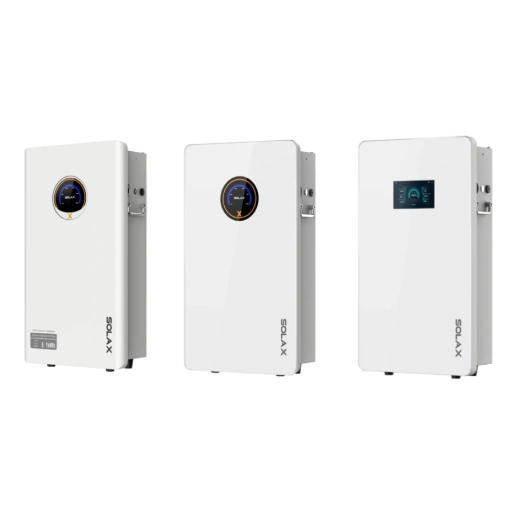
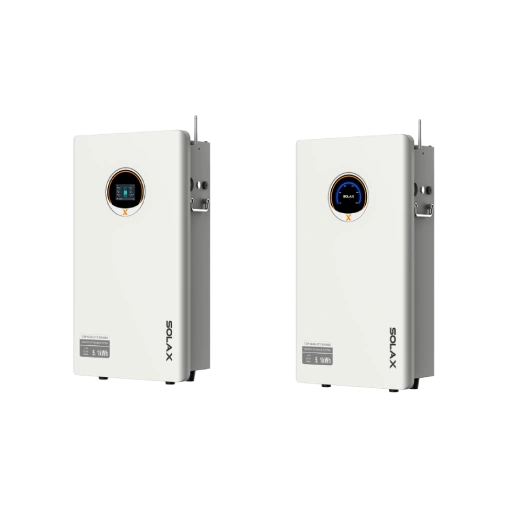
This is why home battery storage is moving from a niche add-on to a more central part of the home energy storage conversation. SolarPower Europe reported that the EU installed 27.1 GWh of new battery capacity in 2025, marking another record year. The residential market will not move evenly. Incentives change. Electricity prices shift. Households delay decisions. But the direction is hard to miss.
Solar gives a home generation. Battery storage gives it some control.
The Missing Link Is Comfort
There is still a further question: what should stored solar electricity be used for?
In many homes, the largest and most meaningful energy load is comfort: heating, cooling and domestic hot water. Historically, these have often been treated separately. The boiler was one decision. Solar was another. A battery was another. Cooling, if fitted at all, was another again.
That fragmented approach is starting to look dated.
A heat pump sits close to the load people actually feel. In winter, it can provide efficient heating. In summer, depending on the system design, it can support cooling. Throughout the year, it can produce domestic hot water. The European Commission also sees heat pumps as part of the wider shift away from fossil fuel heating and towards more efficient electrification.
Of course, none of this is magic. A badly insulated home will still waste energy. A poorly specified heat pump will disappoint. Installer quality, controls, pipework and resident behaviour all matter. They always have.
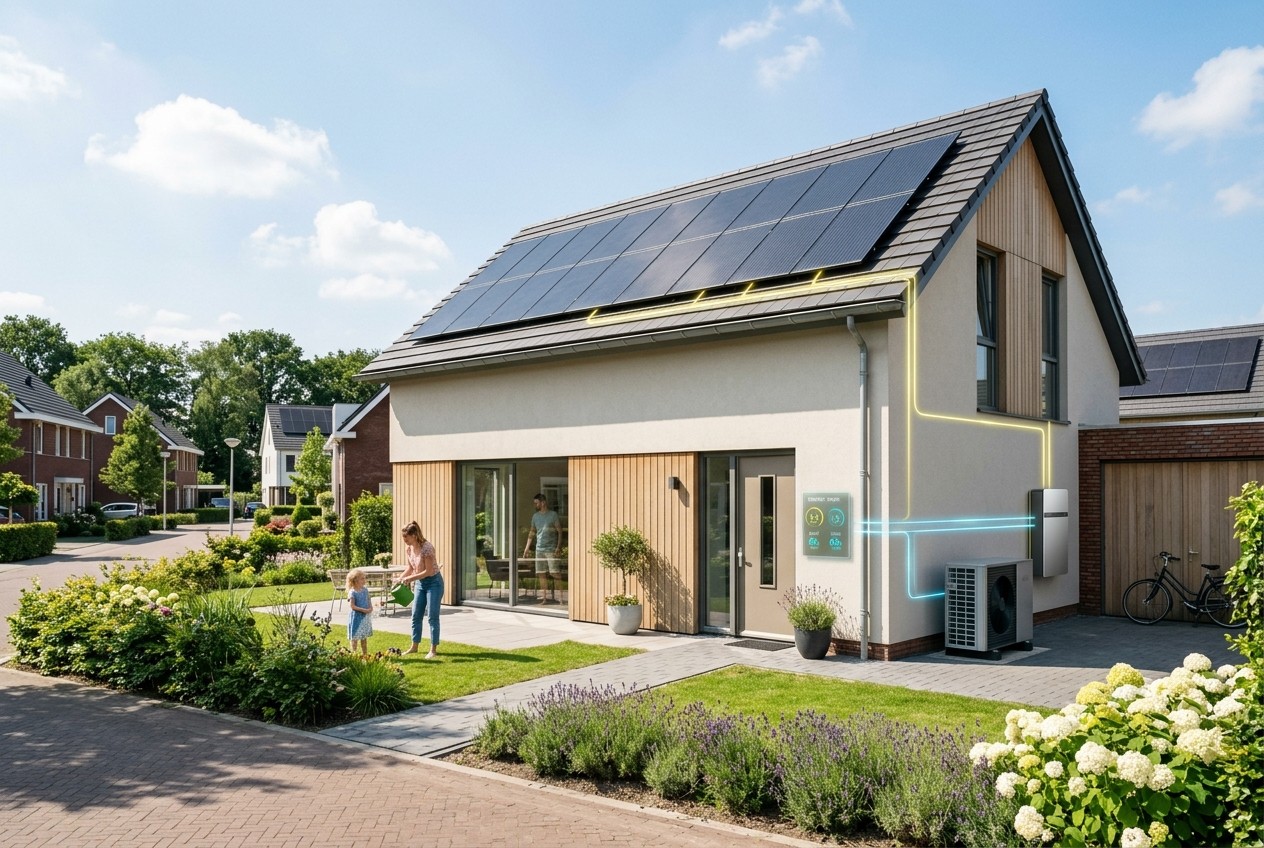
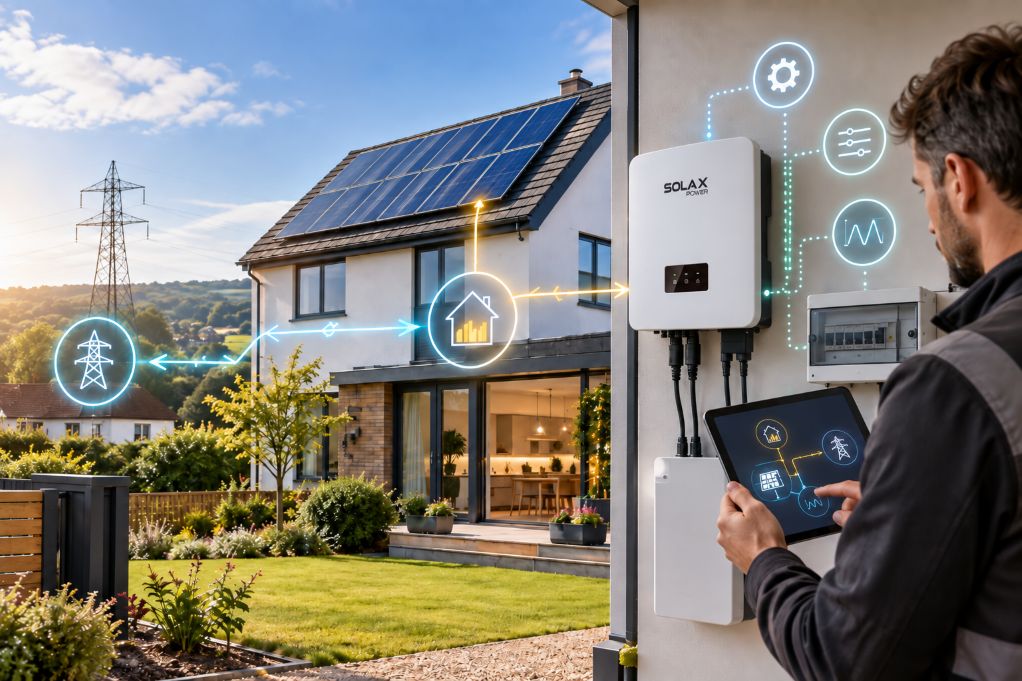
But in the right home, solar panels, battery storage and heat pumps begin to make sense together. The roof produces electricity. The battery shifts some of it into more useful hours. The heat pump turns that electricity into warmth, cooling and hot water.
That is less dramatic than many marketing claims. It is also more useful.
Where SolaX Fits In
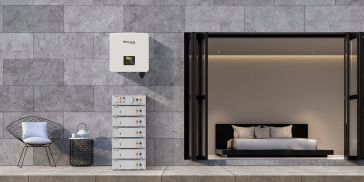
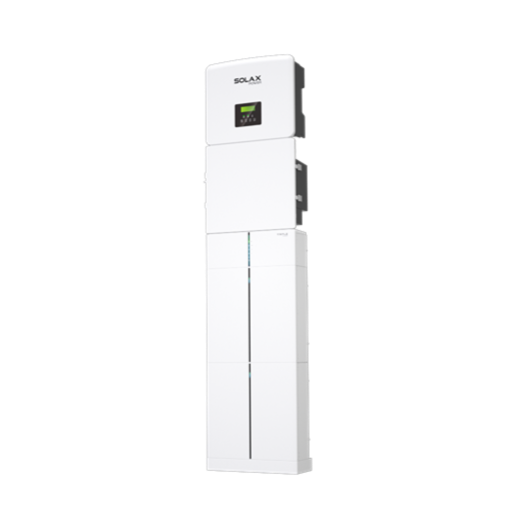
This is where SolaX’s integrated heating solution becomes relevant — not as a miracle cure, but as a practical example of where the home energy market appears to be heading: away from single devices and towards connected systems.
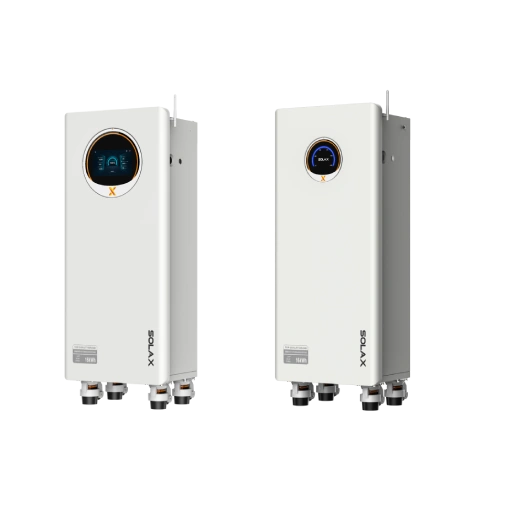
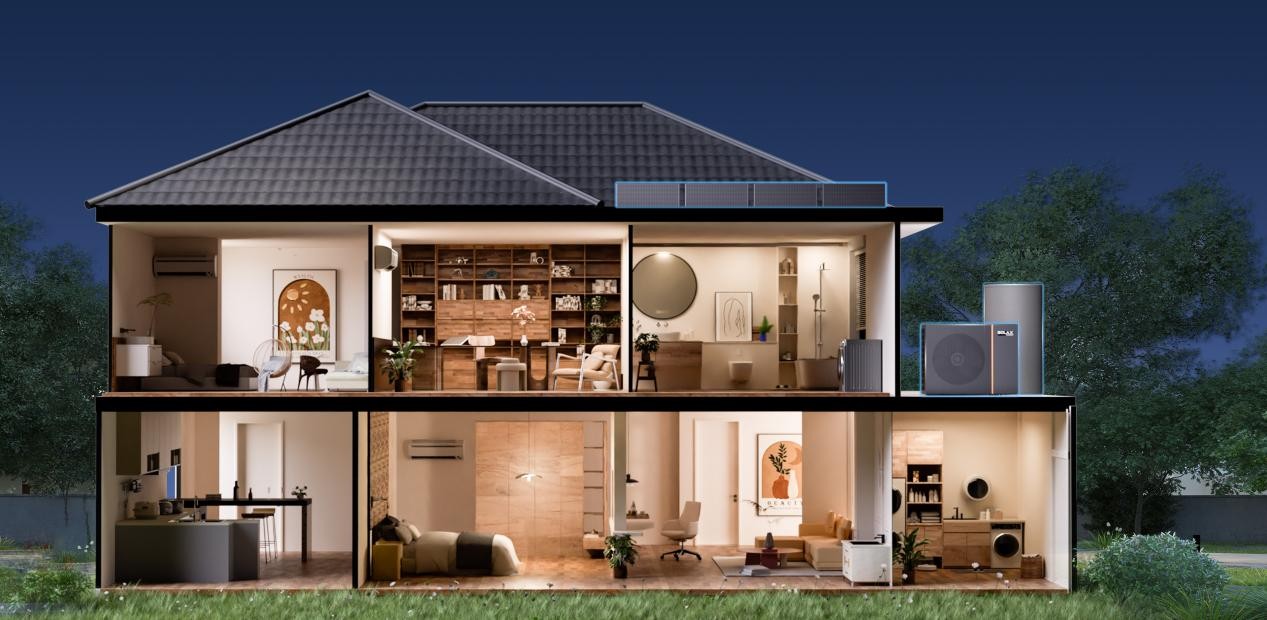
SolaX positions its Integrated Heating Solution as an all-in-one ecosystem combining PV, battery storage, heat pump technology and smart energy management. The idea is straightforward enough. The roof generates electricity. The battery shifts part of it into more useful hours. The heat pump turns that electricity into heating, cooling and domestic hot water. The control layer tries to make those parts work together without asking residents to manage every detail themselves.
That matters in Europe because homes are rarely standard. A Dutch new-build, an Italian villa, a German family house and a British semi-detached home do not ask the same thing from a heat pump. Some have underfloor heating. Some have radiators. Some are well insulated. Many are somewhere in between.
SolaX’s use of an R290 air-to-water heat pump, zoned temperature control and X-Hub energy management all point in the same direction: using self-generated electricity where it is most valuable. The result will still depend on good design and proper installation. No technology escapes that. But the principle is sensible.
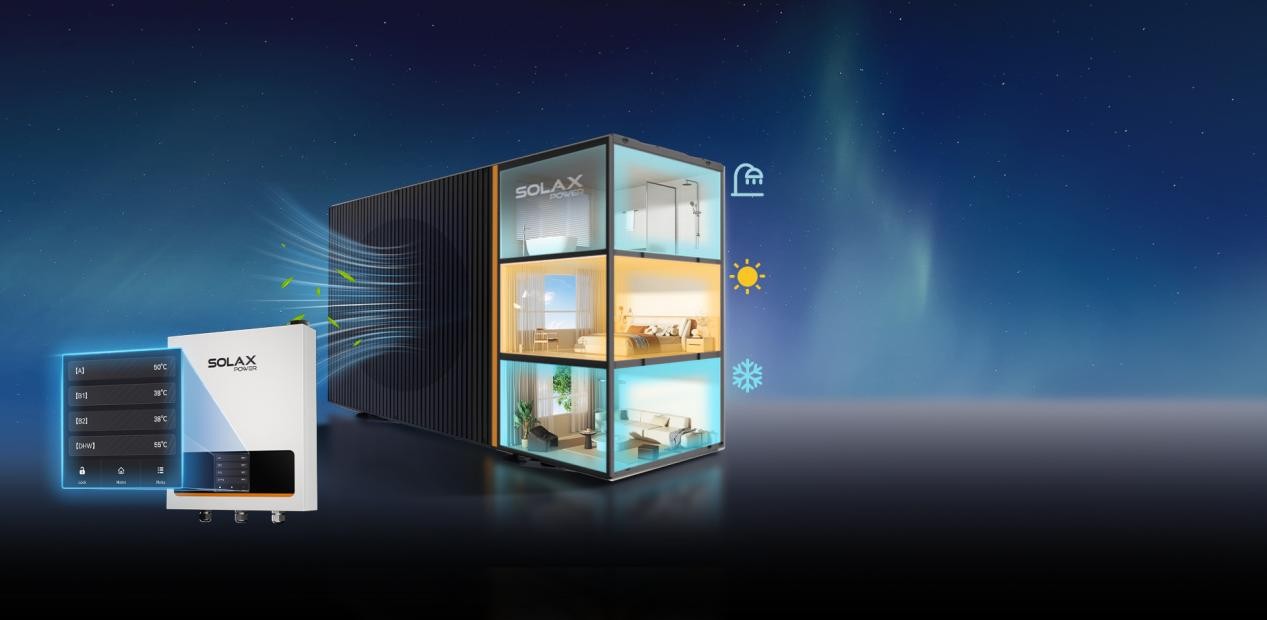
Europe should not simply copy a high-consumption cooling model from elsewhere. The better route is a mix of shading, insulation, ventilation, solar, storage, efficient heat pumps and controls that reduce peak stress rather than add to it.
SolaX fits into that adaptation story. It cannot fix poor building fabric or replace grid investment. But it can help households use more of their own solar power, manage comfort loads more intelligently and reduce unnecessary dependence on peak-time electricity.
Comfort Without Waste
Europe will not solve this in one summer.
Its homes are too varied, its grids too uneven, and its residents too practical to move in a straight line. Some households will start with better shading. Some will add solar. Some will wait until an old boiler fails before considering a heat pump. Others will buy a portable air-conditioner first, because that is what the next hot night requires.
That is not failure. That is how real change usually begins.
What seems increasingly clear is that European homes will need to become more active energy spaces. Not complicated ones, ideally. Not homes where residents have to think like grid engineers. But homes that can produce some power, store some of it, and use it more intelligently for the things people actually feel: a cooler bedroom, reliable hot water, a warmer morning, a lower evening peak.
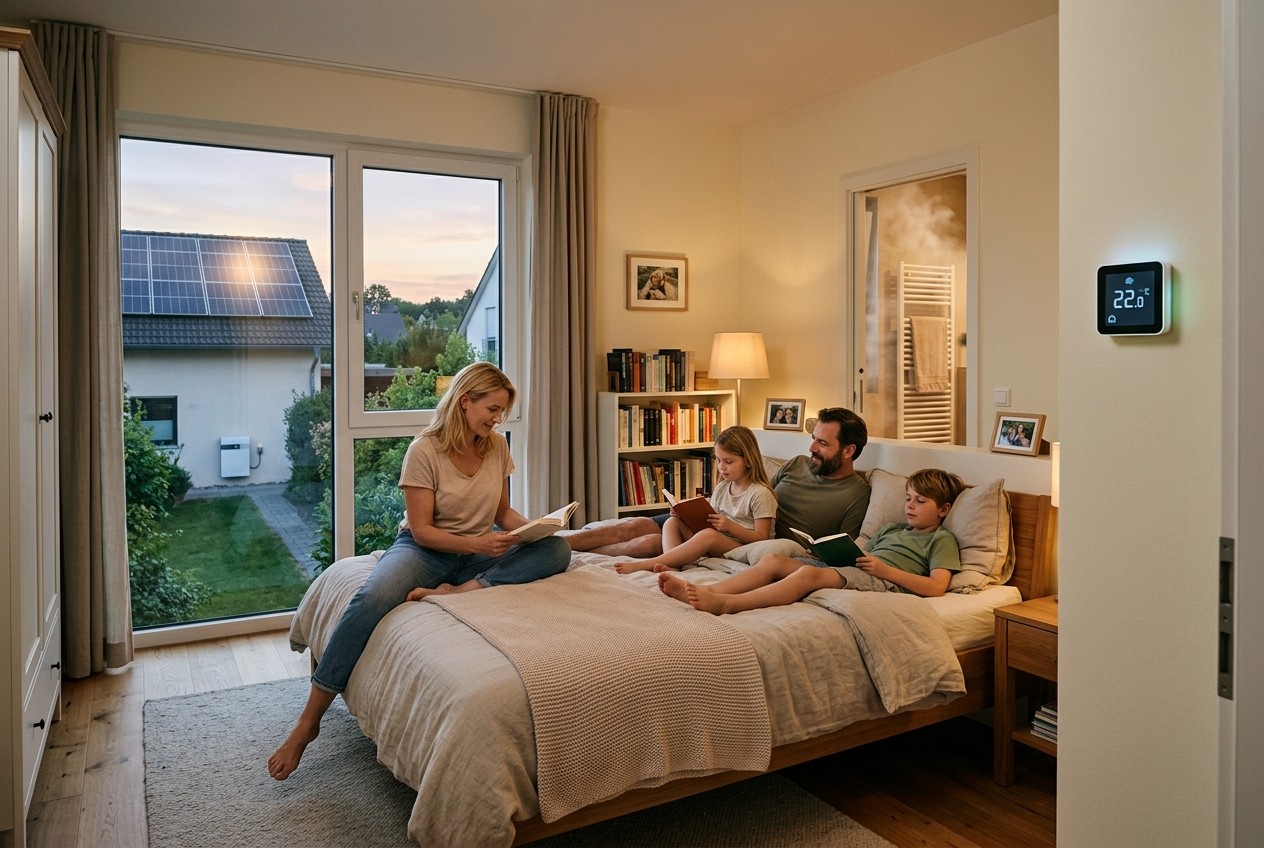
This is where SolaX can play a useful role. Its integrated approach does not pretend that one product can solve Europe’s heat, housing and grid challenges. But by bringing PV, battery storage, heat pump technology and smart control into one connected system, it helps make the next step easier for households that are ready to move.
A boiler reaches the end of its life.
A summer becomes too hot to ignore.
A solar owner starts wondering why so much midday power is still being wasted.
A family wants comfort, but not a system that feels too expensive, too noisy or too complicated.
This is the kind of ordinary decision-making that will shape Europe’s residential energy transition. Not always quickly. Not always neatly.
SolaX is not the whole answer to that European story. No single company is. But its integrated home energy solution belongs to a more sensible direction: homes that use cleaner energy with less waste, less noise and less strain on the grid.
It sounds modest. But for many European households, modest may be exactly what is needed next.
Table of Contents
Latest News
Explore expert insights, practical guides, and the latest news on SolaX Power.



To the Latest Newsletter
Stay Ahead with the Latest SolaX Updates!
Subscribe
I have read and agree to Privacy Policy and User Terms