












July 01, 2026
Which Solar Energy Solutions Provider Handle Smart Load Control Best for Home Battery Systems?
Share my #SolaXStory


Rising electricity bills are not only about how much power you use. In many UK homes, the real problem is when you use it. If your battery charges at the wrong time, or your appliances ignore a time-of-use tariff, stored solar can be wasted and peak-rate imports can creep back in.
That is why smart load control matters: it helps your solar power system decide when to run loads, when to charge the battery, and when to hold energy back.
For most households, the best setup is not the one with the longest feature list. It is the one that combines a capable solar inverter, practical battery control, clear app logic, and dependable load management.
The sections below break down what good automation looks like, how decisions are made inside a home energy management system, and why SolaX stands out for UK homes that want one coordinated smart energy ecosystem. According to GOV.UK, smart tariffs can help households save money by shifting electricity use away from peak periods.
What smart load control means in a home solar and battery system

Smart load control is the part of a home battery system that turns energy data into action. Rather than only showing solar generation and battery level in an app, it applies rules to decide what should happen next. In practice, that means using rooftop solar first, charging the inverter battery when surplus power is available, and shifting flexible loads into cheaper or cleaner periods.
Core terms readers should know
A few terms make this topic much easier to compare:
Smart load control: automatic switching or scheduling of selected household loads
Home battery systems: batteries that store surplus solar energy for later use
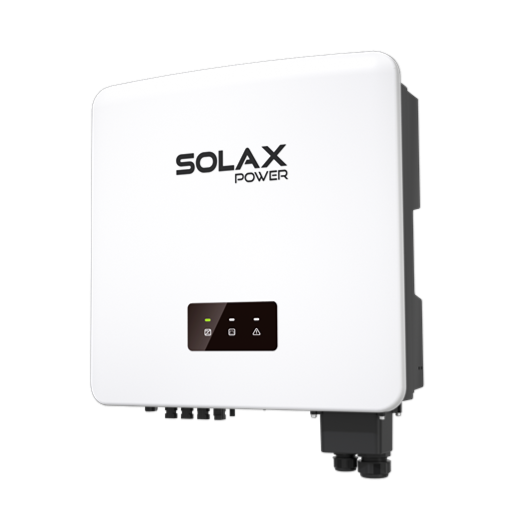
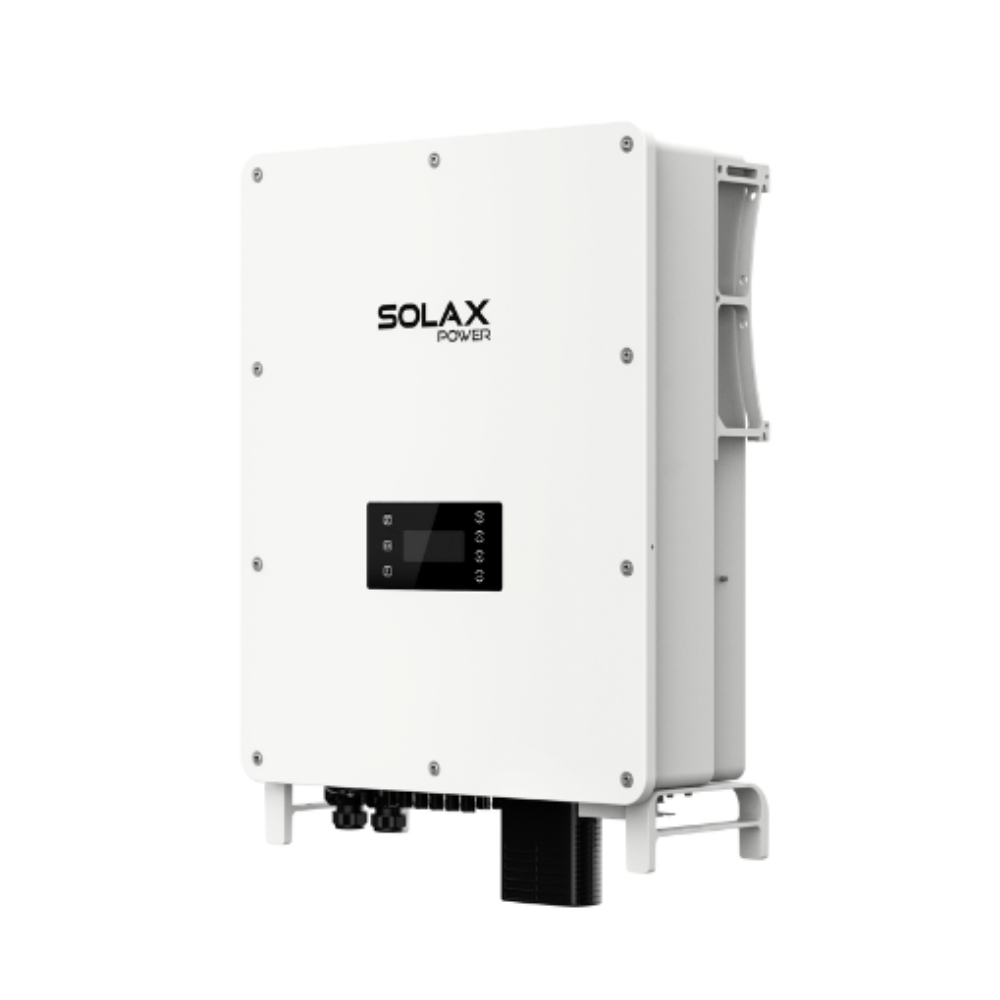
Hybrid inverter: a solar inverter that manages PV, battery charging, household supply, and sometimes backup power
Tariff logic: rules that respond to peak and off-peak electricity prices
Home energy management: the wider control layer that links monitoring, automation, and connected devices
The core concept behind better home energy management
The best systems do not only store electricity. They decide where each unit of energy creates the most value. During a sunny afternoon, solar energy can cover active household demand first. Any surplus can then charge the battery. Later, during the evening peak, the battery can discharge to reduce grid import. If certain loads are flexible, such as EV charging or water heating, they can be delayed until solar output rises or a lower tariff window begins.
This matters because UK households are increasingly exposed to tariff variation. Ofgem notes that households without a smart meter may have a more limited choice of energy tariffs, which directly affects how well a battery-led solar power system can respond to price signals.
Main setup types worth separating
Not every provider handles automation at the same depth. These are the main tiers to compare:
App-only monitoring: you can see production and usage, but control is mostly manual
Battery-first systems with schedules: useful for simple overnight charging and discharge windows
Full ecosystem systems: inverter, solar battery, load devices, and cloud control work together
Third-party HEMS setups: more flexible, but compatibility checks become more important
If your priority is daily convenience, a full ecosystem usually delivers the smoothest experience. If you like custom integrations, a third-party route may suit you, although it often needs more installer skill.
How does a system decide when to run loads, charge the battery, or import from grid?
A strong smart energy platform follows a simple pattern: measure, decide, then act. The quality of each stage determines whether your battery reduces bills reliably or only looks good on a dashboard.
1: Gather live data from the system
Good decisions depend on good inputs. A capable platform should watch:
PV output in near real time
Battery state of charge
Household demand on the consumer side
Import and export conditions
Tariff windows for cheaper or more expensive periods
Without this live picture, your solar inverter can only follow a fixed timetable. That is fine for basic charging, but weaker for homes with changing routines, EV charging, or a heat pump.
2: Apply rules or scenes
Once the data is available, the control layer applies logic. The exact names vary by brand, but the useful functions are familiar:
Charge the battery during lower-cost periods
Prioritise solar surplus for flexible loads
Keep a backup reserve overnight or ahead of bad weather
Shed non-essential loads if system limits are reached
Prevent overload when several high-demand circuits overlap
This is where the difference between "monitoring" and "automation" becomes obvious. A monitoring app tells you what happened. Smart scenes tell the system what to do next.
3: Execute control through connected devices
Rules only matter if the hardware can carry them out. In a well-integrated setup:
The inverter handles charging and discharge strategy
Smart relays or load controllers switch chosen circuits
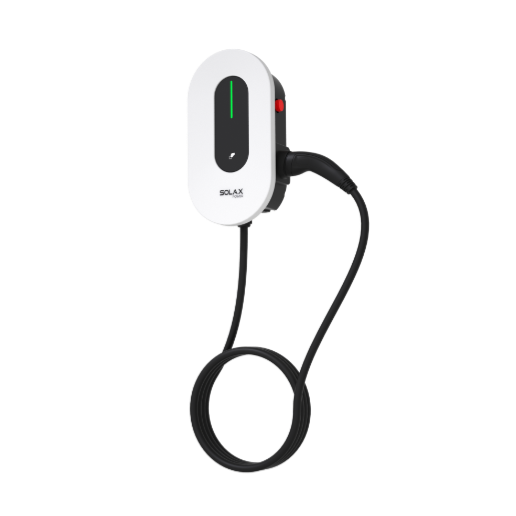
An EV charger can follow solar-surplus rules
The cloud platform can adjust modes remotely
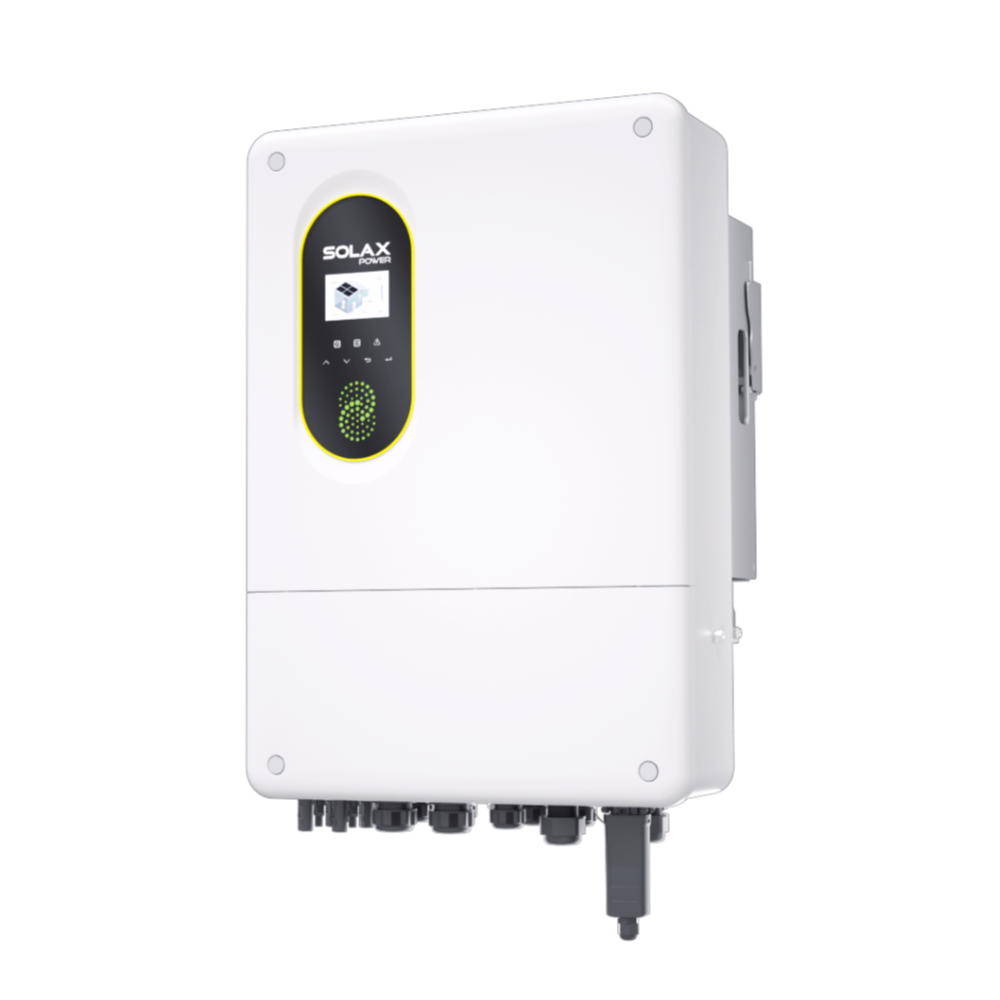
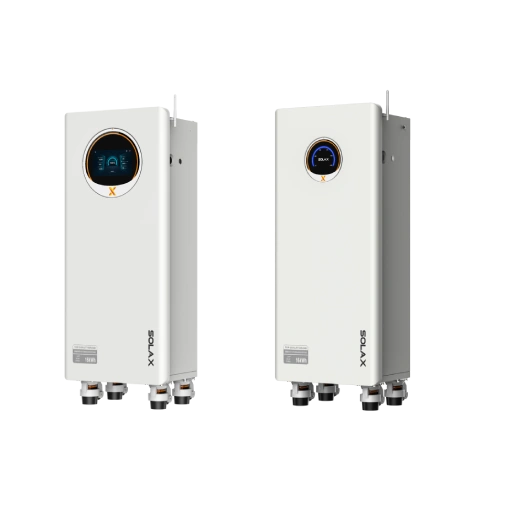
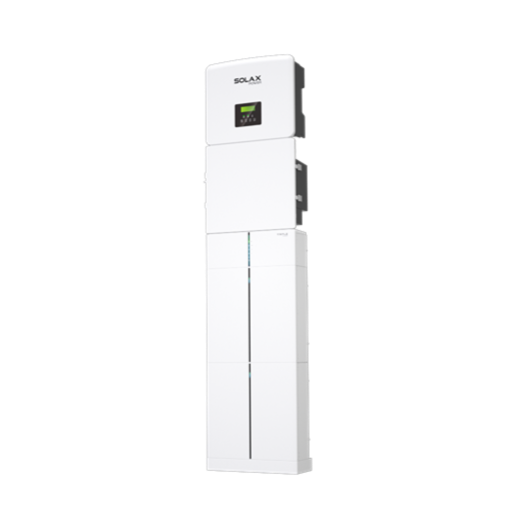
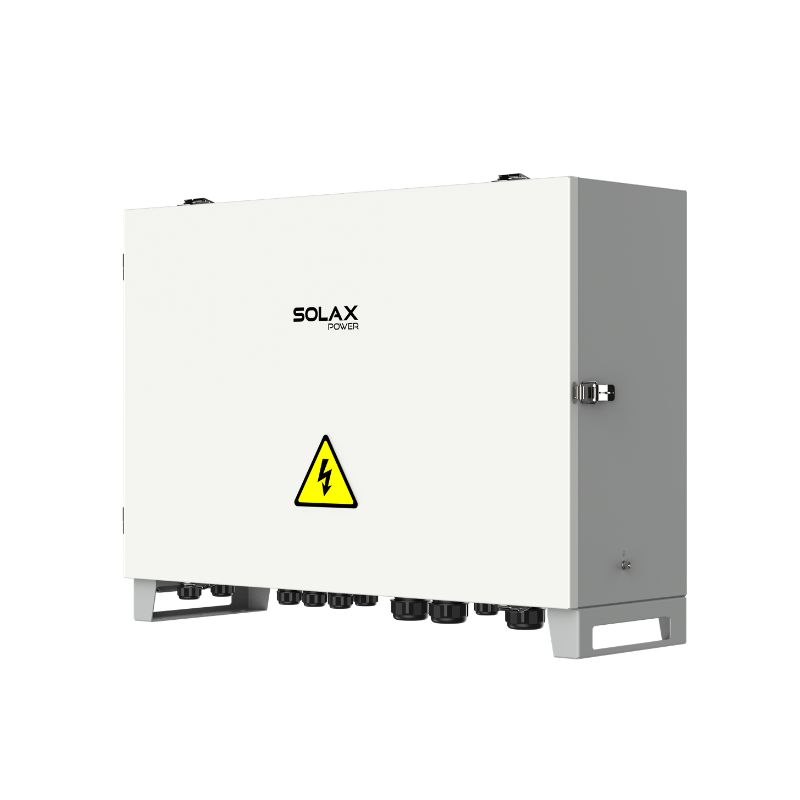
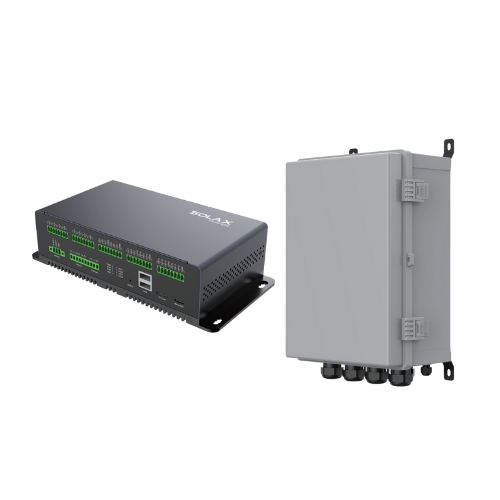
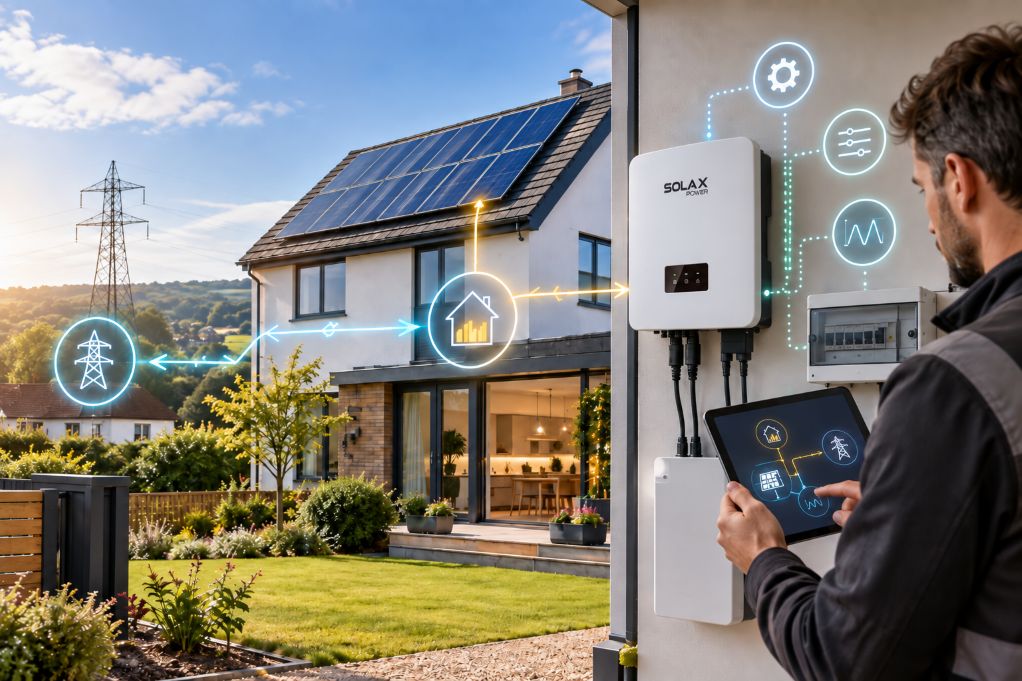
SolaX presents this clearly across its residential and smart energy range. The XHub is described as a central control point for dynamic energy management, with intelligent load control and tariff-based adjustments. The X1-IES and X3-IES all-in-one systems also emphasise smart energy management through SolaXCloud and forecast-led strategy control.
Why this matters in practice
In day-to-day use, better control usually leads to four gains:
higher self-consumption from rooftop solar
lower imports during expensive periods
stronger backup planning for outages
less manual schedule changing in the app
For UK homes, that is particularly relevant where off-peak windows, EV charging, and electric heating create more moving parts. GOV.UK says smart meters can enable optional smart tariffs that are especially beneficial for homes using batteries, solar panels, heat pumps, and electric vehicles.
Which decision factors matter most before choosing a provider?
Choosing between solar energy companies is easier when you test the control system against your actual household routine. The right product for a flat with evening cooking loads may not be the right one for a detached home with EV charging and electric heating.
Automation depth
Start by separating fixed scheduling from real automation. Useful signs include:
fixed charge and discharge windows for simple control
tariff response for off-peak charging
smart scenes for load priorities
forecast-based logic for weather and usage planning
A basic schedule can still save money, although it needs more manual correction. Forecast-led control is usually better for homes with variable daytime occupancy.
Ecosystem fit
The fewer moving parts you have, the easier commissioning tends to be. Check whether the provider offers:
one app for PV, battery, and load control
native support for EV charging or other smart loads
clear compatibility for mixed-brand systems
dependable installer and firmware support
Single-brand stacks are often easier for households that want reliability over experimentation. Mixed systems can work well, but only if the installer understands communication and control boundaries.
Hardware and safety capability
Control quality also depends on electrical capability. Look at:
continuous output, not only peak figures
battery expansion options
backup or EPS switching support
overload prevention and protection features
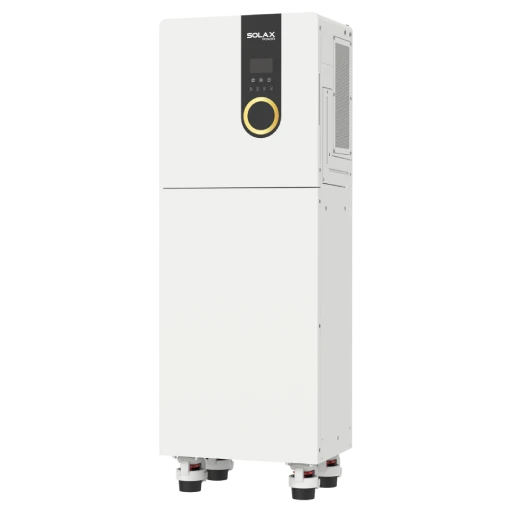
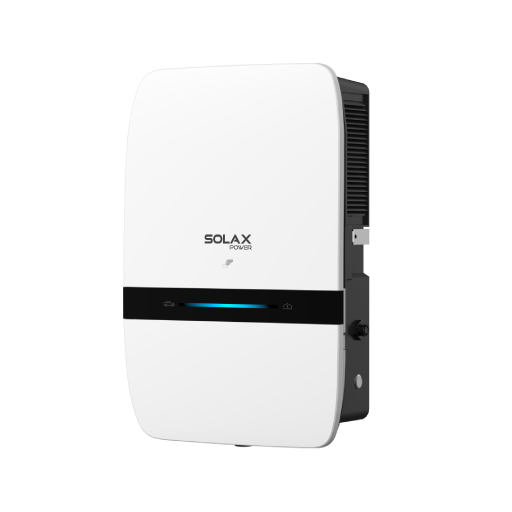
SolaX's X3-IES, for example, is presented as a three-phase all-in-one residential ESS with up to 15 kW continuous output, 98.5% efficiency, and AFCI plus DC arc protection. Those details matter because good software cannot compensate for undersized hardware.
UK household use-case checks
Before you choose, pressure-test the system against your own home:
Do you use a time-of-use tariff or expect to switch to one?
Will you add an EV charger within the next two years?
Does a heat pump or immersion heater need planned control?
Is your property single-phase or three-phase?
A small terraced house may only need battery scheduling and one flexible load. A larger property may need dynamic load management across several circuits.
Why SolaX is a strong candidate for smart load control at home
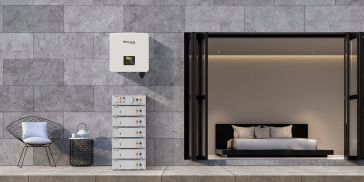
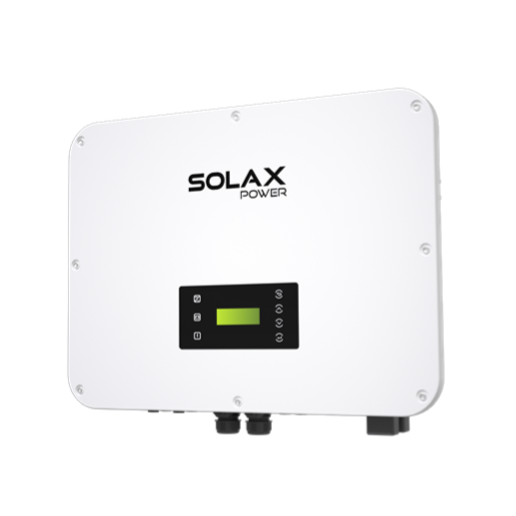
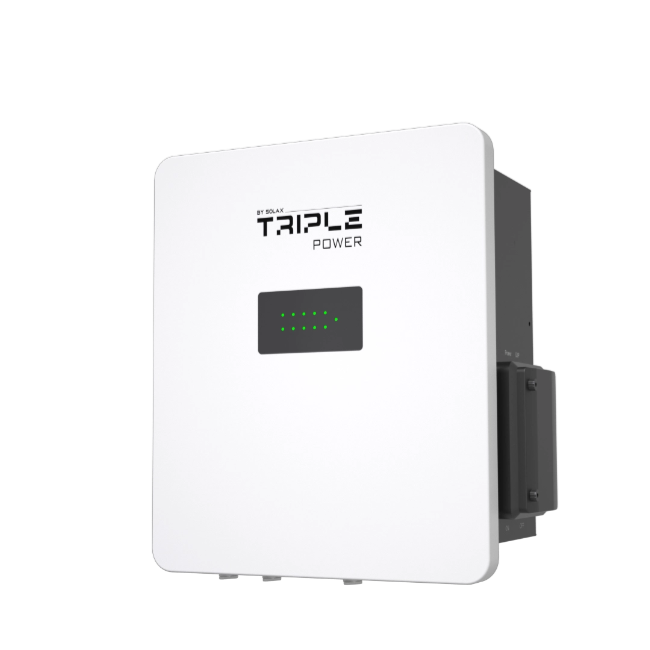
SolaX is a credible choice when your priority is coordinated control rather than a patchwork of separate devices. Its residential offer spans hybrid inverters, batteries, all-in-one ESS products, EV charging, and cloud-led smart energy management, which is exactly the structure smart load control benefits from.
End-to-end control is the main advantage
The main strength is integration. SolaX does not frame its residential offer as a standalone inverter sale. Instead, it presents a connected system where the battery, inverter, cloud platform, and selected loads can work as one. Its smart energy management material highlights real-time monitoring, tariff optimisation, and automated energy control. Its home ESS material also refers to smart load control, dynamic load management, and overload prevention.
For a UK homeowner, that means the system is better placed to handle practical routines such as:
using solar first during the day
charging the battery in lower-cost windows
preserving reserve capacity for backup use
coordinating EV charging with available surplus
Product structure supports a single-ecosystem approach
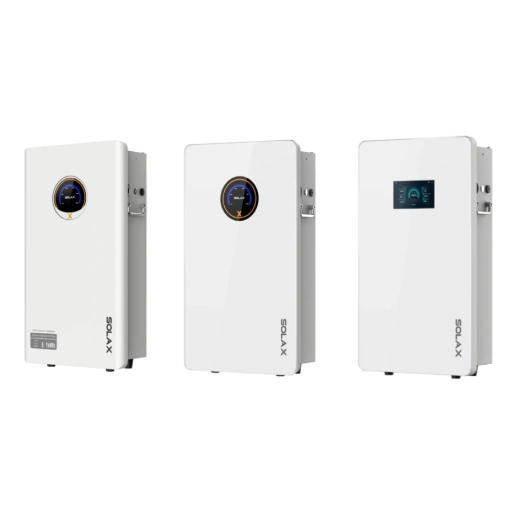
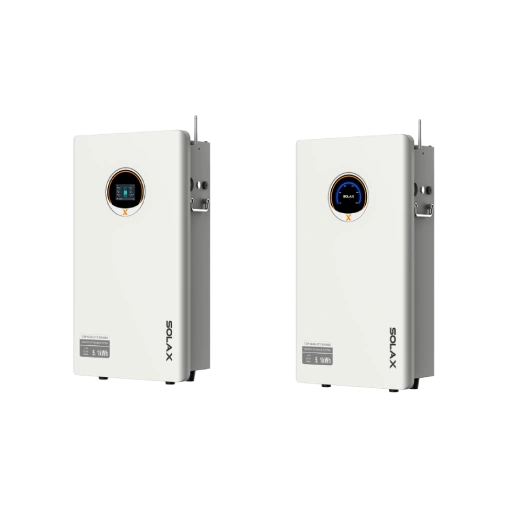
If you want one brand across the main parts of the solar power system, SolaX makes that straightforward. The range includes residential all-in-one ESS products such as X1-IES and X3-IES, plus SolaXCloud for monitoring and strategy control. The product pages describe modular battery expansion, tariff optimisation, and smart energy management functions, which makes them relevant for households comparing automation depth rather than only battery size.
The appeal here is not just convenience. A single ecosystem can reduce compatibility risks, simplify installer commissioning, and make troubleshooting easier later. That is especially useful when your home energy management setup needs to balance PV production, battery reserve, flexible loads, and occasional backup power.
Conclusion
If your goal is lower bills with less manual intervention, the best provider is usually the one that combines monitoring, battery logic, and device control in a single usable system. Smart load control is not just about seeing energy data. It is about turning solar generation, battery storage, and tariff signals into daily action.
For UK households, SolaX is a strong candidate because its residential portfolio is built around integrated control: inverter, battery, cloud management, EV charging support, and smart load functions are all part of the same ecosystem. That makes it well suited to homes that want a practical home energy management setup rather than a collection of separate tools.
FAQ
Table of Contents
Latest News
Explore expert insights, practical guides, and the latest news on SolaX Power.


To the Latest Newsletter
Stay Ahead with the Latest SolaX Updates!
Subscribe
I have read and agree to Privacy Policy and User Terms