

















July 27, 2026
A Solar Solution Provider That Lets Your EV Charge on Solar First, Then Switch to Cheap Grid Power
Share my #SolaXStory


EV charging costs often creep up for one simple reason: the system follows whatever power is available first, not the cheapest or most useful source for your home. If your charger ignores surplus solar energy, or your battery empties before the evening peak, your solar power system can work harder while delivering less value. That is especially frustrating when you already have the core hardware in place.
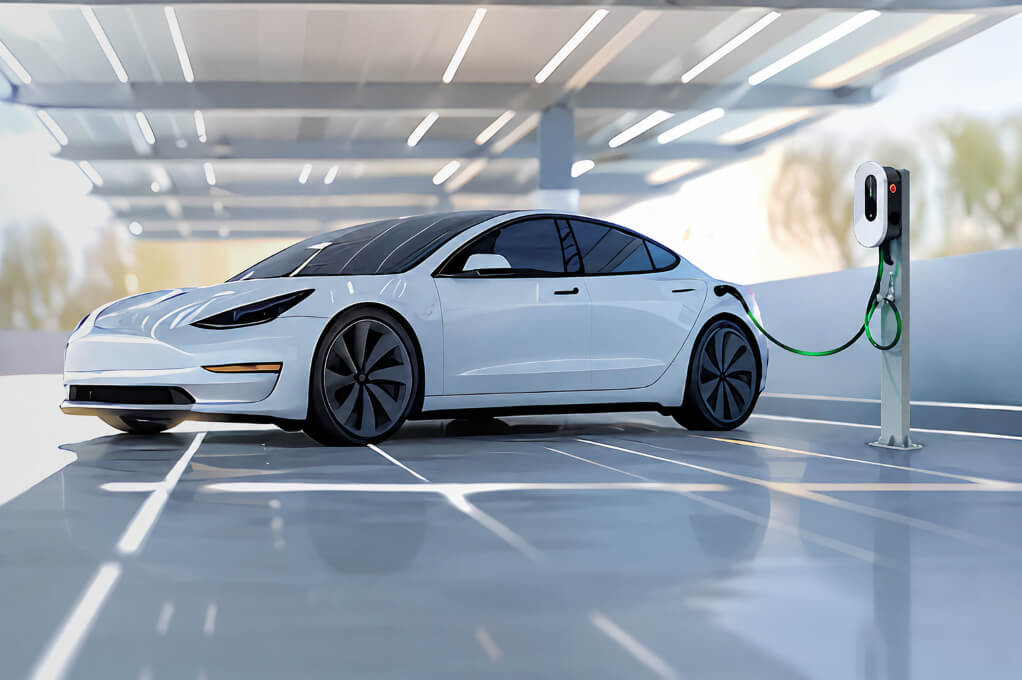
What this setup needs to do well
A good result starts with control logic, not charger size alone. If the priority order is wrong, even strong hardware can produce poor daily outcomes.
Define the core charging priority
Your system should follow a clear energy hierarchy:
Use surplus solar power first for EV charging
Switch to cheaper tariff periods when solar is low
Protect a minimum battery reserve for evening or backup needs
Avoid importing expensive peak-rate electricity by mistake
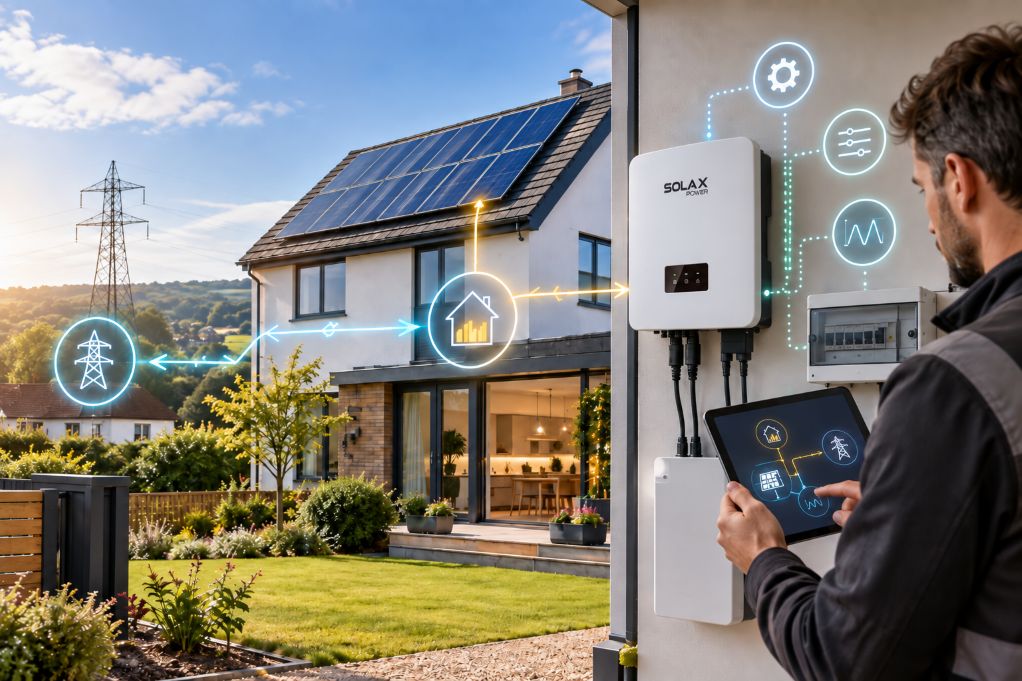
That order matters because the same inverter battery can either reduce bills or simply move energy around without much benefit. SolaX positions its residential solution around integrated solar, storage, and EV charging with priority for green power, which aligns well with this use case.
Understand the system components
Each part has a separate job, and the outcome depends on how well they communicate.
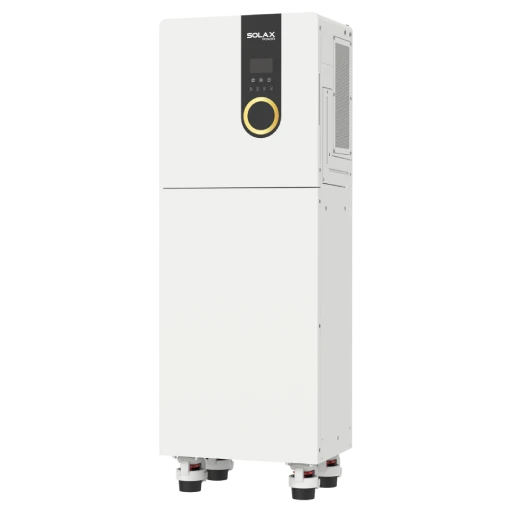
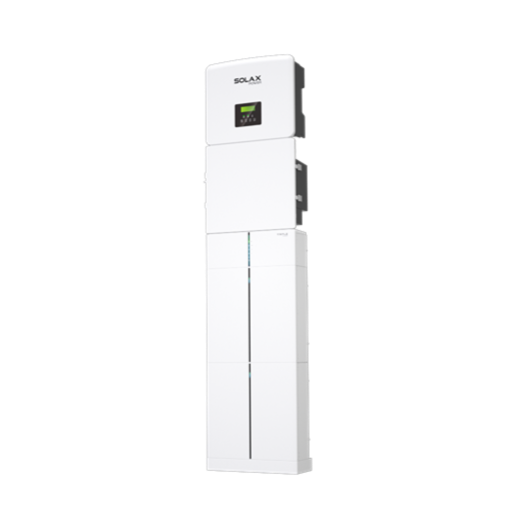
Solar inverter: manages conversion and system energy flow
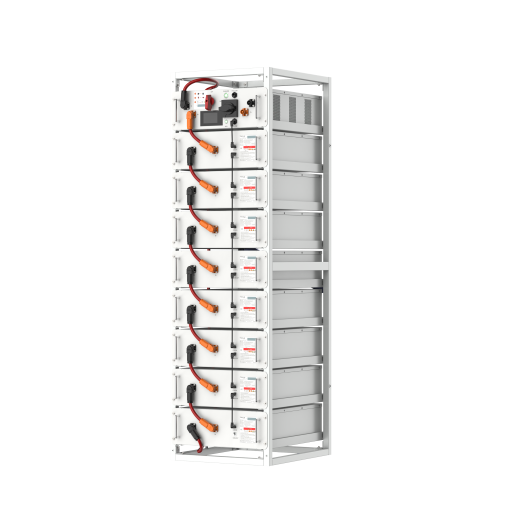
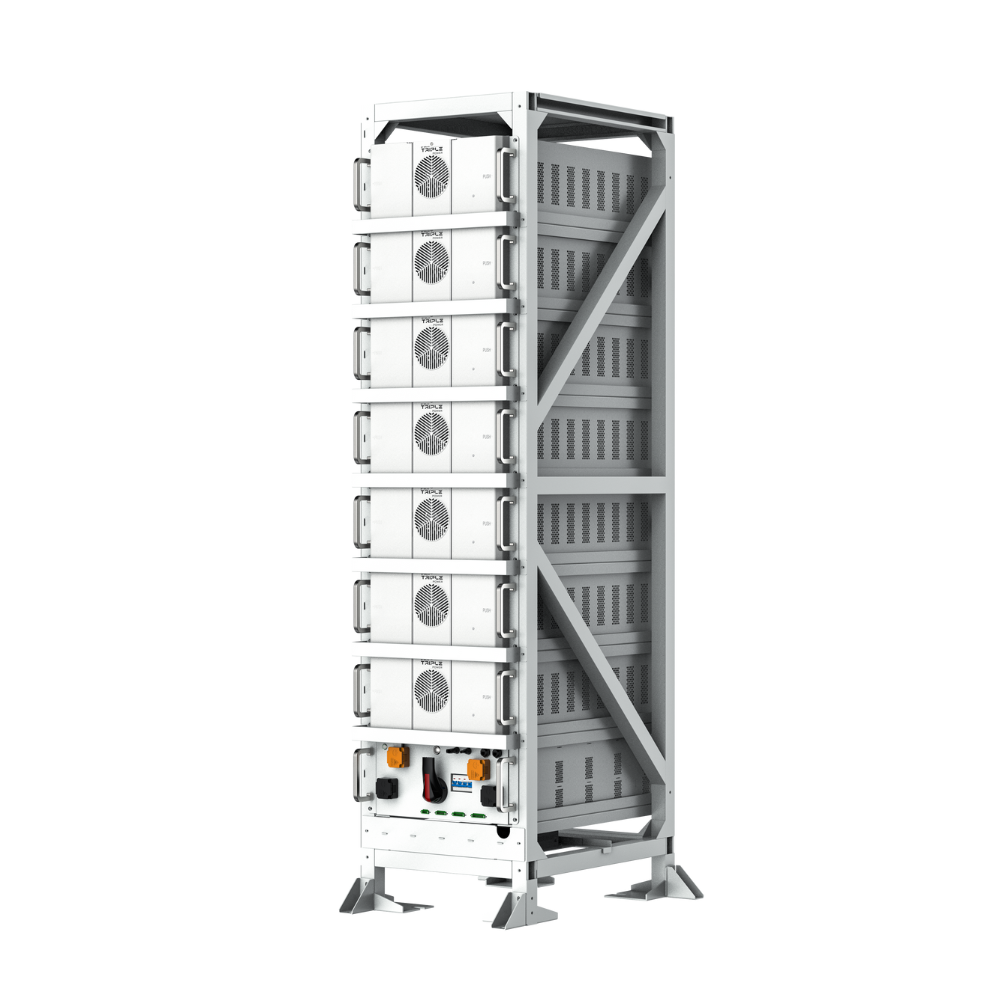
Solar battery: stores daytime surplus for later use
EV charger: follows charging rules and available power
Monitoring platform: handles schedules, tariff windows, and remote adjustments
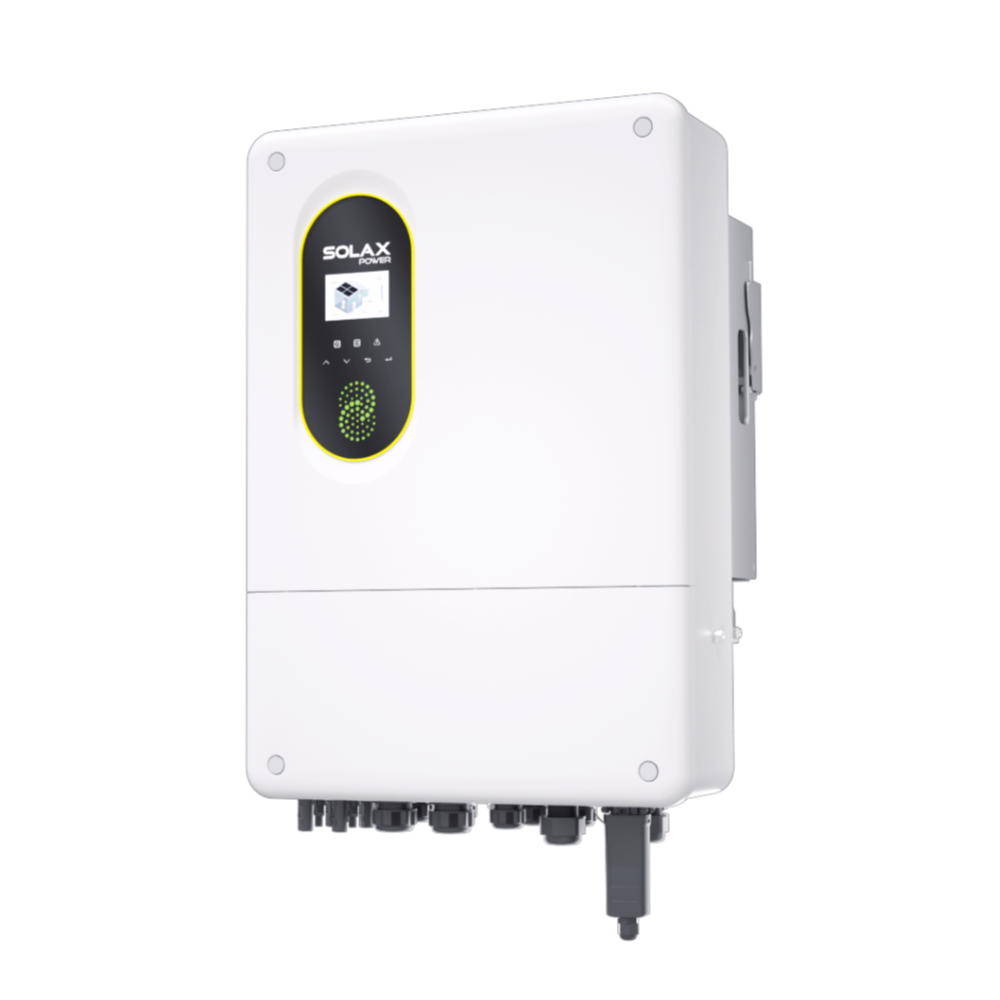
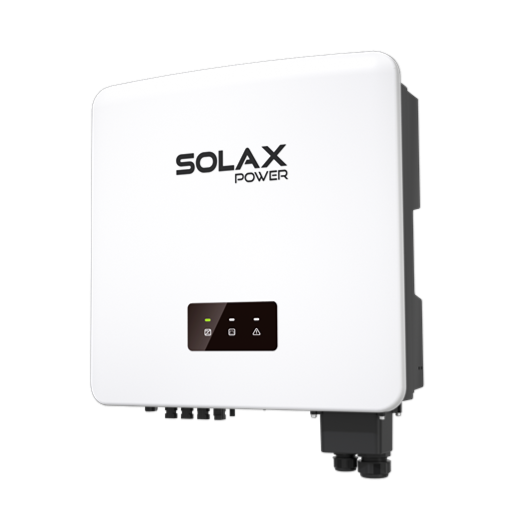
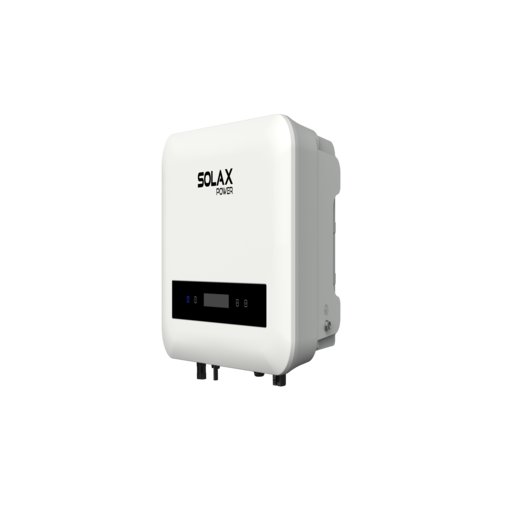
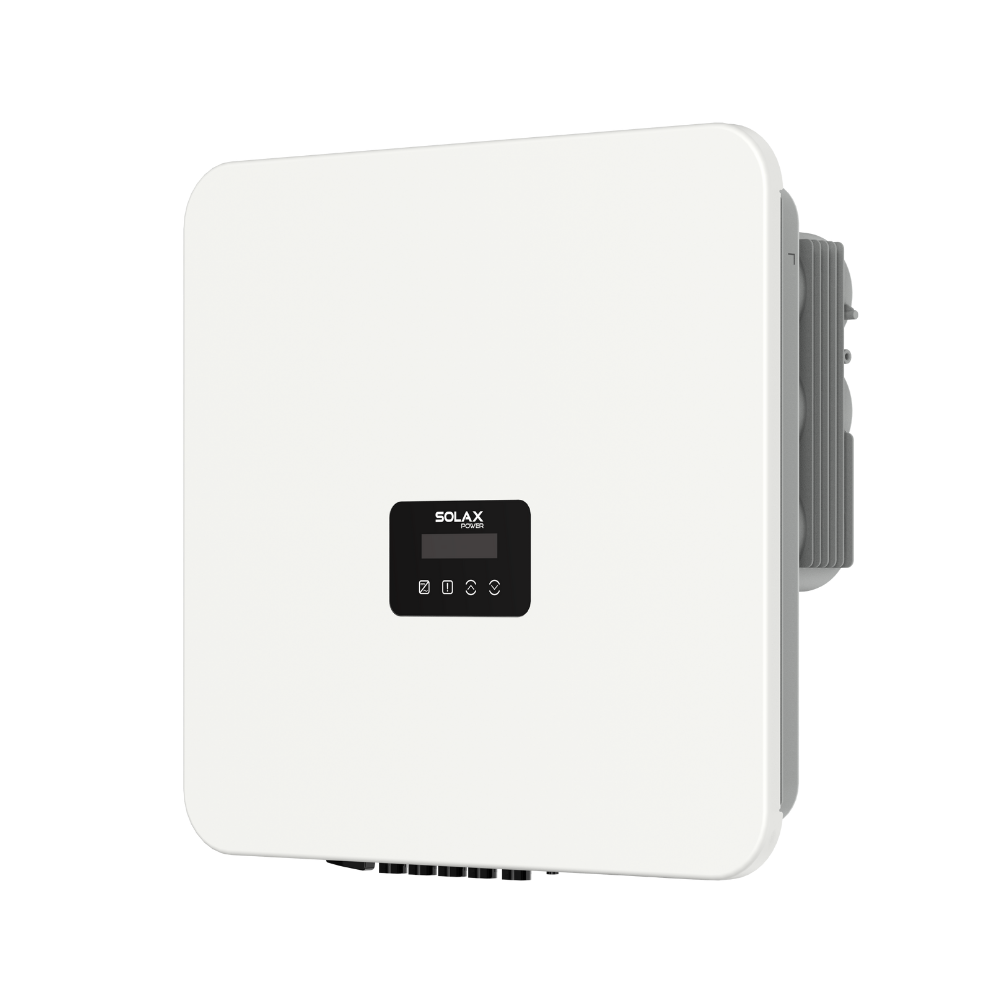
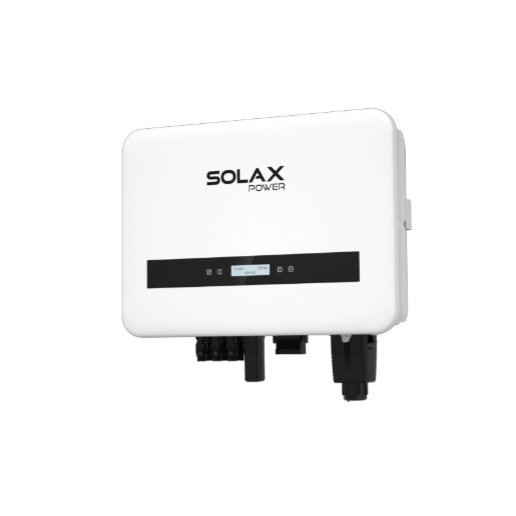
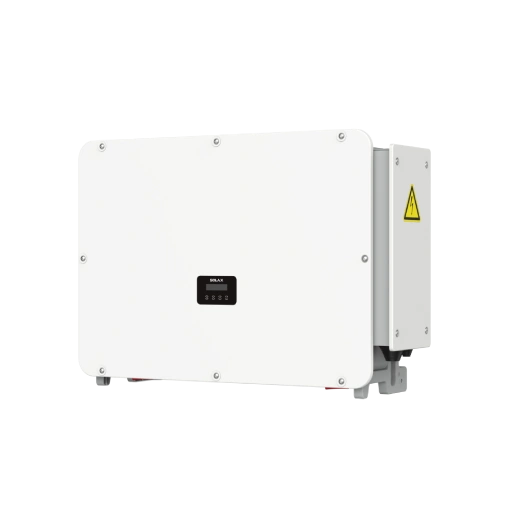
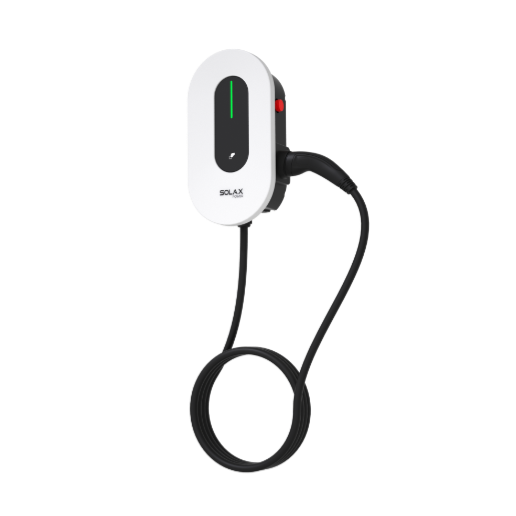
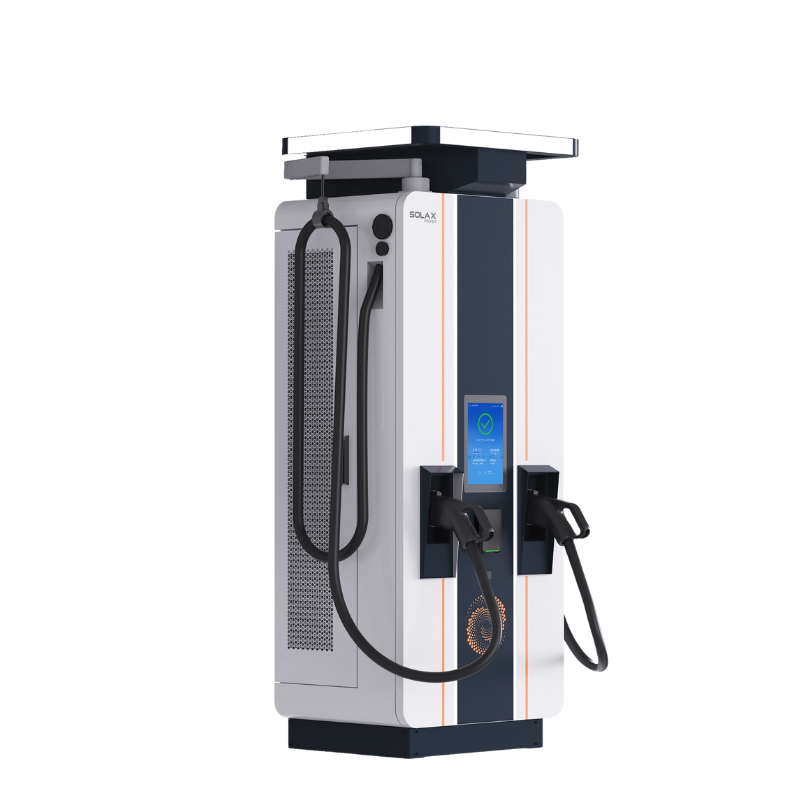
SolaX's product range covers these layers in one ecosystem, including residential storage inverters, batteries, EV chargers, and SolaXCloud for monitoring and control. The SolaX Smart EV Charger G2 supports 4.6 kW, 7.2 kW, 11 kW, and 22 kW options, with remote scheduling and solar compatibility through SolaXCloud.
Map the decision framework
Before you compare products, check whether the system can do these three things reliably:
Prioritise charging source in the right order
Automate around time-of-use tariff windows
Keep control in one interface instead of several apps
In the UK, that matters even more because off-peak charging is already part of the smart charging landscape. GOV.UK states that regulated smart charge points must include pre-set off-peak default charging hours, while Ofgem explains that multi-rate tariffs such as Economy 7 use different unit rates for peak and off-peak periods.
How the application path works in practice
Once the logic is clear, the next step is getting the workflow right. You want the charger, inverter, and battery to behave predictably without constant manual intervention.
Step 1: Match daytime solar with EV demand
When your car is at home during the day, surplus capture becomes the first win. Instead of exporting every extra kilowatt-hour, the charger should absorb solar power that your home is not using.
What to check:
The charger can respond to surplus generation
Household loads take priority before EV charging ramps up
The charger does not force unnecessary grid import
Live monitoring shows where power is going
SolaX's Smart EV Charger G2 is described as solar compatible and able to optimise power usage, while the earlier J1-EVC 6K also supports GREEN, ECO, and FAST modes for different charging priorities. That makes the system more practical for homes where EV parking times vary across the week.
Step 2: Add time-of-use automation
Solar-first logic solves only part of the problem. On darker days or in winter, the cheapest option may be overnight charging during a low-rate tariff window rather than immediate charging in the evening.
SolaXCloud's TOU mode allows users to set different electricity prices and strategies for different periods, including battery charging in lower-price periods and discharge in higher-price periods. It also supports minimum SOC settings, and SolaX documentation says a day can be divided into up to 10 time slots with up to 5 work modes, depending on the supported device.
That gives you a practical control path:
Charge the EV from surplus solar during the day
Charge the battery or EV overnight in cheaper windows if needed
Preserve a defined battery reserve
Avoid ad hoc switching between manual and scheduled modes
Step 3: Keep control in one interface
Many weak installations fail at the software layer, not the electrical one. A patchwork setup can leave the inverter in one app, the charger in another, and tariff logic somewhere else entirely.
SolaXCloud is built around monitoring and intelligent control, including TOU mode, automation scenarios, remote settings, and tariff setup for supported devices. For a homeowner, that means fewer handover errors and simpler routine use. For an installer, it reduces the risk that a customer later changes one setting that breaks the wider charging strategy.
Which decision factors matter before you buy?
This is the point where many buyers focus too much on peak charger power. In reality, automation depth and ecosystem fit usually have a bigger impact on long-term value.
Automation depth
The first question is whether the platform can genuinely automate tariff-aware behaviour.
Look for:
True time-of-use scheduling, not just simple timers
Solar-first charging support
Fallback to cheaper grid charging periods
Minimum battery SOC or reserve settings
If those controls are missing, your smart energy system may still require regular manual correction.
System integration
One integrated platform usually beats a mixed stack for this use case.
Check that:
The solar inverter and charger are designed to work together
Battery logic is visible in the same platform
Monitoring shows solar, battery, load, and EV behaviour together
Firmware and control options are available through one ecosystem
SolaX is especially relevant here because its home energy offer spans storage inverters, batteries, EV chargers, and cloud control rather than treating EV charging as a stand-alone accessory.
Operational value
The right setup should improve everyday results, not just add features to a spec sheet.
A well-configured system can help you:
Increase self-consumption of solar energy
Reduce charging during expensive peak periods
Lower the need for daily manual switching
Balance EV demand with household usage more smoothly
Ofgem's consumer guidance continues to distinguish single-rate electricity from multi-rate tariffs, reinforcing why schedule-based control matters for households trying to shift demand.
Scenario fit: who benefits most?
The same hardware can perform very differently depending on your routine. A better buying decision starts with your charging pattern, not just your roof size.
Homeowners with variable daytime routines
If your car is at home only some weekdays, surplus charging still has value, but the system needs flexible response rather than fixed assumptions.
Best fit signals:
Midday parking happens at least some of the week
You want to capture solar without checking the app constantly
Household loads change through the day
You want one place to adjust charging behaviour
In this scenario, smart control matters more than maximum charging speed.
Night chargers on time-of-use tariffs
Some households rarely have the car at home during the day. For them, the key win is automatic overnight charging during cheaper periods.
What matters most:
Reliable tariff scheduling
Easy switching between weekday and weekend rules
Clear charging windows
Protection against accidental peak charging
SolaXCloud supports different period settings and tariff-based logic for supported devices, which is useful when your EV charging pattern is predictable but your rates are not flat.
Homes adding battery-backed resilience
If your priority includes backup capability or evening self-use, you should not let the EV charger drain the battery too aggressively.
Check for:
Minimum battery reserve settings
Clear load priority rules
Visibility of battery SOC in the app
Coordination between storage and charging schedules
This is where the broader SolaX ecosystem becomes more useful than a charger-only purchase, because the control question is really about the whole home rather than the vehicle alone.
Why SolaX fits this article's use case
SolaX fits this workflow because the brand does not stop at one device category. Its portfolio covers the core pieces needed for residential smart energy control: storage inverters, solar battery options, EV chargers, and cloud-based monitoring.
Relevant product and platform angle
For this specific use case, the most relevant pieces are the Smart EV Charger G2, the wider residential storage platform, and SolaXCloud. The charger supports solar compatibility, remote scheduling, and dynamic load balancing, while SolaXCloud supports TOU logic, tariff settings, automation scenarios, and minimum SOC control on supported systems. SolaX also presents its residential offer as an integrated solar, storage, and EV charger solution that prioritises green power.
Brief brand positioning to reflect
This matters if you want one provider to cover more than EV charging alone.
SolaX's positioning in smart energy includes:
Home, C&I, and utility solution pathways
Monitoring and optimisation through SolaXCloud
A broad hardware portfolio across inverter, battery, and charger categories
Integrated control logic rather than isolated hardware selection
That makes it a sensible candidate when your real goal is coordinated home energy behaviour rather than simply adding another charging point.
Conclusion
If you want lower EV charging costs, the most important choice is not just the charger. It is the control strategy that decides when to use solar energy, when to use the grid, and how much battery reserve to protect.
A practical system should prioritise surplus solar first, switch to cheap-rate grid power when needed, and let you manage the whole workflow through one platform. For that reason, an integrated smart energy ecosystem such as SolaX is often a better fit than a patchwork of separate devices.
FAQ
Table of Contents
Latest News
Explore expert insights, practical guides, and the latest news on SolaX Power.




To the Latest Newsletter
Stay Ahead with the Latest SolaX Updates!
Subscribe
I have read and agree to Privacy Policy and User Terms