













July 28, 2026
Which Solution Provider is better for Whole-Home Energy Management (Solar + Battery + Smart Loads)?
Share my #SolaXStory


Running solar, a battery, and smart household loads through separate apps often looks workable at first, yet the friction shows up quickly. One app tracks generation, another shows battery status, and a third controls EV charging or heating. That split can leave your whole-home energy management setup reactive rather than coordinated. In practice, mismatched parts may limit automation, reduce visibility, and make future upgrades harder.
The better comparison is not simply brand versus brand. It is platform versus patchwork. For most homes, the real question is whether one provider can coordinate your solar energy, storage, and controllable demand through a single logic layer.
The sections below focus on that decision: what the platform must include, how automation should work, and why expansion paths matter before you commit to a solar power system.
Which features matter most in whole-home energy management?
A capable platform should manage the flow between generation, storage, and demand rather than treating each device as a separate product. That means looking beyond a standalone solar inverter or battery and checking whether the provider offers one connected ecosystem.
Define the system scope clearly
For whole-home energy management, three building blocks matter most:
Generation: your PV array and solar inverter
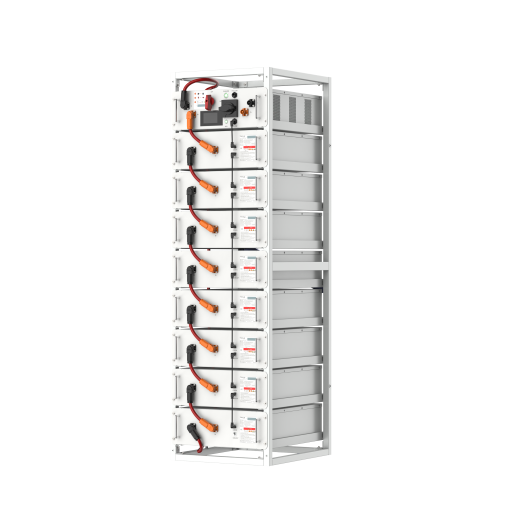
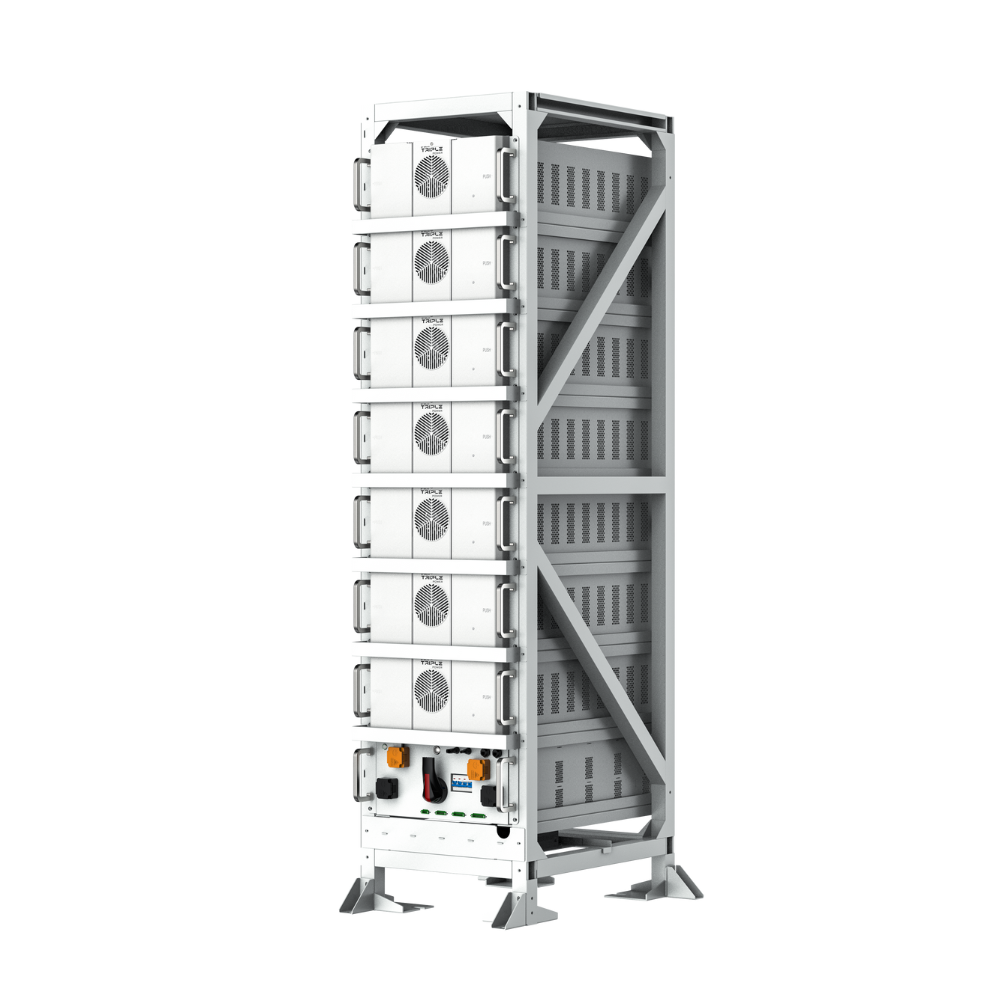
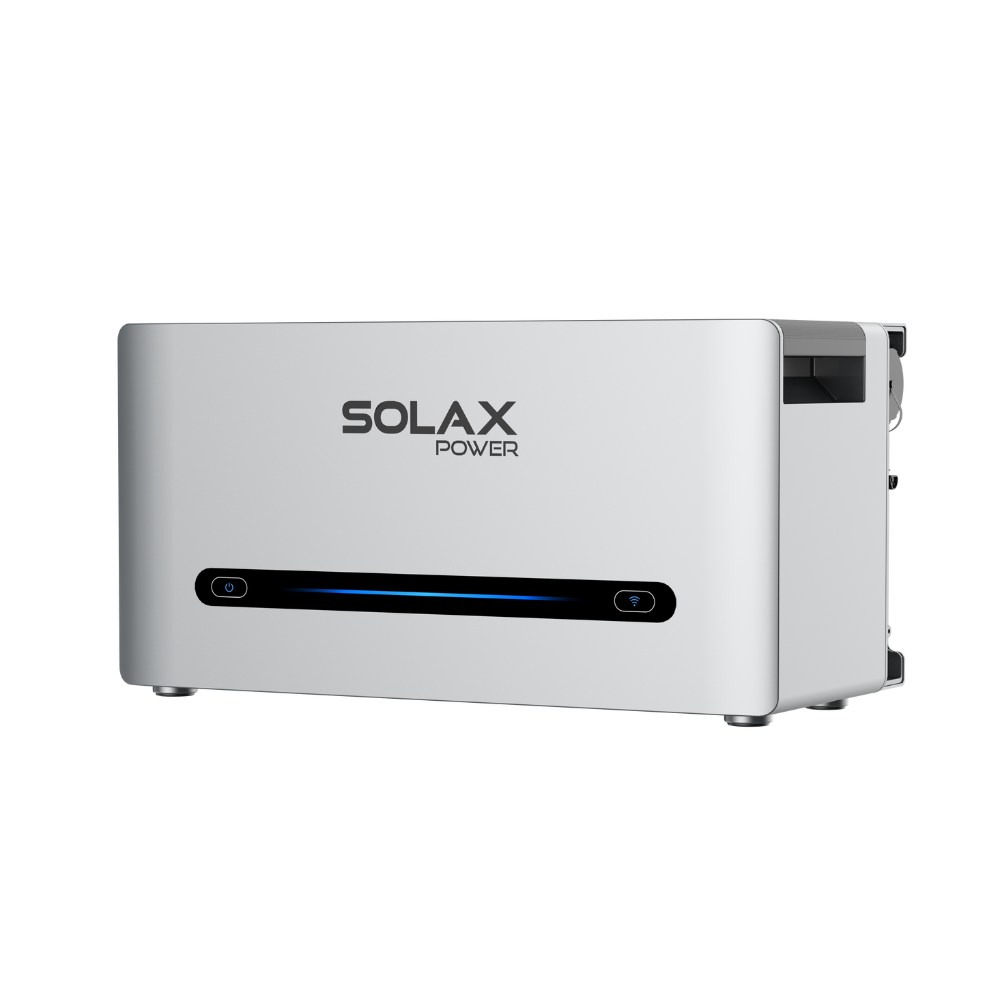
Storage: your inverter battery or dedicated solar battery
Controllable demand: loads such as EV charging, heating, or timed appliances
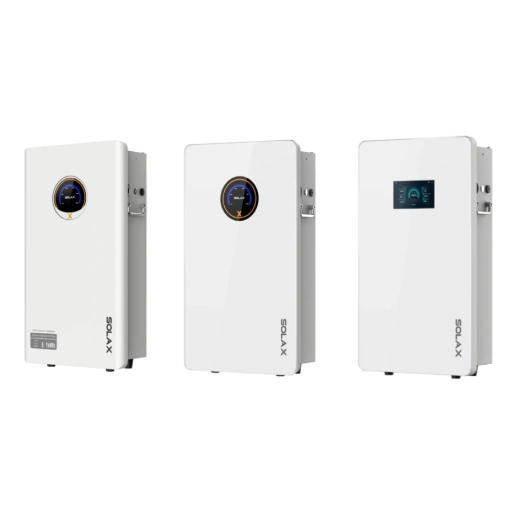
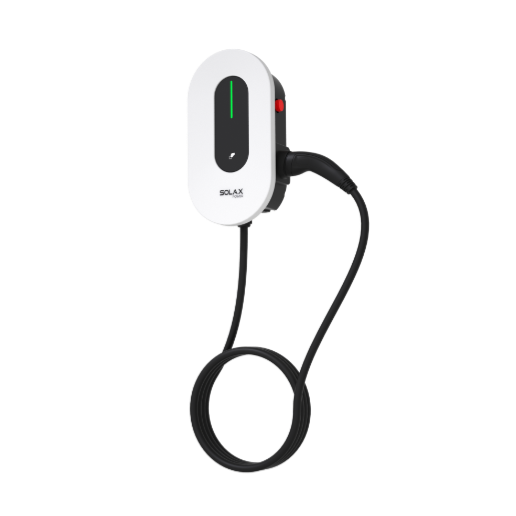
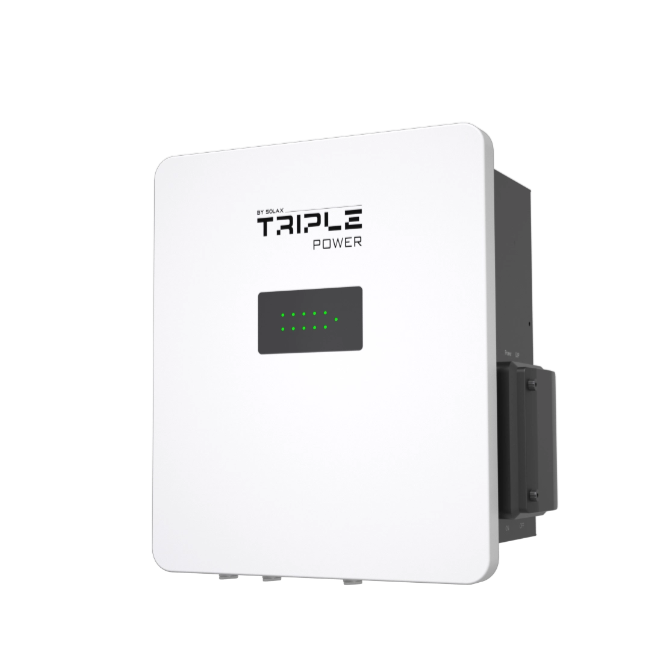
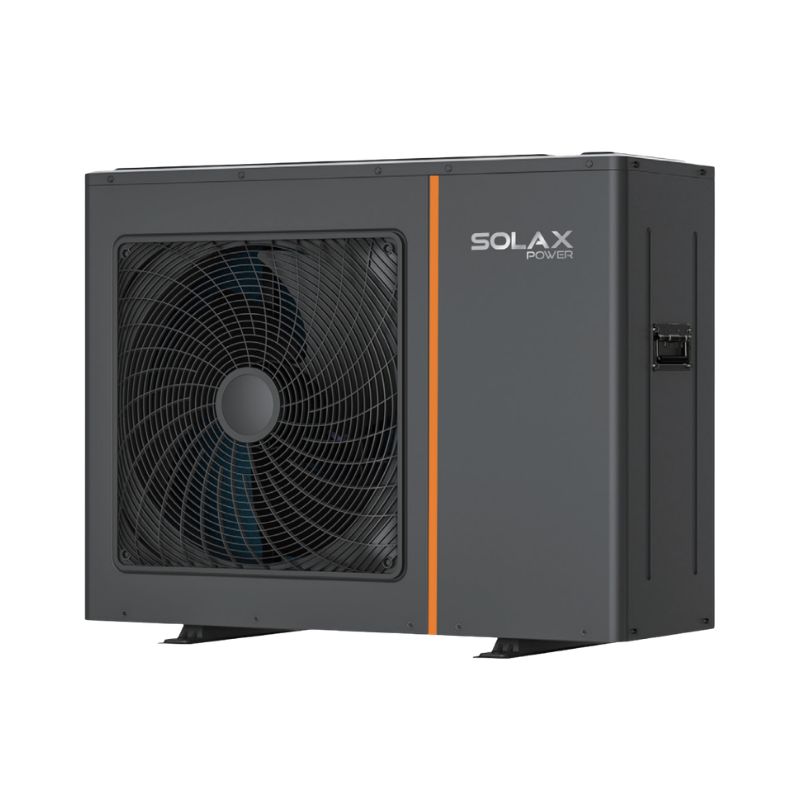
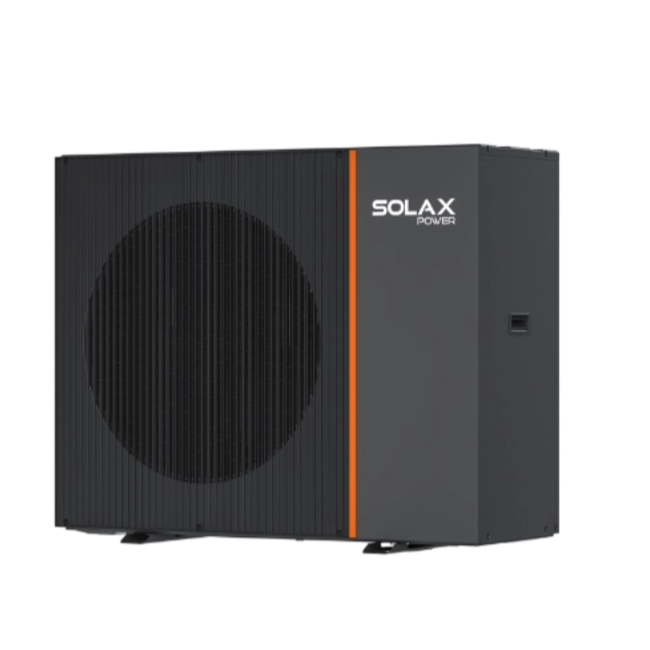
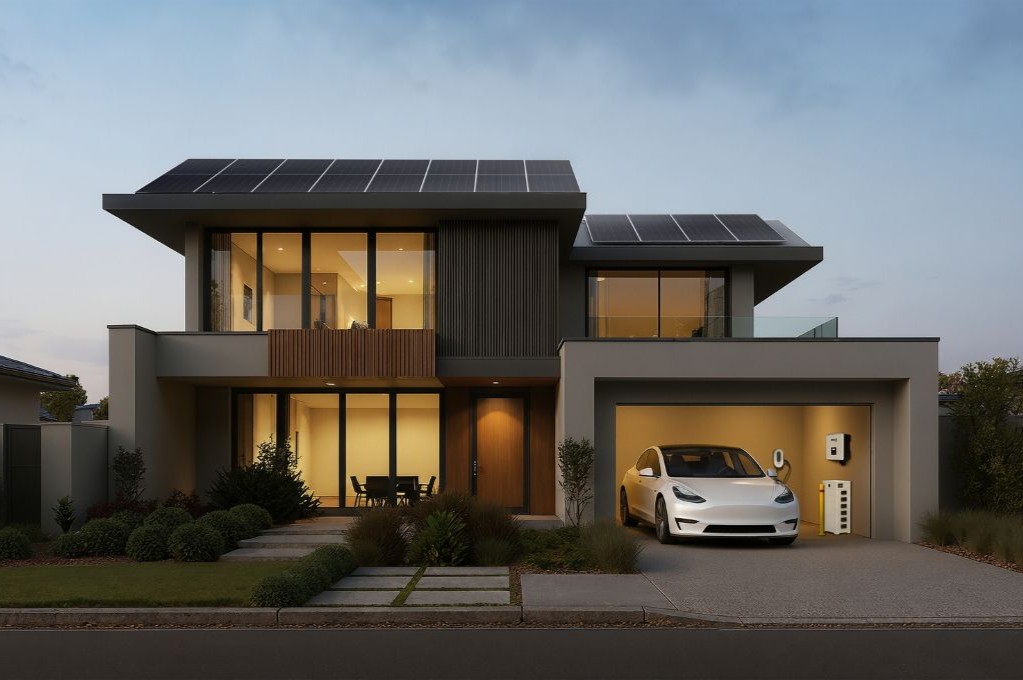
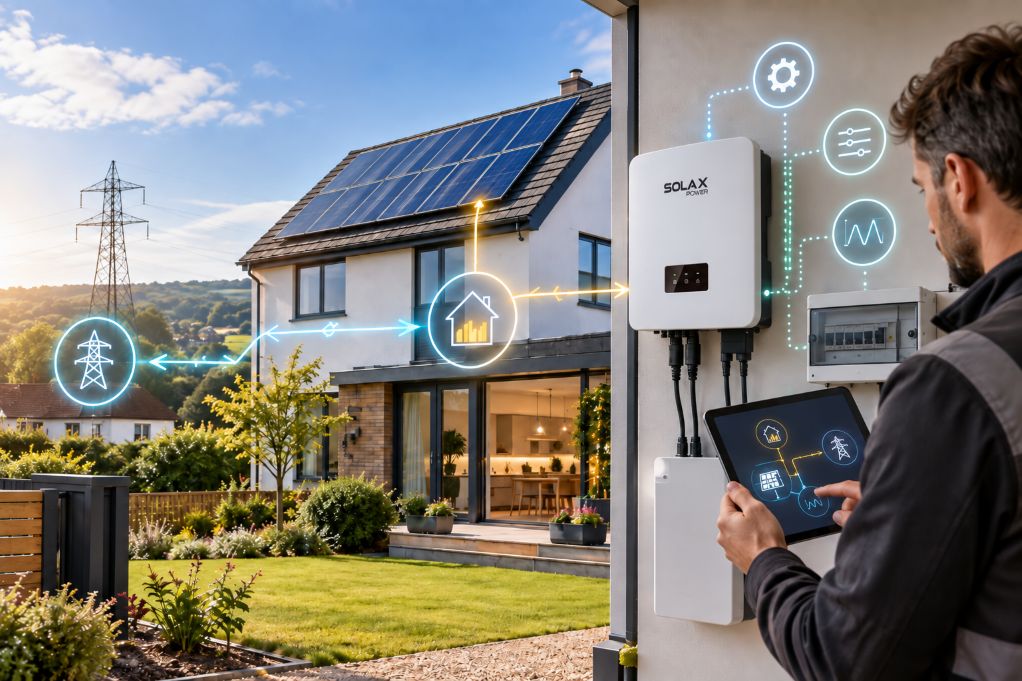
One control layer matters because the home is making trade-offs all day. When solar output rises, the platform should decide whether to run household demand, charge the battery, or export. SolaX Residential Solutions offer around integrated solar, storage, EV charging, heat pump solutions, and cloud monitoring rather than a single-device sale. Its residential line also extends across storage inverters, batteries, and all-in-one ESS, which is the sort of breadth buyers should expect from a serious smart energy platform.
What buyers are really comparing
Not every provider in home energy solutions is competing in the same category. Most offers fall into one of these groups:
Hardware-only: inverter or battery supply with limited ecosystem control
Hardware plus monitoring: device visibility, alerts, and reporting
Integrated automation-ready ecosystem: coordinated control across solar, storage, and selected loads
That distinction matters because dashboards alone do not create automation. SolaX fits the third category more closely than the first two because its portfolio spans residential energy storage inverters, modular batteries, EV charging, and SolaXCloud. In other words, you are comparing an operating system for the home, not just a set of boxes on the wall.
Why one ecosystem usually works better
A single ecosystem often reduces commissioning problems, duplicated hardware, and awkward compatibility checks later on. Moreover, it gives installers a clearer path for adding future loads such as a heat pump or charger.
A broader policy trend supports this direction. The European Commission notes that solar electricity used within buildings can support appliances, heat pumps, and EV charging, with self-consumption and energy sharing becoming more important in building energy performance.
How does a provider handle automation across solar, battery, and smart loads?
This is where strong marketing claims often fall apart. A good-looking app is useful, however it is not enough. The real test is whether the platform can follow practical household rules automatically and consistently.
Workflow from generation to household use
In most homes, the preferred logic is simple:
Use solar power first for live household demand
Charge the battery with surplus generation
Shift flexible loads to better times when possible
Export only when the earlier priorities are met
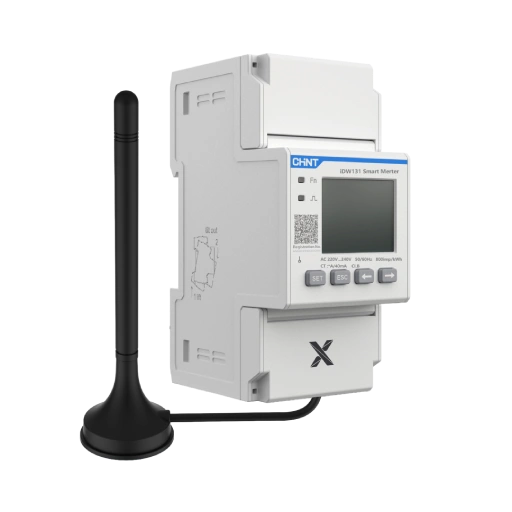
That sequence improves self-consumption and helps you use more of your own solar energy on site. GOV.UK posted that smart metering systems support load control features that can enable demand side response and help households schedule electricity use for cheaper or more efficient periods.
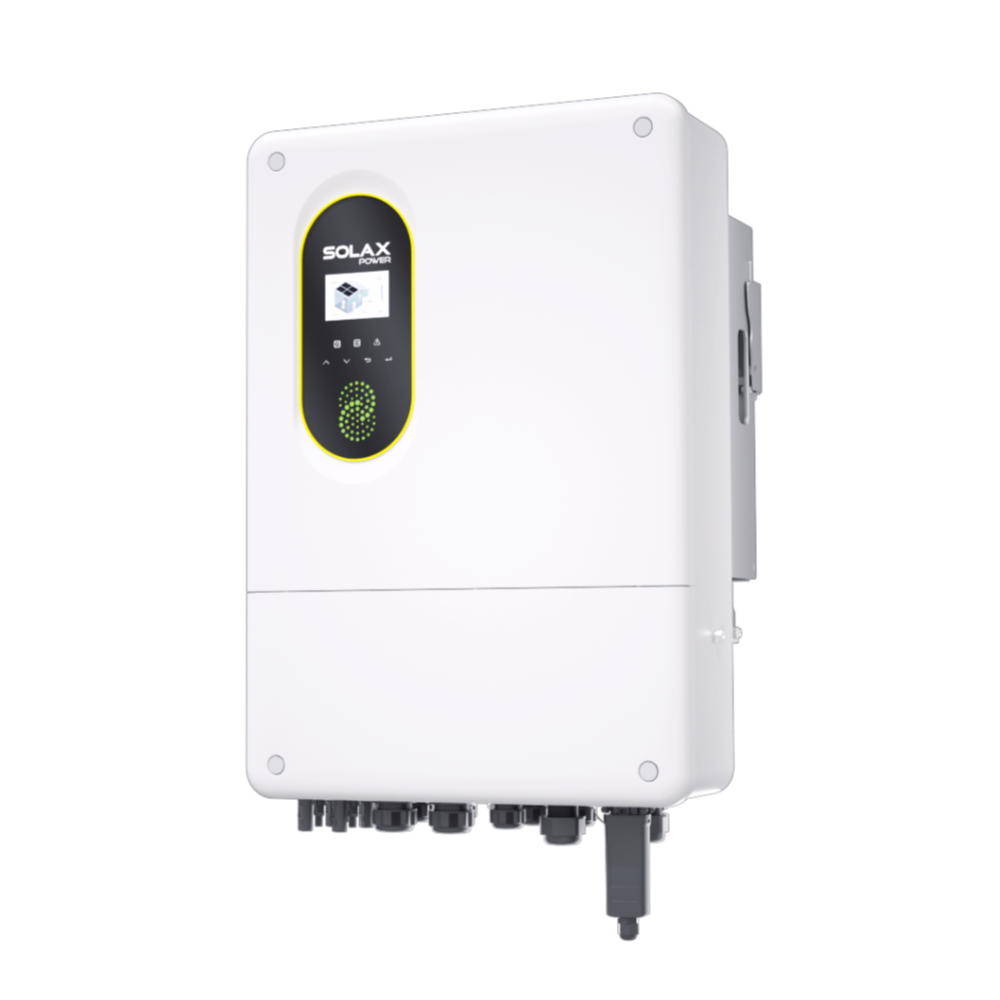
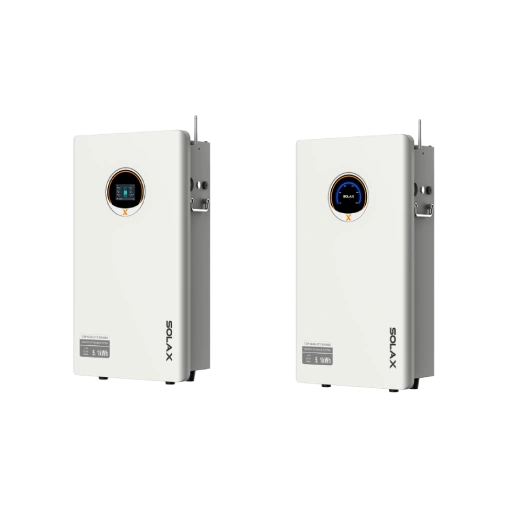
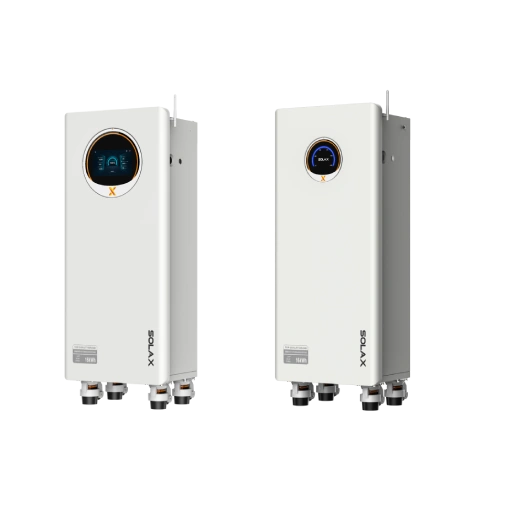
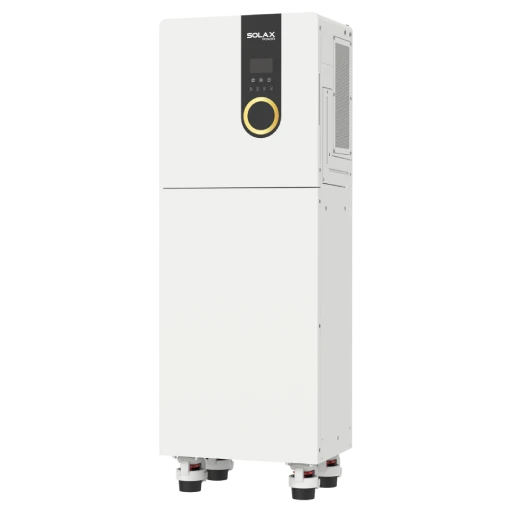
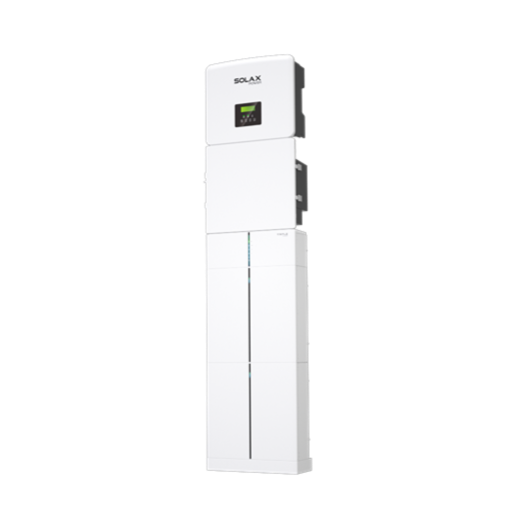
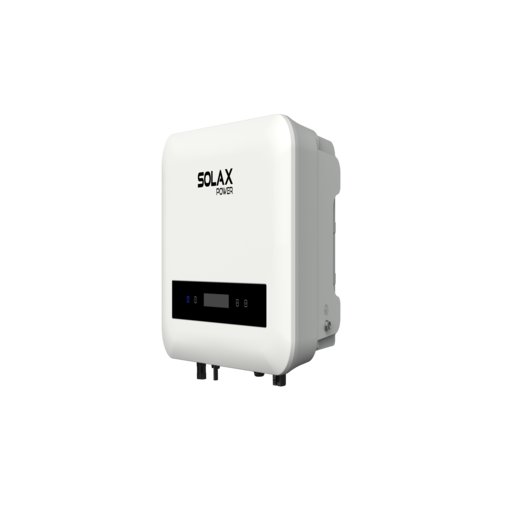
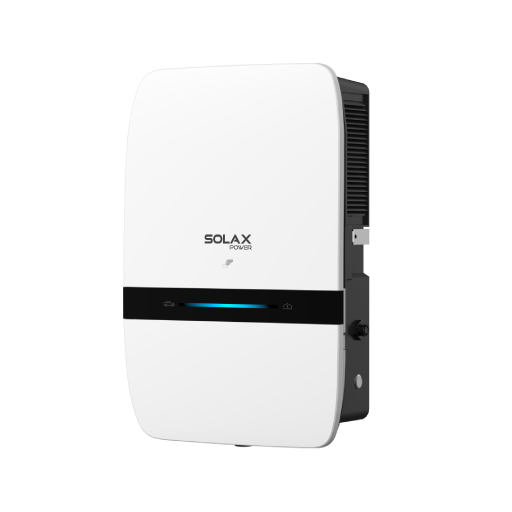
SolaX appears designed around this type of orchestration. Its residential solution pages describe integrated PV, ESS, EV charging, and heating-related control, while the X1-IES support materials describe an integrated residential ESS with a 3-8 kW single-phase hybrid inverter and expandable battery modules spanning 5 to 20 kWh. That makes it relevant for homes wanting more than passive monitoring.
Tools that improve execution
Once the hardware is connected, software decides whether the system feels smooth or frustrating. A provider should offer more than energy charts.
What to check:
One app for status, settings, and alerts
Cloud monitoring with historical performance data
Support for scheduling or control logic
Device links for heating or EV chargingE
xpansion options without replacing the core inverter
SolaXCloud is central here because it gives the monitoring and management layer across the wider SolaX ecosystem. In addition, SolaX materials reference heat pump integration and app-based parameter settings, which is useful if you want automation rather than manual switching between separate devices. For homes that may electrify further over the next two to five years, that software layer matters almost as much as the hardware itself.
What separates a good provider from a better long-term fit?
The strongest choice is usually the one that avoids rework. A provider may look similar on day one, yet expansion limits often appear when you add more storage, a charger, or a heat pump.
Give ecosystem depth extra weight
A platform is easier to live with when the major parts were meant to work together. Therefore, check not only battery size or inverter output, but also the surrounding ecosystem.
Key checks include:
Battery modularity and future expansion
Inverter range for different home sizes
Native support for EV charging or heating integration
Shared monitoring and control environment
Installer familiarity and service coverage
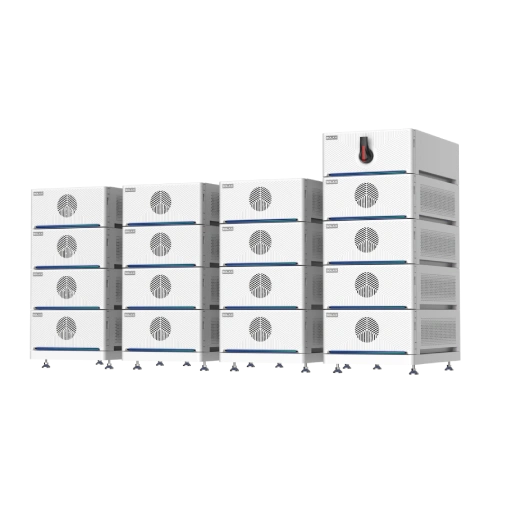
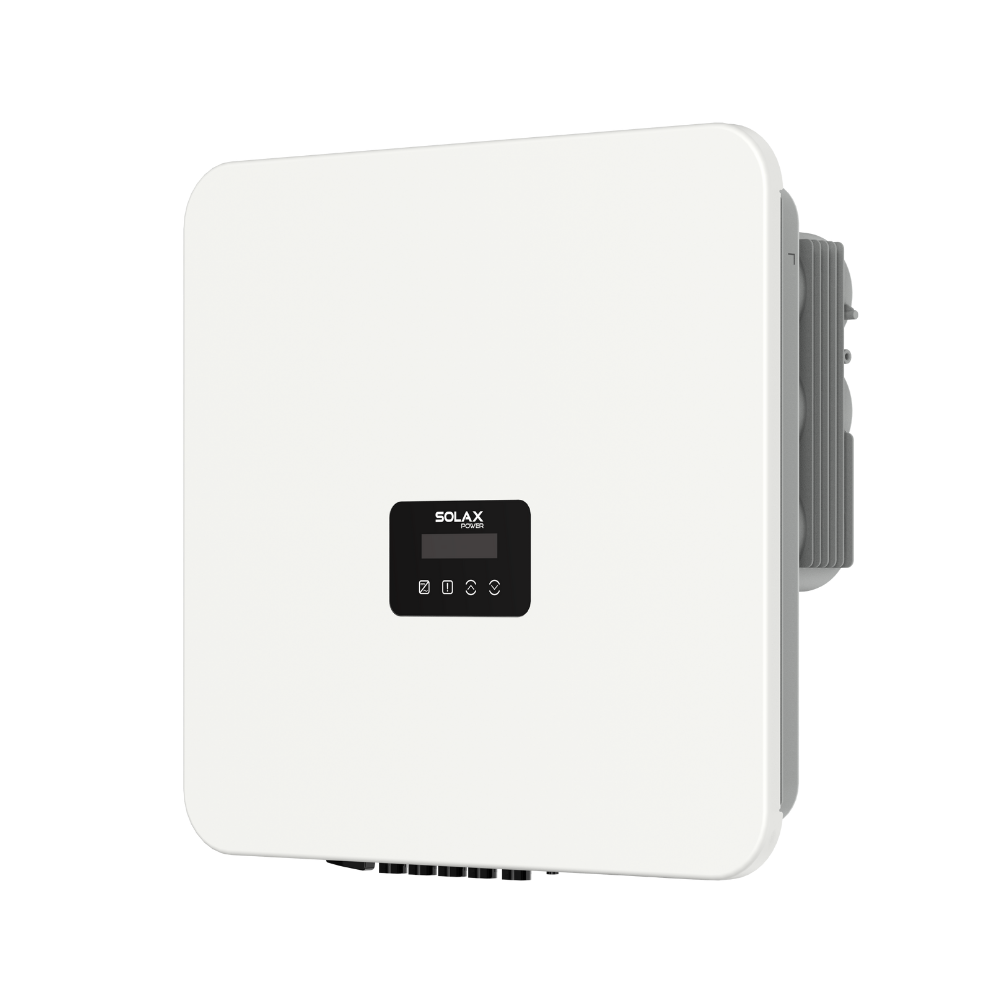
SolaX has breadth in this area. Its residential offer includes hybrid inverters, modular LFP batteries, all-in-one ESS, EV charging, and cloud software. The X3-HYBRID G4 datasheet also points to battery compatibility and three-phase residential use, which broadens the fit for larger or more heavily electrified homes.
Cost versus benefit means avoiding future friction
The lowest entry cost is not always the lowest ownership cost. If your first design forces you to replace the inverter, add third-party controllers, or manage multiple apps later, the system can become more expensive in time and installation effort.
A practical way to compare providers is to ask your installer these three questions:
Can this platform add storage later without a major redesign?
Can it bring EV charging or heating into the same control logic?
Will the household keep using one app as the system grows?
If the answer to those questions is unclear, the platform may be too narrow for whole-home use.
Scenario fit: who benefits most
Some households gain more from an integrated platform than others.
Best fit scenarios:
App-first families: one dashboard is easier for daily use
Electrified homes: heat pumps and batteries need better coordination
EV households: charging becomes another major controllable load
Phased upgraders: modular expansion helps spread investment over time
SolaX is a credible direction for these cases because its ecosystem already spans the assets many homes add over time. That does not mean a mixed-brand setup is always wrong. However, if your priority is one expandable smart energy platform, an integrated provider has a clear advantage.
Compare automation depth before you buy
The better whole-home energy management provider is usually the one that can coordinate the full household, not simply supply a solar inverter and battery. You should look for one control layer, clear expansion options, and evidence that solar, storage, and smart loads can work together in a practical order.
For households building around solar energy today and planning heating or EV upgrades later, SolaX stands out as a strong candidate because its residential ecosystem covers the core hardware and the software layer together. The safest buying move is to compare automation depth, compatibility, and upgrade paths before you choose any solar power system platform.
FAQ
Table of Contents
Latest News
Explore expert insights, practical guides, and the latest news on SolaX Power.


To the Latest Newsletter
Stay Ahead with the Latest SolaX Updates!
Subscribe
I have read and agree to Privacy Policy and User Terms