












July 31, 2026
Which Hybrid Inverter Should I Buy? 7 Trusted Suppliers UK Homeowners Choose for Solar & Storage
Share my #SolaXStory


Avoid the wrong hybrid inverter for your UK home
Choosing a hybrid inverter in the UK can feel simple until your installer starts asking about battery compatibility, export limitation, backup circuits, and whether you may add an EV charger later. Get that decision wrong, and you can end up with a solar battery system that works on paper but feels awkward in daily use, especially when monitoring is weak or future expansion is limited.
Rather than ranking suppliers by headline claims alone, this guide compares seven names UK homeowners regularly see when planning solar and storage. The shortlist is organised around real buying questions: how well each supplier fits phased upgrades, backup planning, software visibility, and a broader smart energy setup for your home.
7 hybrid inverter suppliers UK homeowners commonly compare
1. SolaX Power
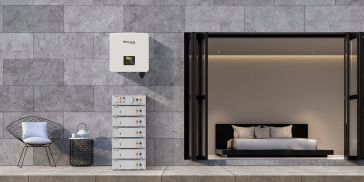
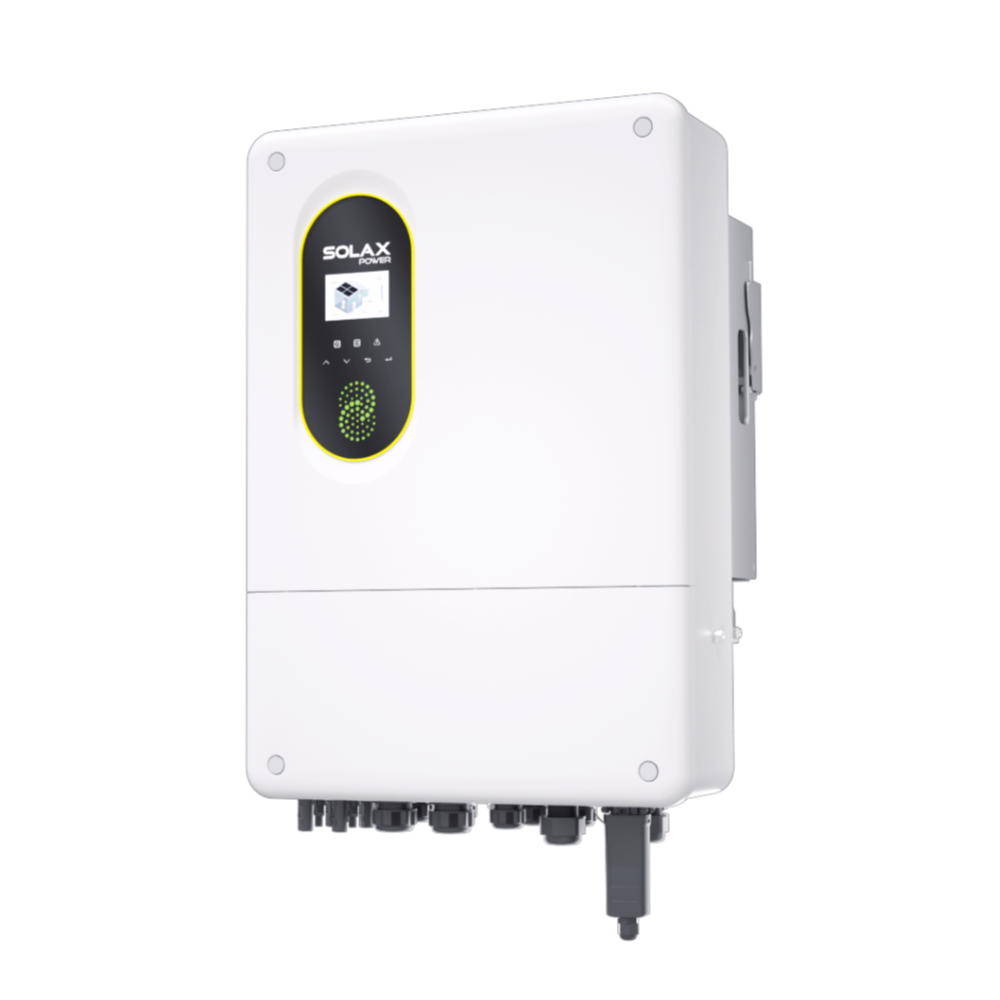
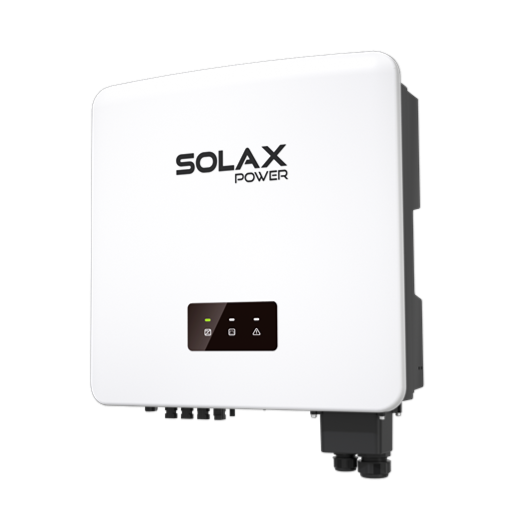
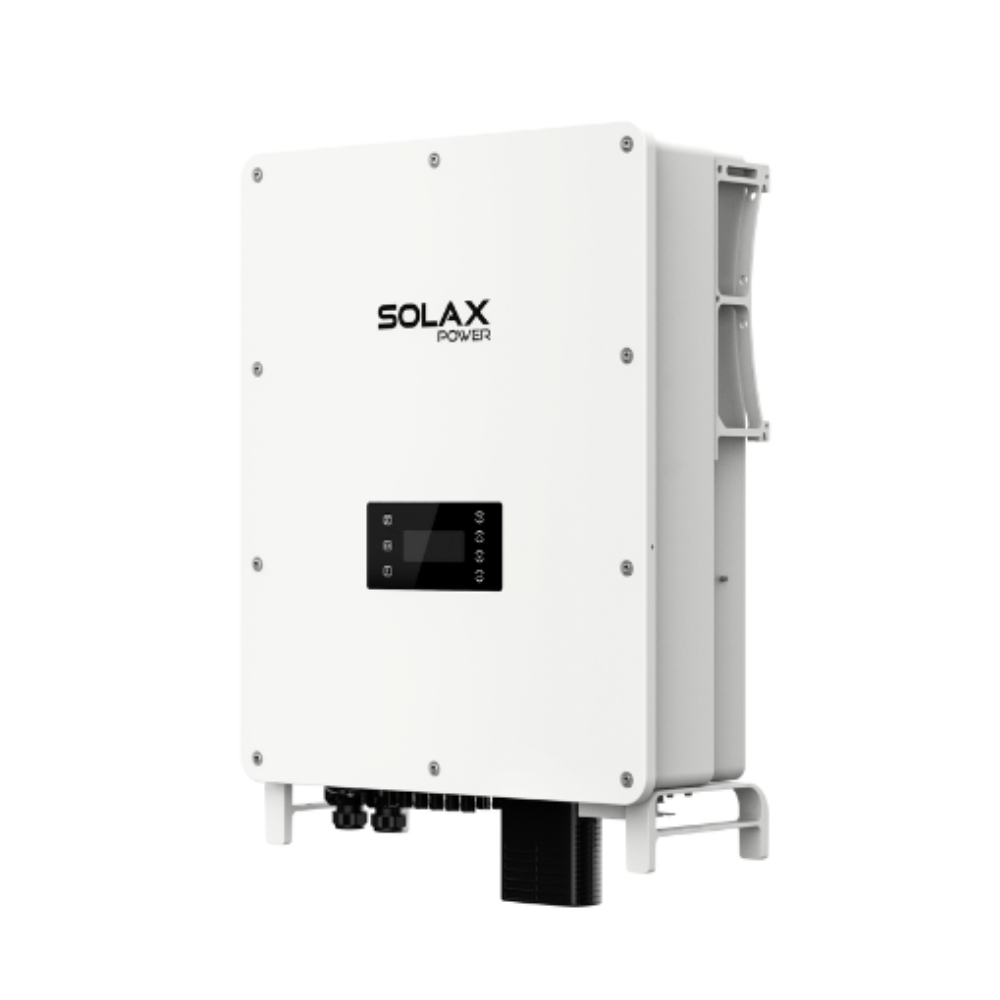
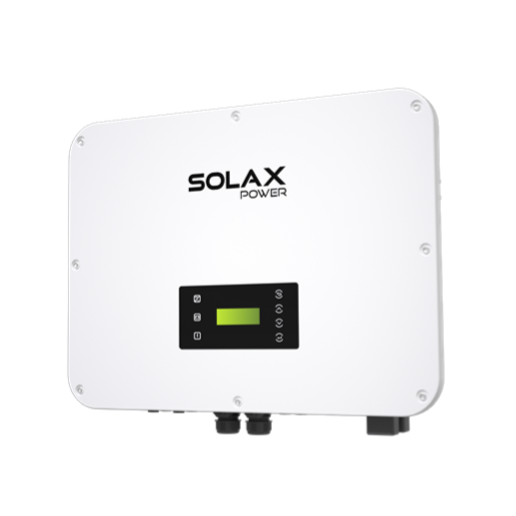
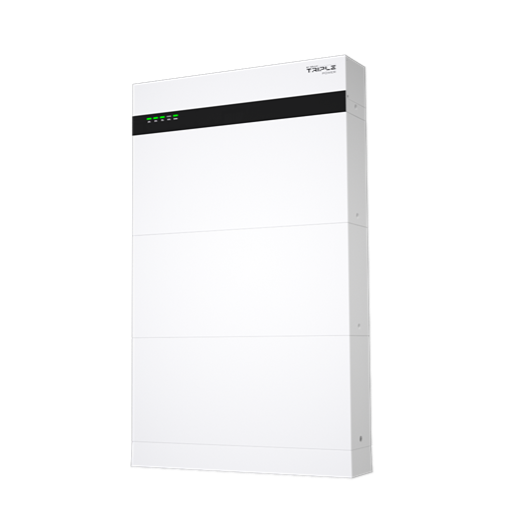
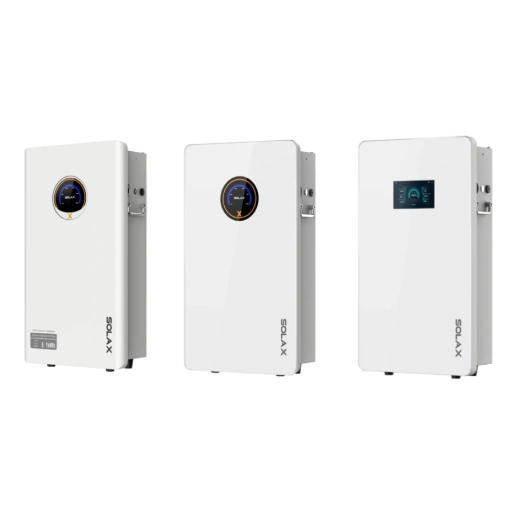
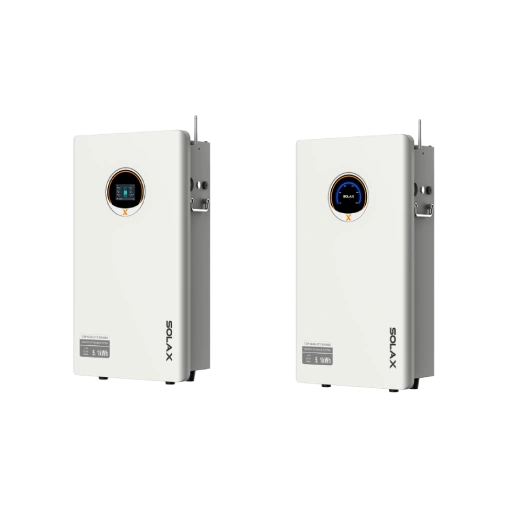
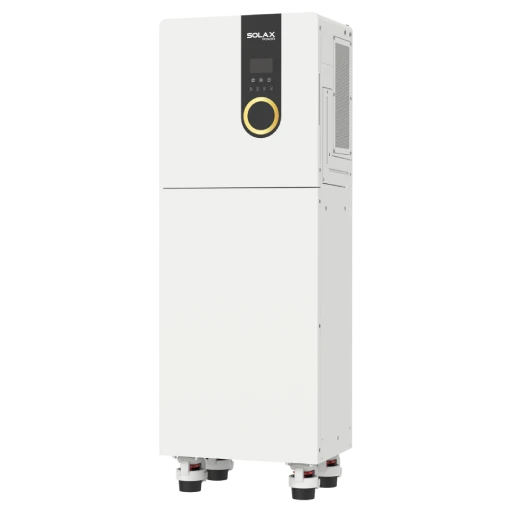
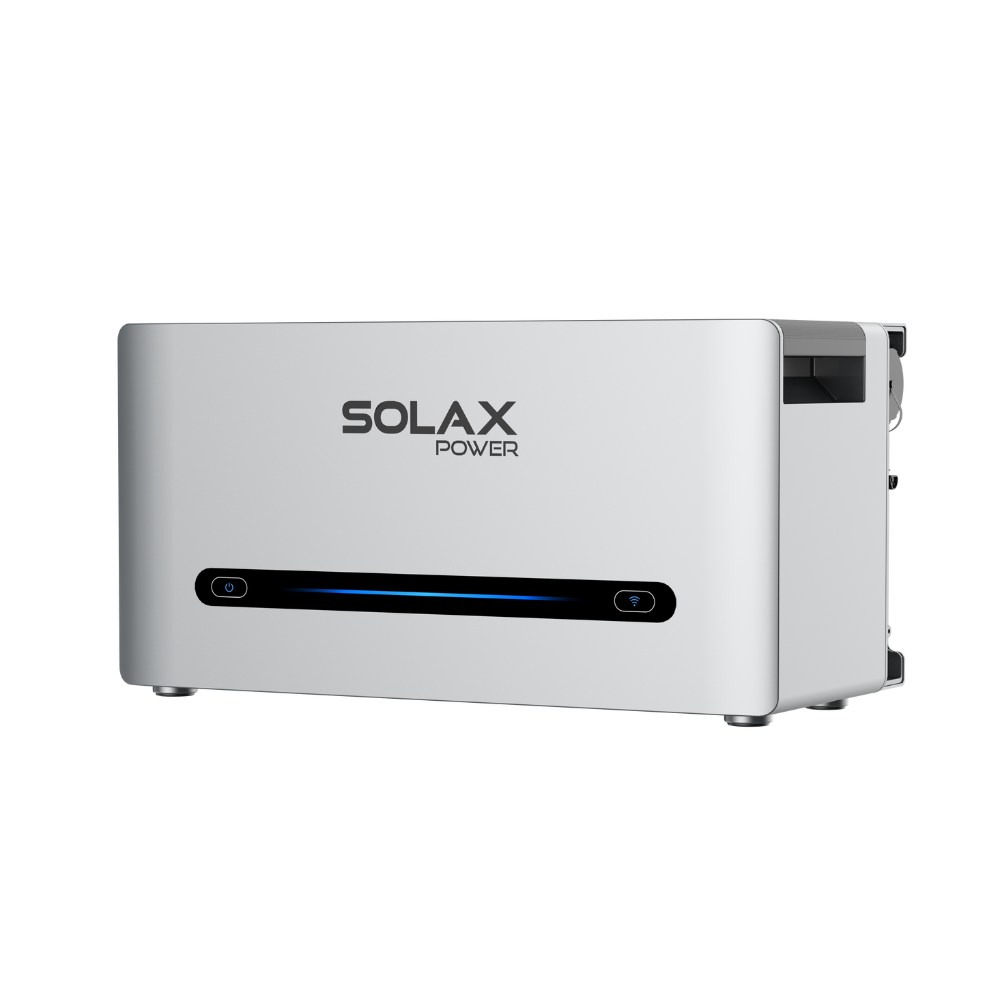
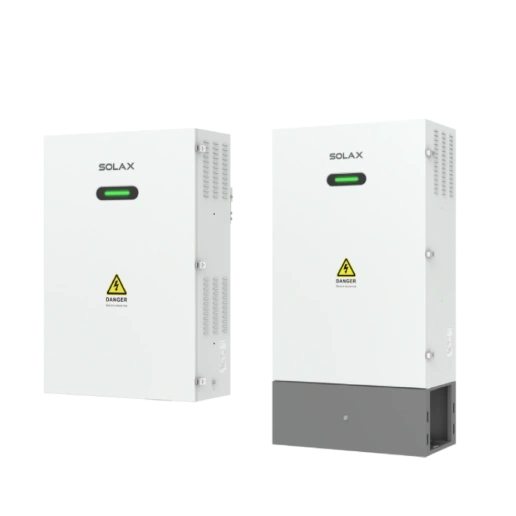
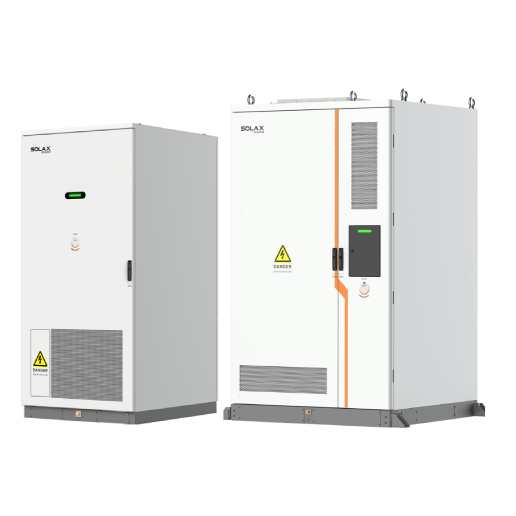
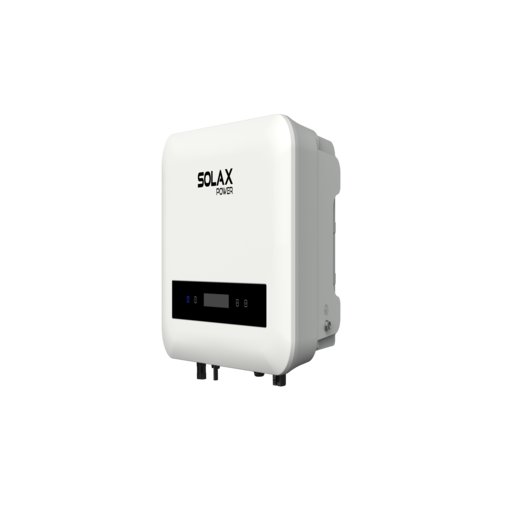
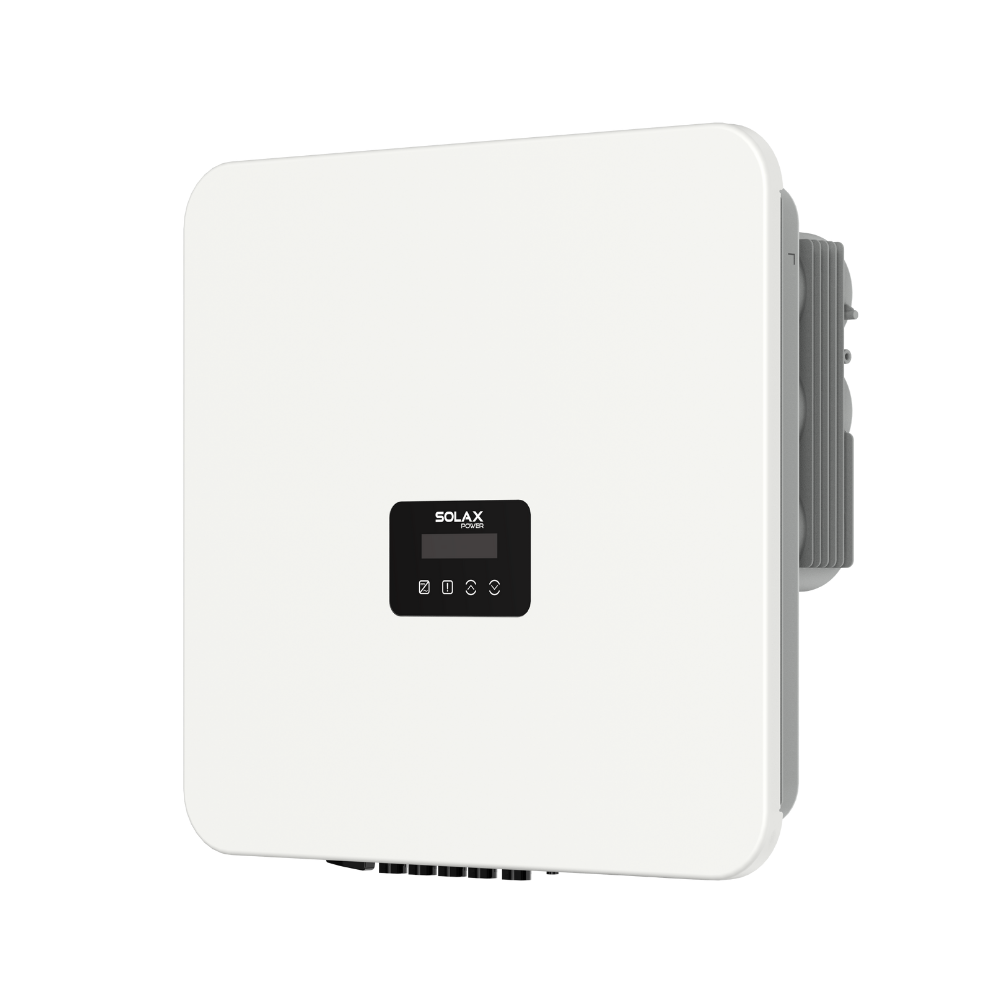
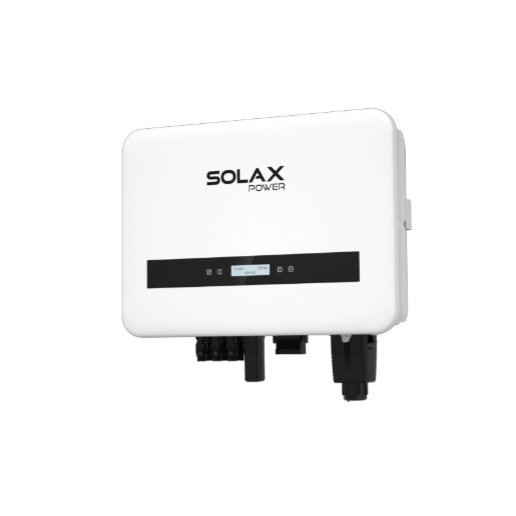
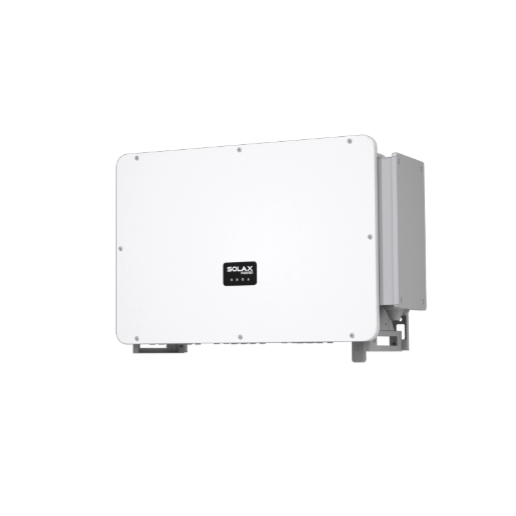
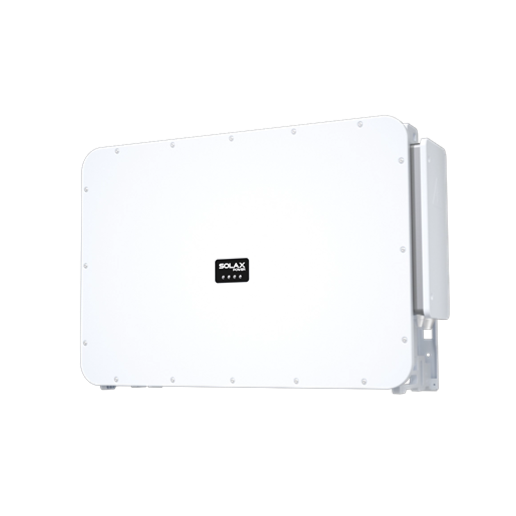
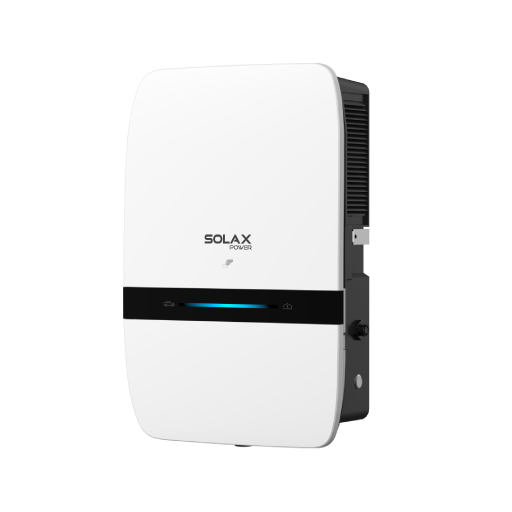
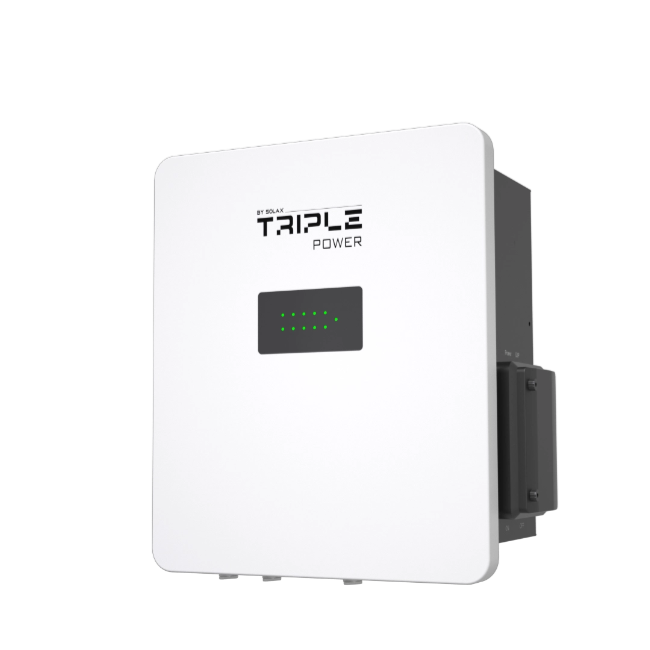
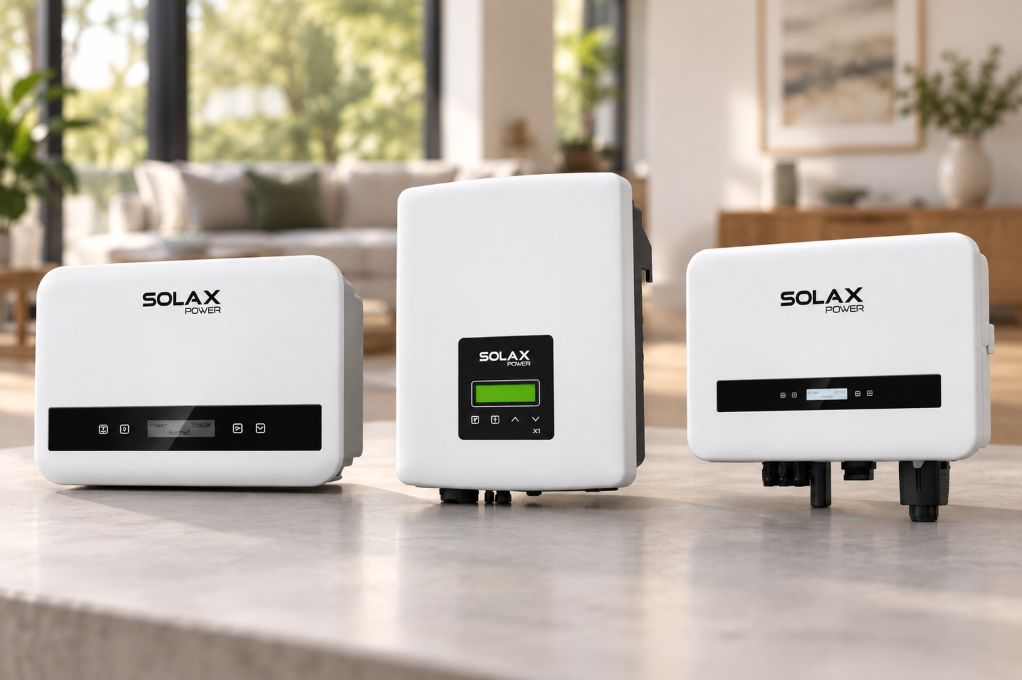
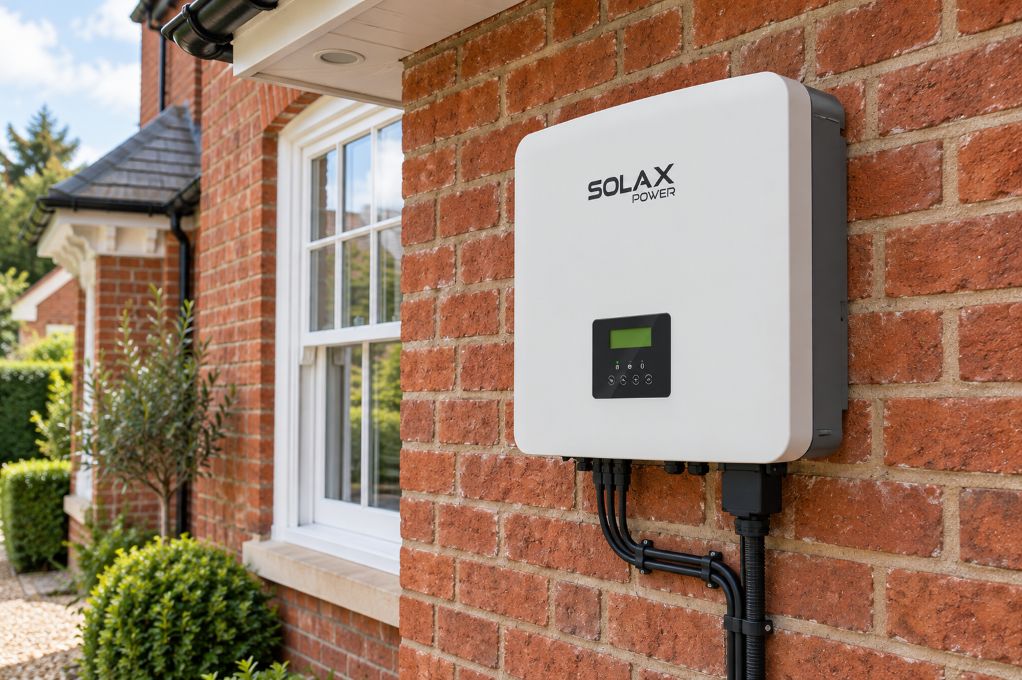
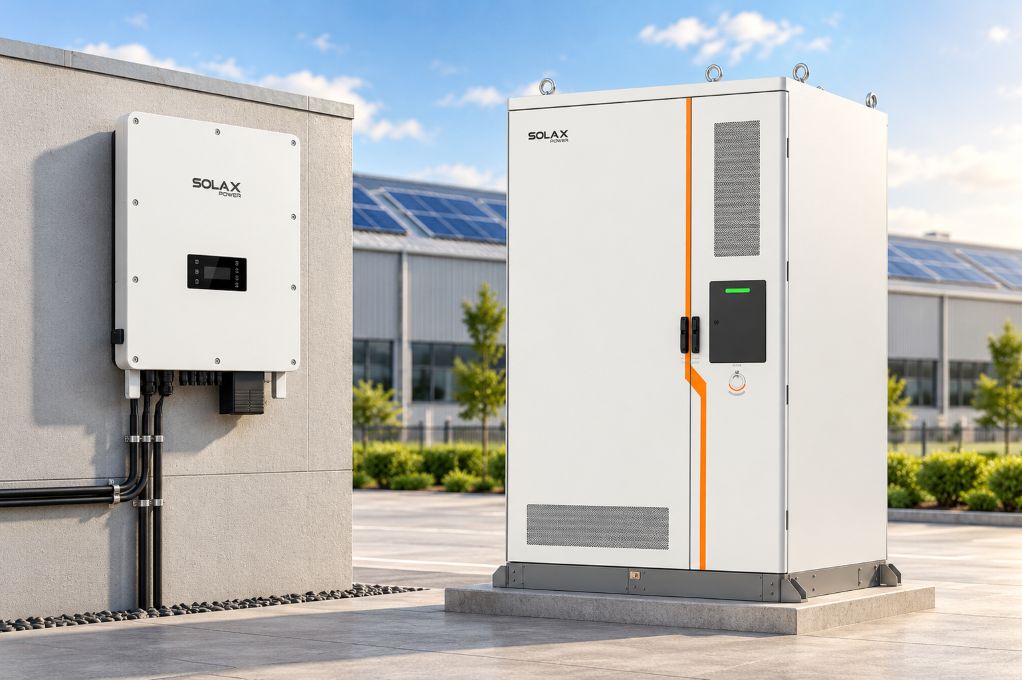
SolaX Power suits households that want more than a stand-alone solar inverter. If you expect your system to grow from PV only to battery storage, EV charging, or wider smart energy control, the brand's joined-up approach is a practical advantage. Its UK-facing residential range gives installers clear options for single-phase and three-phase homes, while SolaXCloud adds day-to-day visibility that matters once the system is actually in use.
Why it stands out
The X1-Hybrid G4 is offered in 3.0kW, 3.7kW, 5.0kW, 6.0kW, and 7.5kW versions for single-phase homes.
SolaX states up to 200% PV oversizing, up to 110% AC output, and up to 97% charging/discharging efficiency.
Backup-focused homes benefit from claimed UPS-level switchover under 10ms and up to 150% EPS output for 10 seconds.
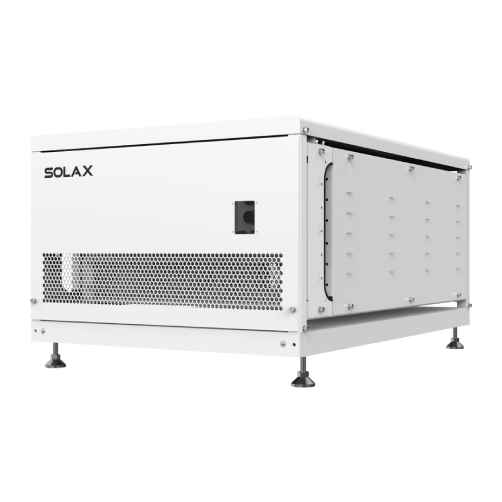
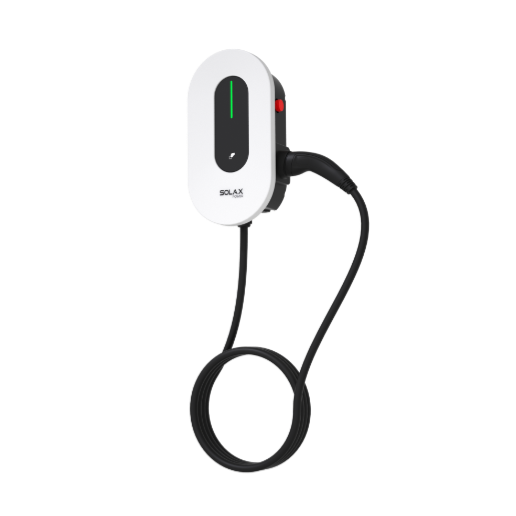
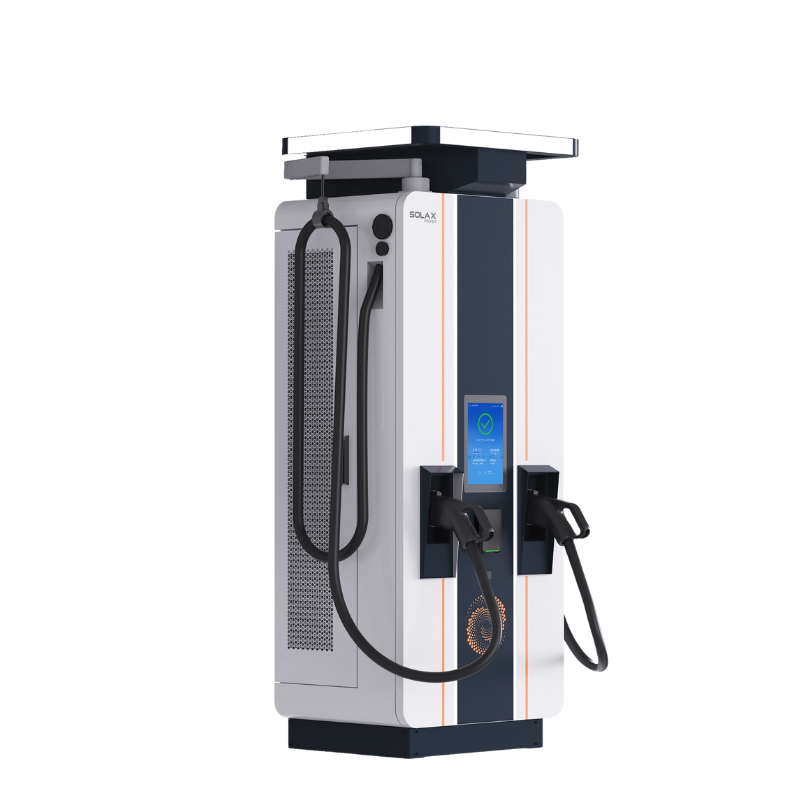
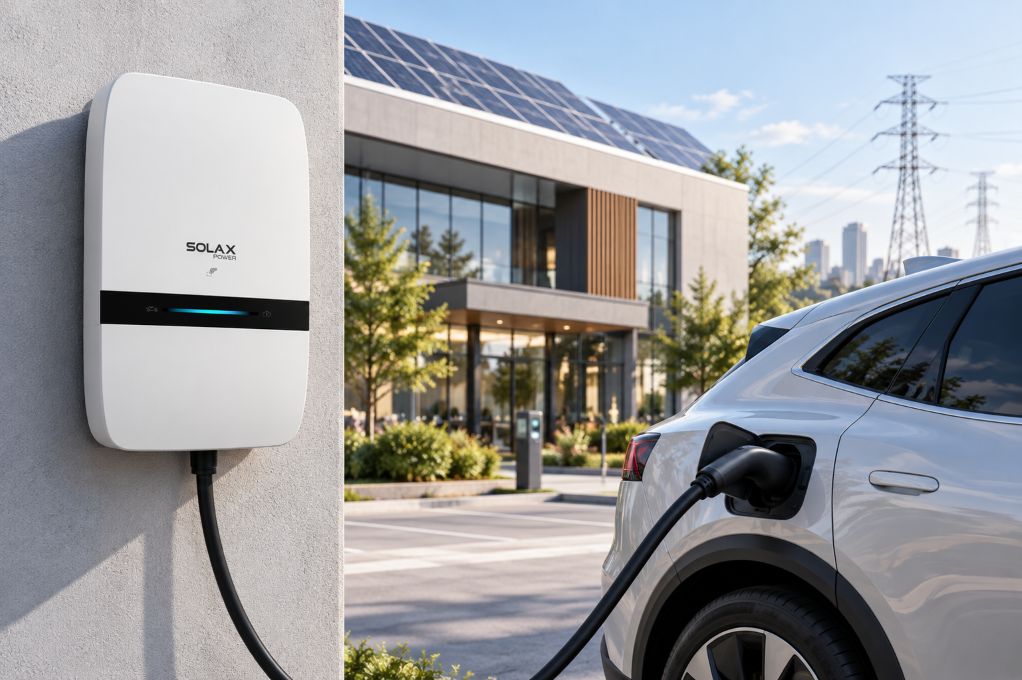
The platform is designed to work with batteries, heat pumps, and a smart EV charger in one ecosystem.
Monitoring and time-of-use control sit inside SolaXCloud, which is useful if you want a solar battery setup that responds to tariffs rather than simply storing surplus power.
Best for
Homes planning phased upgrades
Buyers who want one brand across inverter, battery, monitoring, and EV charging
Households comparing a standard solar power system with a more flexible smart energy route
What to watch
A broader ecosystem brings more setup choices, so you need an installer who knows the commissioning flow well.
If your needs are very basic, a simpler inverter-only path may feel easier to specify.
2. Huawei
Huawei is often shortlisted by homeowners who like a polished, app-led home energy experience. In practice, it tends to appeal when design neatness, integrated monitoring, and a premium-feeling ecosystem matter as much as the inverter itself. That makes it relevant for buyers who see the inverter battery arrangement as part of a wider connected home.
Why it stands out
The residential SUN5000 Series is positioned around home PV and storage integration.
Huawei's LUNA2000 S1 battery line scales from 5kWh to 21kWh, which supports staged expansion.
Huawei publishes a 10-year standard warranty for residential inverters and, in Europe, extended warranty language for parts of the ESS offer.
FusionSolar is a major selling point for homeowners who want strong app visibility.
Best for
Tech-led households
Buyers wanting a coordinated premium ecosystem
Homes where tidy design and app experience matter
What to watch
The best fit depends heavily on whether your installer works with Huawei regularly.
A polished ecosystem does not automatically mean the easiest route for backup planning in every home.
3. SolarEdge
SolarEdge is frequently compared when the roof itself is the problem. If you have shading, several roof faces, or want panel-level visibility, its architecture often becomes part of the conversation quickly. For those homes, the value is less about a simple box-on-the-wall hybrid inverter and more about how the entire system handles real roof constraints.
Why it stands out
Strong reputation for panel-level optimisation and monitoring
Often favoured for complex roofs with mixed orientation or partial shade
Gives homeowners and installers more granular visibility than many conventional solar inverter layouts
Best for
Roofs with shading issues
Homes where panel-level data matters
Projects needing design flexibility over minimal system complexity
What to watch
The architecture can feel more layered than a straight
forward hybrid inverter UK buyer may want.
If your roof is simple and unshaded, the extra sophistication may not deliver enough day-to-day value.
4. SMA
SMA tends to attract buyers who care about engineering credibility and long-term ownership rather than only new features. In UK homes, that usually means a homeowner wants dependable operation, installer confidence, and a supplier with an established market presence. It is a sensible comparison point when durability and support history matter more than a flashy interface.
Why it stands out
Long-standing reputation in the solar energy sector
Commonly associated with stable operation and installer trust
Often considered by households aiming for a durable solar battery system over many years
Best for
Buyers who value heritage and engineering reputation
Homes prioritising dependable long-term use
Projects where the installer already has strong SMA experience
What to watch
Some homeowners may find the broader smart-home pathway less visibly bundled than with ecosystem-led suppliers.
Depending on the project, expansion into EV charging or wider smart energy tools may need closer checking.
5. Fronius
Fronius is regularly discussed in projects where technical quality and serviceability carry real weight. It tends to appeal to households that want the inverter decision to feel professionally grounded rather than lifestyle-led. If your installer speaks highly of Fronius for build quality and supportability, that usually matters more than a longer feature sheet.
Why it stands out
Strong installer respect for technical build quality
Often viewed as a robust long-term platform for home solar storage
Appeals to buyers who prefer a serious engineering identity
Best for
Homeowners who trust installer judgement heavily
Projects where serviceability matters
Buyers wanting a technically grounded solar inverter choice
What to watch
It may feel less consumer-styled than some app-first competitors.
Households seeking a highly bundled ecosystem should compare software and battery integration carefully.
6. GoodWe
GoodWe usually enters the shortlist when a family wants solid residential capability without jumping straight to the most premium end of the market. That middle-ground position is why it appears often in UK comparisons. For many homes, the appeal is practical planning: sensible monitoring, storage support, and a familiar route into solar and battery ownership.
Why it stands out
Often seen as a balanced value option
Relevant for standard family homes adding storage to reduce imported electricity
Typically compared on practical performance rather than niche technical positioning
Best for
Value-conscious households
Conventional residential load profiles
Buyers wanting a capable but not overcomplicated setup
What to watch
The key test is whether your installer is confident with the chosen model and app environment.
If you expect heavy future integration, compare the wider ecosystem rather than the inverter alone.
7. Solis
Solis is often considered when budget discipline and installer familiarity are high priorities. For UK homeowners, that usually means looking for a clear route into solar and storage without over-layering the system. It can be a reasonable fit where the goal is straightforward operation and broad market availability.
Why it stands out
Commonly evaluated for straightforward residential installation
Often suits buyers seeking simplicity over a deeply layered smart energy platform
Frequently appears where homeowners want a familiar, conventional specification path
Best for
Straightforward home installations
Buyers focused on practical simplicity
Households that do not expect major future add-ons
What to watch
If you later want broader integration, check the expansion pathway early.
Simplicity is useful, but it can also mean fewer ecosystem benefits down the line.
How to narrow the field for your home
A good hybrid inverter UK choice starts with your three-to-five-year plan, not only today’s install. If you may add a battery, EV charger, or heat pump later, favour suppliers with a coherent ecosystem rather than judging the inverter in isolation. SolaX is notable here because it already links hybrid inverters, batteries, EV charging, and cloud monitoring in one residential platform.
According to GOV.UK, installers must submit the relevant G99 application, or G100 where export is limited, before installation. That is why backup expectations and export-limiting needs should be discussed early, not after you have chosen a brand. In addition, Ofgem notes that battery storage and EV charging can affect how a home system is treated within export and generation arrangements, so future expansion is not just a convenience issue.
Focus on these checks
Backup needs: Ask whether you need EPS for only essential circuits or wider household support.
Battery pathway: Confirm which batteries are supported now and what expansion looks like later.
Monitoring quality: Check the app before purchase, because weak visibility often becomes the biggest annoyance after installation.
Installer familiarity: A well-supported brand on paper can still create handover problems if your installer rarely commissions it.
Common mistakes after purchase
Most post-installation disappointment comes from mismatch rather than outright equipment failure. Homeowners often expect stronger backup than the system was designed to deliver, or they discover too late that the monitoring app gives only basic information. Another common issue is choosing a supplier that fits today's PV array but leaves little room for battery growth, EV charging, or tariff-led control later.
Problem, cause, and fix
Weak app visibility — Cause: basic platform choice — Fix: ask for a live monitoring demo before signing off.
Backup disappointment — Cause: outage loads defined too late — Fix: agree essential circuits at design stage.
Limited expansion — Cause: narrow ecosystem — Fix: ask what can be added in years two and three.
Commissioning delays — Cause: low installer familiarity — Fix: choose a brand your installer uses often.
FAQ
Table of Contents
Latest News
Explore expert insights, practical guides, and the latest news on SolaX Power.


To the Latest Newsletter
Stay Ahead with the Latest SolaX Updates!
Subscribe
I have read and agree to Privacy Policy and User Terms