












July 24, 2026
Best Value Inverters: 5 Picks for Price + Performance + Warranty (2026)
Share my #SolaXStory


Which solar inverter gives you real value in 2026?
Choosing a solar inverter can feel straightforward until two installer quotes land with similar output figures but very different upgrade paths. That is where expensive mistakes happen.
A cheaper unit may work today, yet limited battery support, weaker monitoring, or awkward expansion options can reduce the long-term value of your solar power system once your needs change.
Rather than chasing headline power alone, it helps to compare how each inverter fits your property, your backup expectations, and your future plans for a solar battery or smart energy controls. The five picks below are arranged by use case, from scalable three-phase systems to simpler single-phase setups, so you can judge price, performance, and warranty fit in a more practical way.
Five solar inverter picks that balance price, performance, and warranty
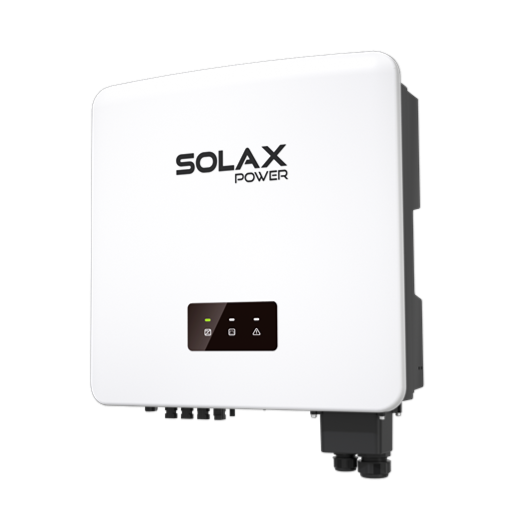
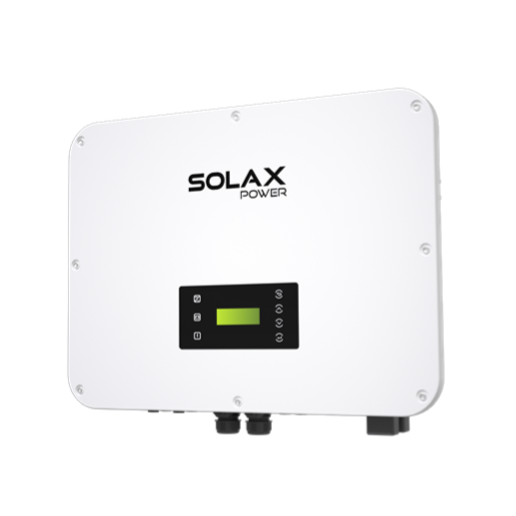
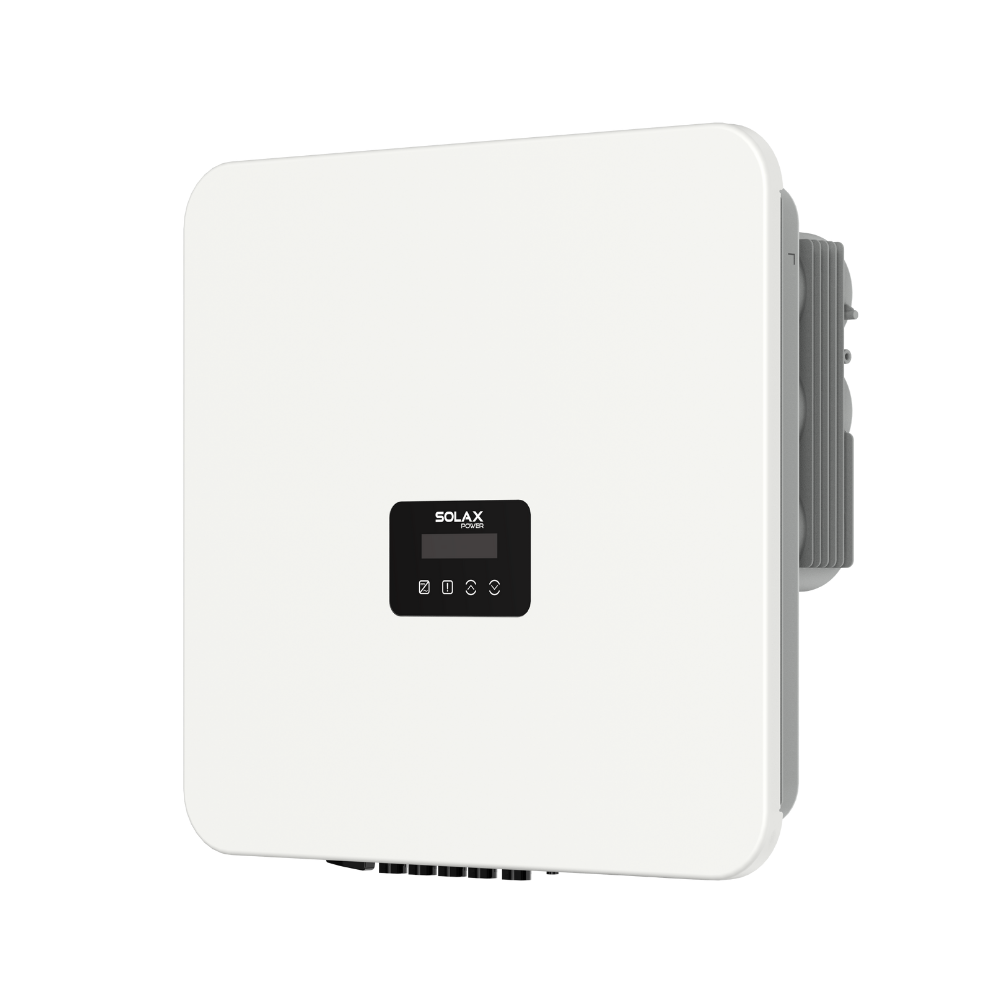
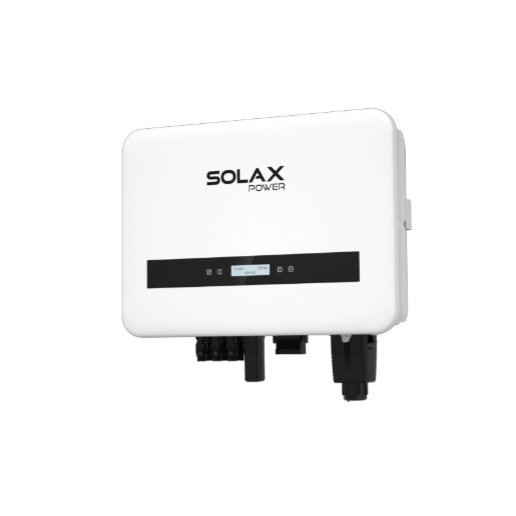
SolaX X3-Hybrid G4
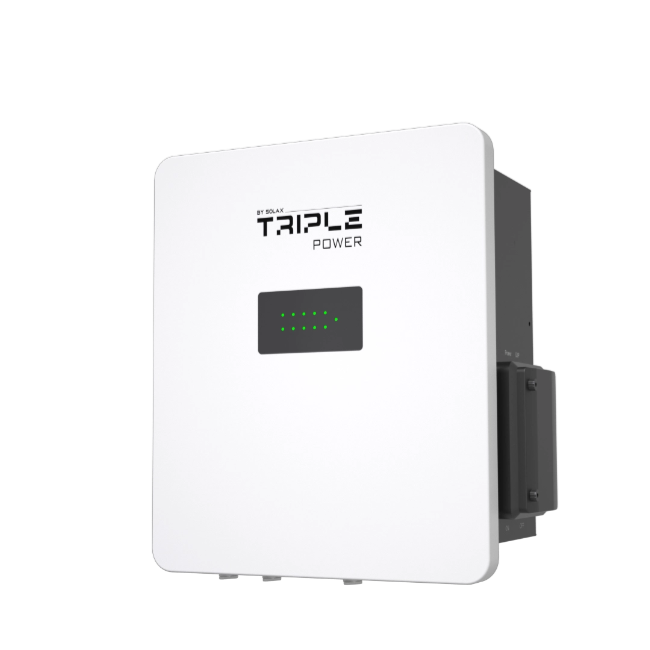
For larger homes and small commercial sites with three-phase supply, the SolaX X3-Hybrid G4 is the most rounded value pick in this list. It suits buyers who want strong present-day performance without closing off future upgrades. In practice, that means one hybrid platform that can support self-consumption, backup, and later expansion rather than forcing a replacement when your smart energy setup grows.
Why it stands out
Designed as a three-phase MPPT hybrid solar inverter for homes or light commercial properties.
Available from 5 kW to 15 kW, which gives installers more room to match real load profiles.
Supports seamless on/off-grid switching with switchover time under 10 ms on EPS output.
Offers up to 150 kW parallel capacity, which is useful if expansion matters later.
Key specs to check
MPPT voltage range: 180 to 950 V.
Ingress protection: IP65.
Dimensions: 503 × 503 × 199 mm.
Weight: about 30 kg.
What to watch
It is a better fit for buyers who will actually use hybrid and expansion features.
Smaller single-phase homes may find it more capable than they need.
Shop: SolaX X3-Hybrid G4
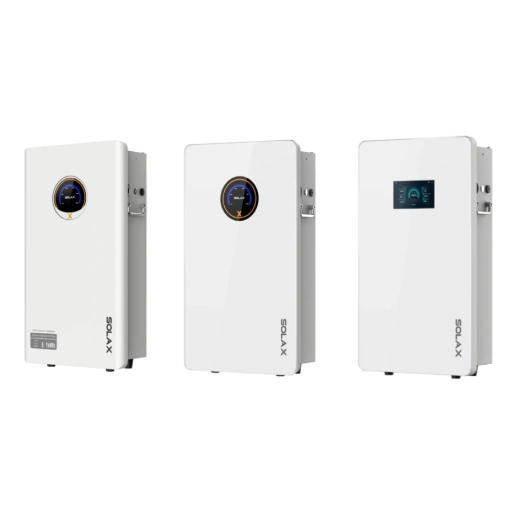
SolaX A1-Hybrid G2
If your aim is daily load shifting and a cleaner first step into an inverter battery setup, the A1-Hybrid G2 looks more proportionate than a larger three-phase model. This pick works best where space, straightforward monitoring, and moderate storage ambition matter more than maximum system scale. It is especially sensible for households moving beyond a basic solar inverter without wanting a highly complex installation.
Why it stands out
Offered in 3.8 kW, 5 kW, 6 kW, and 7.6 kW versions.
Supports up to 200% oversizing, which can improve design flexibility.
Includes microgrid support for more energy autonomy.
Can run up to 4 systems in parallel.
Key specs to check
Peak efficiency: 98%.
Up to 3 MPPTs depending on model.
Max charge/discharge current: 54 A.
Warranty reference in the datasheet: 12 years.
What to watch
Best value appears in compact residential projects, not larger three-phase properties.
Buyers should confirm which MPPT layout applies to their exact model.
Shop: SolaX A1-Hybrid G2
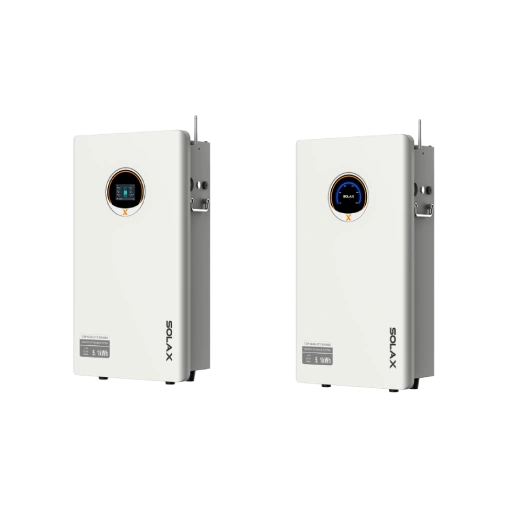
SolaX J1-Hybrid
The J1-Hybrid is the most niche option here, but that does not weaken its value case in the right project. It suits retrofit or phased-investment buyers who want hybrid capability without overbuilding the whole system on day one. Its appeal comes from practical adaptability and a measured pathway into storage, which can be more valuable than chasing the broadest specification.
Why it stands out
Built for flexible home energy use with 3 kW and 5.9 kW options.
Supports microgrids and unbalanced loads.
Offers up to 3 MPPTs for more varied array layouts.
The product page highlights a lithium iron phosphate battery system with up to 12,000 cycles.
Key specs to check
Max efficiency: 99.9%.
Battery voltage range: 100 to 480 V.
Charge/discharge current: 25 A / 30 A.
Local warranty information for Japan notes 8 years, with a possible 2-year extension through SolaX Cloud registration.
What to watch
This model is specifically framed for the Japanese market.
Buyers outside that market should confirm local availability, support, and certification before treating it as a direct shortlist option.
Shop: SolaX J1-Hybrid
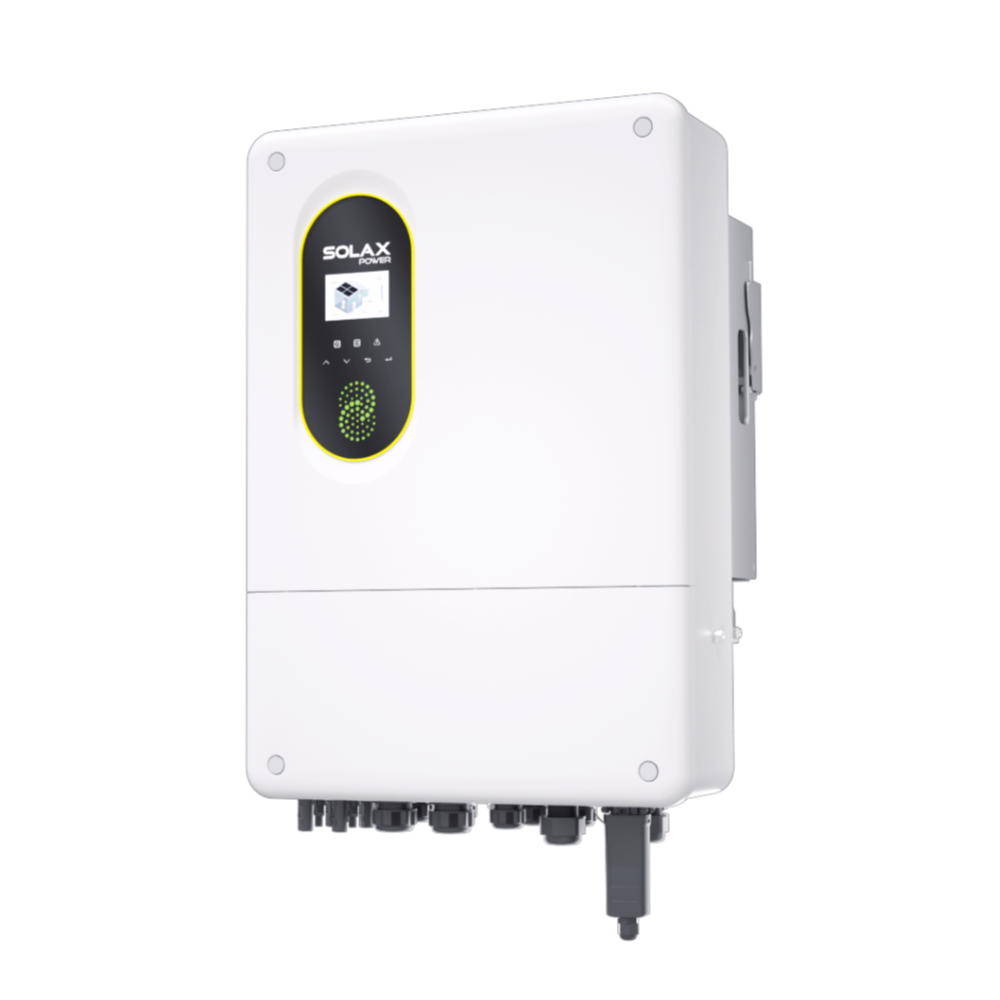
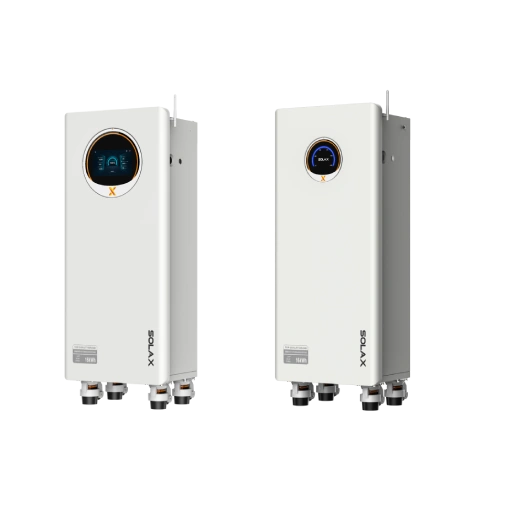
SolaX X1-Lite LV
For smaller households that want a practical solar battery path without paying for a large system foundation, the X1-Lite LV is the most approachable choice in this group. Its value comes from right-sizing rather than feature depth. If your daily demand is modest and you want hybrid control that stays understandable, this model can keep the upgrade path open while avoiding unnecessary system overhead.
Why it stands out
Built as a single-phase low-voltage hybrid inverter.
Supports up to 110% AC output.
Delivers up to 200% peak EPS power for 10 seconds.
Well suited to smaller home solar power system designs with storage ambitions.
Best for
First-time solar buyers who want a simpler hybrid route.
Homes with lighter evening loads and modest battery plans.
Installations where accessible storage matters more than maximum expansion.
What to watch
It is less compelling for large households with heavy appliances or multi-zone loads.
You should still verify battery matching and backup expectations with the installer.
Shop: SolaX X1-Lite LV
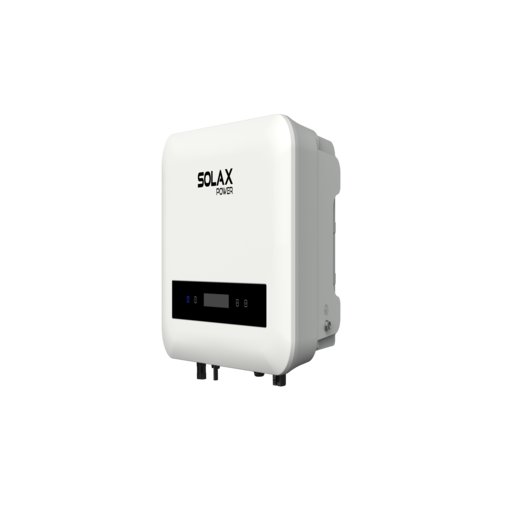
SolaX X1-Vast
Some buyers define value through easier ownership rather than pure component flexibility, and that is where the X1-Vast earns its place. It is aimed at advanced single-phase home energy setups that want stronger integration across storage, monitoring, backup, and future EV-related features. If you prefer one smart energy ecosystem over a patchwork of devices and apps, this is the most convenience-led option on the list.
Why it wins
Available in 5 kW, 6 kW, 8 kW, and 10 kW versions.
Supports 200% PV oversizing and 20 A DC input per MPPT.
Provides up to 200% EPS output for 10 seconds with under 10 ms switchover.
Includes features such as dual battery ports, microgrid and generator compatibility, and V2G/V2H readiness.
Key specs to check
MPPT voltage range: 40 to 560 V.
Up to 4 MPPTs depending on model.
Dimensions: 590 × 400 × 180 mm.
Weight: about 28 kg.
What to watch
Buyers wanting the simplest possible low-cost setup may not need this much ecosystem depth.
Its strongest value appears when future control features will actually be used.
Shop: SolaX X1-Vast
How to choose the right solar inverter for long-term value
A good solar inverter match starts with usage pattern, not brochure claims. If most electricity is used during the day, direct solar consumption may matter more than deep backup capability. If evening demand is heavier, a hybrid design with a solar battery path becomes more valuable. In the UK, export value also matters because Ofgem lists Smart Export Guarantee licensees for the period from 1 April 2026 to 31 March 2027, so a system that can manage self-consumption and export intelligently may improve overall returns.
You should also think about platform fit across the full ownership window. Solar PV posted a record increase of 600 TWh in 2025, while low-emissions sources reached 43% of global electricity generation in 2025 according to a related IEA analysis. In a market moving towards smarter, more distributed energy use, features such as battery readiness, monitoring, and controlled backup are often part of value, not just extras.
Scenario guide for different buyers
First-time homeowner: X1-Lite LV if you want a smaller hybrid starting point.
Three-phase property: X3-Hybrid G4 if future expansion is part of the plan.
Compact daily load shifting: A1-Hybrid G2 for a more proportionate single-home upgrade.
Phased retrofit project: J1-Hybrid where local market support matches the product.
Integrated smart home control: X1-Vast if convenience and ecosystem consistency matter most.
Common issues to plan for early
Problem | Likely cause | Practical fix |
Monitoring feels fragmented | Mixed hardware and apps | Keep inverter, battery, and control platform aligned |
Battery upgrade becomes awkward | Limited hybrid compatibility | Choose a hybrid-ready architecture from the outset |
System feels oversized | Poor load matching | Recheck actual daytime and evening consumption |
Backup expectations are missed | EPS capability misunderstood | Confirm switchover time and backup loads before purchase |
FAQ
Table of Contents
Latest News
Explore expert insights, practical guides, and the latest news on SolaX Power.




To the Latest Newsletter
Stay Ahead with the Latest SolaX Updates!
Subscribe
I have read and agree to Privacy Policy and User Terms