









July 24, 2026
Solar Microinverter Market Trends in Germany: Rooftop Solar, Balcony PV and Energy Storage
Share my #SolaXStory


Germany's rooftop solar and balcony PV market continues to create new opportunities for households to reduce electricity bills and increase energy independence. For many users, solar is no longer only about generating more electricity. It is also about using more solar power at home through battery storage and smart energy management.
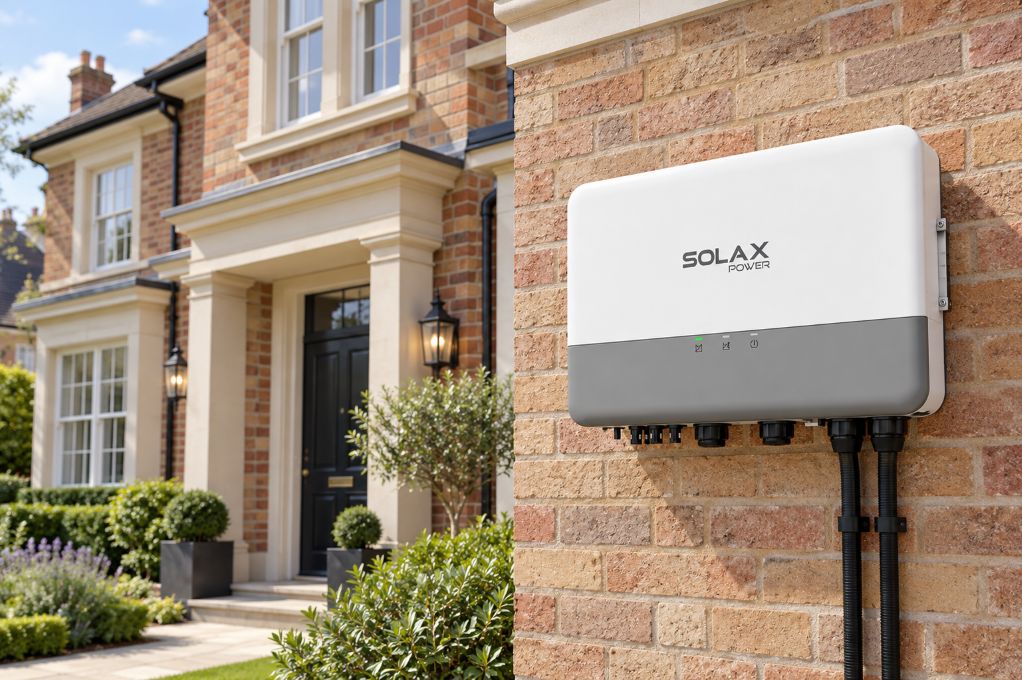
Microinverters are well suited to balcony solar, small rooftops and complex roof layouts. By allowing solar panels to operate independently, they offer a flexible solution for homes with limited space, different roof orientations or partial shading.
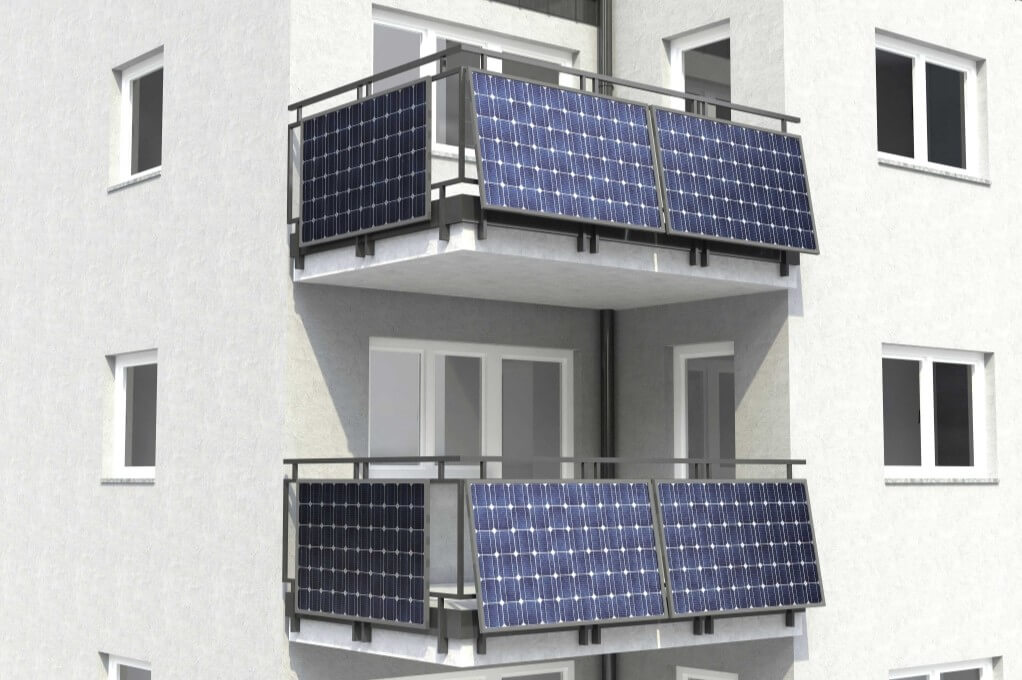
Germany Solar Microinverter Market Trends: From Balcony PV to Storage
One important trend in the German solar microinverter market is the shift from standalone balcony PV kits to integrated solar-and-storage solutions.
A typical balcony solar system includes solar panels and a microinverter that converts DC power into usable AC electricity for household appliances. Adding a compact balcony battery allows surplus solar energy to be stored and used later, including during the evening when solar production is low and household demand is often higher.
This approach helps households increase self-consumption instead of relying only on exporting surplus electricity to the grid. It is especially relevant for apartment residents, renters and homeowners with limited rooftop space, because balcony solar systems can be installed in stages and expanded as energy needs change.
As a result, users increasingly expect more than basic solar generation. Real-time monitoring, flexible expansion, battery storage compatibility and energy management are becoming important parts of the balcony solar ecosystem.
Why Microinverters Work Well for Rooftop Solar?
Not every rooftop solar installation has a uniform layout. Many homes have roof sections facing different directions, while chimneys, skylights and nearby trees can create partial shading throughout the day. In these conditions, solar panels may produce different amounts of electricity at the same time.
Microinverters use module-level MPPT, allowing each panel to operate independently. This can help improve total rooftop solar energy yield when panels experience shading, different orientations or other mismatch conditions.
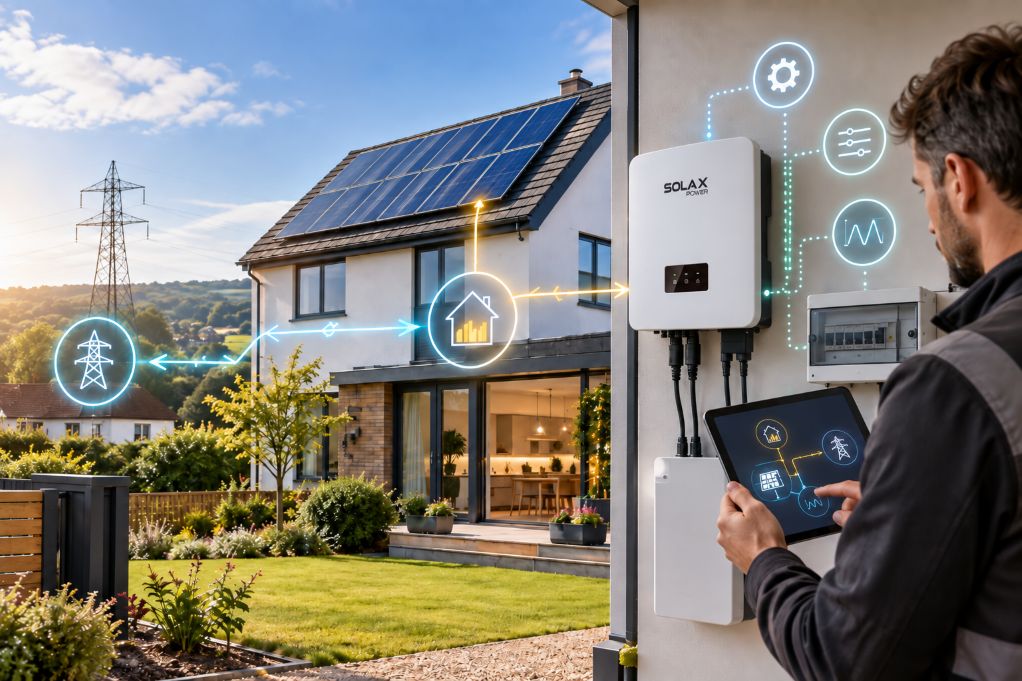
Microinverters are also useful for homeowners who want to expand their solar system over time, use different panel ratings or monitor performance at the module level. Panel-by-panel visibility can help users and installers identify underperforming modules or potential faults more quickly.
Germany Solar Policy Update 2026: What Matters for Rooftop and Balcony PV
Germany continues to support rooftop solar and balcony PV through policies that simplify installation, registration and grid integration. These policies do not specifically subsidize microinverters, but they support the wider adoption of small-scale, distributed solar systems where microinverters are often a suitable option.
Solar Package I
Solar Package I, or Solarpaket I, is an important German policy initiative for accelerating solar deployment. It includes measures to expand PV on rooftops, improve conditions for commercial solar projects and make solar participation more accessible for citizens.
For rooftop solar and balcony PV users, the most relevant impact is a policy environment that supports more distributed solar generation and reduces selected administrative barriers.
800 VA Balcony Solar Rules
Germany's Renewable Energy Act allows plug-in solar devices to operate with up to 2 kW of installed PV module capacity and up to 800 VA of inverter output when connected behind a consumer electricity connection.
This makes 800 VA microinverters an important product category for balcony solar systems. For German installations, users should select products that meet applicable grid-connection requirements, including VDE-AR-N 4105.
When Is a Microinverter the Better Choice for Roof and Solar Installation?
Solar systems come in different types. The best choice depends on roof layout, shading, system size, electricity use and future expansion plans.
Roof or project condition | Why a microinverter may be suitable |
Multiple roof orientations or partial shading | Each panel can operate independently, reducing the impact of mismatch or shading. |
Roofs with chimneys, skylights or nearby trees | Module-level MPPT helps panels adapt to different sunlight conditions. |
Balcony solar, carports or small distributed installations | A compact, modular design suits smaller or non-standard installation spaces. |
Homeowners planning to add panels later | New panels can often be added without redesigning an entire string. |
Systems requiring panel-level visibility | Module-level monitoring can help identify underperforming panels or faults. |
SolaX Microinverter + Balcony ESS Solution
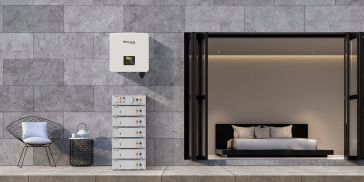
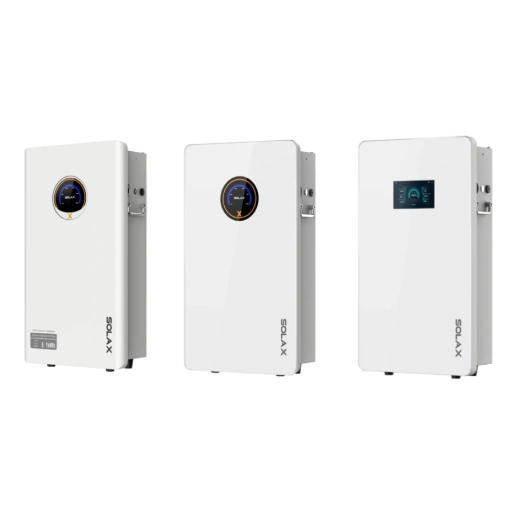
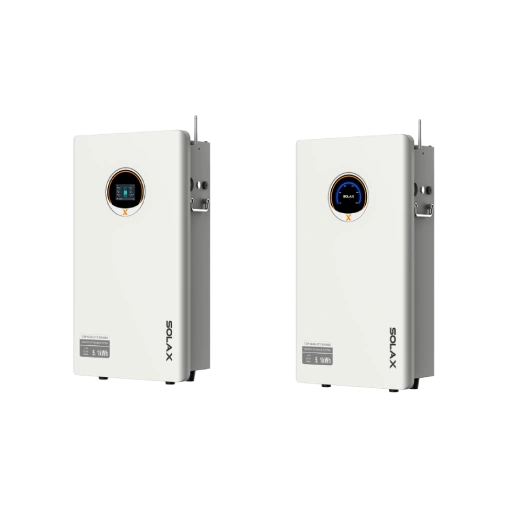
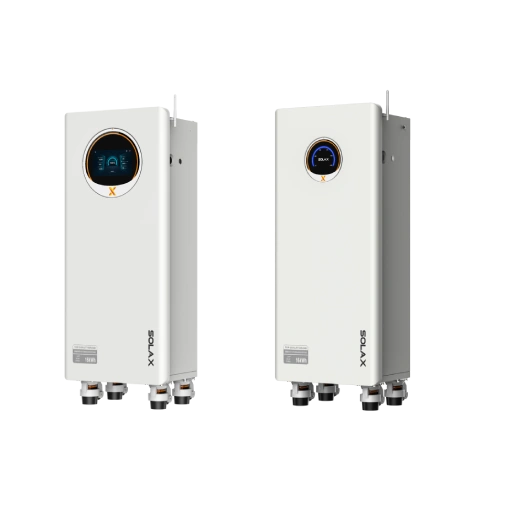
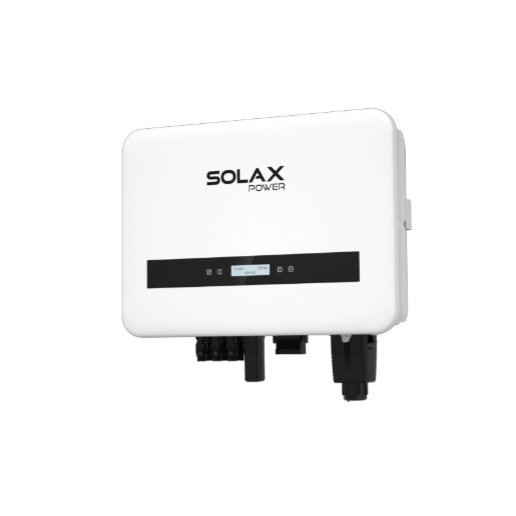
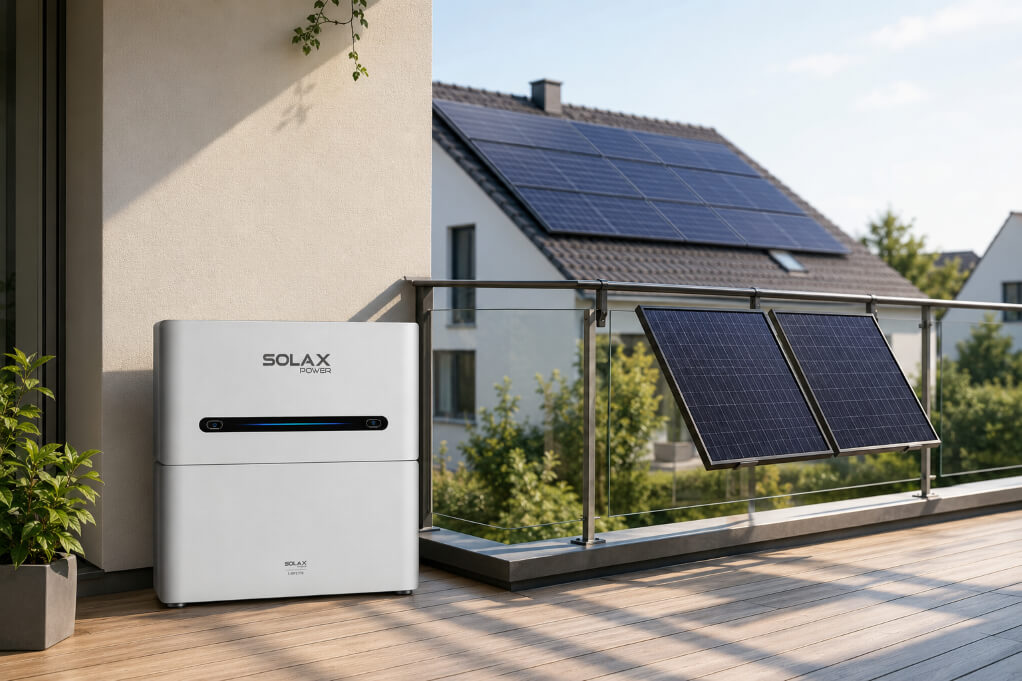
The SolaX Microinverter + Balcony ESS solution is designed for households that want a flexible solar and storage ecosystem for balconies, small rooftops, terraces and other space-constrained residential installations.
Generate and Use Solar Power More Efficiently
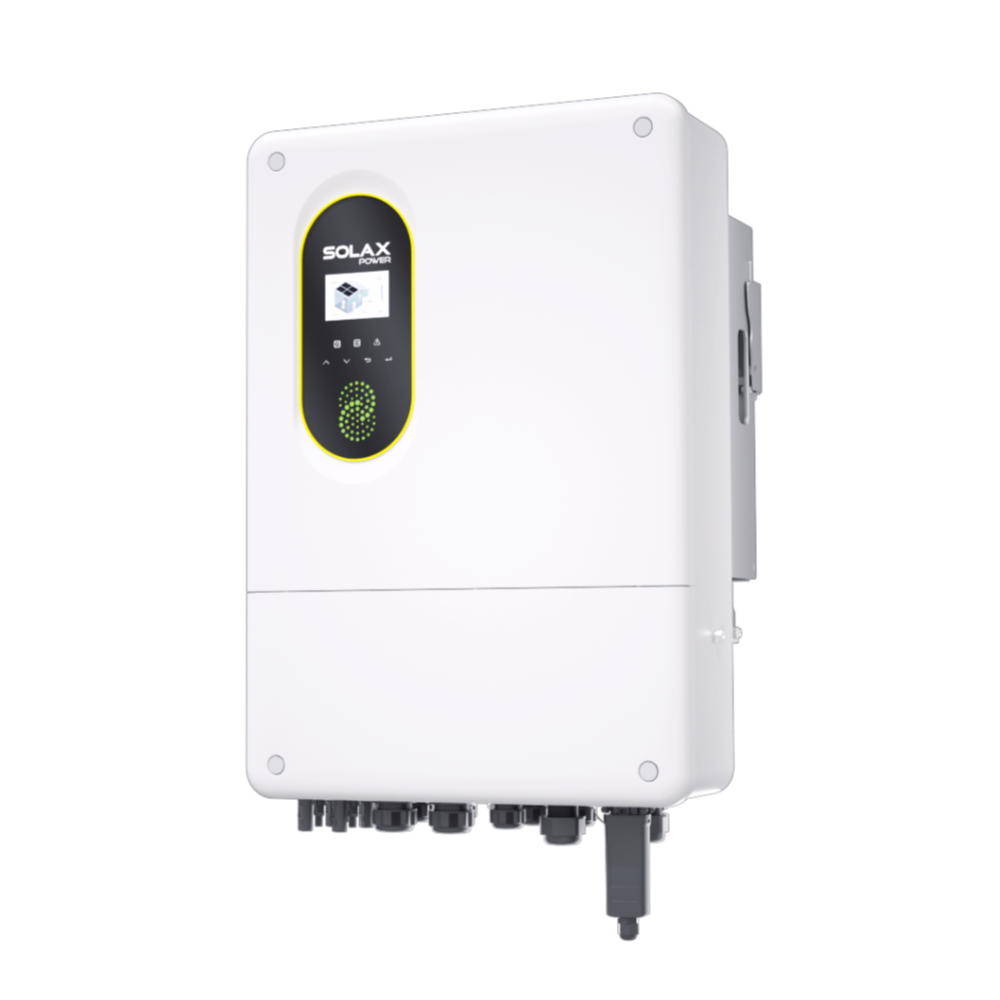
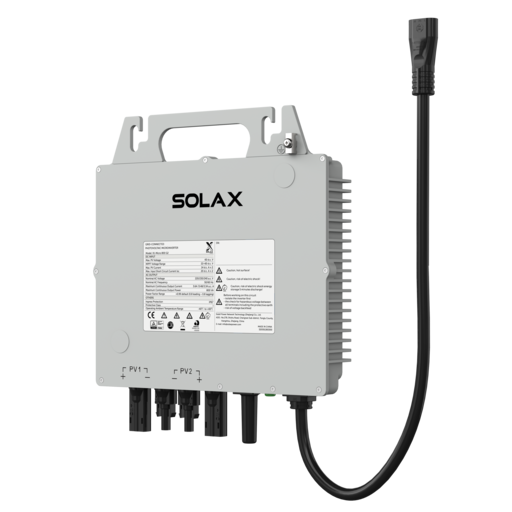
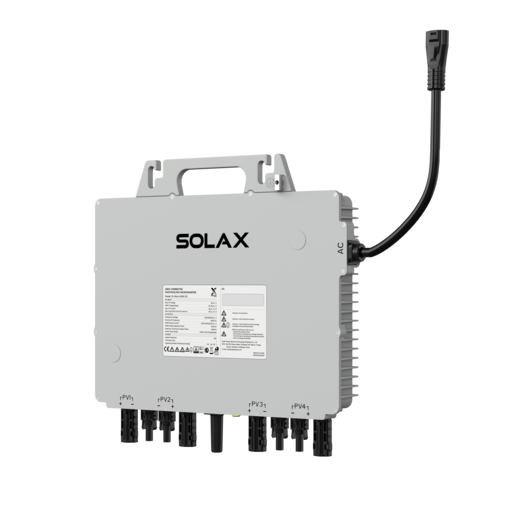
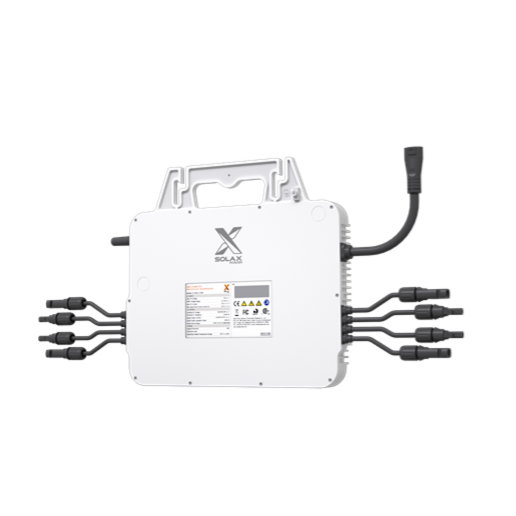
SolaX microinverters convert power from individual solar panels into usable household electricity. Module-level MPPT allows each panel to perform independently, supporting installations with partial shading, different panel orientations or limited space.
Key microinverter benefits include:
Module-level MPPT for independent panel performance
Real-time monitoring for better system visibility
IP67 weather protection and 6,000 V surge protection
Low-voltage DC operation for enhanced system safety
Flexible solar expansion with compatible panels and microinverters
Store Surplus Solar Energy for Later
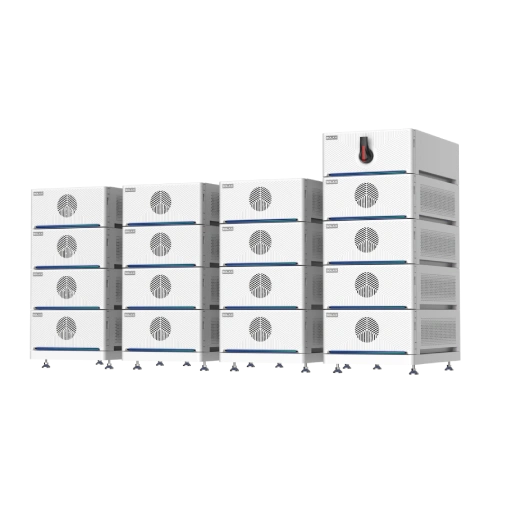
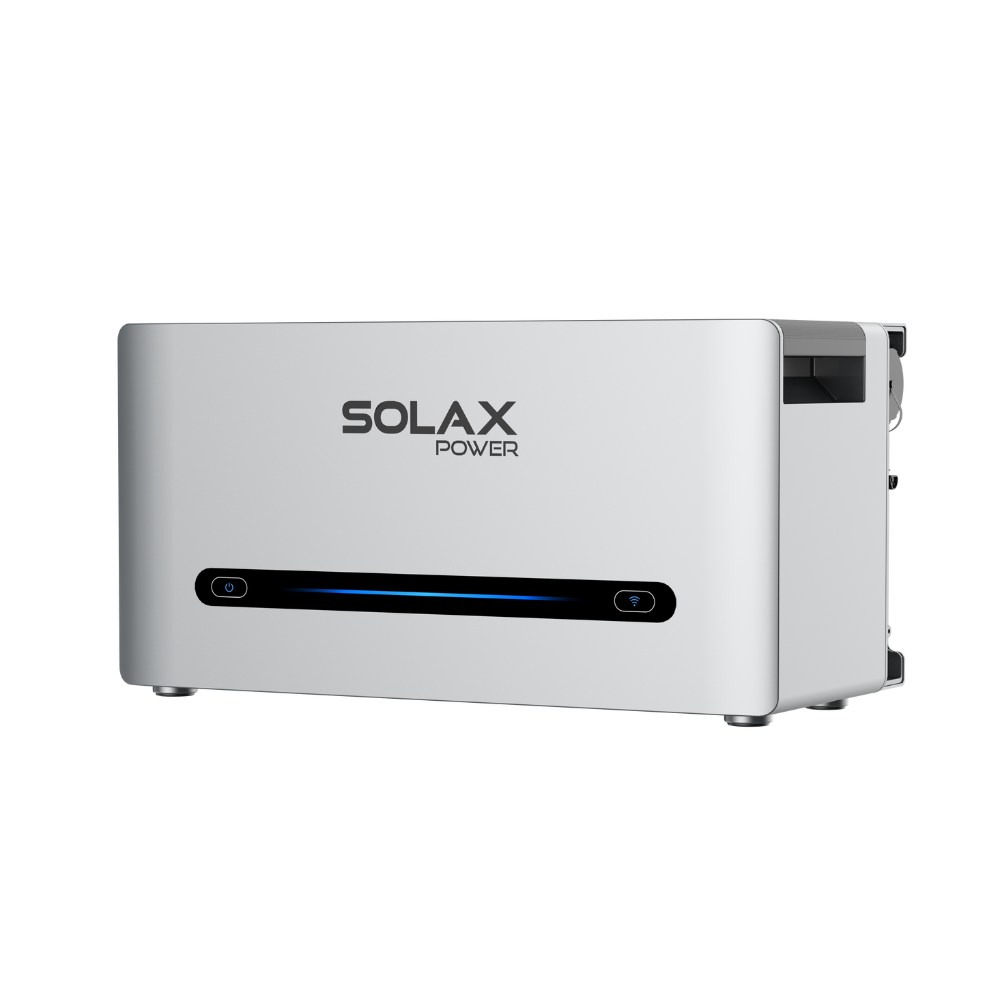
When solar generation exceeds immediate household demand, the Spring X-MS 2700 balcony ESS can store surplus energy for later use. This helps households use more solar electricity in the evening, improve self-consumption and reduce dependence on grid electricity.
Key storage features include:
Up to 2,400 W solar input through four MPPTs
2.66 kWh starting battery capacity, expandable up to 16 kWh
Up to 6,000 charge cycles for long-term use
UPS-level switchover capability
Time-of-use energy management to help optimize electricity costs
IP65 protection, integrated battery heating and aerosol fire suppression
The final system design should follow SolaX product compatibility requirements and local installation rules. Depending on the configuration, solar panels may connect directly to the balcony ESS or operate through a compatible microinverter-based solar system.
Conclusion
Microinverters are not the best choice for every solar installation, but they offer clear advantages for balcony PV, shaded rooftops, multi-orientation roofs and systems that may expand over time.
As Germany's solar market places greater value on self-consumption, battery storage and smart home energy use, households can benefit from combining flexible solar generation with compatible energy storage. The right solution depends on roof conditions, electricity consumption, local grid requirements and future expansion plans.
FAQ
Table of Contents
Latest News
Explore expert insights, practical guides, and the latest news on SolaX Power.

To the Latest Newsletter
Stay Ahead with the Latest SolaX Updates!
Subscribe
I have read and agree to Privacy Policy and User Terms