



















June 30, 2026
Why AC-side V2H Could Matter for Europe's Solar Homes
Share my #SolaXStory


Across Europe, the home is becoming a more active part of the energy system.
Rooftop solar is now familiar in many neighbourhoods. Residential battery storage systems are moving into mainstream home energy planning. Heat pumps are increasing electricity demand. Electric vehicles, meanwhile, are becoming one of the largest electrical loads in the household.
This is a good development, but not a simple one. A modern home may produce electricity, store it, use it for heating, and charge a vehicle, often within the same day. The problem is that these assets are not always coordinated.
Solar output usually peaks during the day. Household demand often rises in the evening. The EV may be parked, charging, or already full. Electricity prices may change by the hour. Without an intelligent home energy management system, clean electricity can be exported at low value, batteries can reach their limits, and the grid can still face pressure during peak periods.
This is the background against which vehicle-to-home, or V2H, starts to make sense.
What V2H means for the home
V2H bidirectional charging allows an electric vehicle battery to support household energy use under controlled conditions. The idea is simple: the car can be charged when solar generation is available or electricity prices are lower. Later, part of that stored energy can be used by the home during evening peaks, higher-tariff periods, or grid interruptions.
For households with solar, this could improve self-consumption. For homes exposed to dynamic Time-of-Use (ToU) tariffs, it could help shift energy use away from expensive periods. For families concerned about outages, it can add another layer of backup.
But V2H should not be understood as simply turning an EV into a free home battery. The vehicle battery is expensive, mobile, and primarily designed for transport. A credible V2H system needs to manage charging and discharging carefully. It must know when to use the vehicle battery, when to preserve it, and when the car should simply remain a car.
That is why the next stage of residential charging is not only about power. It is about coordination.
Why SolaX AC-side V2H is worth watching
Most of the discussion around bidirectional EV charging has focused on high-power use cases. That is understandable. Public charging, fleet depots and grid-facing services often start from the question of how much power can move, and how quickly.
Residential V2H is different. In a home, peak power is only one part of the equation. Installation conditions, battery protection, PV integration, daily reliability and ease of use may matter just as much.
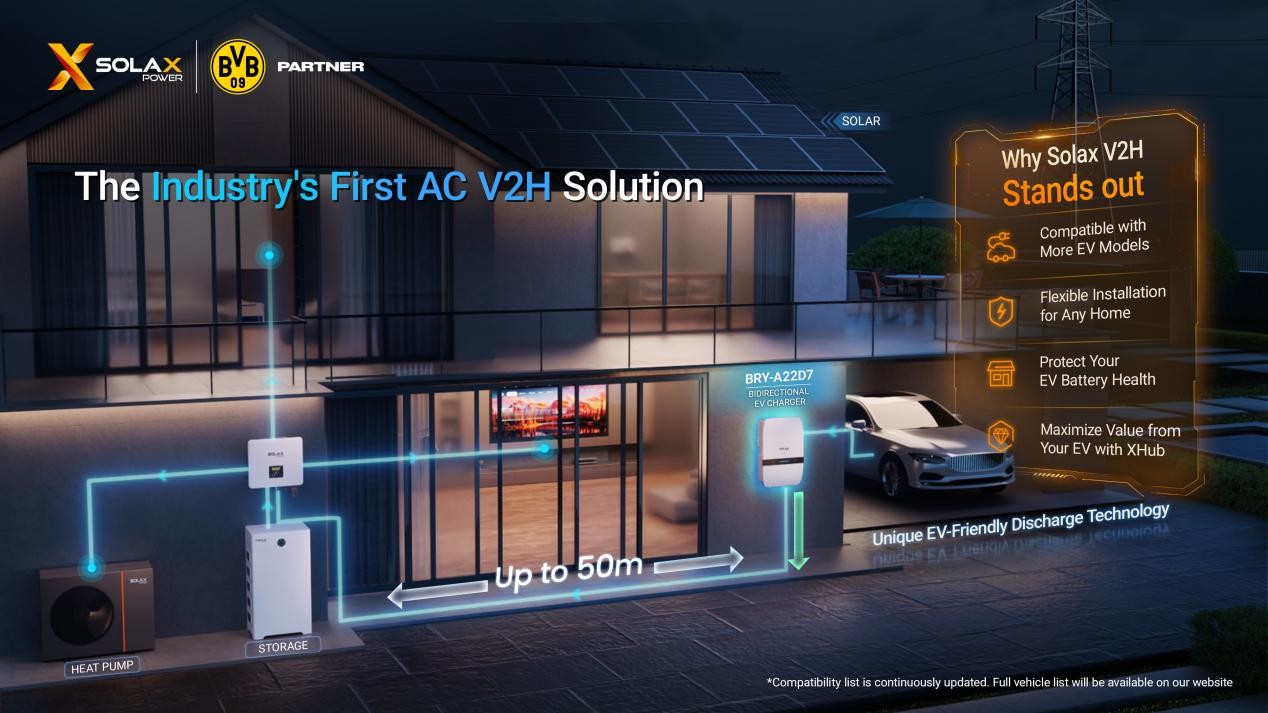
This is where SolaX's AC-side V2H solution approach is interesting. The company presents its Binary Series as the industry's first AC-side V2H solution. The more important point, however, is not the “first” claim alone. It is the product logic behind it.
1. Flexible Retrofitting and Installation
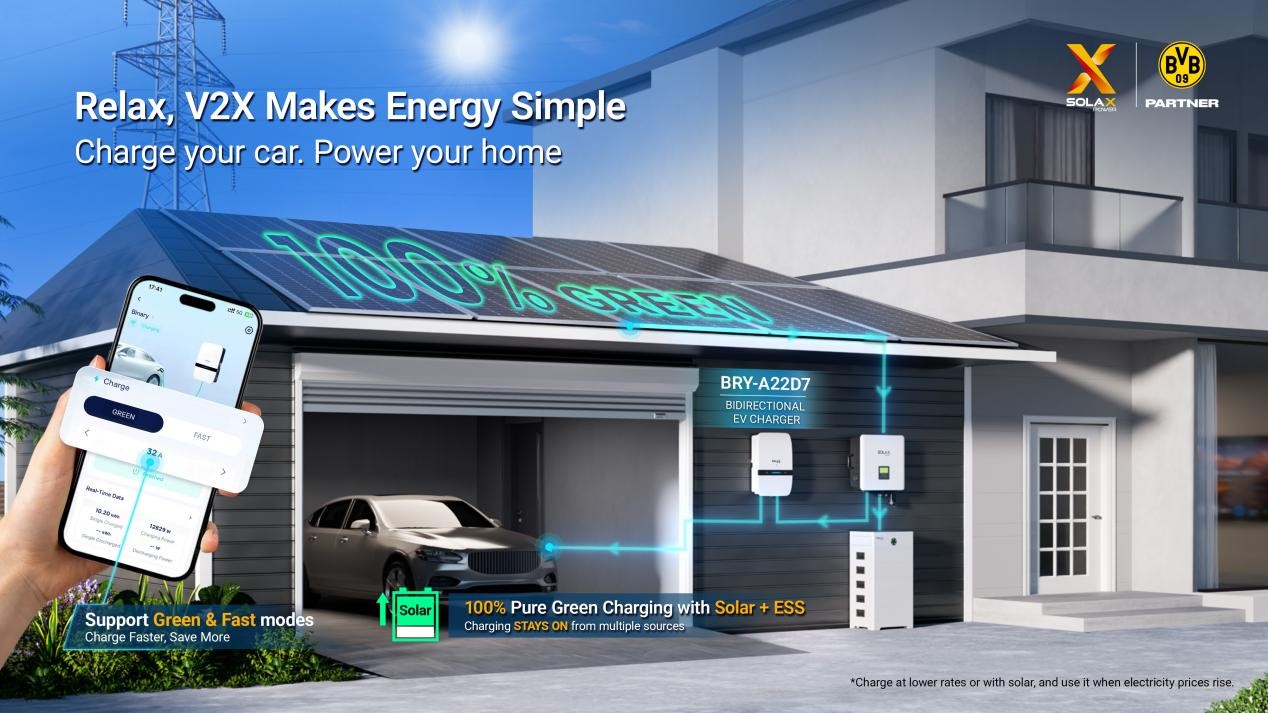
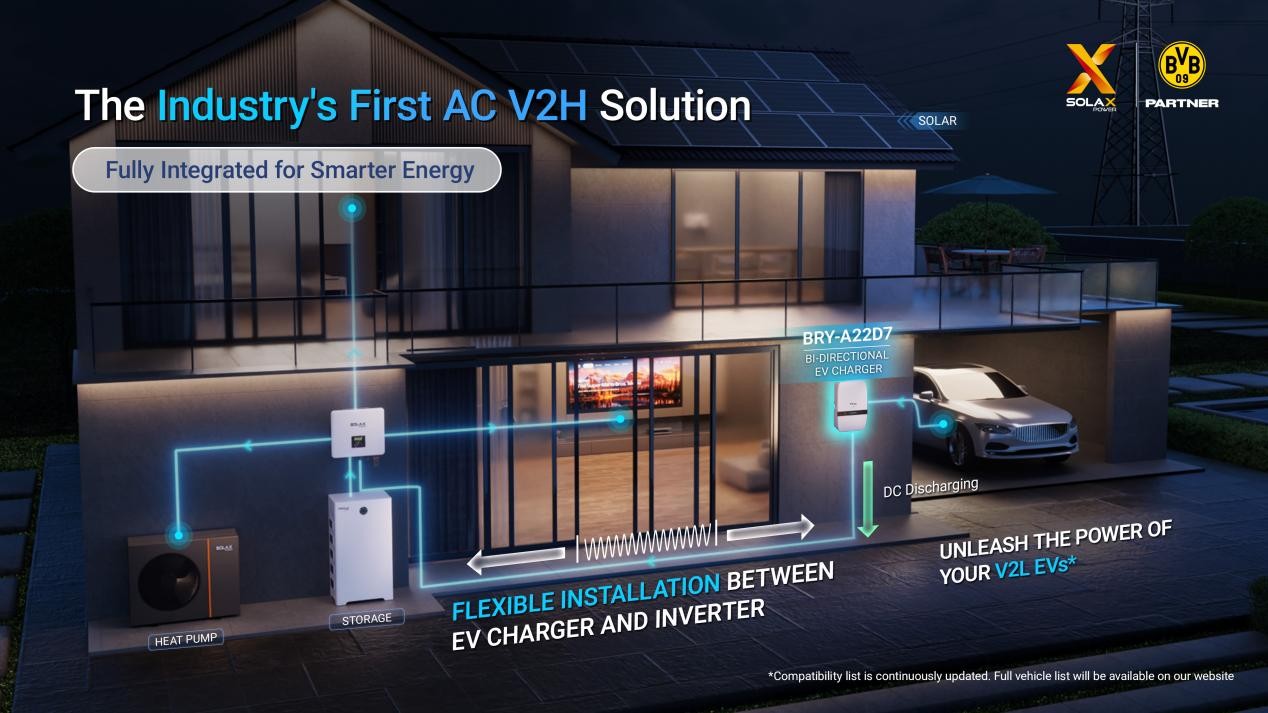
The solution appears to be designed around ordinary residential constraints rather than maximum technical output. In many European homes, the parking space, inverter, storage system and utility room are not located together. Retrofitting an energy system into an existing property can be awkward. SolaX supports a longer distance between the EV charger and inverter, giving installers more flexibility in homes where equipment cannot all be placed in one area.
2. Prioritizing EV Battery Health
Battery use is another important part of the design. The system is based on controlled vehicle-side energy output and coordinates the vehicle, the bidirectional charger and the storage inverter. Rather than treating the EV battery as an unrestricted energy source, the architecture is intended to keep energy exchange within defined operating limits.
This matters because consumer confidence in V2H will depend heavily on battery health. Homeowners may like the idea of using their EV to support the home, but not if they believe it could create unnecessary battery stress. A residential V2H system has to be useful, but also conservative enough to feel acceptable in daily life.
SolaX's discharge level also reflects this home-first logic. The purpose is not to empty the vehicle battery as quickly as possible. It is to support household loads, reduce peak consumption, make better use of stored solar energy and provide additional backup when required.
3. Integrated Solar-Plus-Storage Ecosystem
Solar integration is equally important. The system supports charging strategies that allow users to prioritise solar energy when it is available, or choose faster charging when needed. For a solar household, this changes the EV charger from a simple load into part of the home's self-consumption strategy.
Finally, SolaX integrates the residential storage system and V2H charger into one application(SolaXCloud). Users can view device status, energy flows, charging and discharging information, and operating settings in a single interface. That may sound like a small detail, but fragmented apps remain one of the reasons home energy systems feel complicated to ordinary users.
Seen in this way, SolaX AC-side V2H is not just a charger feature. It is a more residential reading of bidirectional energy use: practical to install, cautious with battery use, connected to solar, and easier to manage.
From charger to home energy system
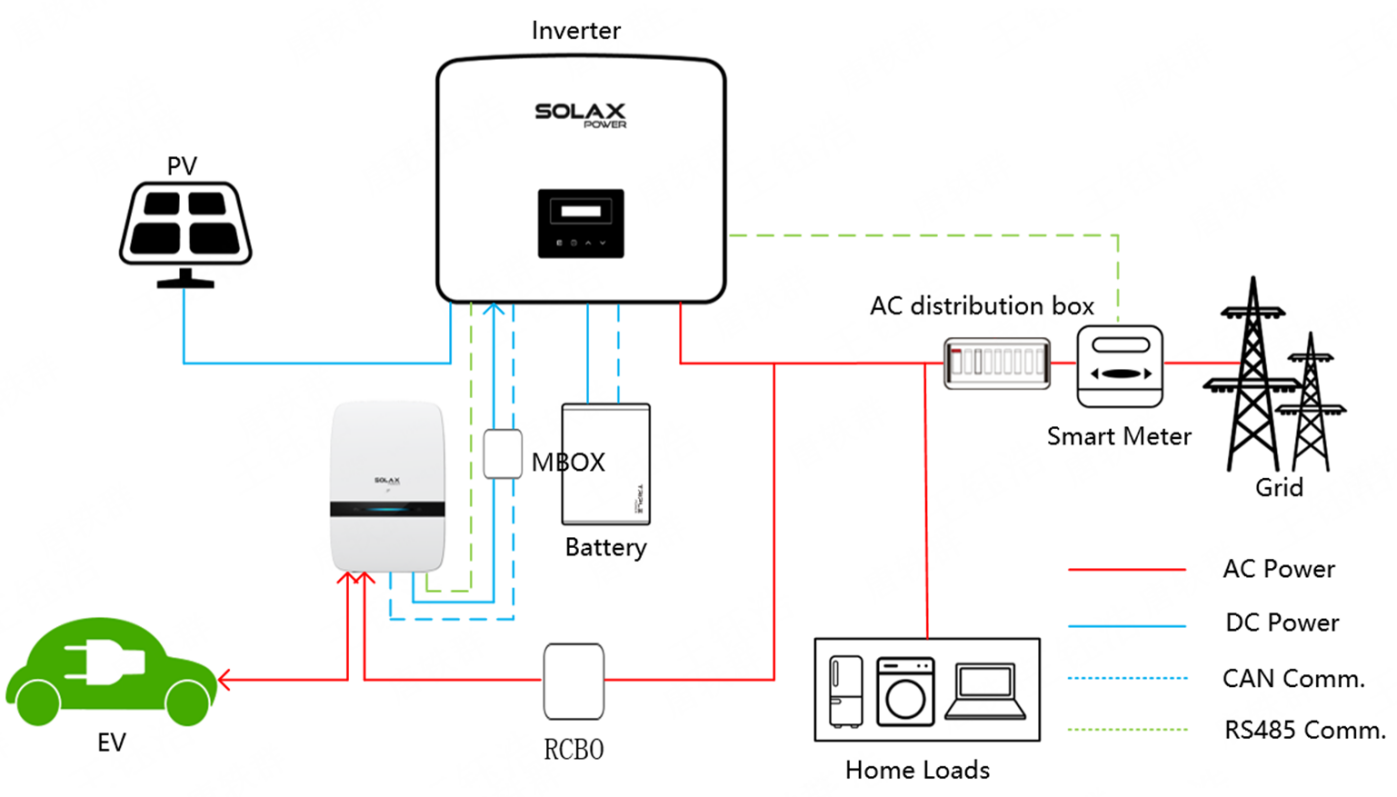
The wider value of the SolaX Integrated PV + ESS + V2H + Thermal Solution lies in the way it connects PV, residential storage, EV charging, household loads and energy management. It is not simply a bidirectional charger added to the wall. It is part of a broader home energy management architecture.
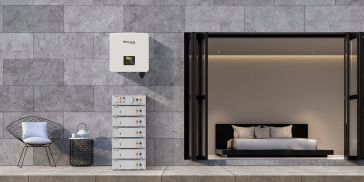
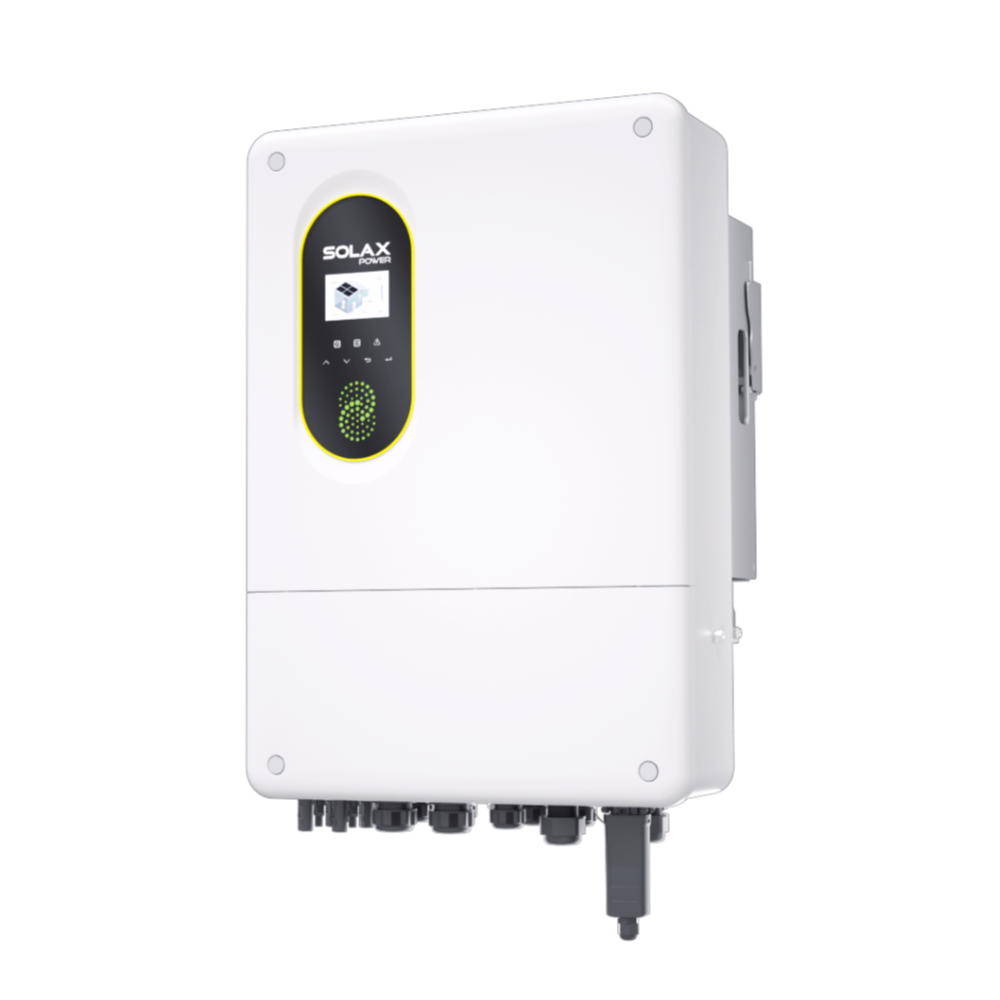
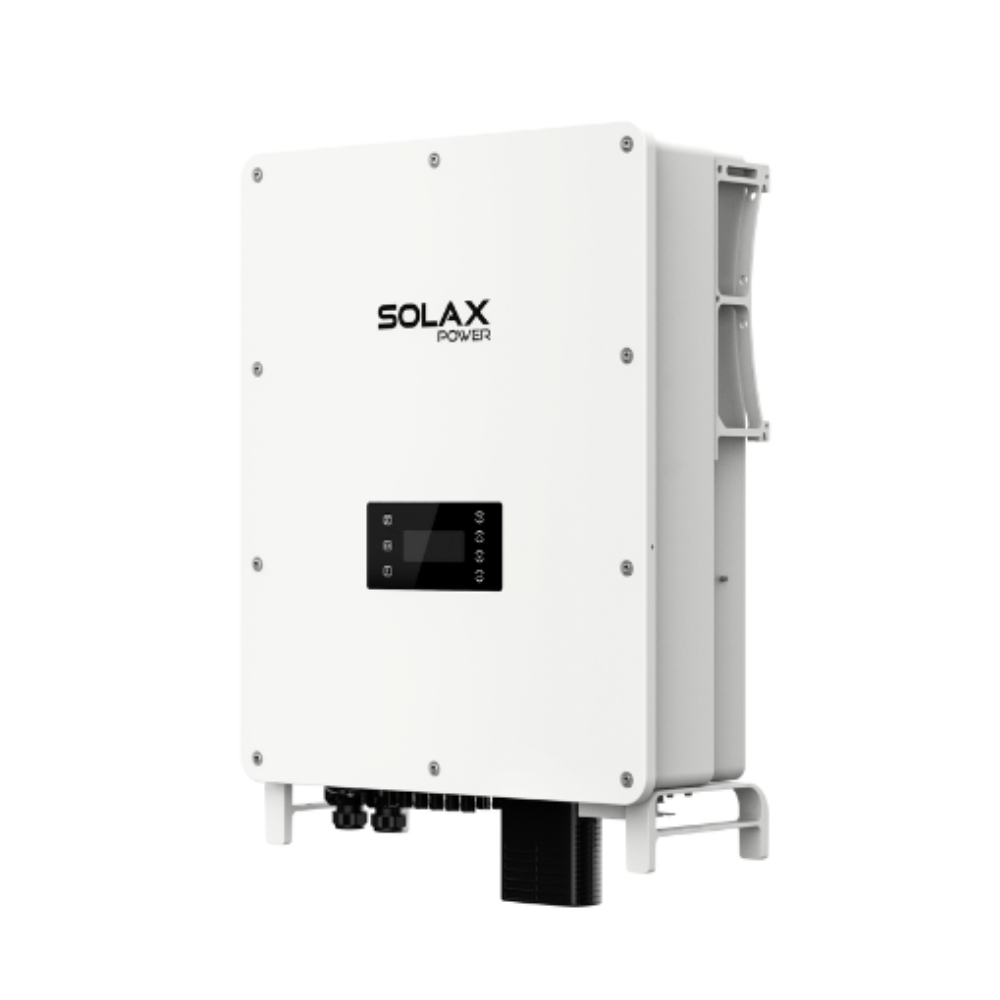
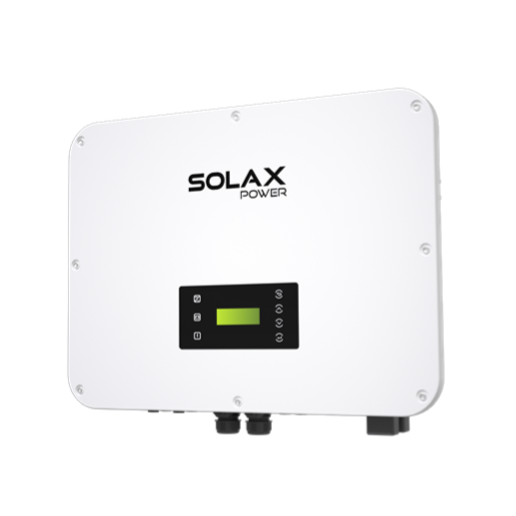
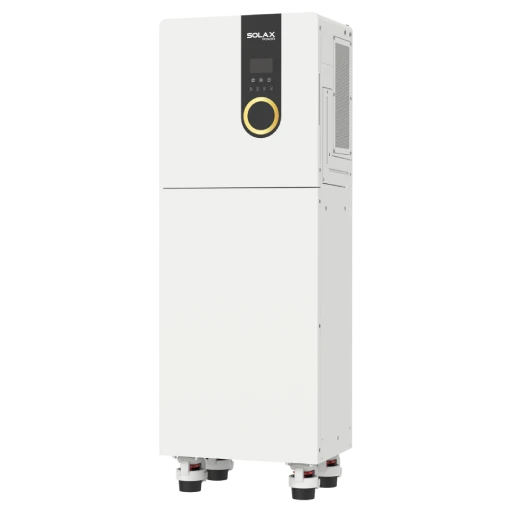
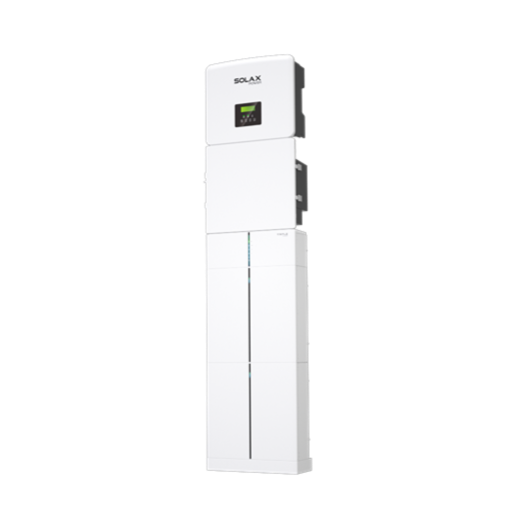
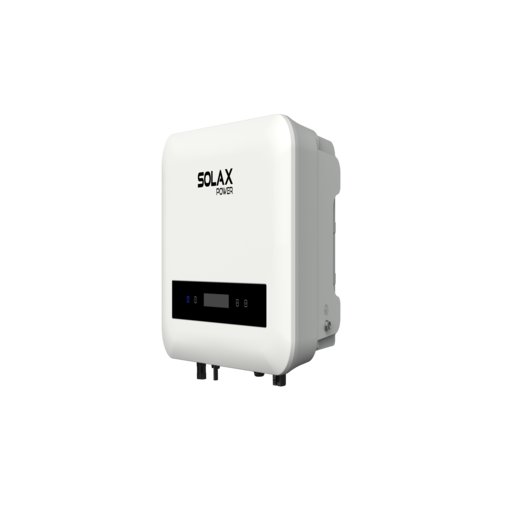
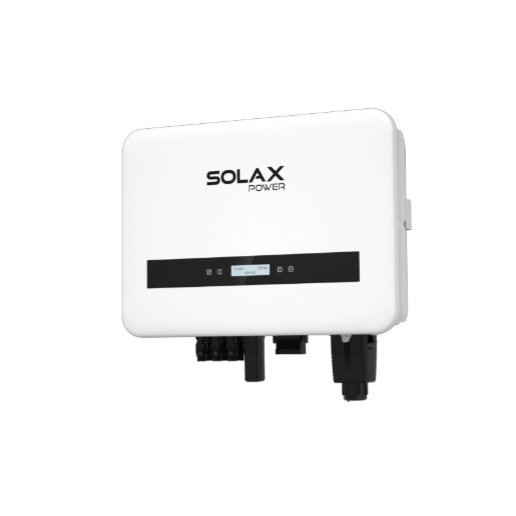
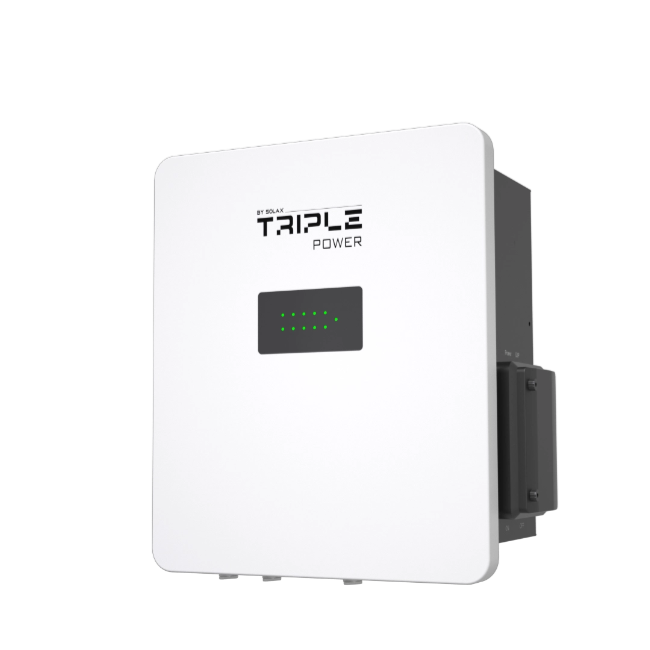
At this stage, the SolaX AC-side V2H solution is designed to work with SolaX hybrid inverters including the X1-VAST and X3-G4 Pro, with X3-Ultra expected to follow. That detail helps explain why the solution is presented as a system rather than a charger-only product.
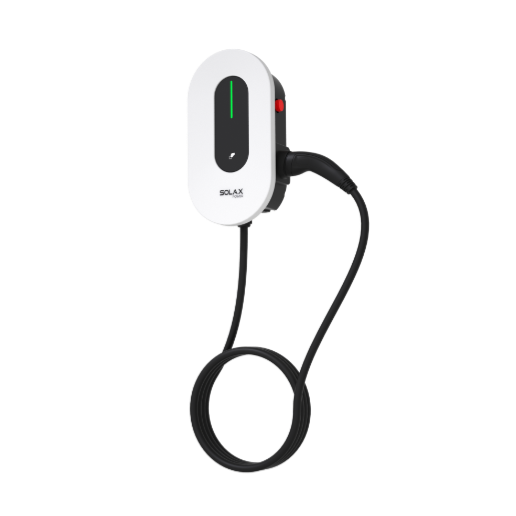
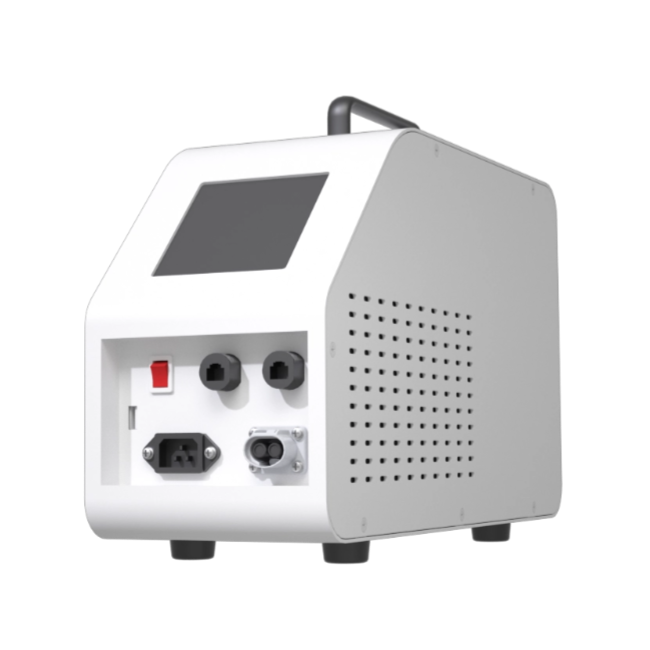
At the product level, the BRY-A22D7 supports AC charging and controlled DC discharging, with actual performance depending on the vehicle side and system configuration. The separation of charging and discharging is an important part of the architecture. For the homeowner, the first job of an EV charger is still to charge the car reliably. V2H can add value, but it should not make everyday charging more fragile.
In daily operation, the system can charge the EV using surplus solar or lower-cost electricity. During higher-tariff periods, the vehicle can support home loads. In backup scenarios, it can work with the SolaX storage system to help keep essential loads running when the grid is unavailable.
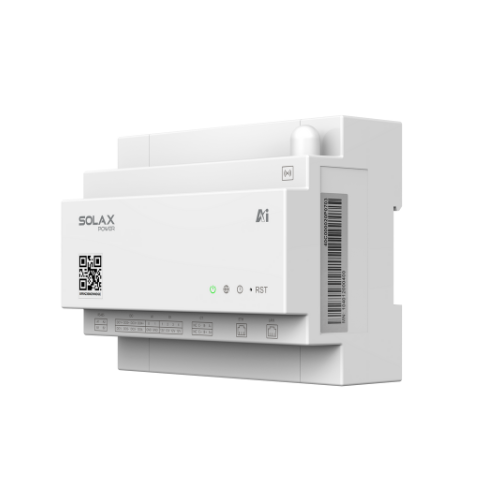
This is where software becomes as important as hardware. V2H is not just a matter of allowing power to flow in two directions. The system has to decide when to charge, when to hold energy, when to discharge, and when to preserve backup capacity. SolaX's energy management environment, including XHub and SolaXCloud, is designed to coordinate these decisions across the home.
The point is not to make the homeowner think like an energy trader. The point is to make the system easier to understand and easier to live with.
Aligning with Europe's Clean Energy Regulations
Europe's regulatory direction supports the same broad trend. Charging infrastructure is becoming smarter, more connected and more traceable. Buildings are increasingly expected to support electrified transport. Batteries are being treated not only as hardware, but as assets with lifecycle, safety and data responsibilities.
This matters because V2H sits between mobility, home energy and digital infrastructure. It is not enough for a product to move electricity in two directions. It also needs to manage safety, cybersecurity, operating records and long-term battery value.
SolaX addresses this through layered protection, traceable operating records and cybersecurity considerations within its product design. For residential users, these are not decorative technical features. They are part of what makes V2H acceptable inside the home.
There is a bigger question behind this. Europe does not only need more clean generation. It needs flexible demand, more local storage and smarter use of electricity that is already being produced. Residential V2H will not solve that alone. But it could become one of the more visible and understandable forms of flexibility, because it sits in a place people know well: the driveway.
The parked EV as a home energy asset
The next stage of the energy transition will not be defined only by adding more solar modules or more wind capacity. It will also depend on using electricity at the right time, from the right source, with less waste.
The EV is well placed to become part of that shift. It is parked for many hours a day. It contains a sizeable battery. It is already connected to the wider electrification of the home. The question is whether that battery can be used safely and intelligently, without adding complexity for the household.
SolaX's AC-side V2H solution is interesting because it answers that question from the perspective of the home, rather than from the perspective of maximum power output. It focuses on practical installation, battery-conscious discharge, reliable charging and integration with solar-plus-storage.
For Europe's residential market, that may be where V2H needs to begin. The future home will not simply consume electricity. It will generate, store, shift and, in some cases, share it.
In that system, the EV parked outside may become one of the most useful energy assets a household owns.
Table of Contents
Latest News
Explore expert insights, practical guides, and the latest news on SolaX Power.


To the Latest Newsletter
Stay Ahead with the Latest SolaX Updates!
Subscribe
I have read and agree to Privacy Policy and User Terms