












June 29, 2026
Hybrid Inverters for Reliable C&I Energy Storage and Long-Term Performance
Share my #SolaXStory


Which hybrid inverter fits your C&I operating profile?
A commercial site can tolerate only so much guesswork. If the hybrid inverter is undersized, badly matched to the battery strategy, or awkward to scale, the result is usually not dramatic on day one. Instead, problems show up later through clipped solar energy harvest, backup gaps, and service visits that could have been avoided.
That is why this shortlist compares two SolaX options through a practical C&I lens rather than a feature race. One hybrid inverter is better suited to battery-led, heavier-duty energy solutions, while the other makes more sense when modular rollout and site flexibility matter most.
In a market where solar and storage flexibility is becoming more important across Europe, that distinction is worth making early. According to the European Commission, energy storage is central to system flexibility, stability, and reliability in the EU.
Top 2 hybrid inverter picks for long-term C&I performance
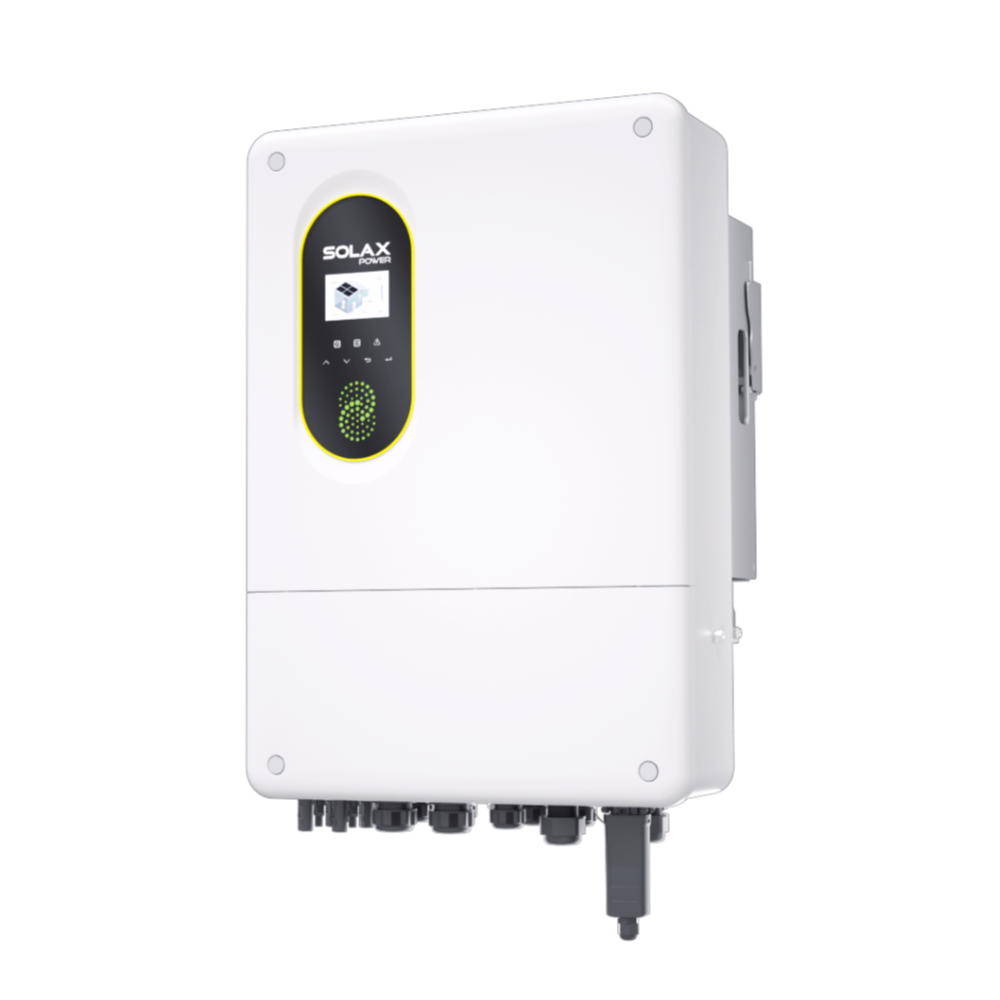
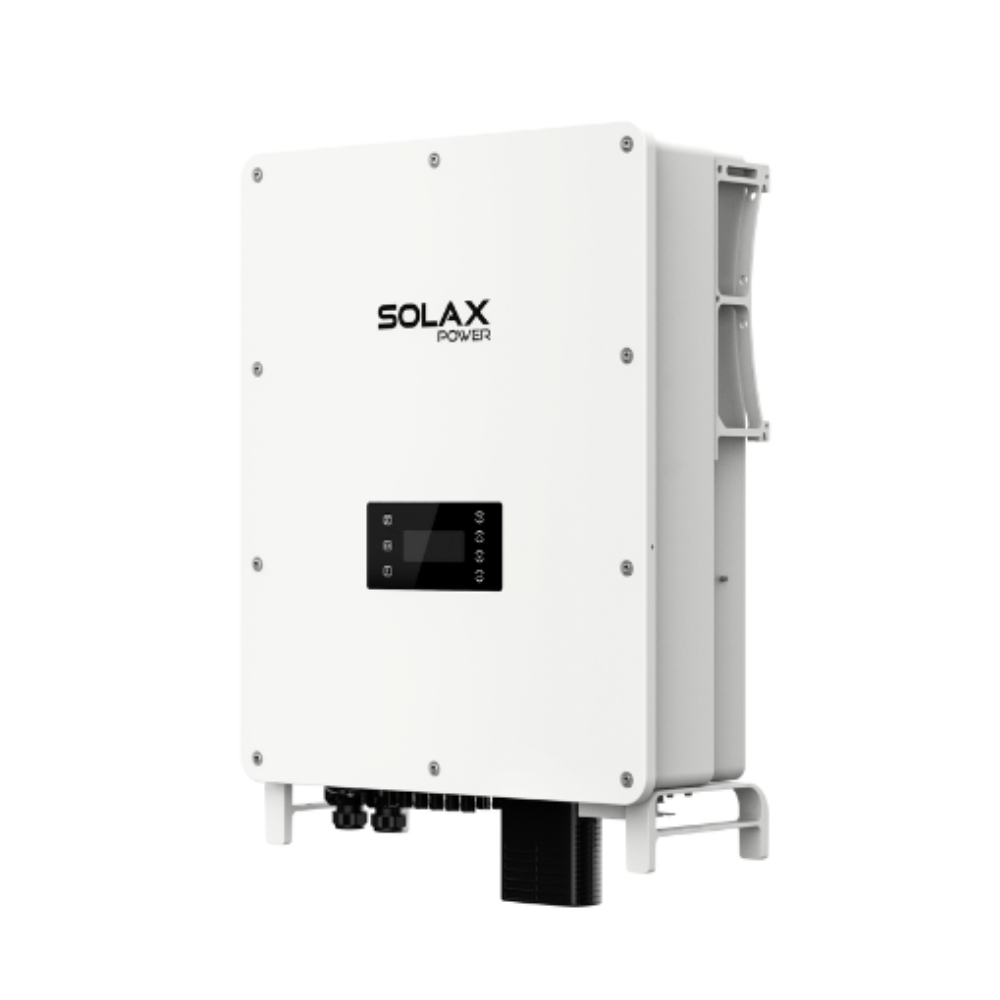
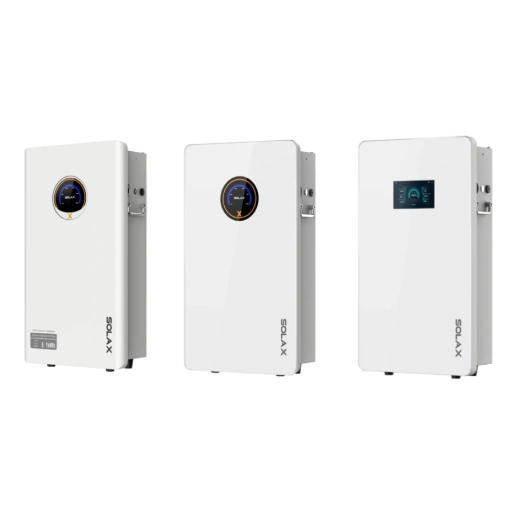
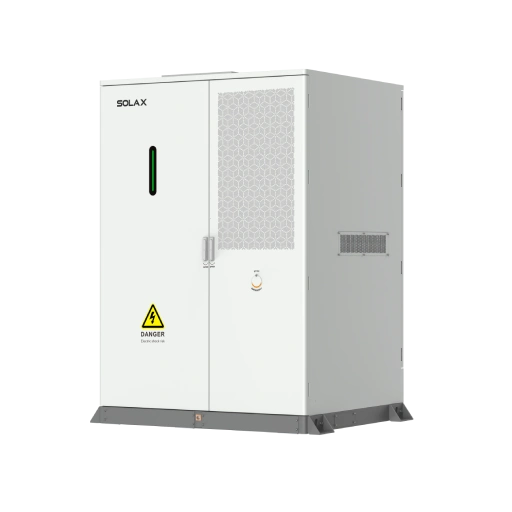
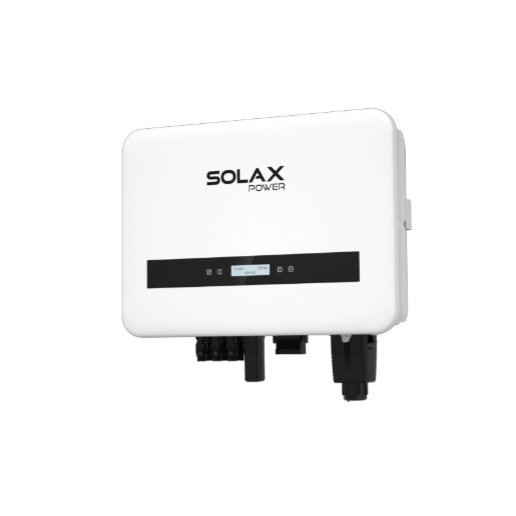
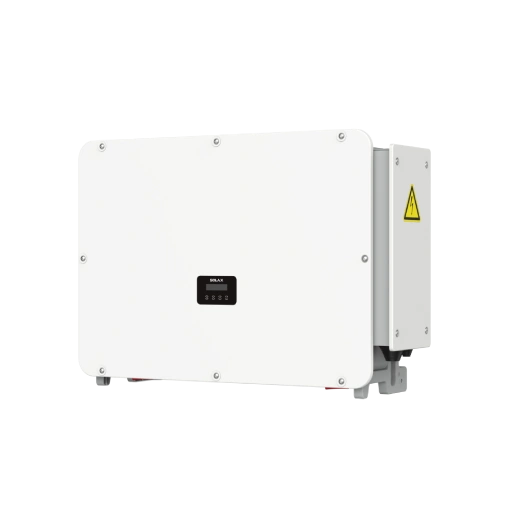
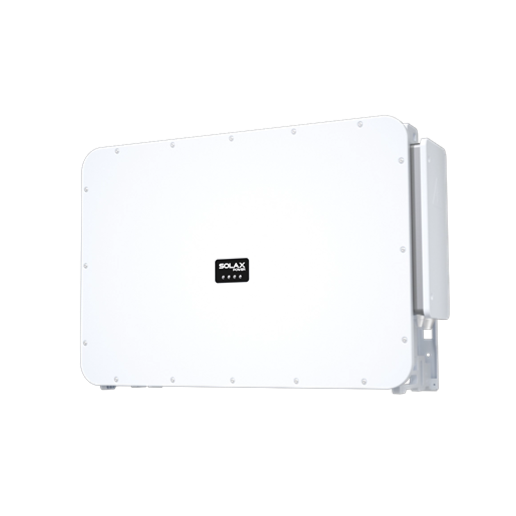
1. SolaX X3-AELIO
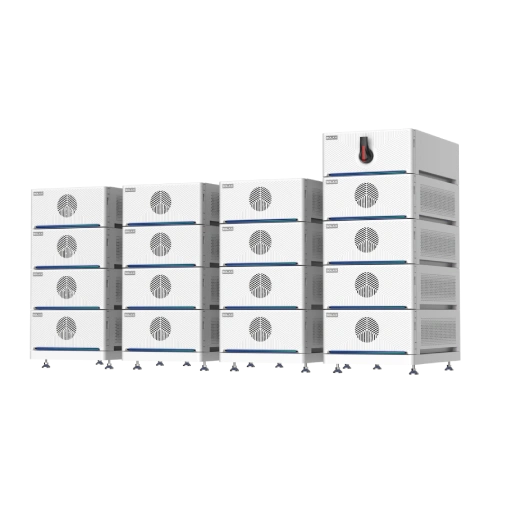
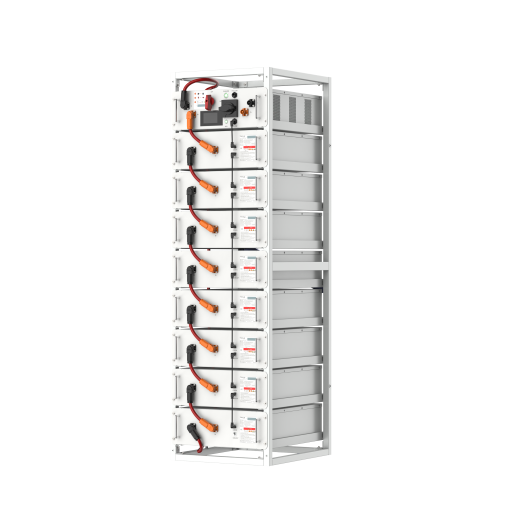
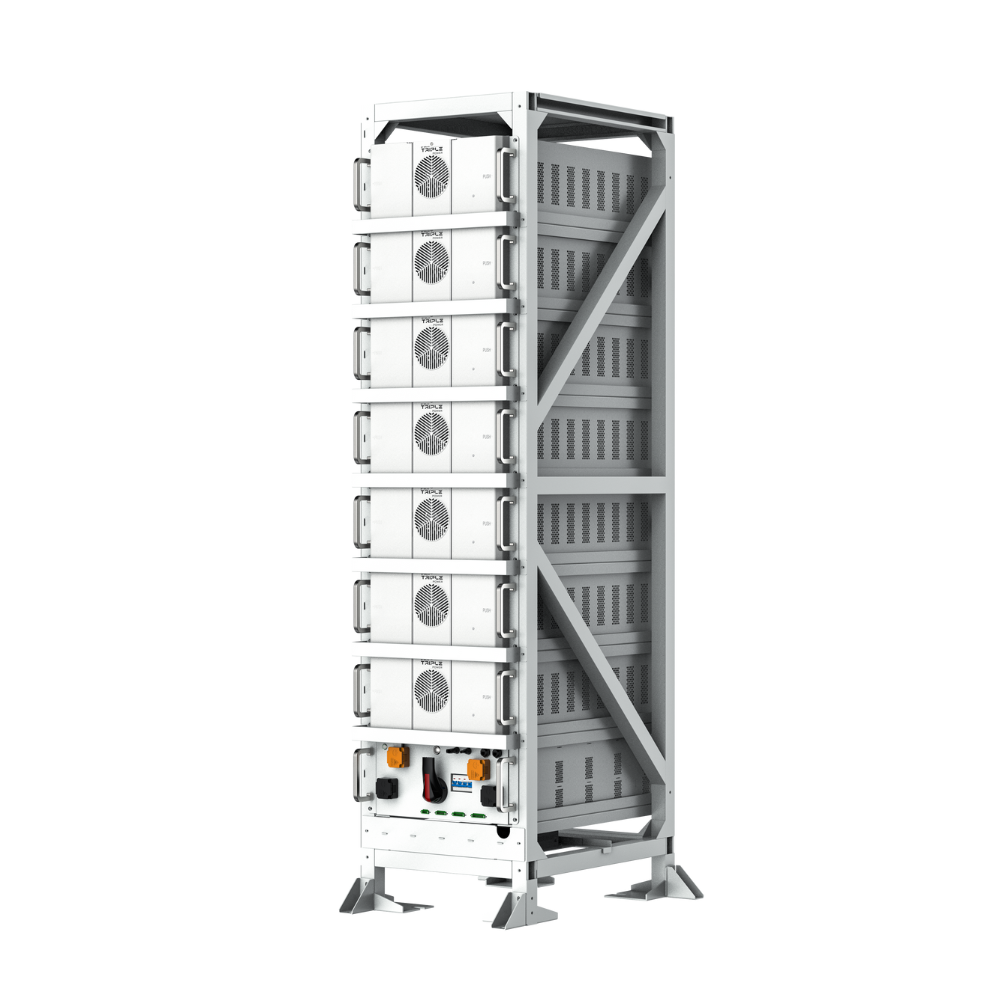
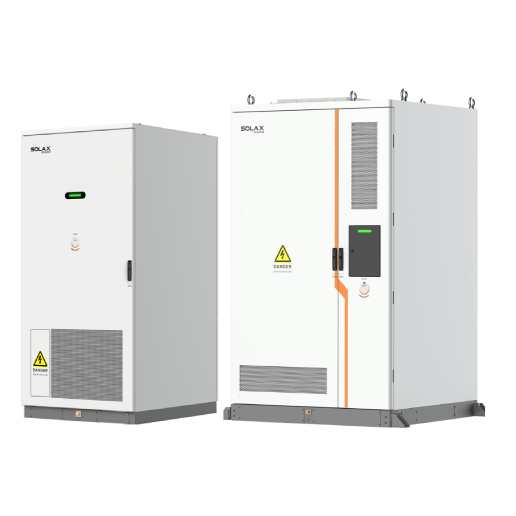
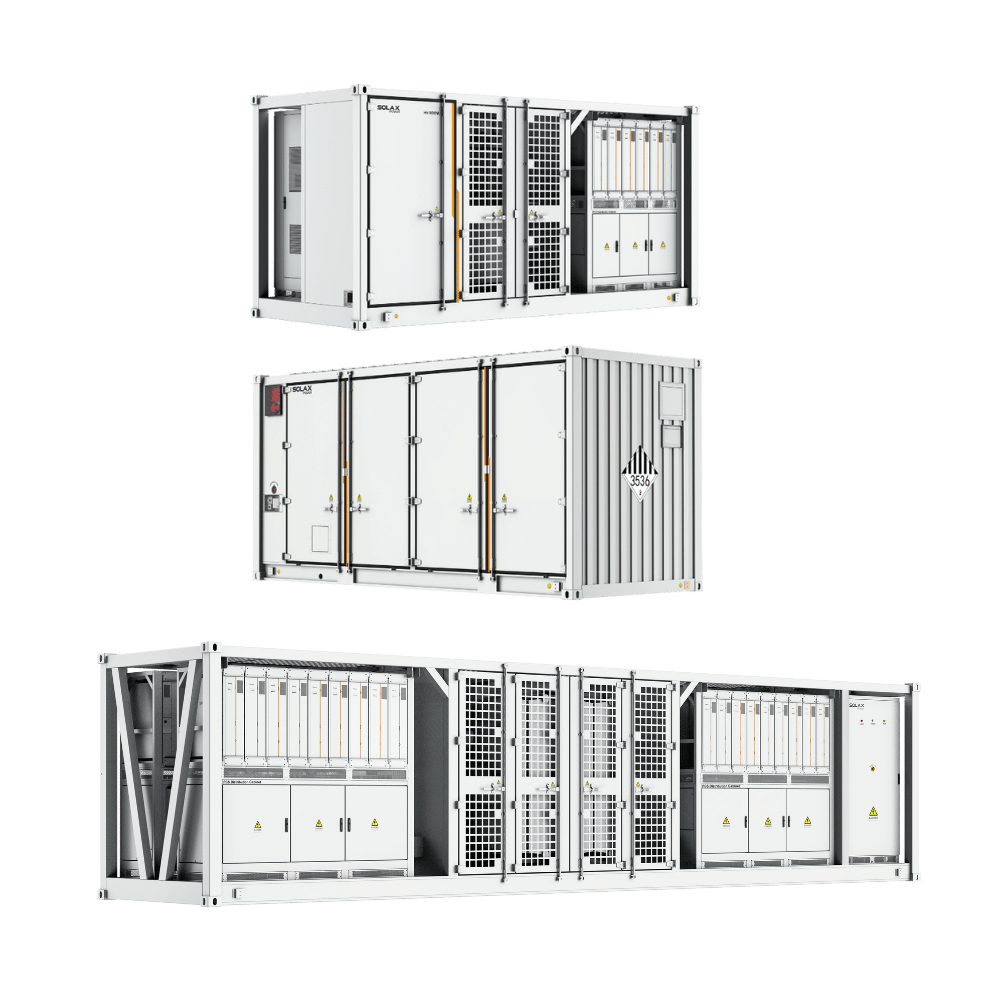
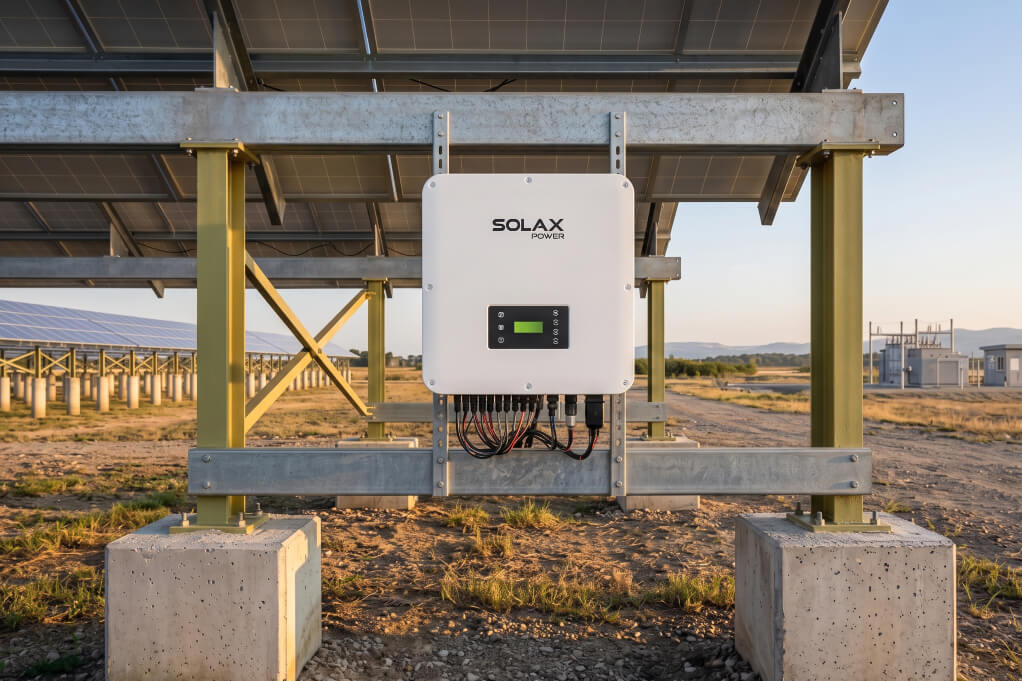
If your project is centred on larger commercial storage blocks, stronger backup expectations, and more centralised control, X3-AELIO is the sharper fit. It is the more purpose-built choice for sites that expect regular battery cycling and want room for future solar inverter and inverter battery expansion without redesigning the architecture mid-project.
Why it stands out
Rated output range: 49.9 kW, 50 kW, 60 kW, and 61 kW
Up to 200% PV input oversizing
Up to 150% EPS output for 10 seconds
Switchover time below 10 ms
Dual independent battery ports for expansion
Micro-grid ready and VPP ready
Key specs to check
Recommended PV array power reaches up to 120 kWp on listed variants
MPPT voltage range: 160 to 950 V
Maximum input current per MPPT: 40 A
Protection: IP66, plus Type II surge protection on AC and DC sides
Best for
Battery-forward C&I solar energy projects
Sites with phased storage growth plans
Facilities that need tighter backup continuity and smart energy control
Shop: SolaX X3-AELIO
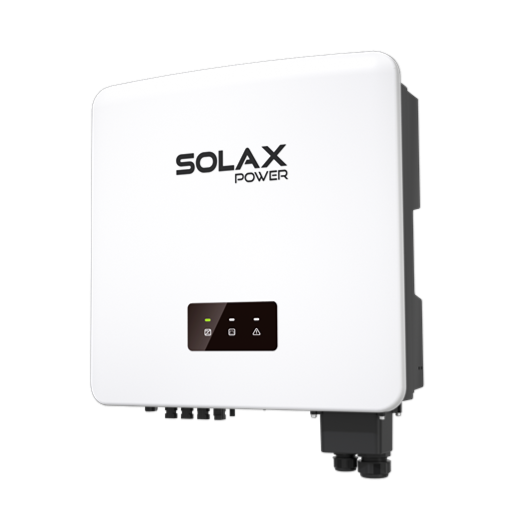
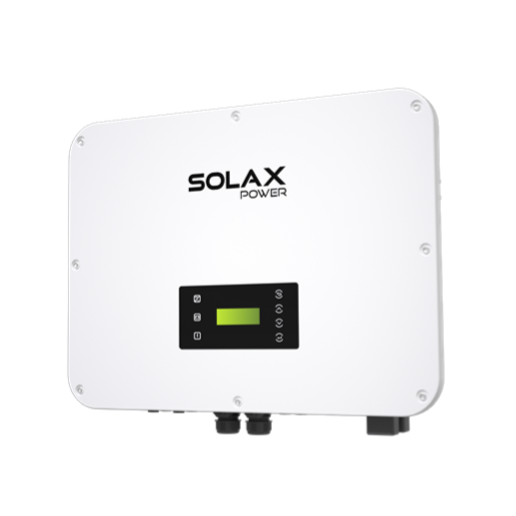
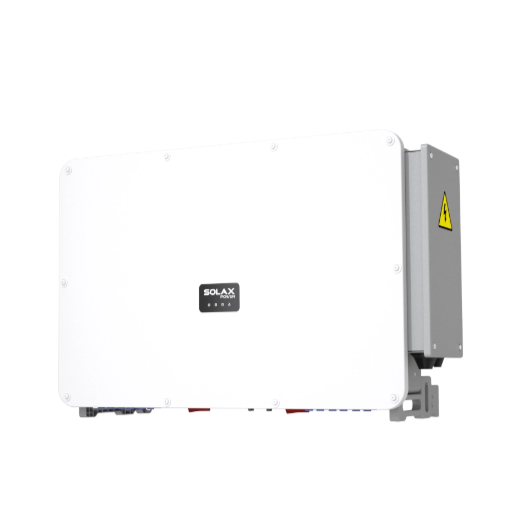
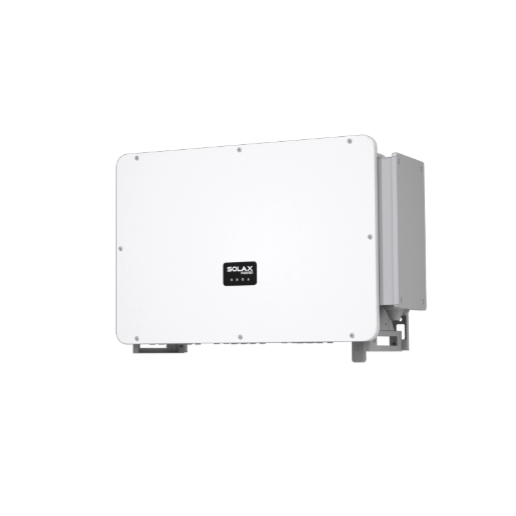
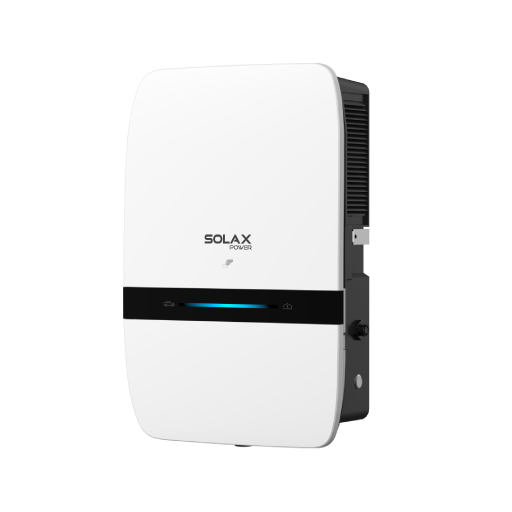
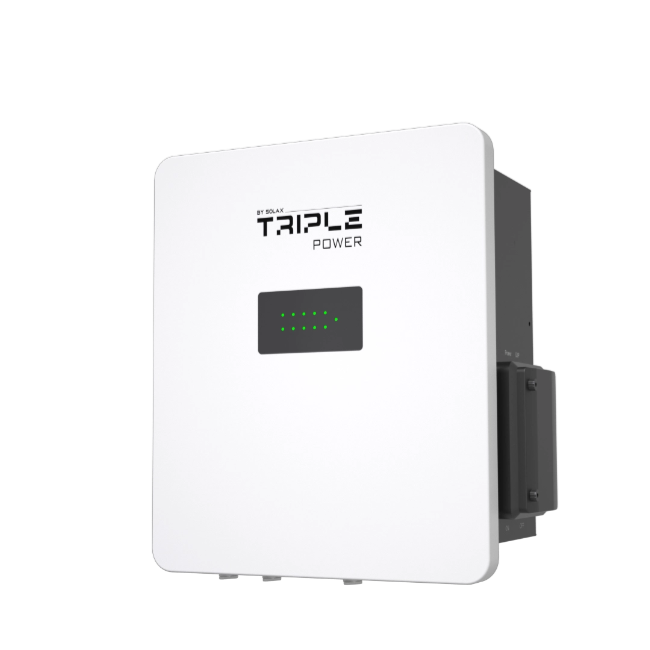
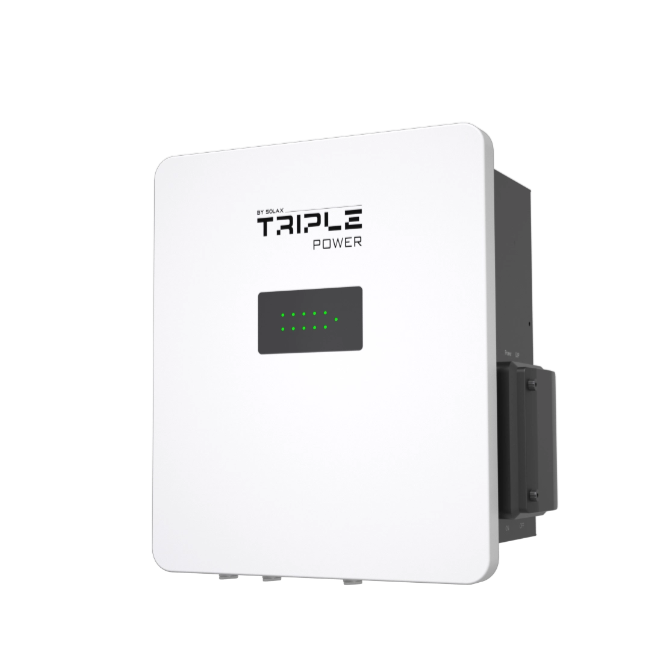
2. SolaX X3-ULTRA
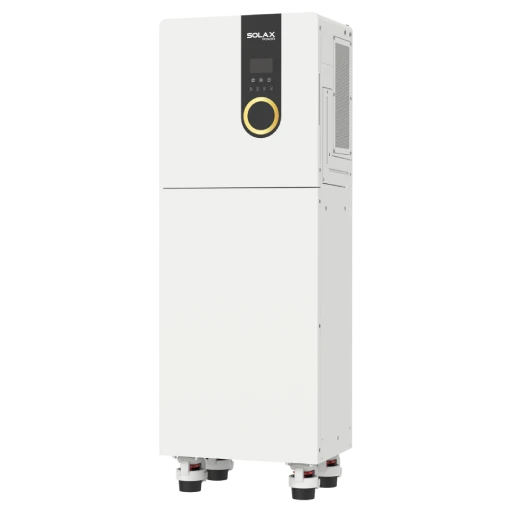
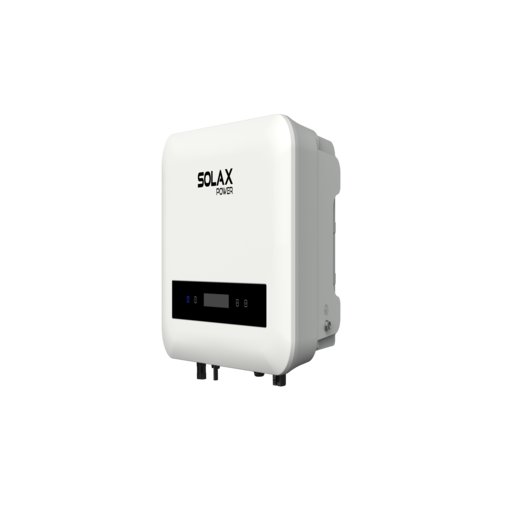
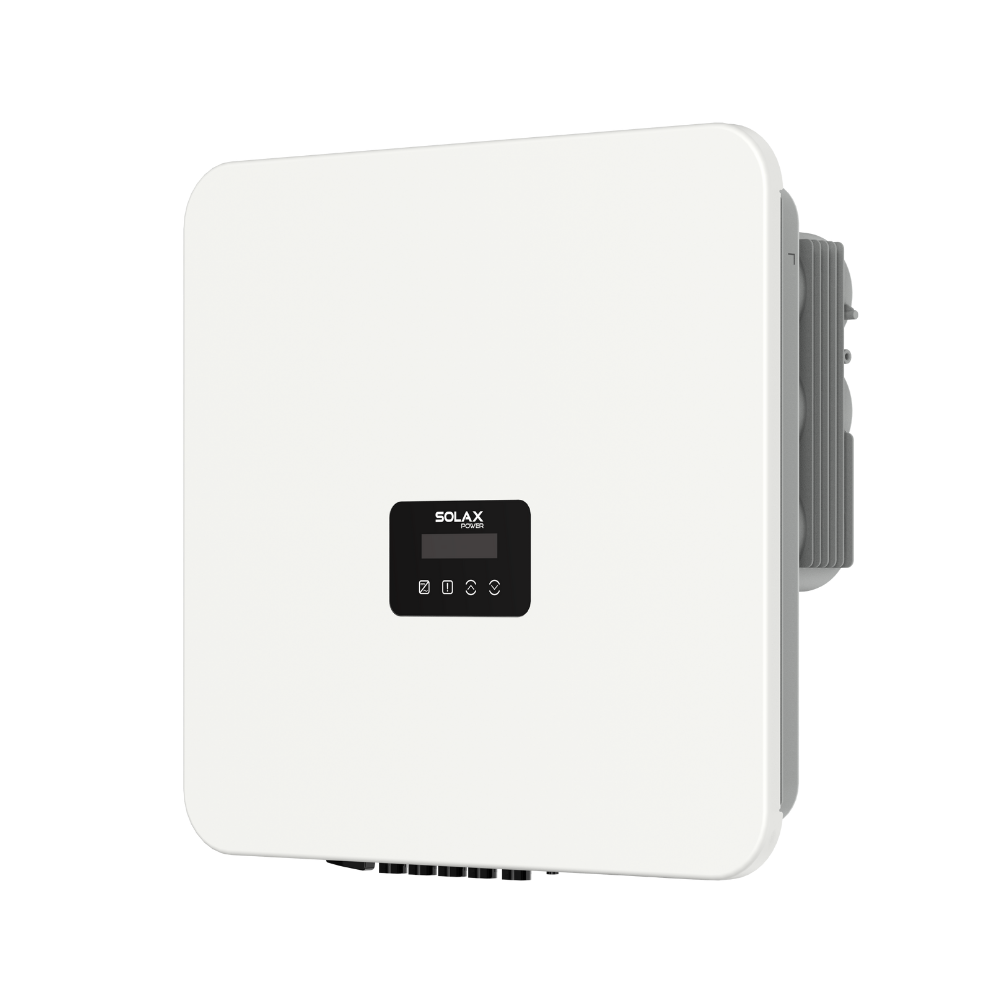
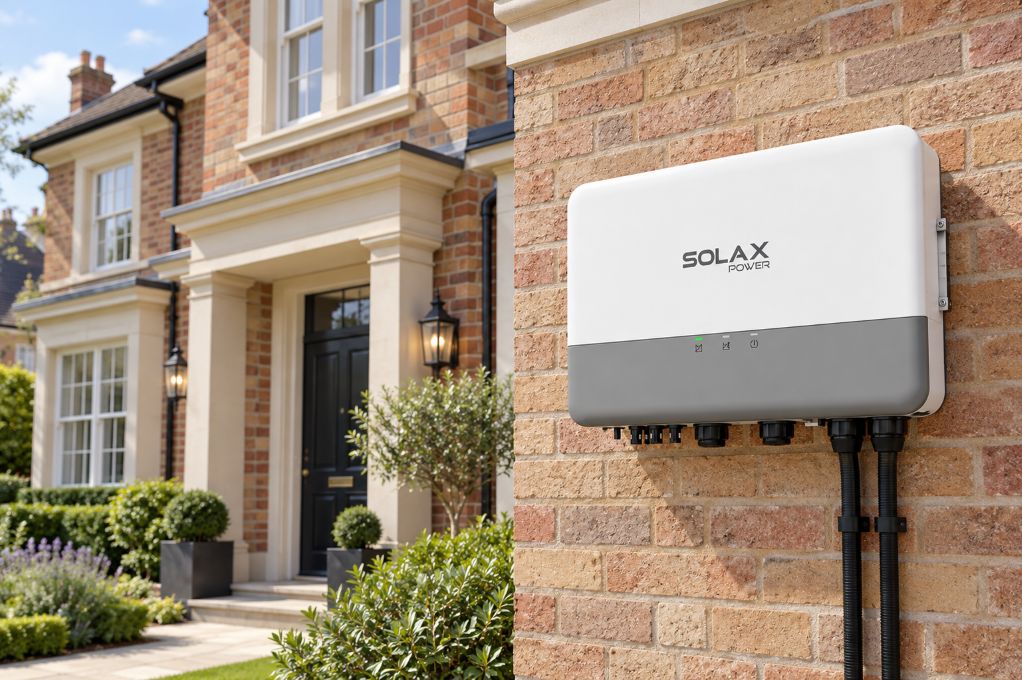
If you are planning a staged rollout, mixed-use estate, or smaller commercial solar power system, X3-ULTRA is usually easier to specify without overbuying. It gives you a more modular path, which matters when the first phase is modest but the long-term plan includes more load, more battery capacity, or parallel expansion.
Why it stands out
Three-phase hybrid inverter range: 15 kW to 30 kW
Supports up to 10 units in parallel for on-grid and off-grid operation
Up to 200% PV oversizing and 110% AC output
UPS-level switchover below 10 ms
Generator compatibility and micro-grid support
Smart load management for assets such as heat pumps and EV charging
Key specs to check
Maximum PV input per MPPT: 36 A
MPPT voltage range: 160 to 950 V
Maximum charge/discharge current: 60 A
Protection: IP66, Type II surge protection on AC and DC sides, optional AFCI
Best for
Smaller C&I sites and mixed-use projects
Buyers who want modular growth instead of one larger central unit
Teams that may expand the inverter battery setup in stages
Shop: SolaX X3-ULTRA
Why these hybrid inverter options stand out over time
The long-term difference is not just efficiency on a datasheet. Both units are built around practical reliability markers that matter outdoors and under variable site conditions, including IP66 protection and Type II surge protection. X3-ULTRA also highlights built-in shadow tracking and fast load response, while X3-AELIO is aimed more squarely at centralised commercial storage duties.
The wider control layer also matters. SolaX positions these products within a broader smart energy stack rather than as stand-alone hardware. That aligns with where the market is heading: the European Commission notes that solar energy paired with storage supports resilience, flexibility, and lower dependence on volatile energy costs. For UK buyers, export value can also matter when systems are sized sensibly; under the UK Government, eligible homes and businesses may be paid for exported renewable electricity through the Smart Export Guarantee.
How to choose without overbuying
You can narrow the decision quickly if you match inverter class to operating profile first. Choose X3-AELIO when the site expects heavier cycling, larger integrated storage, or more demanding backup behaviour. Choose X3-ULTRA when the project needs easier phasing, parallel growth, and a lighter commercial footprint.
A second check is expansion logic. AELIO grows through dual battery ports, while ULTRA grows through parallel inverter deployment. That is a meaningful design difference. If your roadmap points towards centralised storage density, AELIO is usually the cleaner answer. If your roadmap points towards staged solar battery rollout across multiple loads or buildings, ULTRA is often the safer procurement choice.
FAQ
Table of Contents
Latest News
Explore expert insights, practical guides, and the latest news on SolaX Power.



To the Latest Newsletter
Stay Ahead with the Latest SolaX Updates!
Subscribe
I have read and agree to Privacy Policy and User Terms