













July 23, 2026
C&I Installer's Guide: A "Proven and Not Fussy" Hybrid Inverter for Solar + Battery
Share my #SolaXStory


Call-backs are where a tidy margin starts to disappear. On a UK C&I solar energy job, the problem is rarely the sales-sheet headline. It is the awkward commissioning step, the export setting that was not documented clearly, or the remote portal that does not help when a client rings on Monday morning.
If you are specifying a hybrid inverter for solar + battery, you usually want fewer surprises, cleaner handover, and a system that behaves predictably under real site conditions.
That is the practical brief here. Rather than chasing spec theatre, it makes more sense to shortlist a commercial solar inverter around fit, commissioning ease, and service workflow.
The sections below move from early site checks into inverter battery setup, remote support, and the technical details that matter most for small business projects.
What "proven and not fussy" should mean on a UK C&I job
A dependable system is not the one with the longest feature list. It is the one your team can install, commission, and support without losing half a day to preventable issues. For UK C&I solar energy work, that normally means stable control between PV, battery, and site loads, plus a straightforward route to export limiting where the DNO expects it. GOV.UK notes that installers must submit the relevant G99 form, or G100 if export is limited, before installation for applicable devices.
Define the installer brief clearly
Stable commissioning in live site conditions
Clean solar battery integration with predictable load response
Clear export limiting setup path and verification
Remote visibility for post-handover fault triage
Core traits worth planning around
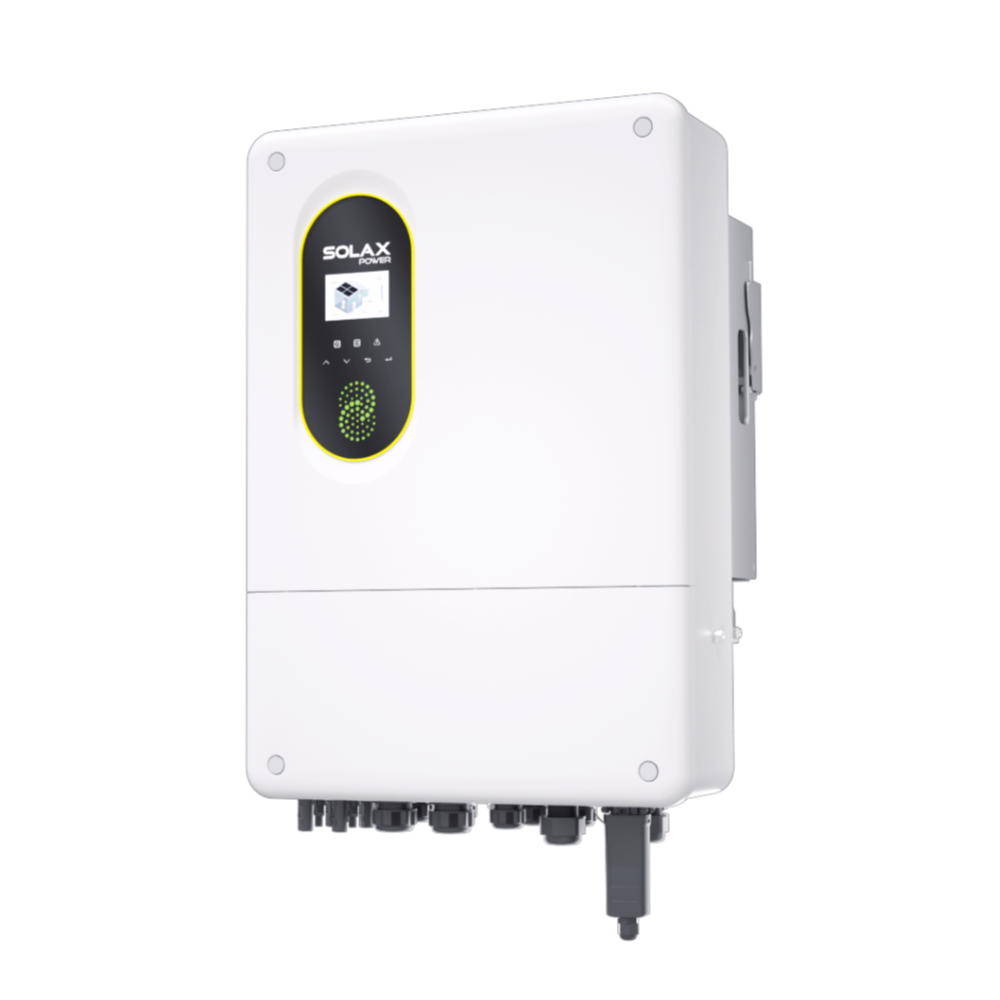
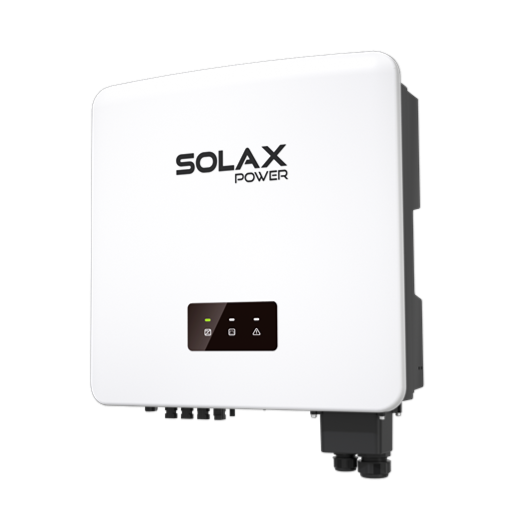
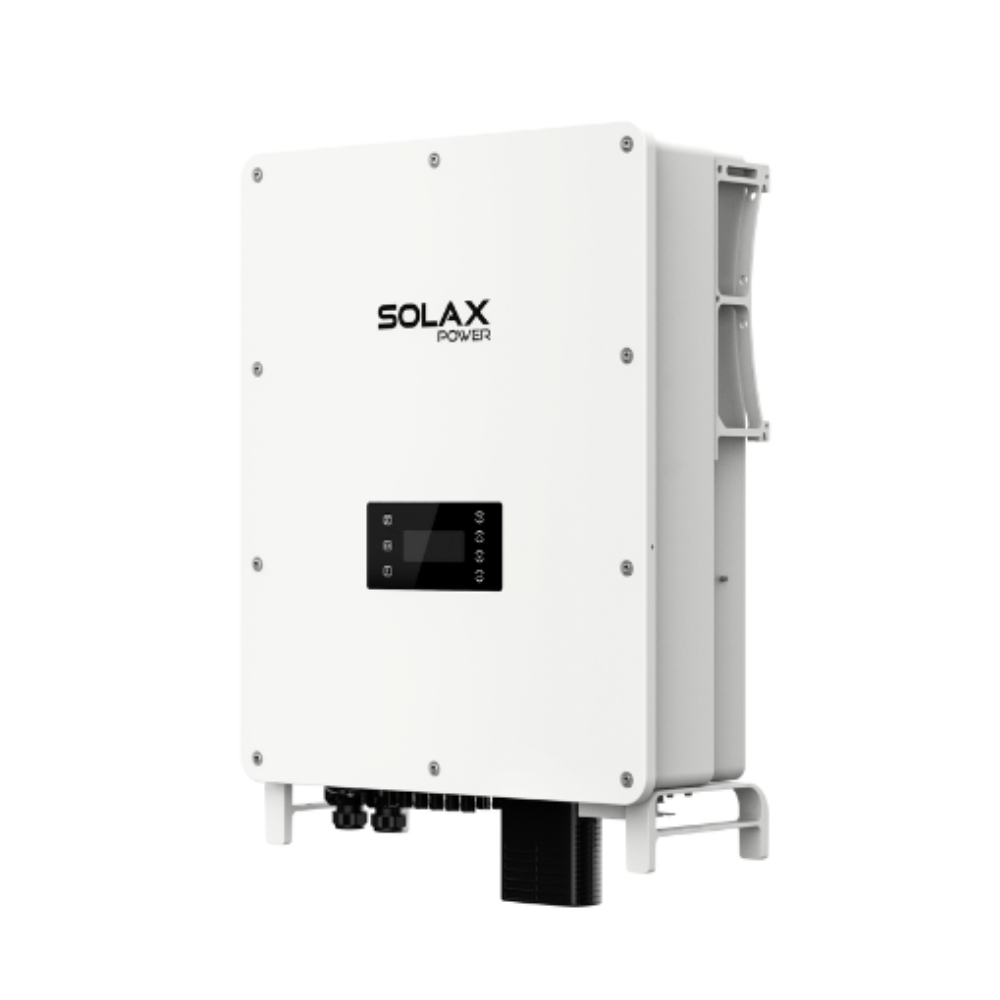
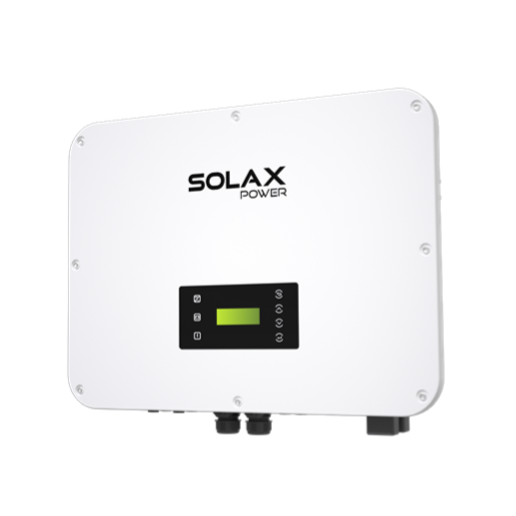
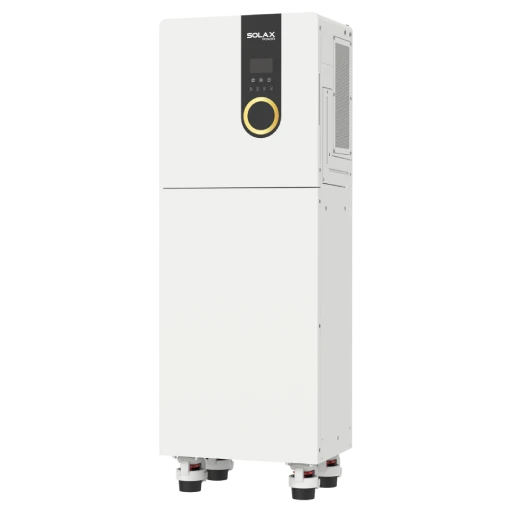
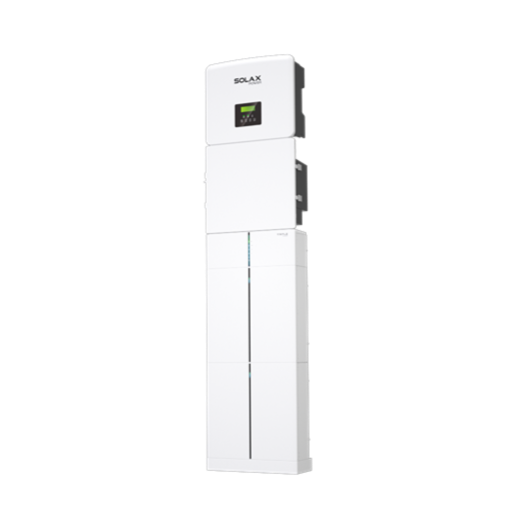
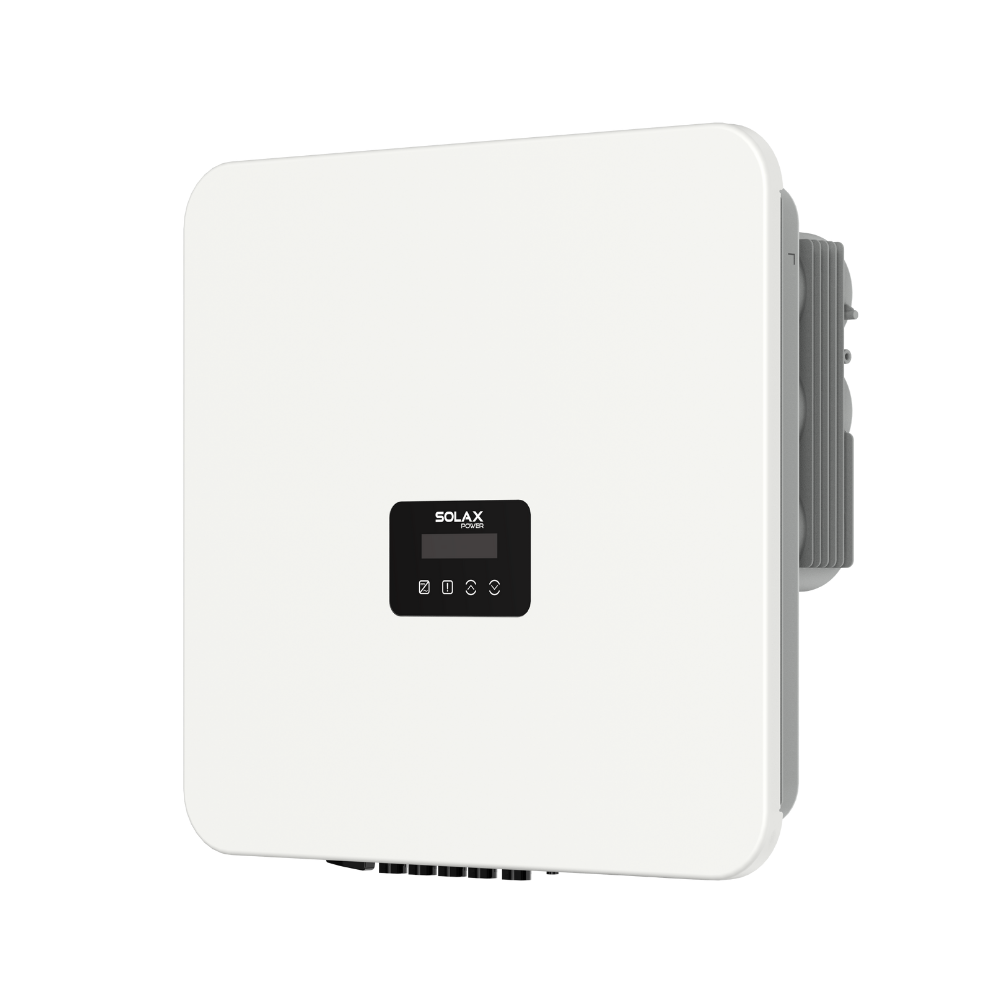
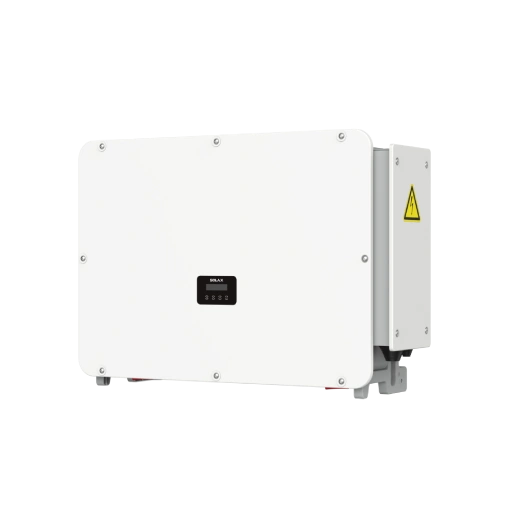
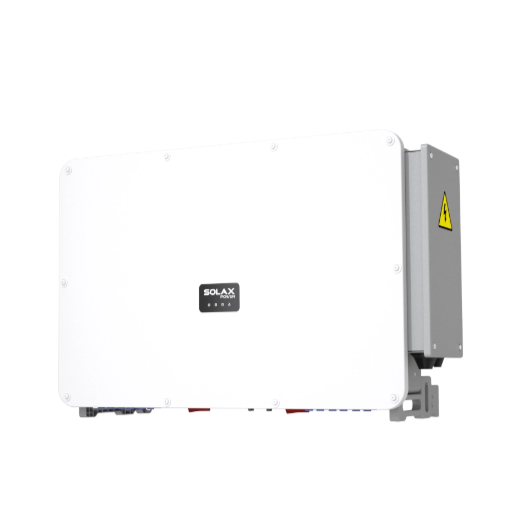
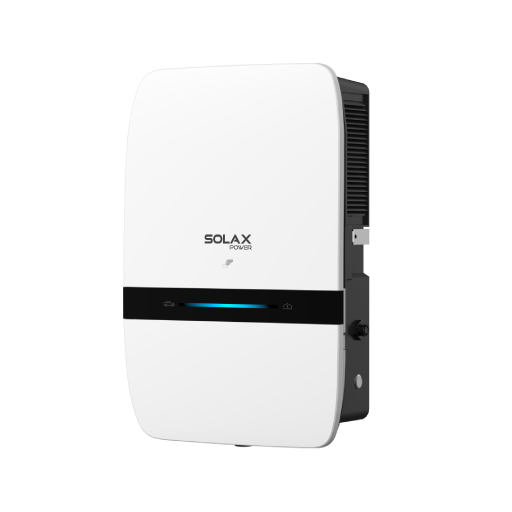
For small business sites, three-phase fit matters more than glossy marketing language. You also need flexibility for awkward roof layouts, because many commercial arrays are split across orientations, plant areas, or partial shading zones. SolaX positions the X3-ULTRA as a three-phase hybrid platform from 15 kW to 30 kW, with 2 or 3 MPPTs depending on model, which suits varied array design without forcing unnecessary complexity.
How should you assess fit before you quote?
Quoting well starts before you touch the inverter datasheet. A workable solar power system for a shop, office, or light industrial site depends on load timing, export rules, and the client's tolerance for future change. If those inputs are vague, even a strong inverter can become a fussy install.
Site and system checks
Review half-hourly or interval demand where available
Check daytime demand against likely PV output
Confirm whether the client wants self-consumption, backup, or both
Clarify DNO expectations for export limiting early
Match battery strategy to trading hours and evening load carryover
Hardware and layout considerations
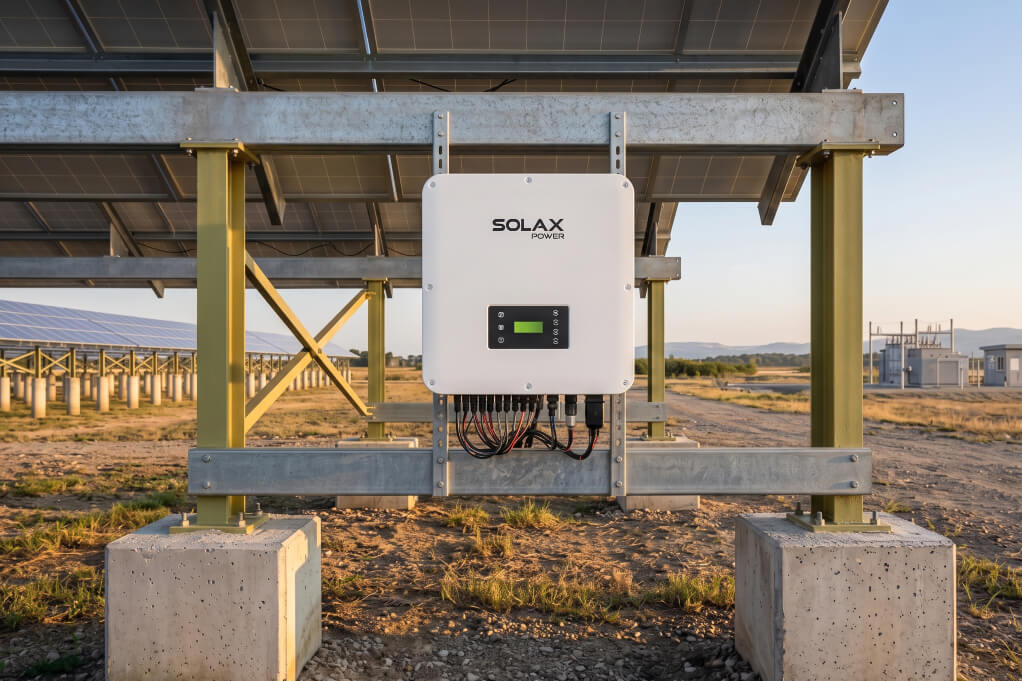
Array layout often decides whether the job feels easy or awkward. Multiple MPPTs help when roofs are split by pitch, aspect, or obstruction. On the X3-ULTRA, SolaX states support for up to 200% PV oversizing, up to 36 A PV input per MPPT, IP66 protection, and Type II surge protection on both AC and DC sides, which is useful when you need design headroom and robust siting options.
Why SolaX fits this use case
For this brief, the X3-ULTRA is the lead option because the feature set maps to installer outcomes rather than brochure noise. Its 15 kW to 30 kW range covers many small business scenarios, while parallel operation, generator support, and microgrid functions give you room for phased expansion or continuity planning where the client expects more resilience later.
Commissioning path: fewer surprises, faster handover
Commissioning is where a good choice either proves itself or creates friction. The cleaner your sequence, the less likely you are to revisit the site for settings, CT direction, or client confusion around alerts.
Build a cleaner design scope
Separate critical and non-critical loads before installation day
Set export logic and meter approach before the site visit
Align comms, metering, and monitoring access in advance
Record target settings for service handover
Prioritise setup simplicity
Standardisation helps more than heroics. Label CT and meter wiring clearly, keep your installer checklist consistent across teams, and test backup circuits before the client sees the system as finished. SolaX documentation for export control describes the function as controlling the energy injected into the utility, and its user manual notes export control settings in parallel systems are handled on the master inverter.
Reduce post-install call-backs
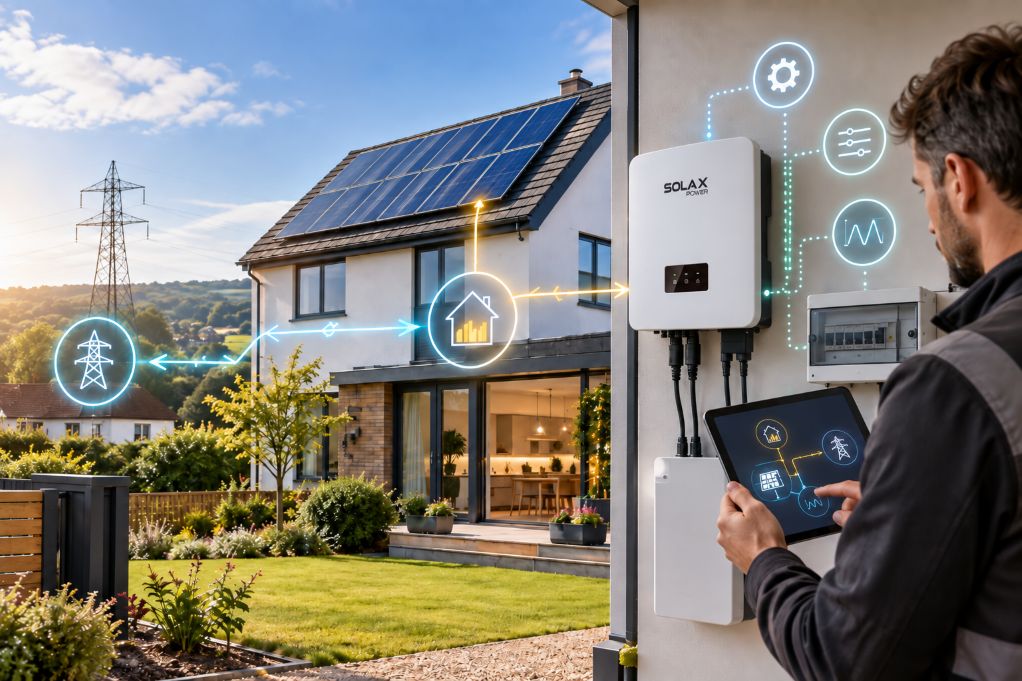
Remote monitoring should be live before handover, not added later. SolaX lists smart energy management functions including load response within 0.3 seconds, smart load management, and SolaXCloud-oriented visibility workflows across its platform, which supports faster fault review when a site manager reports an issue.
Which technical features matter most for UK small business installs?
Not every specification deserves equal weight. On a real project, the best technical features are the ones that make the system easier to size, safer to place, and quicker to support.
Performance without unnecessary complexity
Up to 36 A input per MPPT helps with higher-current module matching
Low start-up voltage can widen the generation window
UPS-level switchover under 10 ms supports critical circuits on a single unit
Up to 60 A charge and discharge current supports stronger battery interaction
These points matter because they affect design flexibility and site behaviour, not just the headline efficiency story. SolaX also states up to 110% AC output and 200% EPS overload for 10 seconds, which may help on sites with short-duration critical load events.
Practical resilience on live projects
Resilience is often a commercial decision rather than a technical luxury. If the client may expand later, parallel capability can save a redesign. The X3-ULTRA supports up to 10 units in parallel for on-grid and off-grid systems, and includes generator and microgrid functions, so you can plan for staged growth instead of locking the site into one static layout.
Monitoring and service workflow
Remote visibility is not just a nice extra. It is part of your service margin. According to Ofgem, the Smart Export Guarantee framework applies to eligible solar PV generators with total installed capacity up to 5 MW, so export performance and verification can matter commercially as well as technically. SolaX's smart energy management direction, including cloud monitoring and VPP-ready compatibility claims, is most useful when you treat it as a troubleshooting tool rather than an app feature.
FAQ
Table of Contents
Latest News
Explore expert insights, practical guides, and the latest news on SolaX Power.




To the Latest Newsletter
Stay Ahead with the Latest SolaX Updates!
Subscribe
I have read and agree to Privacy Policy and User Terms