












July 20, 2026
Cost vs Quality: The Inverter Solar Provider That Offer the Best Deal 2026
Share my #SolaXStory


If you are weighing a solar inverter comparison in 2026, the best deal is not always the lowest entry cost. For many households and small businesses, the real trade-off is between a simpler solar-only route now and a more flexible inverter battery system later. That matters because electricity prices across the EU remained elevated in 2025, with the household average at €28.96 per 100 kWh in the second half of the year, according to Eurostat. In practice, that means poor sizing or a dead-end system can cost more over time.
One brand, several system routes
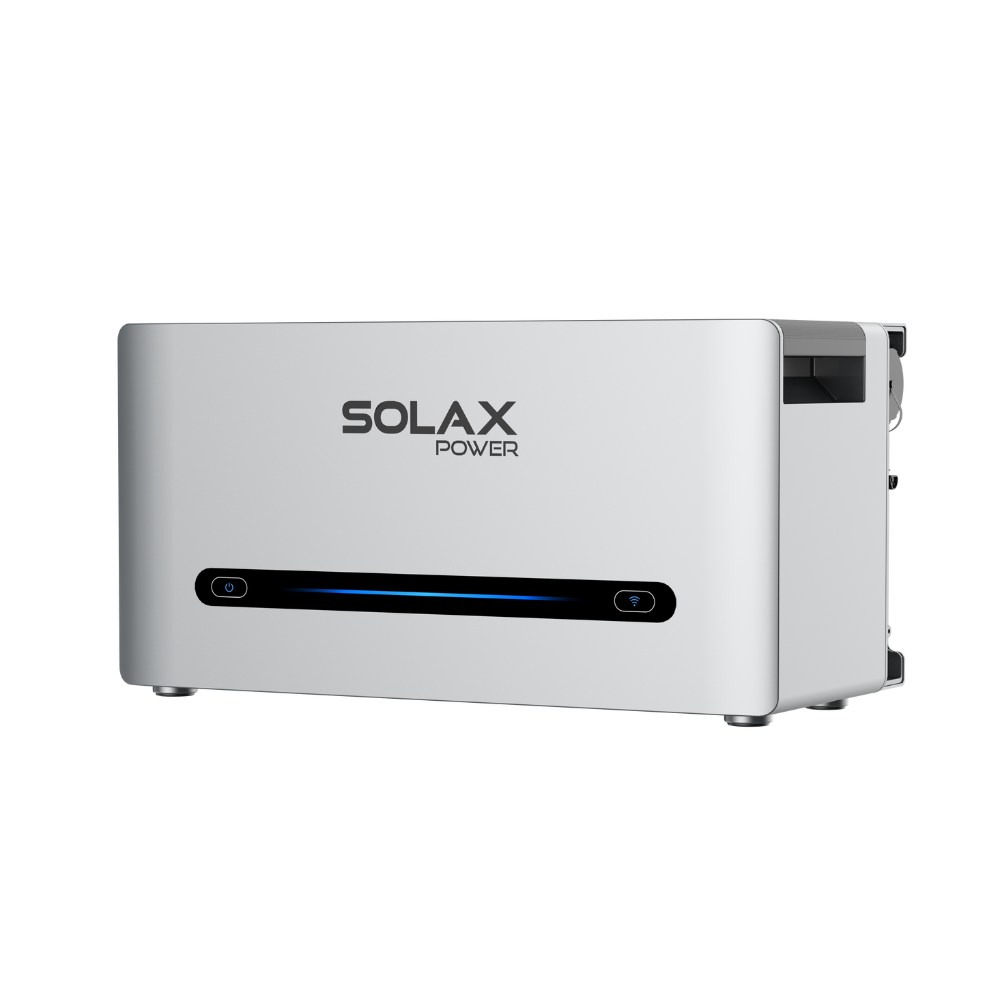
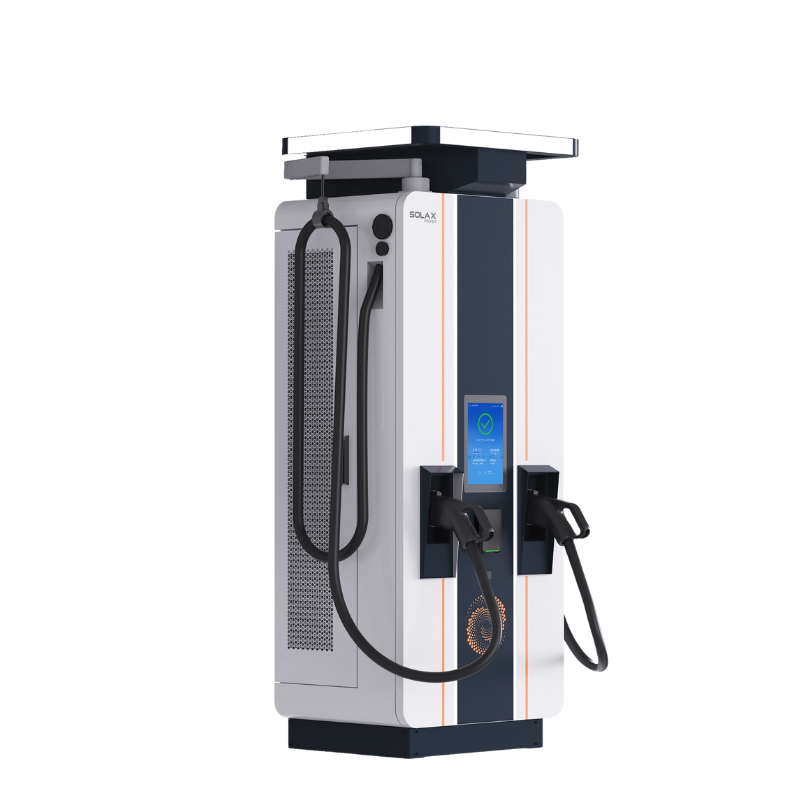
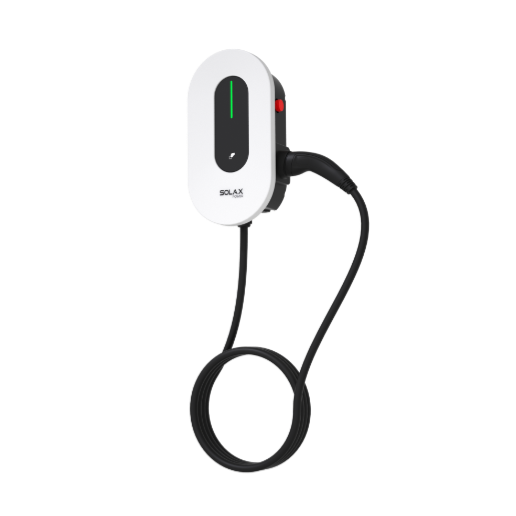
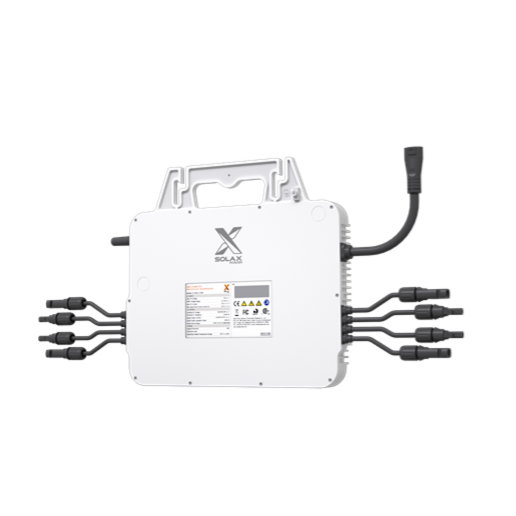
SolaX does not just sell one inverter type. Its portfolio includes residential string inverters, hybrid inverters, batteries, integrated ESS, EV chargers and cloud monitoring, which makes it a strong option for one-ecosystem buyers who want fewer compatibility gaps between hardware and software. The brand also states that it operates in more than 110 markets and supports a broad partner and service network, which strengthens the case for buyers who care about long-term support and rollout consistency.
That said, not every project needs the full stack. A basic rooftop PV system with no battery plan can still suit a string inverter route. However, if you expect to add storage, backup power, EV charging or smarter load control later, it is worth comparing the system path rather than only comparing the box on the wall.
What makes a better deal: hardware only or ecosystem value?
Upfront spend vs long-term control
A hardware-only route usually wins on simplicity. A string inverter setup is easier to specify when your main goal is daytime solar generation and a cleaner installation scope. By contrast, a hybrid route generally costs more at the start because it is built to manage both PV and battery flows.
The value difference appears later. SolaX positions its hybrid products around storage management, backup support and future add-ons, while its broader smart energy platform adds monitoring and automation layers that basic systems may not match.
Monitoring and automation matter
A basic inverter can still report generation, but the control layer is usually narrower. If you only want to see whether your panels are producing, that may be enough. Yet once you add a battery, timed charging, export logic or smart loads, the app and control experience starts to matter more.
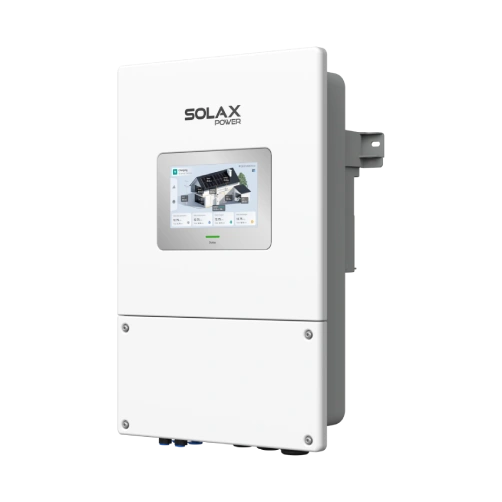
SolaX's hybrid and ESS routes are built around SolaXCloud support and broader smart integration. On the X1-Hybrid G4, SolaX highlights VPP readiness, EV charger and heat pump integration, and charging/discharging efficiency of up to 97%. On larger systems such as the X3-ULTRA, it also highlights smart load response and broader compatibility for advanced energy management.
Expansion without replacing core parts
This is where a one ecosystem solar setup often becomes the better deal. A single-purpose route can work well today, but if it leaves you replacing the inverter later to add batteries or backup capability, your original savings shrink.
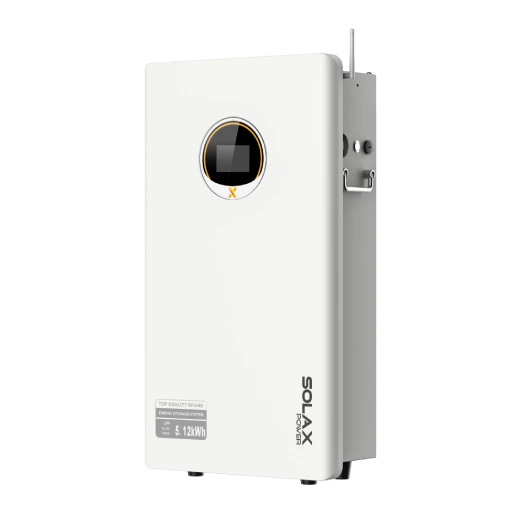
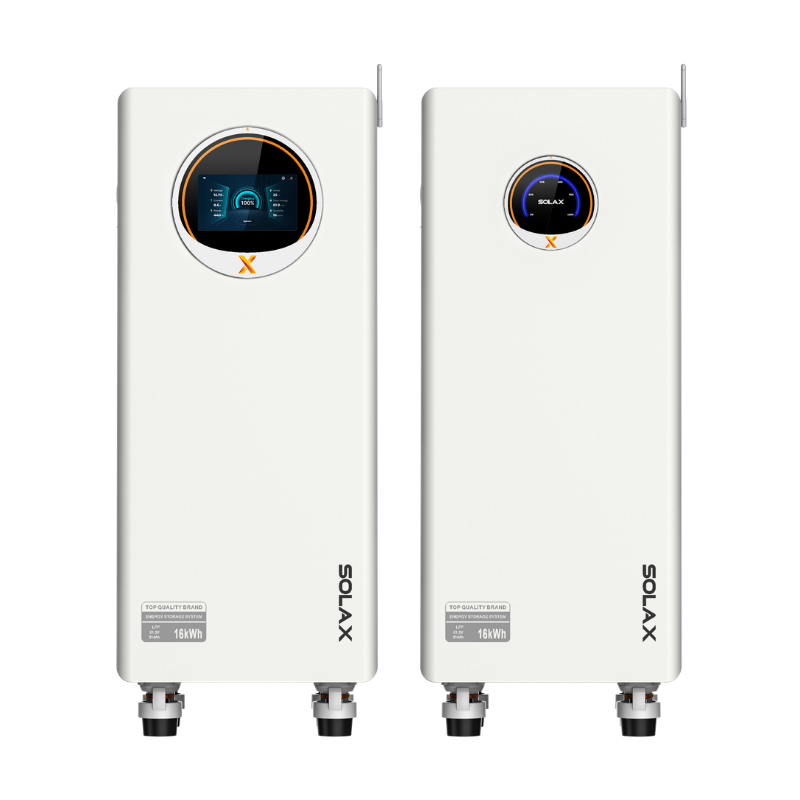
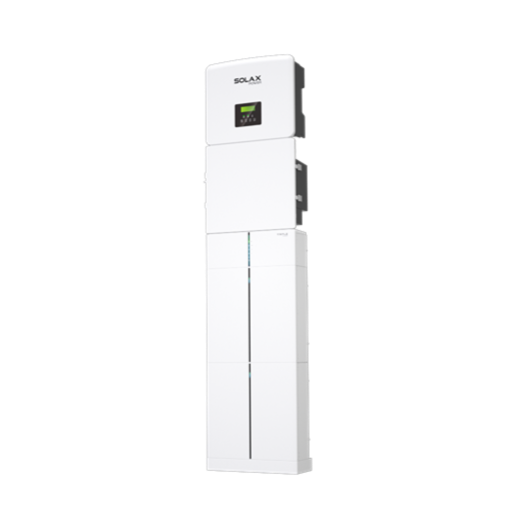
SolaX's hybrid models are designed for staged expansion. The X1-Hybrid G4 can pair with the T30 battery and Matebox as part of the X-ESS G4 solution, while the X3-AELIO and X3-ULTRA highlight dual battery or parallel expansion and microgrid-style flexibility. Therefore, buyers with growing energy needs usually gain more from upgrade readiness than from the absolute lowest initial specification.
Energy storage inverters as the core choice
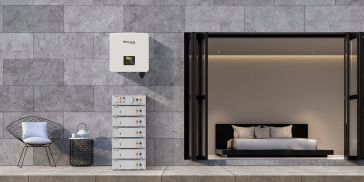
For many homes, the storage inverter is the pivotal product because it sits between solar generation, battery charging and household loads. If your aim is flexible home upgrades, this route usually gives the best long-term fit. It is especially relevant when you may later add backup power, EV charging or timed energy use.
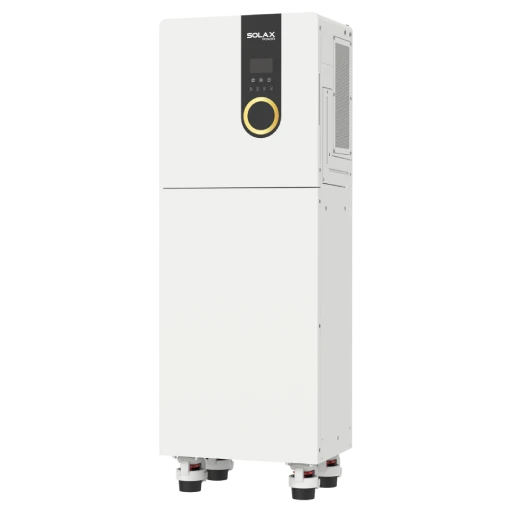
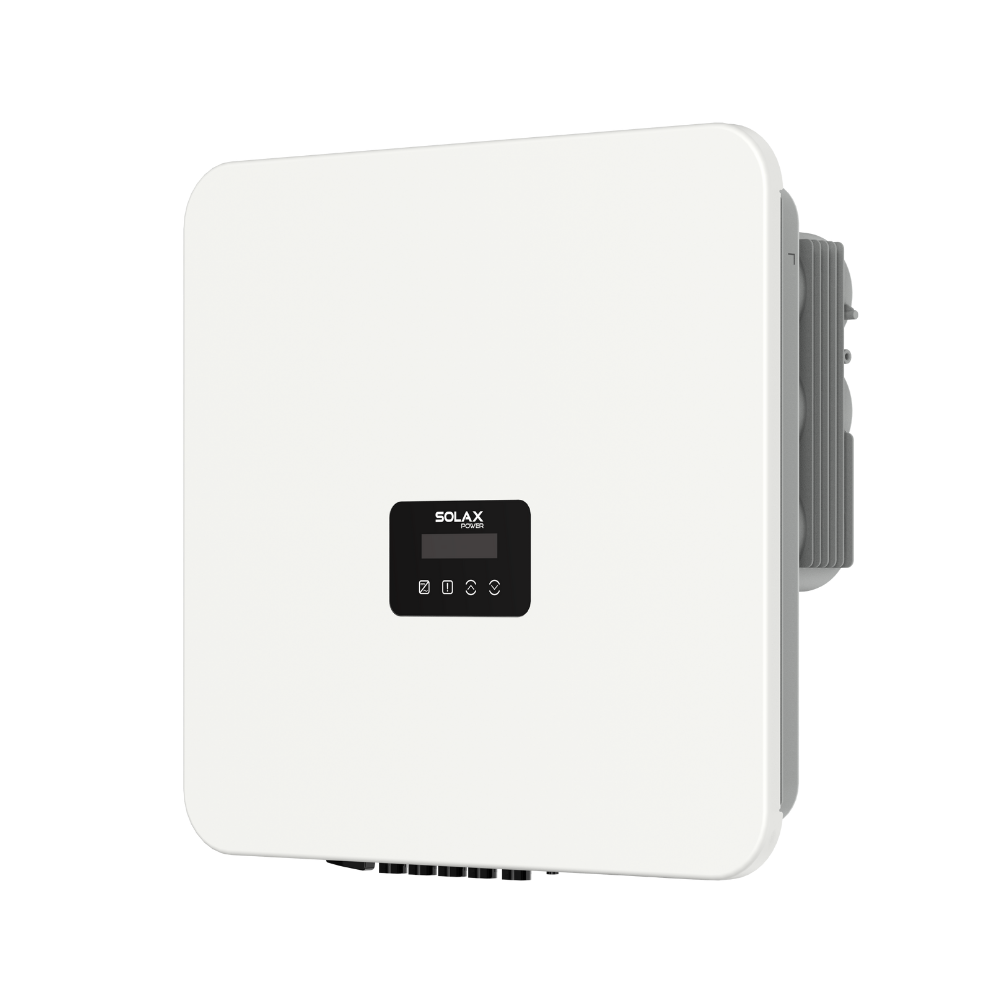
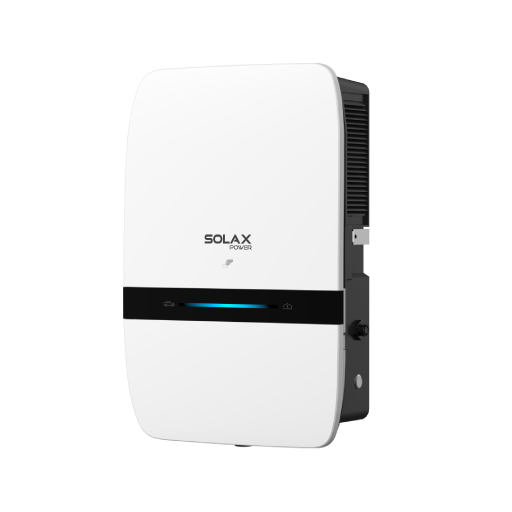
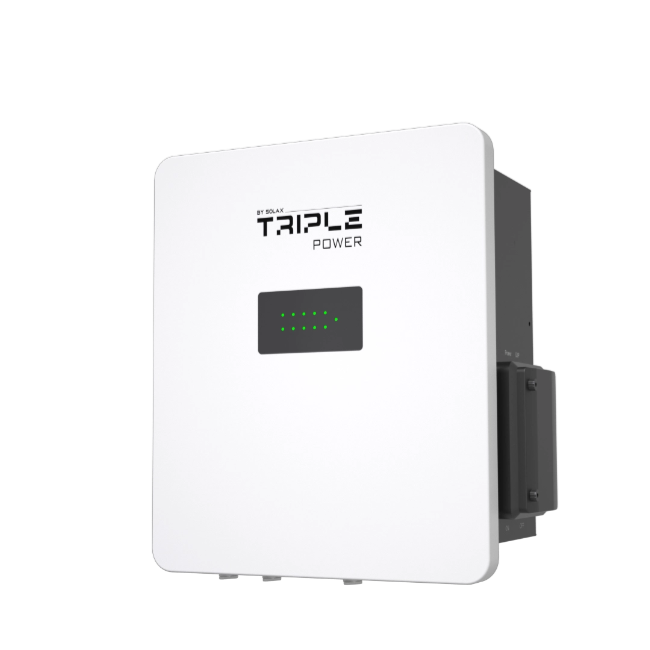
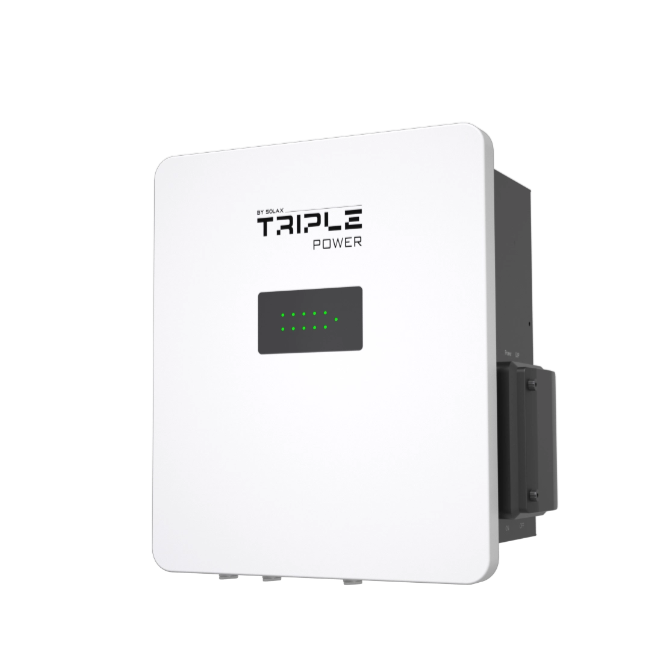
A strong example is the X1-Hybrid G4. It is a single-phase hybrid inverter available in 3.0 kW, 3.7 kW, 5.0 kW, 6.0 kW and 7.5 kW versions. SolaX states up to 200% PV oversizing, up to 97% charge/discharge efficiency, switchover time under 10 ms, IP65 protection and integration with batteries, heat pumps and smart EV charging. Those details make it easier to plan a solar battery setup without redesigning the system later.
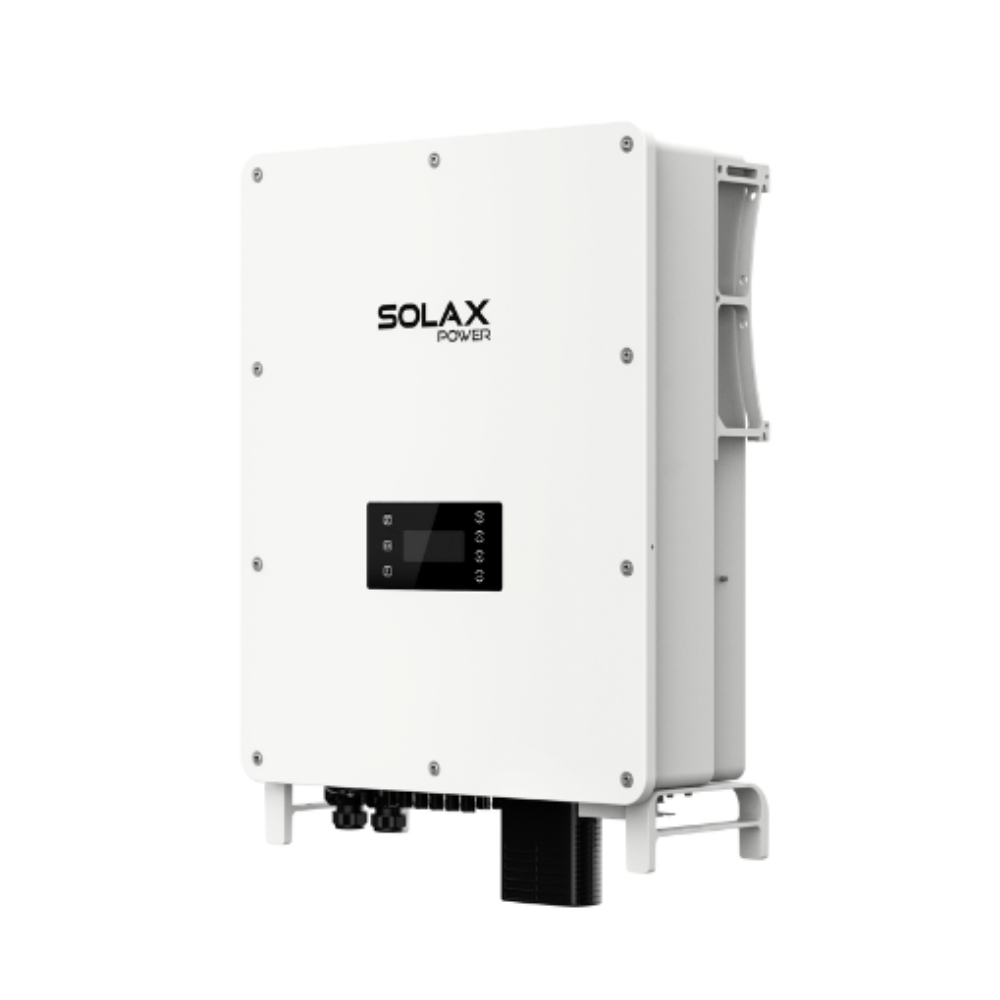
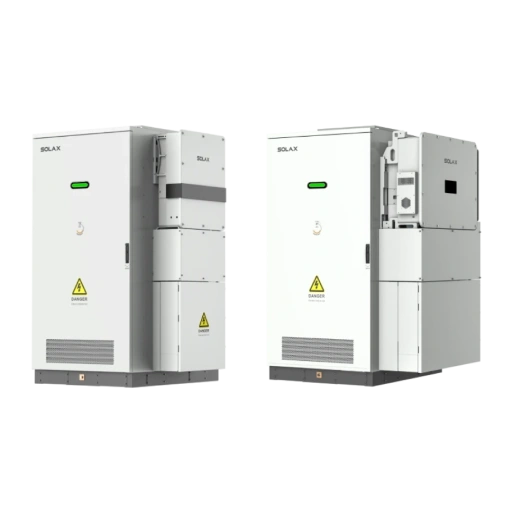
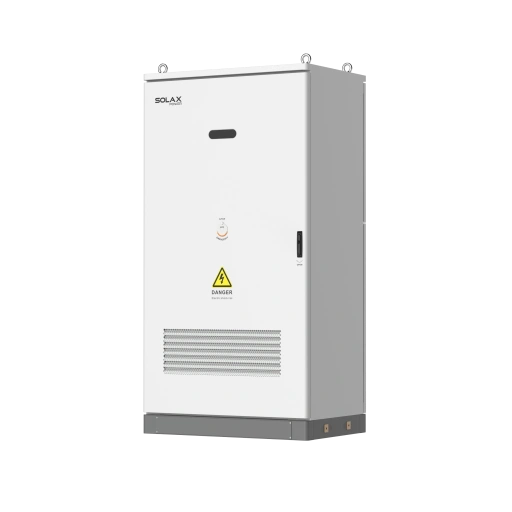
For larger homes and light commercial sites, the X3-ULTRA moves the same logic into three-phase territory. It supports 15 kW to 30 kW outputs, up to 10 units in parallel, IP66 protection, 200% PV oversizing and smart load management. If your property may outgrow a simple PV-only design, the hybrid path is usually the safer long-term bet.
String inverters or hybrid readiness?
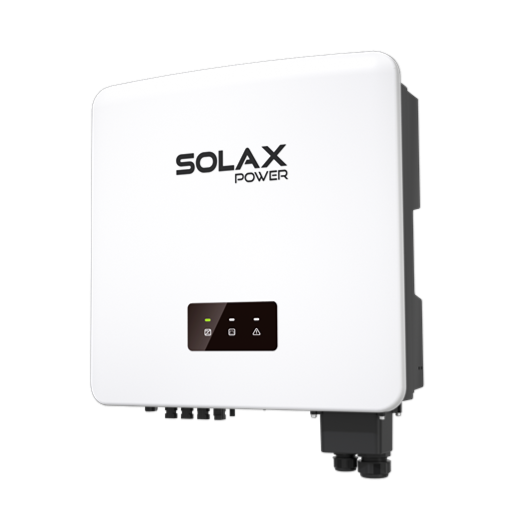
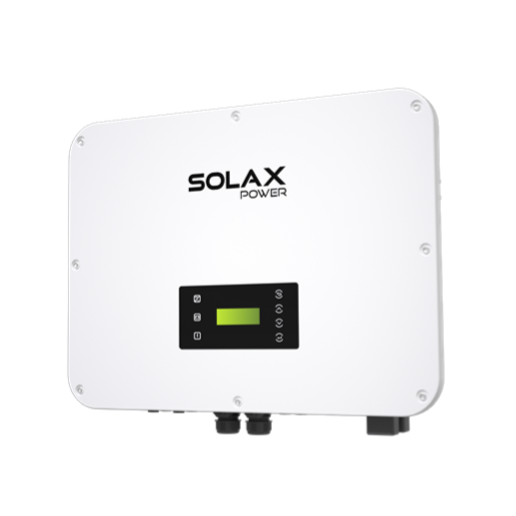
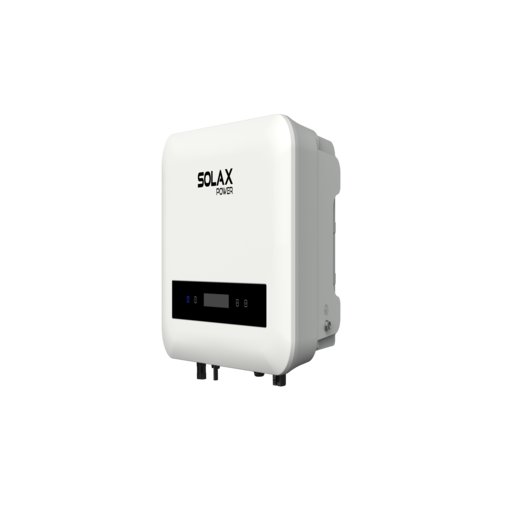
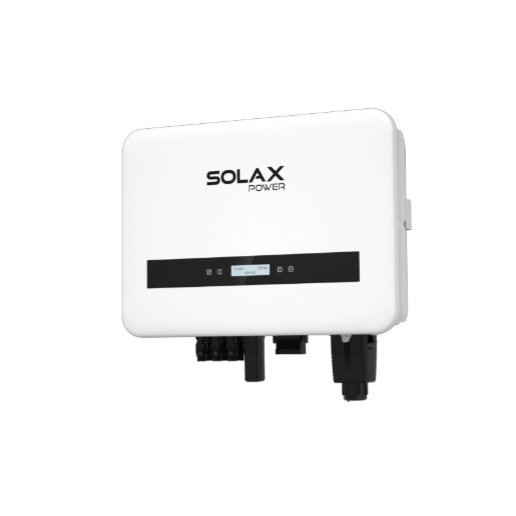
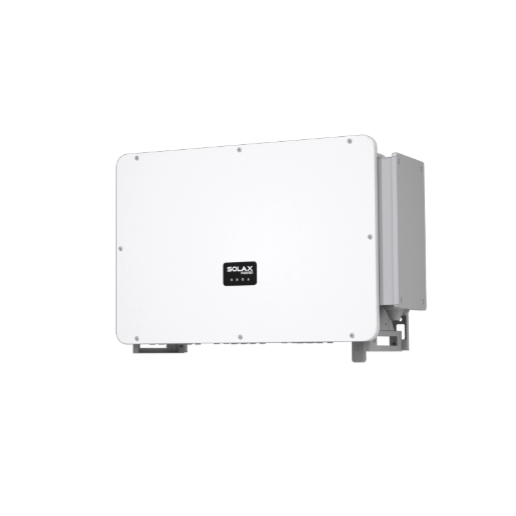
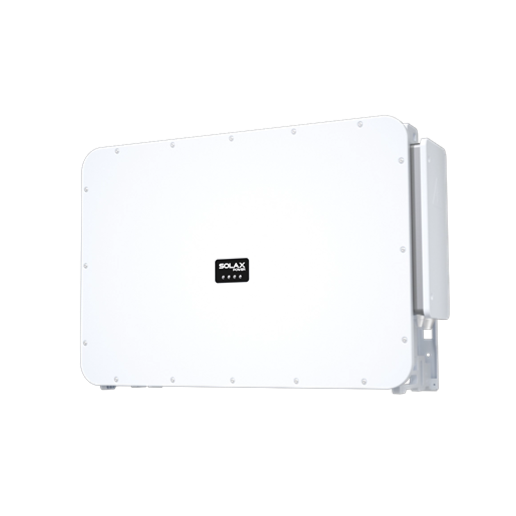
String inverters still make sense when your target is lower bills without extra complexity. SolaX's residential string inverter range is aimed at home solar systems with grid integration and smart monitoring, but without the stronger battery-first design logic of the hybrid range. That can suit straightforward solar installations where you want lower upfront scope and do not expect major upgrades soon.
The trade-off is future battery readiness. A string route may still be expanded later, but it is usually less direct than starting with a hybrid platform. So, if your main priority is today's budget, string inverters remain a practical answer. If your priority is avoiding system rework in two or three years, hybrid readiness is usually the better value.
Head-to-head: which SolaX option delivers better fit?
Dimension | X1-Hybrid G4 | Residential String Inverter Route | X3-ULTRA |
Core role | Solar + battery hub | Solar-only focus | Large hybrid hub |
Best for | Flexible home upgrades | Lean PV installs | Bigger homes or C&I |
Power range | 3.0-7.5 kW | Model-dependent | 15-30 kW |
Battery path | Native hybrid design | More limited path | Native hybrid design |
Backup support | Yes, <10 ms | Not core focus | Yes, <10 ms |
Monitoring depth | Strong smart integration | Basic to moderate | Advanced smart control |
Expansion | Good for staged growth | Best when staying simple | Broad parallel expansion |
Limitations | Higher initial scope | Less future-ready | Higher spec complexity |
Price positioning
The string inverter route is the leaner starting point. You will usually choose it when you want straightforward PV generation and a tighter first-phase budget. The X1-Hybrid G4 asks for more commitment up front because it is designed around storage and backup capability.
Battery compatibility
The X1-Hybrid G4 is built around battery use from the start, which is why it suits an inverter battery system better than a basic string route. Meanwhile, the string option is more comfortable when storage is not part of your near-term plan. If battery expansion is likely, the hybrid route is the better fit.
App and control experience
The hybrid route gives you broader system oversight because batteries, loads and add-ons are part of the design logic. A simpler PV route can still monitor output, but it offers a narrower control case. If you care about managed charging, visibility and automation, the hybrid option is stronger.
Future-proofing for EV and loads
This is the clearest dividing line. SolaX links its hybrid platform to smart EV charging, heat pump integration and wider managed energy use, while the string route remains the simpler answer for direct solar generation. Best fit: string inverter for minimum complexity, X1-Hybrid G4 for most homes planning phased upgrades, and X3-ULTRA for larger three-phase properties.
Best fit by buyer scenario
Lower bills without complexity
If your goal is simple bill reduction from daytime generation, the string inverter route is the better fit. It keeps scope tighter and avoids paying for battery capability you may not use yet. However, be honest about future storage plans before you lock that choice in.
One ecosystem for solar and storage
If you want one app, one logic layer and easier expansion, the integrated hybrid route is stronger. The X1-Hybrid G4 suits many homes because it balances manageable size with real expansion headroom. Moreover, it is easier to build a cleaner one-ecosystem solar setup when inverter, battery and control platform are designed to work together.
Commercial efficiency and oversight
For larger homes, farms or commercial sites, the best deal often shifts from hardware cost to operational control. The X3-ULTRA is better suited here because it adds higher capacity, parallel support and broader smart management. If monitoring and controllable loads matter to your workflow, the extra specification is easier to justify.
Conclusion
The best value solar inverter in 2026 depends less on sticker cost and more on your upgrade horizon. If you want the simplest route to lower bills, a SolaX string inverter is the best fit. If you want stronger monitoring, battery readiness and easier future expansion, the X1-Hybrid G4 is the better all-round choice, while the X3-ULTRA suits larger three-phase projects.
In short, spend less now only if you are confident the system will stay simple. Otherwise, choose the SolaX hybrid route for a more unified smart solar energy setup that can grow with your needs.
FAQ
Table of Contents
Latest News
Explore expert insights, practical guides, and the latest news on SolaX Power.



To the Latest Newsletter
Stay Ahead with the Latest SolaX Updates!
Subscribe
I have read and agree to Privacy Policy and User Terms