


































March 20, 2026
R290 vs R32: Which Heat Pump Refrigerant is Better?
Share my #SolaXStory


As global environmental standards continue to rise, the HVAC and heat pump industries are undergoing a major refrigerant evolution. When buying new equipment, many consumers face a critical choice: should you stick with the current mainstream R32, or upgrade to R290, widely known as the "next-generation eco-friendly refrigerant"?
To help you make an informed decision, this guide provides a comprehensive r290 vs r32 comparison. Read on as we explain exactly what r290 refrigerant gas is, and evaluate both options side-by-side across performance, energy efficiency, and cooling capabilities.

What is R290 Refrigerant Gas?
R290 is a natural, high-purity propane refrigerant that is completely shaking up the HVAC world right now.
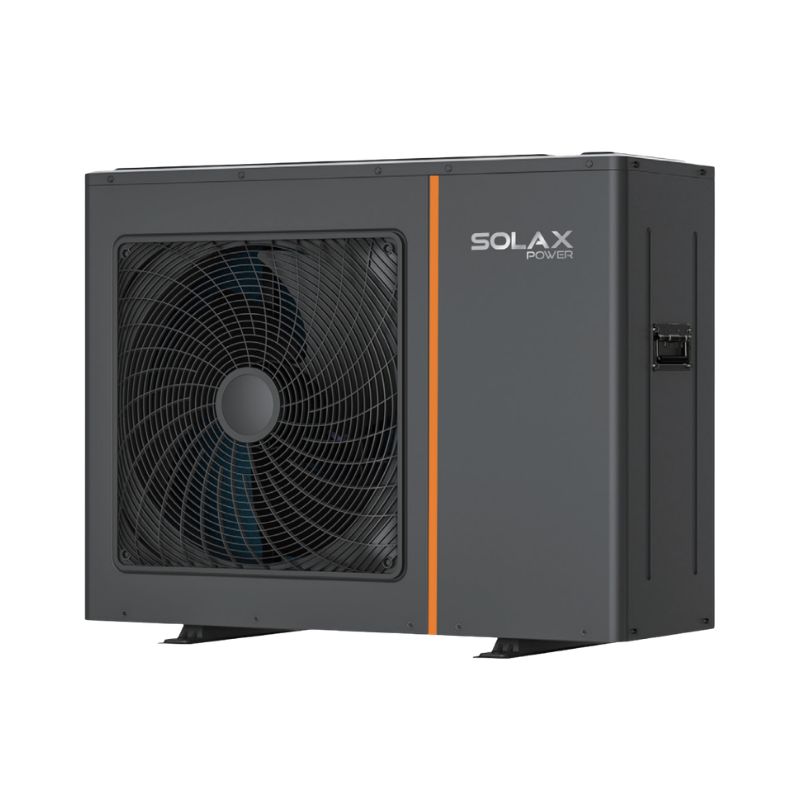
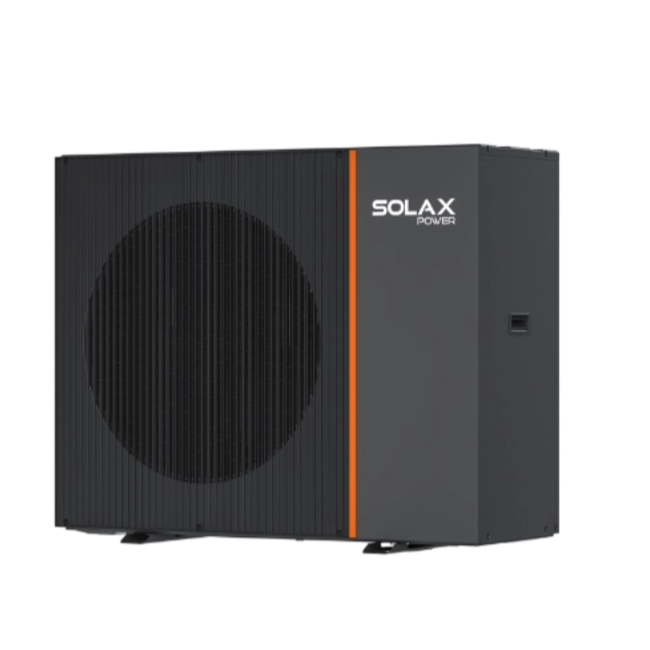
If you are upgrading your home's system, you'll most likely see it used in an R290 refrigerant heat pump. Why all the hype? Because it allows these systems to run at peak efficiency while drastically cutting down on environmental impact.
Thanks to it boasts zero ozone depletion potential and an extremely low climate impact, R290 is no longer just an alternative. It is widely regarded as the long-term, sustainable standard for tomorrow's heat pumps and cooling systems.
Core Comparison: R290 vs R32 Heat Pump
When deciding between an R290 vs R32 heat pump, looking at the raw data is the best place to start. While both are modern refrigerants designed to replace older, highly polluting gases, their chemical and thermodynamic profiles are quite different.
Here is a quick side-by-side comparison to help you understand how they stack up:
Feature | R32 | R290 |
Refrigerant Type | Synthetic F-Gas | Natural Hydrocarbon |
Global Warming Potential (GWP) | 675 | 3 (Exceptionally Low) |
Toxicity | Low | Low |
Flammability Class | A2L (Mildly Flammable) | A3 (Highly Flammable) |
Evaporating Temperature | -51.7°C | -42.1°C |
Condensing Temperature | Higher (approx. 55.0°C) | Lower (approx. 36.7°C) |
Energy Efficiency | Great | Excellen |
R32 vs R290 Efficiency (COP & SCOP)
When comparing r32 vs r290 efficiency, R290 naturally wins due to its superior thermodynamic properties. It has better heat transfer capabilities and lower flow resistance, meaning the compressor doesn't have to work as hard to reach your desired temperature.
For Example: If a standard R32 heat pump has a COP of 4.0 (producing 4kW of heat from 1kW of electricity), a top-tier R290 system can reach a COP of 4.5 to 5.0. Over a 15-year lifespan, this 10-20% efficiency boost can save you thousands of dollars in energy bills.
R290 vs R32 Performance in Extreme Weather
In freezing conditions, the r290 vs r32 heat pump battle strongly favors R290. In extreme cold, an R32 compressor's internal discharge temperature spikes, forcing the system to throttle down to prevent damage. R290, however, operates with a naturally lower discharge temperature and a wider operating envelope.
For Example: When the outdoor temperature drops to -25°C (-13°F), an R32 system often has to rely on expensive, energy-hungry backup electric heaters. In contrast, an R290 heat pump can still independently produce high-temperature water up to 75°C (167°F) to keep your radiators perfectly hot.
R32 vs R290: Which Cools Better?
While heat pumps are famous for their winter heating capabilities, their summer performance is just as crucial. So, when homeowners ask r32 vs r290 which cools better, what does the science say?
The answer lies in a thermodynamic property called latent heat capacity. R290 possesses a significantly higher latent heat capacity than R32. In plain English, this means that as the refrigerant circulates through the system, a given amount of R290 can absorb and carry away a larger volume of heat from your indoor air compared to the exact same amount of R32.
The Final Verdict: R32 vs R290 Which is Better?
To wrap up the debate of r32 vs r290 which is better, the right choice ultimately depends on your budget, installation type, and long-term goals. Here is a quick summary to help you decide:
Choose R32 if: You need a more affordable, widely available standard system upfront. It is also the practical choice if your local building codes have strict regulations against using flammable refrigerants indoors.
Choose R290 if: You want to pursue ultimate energy efficiency (saving you significantly more money in the long run) and desire the highest level of eco-friendly technology. It is especially the perfect choice if you are installing an outdoor unit, such as an air source heat pump.
FAQ
Table of Contents
Latest News
Explore expert insights, practical guides, and the latest news on SolaX Power.







To the Latest Newsletter
Stay Ahead with the Latest SolaX Updates!
Subscribe
I have read and agree to Privacy Policy and User Terms