
















June 17, 2025
Solar Assisted Heat Pumps: Air Source vs. Ground Source
Share my #SolaXStory


As more homeowners seek efficient and sustainable heating solutions, solar assisted heat pump systems have risen to the forefront of green home technologies. Recent industrial data showing that heat pump sales in Europe increased by 9% in the first half of 2025, reflecting a significant market rebound as global energy transition investment reached a record $2.3 trillion. By combining renewable solar energy with proven heat pump performance, these systems offer both energy savings and environmental benefits.
Two of the most widely adopted solutions are the Solar Air Source Heat Pump (ASHP) and the Solar Ground Source Heat Pump (GSHP). This article explores the core differences between the two to help homeowners choose the right system for their needs.
Understanding the Basics of Each System
What is a Solar Air Source Heat Pump (ASHP)?
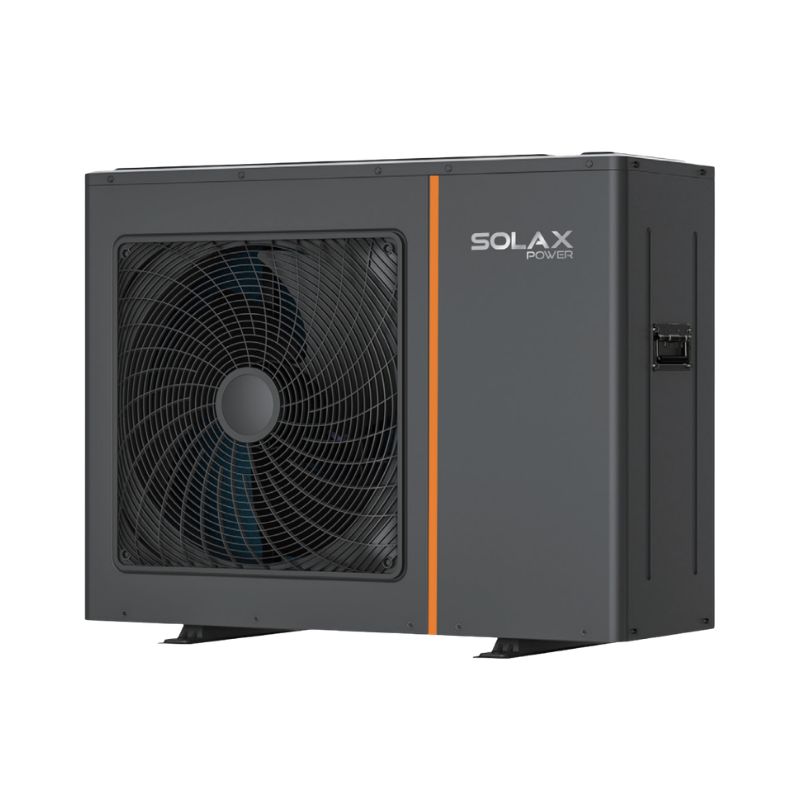
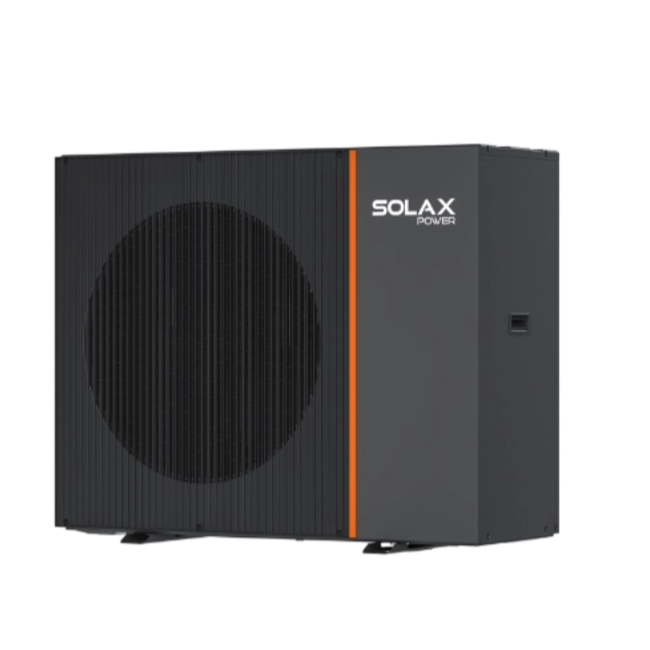
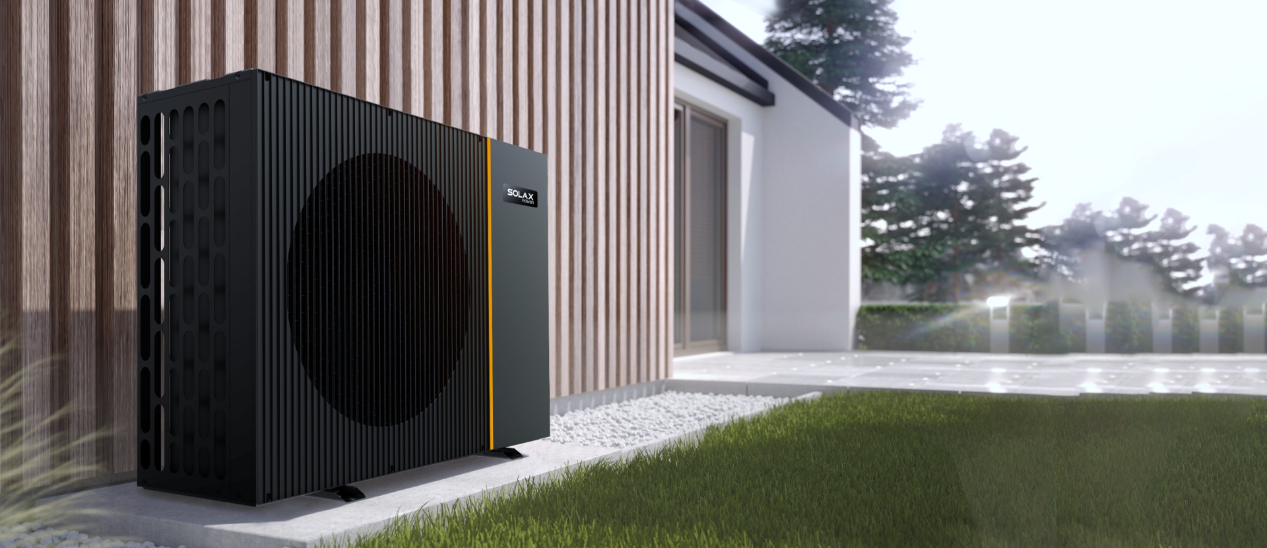
A solar assisted air source heat pump extracts heat from the outdoor air and transfers it indoors for space heating or hot water. The system is powered by solar panels, which provide clean electricity to run the compressor and other components.
SolaX enhances this with intelligent solar integration, allowing the system to operate efficiently even during periods of low sunlight or colder temperatures. These systems are particularly suited for mild to moderate climates.
What is a Solar Ground Source (Geothermal) Heat Pump (GSHP)?
A solar powered ground source heat pump, also known as a geothermal heat pump, draws thermal energy from beneath the earth's surface via buried pipes (ground loops).
These loops tap into the consistent underground temperatures to provide highly efficient heating and cooling. When paired with solar power, the system becomes almost entirely renewable, making it an excellent long-term investment in sustainability.
Comparing ASHP and GSHP System
Efficiency and Performance Comparison
Air Source Solar Pump Efficiency
Solar-assisted ASHP systems offer excellent performance in moderate climates. SolaX ASHP heating systems can achieve a Coefficient of Performance (COP) between 3.0 and 4.5, meaning they produce 3–4.5 times more energy than they consume.
Their efficiency decreases somewhat in extremely cold environments but can still operate reliably with supplemental solar energy.
Geothermal Solar Pump Efficiency
In contrast, a ground source heat pump that utilizes ground energy maintains consistent high efficiency year-round. Ground source heat pumps typically achieve a COP of 4.5 to 5.0. Because underground temperatures are more stable than air temperatures, GSHP systems often outperform ASHPs in colder or more variable climates.
Cost and Installation Considerations
ASHP Systems
Solar heat pump for house installations using ASHPs are more affordable and easier to install. They don't require any ground excavation and are often chosen for retrofits or urban settings where space is limited. SolaX offers compact, high-performance units with smart integration, making them a practical choice for homeowners looking for quick, clean upgrades.
GSHP Systems
Solar assisted ground source heat pumps involve more complex and expensive installations, including drilling or trenching for ground loops. However, the long-term energy savings and operational stability often justify the upfront investment—particularly in new builds or properties with ample outdoor space.
Environmental Impact and Sustainability
Both ASHP and GSHP systems are far more sustainable than traditional gas or electric heating. When combined with SolaX solar technology, these systems operate with minimal environmental impact. Notably, SolaX systems use R290 refrigerant, an eco-friendly option with extremely low global warming potential (GWP), reinforcing the brand's commitment to green innovation.
ASHP systems reduce reliance on fossil fuels and perform well with solar backup. GSHP systems, powered by stable geothermal energy and clean electricity, offer near-zero emissions over their lifespan. For homeowners focused on carbon neutrality, either system—especially when solar-powered—is a strong step forward.
Quick Comparison Table: Solar ASHP vs. Solar GSHP
Feature | Solar Air Source Heat Pump (ASHP) | Solar Ground Source (Geothermal) Heat Pump (GSHP) |
Energy Source | Extracts heat from the outdoor air. | Draws thermal energy from beneath the earth's surface via ground loops. |
Efficiency (COP) | High: 3.0 to 4.5 (produces 3–4.5x more energy than consumed). | Superior: 4.5 to 5.0. |
Performance Stability | Efficient in moderate climates; efficiency may decrease in extreme cold. | Consistent high efficiency year-round due to stable underground temperatures. |
Installation Complexity | Easier and faster; no ground excavation required. | Complex; requires drilling or trenching for ground loops. |
Upfront Cost | More affordable; ideal for retrofits and urban settings. | Higher initial investment due to complex infrastructure requirements. |
Space Requirements | Minimal; requires only wall or exterior unit space. | Significant; requires ample outdoor space for buried pipe loops. |
Climate Suitability | Best suited for mild to moderate regions. | Excels in regions with extreme seasonal variations. |
Long-term Value | Lower upfront costs lead to faster payback. | Offers superior long-term savings and higher operational stability. |
Sustainability | Significantly reduces reliance on fossil fuels. | Offers near-zero emissions over its lifespan. |
Choosing the Right Solar Heat Pump System for Your Home
The choice between a solar assisted air source heat pump and a solar assisted ground source heat pump depends on several factors:
Climate: ASHPs are ideal for moderate regions; GSHP heat pumps excel in areas with extreme seasonal variation.
Budget: ASHP systems have lower upfront costs and faster payback. GSHPs offer superior long-term savings.
Space: GSHP heat pumps require outdoor space for ground loops, while ASHPs need only a wall or exterior unit space.
Sustainability Goals: Both systems, when integrated with SolaX solar PV, significantly reduce your home's carbon footprint.
Whether you choose an ASHP heating system or a GSHP heating system, integrating solar power with heat pump technology is a smart investment for the future. With SolaX's advanced engineering, renewable focus, and user-friendly design, you're not just heating your home—you're transforming it into a model of efficiency and environmental responsibility.
Ready to go solar? Discover how SolaX solar heat pump systems can power your home and your future.
FAQ
Table of Contents
Latest News
Explore expert insights, practical guides, and the latest news on SolaX Power.


To the Latest Newsletter
Stay Ahead with the Latest SolaX Updates!
Subscribe
I have read and agree to Privacy Policy and User Terms