












April 20, 2026
LiFePO4 vs Lead Acid Battery: Which Is Better for Solar?
Share my #SolaXStory


Why are more and more people searching for LiFePO4 vs lead acid? Because choosing the wrong battery doesn't just affect performance — it affects long‑term cost, system reliability, and overall user experience.
The real concerns are simple: Which battery is truly more cost‑effective? Which one performs better in solar applications? The differences go beyond chemistry. Factors like lifespan expectations, maintenance requirements, and LiFePO4 vs lead acid charging behavior can significantly influence how well your system performs over time.
Understanding these core distinctions is the key to making a smart, future‑proof investment. Now let's start reading.
What Is a LiFePO4 Battery?
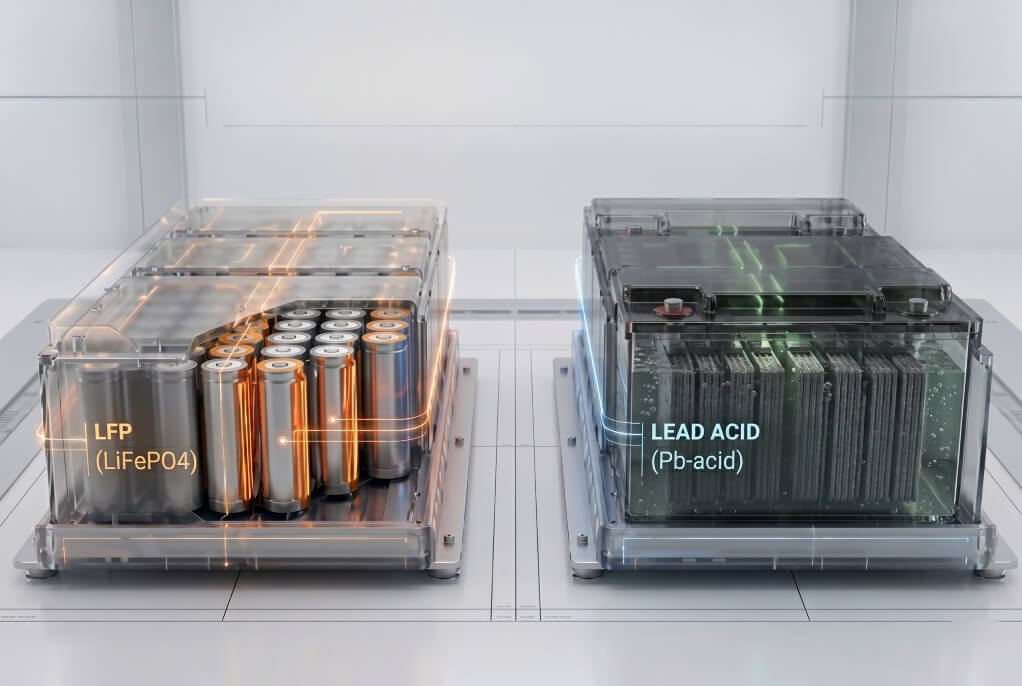
A LiFePO4 battery is a type of lithium-ion battery that uses lithium iron phosphate as the cathode material and a graphitic carbon electrode with a metallic backing as the anode.
Known for its superior thermal and chemical stability, the LiFePO4 solar battery has become the gold standard for safety and longevity in the renewable energy industry.
Main Types of LiFePO4 Batteries
LiFePO4 batteries are typically categorized by their system voltage:
Low Voltage Systems (12V/24V/48V): Commonly used for DIY solar setups, RVs, and residential off-grid systems.
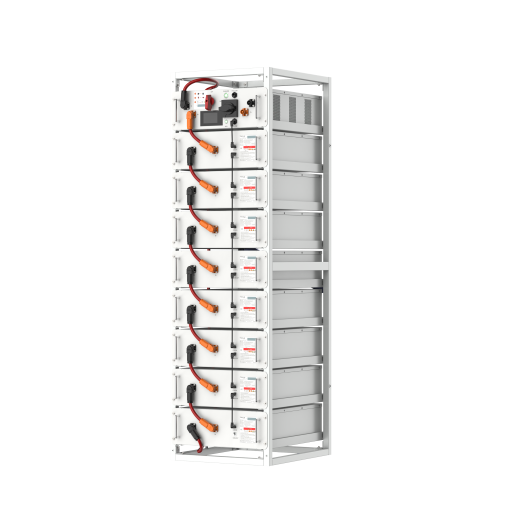
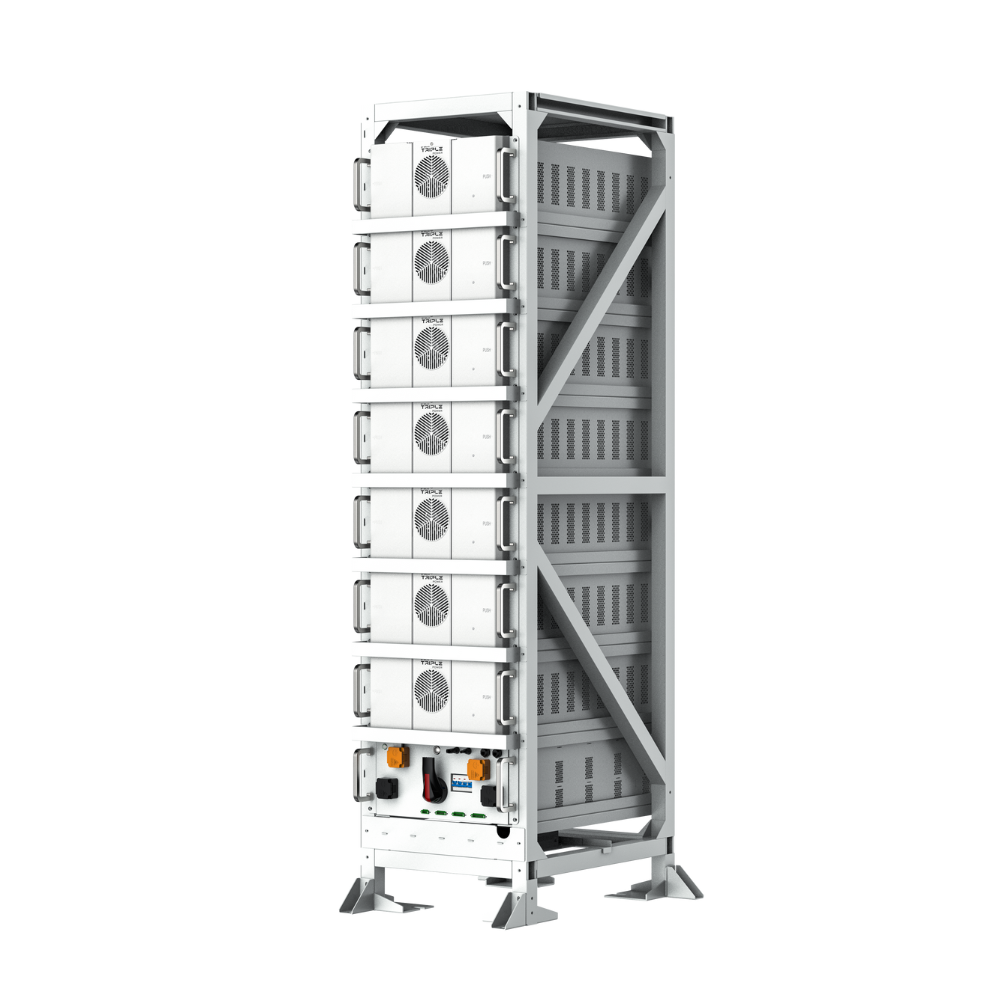
High Voltage Systems (100V - 400V+): Designed for large-scale commercial storage and high-efficiency home solar systems to reduce conversion losses.
What Is a Lead Acid Battery?
A Lead Acid battery is a type of rechargeable battery that uses lead dioxide as the cathode material, sponge lead as the anode, and a sulfuric acid solution as the electrolyte.
Known for its cost-effectiveness and proven reliability over decades, the lead acid battery remains a widely used option for budget-conscious energy storage and traditional backup power systems.
Main Types of Lead Acid Batteries
Lead Acid batteries are typically categorized by their construction and maintenance requirements:
Flooded Lead Acid (FLA) Batteries: The most traditional type that requires regular maintenance (refilling distilled water) and proper ventilation, often used in large-scale stationary energy storage.
Sealed Lead Acid (VRLA) Batteries: Maintenance-free designs, including AGM (Absorbent Glass Mat) and Gel batteries, which are spill-proof and better suited for deep-cycle applications in a lead acid solar battery system.
Lead Acid vs LiFePO4: Quick Comparison Table
Based on data from Wikipedia, the table below summarizes the key differences between LiFePO4 and Lead Acid batteries, offering an intuitive look at their respective performance metrics.
Feature | LiFePO4 Battery | Lead Acid Battery |
Cycle Life | 3,000–6,000 | 300–500 |
Usable Capacity | 80–100% | 50% |
Charging Time | 2–4 hrs | 6-12 hrs |
Charge/discharge efficiency | 95–99% | 50–95% |
Weight | 1/3 of lead acid | Heavy |
Maintenance | None | Regular |
Lifespan | 10–15 years | 3–5 year |
LiFePO4 vs Lead Acid: Key Differences
When comparing LiFePO4 battery vs lead acid performance, the differences are significant in terms of lifespan, efficiency, safety, and total cost of ownership. While lead acid batteries have been widely used for decades, modern LiFePO4 solar battery technology delivers superior long-term performance for battery storage systems.
Below is a direct performance comparison:
Cycle Life (Longevity)
A LiFePO4 solar battery typically offers 3,000 to 6,000 cycles at 80% Depth of Discharge (DoD). In contrast, a lead acid battery usually provides only 300 to 500 cycles, requiring much more frequent replacement.
Depth of Discharge (DoD)
LiFePO4 batteries can be safely discharged up to 80–100% without damaging the cells. Lead acid batteries should generally not be discharged beyond 50%, effectively cutting their usable capacity in half compared to their rated capacity.
Charging Efficiency
LiFePO4 batteries have an energy efficiency of over 95%, allowing for faster charging and minimal energy loss. Lead acid batteries average around 50-95% efficiency due to internal resistance and heat generation during the charging process.
Energy Density and Weight
LiFePO4 technology provides high energy density, making it roughly 1/3 the weight of a lead acid battery with the same usable capacity. This makes the lifepo4 solar battery ideal for space-constrained installations or mobile applications like RVs.
Maintenance and Safety
LiFePO4 batteries are maintenance-free and feature integrated Battery Management Systems (BMS) for protection. Flooded lead acid batteries require regular water refilling and proper ventilation to manage hazardous gas emissions.
Total Cost of Ownership
Although lead acid batteries have a lower initial purchase price, their shorter lifespan and lower efficiency result in higher long-term replacement and maintenance costs. In contrast, a LiFePO4 battery offers better lifetime value for residential and commercial battery storage systems.
LiFePO4 Battery VS Lead Acid Battery: How to Choose?
Choosing between a lifepo4 solar battery and a lead acid solar battery depends on your specific application, budget, and performance requirements. Below are the key scenarios to help you make the right choice:
When to Choose a LiFePO4 Battery
A LiFePO4 solar battery is the superior choice for high-demand, long-term applications where performance and efficiency are critical. You should choose this technology for:
Off-Grid Solar Systems: Ideal for homes relying entirely on renewable energy that require deep daily cycling and high reliability.
Long-Term RV Living: Perfect for full-time van life or RVing where fast charging and a long lifespan are essential.
Weight-Sensitive Marine Use: Best for boats and yachts where reducing weight is necessary to improve speed and fuel efficiency.
Frequent Mobile Energy: Highly recommended for portable power stations and mobile gear that are used and recharged daily.
When to Choose a Lead Acid Battery
A lead acid solar battery is a viable option for simpler, low-frequency, or cost-sensitive applications. Consider this type for:
Ultra-Low Budget Projects: Suitable for temporary setups or projects where the primary goal is to minimize initial upfront costs.
Starting/Cranking Applications: Best for traditional engine starting (SLI) where high cold-cranking amps (CCA) are needed for a few seconds.
Rarely Used Backup UPS: An economical choice for emergency backup systems or UPS (Uninterruptible Power Supplies) that remain on standby and are seldom discharged.
FAQ
Table of Contents
Latest News
Explore expert insights, practical guides, and the latest news on SolaX Power.

To the Latest Newsletter
Stay Ahead with the Latest SolaX Updates!
Subscribe
I have read and agree to Privacy Policy and User Terms