












April 17, 2026
Rooftop vs Ground-Mounted Solar Inverters
Share my #SolaXStory


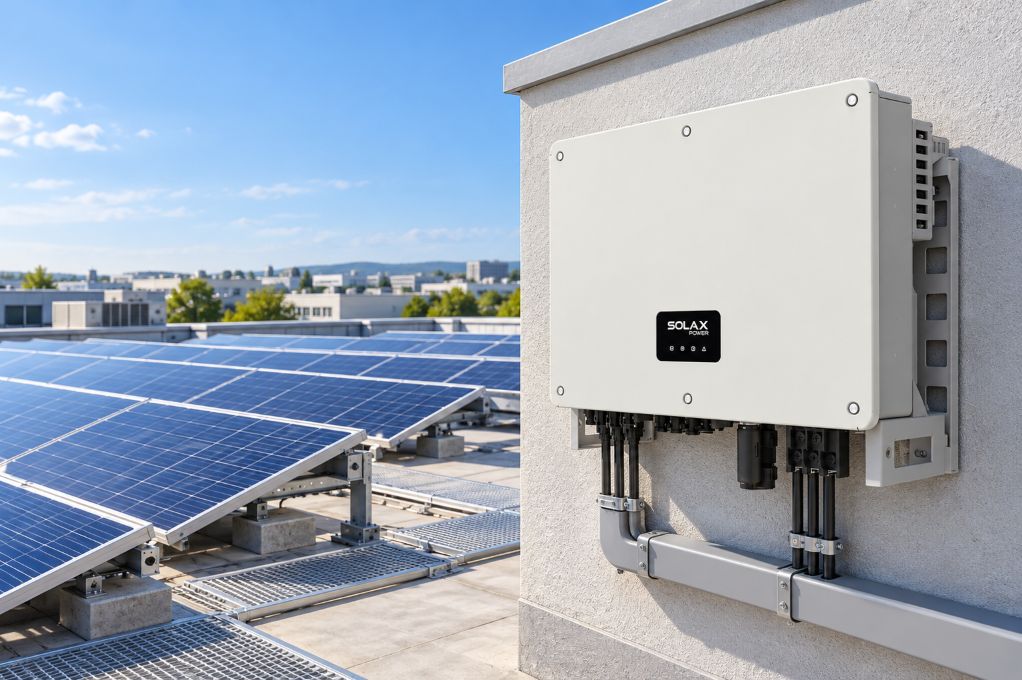
Your solar plan usually starts with a simple picture: panels on a roof, lower bills, and a cleaner home energy setup. Then the real questions show up. Is the roof angle good enough? Will future battery storage fit the design? Will maintenance become a hassle three years from now? Those decisions affect inverter choice more than most buyers expect, because the inverter has to match not just the panels, but the site, wiring path, service access, and long-term expansion plan.
This guide compares both paths across the buying factors that matter in 2026, then shows where a modern SolaX hybrid inverter approach can improve monitoring, battery readiness, and smart energy management for either layout.
Rooftop Solar Inverters: still the proven residential fit?
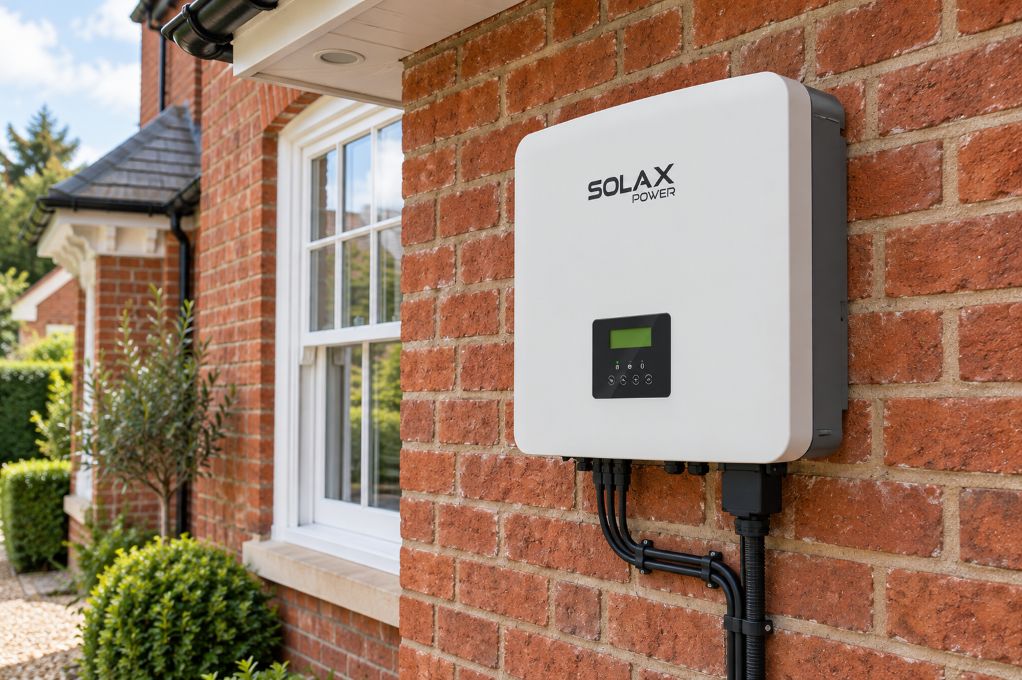
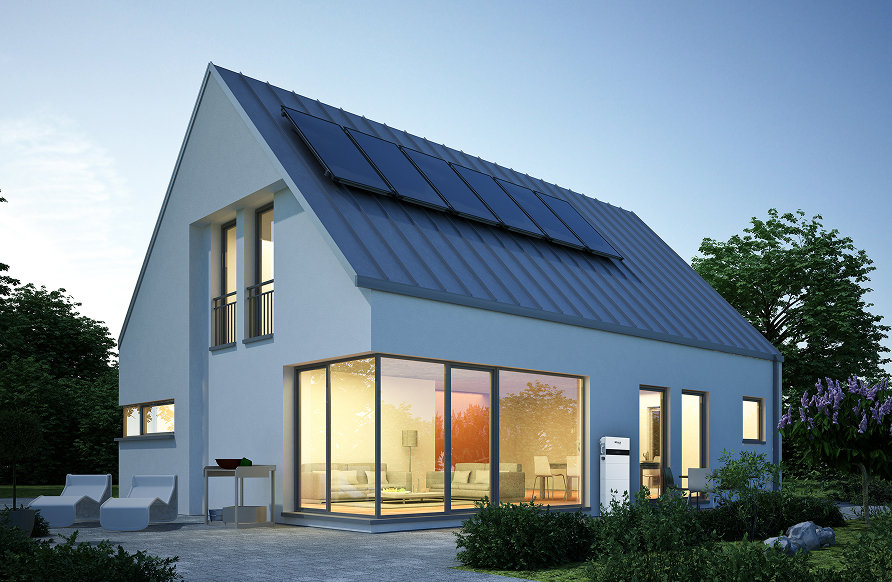
For most suburban homes, rooftop is still the fastest answer. If your roof has usable sun exposure, limited yard space, and no major structural constraints, a rooftop inverter setup usually keeps the project simpler. You avoid dedicating open land to the array, trenching is often lighter, and the whole system can stay close to the home service panel.
That advantage has limits. Roof pitch, azimuth, vents, dormers, and shade can lock the array into less-than-ideal orientation. Service access is also harder because maintenance crews must work at height, and rooftop solar work brings added fall-protection requirements under OSHA for installation and maintenance tasks. (osha.gov) In practice, rooftop works best when the home already has a good solar surface and the owner values lower project complexity over maximum design freedom.
Why rooftop wins for many smaller residential solar systems
The answer first: rooftop is usually the better fit when you need a compact, clean installation and do not expect major future expansion. Homes with attached PV layouts benefit from shorter equipment runs and fewer site variables.
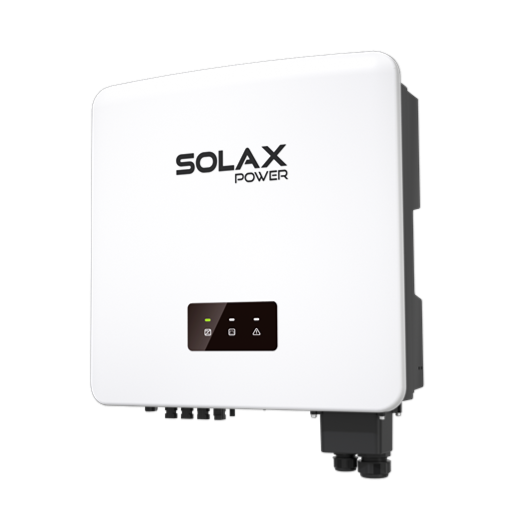
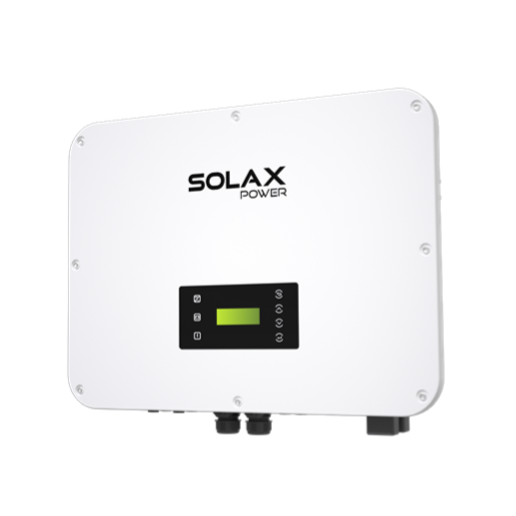
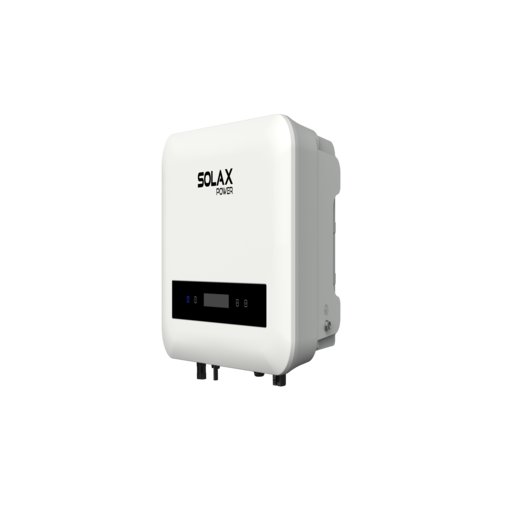
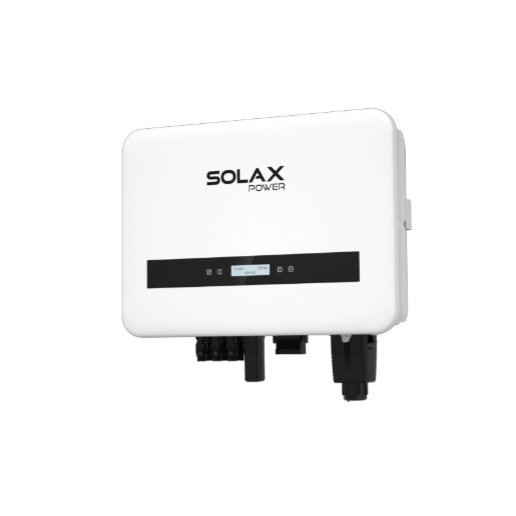
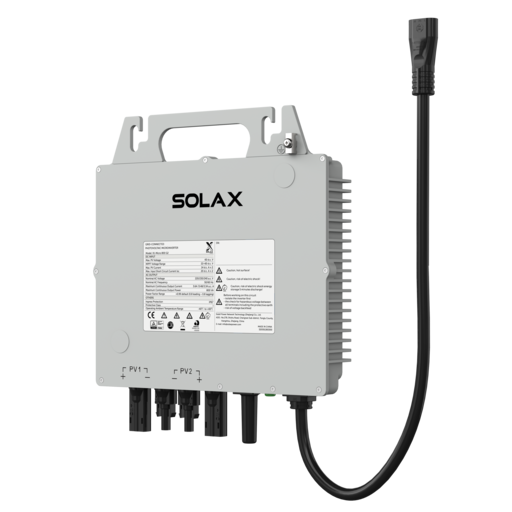
A modern rooftop-friendly inverter should also be compact, easy to monitor, and ready for smart loads. SolaX positions the X1 MINI Inverter G4 for small PV arrays and tight spaces, with support for up to 200 percent PV oversizing, 16A input, shade-oriented global MPP tracking, and SolaXCloud monitoring with fast data refresh. For homeowners who want a neat residential solar system without overbuilding the site, that kind of compact string inverter design aligns well with rooftop constraints.
Ground-Mounted Solar Inverters Offer More Flexibility
If the goal is best layout control, ground-mounted usually takes the lead. Open land gives designers more freedom to place modules at better tilt and azimuth, separate strings more cleanly, and leave working room around equipment. That matters because inverter performance is tied to how well the array is configured, how manageable thermal conditions are, and how easy it is to inspect or rework the system later.
The tradeoff is project complexity. Ground mounted solar systems need available land, civil work, trenching, structural supports, and often more permitting coordination. So this option is not automatically better. It is better when the site supports it and when the buyer values output optimization, battery expansion, or future reconfiguration more than installation simplicity.
Where ground-mounted systems gain an edge
The answer first: ground-mounted is usually the stronger long-term choice for larger custom systems, premium production goals, and staged expansion. Because placement is less constrained, designers can optimize orientation and spacing instead of inheriting the roof geometry.
Ground installs can also make inverter service easier. Equipment can be mounted at accessible height with clearer working space, reducing maintenance friction over the system life. That does not guarantee lower total ownership burden, but it often improves inspection speed, troubleshooting access, and future additions like battery storage, EV charging integration, or load management controls.
Head-To-Head Comparison Across Key Buying Factors
Before going deeper, here is the quick verdict. Rooftop usually wins on simplicity and install efficiency. Ground-mounted usually wins on performance tuning, serviceability, and expansion.
Dimension | Rooftop Solar Inverters | Ground-Mounted Solar Inverters | SolaX Smart Energy Approach |
Best use case | Space-limited homes | Open-site projects | Both layouts |
Installation complexity | Lower site work | More civil work | Flexible product range |
Orientation control | Roof-dependent | Highly adjustable | Better with smart design |
Cooling airflow | More constrained | Usually better airflow | Monitoring helps optimize |
Maintenance access | Harder roof access | Easier ground access | Remote diagnostics available |
Battery expansion | Roof and wiring limited | Easier to scale | Hybrid-ready options |
Monitoring | Varies by brand | Varies by brand | SolaXCloud support |
Smart loads | Sometimes limited | Easier in custom builds | Heat pump and EV ready |
Typical fit | Standard homes | Larger custom systems | Home, C&I, utility |
Limitations | Access, angle, shade | Land and permitting | Product fit still matters |
Which option wins on installation cost?
The answer first: rooftop usually wins for lower upfront project complexity.
Rooftop: In many homes, you already have the mounting surface, the array can stay close to the electrical service, and there is no need to dedicate yard area to the project. That often reduces land prep and keeps the design more straightforward.
Ground-Mounted: Ground systems usually involve foundations or posts, trenching, extra wiring runs, and site planning. Even when performance is better, the project path is more involved because the array is effectively becoming a separate site structure.
Evaluation Winner: Rooftop for buyers focused on tighter installation scope and fewer site variables. If your goal is a practical residential solar system with minimal disruption, rooftop remains the easier starting point.
Performance changes with orientation and cooling
The answer first: ground-mounted usually wins on energy yield potential.
Rooftop: Roof angle and roof direction often decide module placement before the installer even arrives. Add vents, hips, valleys, or nearby trees, and the inverter may be managing strings that are functional but not ideal. Rooftop equipment can also face hotter microclimates when mounted close to roofing materials, and elevated heat is a known factor that can reduce PV-related electrical performance over time. (gcca.org)
Ground-Mounted: Ground arrays are easier to orient for better sun capture and spacing. Better airflow around equipment and simpler row planning can support more stable operation, especially in sites where roof geometry would otherwise force compromises.
Evaluation Winner: Ground-Mounted for output optimization. If premium production is the top goal, the design freedom usually outweighs the extra installation work.
Expansion and battery integration compared
The answer first: ground-mounted is usually better for future growth, but a hybrid inverter can narrow the gap.
Rooftop: Expansion depends on whether the roof still has usable area, structural margin, and compatible string design. If the original inverter was selected tightly around the first install, adding storage or more generation later can become a redesign exercise rather than a simple add-on.
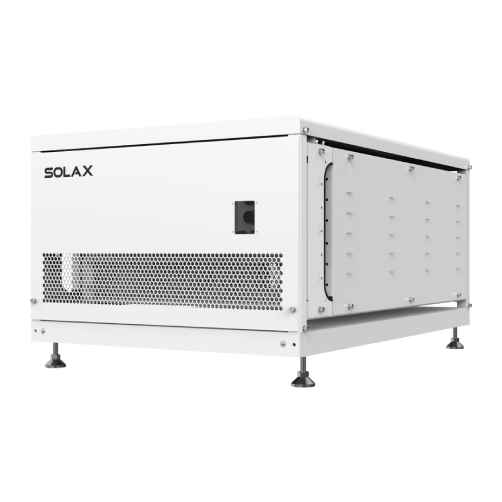
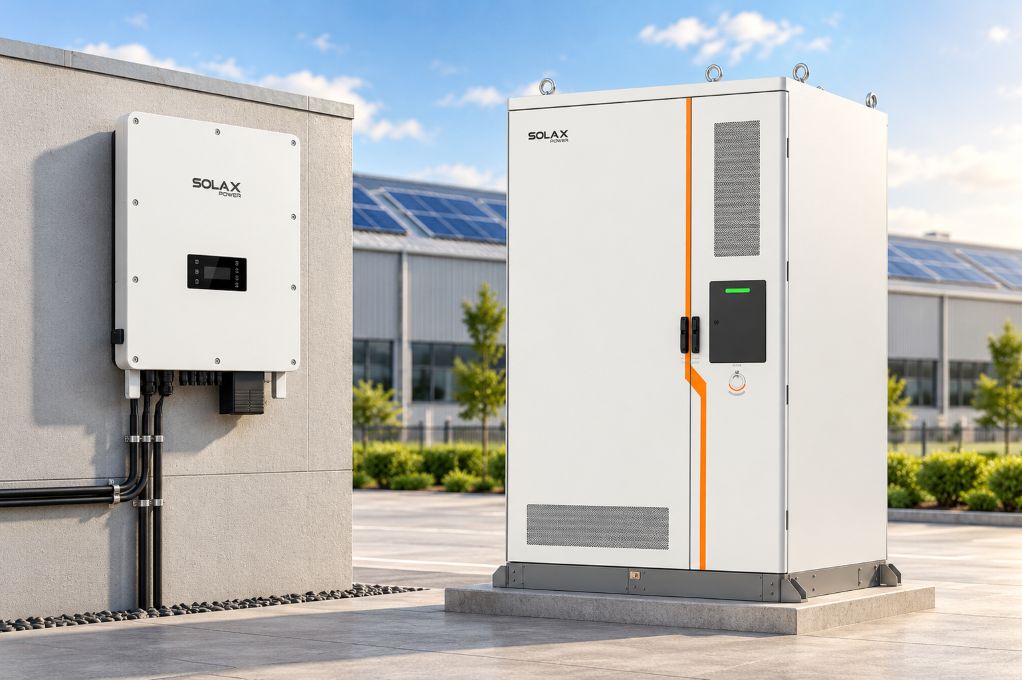
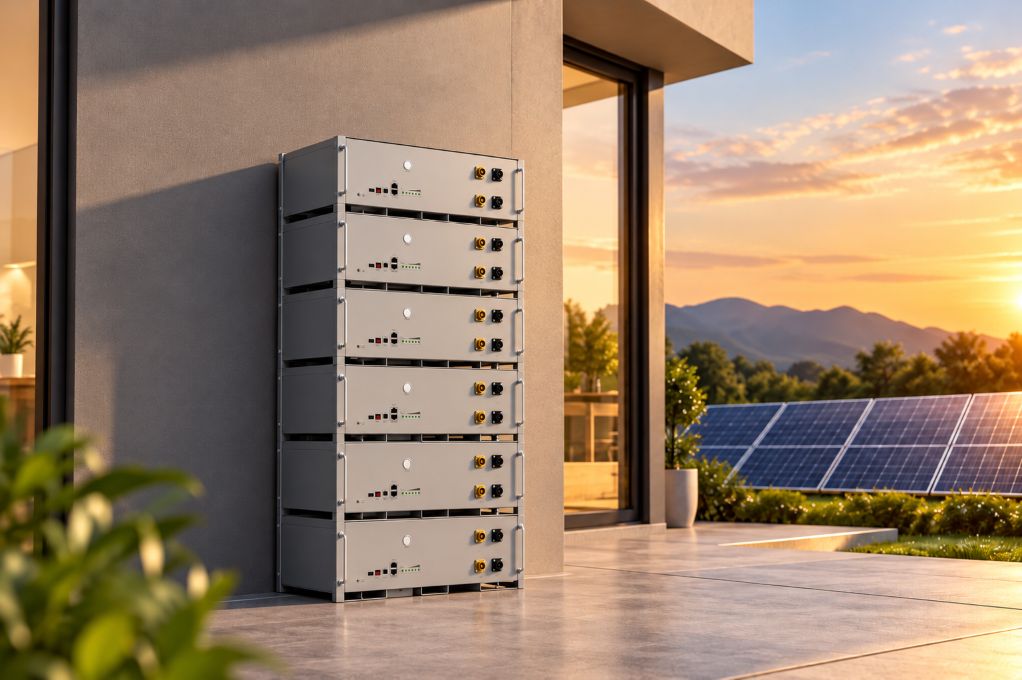
Ground-Mounted: With open land and accessible equipment placement, adding strings, reworking combiner layouts, or integrating battery storage is usually more manageable. The inverter location is also easier to plan around future battery cabinets or adjacent energy equipment.
Evaluation Winner: Ground-Mounted for scaling. That said, if you expect storage from the start, a hybrid inverter strategy is the smarter move regardless of mount type.
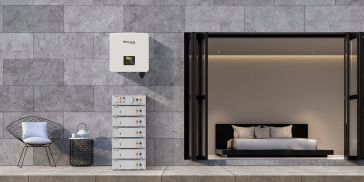
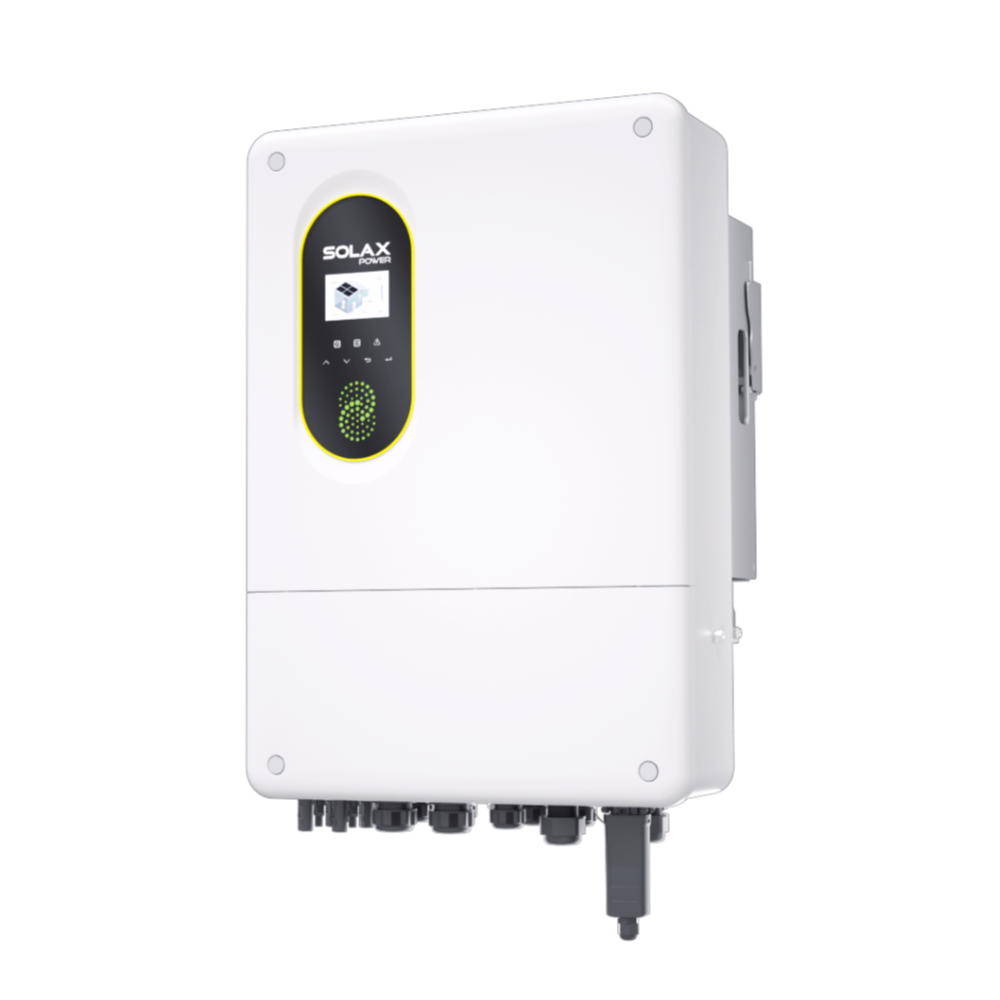
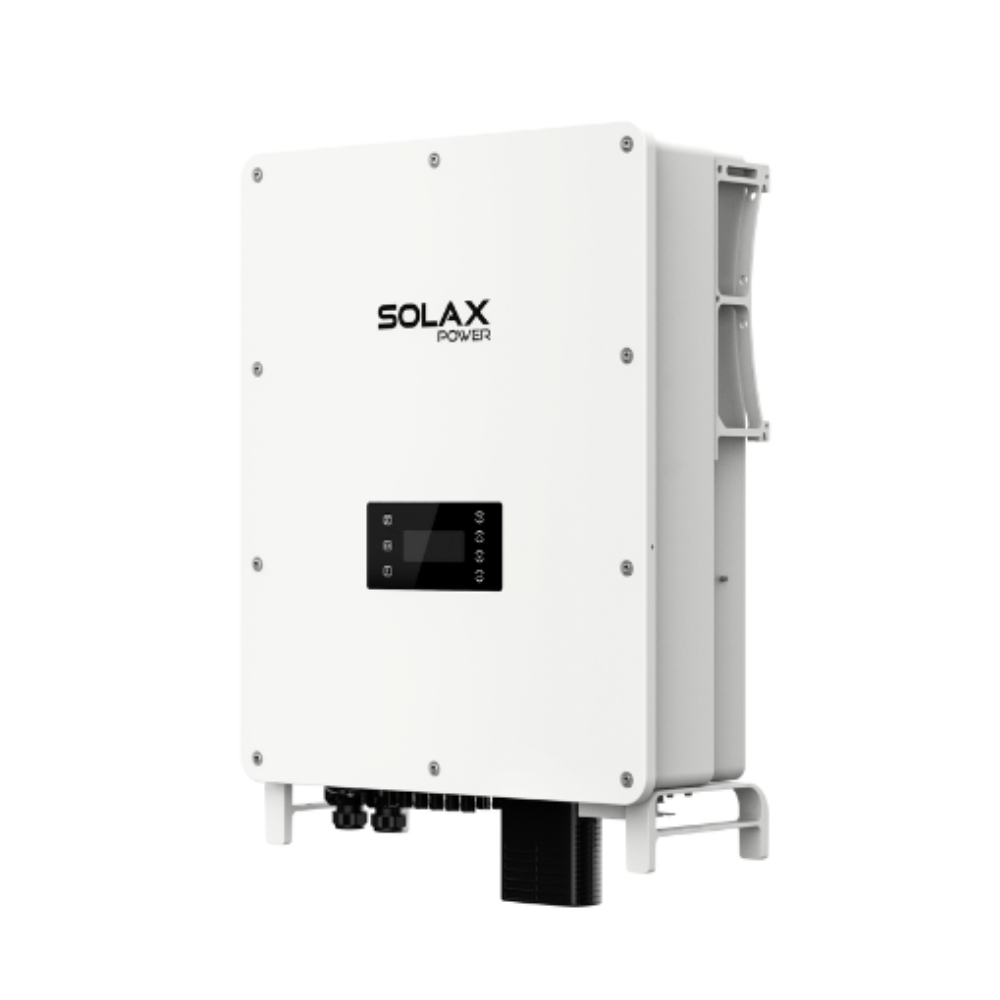
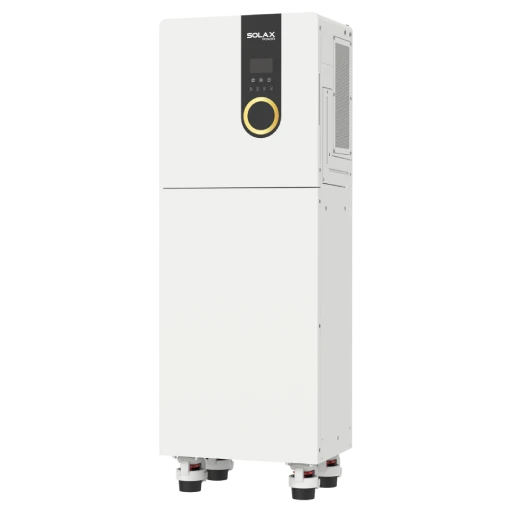
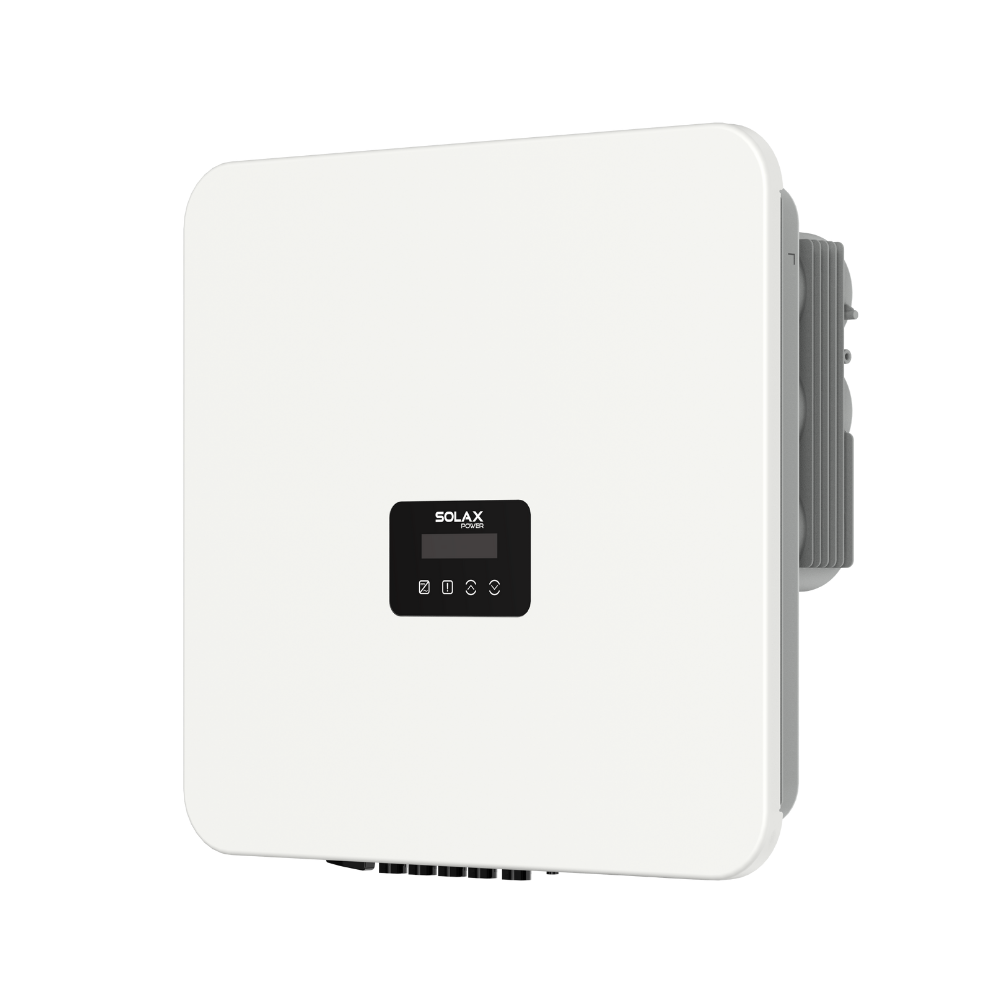
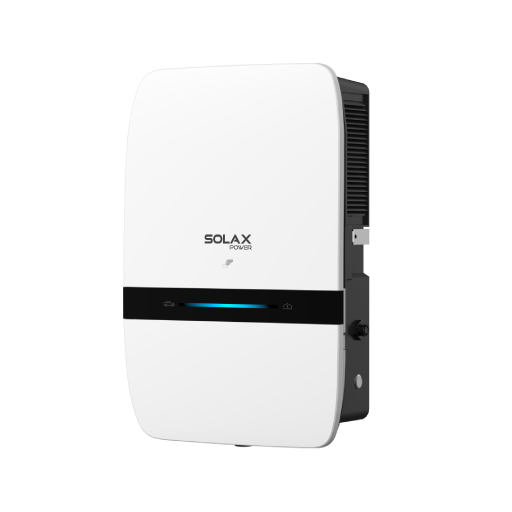
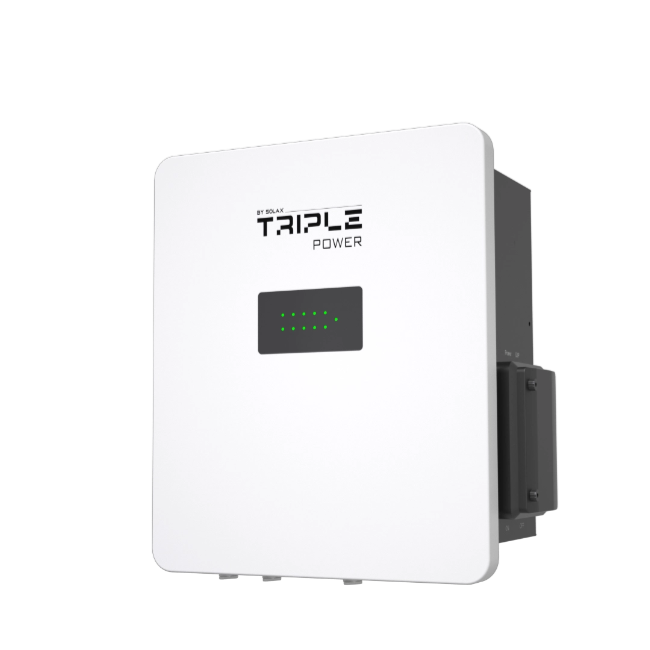
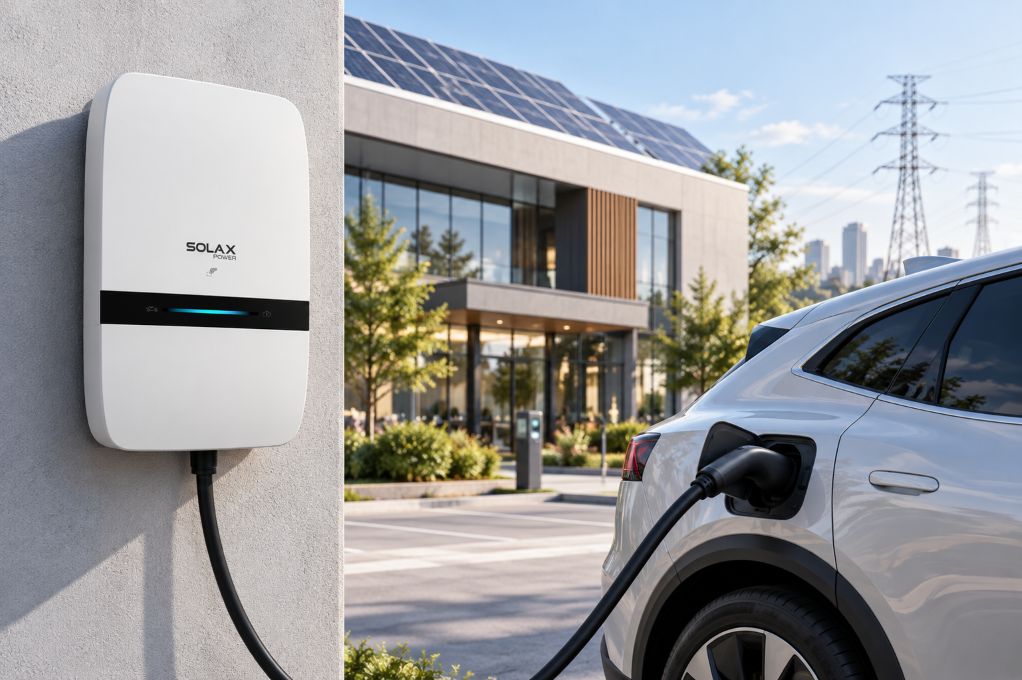
SolaX makes that pivot easier with the X1 HYBRID G4, a single-phase hybrid inverter designed for storage-ready residential systems. SolaX highlights battery integration, VPP readiness, heat pump and smart EV charger integration, and compatibility with its broader energy storage ecosystem.
For buyers comparing rooftop versus ground mounted solar, this matters because the better 2026 decision is often not just where the array sits, but whether the inverter can support the home energy roadmap that comes next.
Maintenance access and safety tradeoffs
The answer first: ground-mounted is usually easier to service and safer to access.
Rooftop: Service teams have to reach the roof, move around panel zones, and work near edges, openings, or access points. OSHA notes that solar installation and maintenance on roofs require fall protection considerations, which adds planning and labor discipline to every service event. OSHA guidance on solar fall hazards supports the basic point that rooftop access increases safety complexity.
Ground-Mounted: Ground-level access usually makes visual inspection, thermal checks, wiring verification, and component replacement faster. It also reduces reliance on ladders, anchors, and roof travel paths during routine service.
Evaluation Winner: Ground-Mounted for maintenance and serviceability. If long-term O and M convenience matters, ground arrays have the practical edge.
What should you choose in 2026?
The answer first: choose rooftop when simplicity and site constraints dominate. Choose ground-mounted when performance, access, and future flexibility matter more.
If you are planning around a small home with a good roof, rooftop is usually the right answer. If you have an open property and want better positioning, ground-mounted is often worth the extra effort. When the deciding factor is future battery storage or staged expansion, ground-mounted has a natural advantage, but a storage-ready hybrid inverter can preserve options in either design.
Another way to frame it is by decision context:
Tight upfront project scope: Rooftop is usually the lower-complexity choice.
Premium output goal: Ground-mounted usually gives the designer more control.
Hard-to-access roof or safety concerns: Ground-mounted improves service practicality.
Planned EV charging, smart loads, or home battery storage: Prioritize inverter capability, not just array location.
Limited land, standard residential footprint: Rooftop remains the default fit.
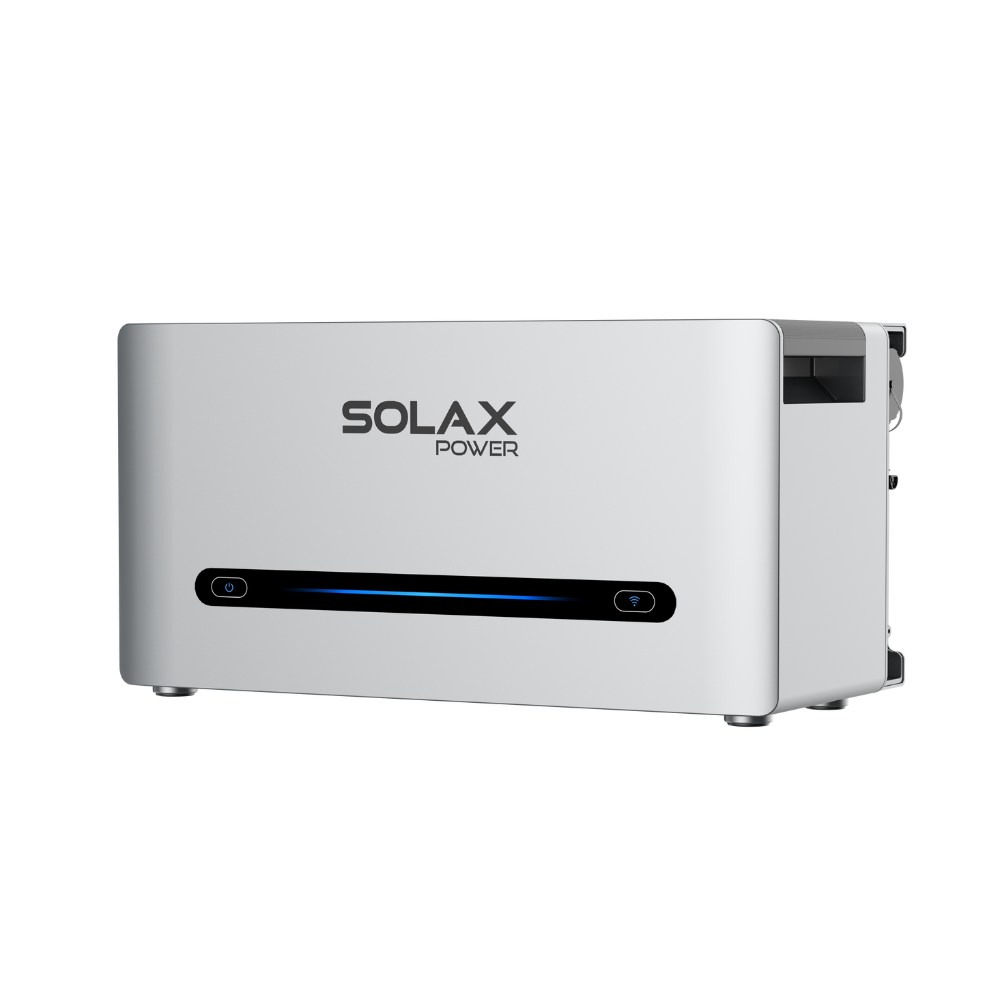
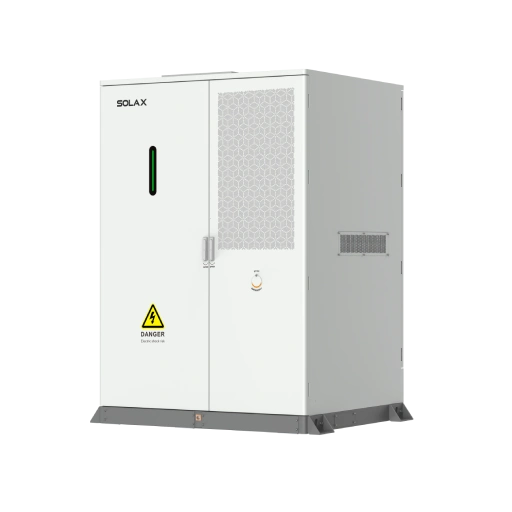
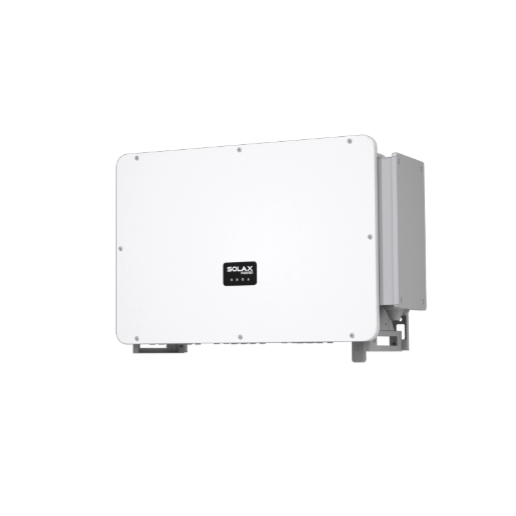
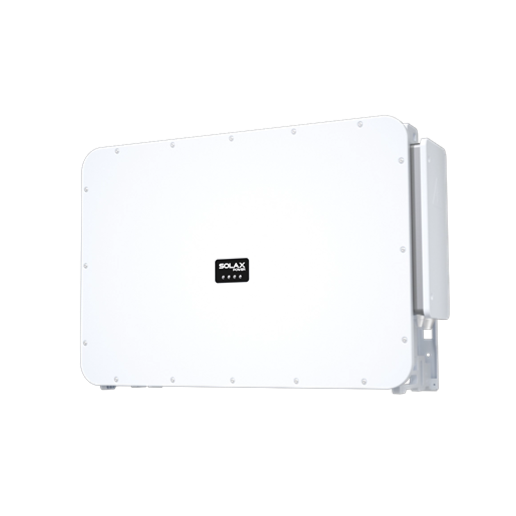
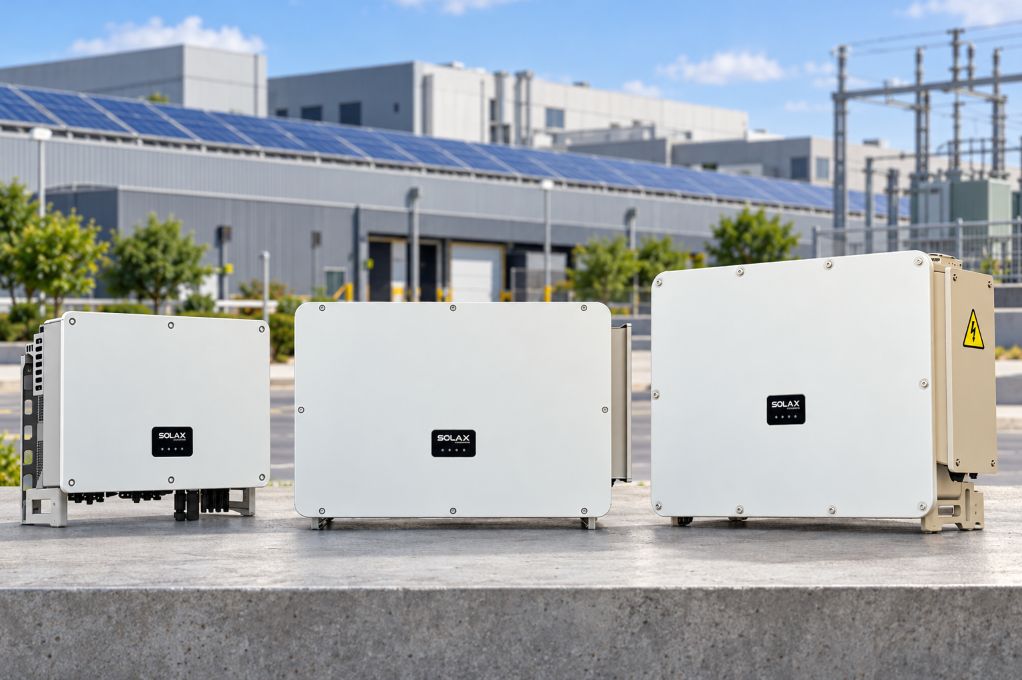
For many 2026 buyers, the strongest modern recommendation is not a generic rooftop or ground-mounted inverter alone. It is a smart energy platform that can work across both layouts, connect to monitoring software, and support storage later. SolaX positions its portfolio around that broader path, spanning string inverters, hybrid inverters, batteries, EV charging, and SolaXCloud-based smart energy management across residential, C&I, and utility scenarios.
A smarter recommendation than a basic category pick
If you want a simple grid-tied rooftop install, a compact string inverter can be the practical answer. If you want a system that can grow into battery storage, smart loads, or more active control, a hybrid inverter deserves stronger consideration from day one.
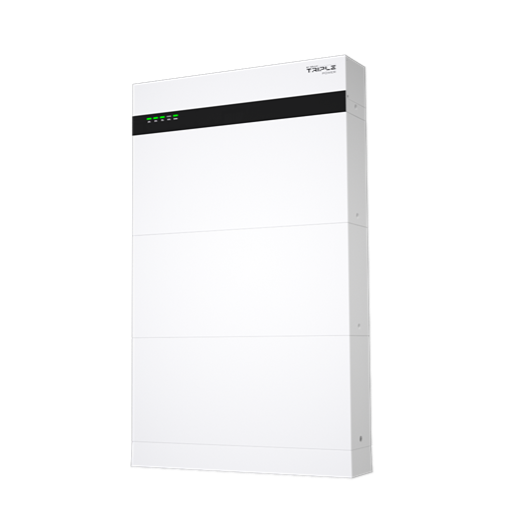
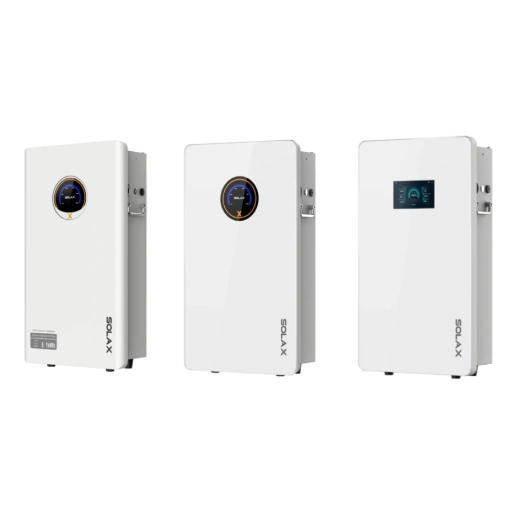
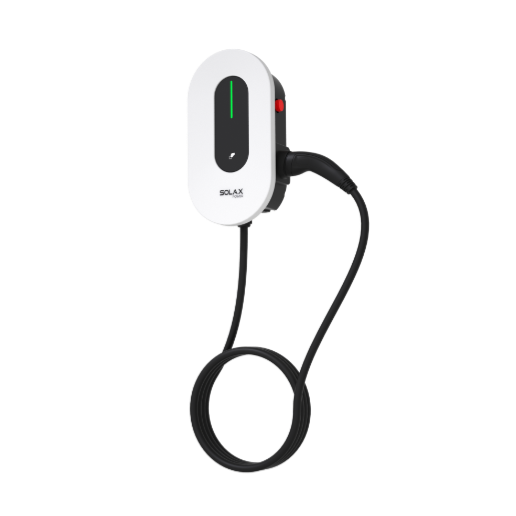
That is where SolaX stands out more clearly than the generic category. The company presents a broad end-to-end portfolio, from residential string inverters and hybrid inverters to batteries, EV chargers, cloud monitoring, and VPP-oriented controls, rather than treating the inverter as a standalone hardware purchase. In a market where system flexibility matters more each year, that ecosystem approach is often the better long-term result.
FAQ
Table of Contents
Latest News
Explore expert insights, practical guides, and the latest news on SolaX Power.

To the Latest Newsletter
Stay Ahead with the Latest SolaX Updates!
Subscribe
I have read and agree to Privacy Policy and User Terms