












April 16, 2026
Top Home & Solar Batteries in 2026: Top Picks for Long Cycle Life & Emergency Backup
Share my #SolaXStory


A home battery can look perfect on paper and still leave you short when the grid drops. That usually happens when capacity, discharge strength, or expansion options do not match how your house actually uses power. Pick wrong, and you can end up paying for storage that ages too fast, cannot carry key loads, or forces a costly redesign when you add an EV charger or heat pump later.
This shortlist focuses on the battery setups that solve those problems in real homes. Instead of ranking by hype, it is organized by backup scenario, growth path, voltage class, and practical protection features. You will see where each option fits best, what specs matter first, and which tradeoffs are worth noticing before you commit to an installer quote.
What makes a battery worth buying in 2026?
Choosing a home battery is easier when you separate backup marketing from actual fit. In practice, the best system is the one that matches your inverter design, your outage priorities, and your expected daily cycling pattern. That is why this list leans heavily toward LFP systems with clear expansion paths. LFP, or lithium iron phosphate, is the mainstream chemistry most buyers should start with because it prioritizes safety and durability over the smallest possible footprint.
Why cycle life matters first
Daily solar shifting adds wear faster than emergency-only use.
Over 6,000 cycles is a strong benchmark for long ownership.
Longer-life systems make more sense when you plan to use stored solar every evening.
If you expect frequent cycling, cycle life should outrank headline capacity.
Why enclosure rating changes placement options
IP66 supports tougher outdoor or exposed conditions.
IP65 can still work well, but placement details matter.
IP20 products generally need more protected indoor installation.
Weather protection affects where your installer can place the system without compromise.
Why chemistry still decides lifespan
LFP remains the safest mainstream choice for residential cycling.
It usually gives you better durability than chemistries optimized for maximum compactness.
That durability matters because batteries are becoming central to reliability planning; AP reported in January 2025 that grid batteries are becoming an essential electricity source and are helping bolster reliability in blackout-prone states.
Top picks by real home backup scenario
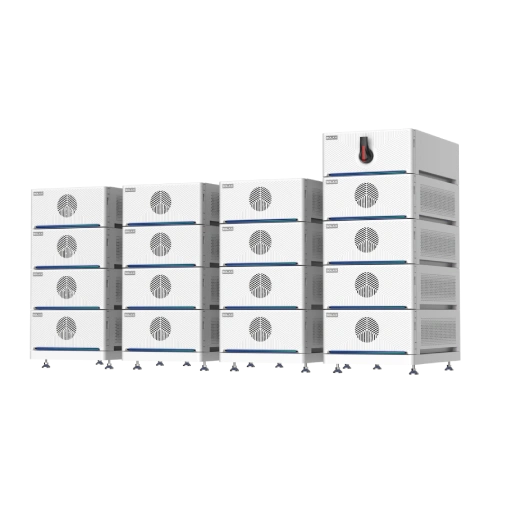
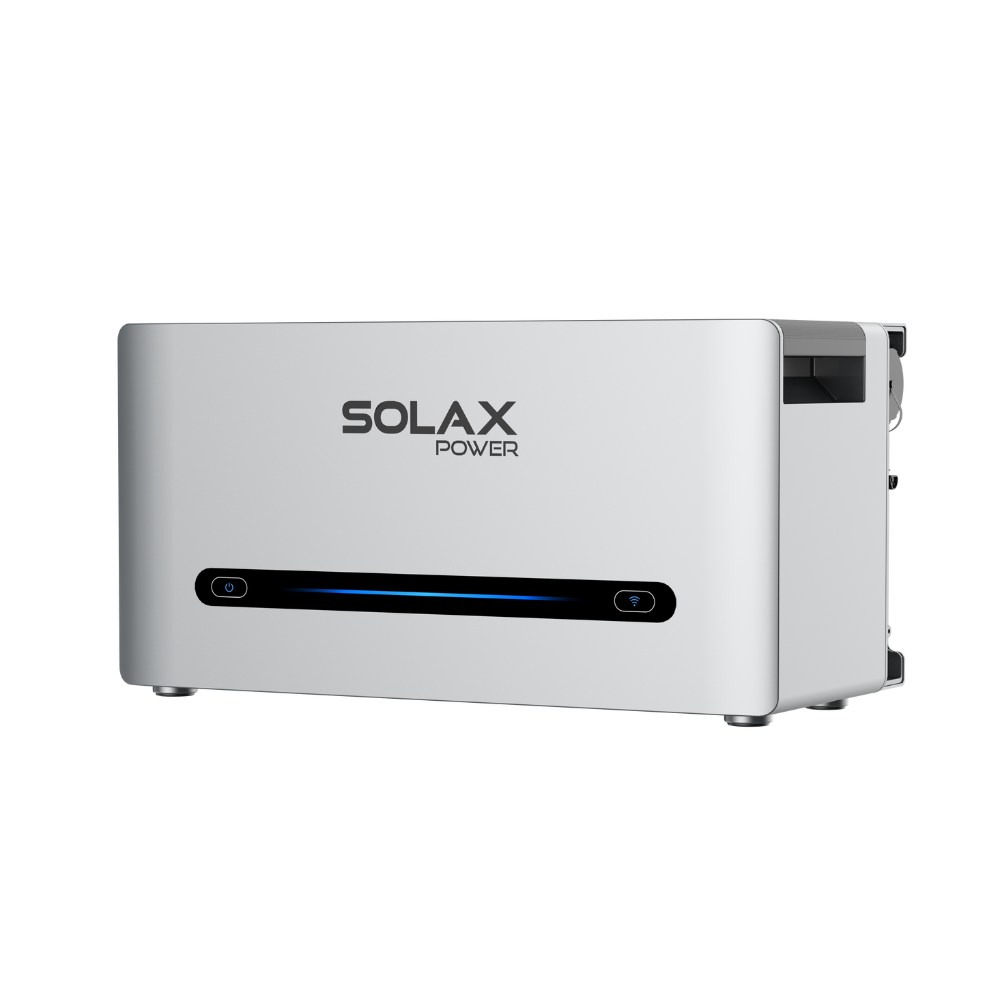
1. HS50E-D
If you want to start with a modest battery and keep your upgrade path open, this is the strongest fit in the lineup. The HS50E-D is built for homeowners who expect their energy needs to grow over time, whether that means adding more solar, covering longer outages, or supporting new loads later. Its biggest value is not just capacity today, but how much future flexibility you keep.
Why it stands out
Best for: long-term modular expansion
Capacity range: 5.12 kWh to 92.16 kWh
Chemistry: cobalt-free LFP
Protection: IP66
Mounting: wall or floor
Current: up to 50A charge/discharge
Cycle life: over 6,000 cycles
What to watch
This is a system you buy for a growth plan, not just for a one-room backup target.
You still need to confirm inverter compatibility before sizing the stack.
Larger expansions may require more wall or floor planning than buyers expect.
Why it wins: The HS50E-D combines a very wide expansion runway with outdoor-ready protection and an operating range down to -30 C with heating support on the official page. That makes it a practical pick when you want one battery platform that can serve a small starter system today and a much larger backup role later. Its AI-driven SOC and SOH management also points to better long-term control over battery health.
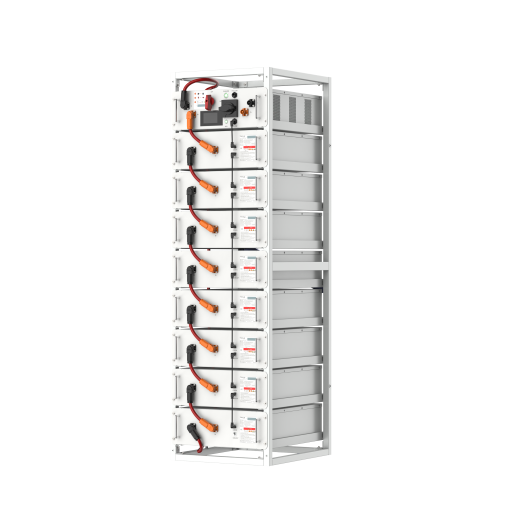
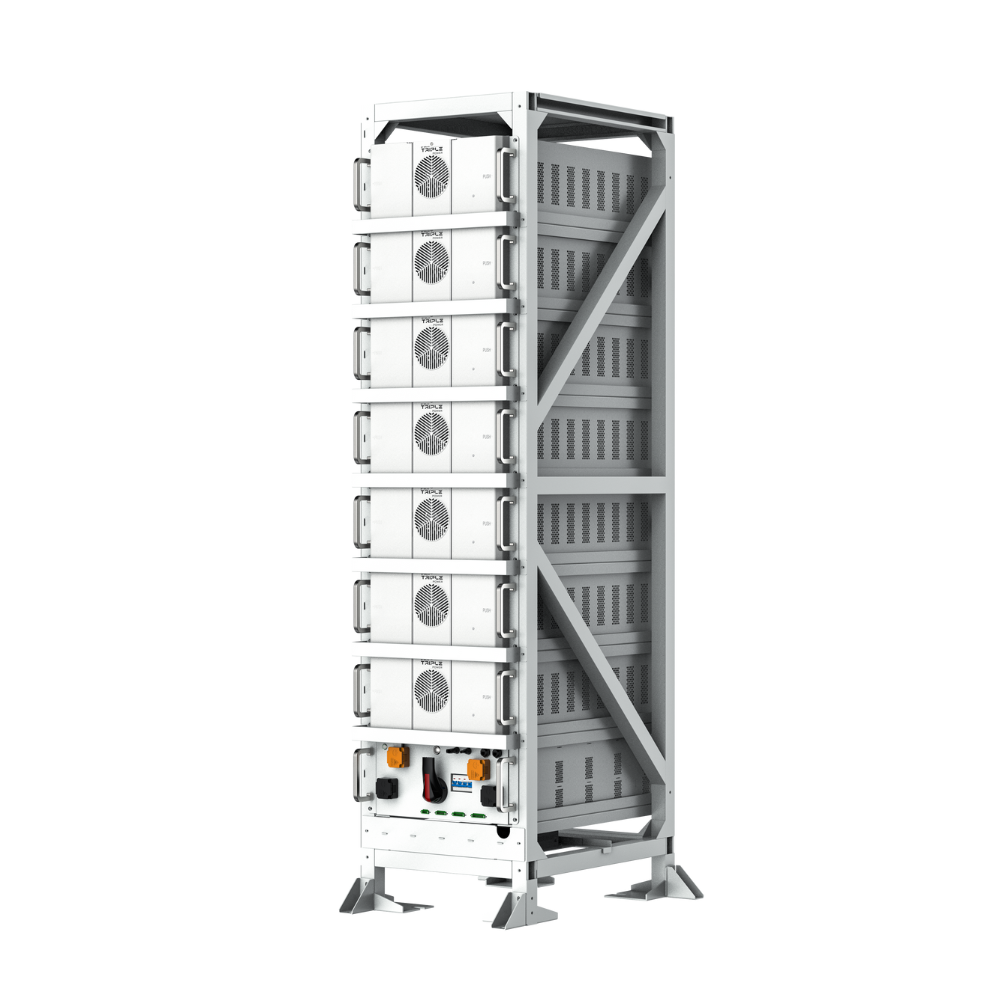
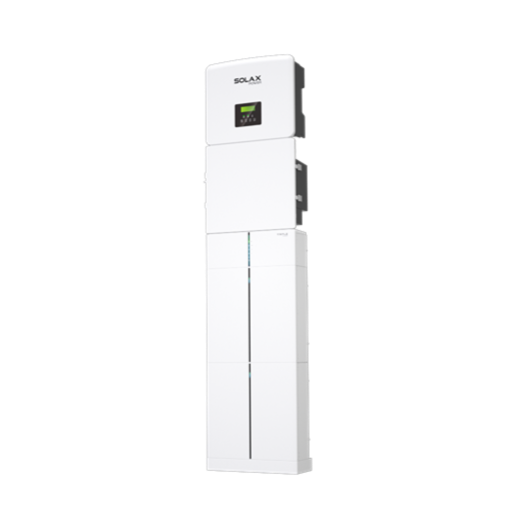
2. TSYS-HS51
Some buyers are not trying to save every inch of space. They want a premium stacked high-voltage system that can carry larger homes, stronger backup expectations, and cleaner future expansion. That is where TSYS-HS51 makes sense. It is a bigger-planning product for households that want substantial reserve capacity and a more robust whole-home path.
Why it stands out
Best for: premium high-voltage whole-home planning
Capacity range: 10.2 kWh to 66.5 kWh
Module size: 5.1 kWh each
Chemistry: LFP
Protection: IP66
Current: up to 70A charge/discharge
Expansion: compatible with TCBox-70 for up to 3 battery towers
What to watch
It is better suited to buyers planning a larger system from the start.
Physical stack height and placement should be checked early in the design process.
Premium features matter most when you actually need a bigger reserve or parallel growth.
Why it wins: TSYS-HS51 stands out because it pairs a broad 10.2 kWh to 66.5 kWh range with features aimed at higher-end residential installs, including parallel expansion support and IP66 environmental protection. The content brief also highlights aerosol fire suppression, which adds appeal for homeowners who prioritize advanced protection in premium storage rooms or sheltered outdoor installs.
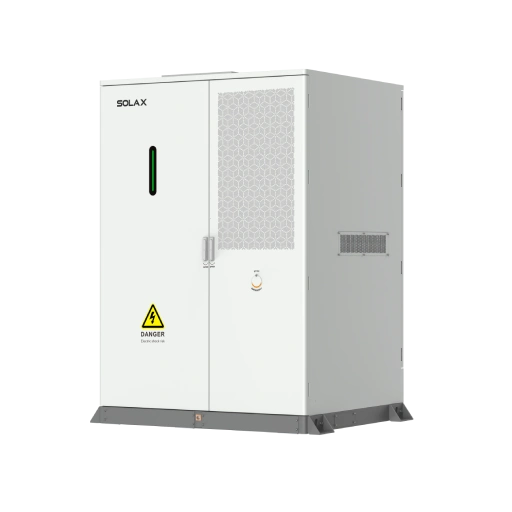
3. T-BAT-SYS-HV-5.0
When your installer is working around limited wall space, a simpler high-voltage package can be easier to justify than a huge modular tower. The T-BAT-SYS-HV-5.0 is a compact pick for homes that want a cleaner footprint and a familiar 10, 15, or 20 kWh decision. It is less about extreme expansion and more about a tidy fit.
Key specs to check
Best for: compact high-voltage installs
Capacity options: 10 kWh, 15 kWh, 20 kWh
Battery type: 100Ah Lithium LFP
Roundtrip efficiency: 95%
Protection class: NEMA 4X
Max charge/discharge current: 54A
Nominal voltage: 102.4 V, 153.6 V, or 204.8 V depending on size
What to watch
Expansion is more limited than the broadest modular platforms here.
You need to pick the right preset size up front.
It is strongest where space efficiency matters more than huge future scaling.
Why it wins: The T-BAT-SYS-HV-5.0 is the easy recommendation when you need a compact HV battery without giving up respectable efficiency. The official product page calls out 95% battery roundtrip efficiency and NEMA 4X protection, which helps in tougher installation environments. That combination makes it attractive for homes with tighter install zones but still serious backup expectations.
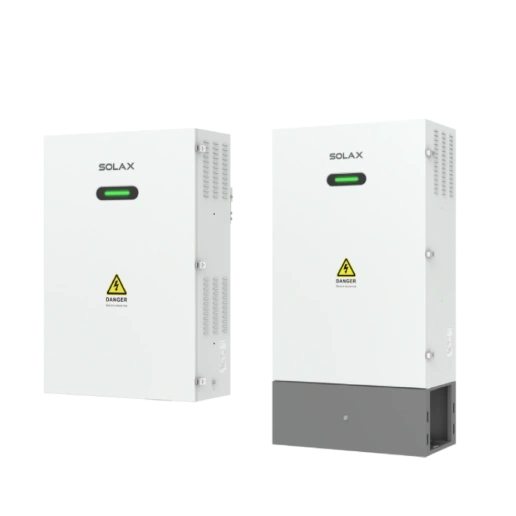
4. T-BAT-SYS-HV-R3.6
A battery can be expandable and still be awkward to place. The HV-R3.6 is a better answer when your installer is trying to preserve floor area or work around a narrow utility space. It is a high-voltage option that keeps future growth on the table without forcing you into the bulkiest starting footprint.
Why it stands out
Best for: tight-space HV installs with future growth
Capacity range: 7.3 kWh to 47.8 kWh per stack
Chemistry: LiFePO4
Current: up to 50A charge/discharge
Cycle life: over 6,000 cycles
Cell detail: 72Ah LiFePO4 cells
What to watch
The page presents this as a strong space-conscious option, but placement planning still matters.
Buyers should confirm indoor versus outdoor location requirements with the installer.
It is not the best fit if you already know you need the largest reserve in this lineup.
Why it wins: HV-R3.6 earns its spot because it balances compact planning with a serious expansion path. That matters if you want a smaller initial install today but do not want to repaint the system architecture in two years. Long cycle life, 50A current handling, and scalable high-voltage design make it one of the more practical picks for homes where usable space is part of the buying decision.
5. T-BAT-SYS-LV-R36
Not every home battery decision starts with high voltage. In many projects, the smarter move is to match the inverter architecture you already have or plan to use. The T-BAT-SYS-LV-R36 is the cleaner answer for low-voltage residential systems, especially when you are pairing with the X1 HYBRID LV platform and want a flexible path from smaller storage to a much larger stack.
Key specs to check
Best for: flexible low-voltage residential systems
Capacity range: 3.6 kWh to 58.8 kWh
Chemistry: Lithium iron phosphate
Pairing: designed for X1 HYBRID LV
Cycle life: over 6,000 cycles
Enclosure rating shown on product page: IP20
Peak discharge: 150A for 60 s, 200A for 15 s on listed configurations
What to watch
IP20 means placement conditions matter more than with outdoor-ready IP66 systems.
This is the better fit for the right LV architecture, not a universal replacement for HV designs.
Cabinet or wall quick-bracket planning should be checked early.
Why it wins: LV-R36 is the most flexible low-voltage option in this shortlist because it starts small, scales aggressively, and keeps a clear residential pairing story. If your goal is bill savings first, outage support second, and easy service access, this setup can be easier to live with than a more specialized HV stack.
6. T-BAT-SYS-LV-D15
Some homes care less about giant total capacity and more about strong short-burst power. If your backup plan includes loads that hit hard at startup, discharge strength matters as much as stored energy. The T-BAT-SYS-LV-D150 is the low-voltage pick here when surge support and current delivery deserve more attention.
Why it stands out
Best for: high-discharge low-voltage demand
Voltage: 48V
Module capacity: 314Ah
Chemistry: LFP
Protection: IP65
Peak current: 310A for 10 seconds
Cycle life: product warranty pages in the SolaX materials support long-term retention expectations
What to watch
This is a more specialized recommendation than a broad whole-home stack.
Surge-friendly specs do not replace proper load calculation.
Buyers still need to match inverter and backup panel design carefully.
Why it wins: LV-D150 is the pick for households that want stronger discharge muscle in a low-voltage format. In real terms, that means it deserves a look when startup-heavy loads or demanding backup circuits matter more than chasing the highest total kWh headline. It fills a useful role that many shortlist articles skip.
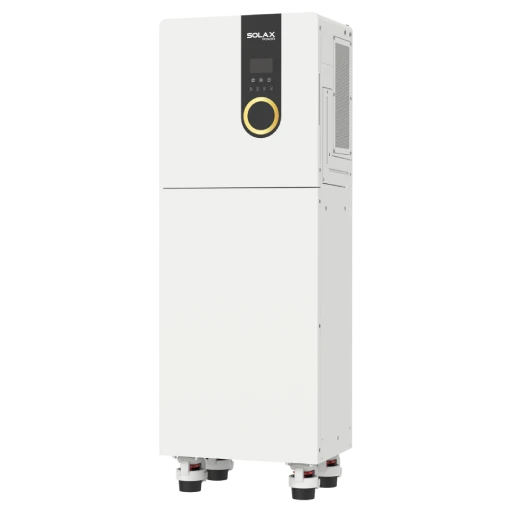
7. SolaX battery ecosystem fit
A battery is not just a box on the wall anymore. If your priority is easier monitoring, simpler maintenance, and a smoother path to future upgrades, the platform around the battery matters. This ecosystem pick is for homeowners who want battery hardware that works inside a broader energy workflow, not as an isolated add-on.
Why it stands out
Best for: one-app monitoring and managed home energy workflows
Platform fit: works across residential ESS products
Monitoring layer: SolaXCloud for real-time monitoring and optimization
Broader ecosystem: batteries, hybrid inverters, EV charging, and smart energy tools
Upgrade logic: useful when you want a more unified home energy stack
What to watch
Ecosystem value is strongest when you are buying into more than a battery alone.
If you already own non-matching hardware, integration planning matters.
App convenience should support, not replace, good system sizing.
Why it wins: A battery ecosystem deserves a shortlist slot because long-term ownership is not only about chemistry and cycle count. It is also about visibility, diagnostics, and how easily your system adapts over time. SolaX positions its platform around batteries, inverters, monitoring, and VPP-ready smart energy management, which makes the battery decision more coherent for buyers building a connected energy setup. Battery economics are also moving fast; BloombergNEF reported that the global benchmark cost for a four-hour battery project fell 27% in 2025, which raises the value of choosing a platform you can expand instead of replace.
Quick comparison table
Product | Best use case | Capacity range | Chemistry | Protection | Notable strength |
HS50E-D | Long expansion runway | 5.12-92.16 kWh | LFP | IP66 | Starts small, scales big |
TSYS-HS51 | Premium HV backup | 10.2-66.5 kWh | LFP | IP66 | Large stacked growth path |
T-BAT-SYS-HV-5.0 | Compact HV installs | 10-20 kWh | LiFePO4 | NEMA 4X | 95% roundtrip efficiency |
T-BAT-SYS-HV-R3.6 | Tight-space HV fit | 7.3-47.8 kWh | LFP | Not emphasized | 50A current handling |
T-BAT-SYS-LV-R36 | Flexible LV systems | 3.6-58.8 kWh | LFP | IP20 | X1 HYBRID LV pairing |
T-BAT-SYS-LV-D150 | High-discharge LV use | 48V, 314Ah | LFP | IP65 | X1 HYBRID LV pairing |
How to choose without overspending
Most overspending happens before the installer even starts wiring. Homeowners often buy too much total capacity for rare outage events, or they buy a battery that looks large enough but cannot support the loads they care about during startup. The better sequence is simple: size your outage loads first, then check how much daily solar shifting you want, and finally leave room for future electrification such as EV charging or heat pumps.
Questions worth asking before you commit
How many essential circuits need backup?
Do you want partial-home or whole-home backup?
Will your system expand within three years?
Are you matching a high-voltage or low-voltage inverter?
Does your install location require IP66-level protection?
Easy mistakes to avoid
Buying kWh without checking discharge limits
Ignoring inverter and battery voltage class mismatch
Assuming all 10 kWh systems behave the same
Forgetting future loads like EV charging
Choosing an indoor-rated battery for a harsh location
Conclusion
If you want the widest modular runway, HS50E-D is the easiest pick to defend. If you are building a premium high-voltage backup path with larger reserve goals, TSYS-HS51 makes more sense. If discharge muscle matters more than headline capacity, T-BAT-SYS-LV-D150 deserves attention.
The bigger point is this: the right home battery is the one that matches how you actually live through outages and how often you plan to cycle stored solar. Start with your critical loads, confirm inverter compatibility, and then choose the battery platform that gives you room to grow instead of forcing a second purchase later.
FAQ
Table of Contents
Latest News
Explore expert insights, practical guides, and the latest news on SolaX Power.




To the Latest Newsletter
Stay Ahead with the Latest SolaX Updates!
Subscribe
I have read and agree to Privacy Policy and User Terms