












April 15, 2026
Save Up to 50% on Costs! Best ESS for Families with High-Demand Appliances
Share my #SolaXStory


Guessing why your power bill spikes when the dryer, EV charger, and heat pump run close together? That confusion gets expensive fast, because the wrong ESS size can leave you buying grid power at the worst times, while an oversized system ties up budget in capacity your family rarely uses.
For homes with high-demand appliances, a better energy storage system starts with real load behavior, not marketing claims.

Load Spikes From Daily Routines
If your family wants lower bills without losing comfort, start by mapping overlap. Most high-demand homes do not fail because the solar inverter is weak. They fail because morning and evening routines pile too many loads into the same 30 to 90 minutes.
A common pattern is breakfast cooking, water heating, HVAC ramp-up, and EV top-off in the morning, then laundry, cooling, cooking, and lighting at night. That overlap determines whether your energy storage solutions feel smooth or frustrating.
The practical fix is to separate essential, movable, and optional loads. Essential loads keep comfort and food safety stable. Movable loads include laundry, dishwashing, and some EV charging. Optional loads are the ones you can delay without pain. Once you sort these categories, your battery storage for home can be sized around real peak windows instead of the full panel total. That usually leads to a better ESS and hybrid inverter match for your solar system for home.
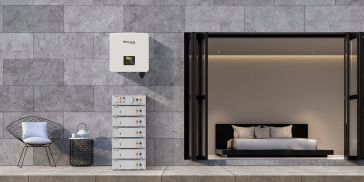
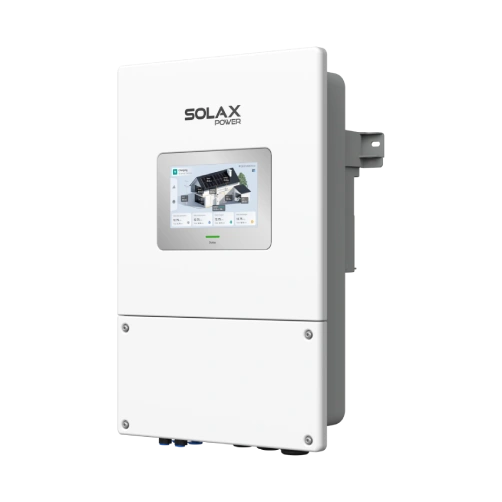
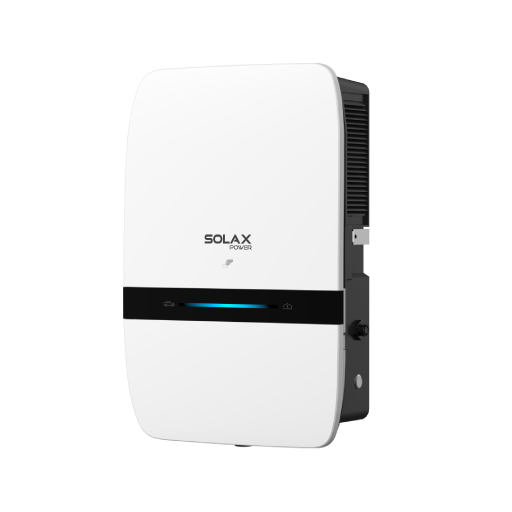
Product fit: X-ESS G4 for compact family routines
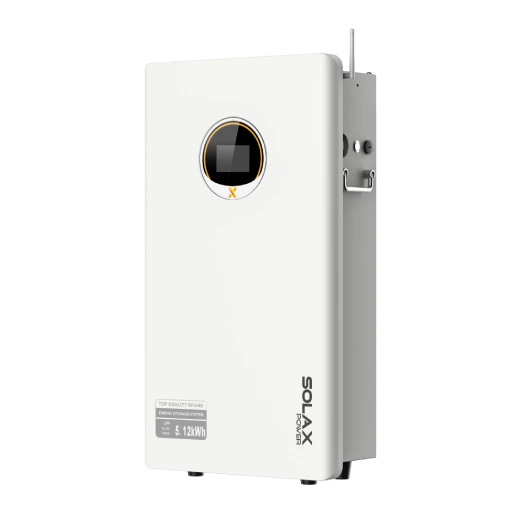
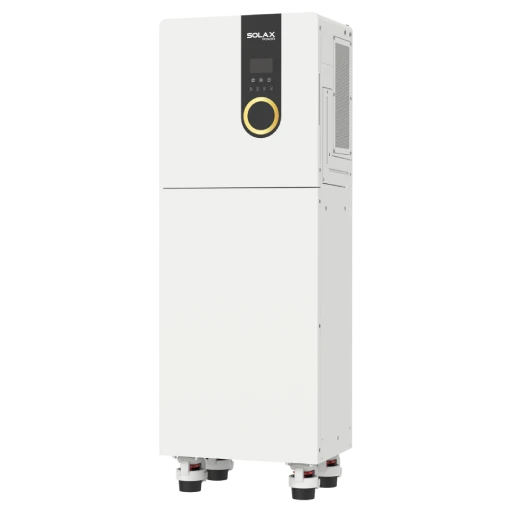
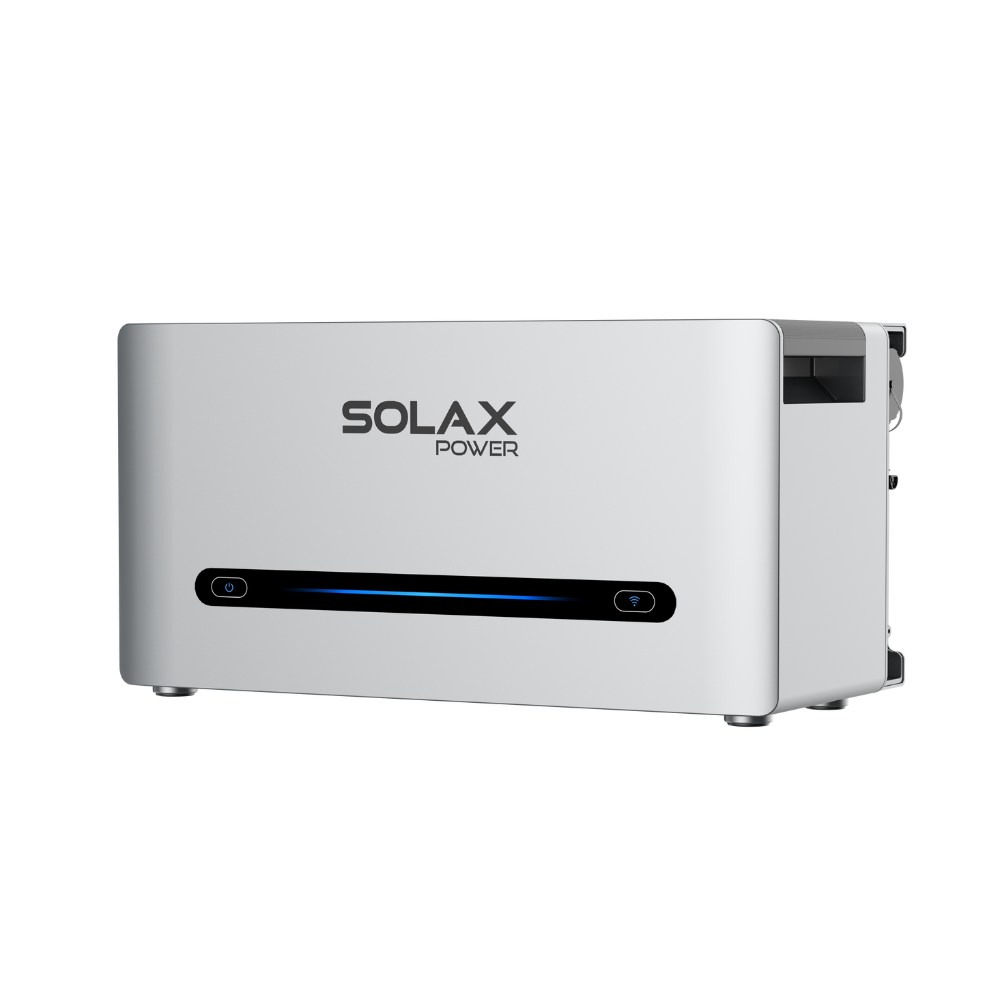
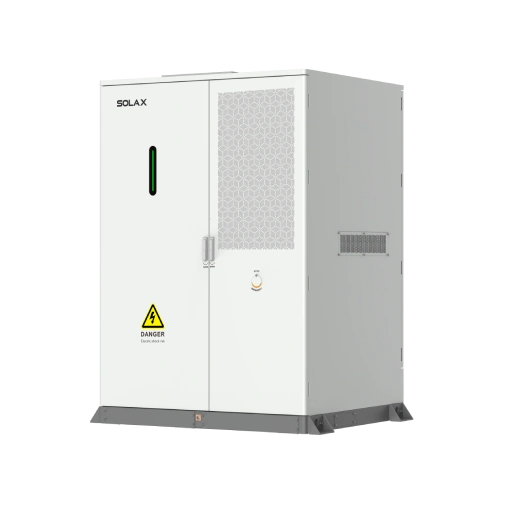
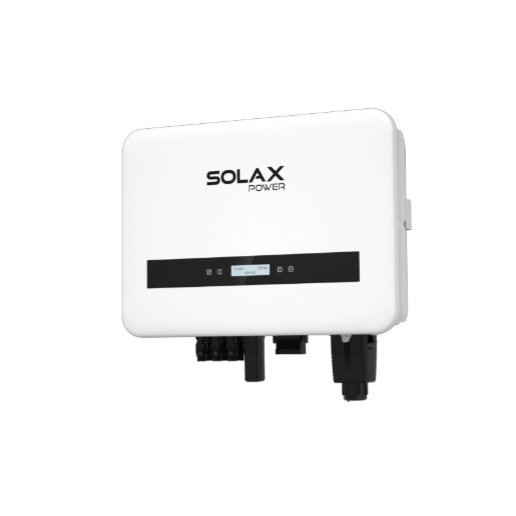
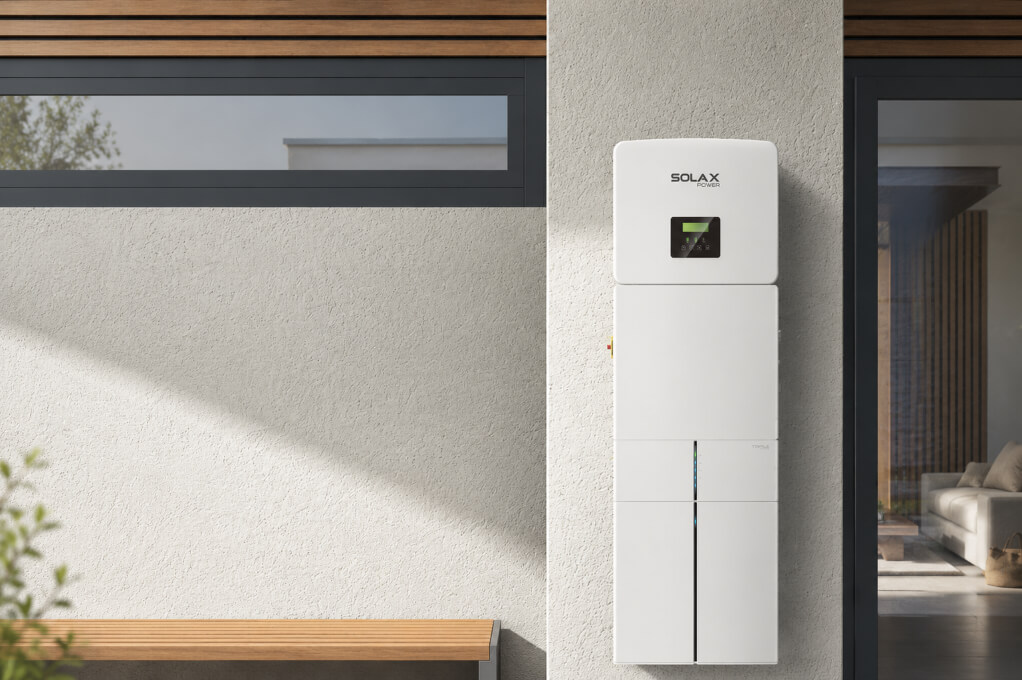
The SolaX X-ESS G4 fits homes that want an all-in-one energy storage system without a complex equipment layout. SolaX lists it at 3-7.5 kW with 3-12 kWh capacity, and the product page highlights 150% PV oversizing support, real-time monitoring through SolaX Cloud, smart load management for devices such as a heat pump or smart EV charger, plus IP65 protection. It also supports up to 200% PV oversizing and up to 110% AC output, which is useful when your solar energy storage system needs more flexibility around short family peaks.
Solar Plus Storage For Families
Before you add more battery storage, ask a simpler question: when does your home actually need solar energy after sunset? For many families, the answer is early evening. That is why solar and battery design works best when midday generation is saved for dinner-hour cooling, cooking, laundry, and electronics. In a well-matched solar energy storage system, the battery is not just backup. It is a timing tool that improves self-consumption and reduces grid dependence during expensive hours.
This is also where a hybrid solar inverter earns its keep. A hybrid inverter coordinates solar pv input, battery charging, and home demand in one system, which simplifies solar installation and makes future control easier. If your utility uses time-based rates, smart energy software can push charging toward surplus solar hours and discharge later when rates or demand rise. That is the difference between simply owning solar batteries and using them strategically.
Why monitoring matters in family homes
A busy household changes fast. Kids grow, school schedules shift, and one new appliance can move your demand profile. Software visibility helps you see whether your solar battery storage is covering the evening peak or draining too early.
Product fit: Residential ESS Solutions for scalable storage
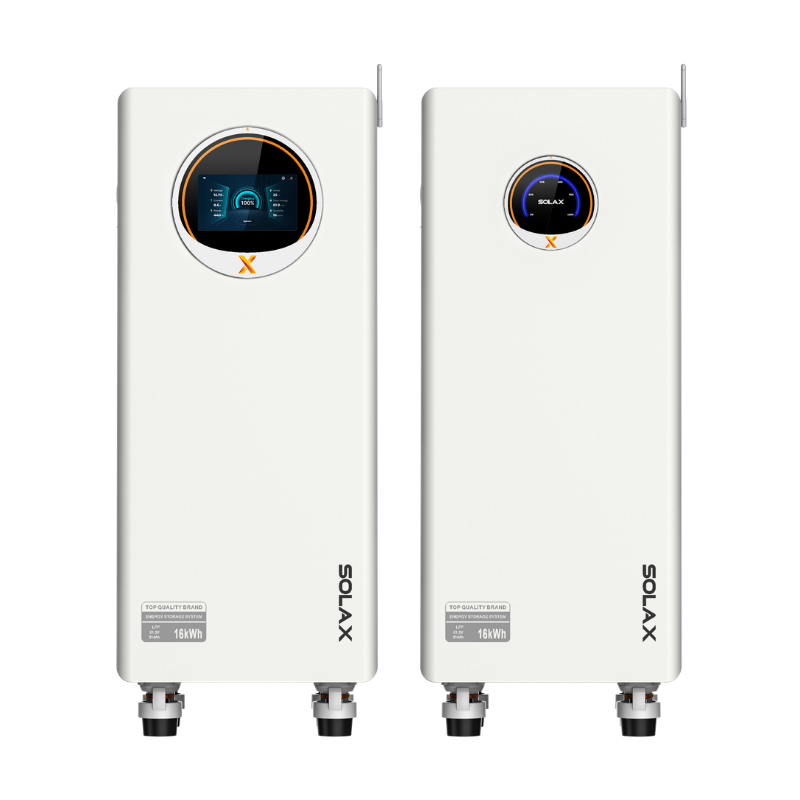
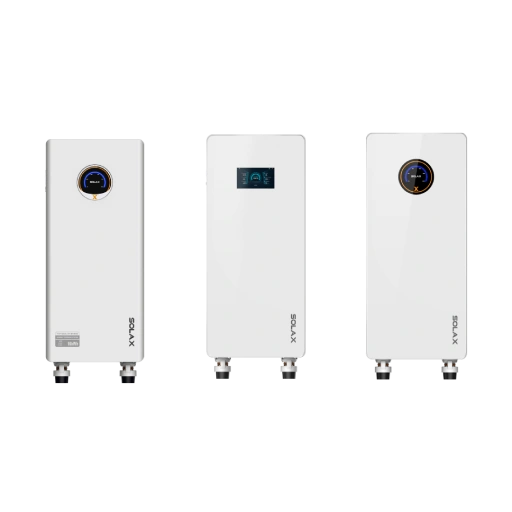
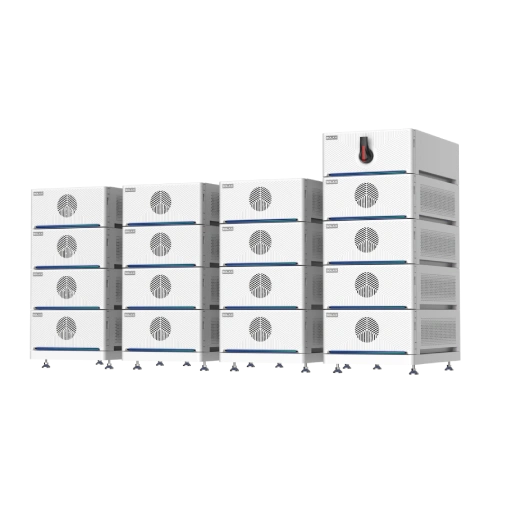
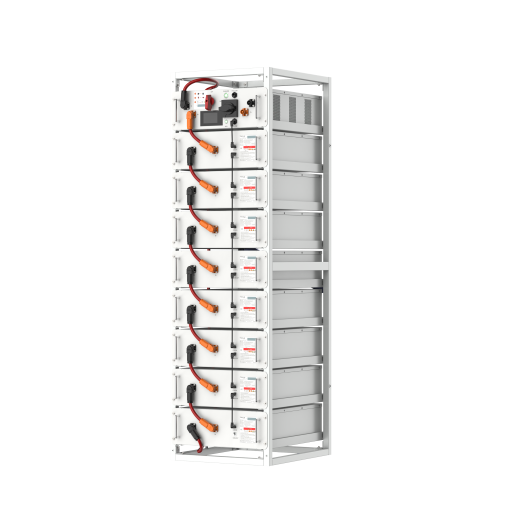
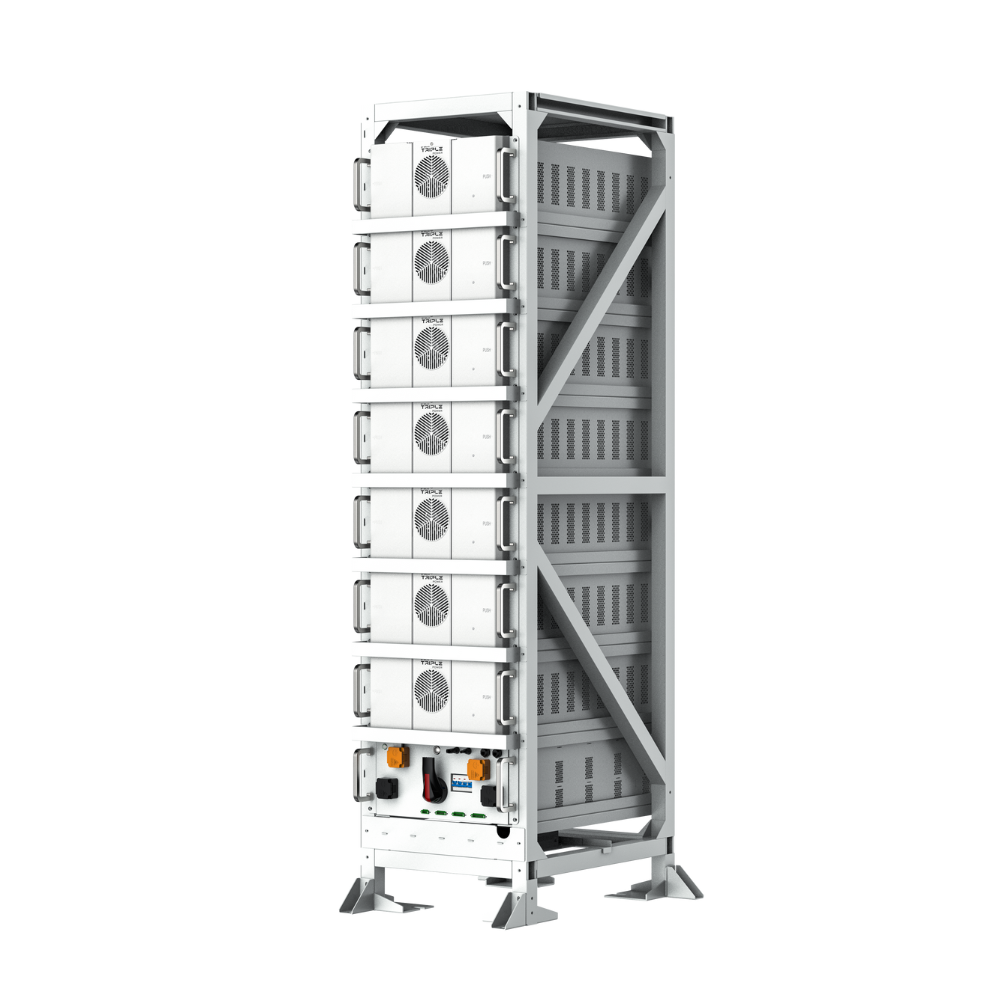
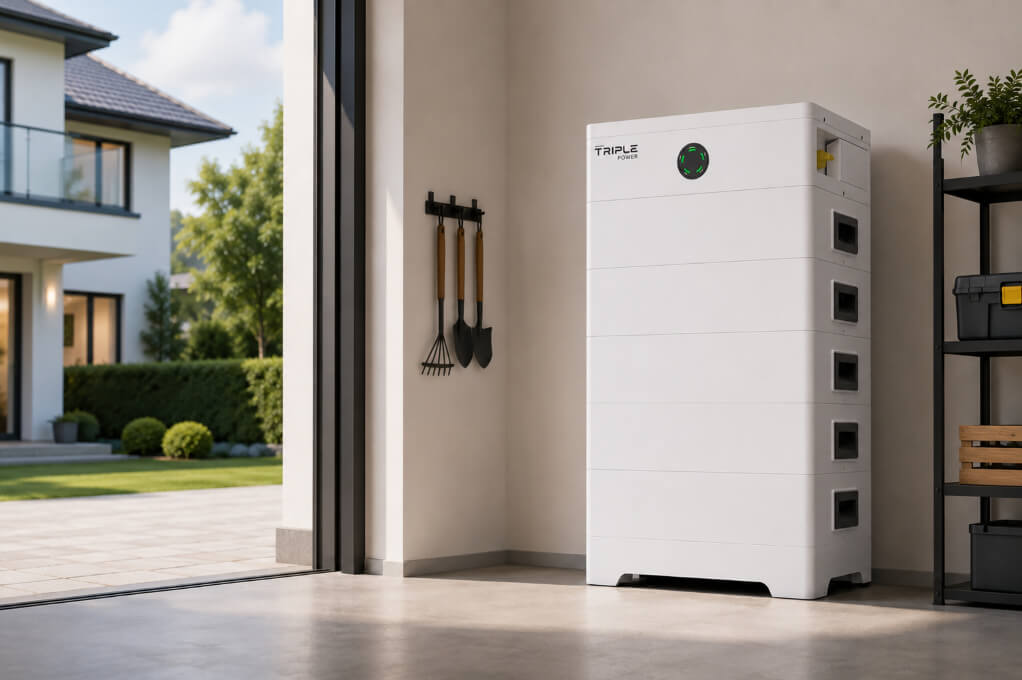
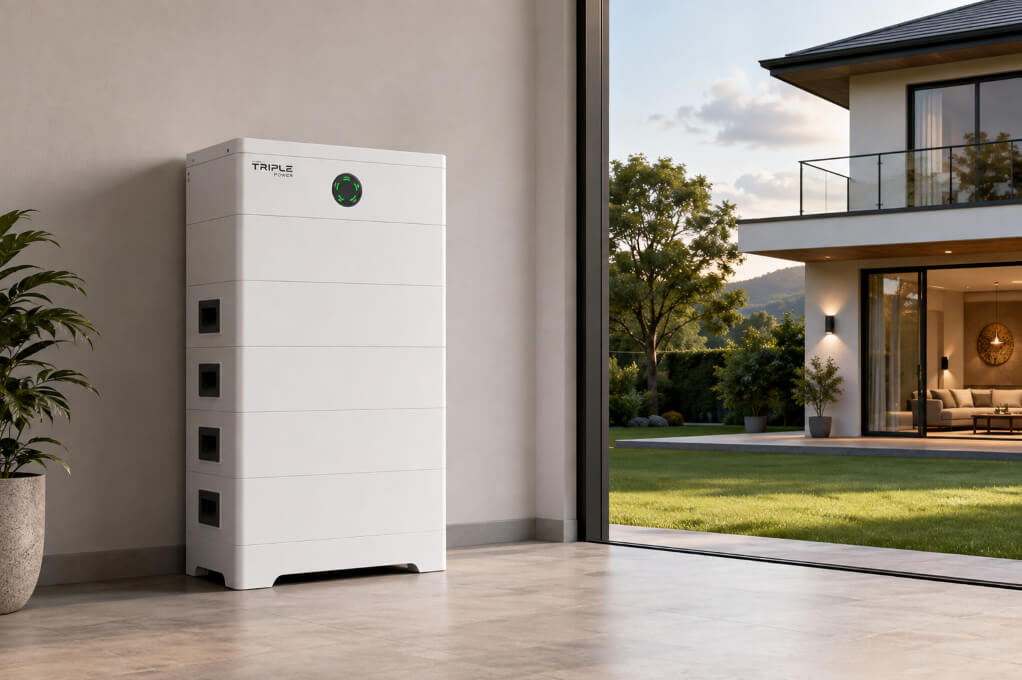
SolaX's T-BAT-SYS-HV-S2.5 battery line is designed for growth. The product page lists a 5.12 kWh to 33.28 kWh range, LFP chemistry, IP65 protection, stackable plug-and-play modules, up to 50A charging and discharging current, and cycle life above 6000 times.
SolaX also notes support for battery expansion and configurations with multiple towers depending on inverter compatibility. That makes this home battery option useful when your family starts with a moderate inverter battery target and wants a battery solution that can expand as residential solar systems add bigger evening loads.
Backup Power For Essential Loads
If outages matter to your household, define backup priorities before you think about whole-home coverage. Most families do better by protecting refrigeration, internet, lighting, selected outlets, and at least part of heating or cooling. That approach stretches battery storage longer and keeps the ESS focused on what your home truly needs. Trying to back up every circuit often forces a larger system than your daily savings case can justify.
EPS, or emergency power supply mode, is especially important here. In practice, EPS lets a qualified system keep chosen circuits alive when the grid drops. The key is not just battery size. It is whether the inverter can switch quickly and deliver enough short-duration power for startup loads. That matters for compressors, pumps, and other appliances that need more power at start-up than during steady operation.
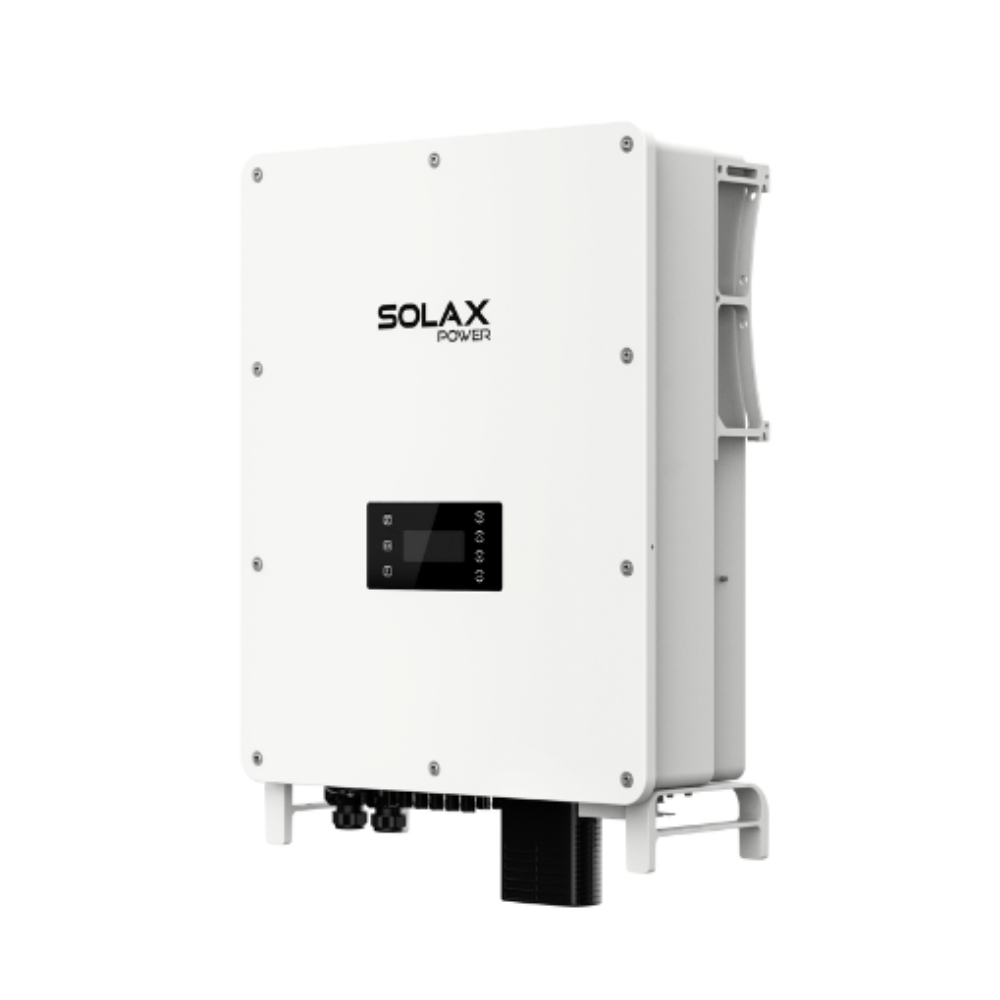
Product fit: X3-IES-P for larger appliance loads
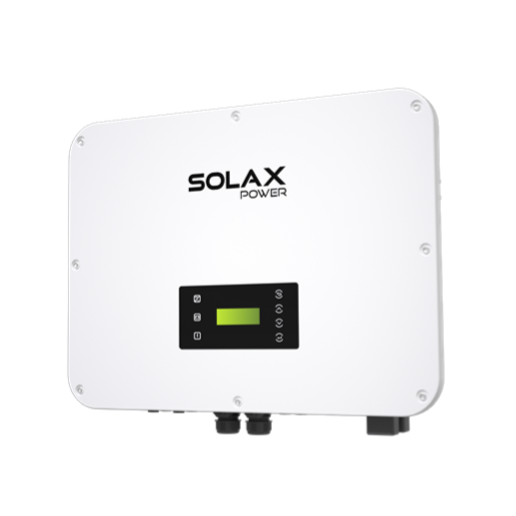
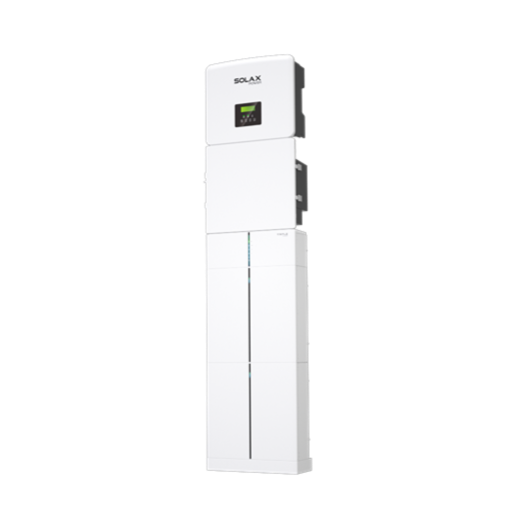
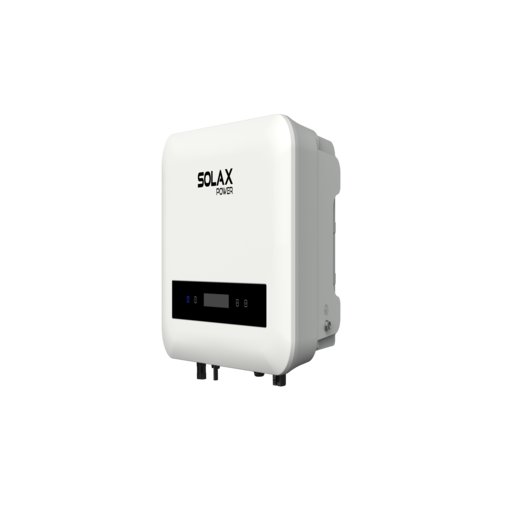
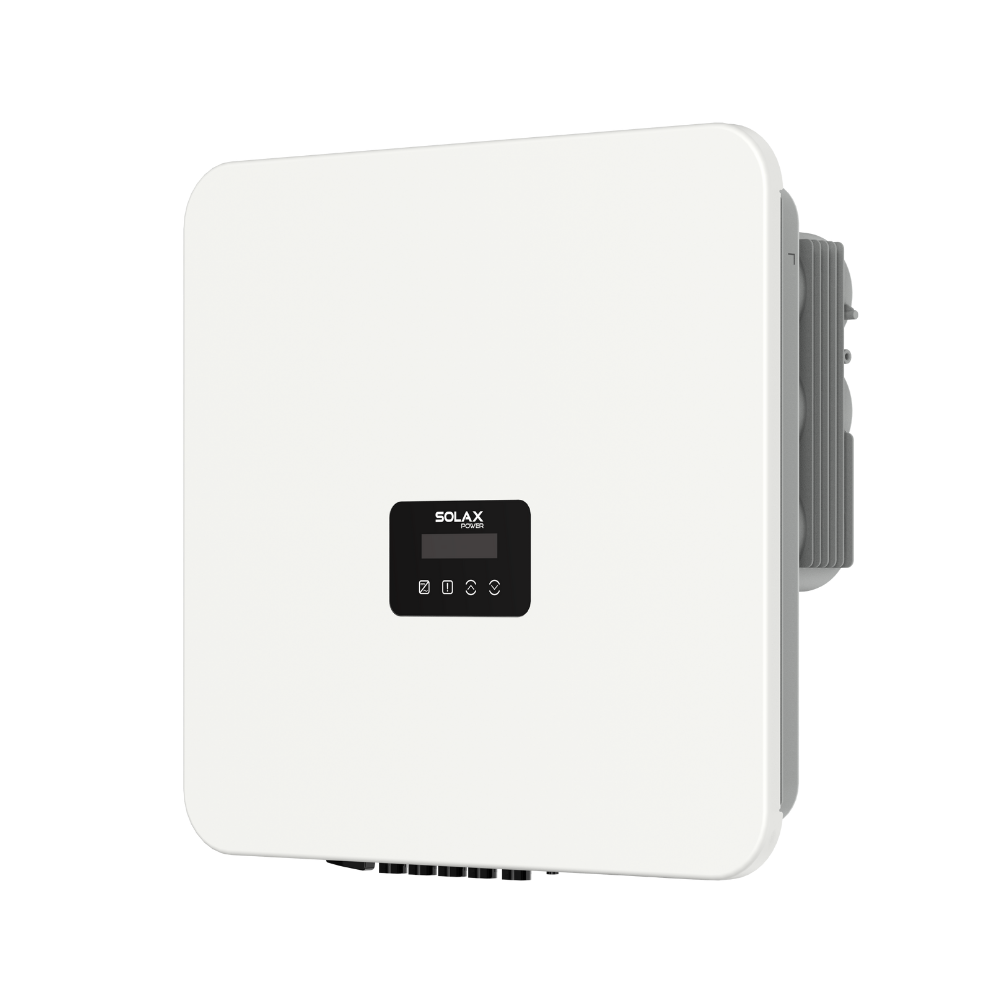
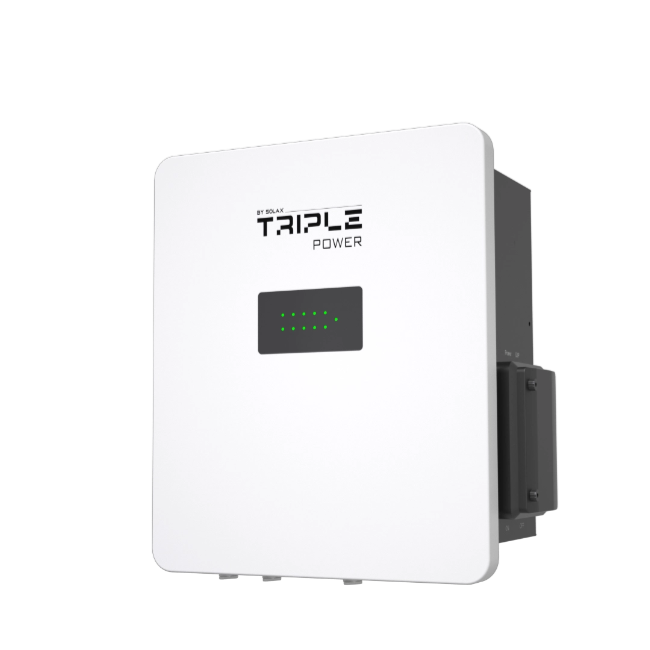
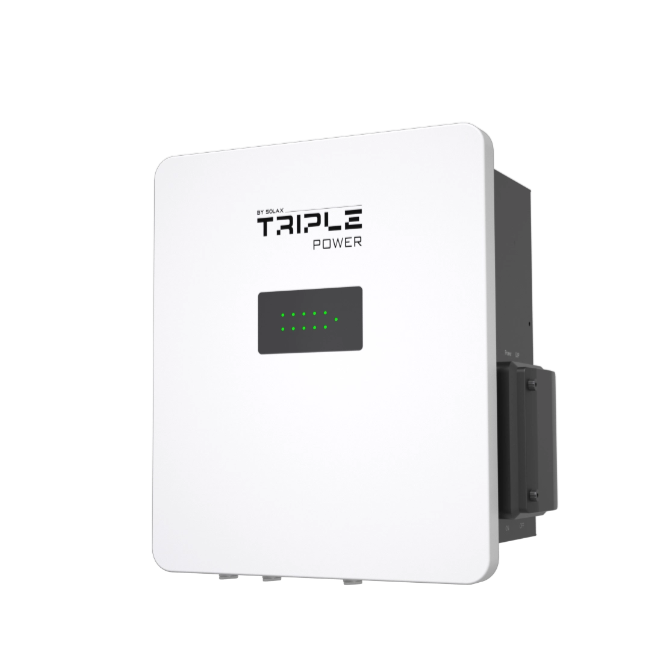
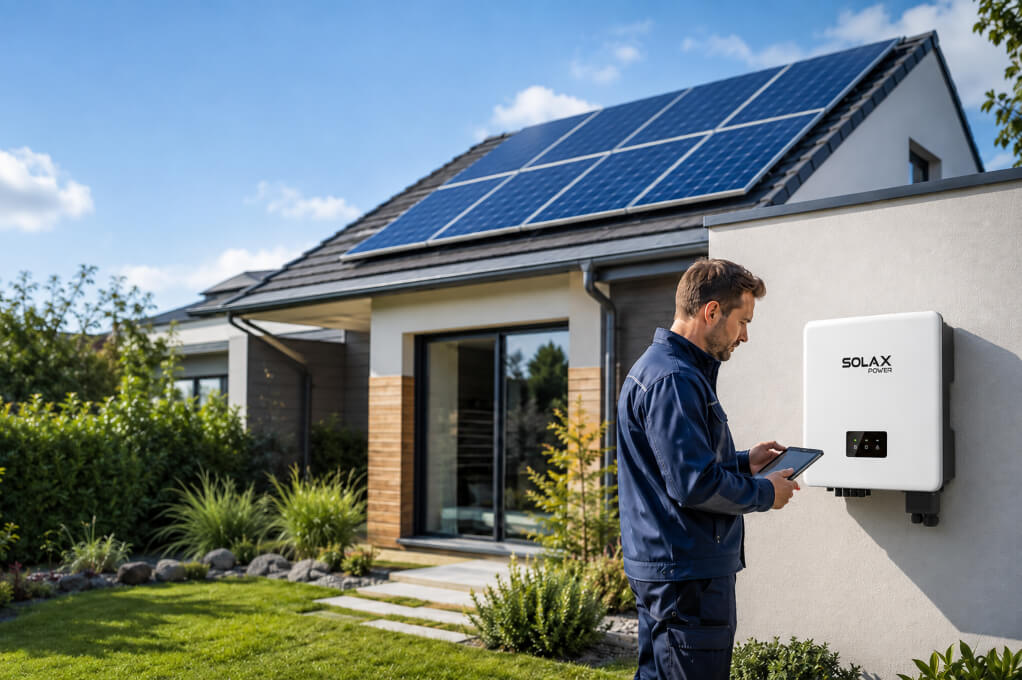
For bigger homes or three-phase setups, the SolaX X3-IES-P is built for heavier residential use. SolaX lists output options from 4 kW to 15 kW, with product details including IP66 protection, up to 200% EPS output for 10 seconds, UPS-level switchover time under 10 ms, up to 3 MPPTs, and up to 20A PV input per MPPT.
The 15 kW version is shown with a maximum recommended PV array power of 30 kWp, while the unit dimensions are 717 x 405 x 209.5 mm. That combination makes it a strong fit when your energy solutions need three-phase coordination, stronger backup behavior, and room for larger solar power storage plans.
EV Charging And Future Expansion
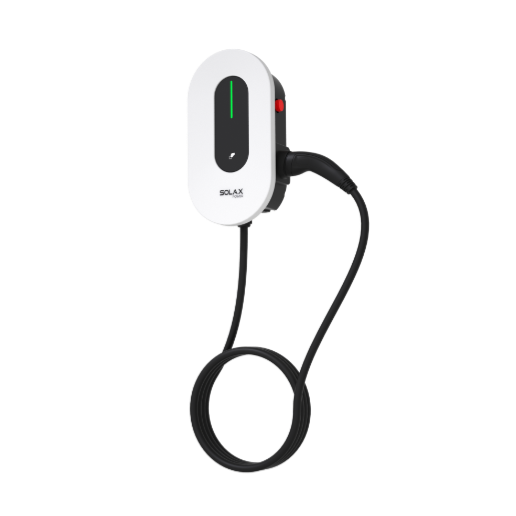
Planning your ESS without thinking about EV charging is one of the most common upgrade mistakes. Even if you do not own an EV today, your next load jump may come from a smart ev charger, air to water heat pump, or added electric water heating. If conduit, inverter capacity, and battery architecture are undersized from day one, future expansion becomes a retrofit project instead of a clean add-on.
The better path is to leave electrical and storage headroom. That does not always mean buying the biggest solar battery system now. It means choosing an energy storage system with scalable battery storage, a hybrid inverter that can coordinate future solar and battery growth, and monitoring software that can manage additional smart energy loads later. The U.S. Department of Energy's Zero Energy Ready Home program highlights EV readiness and heat pump water heating readiness in newer electrification pathways, which shows how quickly home electrical demand is evolving.
How to Choose an ESS for Families with High-Demand Appliances
Before you choose a model, decide what problem you are solving first: bill reduction, backup, or future electrification. That answer shapes battery size, inverter type, and expansion path more than any single spec sheet.
Factor | What to check | Best fit |
Load profile | Peak overlap severity | Morning/evening mapping |
Battery size | Night coverage target | 1-2 peak windows |
Inverter type | Single or three-phase | Match service type |
Expansion path | EV, heat pump, additions | Leave headroom |
Monitoring | App and automation depth | Daily visibility |
Short decision framework
Choose ESS size from overlapping appliance use, not panel total.Pick a hybrid inverter when you want one coordinated solar-plus-storage architecture.Use scalable home battery storage when EV charging or HVAC upgrades are likely.Prioritize smart energy software if your utility rates change by time of day.
Conclusion
The best ESS for a busy household is not the one with the biggest number on the brochure. It is the one that matches your real peaks, supports your critical loads, and leaves room for future solar energy, EV charging, and home electrification.
When you combine the right hybrid inverter, scalable home battery, and smart energy management, your solar energy system becomes easier to live with and easier to expand.
FAQ
Table of Contents
Latest News
Explore expert insights, practical guides, and the latest news on SolaX Power.



To the Latest Newsletter
Stay Ahead with the Latest SolaX Updates!
Subscribe
I have read and agree to Privacy Policy and User Terms